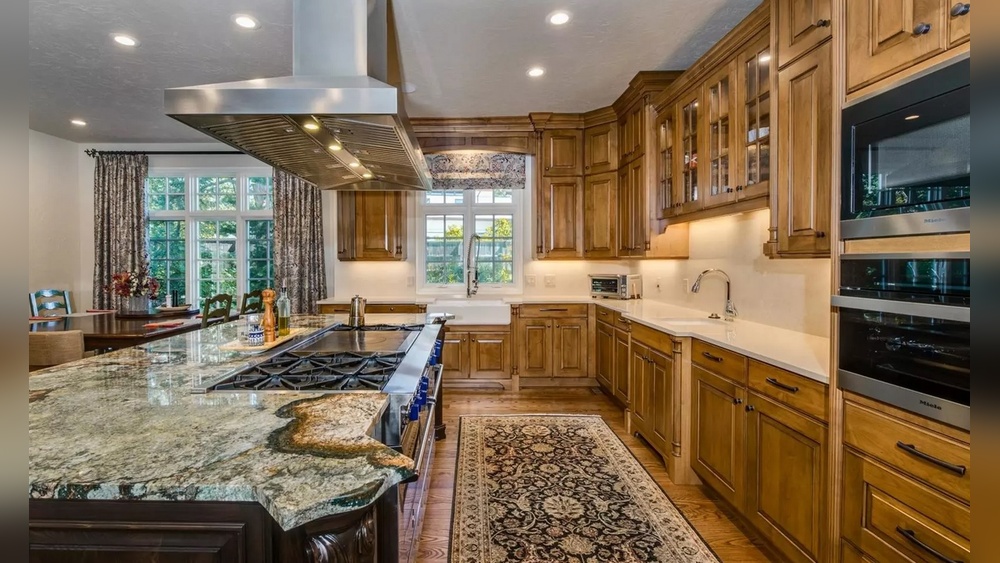
How Much For New Cabinets
Remodeling your kitchen or bathroom with new cabinets can transform your home’s appearance, functionality, and value. Yet, the first question most homeowners ask is: How much for new cabinets? The answer is complex. Cabinet costs depend on material, size, style, installation, and whether you choose stock, semi-custom, or fully custom options. According to the National Kitchen and Bath Association, cabinetry can account for up to 40% of a kitchen remodel budget. For many, this is a significant investment, making it crucial to understand all the factors influencing price.
Whether you’re looking to refresh a small space, create a chef’s kitchen, or build a luxurious bathroom, knowing what affects cabinet pricing helps you make an informed decision. This guide provides a comprehensive breakdown of cabinet costs, real-world examples, data-driven comparisons, and actionable tips.
You’ll discover how to maximize your budget without sacrificing quality or style, and what to expect before, during, and after the installation process.
Key Takeaways
- Cabinet costs vary widely, from $100 per linear foot for stock options to $1,200+ per linear foot for high-end custom cabinets.
- Material, finish, and hardware are major price drivers, with solid wood and premium finishes costing more.
- Installation and labor typically add 20, 30% to the total cabinet project cost.
- Choosing between stock, semi-custom, or custom cabinets can significantly impact your budget and design flexibility.
- Get multiple quotes and understand warranty terms before committing to any cabinet purchase.

Credit: highlandcabinetry.com
Understanding Cabinet Pricing Models
Cabinet pricing isn’t one-size-fits-all. The cost structure depends on whether you select stock, semi-custom, or custom cabinets. Each model offers different benefits and price points, impacting your final budget.
Stock Cabinets
Stock cabinets are pre-manufactured and sold at major home improvement stores. They’re available in standard sizes, finishes, and limited styles.
- Price Range: $100, $300 per linear foot
- Installation: Simple and quick
- Lead Time: Immediate availability
Stock cabinets are ideal for budget-conscious homeowners or rental properties. However, the lack of customization means you may have to compromise on fit and style.
Semi-custom Cabinets
Semi-custom cabinets allow for some personalization, size, finish, and hardware changes, but are still mass-produced.
- Price Range: $150, $650 per linear foot
- Installation: Moderate complexity
- Lead Time: 4, 8 weeks
Semi-custom is a good middle ground, offering flexibility without the high price of full customization.
Custom Cabinets
Custom cabinets are built to your exact specifications by professional cabinetmakers.
- Price Range: $500, $1,200+ per linear foot
- Installation: Highly complex, often requiring skilled labor
- Lead Time: 8, 16 weeks
Custom cabinetry suits luxury homes or unique spaces, but comes with a premium price tag.
| Type | Price Per Linear Foot | Customization | Lead Time |
|---|---|---|---|
| Stock | $100, $300 | None | Immediate |
| Semi-Custom | $150, $650 | Limited | 4, 8 weeks |
| Custom | $500, $1,200+ | Full | 8, 16 weeks |
Example: Budget Kitchen Remodel
In my experience, a client remodeled a small kitchen with stock cabinets for just under $2,000. Labor and installation were straightforward, and the project finished in one week. However, the options for layout and finishes were limited.
Example: Luxury Custom Cabinets
For a high-end home, another client spent $25,000 on custom cabinetry to fit a large, open-plan kitchen. The cabinets featured exotic woods and soft-close hardware, and the installation took six weeks. The result was a perfect fit and unique design.

Credit: homeguide.com
Material Choices And Their Impact On Cost
The material you select for your cabinets directly affects their price, durability, and visual appeal. Here’s how major cabinet materials compare:
Particleboard And Mdf
Particleboard and Medium Density Fiberboard (MDF) are affordable engineered materials.
- Price Range: Lowest ($)
- Durability: Moderate
- Finish: Paint or laminate
These materials are suitable for budget projects, but may not withstand heavy use or moisture as well as solid wood.
Plywood
Plywood is stronger and more moisture-resistant than particleboard or MDF.
- Price Range: Moderate ($$)
- Durability: High
- Finish: Can be stained or painted
Plywood is a popular choice for semi-custom and custom cabinets, balancing cost and performance.
Solid Wood
Solid wood cabinets are premium, offering natural beauty and durability.
- Price Range: High ($$$)
- Durability: Excellent
- Finish: Stain, paint, or natural
Woods like maple, cherry, and oak command higher prices, but offer unmatched longevity.
| Material | Average Price | Durability | Finish Options |
|---|---|---|---|
| Particleboard/MDF | Low | Moderate | Paint/Laminate |
| Plywood | Medium | High | Stain/Paint |
| Solid Wood | High | Excellent | Stain/Paint/Natural |
Metal And Glass
Metal and glass cabinets are rare, used in ultra-modern designs.
- Price Range: Highest ($$$$)
- Durability: Very high
- Finish: Stainless steel, frosted glass
These materials are expensive, but create dramatic visual effects.
Example: Mdf Vs Solid Wood
One homeowner chose MDF cabinets for a rental unit, spending $1,200 on materials. Another opted for solid cherry wood in their forever home, investing $7,500. The solid wood cabinets looked richer and lasted longer, but the MDF met the budget needs for temporary housing.

Credit: cabinets4lessaz.com
Cabinet Styles And Their Influence On Pricing
Cabinet style impacts cost, from simple slab doors to ornate raised panels.
Shaker Style
Shaker cabinets are characterized by clean lines and minimal ornamentation.
- Price Range: $150, $450 per linear foot
- Popularity: High
- Maintenance: Easy
Shaker is the most popular style for both stock and semi-custom cabinets.
Flat-panel And Slab
Flat-panel or slab cabinets offer a contemporary look.
- Price Range: $120, $500 per linear foot
- Popularity: Growing
- Maintenance: Very easy
These are often used in modern kitchens and apartments.
Raised Panel
Raised panel cabinets feature intricate detailing and traditional aesthetics.
- Price Range: $200, $600 per linear foot
- Popularity: Moderate
- Maintenance: Moderate
They’re common in custom designs, adding to labor and material costs.
Glass-front And Specialty Styles
Glass-front and specialty cabinets (like beadboard or louvered) can increase costs by 15, 30%.
- Price Range: Varies
- Popularity: Niche
- Maintenance: Challenging
These are often used as statement pieces or in luxury homes.
Example: Shaker Vs Raised Panel
A homeowner selected Shaker cabinets for their kitchen remodel, reducing costs by 25% compared to raised panel. The simple design cut material and labor expenses.
Cabinet Hardware, Accessories, And Custom Features
Hardware and accessories can add thousands to your cabinet project, depending on the level of customization.
Standard Hardware
Basic hardware includes knobs, pulls, and hinges.
- Price Range: $2, $10 per item
- Installation: Simple
Standard hardware is cost-effective for most projects.
Premium Hardware
Premium options include soft-close mechanisms, pull-out shelves, and under-cabinet lighting.
- Price Range: $10, $100 per item
- Installation: Moderate complexity
Upgrading hardware can significantly improve functionality and aesthetics.
Custom Accessories
Custom accessories include lazy Susans, drawer organizers, pull-out trash bins, and wine racks.
- Price Range: $50, $300+ per accessory
- Installation: Requires skilled labor
These features are common in custom and semi-custom cabinets, enhancing usability but raising costs.
Example: Soft-close Upgrade
A client added soft-close hardware to their semi-custom cabinets, increasing the total project cost by $850. The improved user experience was worth the investment.
Labor, Installation, And Hidden Costs
Installation is a major component of cabinet pricing, often underestimated.
Professional Installation
Professional cabinet installers charge by the hour or per linear foot.
- Average Rate: $50, $250 per linear foot (labor only)
- Timeline: 1, 3 weeks for most projects
Labor costs increase with complexity, custom features, and site preparation.
Diy Installation
Some homeowners choose to install cabinets themselves.
- Cost Savings: 20, 40% off total project
- Risks: Mistakes can lead to costly repairs
DIY is feasible for small, straightforward projects, but not recommended for large or custom installations.
Removal And Disposal
Removing old cabinets and disposing of debris can cost $300, $1,000, depending on local fees and volume.
Permits And Inspection
Certain remodels require city permits and inspections.
- Permit Fees: $100, $500
- Inspection: May be required for structural changes
Check with your local authority for requirements.
| Cost Component | Typical Price Range |
|---|---|
| Professional Installation | $50, $250/linear foot |
| DIY Installation | Varies (Material only) |
| Removal & Disposal | $300, $1,000 |
| Permits/Inspection | $100, $500 |
Example: Diy Vs Professional
A homeowner installed stock cabinets themselves, saving $1,500 on labor. However, incorrect measurements caused delays and extra costs for replacement parts.
Cabinet Cost By Room: Kitchen, Bathroom, Laundry, And Beyond
Cabinet costs vary by room due to size, design, and function.
Kitchen Cabinets
Kitchens require the most cabinetry and customization.
- Average Cost: $3,000, $15,000 (mid-range kitchen)
- Luxury Kitchens: $20,000, $50,000+
Kitchen cabinets often include specialty storage and premium finishes.
Bathroom Cabinets
Bathrooms are smaller, but require moisture-resistant materials.
- Average Cost: $1,000, $4,000
- Custom Vanities: $5,000, $10,000
Vanities and linen cabinets are common bathroom upgrades.
Laundry And Mudroom Cabinets
These spaces need durable, functional storage.
- Average Cost: $800, $3,500
- Custom Designs: $4,000, $8,000
Laundry room cabinets can include sink bases and sorting stations.
Home Office And Garage Cabinets
Cabinets in offices and garages prioritize utility.
- Average Cost: $1,000, $6,000
- Material: Often laminate or plywood
These cabinets are typically stock or semi-custom.
Example: Whole-home Remodel
A family invested $40,000 to outfit their kitchen, bathrooms, and mudroom with semi-custom cabinets. They balanced material choices and room-specific needs to optimize value.
Regional Price Differences And Market Trends
Cabinet prices fluctuate based on location and economic factors.
Urban Vs Rural Markets
Cabinet costs are higher in urban areas due to labor rates and demand.
- Urban Average: $250, $350 per linear foot
- Rural Average: $150, $250 per linear foot
Supply Chain And Material Prices
Global supply chain disruptions can affect material availability and pricing. For example, the price of hardwood surged in 2026 due to increased demand and limited supply (The New York Times).
Seasonal Trends
Cabinet prices may rise during peak remodeling seasons (spring and summer). Contractors are busier, and demand can drive up labor costs.
Example: Price Spike
During the 2026 lumber shortage, a homeowner’s custom cabinet quote increased by 18% in just three months. Planning ahead and locking in prices early helped mitigate further cost increases.
How To Save Money On New Cabinets
Smart strategies can help keep your cabinet project within budget without sacrificing quality.
Shop Stock Or Rta Cabinets
Choosing stock or Ready-to-Assemble (RTA) cabinets reduces material and labor costs.
- Tip: Look for seasonal sales at big-box stores.
Limit Custom Features
Avoid unnecessary customizations like specialty finishes or glass-front doors.
- Tip: Focus on functionality for core cabinets; splurge on one statement piece.
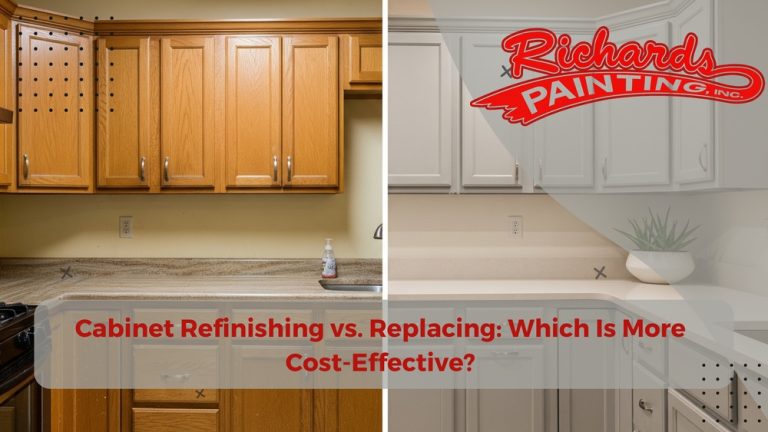
Reface Existing Cabinets
Cabinet refacing involves replacing doors and hardware, keeping the boxes intact.
- Cost: 30, 50% less than full replacement
- Result: New look with less disruption
Refacing is ideal for structurally sound cabinets.
Mix Materials And Styles
Combine stock base cabinets with custom uppers or specialty hardware.
- Tip: Use affordable materials in less visible areas.
Get Multiple Quotes
Request estimates from at least three cabinet suppliers or installers.
- Tip: Negotiate for discounts and compare warranty coverage.
Pro Tip:
Always ask about warranty terms and after-sales support. These can save money on repairs and replacements down the line.
Real-world Examples And Case Studies
Examining real projects provides insight into what homeowners actually spend, and why.
Example: Small Kitchen Upgrade
A couple purchased stock cabinets from a national retailer for $1,800, hired a local installer for $1,200, and completed the project for $3,000 total. They skipped custom features and focused on basic functionality.
Example: Mid-range Bathroom Remodel
A homeowner chose semi-custom cabinets for their bathroom, spending $2,700 on materials and $900 on installation. They selected moisture-resistant plywood and added soft-close drawers.
Example: High-end Kitchen Renovation
A luxury kitchen remodel featured custom walnut cabinets, specialty hardware, and integrated lighting. The total cabinet cost was $32,000, with $7,000 for installation. The project took three months and added significant resale value.
Example: Cabinet Refacing
A family refaced their kitchen cabinets, spending $4,200 compared to a $10,000 estimate for new cabinets. The process took four days and minimized disruption.
Comparison Table: Cabinet Type Cost Breakdown
| Project Type | Material Cost | Labor Cost | Accessory Cost | Total Cost |
|---|---|---|---|---|
| Stock Kitchen | $2,000 | $1,500 | $300 | $3,800 |
| Semi-Custom Bathroom | $2,700 | $900 | $200 | $3,800 |
| Custom Kitchen | $25,000 | $7,000 | $2,000 | $34,000 |
| Cabinet Refacing | $2,500 | $1,700 | $0 | $4,200 |
Choosing A Cabinet Supplier And Installer
Selecting the right supplier and installer ensures quality, durability, and satisfaction.
Research Cabinet Brands
Look for reputable brands with strong reviews and warranties. Check third-party ratings on sites like Consumer Reports.
Evaluate Showrooms And Samples
Visit showrooms to compare materials, finishes, and hardware in person.
- Tip: Ask for physical samples to test color and texture.
Review Installer Credentials
Verify installers’ licenses, insurance, and experience with similar projects.
- Tip: Request references and view completed work portfolios.
Understand Warranty And Service
Clarify warranty terms, coverage, and after-sales support.
- Tip: Choose suppliers offering at least a 1-year warranty.
Example: Supplier Comparison
One client compared three cabinet brands and installers. The lowest quote lacked a warranty, while the highest offered premium service and support. They chose the middle option, balancing cost and reliability.
Frequently Asked Questions
How Do Cabinet Prices Compare To Other Kitchen Upgrades?
Cabinetry typically accounts for the largest portion of a kitchen remodel budget, often surpassing appliances, countertops, or flooring. For context, appliances average $2,000, $8,000 per kitchen, while countertops range from $1,500, $5,000. Cabinets, by contrast, can easily reach $3,000, $15,000 for mid-range projects. If you’re also planning food preservation upgrades, like adding canning storage, check out Choosing the right canning jar makes preserving food easier.
What Are The Best Ways To Finance New Cabinets?
Many homeowners use home equity loans, personal loans, or credit cards to finance cabinet projects. Some cabinet suppliers offer financing plans with low or zero interest rates for qualified buyers. Always compare rates, terms, and fees, and consult a financial professional before making decisions.
Are Eco-friendly Cabinet Materials More Expensive?
Eco-friendly materials, such as FSC-certified wood, formaldehyde-free MDF, and recycled content, can cost 10, 30% more than standard options. However, they offer benefits like improved indoor air quality and sustainability. Grants or incentives may be available for green remodels in some regions.
Should I Reface Or Replace My Cabinets?
Refacing is cost-effective if your cabinet boxes are in good condition and you want a new look. Replacement is necessary for damaged, outdated, or poorly designed cabinetry.
What Is The Typical Cabinet Lifespan?
Most cabinets last 15, 25 years, depending on material, installation quality, and maintenance. High-end custom cabinets can last longer. Regular cleaning, avoiding excess moisture, and gentle use prolong cabinet life. For food storage cabinets, consider moisture-resistant materials and proper ventilation.
Remodeling with new cabinets is one of the most impactful home upgrades you can make. By understanding the factors influencing cost, from material and style to labor and accessories, you can make smarter choices and achieve your design goals within budget.
With thorough planning, careful supplier selection, and a clear vision of your needs, your new cabinets will enhance your home’s beauty, functionality, and value for years to come.
Products related to this article
Sponsored / affiliate links. As an Amazon Associate I earn from qualifying purchases. I may earn additional commission from eligible campaigns.