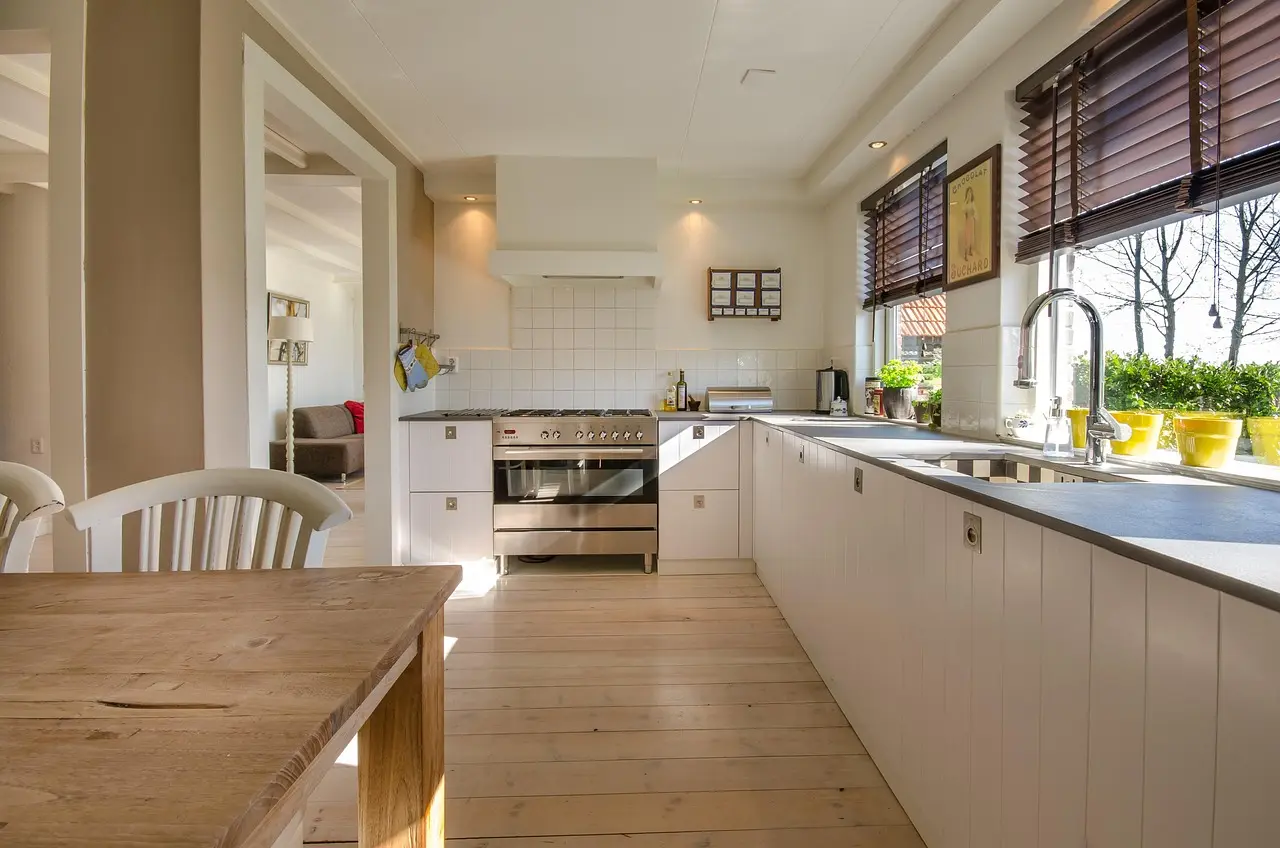
Best Wood Filler for Cabinet Repairs: we compared
For cabinet repairs, use the repair size and finish first. A two-part wood filler is the best choice for large dents and broken corners, lightweight putty fits tiny nail holes, and a stainable filler suits visible grain under stain. Bad filler shrinks, shows through paint, or takes stain unevenly. This guide compares fillers by repair size, finish type, and drying speed.
Quick comparison
| Product | Badge | Best for | Price | ||
|---|---|---|---|---|---|
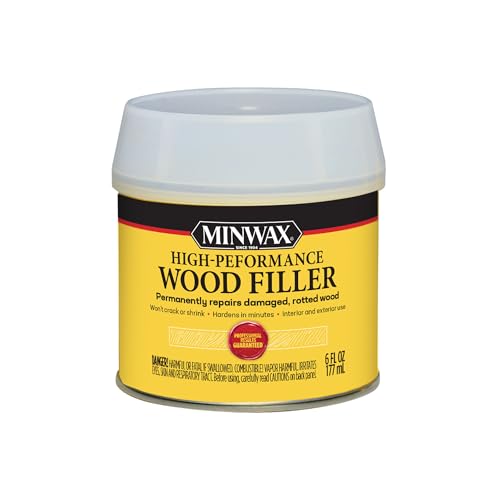 |
Minwax 41600000 High-Performance Wood Filler, 6-OunceMINWAX COMPANY, THE | Our pick | High-performance, hardens in 30 minutes | $17.15
Price as of 26 Sep 2026
|
View |
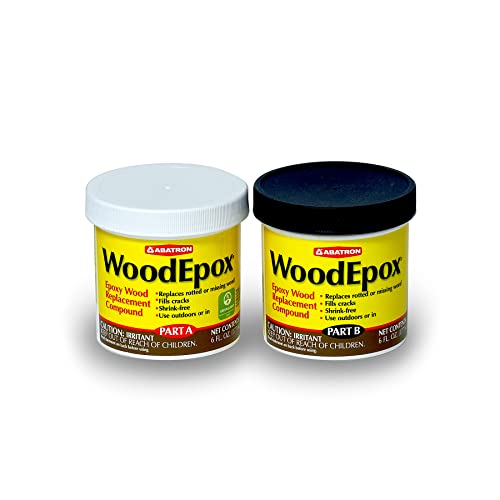 |
Abatron WoodEpox Kit – 12 oz – 2-Part Structural EpoxyAbatron | Upgrade pick | 2-part structural epoxy with 20-30 min pot life | $18.28
Price as of 26 Sep 2026
|
View |
 |
SEISSO Wood Fillers Furniture Repair Kit, 12 Colors WoodSEISSO | Also great | 12-color touch-up putty for scratch repair | $14.44
Price as of 26 Sep 2026
|
View |
 |
Wood Filler, Paintable & Sandable White Wood Putty for HoleSMAPHY | Pair with it | White putty kit with scrapers and pads | $12.99
Price as of 26 Sep 2026
|
View |
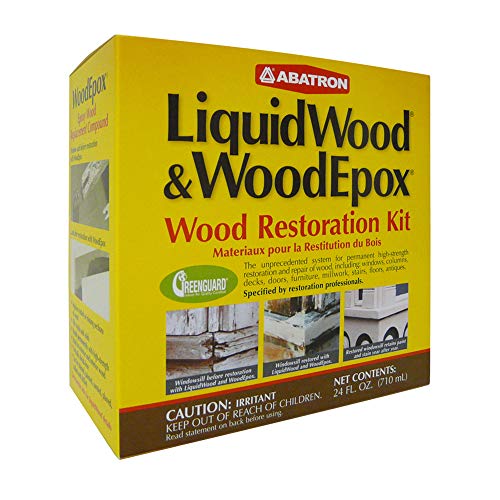 |
Abatron Wood Restoration Kit, 24 OunceAbatron | Budget pick | Restoration kit with hardener and filler | $46.99
Price as of 26 Sep 2026
|
View |
Start with the repair size and finish. If the cabinet is open-grain oak or ash and you plan to paint, grain filler belongs in the prep stage; if the cabinet is already finished and you only need a cosmetic touch-up, putty is the cleaner choice.
According to Best Wood Filler for Cabinets – The Cabinet Craftsmen LLC — Aqua Coat Grain Filler dries in 1-2 hours.
How we chose
The comparison below is cabinet-specific, not a general woodworking roundup. I filtered by repair depth, finish type, cure time, sandability, and how each filler behaves on painted MDF, oak grain, thermofoil edges, or veneer chips.
Value also mattered. A filler that costs less per tube but fails on stain matching or shrinks after sanding is poor value for cabinets, where repainting or restaining takes time.
Moisture and heat exposure mattered too. Repairs near sinks, dishwashers, and ranges need a product that holds up after curing, while cosmetic touch-ups on finished faces can use a softer, faster option.
Aqua Coat Grain Filler: best for painted cabinets
This is the better pick when the cabinet face has open grain and the goal is a smooth painted finish. Aqua Coat is water-based and low odor, dries in 1-2 hours, and can be tinted, which makes it practical for oak and ash that would otherwise print grain through paint.
It works before primer and paint, after a prep pass with 150-grit sandpaper. The filler levels pores, then primer evens out how the wood and filler absorb paint differently. That step matters on kitchen cabinets because filler and bare wood rarely take paint at the same rate.
Skip it on closed-grain materials or on a finished cabinet that only needs a scratch touch-up. It is a grain filler, not a general repair paste, and it is the wrong tool for deep chips, missing corners, or stain-visible repairs.
DAP Plastic Wood-X with DryDex: best for nail holes
This is the most practical choice for small nail holes and tiny pin marks before painting. DAP Plastic Wood-X changes from pink to white as it dries, and it dries in 15-30 minutes for small holes, which makes it useful when the goal is a fast, paintable patch.
The DryDex cue helps prevent premature sanding. When the spot turns white and feels firm, it is usually ready for final smoothing with 220-grit sandpaper, then primer. It is made for cosmetic repair, not rebuilding broken edges or wide voids.
It accepts paint well and is a cleaner fit for MDF cabinets and painted trim than a stain-matching filler. The drawback is simple: it is still a filler, so it is not the right answer when the repair must disappear under clear stain.
Timbermate Wood Filler: best for stained cabinets
Choose Timbermate when the cabinet will be stained and the repaired area must stay visually close to the surrounding wood. It is water-based, can be thinned with water, and comes in multiple wood-tone colors, which gives it a better starting point for stain work than white fillers do.
That still does not mean it stains exactly like raw wood. Test it on scrap first, because even a stainable filler can read slightly flatter or darker than the board beside it. On visible cabinet faces, that test step is cheaper than learning after the final coat.
Its weakness is the same one common to many stainable fillers: color matching is imperfect, especially on cherry, maple, or cabinets with aged amber finish. It is a better fit for grain-level repair and small imperfections than for large missing chunks.
Bondo Wood Filler: best for large repairs
Bondo is the stronger choice when the cabinet has a large gouge, broken edge, or shaped damage that must be rebuilt. It is a two-part formula and cures in 15-25 minutes, and once cured it can be drilled, routed, planed, and shaped, which is why it belongs in deeper repair work.
That structural behavior makes it useful on corners, screw-out damage, and voids that need real shaping before paint. Based on the spec sheet and owner feedback, it is the kind of filler that can be brought back to crisp edges instead of just hiding a pinhole.
The drawback is finish compatibility. It is paintable and sandable, but it is not stainable, so it is a poor choice where the repair will sit under clear finish or color-matched stain.
Mohawk Fil-Stik Putty: best for quick touch-ups
This is the fastest cosmetic fix for finished cabinets. Mohawk Fil-Stik is wax-based, needs no drying time, and is good for scratches and small nail holes on surfaces that are already sealed, painted, or topcoated.
Because it is a putty, not a hard filler, it stays in the touch-up lane. It is best for filling a light scratch, masking a tiny divot, or evening out a mark where sanding would damage the existing finish.
Its limits show up fast on raw or repainted wood. Color matching can be close, but it is still a surface repair product, and wax cleanup or excess residue can be a nuisance if the cabinet needs a later repaint.
Which one should you buy

For painted cabinets, choose Aqua Coat Grain Filler on open-grain oak or ash, then follow with primer and paint. For small nail holes in painted MDF or prepped hardwood, DAP Plastic Wood-X with DryDex is the quickest path. For stained cabinets, Timbermate is the better fit because it is available in wood-tone colors and can be thinned with water for better spreading.
For large gaps, dents, chipped corners, and shaped damage, Bondo is the better repair category because it can be tooled after cure. For finished cabinets that only need cosmetic touch-ups, Mohawk Fil-Stik is the least disruptive choice because it needs no drying time.
Decision matrix by cabinet repair type
| Defect size | Cabinet material | Finish type | Best filler category | Cure time or working cue |
|---|---|---|---|---|
| Pinholes, nail holes, tiny dents | MDF, painted wood, plywood | Paint | DAP Plastic Wood-X with DryDex | 15-30 minutes for small holes |
| Open grain pores | Oak, ash | Paint | Aqua Coat Grain Filler | 1-2 hours |
| Visible grain repairs | Solid wood, veneer edges | Stain or clear finish | Timbermate Wood Filler | Let fully dry, then sand and test stain |
| Deep gouges, broken corners, routed damage | Solid wood, painted MDF edge repairs | Paint | Bondo Wood Filler | 15-25 minutes |
| Scratches, tiny chips, quick cover-ups | Finished cabinet faces | Already finished | Mohawk Fil-Stik Putty | No drying time |
Failure-case checklist
- Shrinkage: If the repair sinks after curing, the filler was either underfilled or the product was wrong for the depth. Refill slightly proud, let it dry fully, then sand flush.
- Sanding clogging: If paper gums up, the filler is not fully cured or the product is too soft for the job. Wait longer before sanding and move to 220-grit for final smoothing.
- Stain mismatch: If the patch looks brighter, darker, or flatter than the cabinet, stop and test on scrap wood first. Most fillers do not stain like real wood.
Cost and value by repair type
Value on cabinets is about repairs per tube, not just shelf price. A small-hole filler like DAP Plastic Wood-X is usually the cheapest route for fast paint prep, while a larger structural product such as Bondo makes more sense when one repair would otherwise demand a second patch or a return visit to fix shrinkage.
Timbermate tends to deliver better value on stained cabinetry because it is closer to the finish goal from the start. Mohawk Fil-Stik is also cost-efficient for finished cabinets because there is no dry time, no sanding step, and no primer requirement afterward.
Moisture, heat, and cabinet location
Kitchen repairs near sinks, dishwashers, and ranges need a little more caution. After cure, a filler still has to live through steam, condensation, and heat swings, so a product that is suited to the repair depth matters more than a quick cosmetic match.
On sink-adjacent cabinets, avoid soft touch-up products where water can reach the repair repeatedly. On painted cabinet sides near a range, allow full cure before priming so the finish does not telegraph the patch later.
How to use wood filler on cabinets
Wood filler is for pre-finish repairs and wood putty is for post-finish touch-ups. Start by cleaning the area, then use a putty knife to overfill small holes slightly so the patch can be sanded flush after it hardens. If the cabinet will be painted, sand first with 150-grit where grain needs leveling, then prime after filling.
Step-by-step cabinet repair order
- Clean dust, grease, and loose finish from the repair area.
- Choose filler by defect size and finish type, not by brand name alone.
- Apply with a putty knife and overfill slightly on small holes.
- Let the filler dry fully before sanding.
- Sand smooth with 220-grit sandpaper for the final pass.
- Prime before paint, or test stain on scrap wood before finishing.
When to use filler versus putty
Use wood filler on raw or pre-finish cabinet repairs that need sanding, shaping, or painting. Use wood putty after finishing when the goal is to hide a scratch or tiny nick without disturbing the surrounding topcoat. They are different products, and the wrong one usually fails at the exact moment the cabinet gets a second look.
Cabinet material notes by surface
Painted MDF needs a paintable filler that sands cleanly and does not crumble at the edges. Oak and ash need grain filler before painting because open-grain wood shows pores through paint. Thermofoil edges and veneer chips are trickier; if the surface is peeling or missing a structural layer, filler alone may only buy time, not fix the substrate.
What is the best wood filler for kitchen cabinets
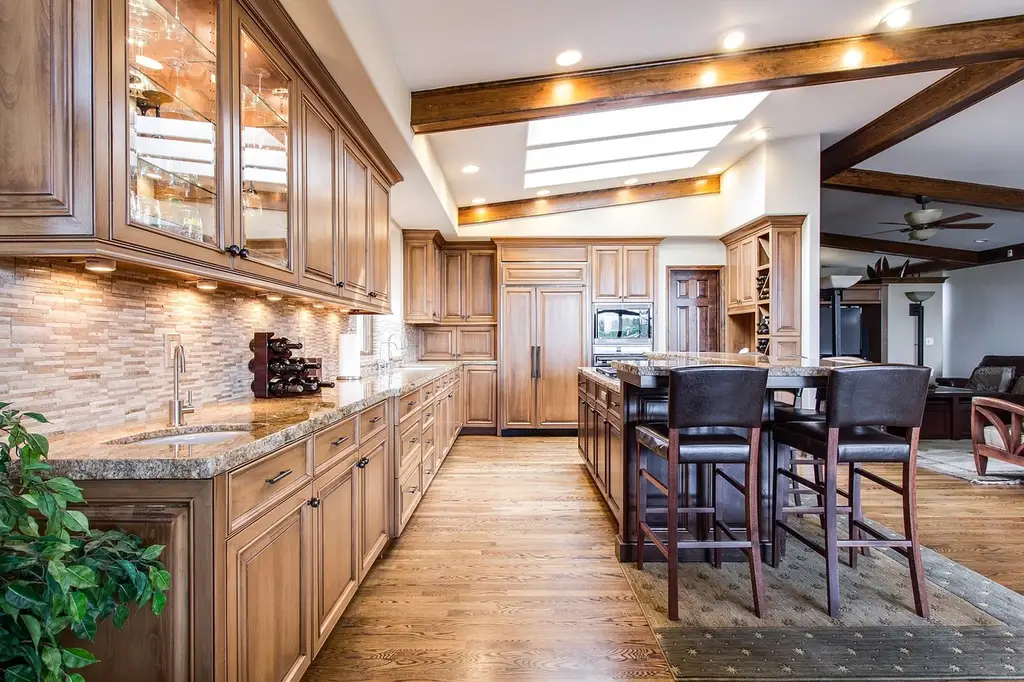
The best wood filler for kitchen cabinets depends on the repair, not the brand. For painted cabinets, a grain filler or paintable filler is usually best; for stained cabinets, a stainable filler is the better fit; for finished cabinets, a putty like Mohawk Fil-Stik is often enough for a fast cosmetic fix.
How to fill holes in wood cabinets
For small holes in wood cabinets, clean the area, press in a paintable filler with a putty knife, slightly overfill, and wait for full cure before sanding flush. If the cabinet will be painted, prime after sanding. If you are matching stain, test the filler on scrap first because most fillers do not stain like real wood.
How to repair furniture with wood filler
Furniture repair uses the same basic logic as cabinet repair, but cabinet surfaces are often more visible and more humid. Match the filler to the finish type, fill only non-structural damage, and sand after full cure. Deep cracks or loose joints need glue or replacement, not filler alone.
What is the best wood filler for large gaps
For large gaps, deep gouges, and broken corners, a two-part filler is usually the strongest category. Bondo Wood Filler is the clearest fit here because it cures quickly and can be shaped, drilled, routed, or planed after hardening. It is paintable, but it is not a stain-match product.
Which wood filler works best for painted cabinets
Painted cabinets usually do best with a paintable filler that sands smoothly and does not shrink. Aqua Coat Grain Filler is the right pick for open-grain oak or ash before paint, while DAP Plastic Wood-X is better for small holes. For larger damage, Bondo is the stronger rebuild option.
Which wood filler should I use for stained cabinets
Stained cabinets need a filler that comes closest to wood, not one that simply dries hard. Timbermate is the best fit in this group because it is stain-friendly, available in wood-tone colors, and can be thinned with water. Even then, test on scrap first because stain response can still vary.
Frequently asked questions
what is the best type of wood filler
The best type depends on the repair stage. Wood filler is best before finishing because it hardens and can be sanded. Wood putty is best after finishing because it stays pliable and works for tiny touch-ups. For deep repairs, a two-part filler is usually the most durable option.
Products related to this article
Sponsored / affiliate links. As an Amazon Associate I earn from qualifying purchases. I may earn additional commission from eligible campaigns.