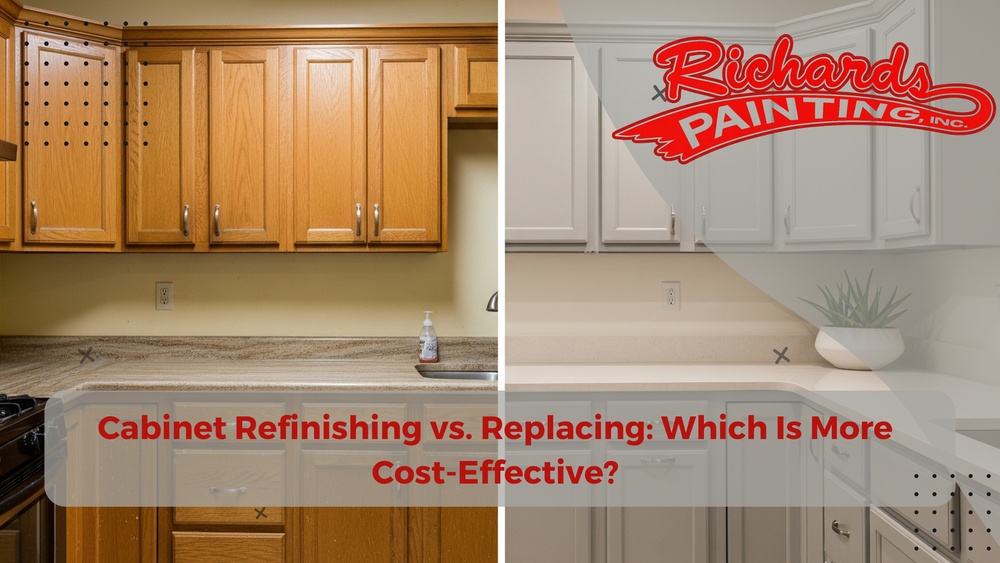
Cost Of Refinishing Cabinets Vs Replacing
Choosing between refinishing your cabinets or opting for a complete replacement is a pivotal decision that impacts both the look and value of your home, as well as your budget. For many homeowners, the kitchen is the heart of the house, an area where functionality, style, and comfort converge. Upgrading your cabinets can dramatically revitalize this space, but the best approach depends on a mix of cost, condition, and personal goals. Whether you’re aiming for a fresh look, preparing your house for sale, or simply tired of outdated finishes, understanding the real costs and benefits of each option is essential.
Cabinet renovation is often driven by the desire for a modern kitchen without the daunting price tag of a full remodel. However, the choice between refinishing and replacing is more nuanced than it appears. Factors such as material quality, labor, project duration, and even environmental impact all come into play. This article dives deep into the data, real-world examples, and expert insights to help you make a well-informed, cost-effective decision for your next home improvement project.
Key Takeaways
- Refinishing cabinets typically costs 60, 80% less than full replacement, making it the budget-friendly option for most homeowners.
- Cabinet replacement is justified when structural damage, poor layout, or a complete style overhaul is required.
- The average U.S. homeowner spends between $1,000 and $6,000 on refinishing, versus $4,000 to $18,000 on replacement.
- Time, environmental impact, and DIY potential differ significantly between the two options.
- Real-world case studies show dramatic savings and satisfaction with refinishing when cabinets are structurally sound.
- Choosing the right method depends on cabinet condition, desired outcome, and long-term plans for your home.

Credit: richardspaintingcontractor.com
Understanding Cabinet Refinishing
Refinishing cabinets involves restoring the existing cabinet boxes, doors, and drawer fronts by stripping, sanding, and applying new stain, paint, or finish. Unlike refacing, which replaces only door and drawer fronts, refinishing preserves all original materials, focusing solely on the surfaces.
Process Overview
The refinishing process starts with removing all cabinet hardware and cleaning surfaces thoroughly. Next, the old finish is stripped or sanded away, and minor repairs, such as filling in scratches or dents, are made. After prepping, new paint, stain, or varnish is applied, followed by a protective topcoat.
Average Costs
According to HomeAdvisor, the average cost to refinish kitchen cabinets ranges from $1,500 to $5,000, with most homeowners spending around $2,500. Factors influencing cost include:
- Cabinet size and number
- Type of finish (paint vs. stain)
- Complexity of the job (intricate details require more labor)
- Professional labor rates vs. DIY
Pros And Cons
Benefits:
- Major cost savings compared to replacement
- Eco-friendly, as it avoids sending old cabinets to the landfill
- Maintains kitchen layout and cabinet quality
- Quick turnaround, often completed in 3, 5 days
Drawbacks:
- Does not fix structural issues (warping, water damage)
- Limited customization compared to full replacement
- May not suit major design overhauls
Real-world Example
Example: After purchasing a 1990s home, a homeowner in Ohio hired professionals to refinish 25 linear feet of oak cabinets. The total cost was $2,800, including labor and materials. The kitchen was transformed with a white painted finish, new hardware, and under-cabinet lighting, all at a fraction of the $14,000 quoted for new cabinets.

Credit: walltowallpaintingomaha.com
Cabinet Replacement: Costs And Considerations
Cabinet replacement involves removing existing cabinets and installing new ones, either stock, semi-custom, or fully custom. This option allows for a complete transformation in layout, style, and functionality.
Types Of Cabinet Replacement
- Stock cabinets: Mass-produced, limited styles, least expensive.
- Semi-custom cabinets: Offer some customization in size and finish, higher quality.
- Custom cabinets: Made to order, unlimited design options, highest price point.
Cost Breakdown
The National Kitchen & Bath Association (NKBA) reports that new cabinets account for 20, 40% of a kitchen remodel’s budget. Average costs (installed):
- Stock: $4,000, $9,000 for a standard 10×10 kitchen
- Semi-custom: $8,000, $15,000
- Custom: $12,000, $25,000+
Labor, demolition, and disposal fees add to the total. Additional costs include hardware, potential electrical or plumbing work, and new countertops if desired.
Pros And Cons
Benefits:
- Solves structural problems (rot, warping, mold)
- Enables major layout changes (adding an island, increasing storage)
- Vastly expands design and material choices
Drawbacks:
- Highest cost, with potential for overruns
- Longer project duration (2, 6 weeks)
- Greater environmental impact due to manufacturing and disposal
Example
Example: A family in Texas replaced their dated laminate cabinets with semi-custom maple cabinets for $13,500 (including installation). This overhaul included a new island and soft-close drawers, drastically increasing storage and home value.

Credit: homeguide.com
Direct Cost Comparison: Refinishing Vs. Replacing
A detailed comparison helps clarify which option delivers better value based on your circumstances.
| Factor | Refinishing | Replacing |
|---|---|---|
| Average Cost (10×10 kitchen) | $1,500, $5,000 | $4,000, $18,000+ |
| Time to Complete | 3, 7 days | 2, 6 weeks |
| DIY Potential | High | Low |
| Customization Level | Low, Moderate | High |
| Waste/Environmental Impact | Low | High |
| Resale Value Impact | Moderate | High |
Data Insights
- Cost per Linear Foot: Refinishing averages $30, $60/foot; replacement ranges from $100, $1,200/foot depending on cabinet type.
- Return on Investment (ROI): According to Remodeling Magazine’s Cost vs. Value Report, minor kitchen remodels (often including refinishing) recoup about 72% of costs, while major remodels (replacement) recoup 57, 63%.
When Refinishing Makes Sense
- Cabinets are solid wood and structurally sound
- Homeowners are happy with current layout
- Budget constraints
- Prioritizing sustainability
When Replacement Is Justified
- Cabinets are damaged, warped, or moldy
- Desired layout change (removing walls, adding islands)
- High-end kitchen upgrade to increase home value
Factors That Influence Your Decision
Several key factors can tip the scale toward refinishing or replacement. Assessing these can save you money and future headaches.
Cabinet Material And Condition
Solid wood cabinets are excellent candidates for refinishing, while particle board or MDF may not hold up to sanding and new finishes. Cabinets with water damage, rot, or structural issues should be replaced.
Kitchen Layout And Functionality
If your current kitchen layout is inefficient or you need more storage, replacement allows you to redesign the space. Refinishing preserves the existing layout, making it ideal for kitchens that are already functional.
Design Goals And Aesthetics
Want a dramatic style change, such as switching from dark wood to a sleek modern look? Refinishing can provide a significant visual update, but some styles or colors may require replacement for best results.
Budget And Timeline
If you’re working within a strict budget or need a quick turnaround, refinishing offers the fastest, most affordable solution. Replacement requires more time and a larger financial commitment.
Environmental Impact
Refinishing is the greener option, as it avoids sending large amounts of wood, hardware, and finishes to landfills. According to the Environmental Protection Agency (EPA), reducing renovation waste is key to sustainable remodeling (EPA).
Labor, Materials, And Hidden Costs
Understanding the breakdown of expenses ensures there are no surprises during your project.
Labor Costs
- Refinishing: Professional labor typically accounts for 60, 70% of the total cost. DIYers can save substantially, but must invest time and effort.
- Replacing: Labor includes demolition, installation, plumbing, and electrical work. Unexpected problems (uneven walls, plumbing rerouting) can increase costs.
Materials
- Refinishing: Costs include paint or stain, sandpaper, brushes/rollers, and protective gear. High-end finishes (lacquer, conversion varnish) cost more but provide durability.
- Replacing: Material costs vary widely, stock cabinets are affordable, while custom work adds significant expense. Don’t forget hardware, soft-close hinges, and organizers.
Hidden Costs
- Refinishing: Minor repairs may be needed for damaged doors or drawer fronts.
- Replacing: Disposal fees for old cabinets, potential wall repairs, new countertops or backsplash, and changes to electrical or plumbing systems.
Example
Example: In my experience refinishing a set of 20-year-old maple cabinets, the only unexpected cost was replacing worn-out hinges and handles, adding $150 to the project. For a neighbor’s replacement job, the need to update electrical outlets and patch drywall increased their bill by $1,200.
Diy Vs. Professional Services
Choosing between DIY and hiring professionals is a major factor in total project cost and outcome.
Refinishing: Diy Feasibility
Refinishing is approachable for many handy homeowners. With the right tools and patience, a DIY refinishing project can save 50, 60% off professional prices. However, mistakes (uneven sanding, poor finish application) can result in unsatisfactory results and may require professional remediation.
Pro Tip: Test your chosen finish on a hidden cabinet surface before committing to the entire project.
Replacement: Complexity And Risks
Cabinet replacement is a complex process involving precise measurements, carpentry skills, and knowledge of plumbing and electrical systems. While some homeowners install stock cabinets themselves, most replacement projects are best left to licensed contractors to ensure safety and quality.
Cost Comparison Table: Diy Vs. Professional
| Project Type | DIY Cost Range | Professional Cost Range |
|---|---|---|
| Refinishing | $300, $1,000 | $1,500, $5,000 |
| Replacing (Stock) | $2,000, $6,000 | $4,000, $9,000 |
| Replacing (Semi-Custom) | $4,000, $10,000 | $8,000, $15,000 |
| Replacing (Custom) | N/A | $12,000, $25,000+ |
Impact On Home Value And Resale
For many homeowners, kitchen renovations are an investment intended to increase property value. The effect of refinishing vs. replacing on resale value depends on the local market, cabinet quality, and overall kitchen condition.
Real Estate Perspectives
According to Zillow, kitchens are one of the top factors influencing buyer decisions. Well-executed refinishing can make an older kitchen feel modern and fresh, appealing to buyers without the high cost of replacement. However, in luxury markets, buyers may expect brand-new, high-end cabinets.
Roi Statistics
- Minor kitchen remodel (refinishing): Average ROI of 72%
- Major kitchen remodel (replacement): Average ROI of 57, 63%
- Source: Remodeling Magazine’s Cost vs. Value Report (Remodeling Magazine)
When Resale Value Justifies Replacement
If your home is in a competitive real estate market or at a price point where buyers expect top-tier finishes, cabinet replacement could be a smart investment. For most mid-range homes, refinishing provides an excellent return for the cost.
Example
Example: A homeowner in California spent $3,200 to refinish cabinets before listing their house. The refreshed kitchen contributed to a quick sale at above asking price, compared to similar properties with older kitchens.
Environmental Impact And Sustainability
Sustainability is a growing consideration in home renovations. The impact of your cabinet project extends beyond cost and aesthetics.
Refinishing: The Green Choice
Refinishing maximizes the life of existing materials, reduces landfill waste, and minimizes the need for new resources. Using low-VOC paints and stains further lowers the environmental footprint.
Replacement: Waste And Resource Use
Replacement generates significant construction and demolition debris. According to the EPA, over 600 million tons of C&D debris were generated in the U.S. in 2018, with cabinetry accounting for a notable share. Sourcing cabinets made from sustainable materials or recycled content can help mitigate this impact.
Sustainable Practices
- Donate or recycle old cabinets when possible
- Choose low-emission finishes and adhesives
- Opt for cabinets certified by organizations like the Forest Stewardship Council (FSC)
Example
Example: A kitchen remodel in Oregon involved refinishing cabinets with a water-based, low-VOC paint. The project avoided over 1,000 pounds of landfill waste and provided a safer indoor environment for the family.
Real-world Case Studies: Cost, Outcome, And Satisfaction
Examining actual projects provides valuable insight into the practical outcomes of both approaches.
Case Study 1: Refinishing For A Modern Look
A couple in Minnesota wanted to update their 1980s kitchen without a complete overhaul. Their cabinets were structurally sound but dated. They opted to refinish with a trendy two-tone color scheme (white uppers, navy lowers) and new brass hardware. Total cost: $3,000. The kitchen looked brand new, and they stayed within budget.
Case Study 2: Replacement For Functionality
In Florida, a growing family needed more storage and an open layout. Their old cabinets were damaged, and the design was cramped. They invested $15,000 in semi-custom cabinets, adding a pantry and island. The project took four weeks and dramatically improved daily living and resale appeal.
Case Study 3: Diy Refinishing Success
A DIY enthusiast in Colorado refinished 18 cabinet doors and drawers using a sprayer and high-quality paint. The project cost $500 in materials and took two weekends. The result rivaled professional work and increased their confidence for future projects.
Frequently Asked Questions
How Long Does Cabinet Refinishing Last Compared To Replacement?
Refinished cabinets can last 8, 15 years if high-quality finishes are used and surfaces are properly maintained. In contrast, new cabinets, especially those made of solid wood or high-quality materials, can last 20, 50 years. Lifespan depends on daily wear, humidity, and care.
Is It Possible To Refinish Cabinets With Water Damage Or Peeling Veneer?
Refinishing is not recommended for cabinets with significant water damage, rot, or extensive veneer peeling. Surface-level damage may be repairable, but structural issues require replacement to ensure safety and durability.
Can Refinished Cabinets Be Painted A Different Color Later?
Yes, refinished cabinets can be repainted as styles change. Proper preparation (cleaning, sanding, priming) is essential for good adhesion and a long-lasting finish. Many professionals recommend waiting 1, 2 years between refinishing projects to allow finishes to fully cure.
Do I Need To Replace My Countertops If I Replace My Cabinets?
In most cases, replacing cabinets requires removing and reinstalling countertops, which can risk damage, especially with stone or solid-surface counters. If your countertops are in good shape and you want to preserve them, consult a professional before starting a cabinet replacement project.
How Can I Tell If My Cabinets Are Good Candidates For Refinishing?
Check that your cabinets are made of solid wood or high-quality plywood, are free from major structural damage, and have doors/drawers that operate smoothly. If so, they’re likely excellent candidates for refinishing. Laminates and low-grade particle board are less suitable.
Choosing whether to refinish or replace your kitchen cabinets is a substantial decision with both financial and lifestyle implications. Weighing the upfront costs, long-term value, environmental impact, and your own DIY abilities will help determine the best route for your home. In my experience, thoughtful assessment and realistic expectations lead to the most satisfying results, whether you bring new life to classic cabinets or invest in a total transformation. If you’re seeking more guidance on related home projects, check out resources like choosing the right canning method or explore freeze-drying vs canning for efficient kitchen storage solutions. Your kitchen’s next chapter starts with an informed choice, make it count.
Products related to this article
Sponsored / affiliate links. As an Amazon Associate I earn from qualifying purchases. I may earn additional commission from eligible campaigns.