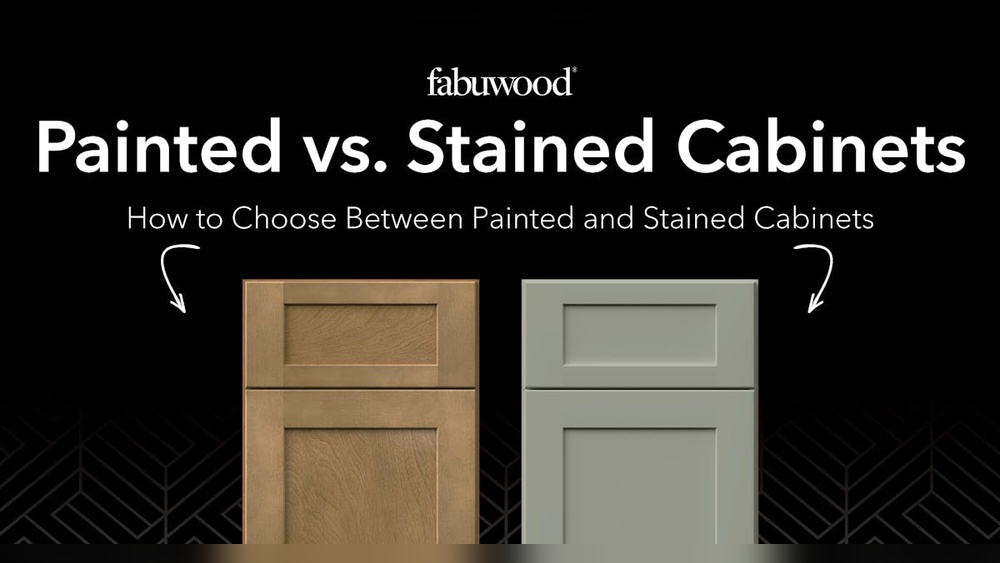
Painted Vs Stained Cabinets
Few home upgrades rival the impact of new cabinets. Whether you’re renovating a kitchen, updating a bathroom, or customizing a workspace, the cabinetry finish sets the tone for style, durability, and resale value. Two of the most popular options, painted cabinets and stained cabinets, offer distinct advantages and challenges. The right choice depends on your vision, budget, and practical needs. But how do you decide which is best for your space?
Homeowners and designers alike grapple with this decision. Painted cabinets deliver crisp, modern aesthetics, while stained cabinets showcase the natural beauty of wood. Beyond looks, the finishes differ in maintenance, cost, longevity, and how they affect home value. In this comprehensive guide, we’ll break down every detail: from material compatibility and color trends to real-world examples, comparison tables, and expert tips. Whether you crave a bold contemporary kitchen or a warm traditional look, you’ll find actionable insights to make your cabinetry investment count.
Key Takeaways
- Painted cabinets offer smooth, customizable colors and work well for contemporary styles.
- Stained cabinets highlight wood grain and suit traditional or rustic aesthetics.
- Maintenance, durability, and cost differ significantly between painted and stained finishes.
- Resale value and market trends can influence your choice depending on location and buyer demographics.
- Choosing the right cabinet finish involves balancing style, practicality, and long-term needs.
Credit: kitchencabinetkings.com
Understanding Painted Cabinets
Painted cabinets are prized for their versatility and seamless finish. This section explores their characteristics, advantages, and limitations.
What Are Painted Cabinets?
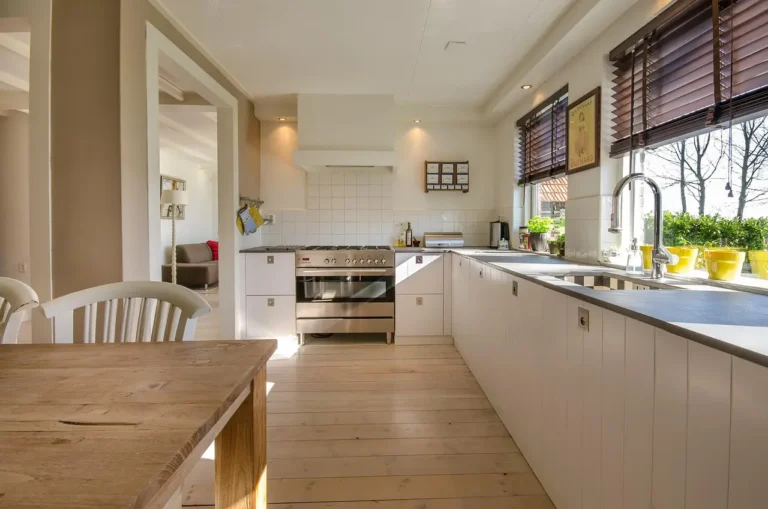
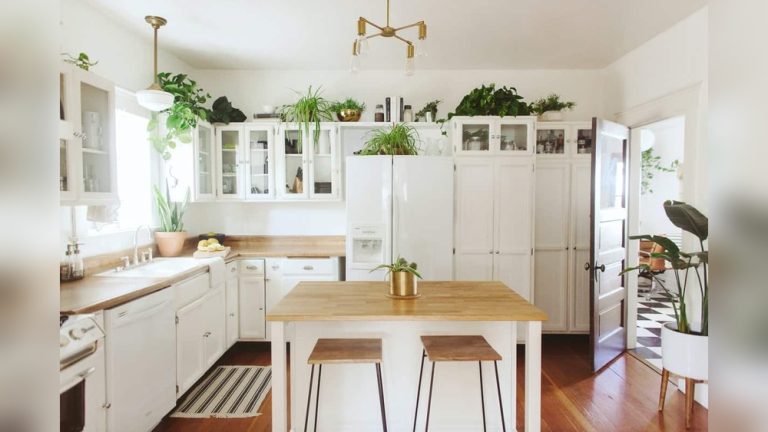
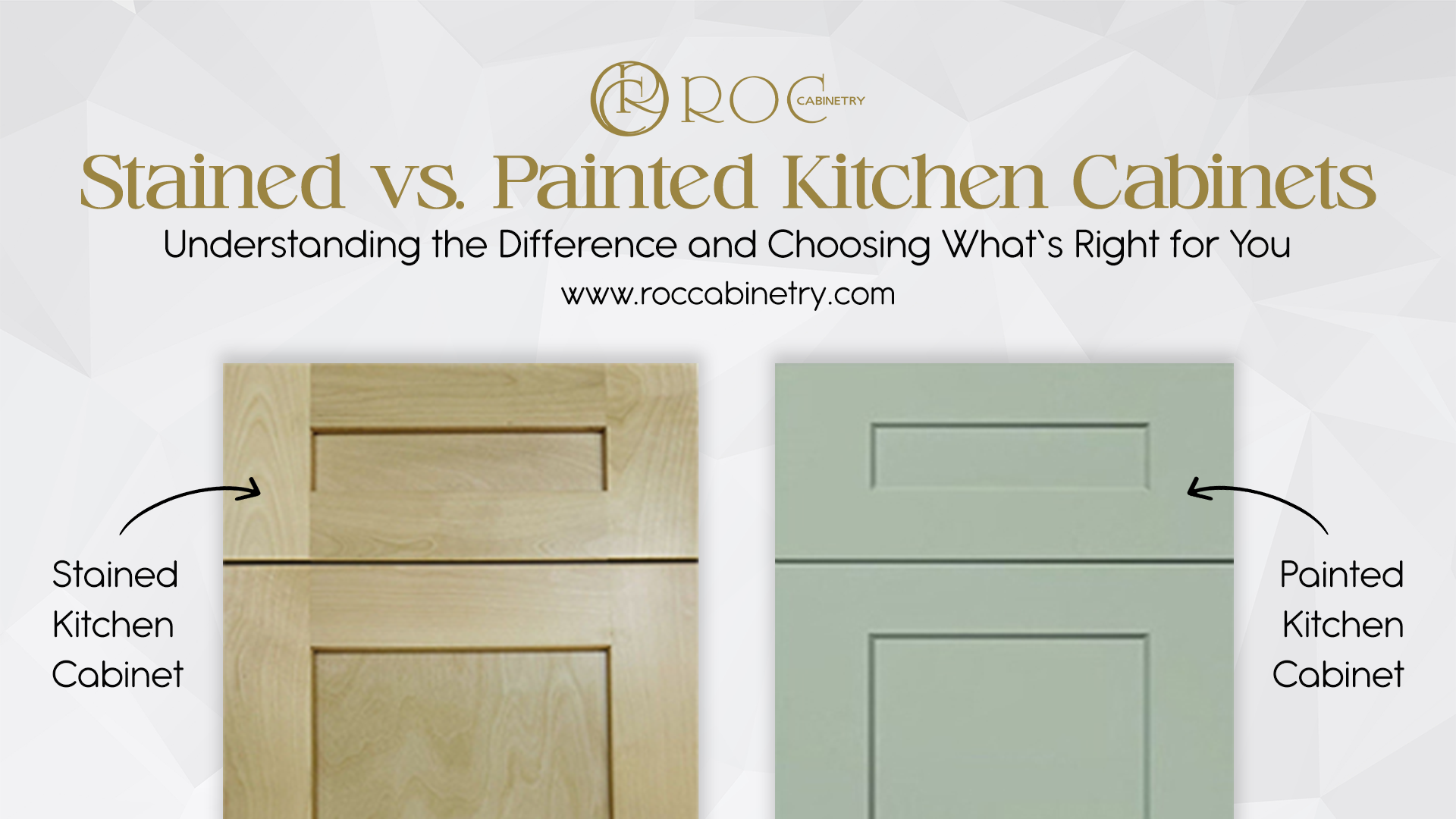
Painted cabinets are typically constructed from wood, MDF, or engineered wood, then coated with a pigmented paint. The result is a smooth, opaque surface where wood grain is hidden, and color options are nearly limitless. Popular paint types include acrylic latex, oil-based, and specialized cabinet paints for durability.
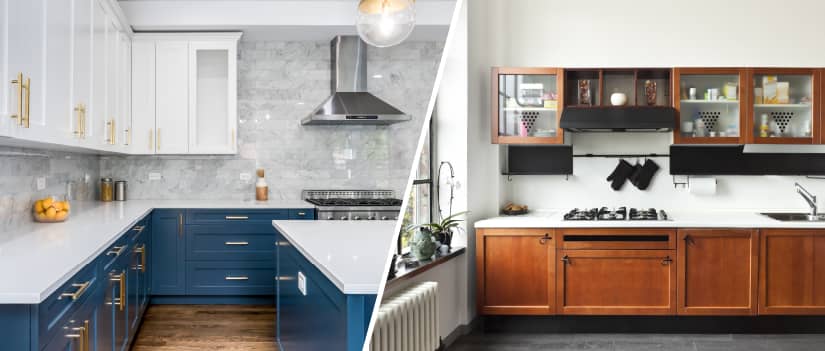
Example: A homeowner in Seattle chose painted cabinets for their kitchen remodel, opting for a deep navy blue. The crisp finish complemented stainless steel appliances and white quartz countertops, creating a modern, high-contrast look.
Advantages Of Painted Cabinets
- Unlimited color options: Paint allows for any shade, from bright whites to bold blues and greens.
- Smooth, uniform appearance: Hides imperfections and grain, ideal for contemporary styles.
- Works with MDF: Paint adheres well to MDF, an affordable material not suitable for staining.
- Easy to update: You can repaint cabinets if tastes or trends change.
Limitations Of Painted Cabinets
- Chipping and scratching: Painted surfaces are prone to chips, especially around high-use areas like handles and edges.
- Visible seams and joints: Paint can sometimes highlight seams in cabinet construction, especially with expansion and contraction.
- Maintenance: Touch-ups may be needed for chips or scratches, and painted finishes can show dirt more readily than stains.
Material Compatibility
Painted cabinets are often constructed from maple, MDF, or poplar due to their smooth surfaces. Woods with prominent grain, like oak, are less common for painted finishes since the grain can telegraph through the paint.
Pro Tip: For lasting results, choose high-quality paint and a professional application process, spray finishes yield the smoothest surface.
Credit: roccabinetry.com
Understanding Stained Cabinets
Stained cabinets celebrate the natural appeal of wood. This section details their features, strengths, and drawbacks.
What Are Stained Cabinets?
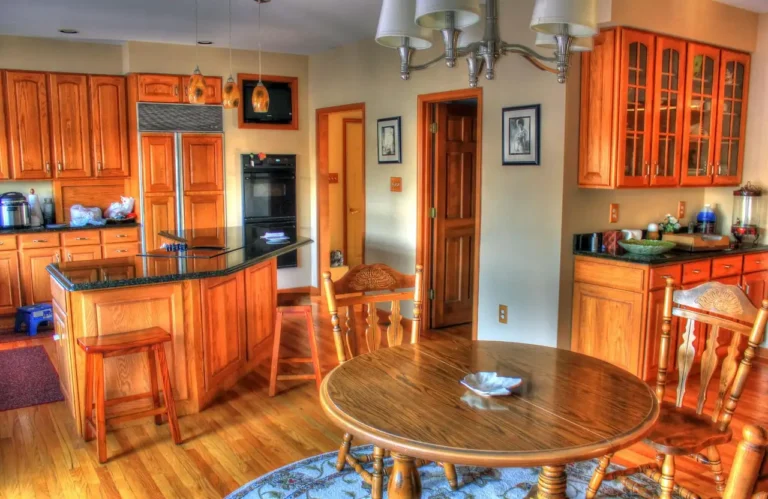
Stained cabinets use a penetrating stain to enhance the wood’s inherent color and grain, followed by a protective clear topcoat. Common woods for staining include oak, cherry, maple, and hickory.
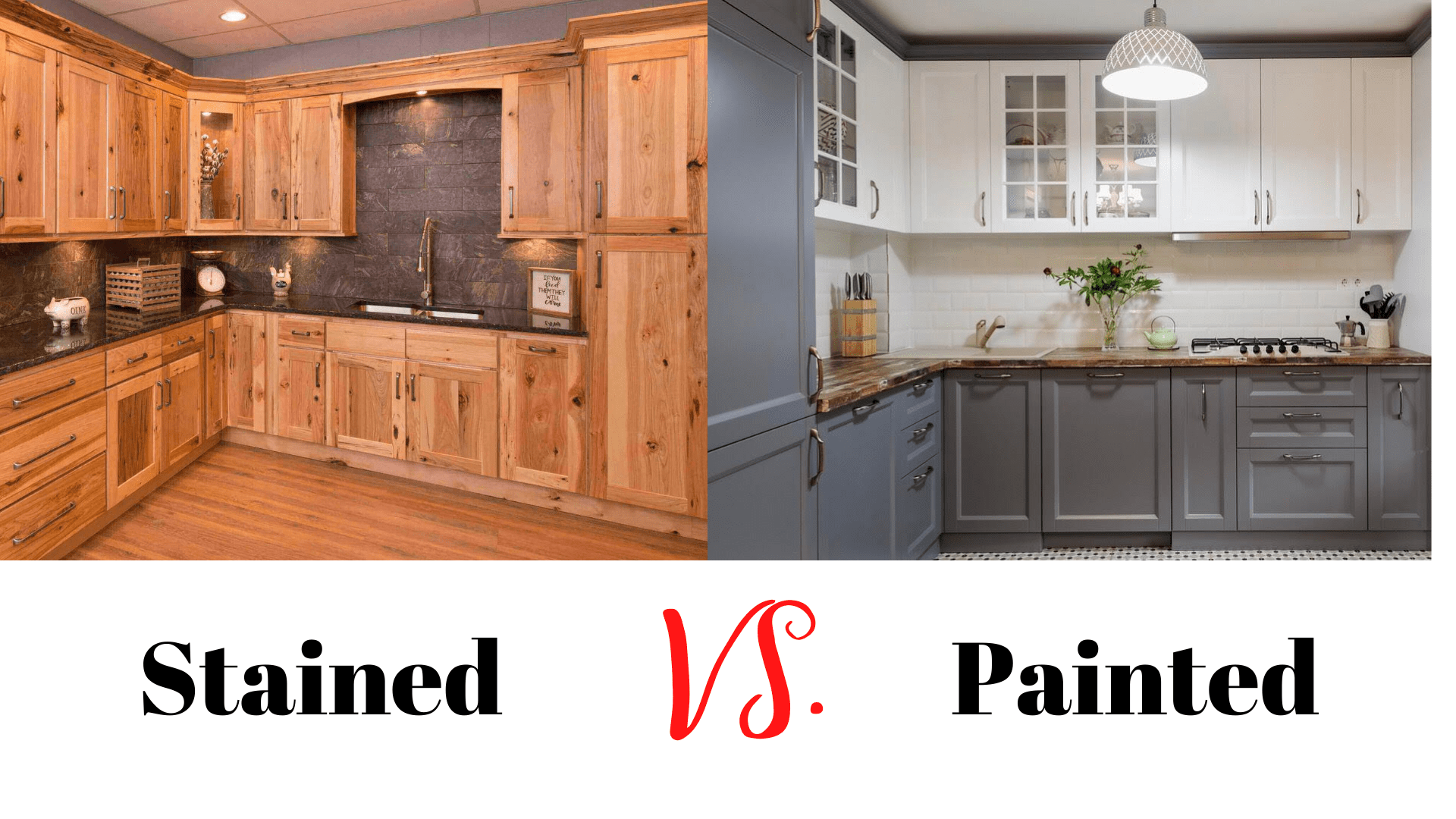
Example: In a Colorado mountain home, the owners selected stained hickory cabinets to highlight the wood’s dramatic grain. The stain added warmth and depth, perfectly complementing stone accents and rustic beams.
Advantages Of Stained Cabinets
- Showcases wood grain: Stains accentuate the natural texture and beauty of wood.
- Classic, warm aesthetic: Ideal for traditional, rustic, or craftsman styles.
- Less visible wear: Minor scratches or dings are less noticeable compared to painted finishes.
- Durability: Stained finishes tend to be more resistant to chipping and cracking.
Limitations Of Stained Cabinets
- Limited color palette: Stains come in shades of brown, red, and sometimes gray, less variety than paint.
- Wood quality matters: Staining reveals imperfections, so high-grade wood is essential.
- Harder to change: Changing the stain color requires extensive sanding and refinishing.
Material Compatibility
Staining works best with woods rich in grain and color, such as oak or cherry. Soft woods or engineered woods may not absorb stain evenly, resulting in blotchy finishes.
Warning: Attempting to stain low-quality wood or MDF often leads to unsatisfactory results. Always choose solid wood for stained cabinets.
Credit: www.buckscountyboomers.com
Painted Vs Stained Cabinets: A Data-driven Comparison
To help visualize the differences, here’s a comparison table outlining the key features of painted and stained cabinets:
| Feature | Painted Cabinets | Stained Cabinets |
|---|---|---|
| Appearance | Opaque, smooth; hides grain | Translucent, highlights grain |
| Color Range | Unlimited (any color) | Limited to natural wood tones |
| Material Compatibility | Works with wood & MDF | Best with solid wood |
| Durability | Prone to chipping/scratching | Resistant to minor wear |
| Maintenance | Requires touch-ups | Less frequent touch-ups |
| Resale Appeal | High in modern markets | High in traditional markets |
| Cost | Higher (labor-intensive) | Lower if wood quality is high |
Cost Comparison
Painted cabinets often cost more due to labor and materials. According to HomeAdvisor, the average cost to paint kitchen cabinets ranges from $1,500 to $3,000, while staining typically costs $1,000 to $2,500 for similar-sized kitchens. The difference is mainly due to the extra prep, primer, and multiple coats needed for painting.
Durability In Real Homes
In my experience working with both finishes, painted cabinets showed visible wear after five years in a high-traffic kitchen, requiring touch-up paint. Stained cabinets, meanwhile, aged gracefully, with only minor scratches blending into the wood’s natural patterns.
Style Trends
Painted cabinets dominate modern design trends, especially in urban areas. White, gray, and blue painted kitchens are especially popular with buyers aged 25-45, according to the National Kitchen & Bath Association. Stained cabinets remain a favorite in regions with rustic, craftsman, or traditional architecture.
Maintenance And Longevity
Cabinet longevity hinges on finish choice and care. Here’s what to expect from painted and stained cabinets over time.
Painted Cabinet Maintenance
- Cleaning: Use gentle, non-abrasive cleaners. Avoid harsh chemicals that can strip paint.
- Touch-ups: Minor chips and scratches can be filled and repainted.
- Repainting: Full repainting may be needed every 7-10 years, depending on usage.
Example: A busy family kitchen saw chips around handles and drawers within three years. Touch-up paint kept the cabinets looking fresh, but required attention every few months.
Stained Cabinet Maintenance
- Cleaning: Wipe with a damp cloth; avoid excessive moisture.
- Repairing scratches: Minor scratches can be masked with furniture markers or wax.
- Refinishing: Stained cabinets may need re-coating every 10-15 years, but this is less labor-intensive than repainting.
Pro Tip: For both finishes, install hardware (pulls and knobs) to minimize direct contact and prolong the life of the cabinet surface.
Longevity Factors
- Painted cabinets may crack or peel if exposed to high humidity or temperature changes.
- Stained cabinets are more forgiving to environmental changes, but finish can fade if exposed to direct sunlight.
Impact On Home Value And Market Preferences
Cabinet finish can affect resale appeal and home value. Here’s how painted and stained cabinets play in different markets.
Modern Vs Traditional Appeal
- Painted cabinets: Highly desirable in urban, contemporary markets. Neutral colors like white and gray are considered “move-in ready.”
- Stained cabinets: Attract buyers in suburban and rural markets, especially where traditional or rustic styles dominate.
Resale Value
According to the National Association of Realtors, kitchens with professionally painted cabinets can increase perceived home value by up to 7%, especially in competitive urban markets. Stained cabinets add value in homes where woodwork is a selling point, such as craftsman or log homes.
Example: A home in Boston was renovated with painted cabinets and sold above asking price, while a rural Texas property with stained cabinets attracted buyers seeking authenticity and warmth.
Market Trends
- Painted cabinets: Trending upward in cities, especially among younger buyers.
- Stained cabinets: Stable in traditional markets, but less common in new builds.
Warning: Overly bold paint colors can limit buyer appeal. Stick to neutral tones if resale is a priority.
Real-world Examples And Case Studies
Examining actual projects provides insight into how cabinet finishes perform.
Example: Urban Contemporary Kitchen
A designer in Chicago chose white painted cabinets for a loft renovation. The crisp finish enhanced natural light and paired seamlessly with black hardware and marble countertops. The cabinets required touch-up paint after two years, but the overall look remained fresh and modern.
Example: Rustic Mountain Retreat
A Colorado mountain home featured stained hickory cabinets. The rich wood grain added warmth, and the finish concealed minor scratches from heavy use. The owners refinished the cabinets after ten years, restoring the original beauty without replacing the doors.
Example: Budget-friendly Remodel
A homeowner on a tight budget opted for painted MDF cabinets. While affordable, the painted finish chipped easily. The owner reported frequent maintenance but appreciated the ability to change colors over time.
Example: Luxury Traditional Home
A custom home builder in Tennessee used cherry stained cabinets throughout a luxury property. The stain highlighted the wood’s natural variations, creating a timeless aesthetic. The cabinets aged beautifully and required minimal maintenance.
Choosing The Right Finish For Your Space
Making the right choice involves balancing style, function, and budget. Here’s how to decide.
Style Considerations
- Painted cabinets: Best for modern, transitional, or eclectic interiors. Use bold or neutral colors to match decor.
- Stained cabinets: Ideal for traditional, rustic, or craftsman homes. Select wood species with prominent grain for maximum effect.
Practical Factors
- Usage: High-traffic kitchens benefit from stained finishes, which mask wear.
- Budget: Painted finishes cost more, especially with custom colors and professional application.
Environmental Impact
- Paint: Some paints contain VOCs (volatile organic compounds). Choose low-VOC options for healthier indoor air.
- Stain: Stains are generally lower in VOCs but require high-quality wood, which may be less sustainable.
Pro Tip: If you want flexibility, painted cabinets are easier to update. For lasting beauty, stained cabinets are low-maintenance and timeless.
Compatibility With Other Features
Cabinet finish should coordinate with countertops, flooring, and appliances. Painted cabinets pair well with quartz and stainless steel, while stained cabinets complement granite and wood floors.
Example: In my experience, mixing painted upper cabinets with stained lower cabinets creates a stylish contrast and balances maintenance needs.
Common Myths And Misconceptions
Understanding what’s true, and what isn’t, can prevent costly mistakes.
Myth 1: Painted Cabinets Are Always More Durable
While paint can create a hard surface, it’s susceptible to chipping and scratching. Stained finishes, especially with high-quality topcoats, often withstand daily wear better.
Myth 2: Stained Cabinets Are Outdated
Stained cabinets are timeless, especially when paired with modern hardware and lighting. They’re a staple in luxury and custom homes.
Myth 3: You Can Easily Switch Between Paint And Stain
Switching from stain to paint is straightforward, but going from paint to stain requires stripping paint and sanding, a labor-intensive process that may not yield perfect results.
Myth 4: Painted Cabinets Hide All Imperfections
Painted cabinets conceal grain and minor flaws, but seams and construction joints can become more visible over time due to expansion and contraction.
Myth 5: Stained Cabinets Don’t Work In Modern Homes
With the right wood and stain color, stained cabinets can anchor minimalist and contemporary spaces. Dark stains and sleek hardware create a modern vibe.
Expert Recommendations And Tips
Professionals weigh in on making the right choice for cabinetry.
Designer Insights
- Painted finishes: Designers recommend painted cabinets for small kitchens to brighten the space and create a clean, cohesive look.
- Stained finishes: Custom builders prefer stained cabinets for open-concept homes, where the wood grain adds warmth and character.
Installer Advice
- Prep is key: For painted cabinets, thorough sanding and priming ensure longevity.
- Wood selection matters: For stained cabinets, choose high-grade wood to avoid blemishes.
Maintenance Strategies
- Preventative care: Install hardware to minimize direct contact.
- Routine cleaning: Use gentle cleaners and avoid abrasive pads.
Renovation Planning
- Budget for touch-ups: Painted cabinets often need routine maintenance.
- Schedule refinishing: Stained cabinets can be re-coated as needed, extending life without major expense.
Example: A professional cabinet installer recommends annual inspections to address minor issues before they become major repairs.
Comparison Table: Cabinet Finish Suitability By Room
Different rooms have unique needs. Here’s a summary table:
| Room | Painted Cabinets | Stained Cabinets |
|---|---|---|
| Kitchen | Popular for modern looks; may need touch-ups | Durable; masks wear in high-traffic areas |
| Bathroom | Brightens small spaces; moisture can affect paint | Resistant to moisture; wood grain adds warmth |
| Home Office | Custom color options; sleek finish | Classic, traditional appeal; easy to maintain |
| Mudroom | Shows dirt; frequent cleaning needed | Conceals marks; ideal for rough use |
Environmental, Health, And Sustainability Considerations
Cabinet finishes can impact indoor air quality and environmental sustainability.
Vocs And Indoor Air Quality
Paints often contain volatile organic compounds (VOCs), which can affect air quality. Choose low-VOC paints and ensure proper ventilation during installation. Stains are generally lower in VOCs, but clear topcoats may contain VOCs as well.
Wood Sourcing And Sustainability
Stained cabinets require high-quality solid wood. Opt for FSC-certified or sustainably sourced wood to minimize environmental impact. Painted cabinets can use MDF or engineered wood, which often incorporates recycled materials.
Disposal And Recycling
Painted cabinets are easier to recycle if the paint is water-based and contains no hazardous materials. Stained cabinets, especially with oil-based finishes, may need special disposal.
Example: A homeowner in Portland sourced cabinets from a local manufacturer using reclaimed wood and low-VOC paints, reducing the project’s carbon footprint.
Frequently Asked Questions
What Is The Best Way To Clean Painted Cabinets?
Use a soft cloth with mild dish soap and water. Avoid abrasive pads and harsh chemicals that can damage the finish. For stubborn stains, a mixture of baking soda and water applied gently can help.
Can You Stain Cabinets That Have Already Been Painted?
It’s possible but difficult. You must strip off all paint, sand the surface thoroughly, and ensure no residue remains. Even then, the result may not be as consistent as staining new wood. Professional help is recommended for best results.
How Do I Choose Between Painted And Stained Cabinets For A Rental Property?
Consider durability and ease of maintenance. Stained cabinets are more forgiving of wear and tear, making them ideal for rentals. Painted cabinets may need frequent touch-ups, but can attract tenants seeking a fresh, modern look.
Are There Eco-friendly Options For Cabinet Finishes?
Yes. Choose low-VOC paints or water-based stains for healthier indoor air. Opt for cabinets made from recycled or sustainably sourced wood. Look for manufacturers with certifications such as FSC for environmental responsibility.
Do Painted Cabinets Work In Homes With Traditional Décor?
Absolutely. Painted cabinets in muted, classic colors like cream, sage, or navy can complement traditional décor. Pair them with antique-style hardware and trim for a cohesive look.
Related Internal Links
If you’re exploring related home improvement decisions, check out these guides:
- Choosing the right canning jar makes preserving food easier
- Freeze-drying vs canning: Which is better for long-term food storage?
- Canning salt vs kosher salt: What’s the difference
- Choosing the right canning method is crucial for preserving food safely
- Steam Canning vs Pressure Canning: Key Differences
For further reading on cabinetry finishes and home design trends, consult the National Association of the Remodeling Industry and National Kitchen & Bath Association.
Ultimately, the choice between painted and stained cabinets is personal. Weigh the aesthetic, maintenance, cost, and environmental factors to find the best fit for your home. Whether you favor the bold, fresh look of paint or the timeless warmth of stain, a thoughtful approach will ensure your cabinetry stands the test of time and style.
Products related to this article
Sponsored / affiliate links. As an Amazon Associate I earn from qualifying purchases. I may earn additional commission from eligible campaigns.