Laminar Flow Vs Biosafety Cabinet
The contrast between laminar flow hoods and biosafety cabinets is a critical topic for anyone working in laboratory, healthcare, or food preservation environments. The right enclosure can protect both your samples and your team, but choosing incorrectly can put safety, results, and compliance at risk. Whether you’re preparing sterile media, handling infectious agents, or preserving food, understanding the nuanced differences between these two types of cabinets is essential.
In my experience, confusion about their proper use often leads to wasted resources, compromised experiments, or even hazardous exposure. This article thoroughly compares laminar flow and biosafety cabinets, examining their functions, construction, applications, and regulatory requirements. You’ll discover data-driven tables, real-world examples, actionable insights, and answers to advanced questions, all designed to help you make informed, practical decisions in your laboratory or processing environment.
Key Takeaways
- Laminar flow hoods protect products from contamination but do not protect the user or environment.
- Biosafety cabinets offer dual protection: They shield both samples and personnel from biohazards.
- Choosing the right cabinet depends on your application: Non-hazardous work favors laminar flow, while hazardous tasks require biosafety cabinets.
- Regulatory compliance, airflow patterns, and filtration technology are fundamental differentiators.
- Real-world examples highlight the risks and benefits of each enclosure in laboratory, medical, and food preservation settings.
- Data-driven comparison tables and practical advice help clarify which cabinet best suits your needs.

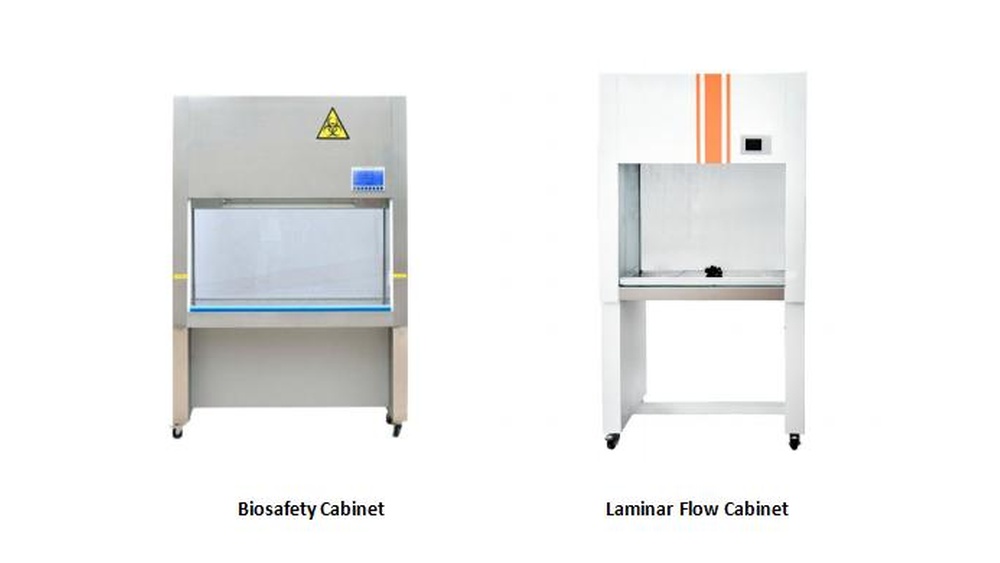
Credit: www.nanofumehoods.com
Understanding Laminar Flow Hoods
Laminar flow hoods are specialized enclosures designed to provide a sterile working environment for sensitive processes. They are widely used in laboratories, pharmaceutical production, electronics assembly, and food preservation where product contamination is a concern, but exposure to hazardous materials is not.
Principle Of Laminar Flow
Laminar flow hoods operate by drawing air through a HEPA filter, then directing it across the work surface in a uniform, unidirectional stream. The filtered air sweeps away airborne particles, ensuring the workspace remains free of dust, microbes, or other contaminants.
There are two main types:
- Horizontal laminar flow hoods: Air flows horizontally from the back of the cabinet towards the operator.
- Vertical laminar flow hoods: Air flows vertically from the top down onto the work surface.
This airflow pattern is key for tasks requiring sterility, such as preparing culture media, assembling electronics, or filling vials.
Construction And Features
Laminar flow hoods typically feature:
- Stainless steel work surfaces for easy cleaning
- Transparent glass shields for visibility
- HEPA filtration (99.97% removal of particles ≥0.3 μm)
- UV light options for additional sterilization
Unlike biosafety cabinets, laminar flow hoods do not contain the exhaust air, meaning contaminants generated inside can escape into the room.
Applications In Food Preservation
Laminar flow hoods are critical when:
- Preparing sterile media for fermentation
- Packaging foods where microbial contamination can ruin batches
- Conducting quality control tests that require aseptic conditions
For example, when preparing canning jars for food preservation, a laminar flow hood ensures that dust and microbes do not contaminate the jar or the preserved food. For more on choosing the right equipment for canning, see Choosing the right canning jar makes preserving food easier.
Limitations
While laminar flow hoods are excellent for protecting products, they offer:
- No protection for the operator from hazardous agents
- No containment of aerosols or dangerous particles
- Limited suitability for work involving pathogens or toxic chemicals
Exploring Biosafety Cabinets
Biosafety cabinets (BSCs) are advanced enclosures engineered to protect both the user and the environment from biological hazards. They are essential in microbiology, pathology, and clinical labs handling infectious materials.
Types Of Biosafety Cabinets
There are three main types, classified by their protection level:
- Class I: Protects the user and environment, but not the product.
- Class II: Protects user, environment, and product. Most common in clinical and research labs.
- Class III: Provides maximum containment; fully enclosed and operated via glove ports.
Class II BSCs are the standard for handling moderate-risk biological agents, offering HEPA-filtered air and a continuous barrier between the operator and samples.
Airflow And Filtration
Biosafety cabinets use sophisticated airflow systems:
- Inward airflow at the front opening protects the user
- HEPA-filtered downflow ensures sample sterility
- Exhaust air is HEPA-filtered before release, protecting the environment
This triple-protection setup is designed to prevent accidental exposure to pathogens, toxins, or genetically modified organisms.
Construction And Features
Biosafety cabinets typically include:
- Front sash or window for operator protection
- HEPA filters for both intake and exhaust air
- Alarm systems for airflow or filter failures
- UV sterilization and chemical-resistant surfaces
The robust construction ensures compliance with international biosafety standards, such as NSF/ANSI 49 and EN 12469.
Applications In Laboratory And Medical Settings
BSCs are indispensable when:
- Culturing pathogenic bacteria or viruses
- Preparing infectious samples for diagnostics
- Handling genetically modified organisms
- Working with blood or other potentially infectious materials
For instance, when testing food samples for pathogens like Salmonella, using a biosafety cabinet prevents environmental contamination and protects the technician.
Limitations
Despite their advanced protection, biosafety cabinets:
- Require regular maintenance and certification
- Are more expensive than laminar flow hoods
- Can be noisy due to airflow systems
- May restrict workspace compared to open hoods

Credit: howto.lcsb.uni.lu
Comparative Analysis: Laminar Flow Vs Biosafety Cabinet
Selecting between a laminar flow hood and biosafety cabinet requires careful consideration of protection needs, cost, compliance, and workflow. The table below summarizes key differences:
| Feature | Laminar Flow Hood | Biosafety Cabinet |
|---|---|---|
| Protection Offered | Product Only | User, Product, Environment |
| HEPA Filtration | Intake Air Only | Intake & Exhaust Air |
| Airflow Direction | Horizontal/Vertical | Vertical (with inward airflow) |
| Suitable For | Non-hazardous, sterile work | Hazardous, infectious materials |
| Regulatory Compliance | Basic standards | Strict biosafety standards (NSF, EN) |
| Cost | Lower | Higher |
| Maintenance | Minimal | Frequent, certified |
Example: Food Testing Lab
In a food testing laboratory, laminar flow hoods are used for aseptic sample preparation, such as plating food samples for microbial counts. Biosafety cabinets are mandatory when testing for hazardous pathogens, preventing accidental release and exposure.
Example: Hospital Microbiology
Hospitals use laminar flow hoods for preparing sterile IV solutions. Biosafety cabinets are used for culturing infectious agents, such as tuberculosis bacteria, which require containment to protect both staff and the facility.
Example: Electronics Manufacturing
Laminar flow hoods are preferred when assembling sensitive electronic components, where dust and static are the main risks. Biosafety cabinets are not needed unless the process involves biological hazards.

Credit: www.youtube.com
Regulatory And Safety Considerations
Understanding the regulatory landscape is essential for compliance and safety. Both laminar flow hoods and biosafety cabinets are subject to different standards and guidelines.
Biosafety Cabinet Regulations
Biosafety cabinets must meet strict standards, including:
- NSF/ANSI 49 (US): Ensures cabinet performance and safety
- EN 12469 (EU): Specifies requirements for microbiological safety cabinets
- WHO Laboratory Biosafety Manual: Guides global best practices
Regular certification is required, typically every 6-12 months, to verify airflow, filter integrity, and containment.
Laminar Flow Hood Guidelines
Laminar flow hoods are governed by less stringent standards, focusing on air cleanliness:
- ISO 14644-1: Defines air cleanliness classes for cleanrooms and devices
- USP <797>: Outlines requirements for sterile compounding in pharmacy
Routine cleaning and filter replacement are recommended, but formal certification is not always required.
Safety Protocols
Key safety protocols include:
- Training staff on proper use and limitations
- Regular maintenance and filter checks
- Avoiding hazardous materials in laminar flow hoods
- Using biosafety cabinets for all pathogenic or toxic substances
Pro Tip: Always consult a biosafety officer or industrial hygienist when establishing laboratory protocols to ensure compliance and safety.
Cost, Maintenance, And Operational Efficiency
Choosing between laminar flow hoods and biosafety cabinets involves not only safety, but also cost, maintenance, and workflow efficiency.
Cost Comparison
Biosafety cabinets typically cost 2-5 times more than laminar flow hoods due to their advanced filtration, safety features, and regulatory requirements. A Class II biosafety cabinet can range from $7,000 to $15,000, while laminar flow hoods often cost $2,000 to $4,000 (source: CDC Laboratory Safety Equipment).
Maintenance Needs
Biosafety cabinets require:
- Annual certification by qualified professionals
- Frequent HEPA filter replacements
- Airflow and alarm checks
Laminar flow hoods need:
- Periodic filter replacement
- Routine surface cleaning
Operational downtime for biosafety cabinets can impact laboratory schedules, especially during certification periods.
Workflow Considerations
Laminar flow hoods:
- Offer greater workspace flexibility
- Are quieter and easier to operate
- Support rapid, non-hazardous processing
Biosafety cabinets:
- Restrict movement due to sash and airflow constraints
- Require more careful handling and workflow planning
- Provide peace of mind for hazardous tasks
Real-world Examples And Case Studies
Examining real-world scenarios provides clarity on when each cabinet is appropriate.
Case Study 1: Microbiology Research Lab
A university research lab studying antibiotic resistance uses both laminar flow hoods and biosafety cabinets. Laminar flow hoods are used for preparing sterile media and reagents. Biosafety cabinets are reserved for handling multidrug-resistant bacteria, ensuring containment and compliance with biosafety regulations.
Case Study 2: Pharmaceutical Manufacturing
In pharmaceutical production, laminar flow hoods are used for non-hazardous processes like filling vials, while biosafety cabinets handle vaccine development involving live attenuated viruses. This dual setup optimizes safety, efficiency, and regulatory compliance.
Case Study 3: Food Preservation Facility
A food preservation facility employs laminar flow hoods for aseptic packaging and quality control, minimizing contamination risks. When testing for foodborne pathogens, technicians switch to biosafety cabinets to protect themselves from accidental exposure. For more insights on food preservation methods, see Freeze-drying vs canning: Which is better for long-term food storage?.
Choosing The Right Cabinet For Your Application
Selecting the correct enclosure is vital for safety, compliance, and operational success. Consider the following decision factors:
Application Assessment
- Product Protection Only: Choose laminar flow hood
- User and Environmental Protection: Choose biosafety cabinet
Hazard Evaluation
- Non-hazardous samples: Laminar flow hood suffices
- Hazardous, infectious, or toxic samples: Biosafety cabinet required
Regulatory Requirements
- Clinical, research, or pharmaceutical labs: Biosafety cabinet often mandated
- Food, electronics, or basic laboratory tasks: Laminar flow hood may be appropriate
Budget And Maintenance
- Budget constraints: Laminar flow hood is more affordable
- Long-term safety and compliance: Invest in biosafety cabinet
Workflow Impact
- High throughput, non-hazardous tasks: Laminar flow hood
- Hazardous or regulated tasks: Biosafety cabinet
Example: If your laboratory handles both sterile food packaging and pathogen testing, you need both types, laminar flow for packaging, biosafety cabinet for testing.
Advanced Comparison: Airflow, Filtration, And Containment
For a deeper technical comparison, the following table outlines airflow, filtration, and containment aspects:
| Aspect | Laminar Flow Hood | Biosafety Cabinet |
|---|---|---|
| Airflow Velocity | 0.45 m/s (typical) | 0.45-0.65 m/s (inward & downflow) |
| Filtration Efficiency | HEPA, 99.97% @ 0.3 μm | HEPA/ULPA, up to 99.999% @ 0.1 μm |
| Containment Level | None | Biosafety Levels 1-3 |
| Exhaust Handling | Released into room | Filtered, sometimes ducted outside |
| Noise Level | Low | Moderate to high |
| Workspace Accessibility | High | Restricted |
Airflow Patterns
Laminar flow hoods rely on consistent, unidirectional airflow to prevent contamination. Biosafety cabinets use complex airflow (inward, downward, and exhaust) to create barriers against hazardous agents.
Filtration Technology
Biosafety cabinets often employ ULPA filters (99.999% efficiency) for higher-risk applications. Laminar flow hoods use standard HEPA filters.
Containment Capabilities
Biosafety cabinets are designed for biosafety levels 1-3, supporting work with increasingly hazardous materials. Laminar flow hoods are only suitable for biosafety level 1 (non-hazardous).
Practical Tips For Safe And Efficient Use
Ensuring safety and efficiency requires attention to workflow, maintenance, and staff training.
Laminar Flow Hood Best Practices
- Always start with a clean, dry surface
- Allow 10-15 minutes of operation before use to purge contaminants
- Avoid blocking airflow with large objects
- Replace HEPA filters as recommended
Biosafety Cabinet Best Practices
- Perform annual certification and calibration
- Keep sash at recommended height for protection
- Avoid rapid movements, which disrupt airflow
- Decontaminate work surfaces before and after use
- Use appropriate personal protective equipment (PPE)
Training And Compliance
- Train all staff on cabinet operation and limitations
- Post clear signage about cabinet type and permitted uses
- Consult regulatory guidelines for hazardous materials
Pro Tip: For food preservation, always use sterile technique in a laminar flow hood, and never handle hazardous samples unless in a biosafety cabinet. For choosing the right preservation method, refer to Canning vs bottling: which method is best for preserving food?.
Frequently Asked Questions
What Is The Main Difference Between Laminar Flow Hoods And Biosafety Cabinets?
Laminar flow hoods protect only the product or sample from contamination by providing filtered, unidirectional airflow. Biosafety cabinets protect both the product and the operator by containing hazardous aerosols and filtering both intake and exhaust air. The airflow pattern, filtration, and containment features distinguish these enclosures.
Can I Use A Laminar Flow Hood For Handling Pathogenic Bacteria?
No. Laminar flow hoods do not provide operator or environmental protection and should never be used for pathogenic or hazardous materials. For such tasks, a biosafety cabinet is required to prevent exposure and comply with biosafety regulations.
How Often Should Biosafety Cabinets Be Certified?
Biosafety cabinets require certification at least annually, or whenever moved, serviced, or after filter replacement. Certification ensures proper airflow, filter integrity, and containment, and must be performed by qualified professionals following standards such as NSF/ANSI 49.
Are Laminar Flow Hoods Suitable For Food Preservation?
Yes, laminar flow hoods are ideal for aseptic food packaging, sterile sample preparation, and quality control where contamination is a concern but hazardous materials are not involved. For more on food preservation safety, see Canning Salt vs Regular Salt: Key Differences.
What Are The Most Common Mistakes When Using Laboratory Cabinets?
Common errors include using laminar flow hoods for hazardous tasks, failing to maintain or certify biosafety cabinets, blocking airflow with equipment, and neglecting PPE requirements. Ensuring correct cabinet selection and rigorous protocols reduces risks.
The decision between a laminar flow hood and biosafety cabinet shapes the safety, compliance, and efficiency of your laboratory or food preservation workflow. Understanding their differences, applications, and limitations enables you to protect both your products and your team. By following best practices, consulting professionals, and maintaining regulatory compliance, you ensure that your workspace remains safe, productive, and ready for the challenges of modern laboratory science and food safety.
Products related to this article
Sponsored / affiliate links. As an Amazon Associate I earn from qualifying purchases. I may earn additional commission from eligible campaigns.