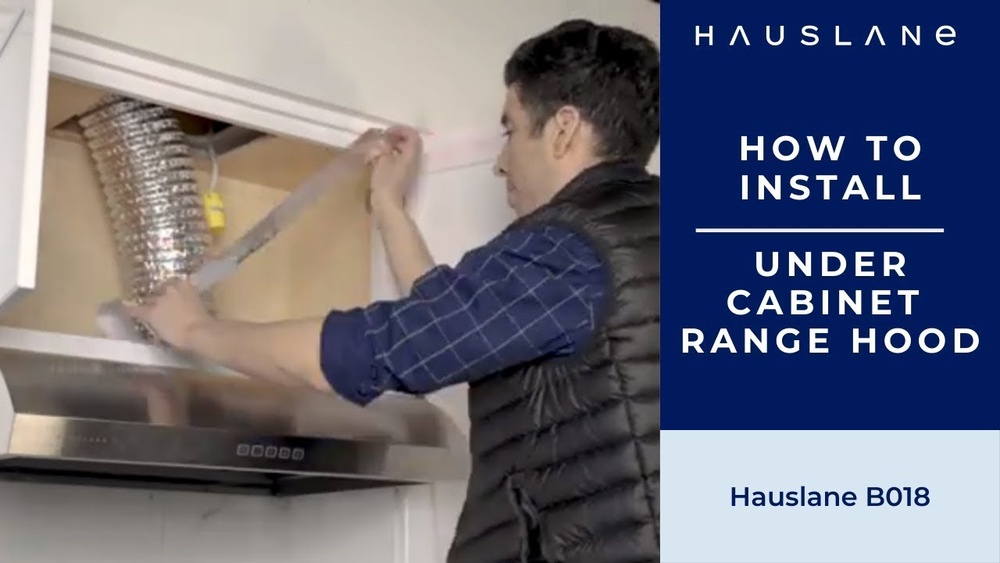
How To Install A Under Cabinet Range Hood
Installing an under cabinet range hood is a practical upgrade that not only enhances your kitchen’s aesthetic but also improves air quality by venting smoke, steam, and odors efficiently. Whether you’re replacing an old model or integrating a brand-new hood into your kitchen remodel, understanding each step can save you time, money, and frustration.
Many homeowners underestimate the impact a well-installed range hood can have, proper ventilation contributes to a healthier cooking environment, preserves cabinetry, and can even add value to your home.
Before embarking on this project, it’s essential to grasp the nuances of installation, from selecting the right type to ensuring correct electrical connections and ductwork alignment. Drawing on both expert advice and hands-on experience, this guide delivers actionable instructions, real-world examples, and data-driven comparisons to empower you to achieve a professional-grade result.
Whether you’re a seasoned DIYer or a first-timer, you’ll find step-by-step clarity and safety tips for every stage.
Key Takeaways
- Range hood installation improves kitchen ventilation and protects cabinets.
- Accurate measurement and planning are crucial to avoid costly mistakes.
- Choose between ducted and ductless models based on your kitchen layout and needs.
- Electrical and ductwork requirements must be met for safety and efficiency.
- Professional help may be necessary for complex installations or code compliance.
Understanding Under Cabinet Range Hoods
Range hoods come in several configurations, but under cabinet range hoods are among the most popular for residential kitchens. Mounted beneath upper cabinets, these appliances capture and filter or vent air directly from the cooktop, making them both space-efficient and effective.
Types Of Under Cabinet Range Hoods
There are two primary types:
- Ducted Range Hoods: These vent air outside, removing smoke, heat, and odors from the kitchen.
- Ductless Range Hoods: These use filters to clean the air before recirculating it back into the room.
Both have distinct advantages and limitations. Ducted models are generally more effective at removing contaminants but require access to exterior walls or ceilings for ductwork. Ductless models are easier to install but less effective for heavy-duty cooking.
Key Features And Specifications
When choosing a range hood, pay attention to:
- CFM (Cubic Feet per Minute): Indicates the airflow capacity. For typical home kitchens, 200, 400 CFM is sufficient; higher CFM is needed for gas stoves or frequent frying.
- Noise Level (Sones or dB): Quieter hoods are preferable, especially in open-plan homes.
- Lighting: LED or halogen lights illuminate the cooktop.
- Filter Type: Metal mesh, charcoal, or baffle filters affect maintenance and performance.
| Feature | Ducted Hood | Ductless Hood |
|---|---|---|
| Airflow (CFM) | 200, 800 | 150, 400 |
| Installation Complexity | High | Moderate |
| Maintenance | Low | High |
| Noise Level | Varies | Generally Lower |
| Cost | Higher | Lower |
Real-world Example
A homeowner in Seattle installed a ducted range hood to vent smoke from heavy wok cooking. After installation, kitchen odors reduced dramatically, and cabinet surfaces stayed cleaner, underscoring the tangible benefits of proper ventilation.
Pro Tip:
If you’re unsure which model to choose, consult your appliance retailer or check guides like the Wikipedia Range Hood Overview for detailed specifications and standards.
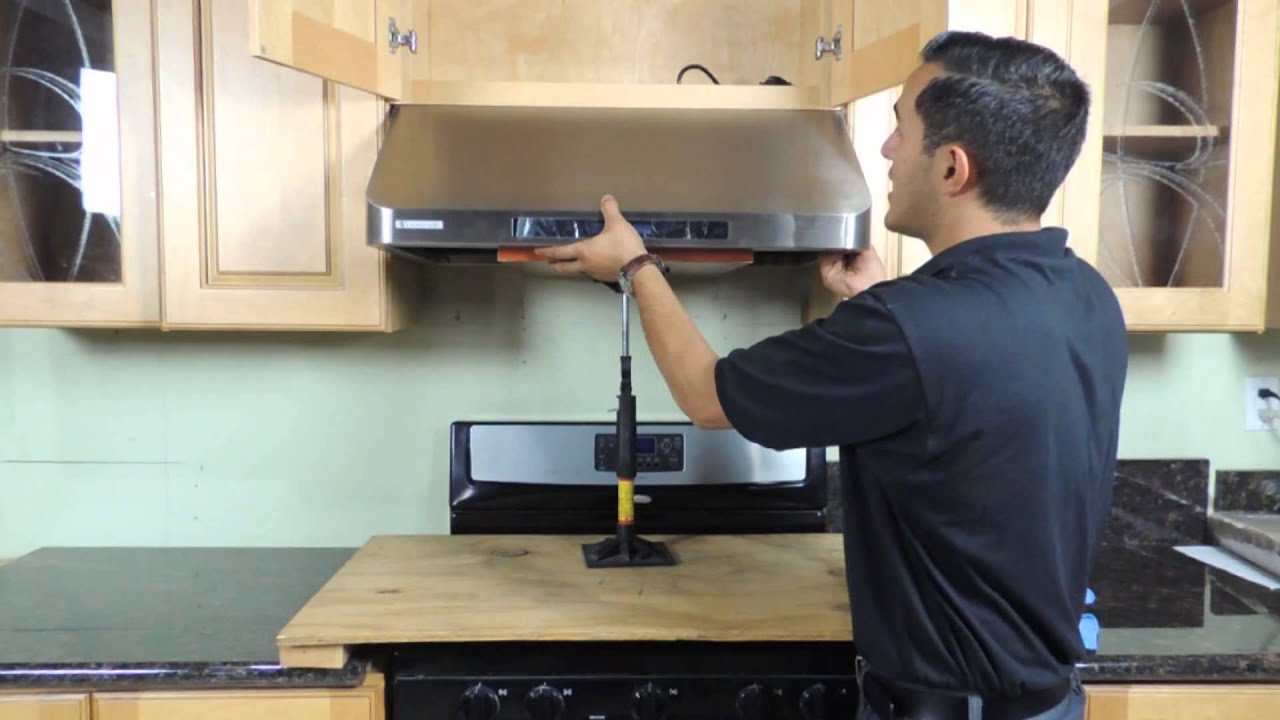
Credit: www.youtube.com
Preparation And Planning
Preparation is the foundation for a successful installation. Mistakes in measurement or placement can lead to inefficiency, safety hazards, or costly repairs.
Measuring And Layout
Begin by measuring:
- Width of the cooktop: The hood should match or slightly exceed this width.
- Distance from cooktop to cabinet: Minimum clearance is typically 24, 30 inches for electric ranges and 30, 36 inches for gas ranges.
- Cabinet depth and height: Ensure the hood fits snugly and the vent path is unobstructed.
Checking Electrical And Duct Requirements
- Electrical Outlet: Confirm a dedicated outlet is available above or behind the cabinet.
- Duct Path: For ducted models, identify a clear path to an exterior wall or roof. Avoid sharp bends or long runs, as these reduce efficiency.
Tools And Materials Checklist
Gather the following:
- Screwdriver set
- Tape measure
- Drill and bits
- Level
- Stud finder
- Venting kit (for ducted models)
- Wire nuts and electrical tape
- Safety goggles and gloves
Example: Planning For Older Homes
In my experience, older homes often lack direct duct access above the cooktop. In one project, rerouting the duct via the attic required additional framing and careful sealing, a step that added two hours to the installation but ensured proper airflow.
Warning:
Never install a range hood without checking local building codes, especially for electrical and venting requirements. Improper installation may result in fire hazards or code violations.
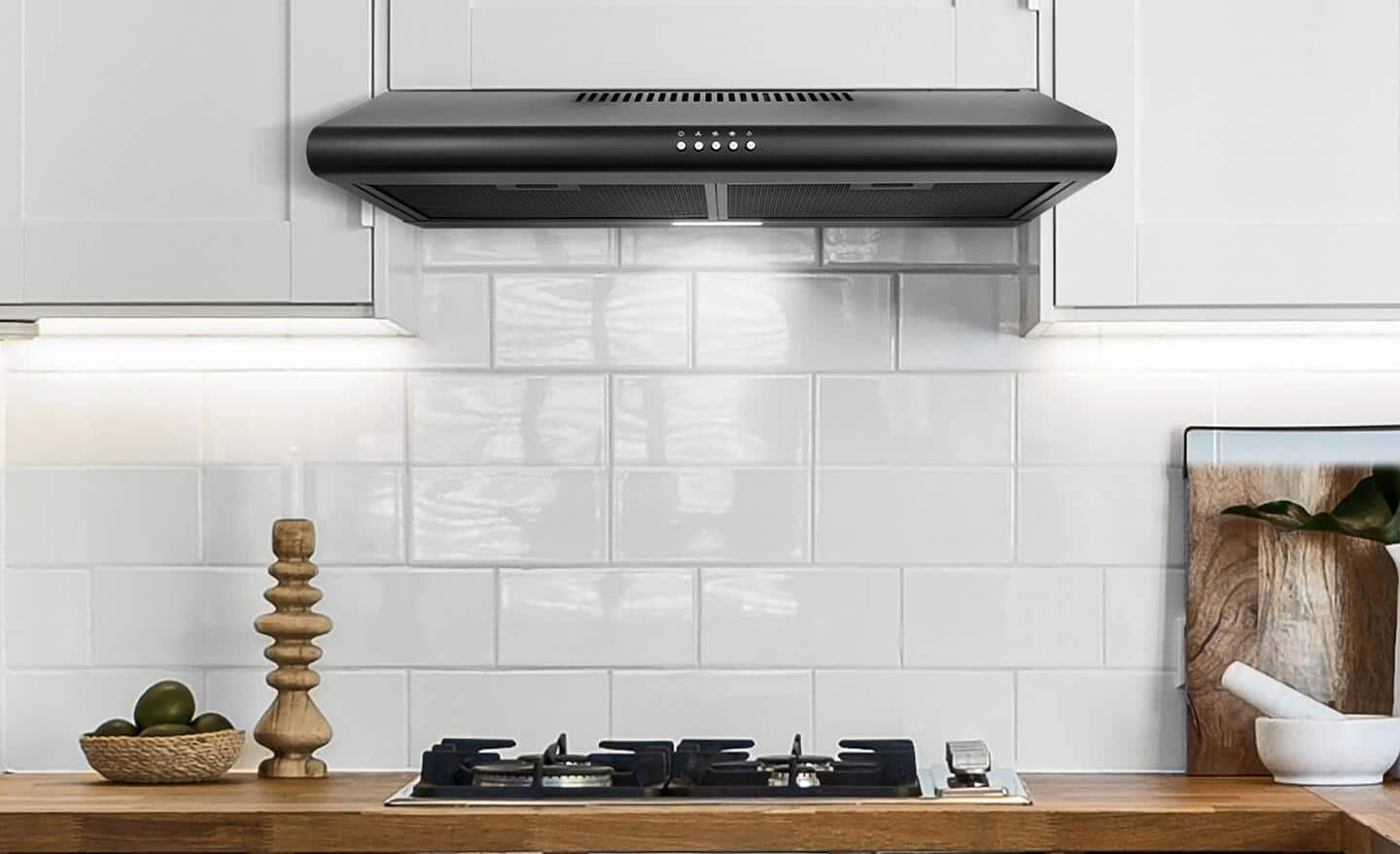
Credit: www.homedepot.com
Removing The Old Range Hood
If you’re replacing an existing hood, removal is a critical step. It’s essential to do this carefully to avoid damaging cabinetry, wiring, or ductwork.
Disconnecting Power
Always switch off the circuit breaker before starting. Use a voltage tester to confirm no power is present at the hood’s wiring.
Detaching The Hood
- Remove screws securing the hood to the cabinet.
- Gently pull the hood away, supporting its weight.
- Disconnect wiring (note wire colors for reinstallation).
- For ducted models, detach the ductwork.
Cleaning And Inspecting The Area
Once the hood is removed, clean the mounting area and inspect for:
- Damage to cabinetry
- Wiring issues
- Obstructions in the duct path
Example: Unexpected Obstacles
A homeowner removing an old ductless hood discovered hidden water damage behind the cabinet. Addressing this before installing the new hood prevented mold growth and ensured a secure mount.
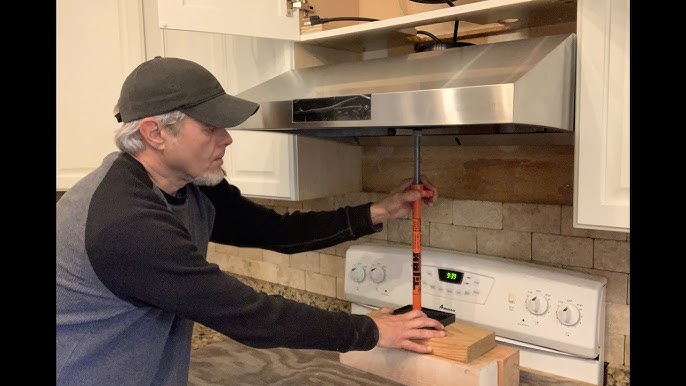
Credit: www.youtube.com
Installing The New Under Cabinet Range Hood
This is the core step. Careful installation ensures safety, performance, and longevity.
Step 1: Marking The Mounting Points
Using the hood’s template (usually provided), mark screw holes and the cutout for the ductwork. Double-check measurements for accuracy.
Step 2: Drilling And Preparing The Cabinet
- Drill pilot holes for mounting screws.
- Cut the opening for ductwork (if needed) using a jigsaw.
- Use a stud finder to identify secure mounting points.
Step 3: Electrical Connections
- Connect the hood’s wires to the house wiring, matching colors (black to black, white to white, green to ground).
- Secure connections with wire nuts and electrical tape.
- Plug in the hood if it uses a standard outlet.
Step 4: Mounting The Hood
- Lift the hood into place, aligning with marked holes.
- Secure with screws, ensuring level placement.
- Attach the ductwork (for ducted models) and seal joints with foil tape.
Step 5: Installing Filters And Lighting
- Insert the correct filter (metal mesh, charcoal, or baffle).
- Install light bulbs, if not pre-installed.
Step 6: Testing Operation
- Restore power and test fan speeds, lights, and (for ducted models) airflow at the exterior vent.
- Listen for unusual noises or vibrations.
Example: Diy Installation Success
A couple in Chicago installed a ductless range hood themselves, saving $250 in labor costs. Careful adherence to the manufacturer’s instructions ensured the hood operated quietly and efficiently.
Ductwork And Venting Considerations
The efficiency of your range hood depends largely on ductwork design and installation quality.
Duct Material And Size
- Material: Use rigid metal ducting for maximum airflow and fire safety.
- Size: Match the hood’s outlet size (typically 6, 8 inches diameter).
| Duct Material | Airflow Efficiency | Durability | Cost (Approx.) |
|---|---|---|---|
| Rigid Metal | High | Excellent | $40, $80 |
| Flexible Aluminum | Moderate | Good | $20, $40 |
| Plastic | Low | Poor | $10, $25 |
Routing And Vent Location
- Keep runs short and straight to minimize resistance.
- Avoid more than two bends (elbows).
- Vent should exit through an exterior wall or roof, never into an attic or crawlspace.
Sealing And Insulating
- Seal all joints with foil tape.
- Insulate ducting in cold climates to prevent condensation.
Example: Efficient Duct Routing
A homeowner in Boston improved hood performance by reducing duct length from 12 feet to 6 feet, resulting in noticeably better smoke extraction.
Safety And Code Compliance
Range hood installation involves electrical and structural work, making safety and compliance paramount.
Electrical Safety
- Always disconnect power before working.
- If unsure about wiring, consult a licensed electrician.
- Use wire nuts and ensure ground connections.
Structural Safety
- Use appropriate screws and anchors for cabinet material.
- Support the hood’s weight fully during installation.
Building Codes
- Check local codes for minimum clearances, venting requirements, and permitted duct materials.
- Permits may be required in some jurisdictions.
Example: Code Violation Prevention
A DIY installer in Dallas faced fines for failing to vent a ducted hood to the exterior. After correcting the issue, the installation passed inspection and ensured safe operation.
Warning:
Improper installation can cause fire hazards, poor ventilation, and void warranties. When in doubt, seek professional assistance.
Maintenance And Troubleshooting
Once installed, keeping your range hood in peak condition maximizes its lifespan and performance.
Routine Maintenance
- Clean filters monthly (metal mesh or baffle) in warm, soapy water.
- Replace charcoal filters every 6, 12 months for ductless models.
- Wipe the exterior regularly to prevent grease buildup.
Troubleshooting Common Issues
- Noisy Operation: Check for loose screws or unbalanced fans.
- Weak Suction: Inspect filters and ductwork for clogs.
- Lighting Failure: Replace bulbs and check electrical connections.
Example: Filter Replacement
A homeowner noticed reduced airflow after six months. Replacing the clogged charcoal filter restored performance instantly.
Pro Tip:
Keep the manufacturer’s manual handy for model-specific troubleshooting steps and warranty information.
Cost Analysis: Diy Vs Professional Installation
Installing a range hood can be a DIY project, but hiring a professional may be necessary for complex setups.
| Installation Type | Average Cost | Time Required | Skill Level | Warranty Impact |
|---|---|---|---|---|
| DIY | $100, $300 | 2, 4 hours | Intermediate | May Void |
| Professional | $250, $600 | 1, 2 hours | Expert | Protected |
Factors Influencing Cost
- Complexity: Ducted installations are pricier due to ductwork and electrical requirements.
- Location: Difficult access or older homes increase labor costs.
- Warranty: Many manufacturers require professional installation for warranty validity.
Example: Cost Savings
A family in Denver completed a DIY installation, investing $180 in materials and saving $320 on labor. However, they consulted an electrician for wiring to ensure safety.
Frequently Asked Questions
What Is The Minimum Clearance Required Between The Range Hood And Cooktop?
The minimum clearance depends on stove type. For electric cooktops, most manufacturers recommend 24, 30 inches. For gas cooktops, 30, 36 inches is standard. Always check your hood’s manual and local codes, as requirements may vary.
Can I Use A Ductless Range Hood For Heavy Cooking?
Ductless hoods are effective for light to moderate cooking but may struggle with frequent frying or grilling due to limited filtration. Consider a ducted hood if you cook often with oil or create heavy smoke. For preserving food, proper ventilation is crucial; see choosing the right canning method is crucial for preserving food safely for related advice.
How Often Should Filters Be Replaced Or Cleaned?
Metal mesh or baffle filters should be cleaned monthly, while charcoal filters in ductless models need replacement every 6, 12 months. Neglecting filter maintenance can decrease efficiency and create fire hazards.
Is It Possible To Vent A Range Hood Through An Attic Or Crawlspace?
Venting through attics or crawlspaces is not recommended. Ducts should exit directly to the exterior to prevent moisture buildup and potential mold issues. For comprehensive food preservation tips, read Freeze-drying vs canning: Which is better for long-term food storage?.
Do Range Hoods Require A Dedicated Circuit?
Most under cabinet range hoods operate on standard outlets, but higher-powered models may require a dedicated circuit. Consult an electrician and your hood’s manual for specific electrical needs. For more technical details, see Home Depot’s Range Hood Installation Guide.
Installing an under cabinet range hood is a rewarding project that combines practical benefits and kitchen style. By following precise measurements, safety protocols, and maintenance routines, you’ll create a healthier, more comfortable cooking environment. Whether you opt for DIY installation or professional help, the right range hood will enhance your kitchen for years.
Products related to this article
Sponsored / affiliate links. As an Amazon Associate I earn from qualifying purchases. I may earn additional commission from eligible campaigns.