How to Fill Drawer Pull Holes: 4 Methods Compared
Fill drawer pull holes with stainable wood filler for a paint- or stain-ready finish, toothpicks and wood glue for small holes, epoxy putty for larger or damaged holes, or Bondo for non-wood surfaces and heavy-duty repairs. The wrong method for the material can leave a filled hole that shows through paint or falls out under pressure. This guide compares all four methods side by side, then covers the finishing tips that keep the repair invisible.
Why Fill Drawer Pull Holes? The Transformative Power of a Clean Line
Updating your home decor is all about making it feel like you. Sometimes, that means swapping out old hardware for a more modern or classic look. But what do you do with the holes left behind? Filling these holes is a game-changer for several reasons:
- Aesthetic Update: Fresh hardware can transform a piece, but bare holes can detract from the new look. Filling them creates a cleaner, more cohesive appearance.
- Style Flexibility: Don’t want knobs anymore? Prefer sleek, handleless drawers? Filling holes allows you to embrace minimalist or completely different hardware styles without being limited by old placements.
- Preparing for Paint or Refinishing: If you plan to paint or refinish your cabinets or furniture, smooth, hole-free surfaces are essential for a professional, flawless finish.
- Preventing Damage: Unfilled holes can collect dust and grime, and if the old hardware was a poor fit, they can even weaken the material over time.
It’s a small step that makes a HUGE difference, giving your furniture a polished, custom feel. Think of it as giving your beloved pieces a fresh start!

Best Drawer Hole Filler Pick
Minwax Stainable Wood Filler, 6 oz – $8.88
The Method 1 filler this guide recommends for wood drawers headed for paint or stain, the most common repair case.
- Best for: Method 1 of this guide, wood drawers that will be painted or stained after the repair
- Why we picked it: Stainable formula matches this guide's point that the patch needs to take finish the same way surrounding wood does
- Main drawback: Not suited for laminate or non-wood surfaces, where this guide points to Bondo instead
Compare the other 3 filling methods
 Option 1 J-B Weld KwikWood Epoxy Putty Stick – $9.78
|
 Option 2 Bondo Wood Filler, 12 oz with Hardener – $16.77
|
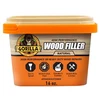 Option 3 Gorilla All Purpose Wood Filler, 16 oz – $9.39
|
As an Amazon Associate we earn from qualifying purchases.
Choosing Your Filling Method: What’s Right for Your Project?
The best way to fill drawer pull holes depends on a few factors: the material of your drawer (wood, laminate, metal), the size of the holes, and whether the surface will be painted, stained, or left as is. Here are the most popular and effective methods for beginners:
Method 1: Wood Filler for Wood Drawers (Paintable or Stainable)
This is often the go-to method for solid wood drawers or cabinet doors. Wood filler is designed to mimic the appearance of wood and can be sanded smooth for a seamless finish.
Tools & Materials:
- Wood filler (choose water-based for easy cleanup, and select a stainable option if you plan to stain)
- Putty knife or small, flexible spatula
- Fine-grit sandpaper (180-220 grit)
- Optional: Primer, paint, or stain to match your drawer
- Damp cloth
Step-by-Step Guide:
- Clean the Area: Wipe down the drawer front around the holes to remove any dust or grease.
- Apply Wood Filler: Scoop a small amount of wood filler onto your putty knife. Press the filler firmly into the hole, ensuring it’s completely filled. Overfill slightly, as the filler will shrink a bit as it dries.
- Smooth the Excess: Gently scrape away any excess filler from the surface of the drawer with the putty knife, leaving a slightly raised mound over the hole.
- Let it Dry: Allow the wood filler to dry completely according to the manufacturer’s instructions. This can take anywhere from 30 minutes to a few hours, depending on the product and humidity.
- Sand Until Smooth: Once dry, use fine-grit sandpaper to gently sand the filled area until it is perfectly flush with the surrounding drawer surface. Sand in a circular motion.
- Clean Dust: Wipe away the sanding dust with a dry or slightly damp cloth.
- Finish (Optional but Recommended): If you plan to paint, apply a coat of primer to the filled area, let it dry, and then paint to match your drawer. If you’re using stainable wood filler and plan to stain, apply your stain carefully. You may need to experiment with stain colors on a scrap piece first if you want a perfect match.
Method 2: Toothpicks and Wood Glue for Small Holes
For very small holes, like those left by single-screw hardware, this is a simple and effective method that uses readily available items.
Tools & Materials:
- Wooden toothpicks (round ones work best)
- Wood glue
- Putty knife or razor blade
- Fine-grit sandpaper
- Damp cloth
- Primer, paint, or stain (optional)
Step-by-Step Guide:
- Prepare Toothpicks: Apply a generous amount of wood glue to a few wooden toothpicks.
- Insert Toothpicks: Insert the glued toothpicks into the hole, wiggling them slightly to ensure the glue coats the inside. Break off the protruding ends flush with the drawer surface using a putty knife or razor blade.
- Add More if Needed: For slightly larger holes, you might need to repeat with another toothpick or two.
- Let it Dry: Allow the glue to dry completely. Wood glue typically dries clear or slightly yellowish.
- Sand Smooth: Once dry, sand the area flush with the drawer surface.
- Finish: As with wood filler, you can prime, paint, or stain the area to match.
Method 3: Epoxy or Wood Repair Compound for Larger or Damaged Holes
For larger holes or areas where the wood might be slightly damaged or chipped, a two-part epoxy or a wood repair compound offers a stronger, more durable fill. These products often set harder than standard wood filler.
Tools & Materials:
- Two-part epoxy putty or wood repair compound (follow product instructions carefully)
- Gloves (recommended, as epoxy can be sticky)
- Putty knife or small trowel
- Fine-grit sandpaper
- Damp cloth
- Primer, paint, or stain (optional)
Step-by-Step Guide:
- Mix the Compound: Follow the specific instructions for your chosen epoxy or wood repair product. Typically, you’ll knead together two components until a uniform color is achieved. Work quickly, as these compounds often have a short working time.
- Apply and Press: Press the mixed compound firmly into the hole using a putty knife or trowel. Ensure it’s packed tightly and overfills the hole slightly.
- Smooth and Shape: While the compound is still pliable (but before it hardens completely), smooth the surface as much as possible with your tool. Aim to get it as close to the drawer’s surface as you can.
- Let it Cure: Allow the compound to cure and harden completely. This can take several hours or even overnight, depending on the product. Check the package for cure times.
- Sand to Finish: Once fully cured and hard, sand the area smooth and flush with the drawer surface using fine-grit sandpaper.
- Clean and Finish: Wipe away dust and then prime, paint, or stain as desired.
Method 4: Bondo for Non-Wood Surfaces or Heavy-Duty Repairs
If you’re working with laminate, metal, or even heavily damaged wood where maximum durability is needed, a product like Bondo (a polyester auto body filler) can be an excellent strong option. Be aware that Bondo is a more advanced material and requires careful application and sanding.
Tools & Materials:
- Bondo (or similar auto body filler) and hardener
- Stirring stick and mixing board/cardboard
- Plastic spreader/putty knife
- Gloves (essential)
- Safety glasses (recommended)
- Coarse, medium, and fine-grit sandpaper (e.g., 80, 120, 220 grit)
- Damp cloth
- Primer and paint
Step-by-Step Guide:
- Prepare Surface: Lightly sand the area around the hole to create a slightly rough surface for the Bondo to adhere to. Clean thoroughly.
- Mix Bondo: On a piece of cardboard or a mixing board, mix a small amount of Bondo with the recommended amount of hardener. Wear gloves! Mix thoroughly until the color is uniform. Work fast; it hardens quickly.
- Apply Bondo: Use the plastic spreader to press the Bondo mixture firmly into the hole. Overfill slightly.
- Shape and Smooth: While the Bondo is partially set (but not fully hardened), use the spreader to smooth the surface as much as possible, creating a slight mound.
- Let it Cure: Allow Bondo to harden completely. This usually takes 15-30 minutes.
- Sand in Stages: Start with a coarser grit sandpaper to knock down the high spots and make it flush. Move to medium grit, then finish with fine grit sandpaper for a super smooth surface. Sand gently and check progress often.
- Clean and Prime: Wipe away all dust. Apply a primer (Bondo often takes primer well) and then paint to match.
Note: Always work in a well-ventilated area when using Bondo. Read and follow all manufacturer safety guidelines.
Comparing Repair Methods: Which is Best for You?
To help you decide, here’s a quick comparison of the most common methods:
here is a quick comparison of the most common methods, plus once your drawers have a clean face again, our guide on changing dresser knobs covers picking and installing the new hardware:| Method | Best For | Pros | Cons | Skill Level |
|---|---|---|---|---|
| Wood Filler | Small to medium holes in solid wood; when painting or staining | Easy to use, sands smoothly, water-based options clean up easily. | May shrink slightly, stainable versions require careful color matching. | Beginner |
| Toothpicks & Glue | Very small holes (screw holes) in wood | Extremely simple, uses common household items, strong bond for small holes. | Not suitable for larger holes, requires drying time. | Absolute Beginner |
| Epoxy/Wood Repair Compound | Larger holes, small gouges, or damaged wood; needs extra durability | Strong repair, durable, good for structural fixes. | Can be messy, has a shorter working time, requires mixing. | Beginner to Intermediate |
| Bondo | Larger holes, laminate, metal, or heavily damaged areas; requires very strong repair | Extremely strong and durable, fast drying time. | Requires careful mixing and sanding, needs good ventilation, can be tricky to get perfectly smooth on the first try. | Intermediate |
Tips for a Flawless Finish
No matter which method you choose, a few pro tips can elevate your repair from “good enough” to “wow, you can’t even tell!”
a passable patch job into an invisible one, especially once you get to the final paint step covered in our best paint finish for a dresser guide:- Patience is Key: Rushing the drying or curing times is the most common mistake. Let each step fully complete before moving on.
- Less is More (Initially): It’s easier to add more filler if needed than to remove too much. Start with a modest amount.
- Feather Your Edges: When sanding, blend the filled area into the surrounding surface gradually. This helps minimize any visible transition lines.
- Light is Your Friend: Inspect your work under good lighting. Sometimes a slight bump or low spot is only visible from certain angles.
- Match the Sheen: If your drawer has a satin or semi-gloss finish, ensure your final paint or clear coat matches that sheen for a seamless look.
- Practice Makes Perfect: If you’re nervous, try a repair on an inconspicuous area first, like the inside of a drawer or the back of a cabinet door.

Frequently Asked Questions (FAQs)
Q1: Can I fill drawer pull holes on laminate cabinets?
Yes, you can! For laminate, wood filler might not adhere well. Epoxy putty or a two-part wood repair compound designed for multiple surfaces is usually a better choice, as they create a strong bond. Bondo can also be used if the holes are significant.
Q2: How do I make sure the filled area matches the rest of my painted cabinet?
After filling and sanding, always apply a good quality primer specifically designed for your surface type. Once the primer is dry, paint with your chosen cabinet color. It’s often best to paint the entire drawer face or door, not just the filled spot, for a truly unified look. Consider getting a small sample pot of your paint color.
Q3: What if my drawer pull holes are uneven or slightly damaged?
For uneven or slightly damaged holes, an epoxy putty or wood repair compound is ideal. These products fill voids well and create a durable surface. You may need to slightly enlarge the hole by gently cleaning out any loose wood or debris before applying for the best adhesion and a good fill. You can find excellent tutorials on using wood repair compounds from reputable sources like Wood Magazine.
Q4: How large of a hole can I fill with toothpicks and glue?
This method is best for very small holes, typically those made by a single screw. For anything larger than a pencil lead, wood filler or epoxy will provide a more robust and stable repair.
Q5: Do I need to fill holes if I’m just going to put new hardware over them?
Ideally, yes. While you can sometimes place new hardware over old holes if the spacing matches, filling them first provides a much more stable surface for your new hardware. It also prevents the old holes from showing if the new hardware doesn’t perfectly cover them, ensuring a much cleaner and more professional look.
Q6: What’s the difference between wood filler and wood putty?
Wood filler is generally stronger and shrinks less than wood putty, making it better for filling holes and gouges. It’s often cement-like when dry and can be sanded and painted. Wood putty is more flexible and is typically used for cosmetic repairs and sealing small gaps where shrinkage is common, and it’s not usually recommended for filling holes. For filling drawer pull holes, wood filler is the superior choice. The This Old House website offers more detailed comparisons.
Q7: Can I use a spray filler for these holes?
Spray fillers are generally designed for very minor surface imperfections or as a primer and not typically for filling distinct holes left by hardware. You’ll get a much smoother, stronger, and more predictable result using one of the methods described above, like wood filler or epoxy, which allow you to pack the material directly into the hole.
Conclusion: Your Furniture Awaits a Fresh Start!
See? Filling those drawer pull holes isn’t some daunting DIY project reserved for the pros. With the right materials and a little bit of your time, you can achieve beautiful, seamless results that truly refresh the look of your cabinets and furniture. Whether you’re aiming for a minimalist look, preparing to paint, or simply want a cleaner aesthetic, these methods empower you to make those changes with confidence. Remember to choose the method that best suits your material and desired finish, take your time with each step, and don’t be afraid to sand until it’s perfect. Your beautifully refreshed furniture will thank you for it!
Products related to this article
Sponsored / affiliate links. As an Amazon Associate I earn from qualifying purchases. I may earn additional commission from eligible campaigns.