Best Cabinet Hardware for Shaker Doors: Fit Guide and Sizes
The best cabinet hardware for Shaker doors is usually a plain bar pull or round knob in matte black, satin brass, or stainless, sized to about one-third of a drawer front or 3/4 the width of a door rail, with 3-4 inch pulls on most uppers and 5-7 inch pulls on drawers. Choose badly and the hardware makes the flat Shaker profile look clumsy, dated, or out of balance. I size hardware with the door in front of me, because these fronts reveal mistakes fast. This guide covers size, finish, feel, and mounting patterns for doors, drawers, and appliance fronts.
What makes shaker doors different for hardware


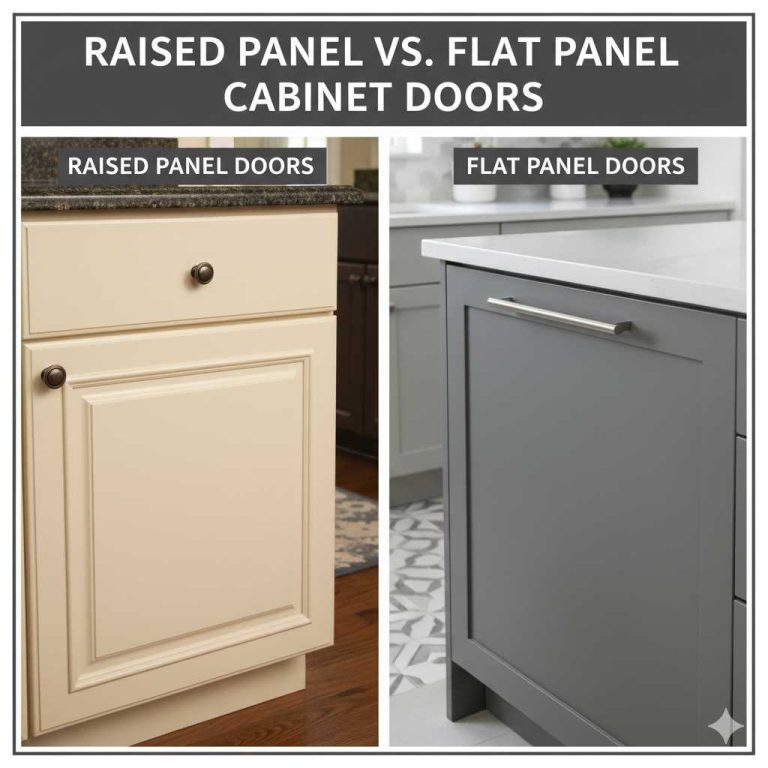
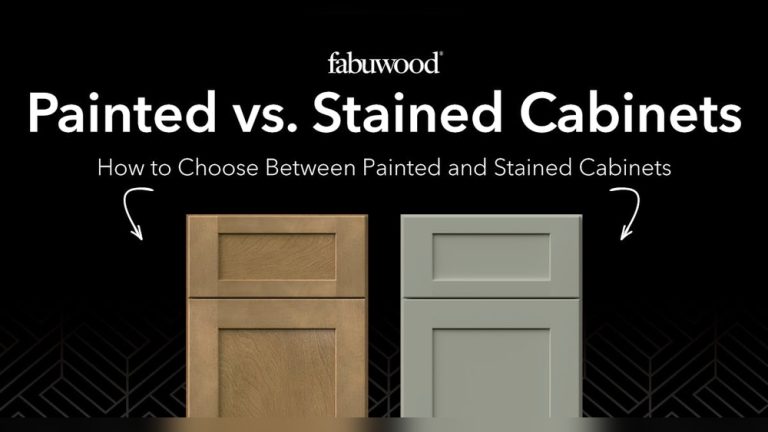
Shaker cabinet doors use a five-piece build with a flat recessed center panel, narrow rails and stiles, and 90-degree lines that read clearly from across a kitchen. Because shaker doors have no raised panel or carving, hardware becomes part of the front face instead of hiding in ornament. That makes proportion, spacing, and finish more visible than on busier cabinet styles.
Shaker rails are described as narrow and square-edged, usually 2 to 2.5 inches wide. That matters. A heavy backplate or a decorative pull can crowd the frame, while a smaller, cleaner shape lets the door read the way it should: calm, framed, and direct.
Why flat panels call for cleaner hardware lines
Flat recessed centers give the eye very little texture to break up. A curved, filigreed, or oversized decorative pull can feel pasted on rather than built in. The best cabinet hardware for Shaker doors usually repeats the door’s geometry: straight bar, simple round knob, restrained finish.
Where ornate shapes tend to look off
Ornate scrollwork backplates on shaker doors are a common miss. They fight the square frame and make the face look busier than the door itself. The result is often visual noise on painted fronts and a dated look on stained ones. Keep the hardware profile calm, and let the joinery carry the visual weight.
Should shaker cabinets have knobs or pulls?
Both work, but they solve different problems. Knobs are best when the door is narrow, the look should stay visually light, or the user wants a simple grip point. Pulls are better on drawers, appliance panels, and larger doors because they give more hand room and feel easier to use day after day.
Best places for knobs
A 1-1/4 inches knob is the classic size mentioned for Shaker cabinets. Round knobs suit upper doors, smaller base doors, and runs where the hardware should disappear a little against painted fronts. On white or pale gray shaker doors, a knob keeps the frame clean and avoids crowding the face.
Best places for pulls
Cabinet pull design matters more on drawers than most people expect. Bar pulls usually fit Shaker doors best because their straight lines echo the frame. They also give better grip for households that want easier-open hardware. For heavier use, especially on drawers, pulls are the safer daily choice.
When a mixed layout makes sense
A mixed layout is often the most practical answer. Knobs on doors, pulls on drawers, and longer pulls on pantry or appliance fronts is a common setup because it matches function to grip needs. It also keeps the kitchen from looking over-accessorized, which is a real risk on a simple Shaker front.
What size pulls work on shaker cabinet doors?
Most Shaker layouts look best when pull length tracks drawer width instead of using one fixed size everywhere. The guide recommends pull length at roughly one-third of drawer width. Common pull sizes tend to range from about 3 inches to roughly 7-9/16 inches center-to-center, with longer hardware often used on wider drawers and appliance panels.
Pull length by drawer width
A 12-inch drawer can usually take a shorter pull without looking cramped, while an 18-inch drawer may need a longer bar to avoid looking undersized. On the pieces that are most visible in a kitchen, the pull should feel proportionate, not decorative. That proportional balance is what makes the front look planned.
Common center-to-center sizes to consider
When replacement spacing already exists, center-to-center measurement comes first. The most common issue is not the pull shape; it is the hole spacing. Most shaker hardware complaints trace back to center-to-center spacing, especially when a new pull is slightly too short or too long for the old holes.
| Drawer or door type | Typical hardware choice | Size or spacing to target | Fit note |
|---|---|---|---|
| Small upper door | Round knob | 1-1/4 inches | Visually light and easy to place |
| Standard drawer | Bar pull | 3 inches to 5 inches center-to-center | Good for compact drawer fronts |
| Wider drawer | Bar pull | 5 inches to 7-9/16 inches center-to-center | Balances larger drawer faces better |
| Appliance panel | Long bar pull | Longer than standard drawer hardware | Needs more hand clearance and visual scale |
How appliance panels and wide drawers change the choice
Appliance panels and broad drawers need more grip and more visual length. A tiny knob on a refrigerator panel looks lost. A short pull on a wide drawer can look pinched and can feel awkward when the drawer is loaded. Longer bars usually read better there, both visually and in use.
What finish looks best on shaker cabinets?
Finish should match the rest of the kitchen and stay the same across knobs, pulls, and hinges. I keep one finish through the whole room unless there is a clear reason not to. For Shaker cabinets, honey bronze, champagne bronze, and satin nickel are often good picks because they tend to work well with painted and stained fronts.
White shaker cabinets
White shaker cabinets often look best with a metal that adds enough contrast without feeling too bold. Honey bronze is the warm pick that feels grounded, and it works well when the room needs color depth. Satin nickel is the quieter neutral, while champagne bronze sits between warm and cool and is often the easiest compromise.
Gray and black shaker cabinets
Gray shaker cabinets can work with satin nickel for a calm, coordinated look or honey bronze for a warmer break in the surface. Black shaker cabinets often benefit from either champagne bronze or satin nickel, depending on whether the room needs softer contrast or a cleaner, cooler read. Matte black can work too, but it can disappear on black doors if the room is dim.
Wood-tone shaker cabinets
Wood-tone shaker fronts need a finish that respects the grain instead of fighting it. Warm metals often feel more natural against oak, walnut, or similar tones. Cooler metals can still work, but they should be chosen deliberately, not by default, because they change the wood’s visual temperature very quickly.
Warm versus cool metal tone
Warm metal tones usually soften painted shaker fronts and make stained fronts feel more grounded. Cool tones read cleaner and can help a kitchen feel sharper. The wrong tone shows up fast when the room already has strong wood grain or very white doors, so finish should be chosen with the cabinet color in mind.
Use this hardware decision matrix
This matrix scores knob, pull, and finish combinations by door color, drawer width, hole spacing, and grip comfort. It is useful because Shaker cabinets do not forgive random placement. The best match is the one that works with the door’s size, the existing holes, and the way the room is used every day.
| Kitchen layout | Knob score | Pull score | Finish score | Best pairing |
|---|---|---|---|---|
| White shaker, standard doors, mixed drawers | 4/5 | 5/5 | Honey bronze or satin nickel | Knobs on doors, pulls on drawers |
| Gray shaker, wide drawers | 3/5 | 5/5 | Satin nickel or champagne bronze | Longer bar pulls on drawers |
| Black shaker, appliance panel | 2/5 | 5/5 | Champagne bronze | Long pull for hand clearance |
| Wood-tone shaker, visible grain | 4/5 | 4/5 | Honey bronze | Round knobs or restrained bars |
Recommended pairings for common kitchen layouts
For a white Shaker kitchen, a 1-1/4 inches knob on doors and a proportional bar pull on drawers is the safest everyday layout. For gray cabinets, satin nickel keeps the visual read controlled. For black cabinets, champagne bronze gives stronger separation and helps the hardware remain visible without looking harsh.
Failure cases the matrix helps avoid
A tiny knob on a wide drawer looks like an afterthought. A too-short pull on an appliance panel makes the panel feel underscaled. A bright finish on a wood-tone door can look disconnected if the room already has warm trim. The matrix forces the decision back to fit, not impulse.
How do you measure and order the right size?
Measure center-to-center before ordering replacements, because hole spacing is what keeps a job aligned. For new drilling, use a template so every pull sits consistently across doors and drawers. Hardware looks most intentional when spacing repeats across the kitchen instead of shifting from one cabinet run to the next.
Center-to-center measurement before buying replacements
Measure from the center of one hole to the center of the other, not from edge to edge. That number determines whether a pull will land correctly on existing holes. If the spacing is off, even a good-looking pull can create a crooked visual line.
Using a template for new drilling
A drilling template keeps placement consistent when starting from scratch. It matters especially on Shaker fronts, where the straight rails and stiles make even small misalignments obvious. A template also reduces the chance of hardware sitting too close to the frame or too low on the door.
Keeping spacing consistent across doors and drawers
Consistency matters more than people expect. If upper doors use one knob location and lower doors use a different one for no clear reason, the kitchen starts to feel patched together. Keep the pattern simple, repeat it, and the hardware will read as part of the cabinet design.
- Check whether the cabinet is a door, drawer, or appliance panel.
- Measure existing center-to-center spacing before you shop.
- Choose knobs for light-use doors and pulls for drawers or heavy fronts.
- Match the finish across knobs, pulls, and hinges.
- Confirm the pull length suits the drawer width and hand comfort.
What materials and textures hold up best?
For daily-use kitchens, solid zinc die-cast or brass is a better bet than lightweight zinc-alloy pieces. Material affects how hardware feels in the hand, how it wears at the finish, and whether the pull still feels solid after years of use. Cheap metal usually shows its age fast on shaker kitchens because the fronts are so plain.
Solid zinc die-cast versus brass
Solid zinc die-cast can be a practical middle ground when the shape is simple and the finish is applied well. Brass construction usually feels denser and more durable in hand. On high-touch drawers, that extra solidity is noticeable. Lightweight zinc-alloy pieces tend to feel less substantial and often wear faster at edges.
Plating wear in daily-use kitchens
Finish wear usually shows first on the spots people touch most: the finger path, the underside of a pull, and the high points of a knob. That is why finish choice and material choice should be treated together. A pretty finish on a weak base will not stay pretty for long.
Are reeded knobs better than smooth knobs on shaker cabinets?
Reeded knobs can improve grip and add texture, especially on painted doors where a smooth round knob may feel slick. Smooth knobs are visually quieter and fit the plain Shaker frame very well. The better choice depends on who uses the kitchen and whether easier-open handling matters more than visual simplicity.
Frequently asked questions
What cabinet hardware looks best on shaker doors?
The best cabinet hardware for Shaker doors is usually a simple bar pull or round knob with clean lines and a restrained finish. Shaker fronts already have strong geometry, so hardware should support that frame instead of competing with it. Avoid ornate backplates and oversized shapes that make the door feel busy.
What finish looks best on white shaker cabinets?
White shaker cabinets usually work well with honey bronze, champagne bronze, or satin nickel. Honey bronze brings warmth, satin nickel keeps the look cooler and quieter, and champagne bronze sits between the two. The best finish depends on whether the room needs contrast, softness, or a neutral metal that stays out of the way.
How do I match cabinet hardware to shaker door style?
Match the hardware to the door’s square frame, flat recessed center, and narrow rails. Simple bars and round knobs usually fit best because they echo the door’s straight edges. Then check the finish, spacing, and scale together. A good-looking pull can still fail if its holes do not line up.
Products related to this article
Sponsored / affiliate links. As an Amazon Associate I earn from qualifying purchases. I may earn additional commission from eligible campaigns.