Cabinet Pull-Out Shelves Review
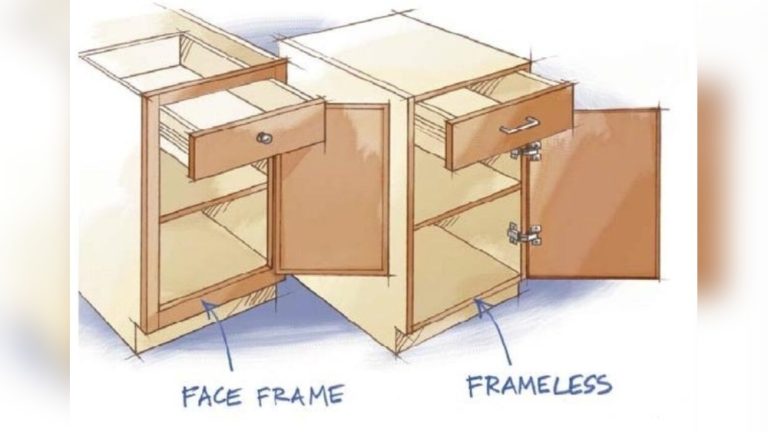
Pick pull-out shelves by cabinet type first: framed cabinets usually need side-mount hardware, frameless cabinets accept more layouts, and heavier loads generally call for full-extension slides rated around 100 lb or more. The wrong system can bind, sag, or waste storage space. This review compares cabinet pull-out shelf options by cabinet style, weight capacity, and installation risk so you can choose the right one.
Verdict

- Two-tier design with adjustable height options
- Heavy-gauge wire supports significant load capacity
- Full-extension slides keep items easily reachable
The strongest all-around pick here is the Rev-A-Shelf two-tier organizer for standard base cabinets that need better access and stronger load handling. It fits the common 22-inch-depth class and its 100-pound capacity makes more sense for pots, pans, and heavy dish stacks than lighter wire pull-outs. For narrow cabinets or awkward spaces, expandable or slim organizers are safer choices than forcing a full-size system to fit.
Specs at a glance
| Spec | What to look for | Why it matters |
|---|---|---|
| Cabinet width | About 12 to 20.45 inches for expandable units; 5 to 8 inches for narrow bakeware slots; 14.5 inches minimum opening width for the Rev-A-Shelf organizer | Width mismatch is the fastest way to get wobble, rail bind, or wasted space |
| Cabinet depth | 21 to 22 inches is common in product listings | Depth determines whether a shelf clears the door and reaches far enough to matter |
| Weight capacity | 50 lb class, 85 lb stress-tested load, or 100 lb class | Use the usable load per tier, not the most optimistic total number on the box |
| Mounting style | Bottom mount or side mount; adhesive backing or screw installation for some expandable systems | Mounting style affects stability, hole placement, and whether framed cabinets fit cleanly |
| Hardware | Pre-drilled holes, included screws, installation template, or adhesive backing | These details lower install risk and help keep rails square |
| Motion | Ball-bearing slide rails, full-extension movement, and optional soft-close | Good motion keeps the shelf smooth under load and reduces slam wear |
Cabinet fit matrix
This decision matrix is the most practical way to sort pull-out shelves. Start with the cabinet type, then check width, depth, and what can interfere with the slide path. Plumbing, face frames, and hinge clearance matter as much as storage goals.
| Cabinet type | Needed width range | Depth | Weight target | Mounting style | Likely failure mode | Best-use category |
|---|---|---|---|---|---|---|
| Standard base cabinet for pots and pans | 14.5 inches or wider opening | 21 to 22 inches | 100 lb class, preferably full-extension | Side mount or rigid bottom mount | Sag, stiff glide, or rail deflection under heavy cookware | Heavy-duty storage |
| Framed base cabinet with limited clearance | Adjustable 12.1 to 20.4 inches | About 21 inches | Moderate household load | Expandable with screw installation or clearance aid | Face-frame interference, rubbing, or poor alignment | General kitchen storage |
| Under-sink cabinet with plumbing | Narrower footprint, often one side only | Shallow-to-mid depth with trap clearance | Light to medium load | Two-tier or partial-width organizer | Pipe conflict, limited extension, or wasted upper space | Cleaning supplies |
| Narrow bakeware slot | 5 to 8 inches | About 21 inches | Light load | Tall narrow rail set | Racking, tilt, or poor fit beside a wall panel | Sheet pans and cutting boards |
| Deep cabinet with mixed items | 12 to 18 inches | 22 inches | Mid to high load | Full-extension slide rail system | Back-of-cabinet dead space if the drawer stops short | Everyday access |
Who should buy pull-out shelves?
Pull-out shelves make the most sense in deep base cabinets, framed cabinets that hide hard-to-reach corners, and storage zones where heavy items keep getting buried in the back. They are worth considering when easier access matters more than a new cabinet layout.
If your cabinet depth is around 21 to 22 inches, a slide-out shelf can turn wasted rear space into usable storage. The gain is largest when the cabinet already holds bulky items, because the shelf lets you pull the load forward instead of reaching past it.
Deep base cabinets
Deep base cabinets are the clearest win. A pull-out cabinet shelf organizer gives slide-out access, so dishes and cookware move toward you instead of disappearing behind stacked items. For these spaces, a full-extension rail matters more than a fancy finish.
Say your base cabinet is 36 inches wide and 22 inches deep, but the back half is filled with lids and casserole dishes. A two-tier pull-out system can keep daily items visible at the front while still leaving room for heavier pieces below.
Framed cabinets with limited access
Framed cabinets often need more planning because the face frame steals usable width and can interfere with the slide path. Expandable pull-out organizers help here because adjustable width range matters more than a fixed tray size.
Framed cabinet compatibility usually depends on clearance, not just cabinet width. A raising pad or similar clearance aid can help an organizer clear the face frame, but only if the install hardware still keeps the rails square.
Homes that need easier pot and pan storage
Heavy cookware is the category that most quickly exposes weak slides. Pots and pans demand stable rails, strong mounting points, and a capacity rating that leaves margin after you divide any rating by tier.
For that reason, a 100-pound class organizer is a safer starting point than a 50-pound class shelf if the goal is cookware storage. A 50-pound shelf can still work for lighter supplies, but it is easier to overpack.
What works in real cabinets?
The best systems combine smooth glide, full-extension movement, and enough structure to resist wobble when loaded unevenly. Ball-bearing slide rails usually perform better than basic friction slides because they stay smoother under weight and are less likely to bind when the drawer is full.
Single-tier designs are simpler and usually easier to fit. Two-tier designs are better when you want to separate tall and short items, but they can concentrate more weight on the slide hardware if the shelf is overloaded.
Ball-bearing slide rails
Ball-bearing slide rails are the most important motion feature to look for. They support smooth glide, improve stability under load, and usually give full-extension movement so the back of the cabinet is still reachable.
Soft-close is a nice extra, but it should not replace structural quality. Soft-close mechanism features are most useful in wood-based constructions where the closing feel matters and the drawer face can benefit from slam prevention. They are a comfort feature, not a fix for poor fit.
Single-tier versus two-tier layouts
Single-tier shelves are better for tall bottles, cookware, and awkward items that do not stack well. Two-tier layouts fit more categories in one cabinet and help separate lids, spices, or cleaning bottles from bulkier objects.
Use the tier count carefully. A 100-pound class rating may describe the whole organizer, not each shelf. If the unit has two tiers, the usable load per tier can be far lower than the headline number suggests.
Wood versus chrome wire
Chrome wire, steel, and wood construction each solve a different problem. Chrome wire and steel are generally easier to clean and let you see what is stored, while wood feels more finished and can pair better with soft-close hardware.
Wood also tends to look more like a built-in drawer, but finish durability and cleanability matter more under-sink or pantry conditions. Wire and chrome usually handle drips, dirt, and quick wipe-downs better.
What does not work?
The most common failures come from bad fit, weak mounting, and overconfident weight claims. If the organizer is too wide, too deep, or too tall for the cabinet opening, the slides can rub or stop short. If the load is too high, the shelf may sag or the rails may stiffen.
Adhesive-backed parts can also fail if the surface is dusty, uneven, or damp. Under-sink spaces are especially hard on adhesive because plumbing leaks, condensation, and cramped clearances create conditions where screws are safer than glue alone.
Wrong width or depth
Wrong width is the easiest mistake to avoid and the easiest one to make. A cabinet may look generous from the front, but framed construction, hinges, and the face frame can cut usable width quickly. Depth matters too, because a shelf that is too long can hit plumbing or the rear wall.
A common first-timer mistake is measuring only the door opening. That can lead to a 20-inch organizer being ordered for a cabinet that only clears 18 inches once the frame and hinge swing are included.
Stiff slides and wobble
Stiff slides usually mean one of three things: the rail is out of square, the cabinet is not level, or the load is too close to the rail limit. Wobble usually points to weak mounting or a tray that is too narrow for the cabinet opening.
Neither problem is cosmetic. Stiffness can wear out slides faster, and wobble can make the shelf feel unsafe even if the weight limit has not been exceeded.
Adhesive failure and clearance conflicts
Adhesive installation works best on clean, dry, flat surfaces with light loads. It is a poor match for under-sink cabinetry, loose face frames, or cabinets with uneven finishes. Screw installation is usually the safer option when the shelf will hold daily-use cookware or cleaners.
Clearance conflicts are the other hidden issue. Hinges, plumbing traps, and door stoppers can block the shelf before the organizer reaches full extension.
Alternatives
If a pull-out shelf is not the best fit, the next choice depends on cabinet width and how much modification you want to accept. Expandable organizers solve sizing problems. Fixed-width systems are better for repeatable fit. Drawer inserts and tray organizers are the lowest-risk option when installation should stay simple.
Expandable pull-out organizers
ROOMTEC’s narrow three-tier organizer is the best option here when you need a slim cabinet solution rather than a wide base-cabinet drawer. It is listed at 5.5 inches wide, 20.5 inches deep, and it includes a template and hardware, which lowers installation guesswork. The tradeoff is obvious: it is built for a narrow slot, so it will not replace a full-width cookware drawer.
Fixed-width pull-out shelves

- Soft-close ball-bearing slides reduce cabinet impact
- Powder-coated steel resists rust and scratches
- Low-profile design keeps daily items within reach
Sylunawyn’s 8-inch soft-close shelf is the better choice when you want a quiet pull-out with a simple one-tier layout. The soft-close ball-bearing slides, powder-coated steel, and 22-inch depth make it a sensible fit for slim pantry or bathroom storage. The downside is capacity: it is not the right call for heavy pots or overloaded pantry bins.
Drawer inserts and tray organizers

- Perfect for narrow cabinets between two units
- Industrial-grade ball bearings ensure smooth sliding
- Includes template and hardware for easy installation
For cabinets where width is limited and the goal is targeted access, ROOMTEC’s narrow three-tier design is the most efficient of the listed alternatives. Its industrial-grade ball bearings and included template are useful for owners who want a more guided install. The drawback is that a narrow organizer can solve one access problem while leaving the rest of the cabinet untouched.
Suppose you have a framed cabinet with an inside opening that is just under 18 inches wide and plumbing lines crowd the left side. An expandable organizer with a clearance aid may fit better than a fixed-width drawer, because the adjustability helps avoid direct contact with the frame and pipes.
Should you buy it?
Buy pull-out shelves if your cabinet is deep, your stored items are heavy or awkward, and your cabinet layout can accept the correct width and depth. Skip them if the cabinet is shallow, the plumbing blocks the slide path, or you only need a simple sorting tray. The right fit matters more than the most popular model.
If the cabinet is a standard base unit with enough depth and a straightforward opening, the Rev-A-Shelf two-tier organizer is the strongest overall option in this group. If the cabinet is narrow, under-sink, or framed with limited clearance, a smaller expandable or slim organizer is usually the safer choice.
Frequently asked questions
What are the best pull out shelves for kitchen cabinets?
The best pull-out shelves are the ones that match your cabinet type and storage load, not the ones with the biggest headline rating. For standard base cabinets, a full-extension two-tier organizer is often the most useful. For narrow or framed cabinets, an adjustable-width system is usually a safer fit.
How do I choose the right size pull out shelves for my cabinet?
Measure cabinet width, depth, and clearance before you buy. Width alone is not enough. Check the inside opening, hinge swing, face-frame obstruction, and any plumbing or sink hardware. Depth around 21 to 22 inches is common for many pull-out systems, but the cabinet still has to clear the slides.
Are pull out shelves worth it for deep kitchen cabinets?
Yes, if the cabinet is deep enough that items disappear into the back. Pull-out shelves reduce digging and make better use of rear storage space. They are most worthwhile in deep base cabinets where full-extension access lets you reach heavy cookware, pantry goods, or mixed containers without rearranging everything.
What weight capacity do I need for cabinet pull out shelves?
For light storage, a 50-pound class shelf can be enough. For cookware, look for a 100-pound class system and check whether that rating is per tier or total. A 85-pound stress-tested load may sound strong, but it is still important to understand how the maker applies the number.
Can I install pull out shelves in existing cabinets?
Yes, many pull-out shelves are made for retrofit use in existing cabinets. The main limits are fit and mounting method. Pre-drilled holes, included screws, and installation templates make the job easier, while adhesive backing works best only in lighter-duty, dry, and very clean cabinet spaces.
Do pull out shelves work in framed cabinets?
They can, but framed cabinets usually narrow the usable opening and can interfere with the slide path. Expandable pull-out organizers are often the better choice because adjustable width range helps you fit around the face frame. In some cases, a clearance aid or different mounting style is necessary.
What is the difference between wire and wood pull out shelves?
Wire shelves are usually easier to clean, lighter, and better at letting you see stored items. Wood shelves tend to feel more like a built-in drawer and often pair better with soft-close hardware. For wet or messy spots, wire or steel is usually easier to maintain.
Which pull out shelves are best for pots and pans?
Pots and pans need stable slides, strong mounting, and a higher usable load rating. Look for full-extension rails, a 100-pound class capacity, and a design that does not wobble when the load is uneven. Two-tier systems can work if the lower tier carries most of the weight.
Which pull out shelves are best for under-sink cabinets?
Under-sink cabinets usually need a narrow or partially open organizer that avoids plumbing and trap clearance. Two-tier slide-out shelves can work if the pipe layout leaves enough room. Screw mounting is usually safer than adhesive alone because moisture and cleaning products can weaken adhesive over time.
Products related to this article
Sponsored / affiliate links. As an Amazon Associate I earn from qualifying purchases. I may earn additional commission from eligible campaigns.