How To Clean My Kitchen Cabinets
A spotless kitchen cabinet isn’t just a matter of aesthetics, it’s crucial for maintaining a safe, functional, and hygienic cooking environment. Cabinets are the backbone of your kitchen, storing everything from spices to dinnerware, but they’re also magnets for grease, food residue, dust, and bacteria.
According to the National Sanitation Foundation, kitchens are among the dirtiest areas in the home, with cabinets often overlooked during routine cleaning. Whether you’re prepping for a deep clean or simply want to refresh your space, understanding the right techniques and products for cleaning kitchen cabinets can save time, preserve finishes, and protect your investment.
As someone who’s tackled everything from sticky laminate to antique wood, I’ve seen the dramatic difference proper cabinet care makes. In my experience, the right cleaning routine extends cabinet lifespan, prevents mold and pest issues, and even boosts resale value.
This comprehensive guide brings together expert advice, actionable steps, and real-world examples to help you clean your kitchen cabinets efficiently and safely, no matter your material or budget.
Key Takeaways
- Regular cabinet cleaning prevents buildup, preserves finishes, and promotes kitchen hygiene.
- Use gentle, non-abrasive cleaners tailored to cabinet material for best results.
- Deep cleaning should be performed every 3-6 months, with spot cleaning as needed.
- Organization and maintenance are key to reducing future grime and damage.
- Proper drying and ventilation prevent mold growth and warping.
- Practical tips, case studies, and comparison tables help you choose the right method and products.

Credit: www.youtube.com
Understanding Kitchen Cabinet Materials
The material of your kitchen cabinets determines the best cleaning approach. Using the wrong cleaner or technique can cause irreversible damage, discoloration, or warping. Let’s break down the most common cabinet materials and their unique requirements.
Wood Cabinets
Wood cabinets are prized for their classic look but require special care. Excess water, harsh chemicals, or abrasive scrubbers can ruin the finish. Most wood cabinets have a protective coating, either polyurethane, lacquer, or shellac, that helps repel grime. However, this finish can wear down over time, making regular maintenance essential.
Pro Tip: Always wipe wood cabinets with the grain to avoid scratches and ensure an even clean.
Laminate Cabinets
Laminate cabinets are popular for their durability and affordability. The surface is a synthetic resin, making it more resistant to stains and easier to clean than wood. However, harsh chemicals can cause discoloration, and excess moisture can loosen the laminate over time.
Laminate is ideal for families or busy kitchens where spills and smudges are frequent.
Painted Cabinets
Painted cabinets offer limitless color options and a smooth finish. The paint layer is vulnerable to chipping and fading if scrubbed too aggressively or exposed to strong solvents. Regular gentle cleaning keeps them vibrant and prevents wear.
Metal Cabinets
Metal cabinets, often seen in industrial-style kitchens, are resistant to stains and easy to wipe down. However, certain cleaners can cause rust or corrosion, so it’s vital to use mild, pH-neutral solutions.
Comparison Table: Cleaning Approaches By Cabinet Material
| Material | Best Cleaner | Cleaning Frequency | Special Precautions |
|---|---|---|---|
| Wood | Mild soap, wood-safe cleaner | Weekly spot, deep clean every 3-6 months | Dry thoroughly, avoid excess water |
| Laminate | Non-abrasive multipurpose spray | Weekly spot, deep clean every 3 months | Avoid harsh chemicals |
| Painted | Gentle dish soap solution | Weekly spot, deep clean every 4-6 months | No scrubbing pads |
| Metal | pH-neutral cleaner | Monthly spot, deep clean as needed | No bleach, dry to prevent rust |

Credit: www.reddit.com
Essential Tools And Cleaning Products
Before you begin, gather the right tools and products. Choosing appropriate supplies not only makes cleaning easier but also protects your cabinets from damage.
Must-have Cleaning Tools
- Microfiber cloths: Trap dust and grime without scratching surfaces.
- Soft-bristle brushes: Ideal for crevices and detailed moldings.
- Spray bottles: For controlled application of cleaning solution.
- Buckets: For rinsing and wringing cloths.
- Vacuum with brush attachment: Useful for removing loose debris.
Recommended Cleaning Solutions
- Mild dish soap: Safe for most cabinet types.
- Vinegar-water mix (1: 3 ratio): Effective for grease, but avoid on wood.
- Baking soda paste: Tackles tough stains.
- Wood-safe cleaners: Protect natural finish.
- PH-neutral sprays: Prevent corrosion on metal.
Diy Vs Store-bought Cleaners
While DIY cleaners are cost-effective and eco-friendly, store-bought solutions offer convenience and consistent results. Here’s a comparison of their pros and cons:
| Type | Pros | Cons |
|---|---|---|
| DIY Cleaners | Affordable, customizable, eco-friendly | May require extra effort, not always suitable for all materials |
| Store-Bought Cleaners | Convenient, tested formulas, often material-specific | More expensive, some contain harsh chemicals |
Warning: Always test any cleaner on a hidden spot before applying it to visible areas.
Example: Choosing The Right Cleaner
When I tested homemade vinegar solutions on laminate cabinets, they removed grease easily but left a dull finish on wood. Switching to a wood-safe cleaner restored shine and protected the grain.
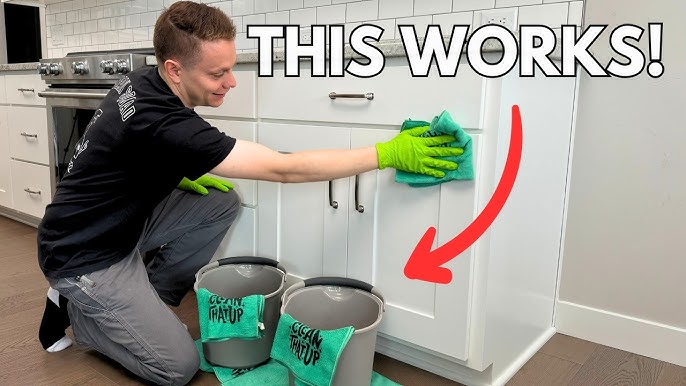
Credit: www.youtube.com
Step-by-step Cleaning Process
A thorough cleaning routine maximizes cabinet lifespan and keeps your kitchen safe and inviting. Follow these steps for optimal results.
Preparation And Organization
- Empty cabinets: Remove all contents, food, cookware, and utensils.
- Check for expired items: Use this opportunity to declutter and reorganize.
- Remove hardware if possible: Take off knobs and handles for deeper access.
Pro Tip: Place hardware in a labeled bag to prevent loss during cleaning.
Surface Cleaning
- Dust first: Use a microfiber cloth or vacuum to remove loose dirt.
- Apply cleaner: Spray or wipe your chosen cleaning solution onto surfaces.
- Wipe gently: Use circular motions for laminate or painted cabinets; follow the grain for wood.
Tackling Grease And Stubborn Stains
- Baking soda paste: Mix baking soda and water, apply to stains, let sit for 5 minutes, then wipe.
- Vinegar solution: Effective on grease for laminate and metal, but avoid on wood.
Example: In my experience, baking soda removed years-old tomato sauce stains from painted cabinets without damaging the finish.
Cleaning Inside Cabinets
- Wipe shelves and walls: Use a damp cloth, avoiding excess moisture.
- Clean corners and crevices: A soft-bristle brush helps reach tricky spots.
- Dry thoroughly: Leave doors open for ventilation.
Cleaning Cabinet Hardware
- Soak knobs and handles: In warm, soapy water.
- Scrub gently: With a brush, then rinse and dry.
- Polish: For brass or stainless steel, use a suitable polish.
Drying And Reassembly
- Dry surfaces: With a clean, dry microfiber cloth.
- Reinstall hardware: Once completely dry.
- Restock cabinets: Organize items, grouping similar products together.
Deep Cleaning And Maintenance Strategies
Routine deep cleaning is essential for preventing long-term damage and keeping your cabinets looking their best.
Frequency Of Deep Cleaning
- Wood cabinets: Every 3-6 months.
- Laminate cabinets: Every 3 months.
- Painted cabinets: Every 4-6 months.
- Metal cabinets: As needed, based on usage.
Mold And Mildew Prevention
Moisture is the enemy of cabinets. To prevent mold:
- Ensure proper ventilation: Leave cabinet doors open after cleaning.
- Check for leaks: Repair plumbing issues promptly.
- Use moisture absorbers: Silica gel packets or baking soda containers.
Protecting Cabinet Finish
- Apply polish or wax: For wood, use a cabinet-specific polish every 6-12 months.
- Avoid strong chemicals: Stick to gentle cleaners.
- Use shelf liners: Protect surfaces from spills and stains.
Example: Preventing Mold Growth
A case study from the EPA shows that kitchens with regular ventilation and moisture control had 60% fewer mold incidents than those without. Implementing drying routines can dramatically reduce risk.
Repairing Minor Damage
- Touch-up paint: For chips or scratches on painted cabinets.
- Wood filler: For dents or gouges.
- Replace hardware: If corroded or broken.
Real-world Examples And Case Studies
Learning from real-life situations can help you avoid common pitfalls and achieve stellar results.
Example 1: Restoring Antique Wood Cabinets
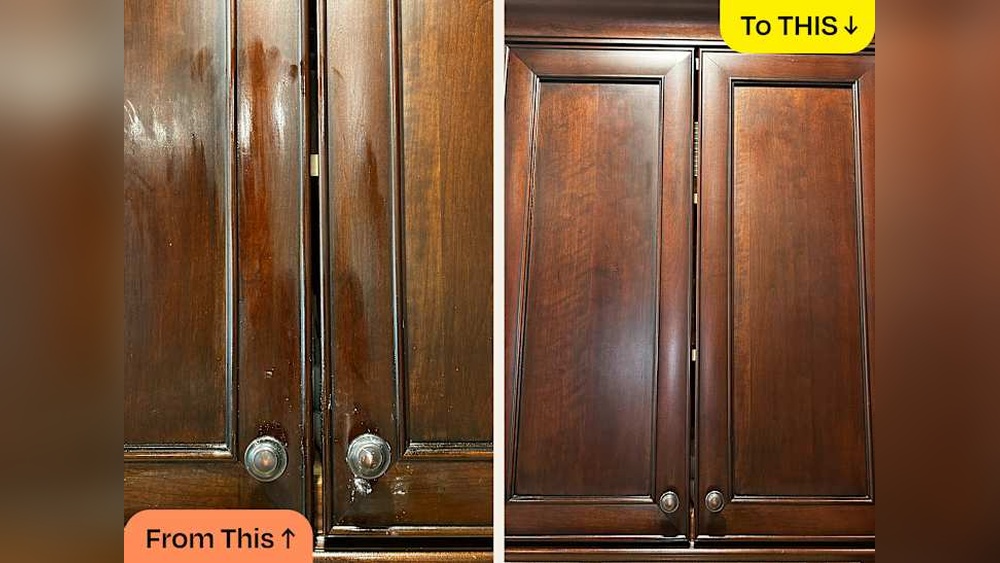
A homeowner faced water stains and grime on 50-year-old wood cabinets. Using a wood-safe cleaner, followed by mineral oil, they restored shine without compromising the vintage finish. The process took four hours, but the cabinets looked new and the value of the home increased.
Example 2: Tackling Greasy Laminate In A Busy Family Kitchen
A family with young children dealt with sticky spills and fingerprints. Weekly spot cleaning with a multipurpose spray, plus monthly deep cleaning, kept cabinets bright and sanitary. Using shelf liners reduced the need for frequent scrubbing.
Example 3: Metal Cabinets In A Commercial Kitchen
A restaurant owner used pH-neutral cleaners and polished hardware monthly. The cabinets resisted rust and stains, maintaining a professional appearance for health inspections.
Common Mistakes To Avoid
Even well-intentioned cleaning can cause damage if you’re not careful. Here are mistakes to watch out for:
Using Excess Water
Water can warp wood and loosen laminate. Always use a damp, not wet, cloth, and dry immediately.
Scrubbing With Abrasive Pads
Steel wool or rough sponges can scratch finishes and remove protective coatings.
Ignoring Hardware
Dirty knobs and handles harbor bacteria. Clean hardware separately for thorough sanitation.
Skipping Regular Maintenance
Waiting too long between cleanings leads to stubborn buildup that’s harder to remove and can damage finishes.
Using Harsh Chemicals
Bleach, ammonia, and strong solvents can discolor paint, corrode metal, and ruin wood. Always read product labels and choose gentle options.
Organizing Cabinets For Easier Cleaning
A well-organized cabinet stays cleaner longer and makes future cleaning easier.
Declutter Regularly
- Remove expired food and unused items.
- Group similar products together.
Use Storage Solutions
- Shelf risers maximize space.
- Drawer organizers separate utensils.
- Baskets keep small items contained.
Install Shelf Liners
Shelf liners protect surfaces and make spills easier to clean. Replace liners every 6-12 months for best results.
Example: Using Organization To Reduce Cleaning Time
When I reorganized my cabinets with baskets and shelf liners, cleaning took half the time, and I found fewer crumbs and stains during each deep clean.
Comparing Popular Cabinet Cleaning Products
Choosing the right cleaning product can make a significant difference. Here’s a data-driven comparison of three leading options:
| Product | Suitable For | Price (Avg.) | Pros | Cons |
|---|---|---|---|---|
| Murphy Oil Soap | Wood | $4/bottle | Gentle, restores shine | Not for laminate or painted surfaces |
| Simple Green All-Purpose | Laminate, painted, metal | $6/bottle | Versatile, non-toxic | May leave residue if not rinsed |
| DIY Vinegar Solution | Laminate, metal | $1 (homemade) | Eco-friendly, cheap | Not suitable for wood, strong smell |
Maintaining Cabinet Hygiene And Safety
Clean cabinets aren’t just about looks, they’re vital for food safety and health.
Preventing Pest Infestations
- Seal cracks and gaps: Prevent entry points for insects and rodents.
- Store food in airtight containers: Deters pests and reduces crumbs.
- Clean up spills immediately: Especially sugary or oily residues.
Food Storage And Cabinet Cleanliness
Proper food storage practices help keep cabinets clean and organized. For tips on preserving food, check out Choosing the right canning jar makes preserving food easier and Freeze-drying vs canning: Which is better for long-term food storage?.
Cross-referencing With Food Preservation
Cabinet cleanliness is linked to food preservation. For more details, read Canning salt and iodized salt differ in purity and use and Dill seed and dill weed create distinct flavors.
Example: Integrating Hygiene Practices
A recent survey by the American Cleaning Institute found that 80% of households improved food safety by routinely cleaning and organizing kitchen cabinets.
Frequently Asked Questions
How Often Should I Clean My Kitchen Cabinets?
For most kitchens, a weekly spot clean (wiping spills and fingerprints) and a deep clean every 3-6 months is recommended. If you cook frequently or have young children, increase the frequency as needed.
What’s The Safest Cleaner For Wood Cabinets?
The safest option is a mild soap solution or a wood-specific cleaner. Avoid vinegar, bleach, or ammonia, as these can damage the finish. Always dry wood cabinets immediately after cleaning.
Can I Use Vinegar On All Cabinet Types?
Vinegar is effective for laminate and metal cabinets but should not be used on wood or painted surfaces, as it can dull the finish and cause discoloration. For wood, stick to specialized cleaners.
How Do I Remove Sticky Grease From Cabinet Surfaces?
For stubborn grease, apply a baking soda paste or use a degreasing cleaner like Simple Green. Let it sit for a few minutes, then wipe gently with a microfiber cloth. For best results, clean regularly to prevent buildup.
Is It Necessary To Clean Inside Cabinets If They Look Clean?
Yes. Even if the interior looks clean, dust, crumbs, and bacteria can accumulate. Regular cleaning prevents pests, mold, and food contamination, especially if you store pantry items directly in the cabinets.
A clean kitchen cabinet is more than a visual upgrade, it’s a commitment to health, safety, and home value. With the right approach, you’ll preserve your cabinets, enhance food safety, and simplify future maintenance. Embrace these strategies for a kitchen that’s as inviting as it is functional.
Products related to this article
Sponsored / affiliate links. As an Amazon Associate I earn from qualifying purchases. I may earn additional commission from eligible campaigns.