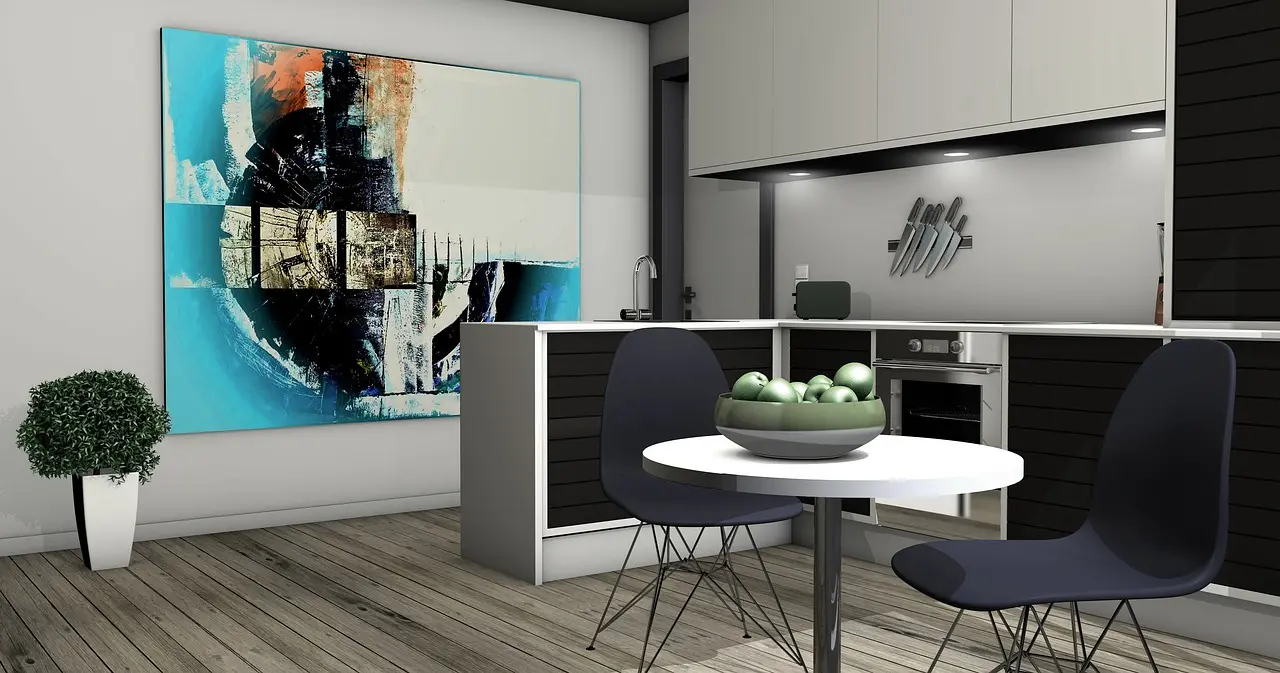
Best Finishes for Kitchen Cabinets (2026): We Compared
The best finish for kitchen cabinets in most homes is high-pressure laminate. It gives strong moisture and stain resistance at a lower budget than acrylic, and it stands up to daily cleaning well. If you want a painted look instead, use lacquer or a cabinet paint system on the right substrate. The wrong finish can lead to edge chipping, heat damage, staining, or more repainting later.
Quick comparison
| Product | Badge | Best for | Price | ||
|---|---|---|---|---|---|
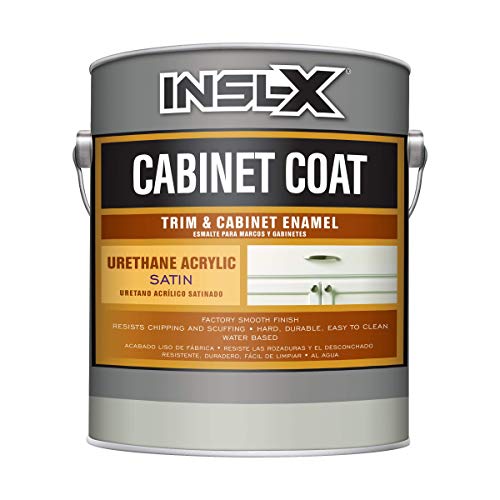 |
INSL-X Cabinet Coat – Urethane Acrylic Satin Sheen EnamelINSL-X | Our pick | 1 gallon · satin · cabinet paint | $66.99
Price as of 5 Nov 2026
|
View |
 |
Rust-Oleum Cabinet Transformations & Trim PaintRust-Oleum Home | Budget pick | quart · semi-gloss · cabinet paint | $20.99
Price as of 5 Nov 2026
|
View |
 |
General Finishes High Performance Water Based TopcoatGeneral Finishes | Upgrade pick | 1 quart · satin · topcoat | $46.44
Price as of 5 Nov 2026
|
View |
 |
Minwax 63333444 Polycrylic Protective FinishMinwax | Also great | 1 quart · satin · clear finish | $23.48
Price as of 5 Nov 2026
|
View |
 |
Varathane Water-Based Ultimate Satin PolyurethaneVarathane | Pair with it | quart · satin · clear polyurethane | $26.87
Price as of 5 Nov 2026
|
View |
This comparison is about finish type, not style preference. Match the surface to your cooking heat, cleaning habits, budget, and cabinet substrate before you choose.
How we chose
The decision matrix below weighs five things that affect cabinet life in a real kitchen: moisture resistance, heat resistance, scratch resistance, fingerprint visibility, and budget. It also separates finish choice by substrate, because MDF, particleboard, solid wood, and plywood do not all tolerate the same surface treatment equally well.
One more filter matters: repair effort. A finish that looks great on day one can still be the wrong choice if it chips at edges, shows fingerprints fast, or needs careful cleaning products every week.
Kitchen finish decision matrix
| Finish type | Moisture resistance | Heat resistance | Scratch resistance | Fingerprint visibility | Budget | Best for | Avoid if |
|---|---|---|---|---|---|---|---|
| Acrylic | 4/5 | 3/5 | 3/5 | 1/5 | 2/5 | Modern kitchens where you want a high-gloss, mirror-like look and strong fade resistance | You want a lower-cost surface or you dislike visible fingerprints |
| Laminate | 5/5 | 4/5 | 5/5 | 3/5 | 5/5 | Busy kitchens, rentals, and family homes that need a durable, budget-friendly surface | You want a true painted wood look or a hand-finished wood grain |
| Lacquer | 3/5 | 3/5 | 2/5 | 2/5 | 3/5 | Smooth painted doors where you want a clean sprayed finish and a wide sheen choice | Your kitchen sees heavy handling, frequent bumps, or you want the easiest long-term touch-up story |
| PVC | 5/5 | 1/5 | 3/5 | 3/5 | 4/5 | Moisture-prone layouts where the wrapped surface and enclosed edges matter | Cabinets sit near ovens, steam-heavy zones, or other high-heat spots |
| Wood veneer | 2/5 | 3/5 | 3/5 | 4/5 | 2/5 | Natural wood look on the right wood substrate when you accept regular maintenance | You want a low-maintenance surface or your cabinets are not built for veneer |
Laminate and acrylic often get compared first, but they solve different problems. Acrylic gives a modern gloss and better UV resistance; laminate usually gives stronger value, harder everyday wear, and fewer budget surprises.
Say your lower cabinets sit beside the dishwasher and you cook pasta three nights a week. Laminate makes more sense there than a high-gloss surface that shows handprints every time someone reaches for a drawer.
Picture upper cabinets in a bright kitchen with white walls and a small cook zone below. Acrylic on the uppers and laminate on the lowers can split the difference: style up top, easier wear handling down low.
Acrylic finish: best for modern kitchens
Acrylic is the best fit when the cabinet look matters most and you want a high-gloss, mirror-like surface with a wide color range. It also resists fading and UV exposure, which helps in bright kitchens with strong daylight.
Where acrylic fits best
Acrylic works well on modern cabinet fronts where a smooth, uniform appearance matters more than a quiet matte look. It suits homeowners who want sharp reflection, clean color blocks, and a finish that feels deliberately contemporary.
It pairs best with flat slab doors and tidy edge detailing. If the layout is simple, the surface can carry the design.
What to watch
Fingerprint visibility is the main trade-off. High-gloss acrylic shows smudges faster than matte or textured options, so it rewards frequent wiping and a lower tolerance for visible marks.
It is also more expensive than laminate, according to Livspace. That makes it a style-first choice, not the best value-first choice.
Best cabinet pairings for acrylic
Acrylic suits factory-made fronts and modern kitchen runs where the substrate and edge finishing are controlled. It is not the right pick if you want a worn-in wood look or if you want the lowest repair cost after a chip.
Acrylic can work well on upper cabinets with a lighter touch, while a tougher lower-cabinet finish can handle the rougher daily contact points.
Laminate finish: best for budget kitchens
Laminate is the strongest all-around choice for many busy kitchens because it is made by thermally bonding melamine film or fire-retardant laminate to the substrate. The result is described as scratch-resistant, heat-resistant, and stain-resistant, which is exactly what a high-use kitchen needs.
Why laminate works for high-use spaces
Laminate handles moisture better than many painted surfaces and is usually more forgiving around sinks, prep areas, and drawer fronts that get touched all day. It also tends to be more hard-wearing and durable than acrylic, according to Livspace.
For families, rentals, and second kitchens, that kind of durability often matters more than a glassy finish.
Finish variants: matte, glossy, and ultra-high-gloss
Laminate comes in matte, glossy, and ultra-high-gloss variants, so it does not lock you into one look. Matte hides fingerprints better, glossy feels brighter, and ultra-high-gloss pushes the most reflective style.
The surface choice changes how often you wipe, not just how the kitchen looks.
Limitations near heat and heavy wear
Laminate is strong, but it is not indestructible. Edges can fail if water repeatedly reaches seams, and repeated impact around handles and corners can still chip the surface over time.
Put laminate where you want value and resilience, but inspect edge sealing carefully if the kitchen has frequent steam, splashes, or sloppy drying habits.
Lacquer finish: best for smooth painted doors
Lacquer suits homeowners who want a sprayed painted look with a smooth surface and controlled sheen. Lacquered finishes can achieve matte, semi-matte, or high-gloss surfaces, and they are created through multiple layers of spraying and high-temperature curing.
How lacquer is applied and cured
Lacquer is usually chosen for its clean, even face and its ability to create a consistent sheen across flat doors. That makes it useful when you want a painted finish that looks deliberate rather than brush-applied.
It is especially good for doors with simple profiles, where the finish itself becomes the visual feature.
Scratch and chip considerations over time
Lacquer can look excellent at first, but it is more likely to show wear from repeated contact than laminate. The surface can become scratch-prone over time, especially on lower doors, corners, and near pulls.
If the kitchen gets frequent traffic, expect touch-up needs sooner than with tougher factory-laminated surfaces.
When lacquer fits painted cabinets better than stained ones
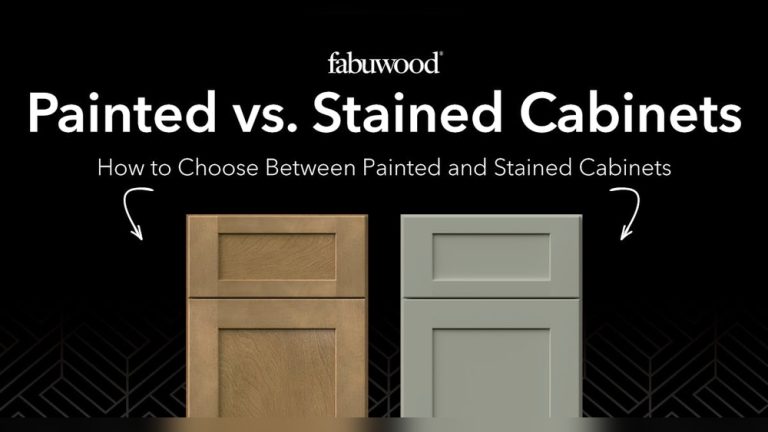
Lacquer fits painted cabinets better because the finish is meant to create a uniform color coat. On stained cabinets, a clear finish or a wood-focused coating usually makes more sense if you want the grain to remain visible.
Use lacquer when you want a painted result and can accept more care than you would need with laminate.
PVC finish: best for moisture-prone spaces?
PVC is a strong option where moisture is the main threat because the wrapped surface creates a more fully enclosed effect. PVC film-pressed door panels use vacuum molding or hot pressing, which helps close off exposed edges.
Why the enclosed surface helps with moisture
That enclosed surface makes PVC useful around sinks, washing zones, and damp utility-adjacent kitchens. It is a practical choice when splash resistance matters more than a natural material look.
It can be especially useful on cabinet doors where edge exposure is a concern.
Where heat can be a problem
PVC is not resistant to high temperatures. That means you should avoid placing it where oven heat, toaster-oven exhaust, or heavy steam can repeatedly hit the same areas.
Heat exposure can shorten the life of the film and create a problem that no amount of cleaning will fix.
Best cabinet layouts for PVC
PVC works best in layouts that stay away from direct heat, such as sink bases, pantry fronts, or wall cabinets that are far from cooktops. It is a sensible choice in moist rooms, but only if the heat exposure stays low.
Choose it for moisture control, not for oven-side endurance.
Wood veneer finish: best for natural wood look?
Wood veneer is the better answer when you want the appearance of natural wood without using solid wood for every visible face. It gives a premium appearance and is used on wood substrates, so the underlying cabinet build matters.
What veneer is and which substrates it needs
Veneer works on the right substrate, especially plywood and some engineered wood panels designed for veneering. MDF and particleboard can be used in some cabinet builds, but the construction quality and edge treatment matter more than with a simple wrap finish.
If the substrate is poor, the veneer does not save the cabinet.
Maintenance and repair expectations
Veneer requires maintenance because it is closer to a natural wood surface than a plastic-faced one. Scratches and moisture problems can be harder to ignore, and repairs often need more care than a basic painted refinish.
It is a good choice for people who accept upkeep in exchange for a more natural look.
Best use cases for veneer in kitchens
Wood veneer fits kitchens where warmth and grain matter more than wipe-and-forget convenience. It is a strong fit for main living spaces, but less ideal for households that want the lowest possible maintenance.
If you want a wood look and you are comfortable protecting the finish, veneer is often the most convincing option.
Best finish by cabinet substrate
Substrate choice sets the ceiling for any finish. MDF is common for painted fronts, particleboard often pairs with budget surfaces, plywood handles higher-end constructions well, and solid wood gives the most natural base for painted or stained cabinet work.
A cabinet finish should match the material, not fight it.
- MDF: good for painted or sprayed finishes when edges are sealed well.
- Particleboard: usually best with budget-friendly laminate or PVC, not moisture-heavy abuse.
- Solid wood: works well with stain, clear finish, or painted systems that allow movement.
- Plywood: a strong base for veneer and many quality cabinet builds.
Traditional framed cabinets often use painted or stained solid wood face frames, and many include soft close doors and drawers, according to Cabinets.com. That makes substrate and hardware part of the finish choice, not an afterthought.
Which one should you buy?
Choose acrylic if style matters most in a modern kitchen and you can live with fingerprints and a higher price. Choose laminate if you want the strongest budget value, better wear resistance, and a surface that handles daily cooking better than most glossy options.
Choose lacquer if you want a smooth painted door and can accept more wear over time. Choose PVC if your kitchen is damp but not heat-heavy. Choose wood veneer if the natural wood look matters and you are willing to maintain it.
- Heavy-cooking household: pick laminate first, then look at substrate quality and edge sealing.
- Modern showpiece kitchen: pick acrylic for uppers or full runs when gloss and color depth matter more than smudge visibility.
- Painted cabinet refresh: pick a cabinet paint or lacquer system that matches the base material and the wear level.
- Moisture-prone layout: use PVC away from heat sources, or laminate if you need a tougher all-around surface.
- Natural wood priority: choose veneer only on a suitable substrate and with a maintenance plan.
A common first-timer mistake is picking a cabinet finish that looks good in the showroom but cannot handle daily heat, grease, and frequent wiping. A glossy white door can look perfect in a showroom, then turn into a fingerprint magnet around a breakfast bar and a high-wear lower run.
What is the best finish for kitchen cabinet paint?
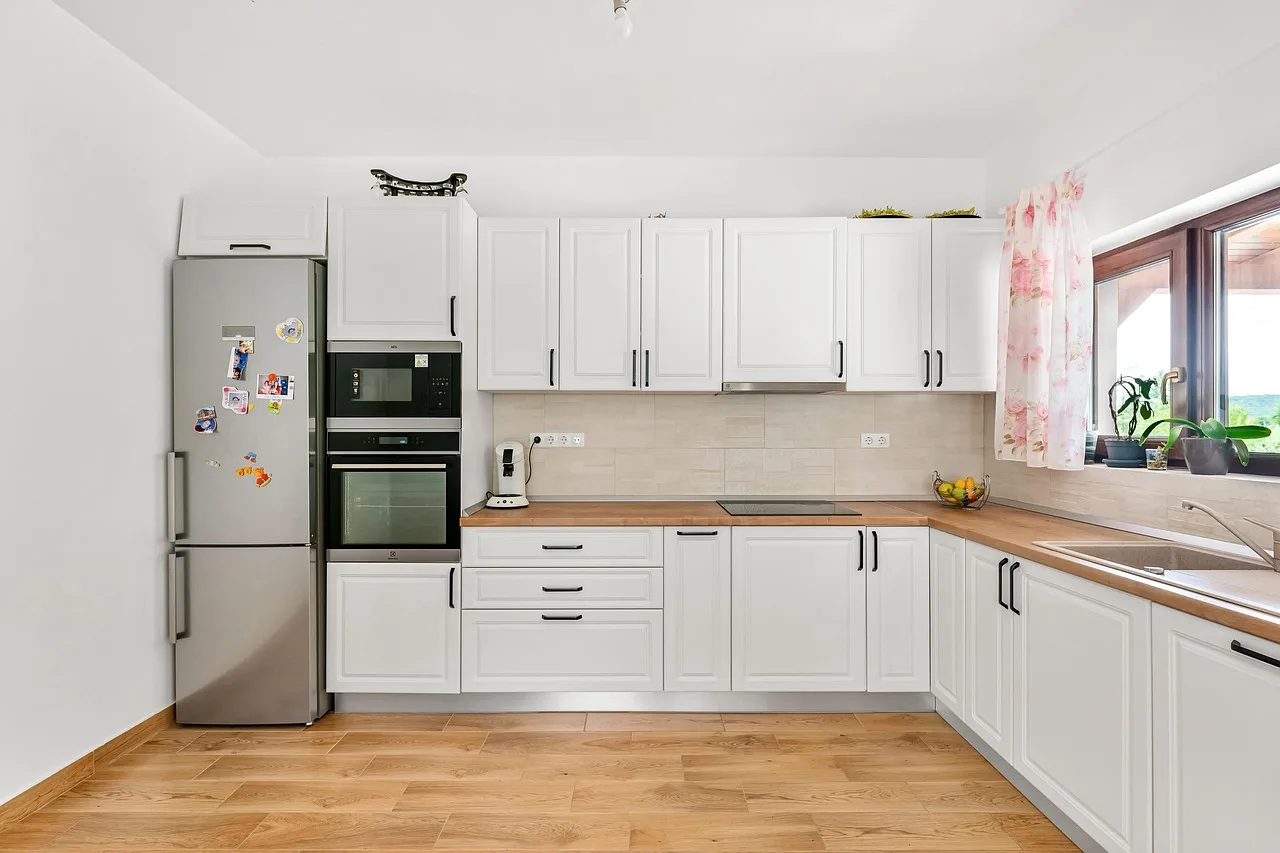
For painted cabinets, the best finish is usually lacquer or a cabinet-specific paint system that cures hard and sands smooth between coats. Painted finishes work best on clean, stable substrates such as MDF or well-prepped solid wood, because the surface needs to stay flat and bonded.
If you want easy cleanup and a smoother face, a sprayed finish often performs better than a brushed one. Choose the sheen based on how much you want fingerprints and touch marks to show.
What is the best finish for stained kitchen cabinets?
For stained kitchen cabinets, the best finish is usually a clear protective coat that keeps the wood visible while adding moisture and wear resistance. A clear coat makes more sense than a paint system when the grain is part of the design.
Look for a finish that stays clear, cleans easily, and fits wood movement. The best choice depends on the substrate and how much traffic the cabinets will take.
What is the best finish for white kitchen cabinets?
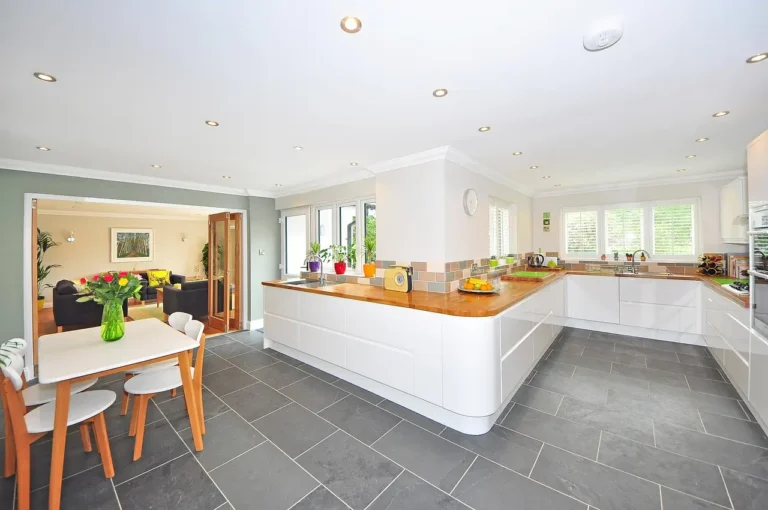
For white kitchen cabinets, laminate or acrylic usually performs best if you want a clean, bright look with lower maintenance than a soft painted surface. Acrylic gives a sharper modern gloss, while laminate gives better value and usually fewer wear worries.
If you want painted white cabinets instead, lacquer or a durable cabinet paint system is the better path. The choice comes down to whether you want the white look from a surface material or from paint.
What is the best coating for kitchen cabinets?
The best coating for kitchen cabinets is the one that matches the cabinet material and the room’s heat, moisture, and wear level. For wood cabinets, a hard clear coat or a quality sprayed coating is usually the practical answer. For factory-made panels, laminate, acrylic, or PVC may be a better match.
There is no single coating that wins every kitchen. The right choice is the one that resists the mess your kitchen actually creates.
Frequently asked questions
What is the best finish for kitchen cabinets?
For most kitchens, laminate is the safest all-around pick because it balances moisture resistance, scratch resistance, and budget better than many alternatives. Acrylic is the better visual choice for modern gloss. Veneer suits natural wood looks, while lacquer suits smooth painted doors.
What is the best finish for kitchen cabinet doors?
The best finish for cabinet doors depends on the door material and use level. Laminate is strongest for wear, acrylic is best for a sleek modern look, and lacquer works well on painted doors when you want a smooth sprayed finish. Heat and edge wear should guide the final choice.
What is the most popular finish for kitchen cabinets?
Laminate and painted finishes remain common because they cover the broadest range of budgets and styles. Acrylic is popular in modern kitchens, but laminate usually wins for everyday practicality. Popularity still depends on the market, the cabinet line, and the room style.
What is the best clear finish for kitchen cabinets?
The best clear finish for kitchen cabinets is a durable coating that stays clear, resists stains, and stands up to cleaning. On wood, that usually means a protective topcoat rather than paint. On factory cabinets, the clear or glossy surface needs to match the substrate and the room’s heat exposure.
What is the best finish to paint kitchen cabinets?
The best finish to paint kitchen cabinets is a hard, smooth cabinet coating that cures well and resists chipping. Painted cabinets need careful prep, and the substrate should be stable and well sealed. Lacquer is a strong option when a sprayed, uniform painted look is the goal.
Products related to this article
Sponsored / affiliate links. As an Amazon Associate I earn from qualifying purchases. I may earn additional commission from eligible campaigns.