Custom Cabinets Review: Are They Worth the Cost?
Custom cabinets pay off when your kitchen has awkward dimensions, specialized storage needs, or every inch matters; otherwise, semi-custom usually gives better value, and stock wins on cost and speed. Choosing custom for a standard layout can add thousands without fixing a real space problem. This guide compares fit, storage, timeline, and total remodel cost so you can decide.
When custom cabinets make sense and when they do not


For the right kitchen, yes. Custom cabinets solve problems standard sizes cannot: wasted space, awkward fillers, and weak storage around corners, ceilings, or appliances. If your layout is simple and your budget is tight, semi-custom or stock cabinets usually make more sense because the money can go farther on counters, flooring, or appliances.
When the extra cost makes sense
Custom is easier to justify when the cabinet layout has to solve a real problem. That includes odd wall lengths, uneven ceilings, tight refrigerator clearances, or a plan that needs pull-outs, tray storage, or deeper drawers built around how you cook and store items.
Say your kitchen has about a 117-inch run and a window that cuts the wall at an odd point. Stock cabinets may leave filler strips and dead corners. Custom can be built to exact room dimensions, so the layout fits the wall instead of forcing the wall to fit the boxes.
When it does not
Custom is harder to justify when the room is straight, the appliance locations already work, and the existing boxes are sound. In that case, semi-custom often gives enough size flexibility at a middle-ground price point. Stock is the better budget move when the goal is a fast refresh, rental upgrade, or flip.
Pros and cons
Custom cabinets give you tighter fit, more storage options, and more control over materials and finish. They also bring higher upfront cost, longer lead times, and more pressure on the rest of the remodel budget. The right choice depends on whether those gains solve a problem in your kitchen or only raise the total.
Pros
- Built to exact room dimensions.
- Better fit around awkward walls, corners, ceilings, and appliances.
- More options for drawer depth, pull-outs, tray dividers, and specialty storage.
- Greater control over box material, hardware, doors, and finish.
- Can improve workflow when the sink, range, and refrigerator need a tailored layout.
Cons
- Higher upfront cost than stock or most semi-custom lines.
- Longer lead times can slow the full remodel.
- Custom choices can force tradeoffs on countertops, flooring, or appliance upgrades.
- Not every home gets a resale bump that matches the added spend.
- Quality still depends on construction details, not the word “custom.”
Who custom cabinets
Custom cabinets fit homeowners who need the kitchen to work around a problem, not just look finished. They are most useful in awkward layouts, aging-in-place projects, heavy-use family kitchens, and high-end forever homes where the plan depends on exact dimensions and durable storage.
Awkward layouts and tight clearances
Custom helps when the room has sloped ceilings, uneven corners, or appliance gaps that standard widths cannot solve cleanly. It can also reduce filler pieces and improve corner solutions, which matters when you want usable storage instead of empty space hiding behind panels.
Aging-in-place kitchens and heavy daily use
For aging-in-place plans, custom can place drawers, pull-outs, and storage at more comfortable heights. In high-traffic kitchens, the value often comes from smoother drawer operation, easier access to pots and dishes, and a layout that reduces extra steps between sink, range, and refrigerator.
High-end forever homes
Custom makes more sense in a home you plan to keep, especially when the kitchen is central to daily life and the design has to fit the room exactly. The payoff is strongest when the cabinets are part of a larger remodel and the budget already supports premium finishes, counters, and installation labor.
Custom cabinets vs stock and semi-custom
Stock cabinets come in standard sizes, limited styles, and fewer finishes. Semi-custom adds more choices but still uses preset size increments. Custom cabinets are built to exact dimensions and allow fuller design control. That difference affects fit, pricing, lead time, and how much storage can be built into the plan.
| Type | Size system | Best use |
|---|---|---|
| Stock | Standard sizes only | Budget remodels, rentals, quick updates |
| Semi-custom | Preset size increments with more options | Simple remodels that need some flexibility |
| Custom | Built to exact room dimensions | Odd layouts, specialized storage, precision fit |
Caliber Woodcraft says prefab lines often work in 3-inch increments, while custom cabinets have no forced 3-inch increments. That matters when a wall length or appliance opening lands between standard sizes. Custom can close those gaps without the filler strips that stock often needs.
Stock cabinets: standard sizes and lower cost
Stock cabinets are the least expensive route and usually the fastest to install. They work best in straightforward rooms where standard widths and depths fit cleanly. The tradeoff is less flexibility, more filler, and fewer finish choices.
Semi-custom cabinets: more choices, still preset sizing
Semi-custom is often the right middle path. You get more door styles, finishes, and size options than stock, but you still work within preset increments. For many kitchens, that is enough to solve the layout without paying for full custom construction.
Custom cabinets: exact dimensions and fuller design control
Custom is the only option in this group that can be built around the room rather than around a catalog. That gives you more control over cabinet layout, integrated storage features, and the finish package, but it also raises the total project cost.
How much do custom cabinets cost?
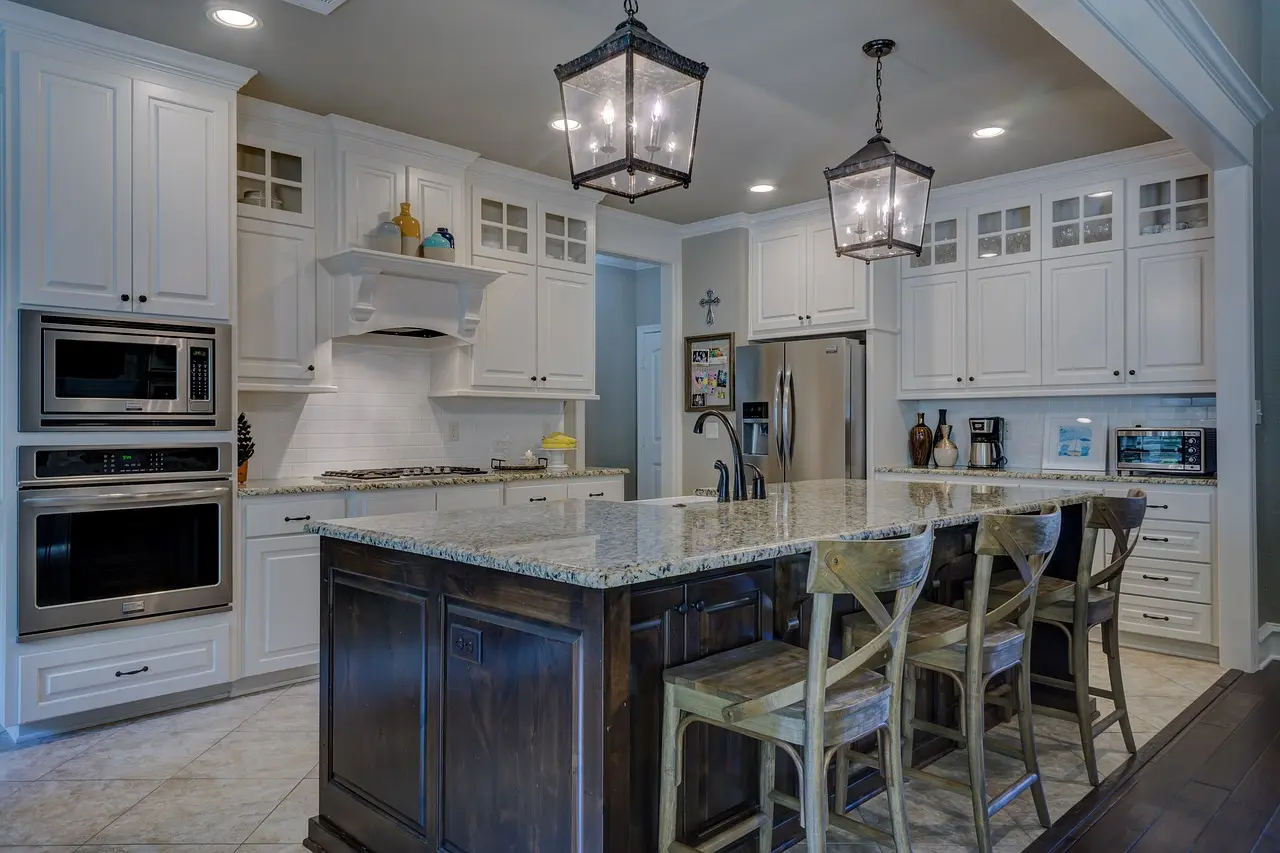
Custom cabinets cost more because you pay for made-to-order sizing, more labor, more finish work, and more choices in construction. The cabinet line itself is only part of the bill; installation complexity, cabinet box material, hardware, drawer construction, and finish all push the price up or down.
How much are custom cabinets for a kitchen?
There is no single kitchen price that fits every project. A small kitchen with simple walls, a mid-size kitchen with full-height uppers, and a large kitchen with specialty storage can land in very different budget ranges. The cabinet portion can also swing depending on whether you choose painted, stained, inset, or overlay doors.
A practical way to budget is to separate cabinet cost from the rest of the remodel. If custom cabinets would force you to downgrade counters, flooring, or appliances, the total tradeoff may not be worth it. If the cabinet budget fits comfortably and solves a layout issue, custom can be justified.
What drives the price
- Cabinet box material and thickness: Plywood usually costs more than particleboard or MDF, and thicker boxes can improve strength.
- Hardware: Better hinges, drawer glides, and soft-close options add cost but also improve noise control and wear resistance.
- Drawer construction: Dovetail joints and stronger drawer boxes cost more than basic builds.
- Finish: Painted and stained finishes vary in prep time and labor.
- Labor and installation: Custom fitting takes more time, especially in uneven rooms or older homes.
Keystone Remodeling cites a 2025 midrange minor kitchen remodel job cost of $28,458 and a resale value of $32,141 for that project. That does not mean cabinets alone recoup that amount, but it shows why cabinet spending has to be weighed against the full remodel, not in isolation.
Why are cabinets so expensive?
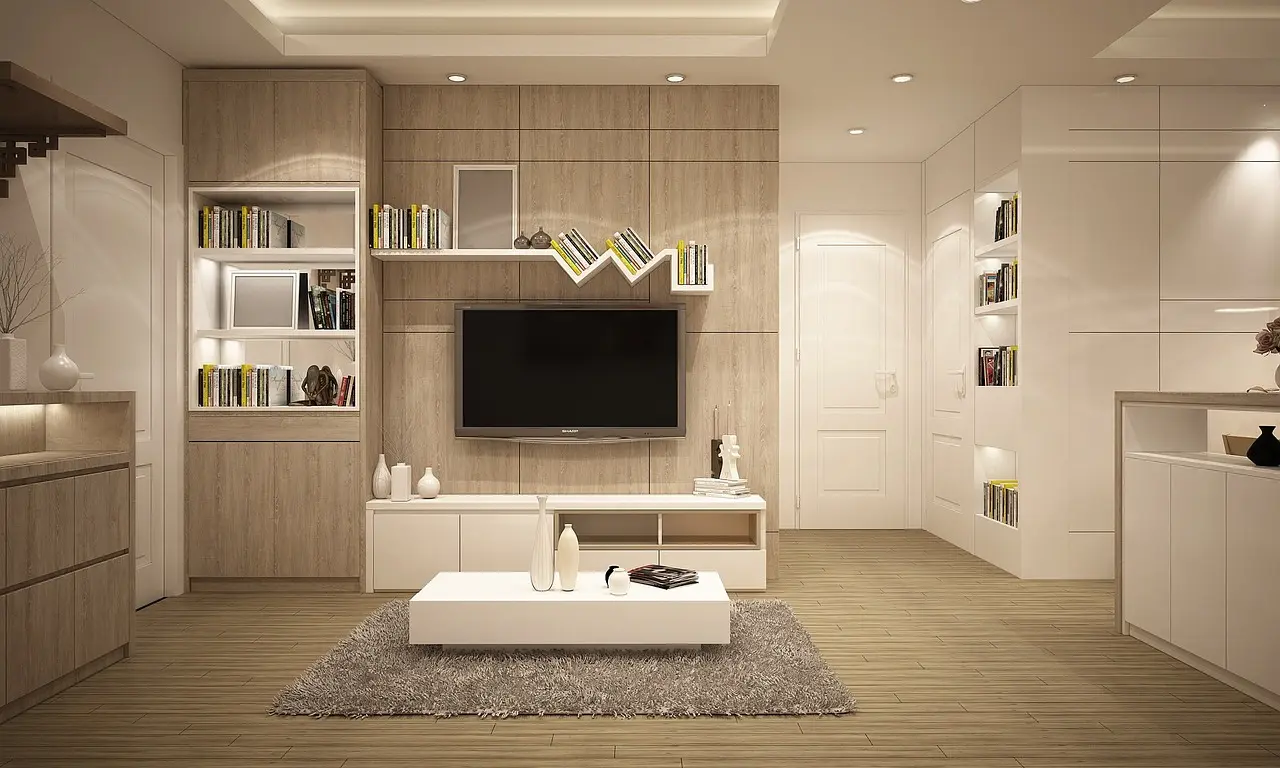
Cabinets are expensive because they combine woodworking, finishing, storage planning, and site labor. Custom work adds exact sizing, more setup time, and more material waste than standard production cabinets. Hardware and drawer systems also matter, since the hinges, glides, and face frames or frameless build all affect both function and cost.
Box material and strength
The cabinet box is the structure behind the doors, and its material affects durability. Common choices include plywood, particleboard, and MDF. Harris Timberworks says it builds cabinets using solid ¾-inch wood and contrasts solid wood with particleboard or MDF, which helps explain why material choice can change both price and lifespan.
Caliber Woodcraft specifies ¾-inch domestic plywood for cabinet boxes. Thicker boxes generally feel sturdier, resist racking better, and give hardware a more solid base. Thin or lower-grade boxes can fail first at joints, screw points, or around sink bases where moisture is a concern.
Hardware and drawer construction
Hardware affects daily wear more than many buyers expect. Soft-close hinges and soft-close undermount drawer glides help control noise and reduce slamming. The same source lists both, along with Italian-made hardware with a lifetime warranty. That kind of setup can extend service life, especially in kitchens that get opened hundreds of times a week.
Drawer construction matters too. Dovetail joints are often favored for load-bearing use because they tend to hold up better over time than weaker joinery. If drawers carry dishes, pots, or pantry items, smoother glide performance and sturdy joinery matter as much as door style.
Cabinet materials and construction
Materials and build details often matter more than the label on the door. A well-made semi-custom cabinet can outperform a poorly built custom one. Look at the box, the joinery, the finish, and the hardware before assuming custom means better.
Plywood, particleboard, and MDF box materials
Plywood is common in better cabinet boxes because it handles screw holding and moisture better than many low-cost options. Particleboard is often cheaper, but it can swell if water reaches exposed edges. MDF offers a smoother paint surface, though it still needs careful moisture protection and strong construction.
Solid wood, painted finishes, and stained finishes
Solid wood doors and frames can be durable, but they still move with humidity. Painted finishes are popular for a clean look and can suit MDF or wood parts well. Stained finishes show grain more clearly and may be a better fit when you want the wood itself to be visible.
Partial overlay cabinets leave some of the cabinet frame visible around each door. Inset cabinets set doors and drawers flush within the frame. Those choices affect both appearance and the amount of carpentry precision needed, which can change the price.
Hinges, drawer glides, and dovetail joints
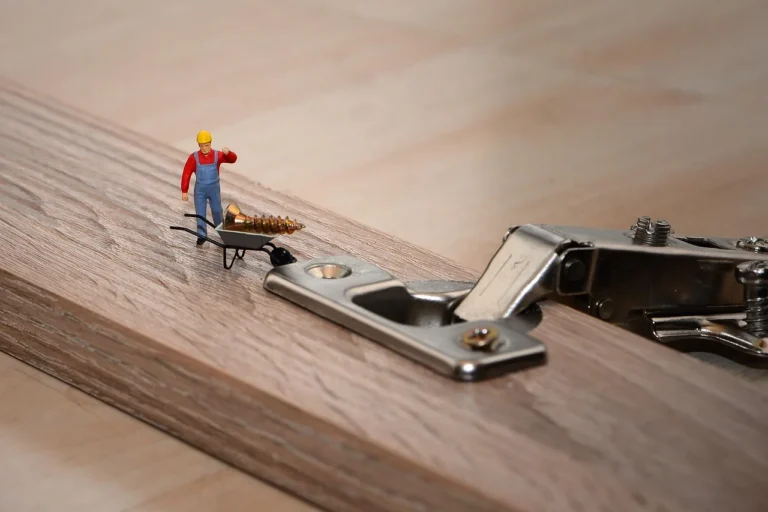
Hinges and drawer glides are wear parts. If they are cheap or poorly installed, doors sag, drawers stick, and soft-close features stop working smoothly. Over time, those failures are usually more noticeable than a minor style difference. In a busy kitchen, hardware quality can matter more than a decorative finish.
Storage and layout decisions
Cabinet layout should support how the kitchen works. The sink, range, and refrigerator should be placed so movement stays efficient, not awkward. Good layout also accounts for corner solutions, appliance clearance, and the storage tasks you do most often.
Workflow around sink, range, and refrigerator
The main workflow question is simple: can you move between prep, cooking, and cleanup without unnecessary steps? Custom cabinets can improve that path by adjusting drawer runs, tall pantry placement, and under-sink storage to the exact room shape.
Picture a kitchen where the refrigerator door hits a wall cabinet if it opens fully. A custom layout can shift the cabinet line, resize the opening, or change the storage plan so the appliance works as intended instead of fighting the room.
Corner solutions and appliance clearance
Corner cabinets often waste space unless they are planned carefully. Custom can solve that with angled bases, pull-outs, or deeper storage where a standard cabinet would create dead space. It can also keep appliance clearances workable when the room is tight.
When custom storage features add real value
Custom storage is worth paying for when it solves a daily problem. Drawer dividers for utensils, tray slots near the oven, pull-out trash bins by the sink, or deeper pantry drawers can all make sense. If the feature is decorative only, the value is lower.
Decision matrix for your project
This matrix helps separate “nice to have” from “worth the extra spend.” If your project checks several fit or longevity boxes, custom becomes easier to justify. If the main need is a fresh look, a lower-cost option usually makes more sense.
| Project scenario | Custom-cabinet payoff | Better alternative |
|---|---|---|
| Awkward layout with uneven walls and odd ceiling height | High | Custom |
| Rental upgrade before listing | Low | Stock |
| Aging-in-place kitchen with easier access needs | High | Custom or semi-custom |
| Flip with tight margin and fast timeline | Low | Stock |
| High-end forever home with exact layout goals | High | Custom |
| Small galley kitchen needing every inch of storage | Medium to high | Custom or semi-custom |
| Damaged existing boxes but sound layout | Low to medium | Refacing or cabinet box replacement |
| Cosmetic refresh with usable existing cabinets | Low | Painting or refacing |
| Standard suburban kitchen with no unusual constraints | Low to medium | Semi-custom |
Simple yes/no scoring
Use this quick screen before you commit to custom. Give yourself one point for each “yes.”
- Fit: Do you have awkward walls, corners, ceilings, or appliance clearances that standard sizes handle poorly?
- Storage: Do you need special storage features that stock or semi-custom cannot solve cleanly?
- Longevity: Will you live with the kitchen long enough to benefit from the extra durability and tailored layout?
3 yeses: custom is usually justified. 2 yeses: compare custom with semi-custom carefully. 0-1 yes: stock, refacing, or painting is usually the smarter spend.
Frequently asked questions
What makes a cabinet custom?
A cabinet is custom when it is built to exact room dimensions instead of preset catalog sizes. That can include unusual widths, unique ceiling heights, specialized storage, and finish choices that match the project. It is not the same as simply choosing a more expensive door style.
Custom vs semi-custom cabinets: what’s the difference?
Semi-custom cabinets give you more choices than stock, but they still use preset size increments. Custom removes that limit and can be made for the exact opening. If your layout is simple, semi-custom is often enough. If the room is irregular, custom may fit better.
Is painting cabinets worth it instead of replacing them?
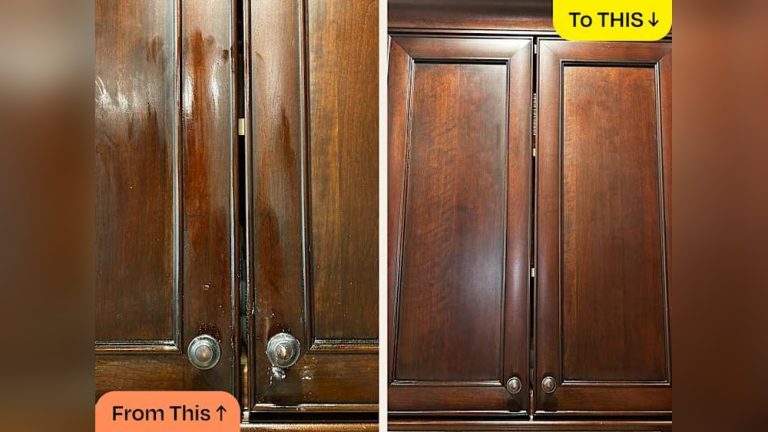
Painting can be worth it when the cabinet boxes are sound, the layout still works, and you mainly want a color change. It is a valid alternative to replacement for cabinets with good structure. If boxes are warped, sagging, or failing at the hinges, paint will not solve the problem.
Are custom cabinets better than prefab cabinets?
They are better for fit and flexibility, but not always better for value. Prefab or stock cabinets can be the smarter choice when the room is standard and the budget is limited. The better option is the one that fits the room, the timeline, and the total remodel plan.
Are cabinets.com good quality?
Quality should be judged by the specific cabinet line, not the seller name alone. Check box material, hinge type, drawer construction, finish, and whether the product carries the ANSI/KCMA A161.1 Quality Certification Seal. A certified cabinet line can be a better sign of build quality than a broad brand claim.
Who makes the best cabinets?
The “best” cabinets are the ones that match your room, budget, and durability needs. Look for solid box construction, reliable hardware, well-built drawers, and finish performance that fits your climate and use level. For many buyers, the best brand is the one that delivers those details at a workable price.
Products related to this article
Sponsored / affiliate links. As an Amazon Associate I earn from qualifying purchases. I may earn additional commission from eligible campaigns.