Amp Head And Cabinet Vs Combo
Guitarists often face a pivotal decision: whether to use an amp head and cabinet or a combo amplifier. This choice is not just about aesthetics or tradition, it’s about shaping your sound, how you perform on stage or in the studio, and what gear fits your lifestyle. Each setup brings its own set of strengths and trade-offs, affecting everything from tone quality to transport logistics and upgrade paths. Understanding the differences is essential for musicians seeking the right match for their playing style, performance needs, and budget.
The debate between amp head/cabinet stacks and combo amps is as old as modern electric guitar amplification itself. Whether you’re a touring professional, a studio musician, or a home hobbyist, the right amplifier configuration can influence your creative possibilities, workflow, and satisfaction as much as your choice of guitar or pedals.
This guide will help you make an informed decision by breaking down the details, comparing features, and sharing real-world stories from seasoned players.
Key Takeaways
- Amp head and cabinet setups offer maximum flexibility, modular upgrades, and stage power, but require more space and investment.
- Combo amps combine amplifier and speaker in one unit, making them portable, affordable, and easy to use, especially for home and small gigs.
- The best choice depends on your tone preferences, performance context, budget, and future plans for gear expansion.
- Both options can deliver professional-level sound, but their maintenance, modifiability, and practicality vary greatly.
- Understanding your priorities, mobility, upgrade potential, tone shaping, or simplicity, is the key to choosing the right amplifier type.
Credit: www.musicstreet.co.uk
The Basics: What Are Amp Heads, Cabinets, And Combos?
To make an educated choice, it’s vital to first understand what distinguishes an amp head, a cabinet, and a combo amplifier.
What Is An Amp Head?
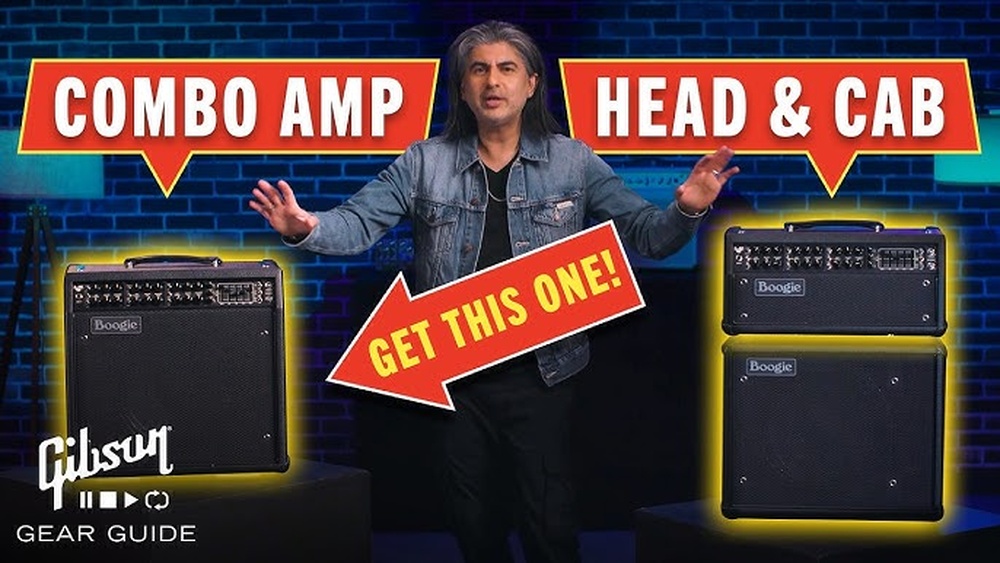
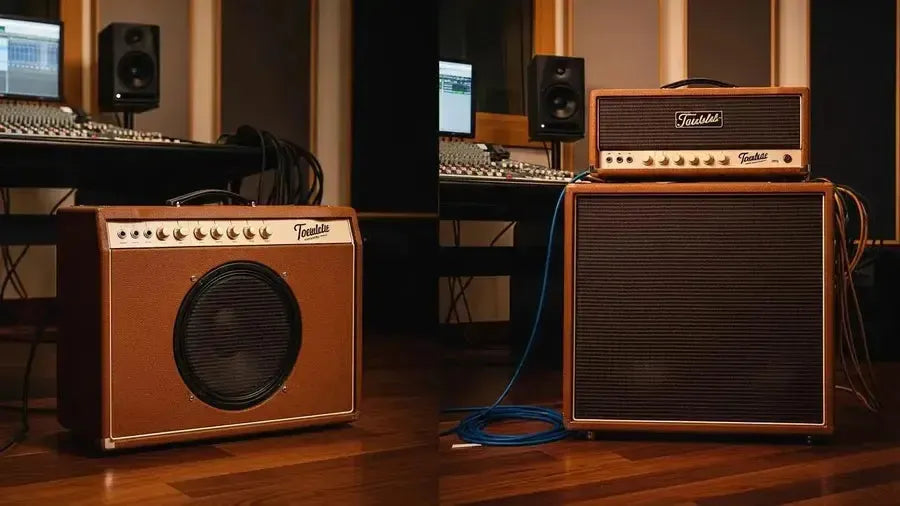
An amp head is the electronic heart of a guitar amplifier. It contains the preamp, power amp, EQ controls, and often built-in effects. However, it lacks speakers, meaning it must be connected to a separate cabinet to produce sound. Amp heads range from low-wattage studio models to high-powered beasts built for the world’s biggest stages.
What Is A Cabinet?
A cabinet (or “cab”) is a speaker enclosure designed to pair with an amp head. It can house a single speaker or multiple speakers (like the classic 4×12″ setup). Cabinets come in various sizes, constructions, and speaker types, each influencing the amp’s overall sound and projection.
What Is A Combo Amp?
A combo amplifier integrates both the amplifier circuitry and one or more speakers into a single, self-contained unit. This design is prevalent in practice amps, studio combos, and even some stage-level gear. Combos can be tube, solid-state, or hybrid, and they are generally more compact and portable.
Key Differences At A Glance
| Feature | Amp Head & Cabinet | Combo Amp |
|---|---|---|
| Portability | Less portable, more pieces to transport | Highly portable, all-in-one |
| Modularity | Swap heads/cabs for customization | Fixed configuration |
| Upgrade Path | Easy to upgrade/replace parts | Limited upgrade options |
| Tonal Options | Endless; mix and match | More limited |
| Typical Cost | Higher, especially for pro gear | Lower to moderate |

Credit: www.youtube.com
Tone And Performance: How Each Setup Shapes Your Sound
The sound quality and tone-shaping options offered by these two amplifier types are among the most critical factors for guitarists.
Head And Cabinet: Customization And Power
With a head and cabinet, you can mix and match different heads with different cabinets, tailoring your rig for specific genres, venues, and even recording sessions. For example, pairing a vintage British-style tube head with a modern 2×12” cab can yield a unique blend of classic warmth and tight low-end response.
Some of the tonal advantages include:
- Speaker swap flexibility: Easily change the cabinet to experiment with different speaker brands, sizes, and configurations.
- High-wattage options: Many amp heads are designed to drive large cabs, making them suitable for big venues and outdoor gigs.
- Stereo/dual-amp setups: Run multiple cabinets with the same or different heads for a wide stereo field or layered tones.
Combo Amps: Simplicity And Signature Sound
Combo amps are often designed as “complete packages,” with the electronics and speakers carefully matched by the manufacturer for a specific sound profile. Well-known combos like the Fender Twin Reverb or Vox AC30 are legendary precisely because of their iconic, integrated tones.
Key performance attributes:
- Consistent sound: The fixed speaker and amp combination ensures reliable tone from gig to gig.
- Quicker setup: Fewer cables and connections mean less time setting up and troubleshooting.
- Home-friendly: Lower wattage combos can be cranked without overwhelming volume, providing natural tube saturation at manageable levels.
Real-world Example: Touring Guitarist
When touring with a rock band, I relied on a Marshall JCM800 head with a 4×12″ cabinet. The flexibility to swap cabs at different venues allowed me to adapt to room acoustics and stage sizes. In contrast, for small club gigs or fly-in shows, a Fender Deluxe Reverb combo was my go-to for its lightweight design and reliable tone.
Data Table: Tone Versatility Comparison
| Criteria | Head & Cab | Combo Amp |
|---|---|---|
| Speaker Customization | Unlimited | Limited |
| Cabinet Swapping | Yes | No |
| Signature Integrated Sound | Depends on pairing | Yes |
| Max Output Volume | Very high | Moderate to high |
| Ideal for Studio | Yes (with isolation) | Yes |

Credit: www.sweetwater.com
Portability, Setup, And Practicality
The question of portability and ease of use can significantly influence your amplifier decision, especially if you frequently gig, rehearse, or travel.
Amp Head And Cabinet: The Heavyweight Champion
A typical head and cabinet setup can be substantial in both weight and size. A classic 100-watt head might weigh 40+ pounds, while a 4×12” cab can weigh up to 80-100 pounds. Transporting, loading, and setting up such gear can be cumbersome, sometimes requiring two people or special equipment like dollies or carts.
- Setup time: More cables to connect (head to cab, power, speaker cables).
- Transport issues: Requires a larger vehicle; not ideal for public transit or flying.
- Protection needed: Separate cases or covers for heads and cabs, especially for tube amps.
Combo Amps: Grab-and-go Convenience
Most combo amps are designed with portability in mind. Even larger combos can often be carried by one person, and their compact size fits in smaller vehicles or on public transportation. This makes them popular with:
- Busking musicians
- Coffee shop or bar gig players
- Home studio users
Setup is as simple as plugging in and turning on. Many combos even include built-in effects, reducing the need for extra pedals and cables.
Example: Recording Studio Scenario
When working in a small home studio, I found a combo amp essential for quick tracking sessions. Its small footprint and instant plug-and-play setup let me lay down guitar parts without interrupting the creative flow, something a large head/cab rig would have made much more challenging.
Pro Tip:
If you frequently move your amp, invest in amp covers, padded gig bags, or rolling carts to protect your gear and your back.
Cost, Value, And Upgrade Potential
Budget is a crucial consideration, amplifiers are significant investments, and their long-term value depends on how you plan to use and upgrade them.
Head & Cabinet: Modular Investment
The modular nature of a head and cabinet means you can upgrade one component at a time. For example, you might start with a modest 2×12” cab, then upgrade to a premium 4×12” later. Or, swap out your amp head for a different model without replacing your cabinet.
However, the initial cost is often higher:
- Heads: Quality tube heads typically range from $500 to several thousand dollars.
- Cabs: Good cabs can cost $300-$1000+, depending on speakers and construction.
You’ll also need speaker cables, cases, and possibly professional help for maintenance.
Combo Amps: All-in-one Value
Combo amps are usually more affordable, especially for beginners or home players. You get a complete system in one box, and many combos today include modeling technology, onboard effects, and direct recording outputs.
- Entry-level combos: $100, $500.
- Professional combos: $700, $2000+, depending on size and features.
Upgrades are generally limited, you might replace the speaker or tubes, but the core amp and cab are permanently paired.
Data Table: Cost Breakdown
| Item | Head & Cabinet (avg.) | Combo Amp (avg.) |
|---|---|---|
| Entry-Level | $700, $1200 | $100, $400 |
| Professional | $1800, $4000+ | $800, $2000+ |
| Upgrade Cost | Modular (swap head/cab) | Limited (mainly speaker/tubes) |
| Resale Value | Generally higher | Moderate |
Example: Studio Owner’s Upgrade Path
A recording studio owner began with a Fender Hot Rod Deluxe combo, but as business grew, invested in a Mesa/Boogie head and multiple cabinets for genre-specific tones. The initial combo was a cost-effective entry, but the head/cab setup provided the modular flexibility to expand the studio’s sonic palette without duplicating entire amps.
Maintenance, Repairs, And Durability
Reliability and ease of maintenance are often overlooked but are fundamental for both gigging and studio environments.
Amp Heads & Cabinets: Serviceability
Amp heads are generally easier to service since all electronics are housed in a separate chassis, accessible without removing a speaker baffle. Cabinets, with fewer moving parts, rarely require more than occasional speaker replacement or wiring repair.
- Tube changes are straightforward in most heads.
- Component upgrades (transformers, capacitors) are easier.
- Cabinet repairs (replacing speakers, fixing wiring) are simple.
Heads and cabs can often be repaired or upgraded separately, minimizing downtime.
Combos: Integrated Simplicity, Integrated Challenges
Combos are more compact, but their integrated design can make some repairs more complicated, as the chassis and speakers are in the same enclosure.
- Tube swaps may require removing the chassis.
- Speaker replacements can be tricky in tightly packed combos.
- Transport risks: Combos are more likely to suffer damage if dropped, as all components are in one box.
That said, solid-state combos are often extremely reliable and require minimal maintenance.
Warning:
Never operate a tube amp head without a speaker load, doing so can cause catastrophic damage to the output transformer.
Example: Road-tested Reliability
A friend’s Vox AC30 combo survived years of club gigs but eventually required both speaker and tube replacements. The integrated design meant more time on the tech’s bench. In contrast, my Orange head needed just a quick tube swap, with no need to touch the cab.
Flexibility, Modularity, And Future-proofing
How “future-proof” your amplifier is depends on how easily you can adapt, upgrade, or expand your rig.
Head And Cabinet: The Modular Workhorse
The separation of head and cab means you can:
- Change cabs for different venues or recording needs.
- Upgrade the head for new tones without replacing speakers.
- Run multiple heads through a single cab (with proper switching gear).
- Experiment with stereo rigs using two heads and two cabs.
This modularity is especially valuable for professionals and serious hobbyists who want to adapt their setup as tastes and requirements change.
Combo Amps: Fixed But Focused
Combos are less flexible, but their all-in-one nature means fewer compatibility worries. Some combos include external speaker outputs for driving larger cabs, offering a taste of modularity, but most are best used as self-contained units.
Example: Expanding The Rig
A blues guitarist started with a Peavey Classic 30 combo but later added an extension cabinet for bigger gigs. Eventually, they switched to a head and cab, appreciating the ability to pair different cabs for different venues, a transition made easier by understanding the limitations of combos.
Pro Tip:
If you want future flexibility but love combos, look for models with external speaker outputs and easy-access back panels for upgrades.
Use Cases: Which Is Right For You?
Choosing between a head/cab and a combo depends on your specific needs and goals.
Home Practice And Recording
- Best choice: Combo amps, due to their low volume, small size, and straightforward operation.
- Why: Great for quick practice sessions, home studios, and direct recording with minimal fuss.
Rehearsals And Small Gigs
- Best choice: Combo amps or small head/cab rigs.
- Why: Combos are easy to transport and set up, while a small head/cab offers modularity in a manageable size.
Large Venues And Touring
- Best choice: Head and cabinet setups.
- Why: More power, projection, and the ability to adapt to different stage environments.
Studio Professionals
- Best choice: Both.
- Why: Studios often keep a variety of combos and heads/cabs for tonal diversity. Modular rigs allow for experimentation and meeting diverse client needs.
Example: The Versatile Pro
Session musicians often own both, a combo amp for quick jobs or travel, and a head/cab stack for larger projects or when ultimate tone flexibility is required.
Case Studies: Real-world Perspectives
Case Study 1: The Indie Band Guitarist
An indie band guitarist started with a Roland JC-40 combo for rehearsals and small gigs. As the band played larger venues, the need for more stage volume and projection led to a Fender Bassman head and 2×12” cab. The ability to upgrade just the cabinet saved money, while keeping the combo for home practice.
Case Study 2: The Studio Producer
A studio producer invested in a Vox AC15 combo for its signature chime, but soon added a Mesa/Boogie head with multiple cabs to cover heavier genres. The modular head/cab setup enabled rapid tonal changes during sessions, impressing clients and streamlining workflow.
Case Study 3: The Gigging Hobbyist
A weekend gigging guitarist used a Peavey Bandit combo for years, valuing its reliability and easy transport. After joining a larger cover band, they upgraded to a Marshall DSL head and 4×12” cab for stage presence and headroom, noting the increased setup time but appreciating the new sonic possibilities.
How To Choose: Decision Factors And Checklist
To select the best amp configuration, consider the following factors:
- Budget: What can you afford now, and what upgrade path do you want later?
- Tonal Goals: Do you want a signature sound (combo) or endless options (head/cab)?
- Performance Venues: Are you playing at home, in clubs, or on large stages?
- Portability Needs: Will you be transporting gear often?
- Maintenance Comfort: Are you comfortable with basic repairs, or do you prefer plug-and-play?
- Upgrade Plans: Do you want to swap speakers, cabs, or heads in the future?
- Recording Requirements: Do you need direct outs, silent recording, or re-amping capabilities?
Decision Flowchart
- Beginner, home use, small gigs: Start with a combo amp.
- Expanding, need for variety or more power: Consider a head and cabinet.
- Professional, studio, or touring: Own both for maximum flexibility.
For more guidance on choosing equipment for specialized tasks like food preservation, check out Choosing the right canning method is crucial for preserving food safely.
Common Myths And Misconceptions
Myth 1: “stacks Are Always Louder Than Combos.”
While large head/cab rigs can produce massive volume, some combos rival or even exceed their output, especially high-powered tube combos. The speaker configuration, wattage, and room acoustics all influence perceived loudness.
Myth 2: “combos Are For Beginners, Stacks Are For Pros.”
Many legendary recordings and performances have been made with combos. Pros often use combos for their signature sound, portability, or specific tonal qualities.
Myth 3: “modularity Means Complexity.”
Head/cab rigs may seem intimidating, but with proper labeling and setup, even novice players can enjoy the benefits of modular gear.
Myth 4: “combos Can’t Be Upgraded.”
Many combos allow for speaker swaps, tube changes, and even use with external cabs, just check your amp’s specs and manual.
For more on the importance of making informed choices in specialized areas, see canning salt and iodized salt differ in purity and use.
Expert Opinions And Industry Trends
Insights From Manufacturers
Leading amp makers like Fender, Marshall, and Mesa/Boogie continue to produce both heads/cabs and combos, often releasing signature models for artists who use both types. The rise of modeling amps and digital solutions (like the Kemper Profiler or Line 6 Helix) blurs the line, allowing players to emulate head/cab rigs in a combo-sized package.
What The Pros Use
- Blues and jazz musicians often favor combos for their portability and classic tones.
- Metal and hard rock players typically prefer stacks for stage presence and power.
- Studio musicians keep a selection of both for recording versatility.
Industry Data
According to NAMM (National Association of Music Merchants), combo amps still outsell heads/cabs overall, reflecting their popularity with beginners and gigging musicians. However, the modular market remains strong among professionals and enthusiasts.
For further industry statistics, visit NAMM.
Frequently Asked Questions
What Happens If I Run A Tube Amp Head Without A Cabinet Connected?
Running a tube amp head without a connected speaker load can quickly damage the output transformer, one of the most expensive components to repair. Always ensure your head is properly connected to a cabinet or a qualified dummy load before powering on.
Can I Use A Combo Amp With An External Cabinet?
Many combo amps feature an external speaker out jack. This allows you to connect to a larger or different cabinet, expanding your sound. However, always check the amp’s impedance requirements and never disconnect the internal speaker unless the manual specifies it’s safe.
Are There Any Notable Artists Who Prefer Combo Amps Over Stacks?
Absolutely. Guitarists like Brian May (Queen) with his Vox AC30 and Eric Clapton with his Fender combo models have recorded and performed with combos extensively. These amps are chosen for their signature tones and reliability, not just convenience.
How Do Modeling Amps Fit Into This Discussion?
Modeling amps and digital processors offer the sound of both head/cab and combo setups in a compact, often combo-like form. They can be a good option for players seeking versatility and portability, but purists may still prefer the feel and response of traditional tube amps.
What’s The Best Setup For Quiet, High-quality Home Recording?
For silent or low-volume recording, consider a combo amp with a line out, a head with a load box/attenuator, or a digital modeler. These setups allow you to capture amp tones without disturbing neighbors, and many offer direct USB or XLR outputs for studio-quality tracks.
For more on choosing the right equipment for your needs, read Sponsored / affiliate links. As an Amazon Associate I earn from qualifying purchases. I may earn additional commission from eligible campaigns.Products related to this article