Kitchen Cabinet Door Problems
Most kitchen cabinet door problems come from loose screws, worn hinges, shifted mounting plates, or warped doors; tighten the hardware first, then replace the part if the door still rubs, sags, or will not stay aligned. Left alone, those faults can strip screw holes, chip finishes, strain hinges, and eventually cause a full failure. This guide identifies each failure pattern and points you to the right fix, replacement part, or repair limit.
Cabinet door troubleshooting matrix


Start with the symptom. That keeps you from buying the wrong hinge when the real problem is a slipped mounting plate, a stripped screw hole, or a damaged door panel. The table below matches the failure pattern to the quickest check and the most practical next move.
| Symptom | Likely cause | Fastest test | Correct fix | Replace-or-repair threshold | Required parts/tools |
|---|---|---|---|---|---|
| Door droops at the handle side | Loose hinge screws, worn hinge body, or stripped screw holes | Lift the door gently; check for play at each hinge | Tighten screws, then repair holes or replace the hinge if play remains | Replace if the hinge arm wobbles after tightening or the screw head will not hold | Phillips screwdriver, replacement screws, wood plugs or filler, possibly drill |
| Uneven reveal along one edge | Concealed hinge needs lateral or height adjustment | Compare the gap to the neighboring door or carcass edge | Adjust the hinge side-to-side or up-and-down | Replace only if adjustment runs out of travel | Phillips screwdriver, level or measuring check |
| Door sits proud of the frame | Depth adjustment is off, or the mounting plate has slipped | Close the door and inspect whether the front face sits forward | Adjust hinge depth, then check the plate screws | Replace the plate if screw holes will not hold position | Phillips screwdriver, replacement plate screws |
| Door sits inset and catches on the opening | Depth setting is too deep, or the cabinet box is racked | Open and close slowly; watch for rubbing at the edge | Back out the depth screw and recheck the gap | Escalate if the cabinet box is out of square or the door panel is warped | Phillips screwdriver, level |
| Door will not close flush | Misadjusted concealed hinge, bent hinge arm, or warped door | Close with light hand pressure and look for the first contact point | Reset depth, lateral, and height settings; inspect for warp | Replace the door if the panel bows and keeps forcing the edge open | Phillips screwdriver, level, measuring check |
| Door squeaks or sticks | Dry hinge pivot, dirty joint, or damaged soft-close damper | Move the door slowly and locate the noise at the hinge cup or arm | Clean the pivot and apply lubricant sparingly; adjust or replace the damper if binding continues | Replace if the hinge binds, grinds, or leaks damping fluid | Lubricant, soft cloth, Phillips screwdriver |
| Door swings loose or falls away from the cabinet | Broken hinge, stripped hinge screws, or failed mounting plate | Check whether the plate has pulled off the wall or the hinge arm is cracked | Reattach the plate with sound fasteners or replace the hinge assembly | Replace immediately if the hinge body is split or the plate is bent | Phillips screwdriver, replacement hinge or plate, repair materials |
| Rust spots or stiff movement in a humid kitchen | Corrosion on hinge finish or non-resistant hardware | Inspect exposed metal edges and moving points for rust | Clean light corrosion and swap to corrosion-resistant hardware | Replace if rust has eaten into the hinge knuckle or spring action | Replacement hinge with rust-resistant coating or stainless steel option |
| Repeated loosening after tightening | Stripped screw holes in the cabinet wall or door | Turn the screw by hand; if it spins, the hole is damaged | Repair the hole with plugs or filler, then reinstall with sound screws | Replace if the cabinet material crumbles or will not retain repair | Drill, wood plugs or filler, longer screws, Phillips screwdriver |
| Gap changes after the door has been closed for a while | Soft-close damper interference or a warped panel | Disable or back off the damper if the hinge allows it | Adjust damping force or replace the soft-close unit | Replace the door if the panel twist keeps changing the reveal | Phillips screwdriver, replacement damper or hinge set |
Why is my kitchen cabinet door sagging?
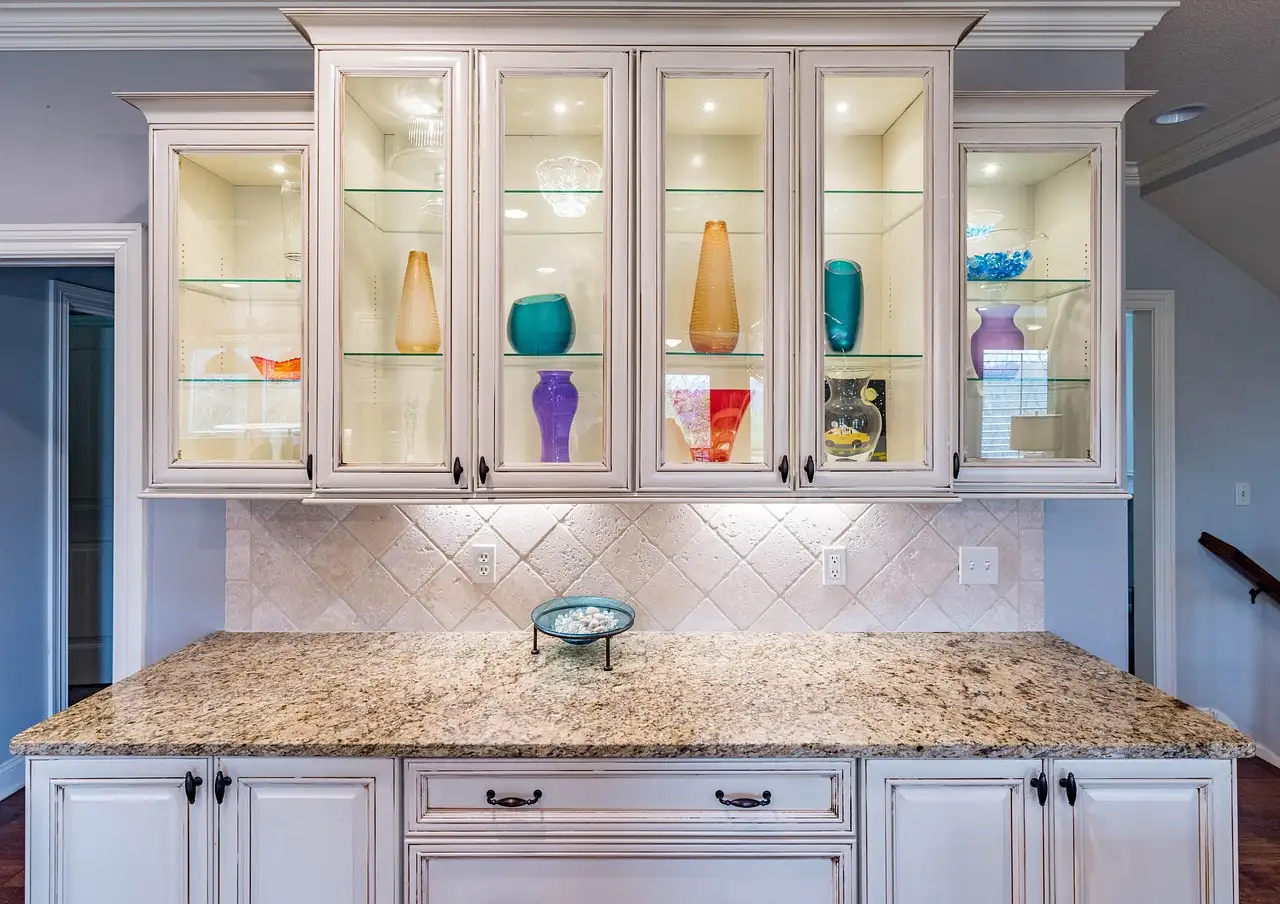
Most sagging starts at the hinge screws, the mounting plate, or the screw holes that no longer grip. If the door drops at the handle side, check the top hinge first, then inspect the plate on the cabinet wall, then test whether the screw holes are stripped. A sagging door is usually a fastening problem before it is a door problem.
Check hinge screws first
Open the door and tighten every visible Phillips-head screw on the concealed hinge. On many modular kitchen cabinet doors, the cup hinge has three-way adjustment for depth, lateral position, and height, although a loose screw can reduce how well the adjustment holds. If the screw turns without tightening, the hole is suspect.
If a base cabinet door droops at the handle edge and leaves a wider gap at the top, the upper hinge may be losing grip. That pattern often points to the upper hinge losing grip before the lower hinge fails, so the door tilts instead of dropping evenly.
Inspect the mounting plate and the screw holes
The mounting plate is screwed inside the cabinet wall, and its height can shift when those screws loosen. If the plate has slipped, the whole door can sit low even when the hinge itself still works. If the screws no longer bite, the cabinet wall material may need plugs, filler, or longer screws before any adjustment will hold.
Decide whether the hinge is worn out
If tightening and hole repair do not stop the sag, the hinge body may be worn or bent. Replace the hinge when the arm has side play, the spring no longer holds tension, or the cup joint feels sloppy. That is the point where repeated adjustment wastes more time than a new part.
How do you fix a door that will not close flush?
A door that will not close flush usually needs hinge adjustment, not force. Start with the concealed hinge screws: depth controls how far the door sits in or out, lateral controls side-to-side alignment, and height affects the reveal at the top and bottom. If the gap stays uneven after adjustment, check for a warped panel or a racked cabinet box.
Adjust the concealed hinge in order
Use a Phillips screwdriver and make small changes. Depth comes first because it changes whether the door sits proud or inset. Lateral adjustment then centers the reveal against the neighboring door or stile. Height is usually set by loosening the mounting plate screws slightly and shifting the plate up or down before retightening.
- Close the door and note where it rubs.
- Open it and turn the depth screw a small amount.
- Check the side gap and adjust the lateral screw.
- Loosen the mounting plate screws if the whole door needs to move up or down.
- Close the door again and verify the reveal.
Check for warped doors or cabinet racking
If one edge touches early while the opposite edge floats, the problem may be the panel rather than the hinge. A level or a simple measuring check can show whether the cabinet box is out of square. When the box is racked, hinge adjustment can hide the issue only for a short time.
Picture a wall cabinet with two doors that almost meet, but one side sits proud while the other sits inset. If both hinges are tight and the plate is secure, the cabinet opening may be out of square. In that case, the best fix is to correct the cabinet alignment or replace the door if the panel itself is warped.
What causes a kitchen cabinet door to squeak or stick?
Squeaks and sticking usually come from dry pivot points, dirt in the hinge joint, bent hardware, or a soft-close damper that is binding. Clean first, lubricate lightly, and then check whether the door rubs the frame. If the noise comes from the damper rather than the hinge knuckle, the fix changes.
Clean the hinge and apply lubricant sparingly
Wipe dust and grease from the hinge cup, arm, and pivot points. Then add a small amount of lubricant to the moving joint only. Too much product can attract grit and make the hinge stick again. If the hinge quiets down but the door still hesitates, look for physical rubbing at the edge of the door.
Check the soft-close unit
Soft-close hinges or separate dampers commonly use hydraulic or pneumatic damping to slow the last part of the close. Many models have an adjustment screw for damping force. If the door closes too slowly, stops short, or bounces, the damper may need adjustment or replacement. A damaged damper can make a door feel stiff even when the hinge screws are tight.
Door alignment and hinge adjustment basics
Concealed cup hinges usually give you three directions of correction: depth, lateral movement, and height. That is why they are common on many modular kitchen cabinet doors. The mounting plate sets the hinge height at the cabinet wall, while the hinge body fine-tunes how the door sits in the opening. If one door has been adjusted and the neighbor has not, the mismatch can be obvious even when both doors are technically secure.
What the three screws do
The depth screw changes how far the door face sits from the cabinet front. The lateral screw moves the door left or right to balance the reveal. The height change usually comes from loosening the mounting plate screws and shifting the plate within its slots. Keep the changes small and recheck after each move.
When the door panel is the real problem
A bent hinge cannot explain everything. If the door still rubs after the hinges are set correctly, the panel may be warped, split, or swollen from moisture. That is especially likely when one corner drifts out of plane while the rest of the door stays aligned. In that case, replacing the door front may make more sense than more hinge work.
Broken screws, stripped holes, and loose mounting plates
When screws no longer hold, the symptom is often repeated loosening, drooping, or a door that falls out of alignment a day after you set it. The repair path depends on the damage. A slightly loose screw may need tightening. A stripped hole may need filler, plugs, or longer screws. A failed mounting plate may need replacement, not pressure.
Short-term tightening fixes
If the screw still bites, tighten it firmly and stop. Overdriving it can enlarge the hole. If the screw spins without catching, remove it and inspect the hole. A loose plate inside the cabinet wall can also shift enough to make the door sag even though the hinge itself is fine.
When to repair the hole
Use longer screws when the original screw has only lost shallow grip. Use plugs or filler when the hole has widened enough that the screw will not center. If the cabinet wall material is soft or crumbling, repair may hold only briefly. That is the point to move to a stronger fastening method or a replacement plate.
When the cabinet wall is too damaged
If the screw hole breaks out, the plate cannot sit flat and the door will keep drifting. That usually means the surrounding material is no longer sound enough for a lasting repair. At that stage, replacement of the plate, local reinforcement, or professional repair is more practical than repeated tightening.
Cabinet door hardware replacement decisions
Replace hardware when adjustment no longer gives stable alignment, when corrosion keeps returning, or when the hinge body is physically damaged. Humid kitchens often need better finish protection. Huiso recommends stainless steel or treated finishes for corrosion resistance, and Huiso lists rust or corrosion as a common hinge problem. Rust-resistant coatings matter when moisture is part of the failure pattern.
Choose the right replacement threshold
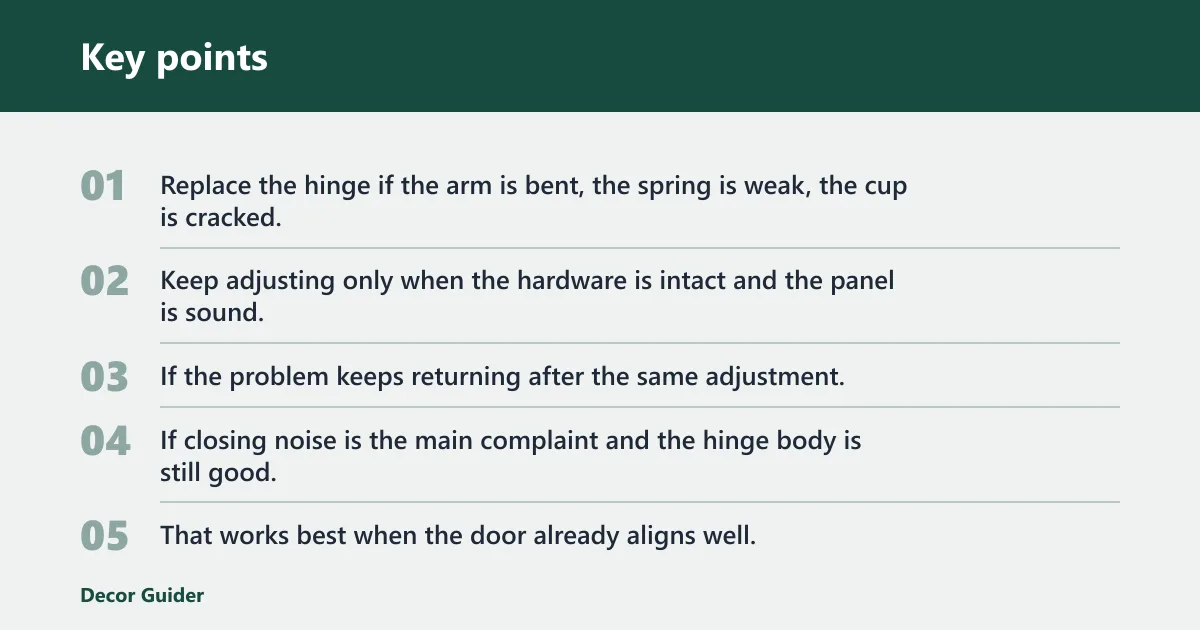
Replace the hinge if the arm is bent, the spring is weak, the cup is cracked, or the screws will not hold after hole repair. Keep adjusting only when the hardware is intact and the panel is sound. If the problem keeps returning after the same adjustment, the hinge has reached the end of its useful range.
Consider soft-close retrofit options
If closing noise is the main complaint and the hinge body is still good, a separate soft-close damper may solve the issue. That works best when the door already aligns well. If the door is misaligned, fix the alignment first. Soft-close hardware should control motion, not hide a bad fit.
Replace the door panel when the front is damaged
When the panel is split, warped, or swollen beyond correction, new hardware will not solve the closing problem. That is the point where a replacement door front is the cleaner fix. IKEA offers 51 SEKTION cabinet doors and drawer fronts, backs SEKTION cabinet doors with a 25-year limited warranty, lists AXSTAD doors at $86.00, and lists VALLSTENA doors at $21.00. Those figures help set expectations for replacement versus repair.
Wickes shows 140 results for kitchen cabinet handles and knobs, and Wickes says cabinet handles should be placed opposite the hinges. That placement matters when you are replacing hardware on a misaligned door, because a badly placed pull can make a door feel harder to open even after the hinge is corrected.
What tools do you need to repair a kitchen cabinet door?
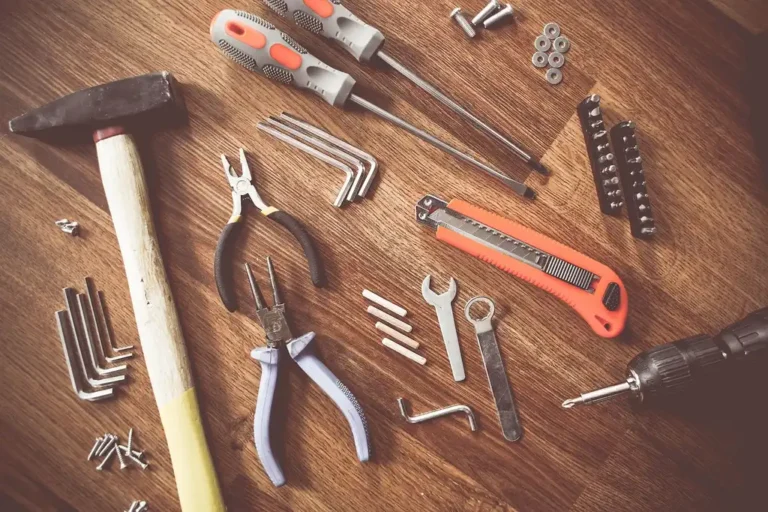
Many repairs start with a Phillips screwdriver, a simple level or measuring check, and a small amount of lubricant; some jobs may also call for replacement screws, plugs or filler, a drill, or replacement hinge parts. Add a drill only if you need to repair stripped holes or reset fasteners. Keep replacement screws, plugs, or filler on hand when the symptom points to loosened hardware rather than a misadjusted hinge.
- Phillips screwdriver
- Lubricant for hinge pivots
- Level or measuring check for reveal and alignment
- Drill for stripped screw-hole repair
- Replacement screws, plugs, or filler
- Replacement hinge, plate, or damper if hardware is broken
Frequently asked questions
How to fix kitchen cabinet doors that won’t close
Start by checking whether the door is sitting proud, inset, or racked in the opening. Then adjust the concealed hinge depth, lateral position, and height in small steps. If the door still will not close flush, inspect for warped panels, loose mounting plates, or stripped screw holes that are letting the hinge shift.
How do I adjust cabinet hinges so doors line up?
Use the hinge screws in this order: depth first, lateral second, height last. The depth screw changes how far the door sits in or out; the lateral screw centers the reveal; the mounting plate screws control height. Make small changes and compare the door to the adjacent front after each turn.
What causes a kitchen cabinet door to squeak?
Squeaks usually come from dry pivots, dirt in the hinge, or a soft-close damper that is binding. Clean the moving points and add lubricant sparingly. If the noise stays, check for bent hardware or a failing damper. A squeak that appears during the last inch of closing often points to the soft-close unit.
When should I replace cabinet hinges instead of adjusting them?
Replace the hinge when adjustment runs out of range, the screw holes no longer hold, the hinge arm is bent, or the spring feels weak. Corrosion is another reason to replace it, especially in humid kitchens. If the door still misaligns after correct adjustment, the hardware is likely worn beyond tuning.
Products related to this article
Sponsored / affiliate links. As an Amazon Associate I earn from qualifying purchases. I may earn additional commission from eligible campaigns.