Kitchen Cabinet Cost
Kitchen cabinet costs are often reported at about $100 to $300 per linear foot for stock cabinets, about $300 to $650 for semi-custom, and about $500 or more for custom, before labor, hardware, and finish upgrades. Miss the line items, and a quote that looked affordable can jump by thousands. This guide breaks down cabinet tiers, hidden charges, and the quote details that change your total.
Typical cost range
Most cabinet budgets land in a wide range because one quote may cover only boxes and doors, while another includes demolition, delivery, installation, trim, hardware, and disposal. A full kitchen cabinet project often starts at $4,000 and $13,000, with an average kitchen cabinet price of $11,100, but layout, finish, and labor can move the total fast.
Why quote totals are higher than base cabinet prices
The cabinet line item is only one part of the project. Installation labor, leveling, fillers, crown molding, and removal can add several thousand dollars even when the cabinet boxes themselves look affordable.
Cabinet quotes also change when the kitchen has odd corners, appliance panels, or tall pantry units. Those details usually mean more cutting, more adjustments, and more finish carpentry.
What a cabinet quote includes
A useful quote separates the cabinet boxes from the work needed to install them. The biggest cost jumps usually come from labor, trim pieces, disposal, and upgrades such as soft-close hardware or pull-out organizers.
Base boxes and door fronts
This is the core cabinet price. Stock cabinets usually cost less because they are made in standard sizes, while semi-custom and custom lines charge more for size changes, finish options, and built-to-fit parts.
Labor, delivery, and removal
Installation labor often runs from about $50 to $500 per cabinet, and a full kitchen can land around $2,000 to $6,000 for installation alone. Delivery and removal are separate on many quotes, especially if the old cabinets need hauling away.
Trim, fillers, and finish carpentry
Fillers cover gaps between cabinets and walls. Crown molding, end panels, toe kicks, and scribe pieces make the install look finished, but each one adds material and labor. These items matter more in kitchens with uneven walls or nonstandard measurements.
Hardware and other add-ons
Knobs and pulls seem small until they cover every door and drawer. Soft-close hinges, drawer glides, pull-out waste bins, lazy Susans, and roll-out shelves all add to the final bill, especially when they are bundled into the quote as upgrades.
The cabinet quote breakdown table
Use this table to separate the price of cabinets from the costs that often hide in a “total project” number. The ranges below are budgeting cues, not a quote from one market or one brand.
| Cabinet tier | Linear-foot rate | Install labor | Hardware | Trim/fillers | Removal/disposal | Likely hidden add-ons |
|---|---|---|---|---|---|---|
| Stock | $100 to $300 | $50 to $250 per cabinet | Basic knobs, pulls, standard hinges | $200 to $800 | $300 to $900 | Extra fillers, crown molding, sink base modifications |
| Semi-custom | $300 to $650 | $100 to $350 per cabinet | Soft-close hinges, upgraded glides | $400 to $1,500 | $500 to $1,200 | Custom panel ends, appliance garages, pantry adjustments |
| Custom | $500 to $1,200+ | $200 to $500 per cabinet | Premium pulls, specialty storage, upgraded mechanisms | $800 to $3,000+ | $700 to $2,000+ | Nonstandard sizes, built-ins, decorative trim, complex site work |
Read the table from left to right. A low cabinet rate can still become a high total if the kitchen needs more trim, more labor, or more specialty parts. A quote that omits one of those lines is incomplete.
Which cabinet tier fits your budget?
The best tier depends on layout, finish expectations, and how much customization the kitchen needs. Stock cabinets suit tight budgets and simple layouts. Semi-custom cabinets are the common middle ground. Custom cabinets fit unusual rooms, high-end finishes, and projects that need exact sizing.
Stock cabinets
Stock cabinets are the lowest price tier and are usually sold in standard sizes. They fit tight budgets and straightforward layouts, and they can cost $100 to $300 per linear foot installed. The tradeoff is limited sizing and fewer finish choices.
Semi-custom cabinets
Semi-custom cabinets offer more flexibility in size changes and finishes. They often sit in the middle for many homeowners because they allow adjustments without the full cost of custom work. Expect a mid-tier installed range around $150 to $650 per linear foot.
Custom cabinets
Custom cabinets are built to exact specifications and offer the highest flexibility and the longest lead times. They fit unusual layouts and premium remodels, and they can cost up to $1,200 per linear foot, including installation. That price reflects design complexity as much as material.
What makes cabinets cost more?
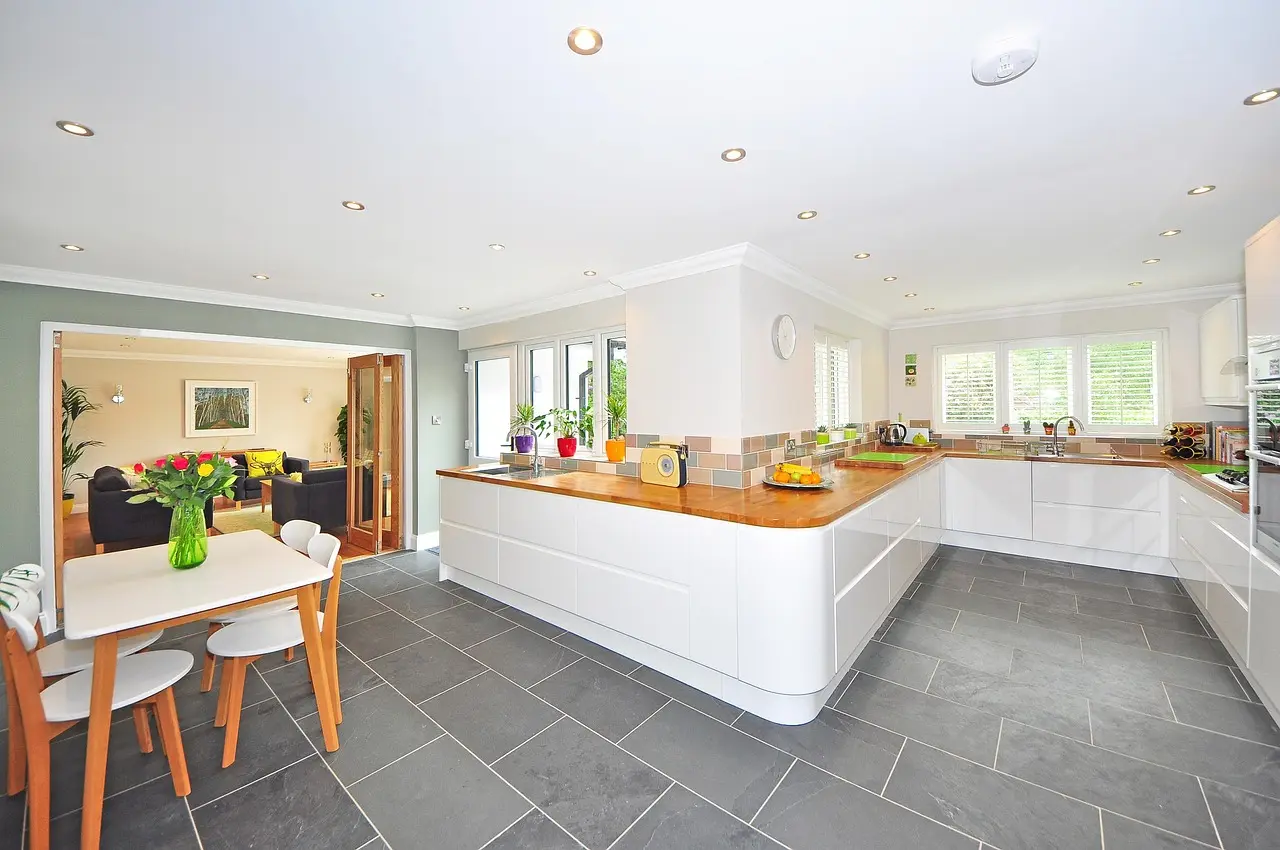
Cabinet price rises when the box material, door style, finish, and layout all demand more labor or more material. The same kitchen can land in very different price bands depending on whether it needs simple slab fronts or detailed inset work, standard sizes or made-to-fit pieces.
Box material and construction
Cabinet box material affects durability, moisture resistance, and screw-holding strength. Particleboard is usually the least expensive. MDF gives a smoother paint surface. Plywood generally handles moisture better and holds screws well. Solid wood is often used with plywood components, and solid wood cabinets are often composed of plywood and solid wood.
Plywood tends to hold up better without warping in moist environments. That matters near sinks, dishwashers, and exterior walls where humidity can be higher.
Door style and finish type
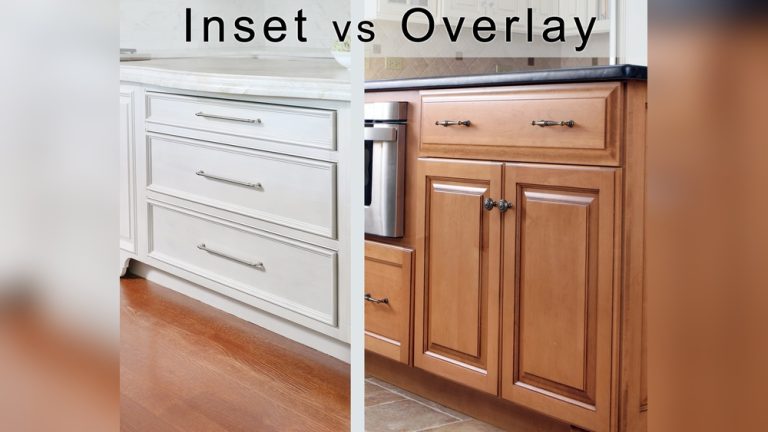
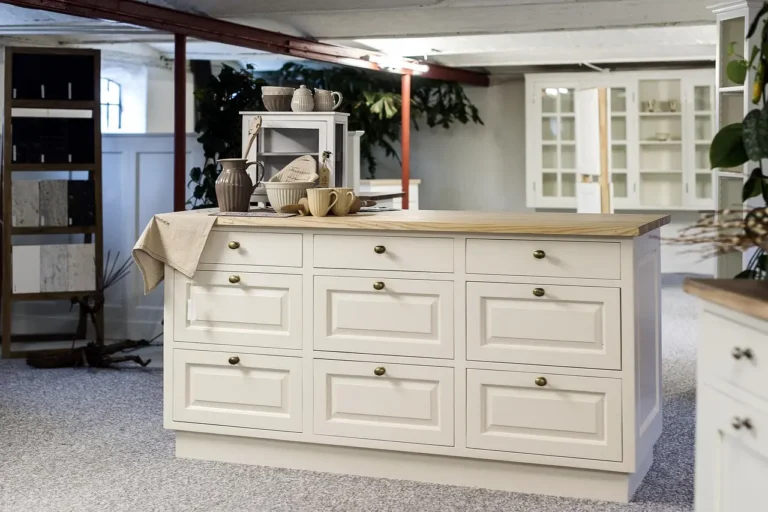
Flat slab doors usually cost less than detailed styles because they are simpler to make and install. Shaker doors sit in the middle for many buyers. Raised panel, mullion, and specialty inset styles take more time, which raises the labor and material total.
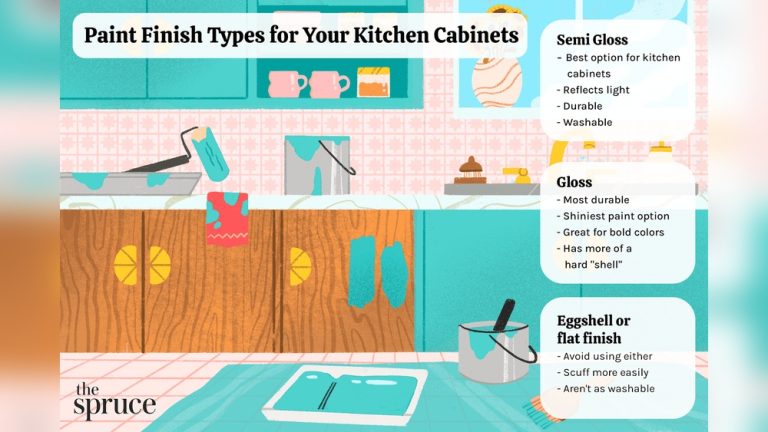
Finish also changes pricing. Painted finish, stained finish, custom colors, and specialty glazes all add complexity. A simple factory finish is easier to produce than a color-matched custom glaze.
Layout complexity and special sizes
Odd corners, tall pantry cabinets, corner solutions, and appliance panels create more labor. More fillers and trim pieces are usually needed when walls are out of square or when cabinet runs end in open space.
Say your kitchen is a 12-by-12 layout with one blind corner and a tall pantry. The cabinet count may look average on paper, yet the labor rises because the installer has to level, scribe, and fit more custom transitions.
How kitchen size changes the total
Kitchen size drives the number of cabinets, the amount of trim, and the labor needed to fit everything cleanly. A 10-by-10 kitchen can cost as little as $2,000 and as much as $24,000. A 12-by-12 kitchen with up to 25 linear feet could cost as little as $2,500 or as much as $29,000.
10×10 kitchens
A 10-by-10 kitchen is a standard reference point for comparing cabinet quotes. It helps buyers see how the same cabinet tier can swing widely once installation, finish, and accessories are added.
12×12 kitchens
A 12-by-12 kitchen usually needs more cabinet run than a 10-by-10 space, so totals rise quickly. More wall length means more boxes, more doors, and more chances for filler pieces and trim to enter the quote.
Mid-size kitchens with 20 to 30 linear feet
Many mid-size kitchens fall in the 20 to 30 linear foot range. That size is useful for budgeting because cabinet prices are commonly quoted per linear foot, which makes it easier to estimate totals before a final design is drawn.
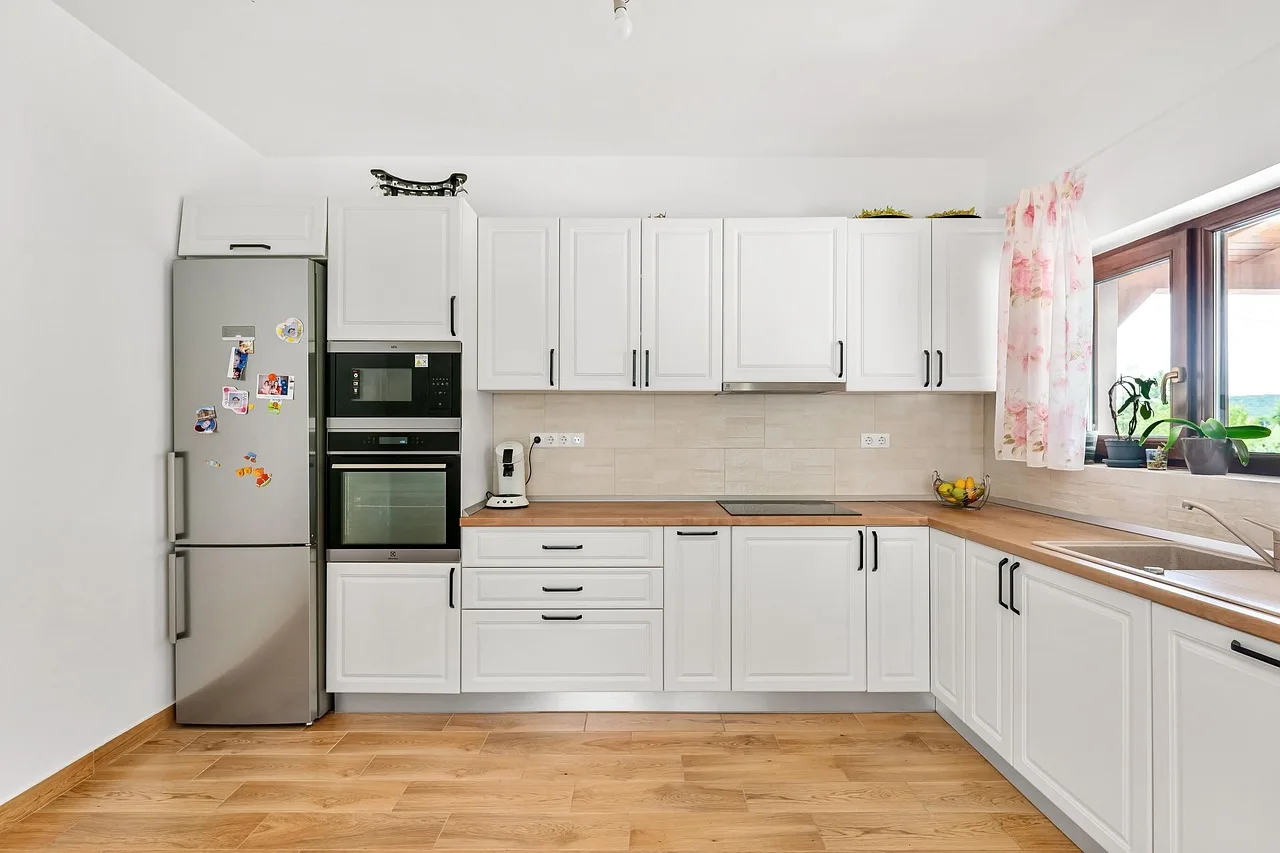
A simple way to estimate cabinet cost is to multiply your linear feet by the cabinet tier, then add labor and likely extras. Square-foot pricing can be misleading for cabinets because cabinet depth, tall units, and special storage matter more than floor area alone.
A simple linear-foot formula
- Measure the total cabinet run in linear feet.
- Choose a tier: stock, semi-custom, or custom.
- Multiply linear feet by the installed rate.
- Add installation labor for the number of cabinets.
- Add trim, fillers, removal, and hardware.
- Add a cushion for any specialty add-ons.
Formula: total project cost = cabinet linear feet × installed rate + labor + trim/fillers + removal/disposal + hardware + add-ons.
Suppose a 20-linear-foot kitchen uses semi-custom cabinets at $400 per linear foot. The cabinet portion starts at about $8,000 before labor, trim, disposal, and hardware are added. If the kitchen also needs crown molding, fillers, and soft-close upgrades, the final total rises quickly.
How to add labor and hidden costs
Use labor as a separate line, not as a vague percentage. Installation is not a single flat task. Leveling, wall scribing, filler fitting, and adjusting door alignment all take time, and crown molding or complex ends can extend the job.
When per-square-foot pricing misleads
Square-foot pricing can make a small kitchen look cheaper than it is and a large kitchen look more expensive than it should. Linear feet gives a better cabinet-specific estimate because it matches how cabinet runs are actually sold and installed.
Replacement or refacing?
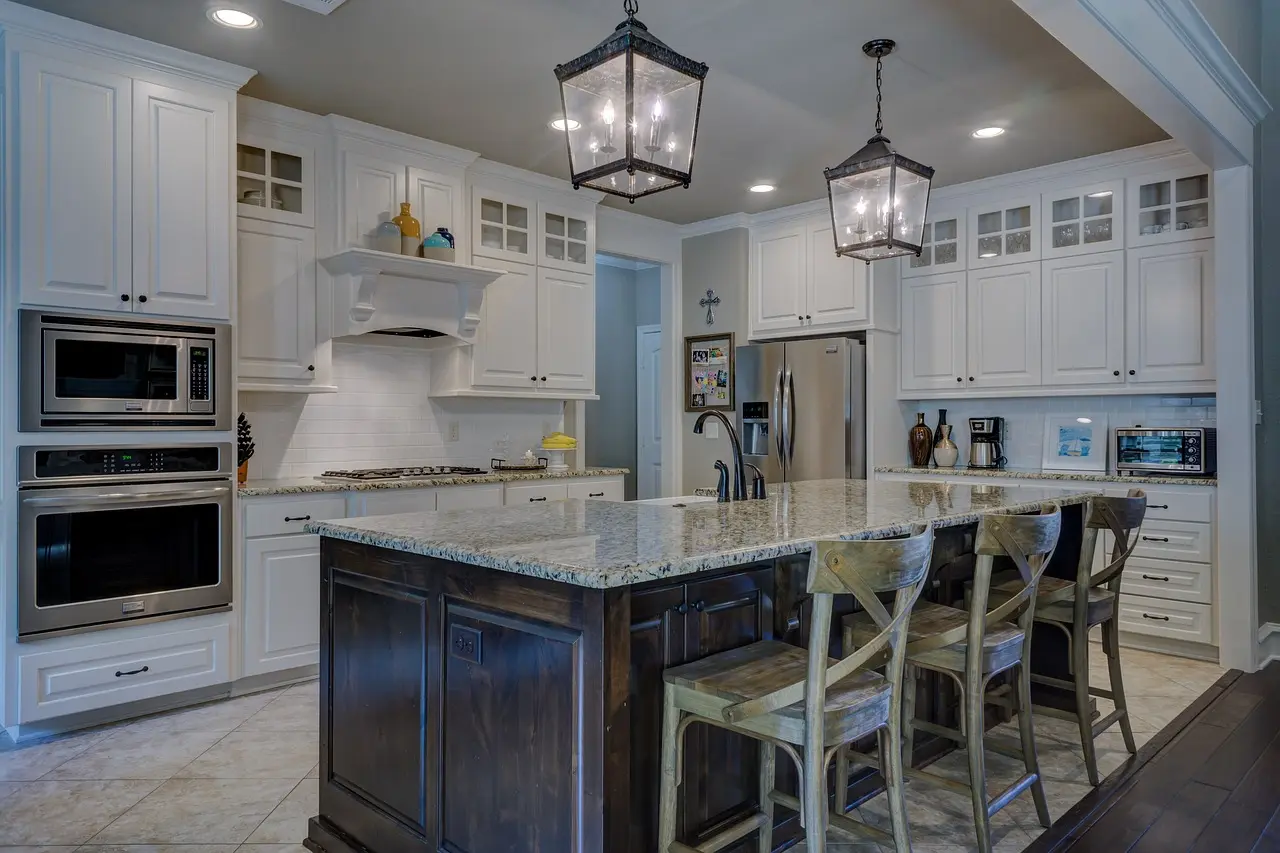
Refacing can make sense when the cabinet boxes are solid, the layout stays the same, and you only want a new look. Full replacement is the better choice when boxes are damaged, the kitchen needs a different layout, or you want deeper changes such as new storage and new door styles.
When refacing makes sense
Refacing usually works when the cabinet structure is still sound and the doors are the main problem. Kitchen cabinet refacing cost vs replacement often comes down to whether you are keeping the same footprint and same box locations.
When full replacement is the better choice
If the boxes are sagging, warped, or poorly sized, refacing is only a cosmetic fix. Replacement becomes smarter when you need more drawers, better storage, or a layout that fits new appliances.
Door-only updates versus full box replacement
Replacing cabinet doors alone is cheaper than full replacement when the boxes are in good shape. It is cheaper to replace kitchen cabinet doors than to rebuild the whole system, but only if hinges, frames, and box alignment are still in usable condition.
A common first-timer mistake is buying new doors for a kitchen with damaged boxes. The fresh fronts look good for a short time, then warped panels, loose hinges, or bad gaps make the upgrade feel incomplete.
Frequently asked questions
How much should kitchen cabinets cost?
That range can rise or fall depending on cabinet tier, kitchen size, labor, and extras such as trim, disposal, and upgraded hardware.
Why are kitchen cabinets so expensive?
Cabinets cost more than many homeowners expect because the quote often includes more than boxes and doors. Material quality, finish work, labor, leveling, fillers, and removal all add cost, and custom details can push the total up fast.
What is the cheapest way to get kitchen cabinets?
The cheapest path is usually stock cabinets or ready-to-assemble cabinets, paired with a simple layout and limited add-ons. Keeping the existing footprint, skipping specialty storage, and avoiding custom trim can keep the final number closer to the lower end of the range.
How much kitchen cabinets cost per linear foot?
Stock cabinets can cost $100 to $300 per linear foot. Semi-custom cabinets usually sit higher, and custom cabinets can cost up to $1,200 per linear foot, including installation. Linear-foot pricing is the clearest way to budget because it tracks cabinet run length.
How much kitchen cabinets cost per square foot?
Square-foot pricing is less reliable for cabinets because cabinet depth and layout matter more than floor area. A kitchen with the same square footage can need very different cabinet counts, so linear feet is the better planning tool for most buyers.
Which kitchen cabinets are best quality?
The best quality choice depends on the kitchen’s needs, but plywood boxes are often preferred where moisture resistance matters. Solid wood fronts, strong drawer glides, and well-built hinges also matter. For many remodels, semi-custom cabinets give a strong balance of quality and flexibility.
Products related to this article
Sponsored / affiliate links. As an Amazon Associate I earn from qualifying purchases. I may earn additional commission from eligible campaigns.