Cabinet Refacing Cost
Cabinet refacing typically costs about $4,000 to $12,000 for a standard kitchen, with extras like soft-close hinges, veneer upgrades, and drawer boxes pushing the total higher. Bad estimates can leave you paying near-replacement money without getting replacement-level durability or layout changes. This guide breaks down pricing and add-on costs so you can compare refacing with refinishing, painting, and full replacement.
What cabinet refacing costs

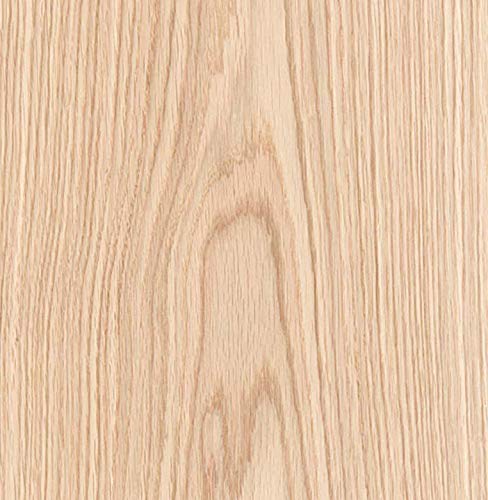
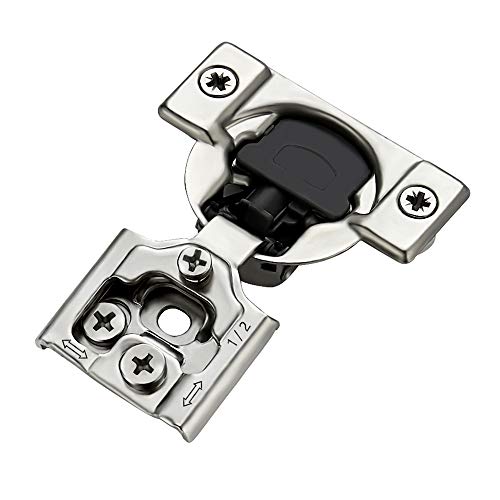
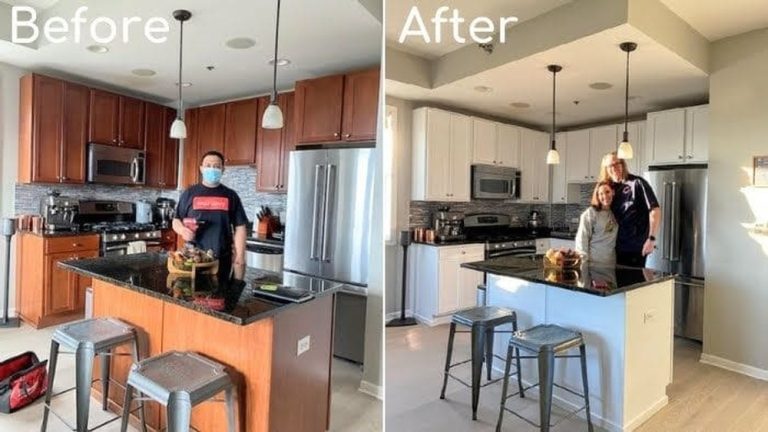
Cabinet refacing usually lands below full replacement and above painting or refinishing. Another common way to quote it is by linear footage, with costs varying widely by kitchen size, materials, and labor.
What a standard refacing quote usually includes
A normal quote should cover new doors and drawer fronts, surface material for the remaining cabinet boxes, basic installation labor, and at least the visible fronts of the kitchen. It should also state whether hinges, pulls, trim, and disposal are included. Without that detail, price comparisons are unreliable.
Why refacing is usually cheaper than replacement
Refacing keeps the cabinet boxes in place, then replaces the doors, drawer fronts, and exposed surface material on the cabinet carcasses. That avoids demolition, new box construction, and much of the layout work that replacement requires. Because of that, refacing can cost 30 to 50 percent less than replacing, though the savings vary a lot depending on door style, veneer choice, and whether drawers or boxes need repairs.
How kitchen size changes the total
Kitchen size affects price through door count, drawer count, linear footage, and trim length. A larger kitchen usually needs more custom-made parts and more labor time. A typical 20 linear ft. project can cost several thousand dollars, which shows how fast add-ons can move a bid upward.
Cabinet refacing cost vs replacement
Refacing makes financial sense when the cabinet boxes are square, dry, and reusable, and when you want a new look without changing the layout. Replacement becomes the better choice when the boxes are swollen, rotten, warped, or badly damaged. Compare bids only when both quotes cover the same scope and finish level.
When refacing makes financial sense
If the cabinet structure is solid and the doors are the main problem, refacing can give you a clean visual reset at a lower price than new cabinets. It is also a practical choice when your layout already works and you do not need new cabinet locations, deeper storage, or structural changes.
When box damage makes replacement the better choice
Cabinet boxes must be structurally sound, stay in place during refacing, and provide square, dry, reusable framing. Water-damaged or swollen boxes can make refacing a bad investment because the new fronts may look fine while the underlying structure continues to fail. Warped frames are a warning sign too.
Suppose a sink base has swelling at the toe kick and the side panel feels soft. In that case, a refacing quote may look attractive at first, but the box damage can turn it into a short-term fix rather than a durable one.
How to compare bids on the same scope
Ask if the quote is priced per door, per drawer front, or per linear foot, then make each bidder price the same materials and hardware. A bid that omits end panels, crown, or disposal can look cheaper than it really is. The lowest number is not always the better number.
Why is cabinet refacing so expensive?
Cabinet refacing is expensive because it combines custom fabrication, detailed prep work, and finish-sensitive installation. The labor is not quick cosmetic work. Doors and drawer fronts are often made piece by piece, and small measurement errors can force rework. Regional labor rates and material markups can push the total higher fast.
Door and drawer-front fabrication costs
Cabinet doors and drawer fronts are often replaced one by one, and they are a major driver of the total project price. Cost varies by count, style, size, and finish. More openings mean more custom-fabricated parts, and more custom parts mean more cost.
Labor time for prep, fitting, and finishing
Refacing takes time because the old surfaces must be prepared, the new skins must fit cleanly, and the new fronts must align with the existing boxes. Work around appliances, corners, and uneven framing adds labor. That is why labor can make a quote feel close to replacement pricing.
Material markups and regional pricing differences
Material quality changes total cost, and so does local labor. A market with higher trade rates will usually post higher bids even when the scope is similar. That is one reason national averages help only as a starting point, not a final price.
Cabinet refacing materials and prices
Refacing materials range from budget-friendly laminate to premium wood veneer and painted MDF or solid wood options. The material choice affects both the look and the bill. Lower-cost materials can keep the project in range, while premium finishes often raise both fabrication and installation costs.
Laminate and thermofoil
Laminate and thermofoil are common lower-cost choices. They can keep the quote down, but they are generally chosen when the goal is a clean update without premium finish expectations.
Wood veneer
Wood veneer is a middle-ground option that gives a wood look without the price of solid wood fronts. It is common in higher-quality refacing jobs and often raises the estimate compared with laminate or thermofoil. Matching grain and finish adds labor.
Solid wood and painted MDF options
Premium solid wood or painted MDF options usually cost more because they involve more material, more finishing steps, or both. They are often chosen for a more tailored look, especially in visible kitchens with open ends or large islands. The upgrade can be worth it, but only if the box condition justifies the spend.
Cabinet quote audit table
Use this table to audit a refacing quote line by line. A fair estimate should show what is included, what is extra, and what has been left out. If a bidder only gives one lump sum, ask for the breakdown before you compare it with another quote.
| Line item | What to check | Missing from quote checklist | Red flag |
|---|---|---|---|
| Doors | Count, style, finish, and whether each door is custom-made | Number of doors; material grade; hinge drilling | Low total with no door count listed |
| Drawer fronts | Count and size of each front | Drawer front quantity; matching finish | One price for doors only |
| Veneer/material | Laminate, thermofoil, wood veneer, or painted MDF | Material type; edge finish; color matching | No material spec at all |
| Hinges | Standard or soft-close; new or reused | Hinge count; soft-close upgrade price | Hardware promised without a count |
| Pulls/knobs | New hardware count and finish | Pulls or knobs; drilling; finish match | Hardware lump sum with no count |
| End panels | Finished exposed sides, island backs, refrigerator panels | Number of exposed panels; panel grade | Side finish omitted from a visible kitchen |
| Crown molding | Linear footage and profile | Feet of crown; install labor | Trim shown in photos but not priced |
| Removal/disposal | Old surface removal and haul-away | Demo labor; disposal fee | Quote says “included” without details |
| Box repairs | Square, dry, reusable framing repairs only | Patch work; seam repair; leveling | No allowance for damaged boxes |
Missing-from-quote checklist: side panels, island backs, fridge panels, toe kicks, crown molding, light rail, disposal, hinge upgrades, soft-close features, and any repair allowance for warped or damaged boxes. If those are absent, the final bill may climb after the contract is signed.
What adds to refacing cost
Several add-ons can turn a fair refacing bid into an expensive one. Hardware, finished side panels, decorative trim, and disposal are the most common price boosters. These items are not optional in every kitchen, but they should always be named and priced clearly.
Hardware upgrades and soft-close options
Hinges, drawer slides, knobs or pulls, and soft-close upgrades can add hundreds to over a thousand dollars. That range depends on count and quality. A kitchen with many drawers and doors will feel the jump faster than a small galley layout.
End panels, island backs, and appliance panels
Finished exposed sides often need end panels. Island backs and refrigerator panels can also be priced separately. These pieces matter because unfinished sides are visible in many kitchens, especially on islands and cabinet runs that end in open space.
Crown molding, light rail, toe kicks, removal, and disposal
Crown molding, light rail, and toe kicks are frequent add-ons that can make a quote look modest at first and expensive later. Removal and disposal may be included, or they may appear as separate charges. Always check both. A common first-timer mistake is assuming the cleanup is built into the headline number.
Picture a 12-foot wall run with two exposed ends and a pantry tower. The quote can jump more from panels and trim than from the door finish itself, because every visible side needs to be completed to match the new fronts.
When refacing is the wrong choice
Refacing is the wrong choice when the cabinet boxes are damaged, when the job is too small to justify setup costs, or when the goal is a layout change. It can also be a poor fit for some rental and resale situations where a simpler finish update or full replacement gives a better return.
Water damage, swelling, and warped cabinet boxes
Swollen, rotten, or out-of-square boxes should not be treated as a routine refacing job. Refacing depends on a stable base. If the framing is failing, the new doors are only covering a problem that will continue underneath.
Small partial jobs versus full-kitchen refacing
Partial refacing can work, but it often loses efficiency because setup, material matching, and labor still consume time. Small jobs may end up priced high on a per-foot basis. If only a few cabinets need attention, compare partial refacing carefully against painting or targeted replacement.
Rental and resale situations where another option may fit better
For rentals, durable and simple finishes often matter more than premium fronts. For resale, the best option depends on neighborhood expectations and the condition of the existing boxes. Refacing may be smart when the structure is solid, but it is not the answer for every budget or timeline.
Frequently asked questions
How much does cabinet refacing cost?
Cabinet refacing costs about $4,000 to $12,000 for many standard kitchens. The quote details matter as much as the headline total.
Cabinet refacing cost vs new cabinets
Refacing is usually 30 to 50 percent less than replacing cabinets. Replacement averages several hundred to several thousand dollars per linear foot, while refacing is typically lower. If your boxes are sound and the layout works, refacing is usually the cheaper route.
Cabinet refacing vs painting cost
Painting is usually cheaper than refacing, and refinishing cabinets typically costs between $3,000 and $5,000. Painting can work for a quick surface update, but it does not replace worn doors or fix bad hardware layouts. If fronts are damaged, refacing offers a more complete change.
Cabinet refacing vs refinishing cost
Refinishing usually costs less than refacing because it keeps more of the original cabinet surfaces. Refacing replaces visible fronts and applies new coverings to the boxes, so it costs more. The tradeoff is appearance and durability, not just price.
Is refacing cabinets cheaper than replacing?
Yes, in most cases. Refacing can cost 30 to 50 percent less than replacing, especially when the cabinet boxes are in good shape. If the framing is damaged, though, the cost gap narrows because repairs and corrections can eat into the savings.
Products related to this article
Sponsored / affiliate links. As an Amazon Associate I earn from qualifying purchases. I may earn additional commission from eligible campaigns.