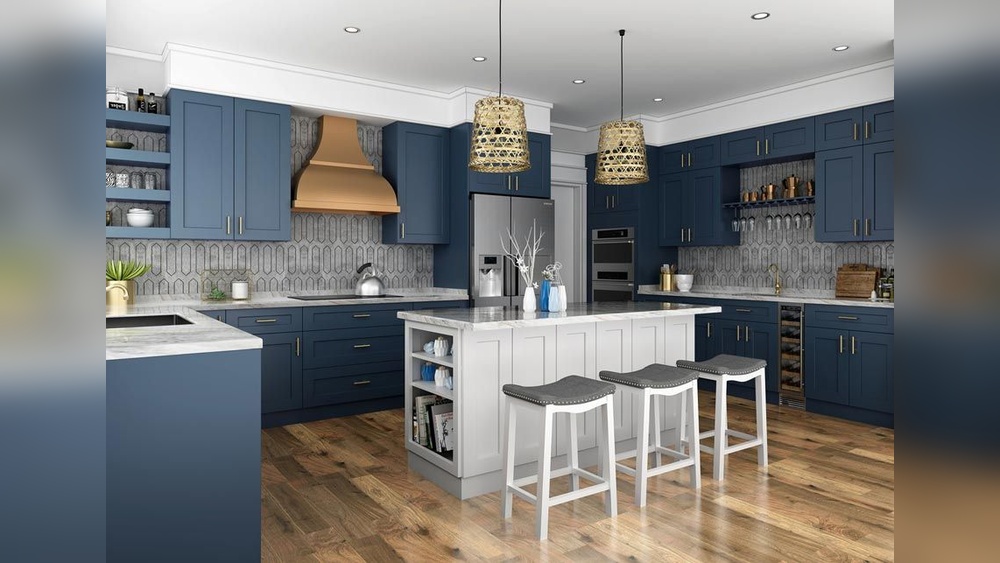
What Finish For Kitchen Cabinets
Choosing the right finish for your kitchen cabinets is one of the most important decisions you’ll make during a kitchen remodel or update. The finish not only determines the look and feel of your space but also plays a major role in how your cabinets will withstand daily wear, moisture, and cleaning.
With countless options, from classic paints and stains to cutting-edge laminates and UV-cured finishes, the selection can be overwhelming. Yet, the right choice enhances both the beauty and durability of your kitchen, ensuring it remains inviting and functional for years.
Homeowners and designers alike face a balancing act: finding a finish that aligns with your style, stands up to high-traffic kitchen environments, and fits within your budget. Whether you’re aiming for a sleek modern look, a timeless traditional feel, or something uniquely personal, understanding the pros and cons of each cabinet finish is essential. This guide breaks down the most popular kitchen cabinet finishes, their maintenance needs, cost comparisons, and design impact, empowering you to make an informed, confident choice.
Key Takeaways
- Cabinet finish impacts both appearance and durability, making it a crucial decision for kitchen longevity.
- Paint, stain, laminate, and specialty finishes each offer unique benefits and drawbacks in style, maintenance, and cost.
- High-traffic kitchens benefit from durable, moisture-resistant finishes such as conversion varnish or thermofoil.
- Budget, cleaning habits, and design preference should guide your finish selection for best results.
- Professional application and proper prep significantly influence the final quality and lifespan of your cabinet finish.
Understanding Kitchen Cabinet Finishes
Choosing the right finish involves more than just picking a color. The finish is a protective layer that shields the wood or substrate from grease, spills, humidity, and daily handling, while also defining the aesthetic of your kitchen.
What Is A Cabinet Finish?
A cabinet finish is the final coating applied to the surface of your kitchen cabinets. It can be paint, stain, lacquer, varnish, laminate, or a specialty material. The finish serves two main purposes: to enhance the visual appeal and to protect against everyday wear.
- Protective function: Prevents moisture, grease, and scratches from penetrating the wood.
- Aesthetic function: Provides color, sheen, and texture to complement your kitchen’s design.
Common Types Of Cabinet Finishes
The most prevalent finishes for kitchen cabinets include:
- Paint: Opaque and versatile, offers endless color choices and a smooth, modern look.
- Stain: Highlights wood grain and natural beauty, available in many shades.
- Lacquer: High-gloss or matte, durable, and often used on modern cabinets.
- Varnish: Clear or tinted, adds a protective hard layer.
- Laminate/Thermofoil: Synthetic layers fused to core materials, highly durable and easy to clean.
- Oil or Wax: Penetrating, natural finishes for a subtle sheen on wood.
Each type interacts differently with light, moisture, and daily use, so understanding these differences helps you match the finish to your lifestyle and maintenance preferences.
Why Finish Matters In The Kitchen
Kitchens are high-traffic, high-moisture environments. The finish you choose must withstand:
- Frequent cleaning and scrubbing
- Spills and splashes
- Heat and humidity
- Direct sunlight (which can fade some finishes)
A well-chosen finish extends the lifespan of your cabinets and keeps them looking fresh, while the wrong finish can lead to premature wear or disappointing results.
Case Study: Painted Vs. Stained Cabinets In A Busy Family Kitchen
When updating a family kitchen, one homeowner opted for painted cabinets in a high-use zone and stained cabinets in a pantry area. After two years, the painted cabinets showed minor chips near handles, while the stained cabinets displayed some fading but masked scratches better. This real-world example demonstrates how paint offers crisp style but can chip, while stain excels at camouflaging wear.
:max_bytes(150000):strip_icc()/Best-paint-for-kitchen-cabinets-4686963-illo2-V2-7934496d2a294c74b9309aea1b01dd18.png)
Credit: www.thespruce.com
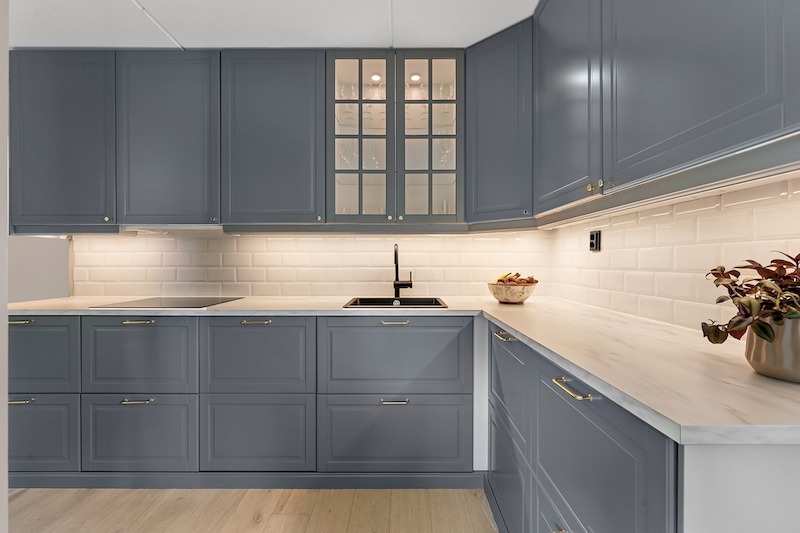
Paint Finishes: Versatility And Color
Painted finishes remain a top choice for homeowners seeking a fresh, clean look or a pop of color in the kitchen.
Types Of Paint Finishes
Paint for kitchen cabinets is typically available in several sheens:
- Matte: No shine, hides imperfections but can be harder to clean.
- Eggshell/Satin: Soft sheen, popular for blending durability and subtlety.
- Semi-gloss: Reflects more light, easy to clean, commonly used in kitchens.
- High-gloss: Very shiny, ultra-modern, shows fingerprints and surface flaws.
Pros And Cons Of Painted Cabinets
Pros:
- Unlimited color options for custom design.
- Smooth, uniform appearance, covers wood grain.
- Easily updated with a new coat.
Cons:
- Prone to chipping or peeling, especially near handles and doors.
- Touch-ups can be visible if not done correctly.
- Can hide natural wood character.
Application And Maintenance
Professional spraying gives the best results, but DIY brush or roller painting is possible with careful prep. Use cabinet-grade paints designed for high-traffic areas, and always apply a primer.
Maintenance tips:
- Wipe spills quickly to avoid staining or swelling.
- Use gentle cleaners; abrasive pads can dull the finish.
- Address chips promptly with matching touch-up paint.
Example: High-gloss White Cabinets In A Modern Condo
A downtown condo remodel featured high-gloss white cabinets for a sleek, minimalist vibe. The finish reflected light beautifully, making the small kitchen feel open. However, the owners needed to wipe down fingerprints and smudges more often than with satin or matte paints.
Paint Finish Comparison Table
| Sheen | Appearance | Durability | Ease of Cleaning | Best For |
|---|---|---|---|---|
| Matte | Flat, no shine | Fair | Low | Rustic & modern styles |
| Eggshell/Satin | Soft sheen | Good | Good | Traditional & transitional kitchens |
| Semi-gloss | Moderate shine | Very Good | Excellent | High-traffic kitchens |
| High-gloss | Mirror-like | Excellent | Excellent | Modern & contemporary spaces |
Credit: www.unfinished-kitchen-cabinets.net
Stain And Natural Wood Finishes: Warmth And Character
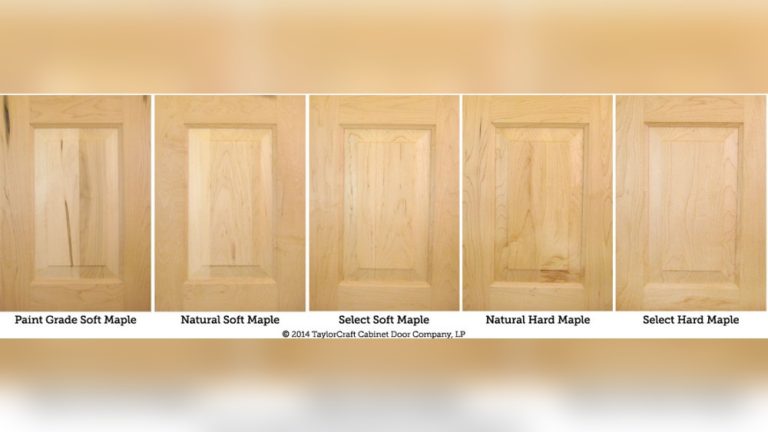
Stained cabinets highlight the inherent beauty of wood, providing warmth and texture that painted cabinets often lack.
Types Of Stains And Natural Finishes
- Penetrating stains: Soak into the wood for rich, varied tones.
- Gel stains: Thicker, sit on top of wood for even color.
- Oil finishes: Enhance grain with a subtle sheen, require periodic reapplication.
- Wax: Offers a soft glow, best for low-traffic cabinets.
Benefits Of Stained Cabinets
- Showcases the unique grain and character of the wood species.
- Camouflages small scratches, nicks, and fingerprints.
- Available in a wide range of shades, from light oak to dark espresso.
Drawbacks And Challenges
- Fewer color options compared to paint.
- Sunlight can fade darker stains over time.
- Some stains highlight imperfections or wood knots.
Maintenance And Care
Stained finishes are generally forgiving but require attention to:
- Avoiding harsh chemicals, which can strip the finish.
- Using wood-safe cleaners and polishes.
- Reapplying oil or wax finishes as needed.
Pro Tip: Always test stain on a sample board to check color accuracy, as wood species can dramatically affect final appearance.
Example: Walnut Stained Cabinets In A Craftsman Home
A craftsman kitchen with walnut-stained cabinets offered a cozy, inviting atmosphere. Over years of use, minor scratches blended into the wood’s natural pattern, and periodic oiling kept the finish vibrant.
Stain Vs. Paint: Durability And Appearance
| Feature | Stain | Paint |
|---|---|---|
| Grain Visibility | Highlights wood grain | Covers grain completely |
| Touch-up Ease | Blends well | May be visible |
| Color Range | Wood-tones only | Unlimited |
| Scratch Resistance | Good | Fair to Good |
| Maintenance | Low to Medium | Medium |
:max_bytes(150000):strip_icc()/Best-paint-for-kitchen-cabinets-4686963-29da48e748c944a9870ebd95c33d7873.jpg)
Credit: www.thespruce.com
Laminate And Thermofoil: Affordable Durability
For those seeking a low-maintenance, budget-friendly option, laminate and thermofoil finishes offer outstanding value and durability.
What Are Laminate And Thermofoil Finishes?
- Laminate: A synthetic surface (often melamine or Formica) bonded to a substrate like MDF or particleboard.
- Thermofoil: Vinyl film vacuum-sealed over engineered wood, creating a seamless, moisture-resistant finish.
Both are available in a wide range of colors, patterns, and even wood-look textures.
Advantages Of Laminate And Thermofoil
- Highly resistant to stains, moisture, and heat.
- Easy to wipe clean, ideal for busy or rental kitchens.
- Budget-friendly compared to real wood or custom paint.
Disadvantages To Consider
- Difficult or impossible to repair if chipped or peeling.
- Seams may be visible in lower-quality products.
- Limited ability to refinish or repaint.
Maintenance Tips
- Avoid placing hot pans directly against surfaces to prevent warping.
- Use mild soap and water for cleaning; avoid abrasive pads.
- Address edge lifting or bubbling promptly.
Example: Laminate Cabinets In A Rental Property
In a multi-unit rental, laminate cabinets proved invaluable for withstanding tenant turnover. After five years, the surfaces remained intact, with only minor edge wear, saving significant replacement costs.
Cost Comparison Table: Paint Vs. Stain Vs. Laminate
| Finish Type | Material Cost (per sq. ft.) | Professional Application Cost | Longevity |
|---|---|---|---|
| Paint | $2, $6 | $50, $100/cabinet | 10, 15 years |
| Stain | $1, $4 | $40, $80/cabinet | 15, 20 years |
| Laminate | $1, $5 | $30, $70/cabinet | 15, 20 years |
*Prices are estimates and vary by region; source: HomeAdvisor*
Specialty Finishes: Lacquer, Varnish, And Conversion Varnish
Advanced finishes offer superior protection and a range of design choices, though often at a higher price point.
Lacquer And Polyurethane
- Lacquer: Provides a high-gloss, glass-like appearance. Dries quickly, excellent for achieving a flawless modern surface.
- Polyurethane: Tough, water-resistant, available in gloss or satin. Used as a protective topcoat for both paint and stain.
Warning: Lacquer is best applied in a spray booth by professionals due to fumes and drying time.
Conversion Varnish
Conversion varnish is a catalyzed finish known for its exceptional durability, chemical resistance, and hardness. It’s a top choice for high-end cabinets and commercial kitchens.
- Pros: Extremely tough, resists scratches, moisture, and chemicals.
- Cons: Requires skilled application, higher cost, limited to professional installers.
Uv-cured Finishes
UV-cured finishes are hardened instantly under ultraviolet light. Popular in factory-finished cabinets, they offer:
- Superior resistance to scratching and yellowing.
- Consistent, flawless application.
Example: Commercial Kitchen With Conversion Varnish
A restaurant kitchen with conversion-varnished cabinets saw minimal wear despite heavy daily use and frequent cleaning, demonstrating the finish’s resilience and suitability for demanding environments.
Comparison: Specialty Vs. Standard Finishes
| Finish Type | Durability | Application | Best Use |
|---|---|---|---|
| Lacquer | High | Professional spray | Modern, high-gloss kitchens |
| Conversion Varnish | Very High | Professional only | Commercial, busy kitchens |
| UV-Cured | Extremely High | Factory-applied | Premium, low-maintenance cabinets |
| Polyurethane | High | Brush, roll, or spray | DIY upgrades, protective topcoats |
Choosing The Right Finish For Your Kitchen
With so many options, narrowing down your choice involves practical and aesthetic considerations.
Factors To Consider
- Lifestyle: Do you have kids, pets, or frequent guests? High-use kitchens benefit from tougher finishes.
- Design goals: Do you prefer natural wood grain, bold color, or a glossy modern look?
- Budget: Some finishes cost more upfront but pay off in longevity.
- Cabinet material: Not all finishes are suitable for all cabinet types (e.g., laminate vs. real wood).
- Maintenance willingness: Are you willing to touch up paint or reapply oil/wax periodically?
Matching Finish To Kitchen Style
- Traditional kitchens: Often feature stained wood or painted finishes in classic colors.
- Modern kitchens: High-gloss lacquer, solid-color paint, or seamless laminates are popular.
- Transitional spaces: Satin paints or subtle stains bridge classic and modern elements.
- Rustic/farmhouse kitchens: Natural stains, matte paints, or distressed finishes add character.
Pro Tip: Sample Before Committing
Always request or create sample boards to view in your kitchen’s actual lighting. Finishes can look dramatically different under natural vs. artificial light, and next to your flooring or countertops.
Internal Link Example
For more on choosing materials that can withstand frequent use and cleaning, see Choosing the right canning jar makes preserving food easier.
Maintenance And Longevity Of Cabinet Finishes
No matter the finish, proper care extends cabinet lifespan and keeps them looking their best.
Cleaning And Care Tips
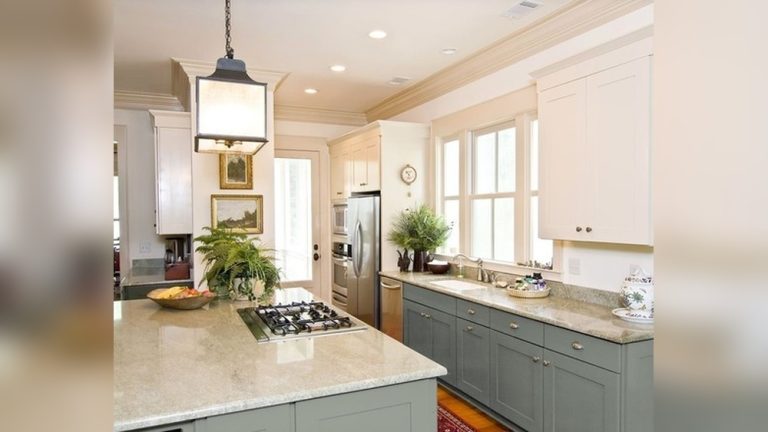
- Painted cabinets: Use soft cloths and mild soap; avoid abrasive cleaners.
- Stained wood: Dust regularly; polish with wood conditioners as needed.
- Laminate/thermofoil: Wipe with damp cloth; avoid harsh chemicals.
- Lacquer/varnish: Use specialty cleaners recommended by the manufacturer.
Dealing With Wear And Damage
- Chips and scratches: Touch-up kits are available for most finishes; match color carefully.
- Peeling or bubbling laminate: May require professional repair or panel replacement.
- Fading or yellowing: Use window treatments to minimize UV exposure.
When To Refinish Or Replace
Refinishing is possible for solid wood cabinets but rarely effective for laminate or thermofoil. If damage is extensive, replacement may be more cost-effective.
Example: Repainting Vs. Refacing
A homeowner with 15-year-old painted cabinets considered repainting but discovered extensive swelling and peeling. After comparing costs, refacing with new laminate doors provided a longer-lasting solution at a similar price.
Related Internal Link
Curious about how preservation methods compare in the kitchen? Explore Freeze-drying vs canning: Which is better for long-term food storage? for insights.
Trends And Innovations In Cabinet Finishes
New technologies and design preferences continue to shape kitchen cabinet finishes.
Popular Trends
- Two-tone cabinets: Upper and lower cabinets in different finishes (e.g., painted uppers, stained lowers).
- Textured laminates: Replicate wood grain or fabric for a tactile look.
- Matte finishes: Growing in popularity for both modern and rustic designs.
- Soft-close and touch-latch hardware: Now paired with finishes that minimize fingerprints and smudges.
Eco-friendly And Low-voc Finishes
Many manufacturers now offer low-VOC paints and stains that reduce off-gassing and environmental impact. Water-based finishes are gaining ground for their performance and safety.
Digital Printing And Customization
Advances in digital printing allow for highly customized laminate finishes, think photo-realistic wood, stone, or even patterned designs. This opens new creative possibilities without sacrificing durability.
Example: Eco-friendly Cabinets In A New Build
A new build project utilized water-based, low-VOC paints and stains. The result: beautiful, durable cabinets with minimal impact on indoor air quality, ideal for families with allergies or sensitivities.
External Resource
For more on sustainable cabinet finishes, visit Houzz.
Frequently Asked Questions
What Is The Most Durable Finish For Kitchen Cabinets?
Conversion varnish and UV-cured finishes are considered the most durable, offering superior resistance to moisture, chemicals, and daily wear. These are best applied by professionals and are often found in commercial or high-end residential kitchens.
Can I Paint Over Laminate Or Thermofoil Cabinets?
Painting over laminate or thermofoil is possible but requires special preparation, including sanding, priming with a high-adhesion primer, and using paint formulated for slick surfaces. Results may not be as durable as factory-applied finishes, so consider professional advice.
How Often Should I Refinish Or Repaint Kitchen Cabinets?
Well-applied finishes can last 10, 20 years, depending on usage and care. Repainting may be needed sooner in high-traffic areas or if the original prep was inadequate. Stained and sealed wood can be refreshed with new topcoats as needed.
Are There Finishes That Resist Fingerprints And Smudges?
Matte and satin finishes are better at hiding fingerprints than high-gloss surfaces. Some specialty laminates and modern paints are designed specifically to be smudge-resistant, making them a good choice for busy families.
What’s The Best Finish For A Diy Cabinet Project?
For DIYers, satin or semi-gloss latex paint is generally easiest to apply and maintain. Gel stains are also user-friendly for refreshing wood cabinets. Always prioritize thorough cleaning, sanding, and priming for best results.
The finish you choose for your kitchen cabinets is more than a surface decision, it shapes the style, maintenance, and longevity of your most-used space. Consider your lifestyle, design goals, and willingness to maintain your chosen finish. Whether you opt for the timeless warmth of stained wood, the crisp appeal of paint, or the resilience of laminate, a well-chosen finish can transform your kitchen and enhance your daily life.
In my experience, investing time in sampling and researching finishes pays off with cabinets you’ll love for years.
Products related to this article
Sponsored / affiliate links. As an Amazon Associate I earn from qualifying purchases. I may earn additional commission from eligible campaigns.