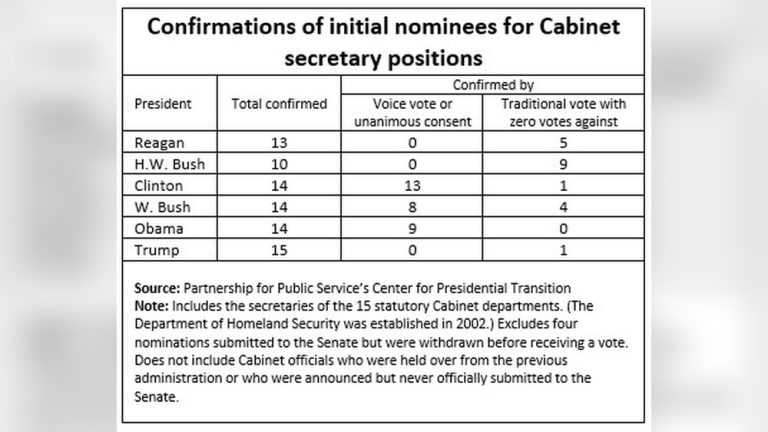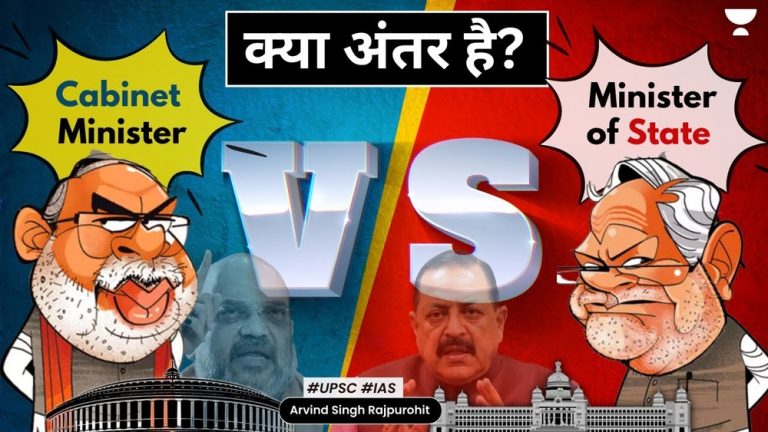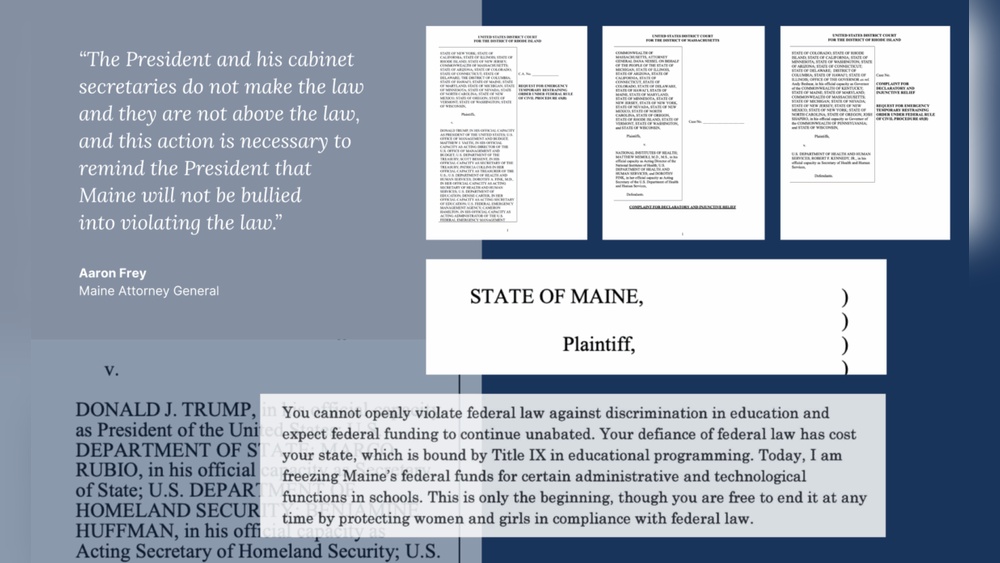
How Much Do Cabinet Secretaries Make
Understanding the salaries of Cabinet Secretaries is more than a matter of curiosity, it provides insight into the compensation structure for some of the most influential leaders in the United States government. These officials oversee massive federal agencies, shape national policy, and are directly accountable to the President.
Despite their immense responsibilities and public visibility, Cabinet Secretaries’ pay is set by law, making it a subject of public record and scrutiny.
Many people assume that high-level government officials are handsomely rewarded. However, when compared to private sector executives with similar levels of responsibility, Cabinet Secretaries’ salaries often appear surprisingly modest. This article explores exactly how much Cabinet Secretaries make, the structure behind their compensation, how it compares to other senior government roles, and what additional benefits and challenges come with serving in these pivotal positions.
Key Takeaways
- Cabinet Secretaries’ salaries are set by federal law, not by the President or Congress individually.
- The 2026 base annual salary for a Cabinet Secretary is $221,400.
- Cabinet Secretaries receive benefits similar to other federal employees but do not receive performance bonuses.
- Their compensation is considerably lower than private sector executives overseeing organizations of comparable scale.
- Ethical constraints and public scrutiny affect outside income and financial holdings.
- The role is high-profile and demanding, with significant personal and professional trade-offs.
The Structure Of Cabinet Secretary Compensation
Understanding how Cabinet Secretaries are paid requires a look at the legal and bureaucratic frameworks that determine federal executive salaries.
The Executive Schedule Pay System
The pay of Cabinet Secretaries is governed by the Executive Schedule, a pay scale established by Congress for high-ranking federal officials. The Executive Schedule consists of five levels:
- Level I: Cabinet Secretaries and a few other top officials
- Level II: Deputy Secretaries, Under Secretaries, and similar positions
- Level III-V: Assistant Secretaries, Administrators, and other senior roles
Cabinet Secretaries are classified at Level I, the highest of these five tiers.
Current Salary For Cabinet Secretaries
As of 2026, the annual salary for a Level I Executive Schedule official is $221,400. This salary is set by law and adjusted periodically for cost of living or inflation, but not every year. It’s worth noting that this figure is before taxes and does not include other federal benefits.
Comparison Table: Executive Schedule Levels And Salaries (2026)
| Level | Position Examples | Annual Salary (2026) |
|---|---|---|
| I | Cabinet Secretaries | $221,400 |
| II | Deputy Secretaries | $203,700 |
| III | Under Secretaries | $191,900 |
| IV | Assistant Secretaries | $183,500 |
| V | Administrators, Commissioners | $172,500 |
Who Decides These Salaries?
The United States Congress sets the pay for executive branch officials, including Cabinet Secretaries, through legislation. Adjustments are typically included in annual appropriations bills or as part of broader federal pay reforms.
No Performance Bonuses
Unlike private sector executives, Cabinet Secretaries do not receive performance bonuses or stock options. Their compensation is strictly regulated, and any additional pay must be authorized by law.

Credit: www.citizensforethics.org
What Benefits Do Cabinet Secretaries Receive?
While the base salary is public information, Cabinet Secretaries also receive an array of benefits, which are similar to those available to other federal employees but with a few distinctions due to the nature of their roles.
Health And Insurance Benefits
- Federal Employees Health Benefits (FEHB): Choice of comprehensive health insurance plans
- Dental and Vision Coverage: Optional plans through FEDVIP
- Federal Employees Group Life Insurance (FEGLI): Basic and supplemental options
Retirement Benefits
- Federal Employees Retirement System (FERS): Pension based on years of service and salary
- Thrift Savings Plan (TSP): Government-sponsored retirement savings, similar to a 401(k)
- Social Security: Coverage and contributions as with other federal employees
Additional Perks And Allowances
- Official Residences: Only the Vice President has an official residence; Cabinet Secretaries do not.
- Security Details: Certain Secretaries (e.g., State, Defense, Homeland Security, Treasury) may have security teams.
- Travel Allowances: Reimbursement for official travel, including international trips.
- Office and Staff: Access to dedicated staff, office space, and resources to carry out their duties.
Pro Tip:
Many of these benefits are available to all federal employees, not just Cabinet Secretaries. However, the visibility and security needs at the Secretary level often require additional resources.
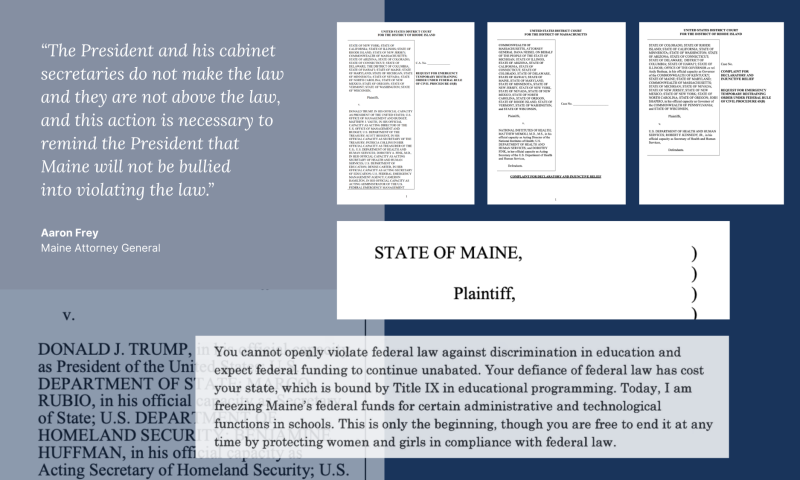
Credit: www.penbaypilot.com
Cabinet Secretaries’ Salaries Vs. Other Senior Government Officials
To put Cabinet Secretaries’ pay into perspective, it’s useful to compare their compensation with other top government positions.
Comparison Table: Cabinet Secretaries Vs. Other Federal Leaders
| Position | 2026 Annual Salary | Notes |
|---|---|---|
| President of the United States | $400,000 | Also receives $50,000 expense allowance |
| Vice President | $261,400 | Includes official residence |
| Cabinet Secretary | $221,400 | Level I Executive Schedule |
| U.S. Senator / Representative | $174,000 | Rank-and-file members |
| Federal Judge (District) | $232,600 | Lifetime appointment |
| Supreme Court Justice | $298,500 | Chief Justice: $312,200 |
Insights From This Comparison
- Cabinet Secretaries make less than the President, Vice President, and Supreme Court Justices, but more than most members of Congress.
- Federal judges, especially at the Supreme Court level, have higher pay, in part due to lifetime tenure and the need to attract top legal talent.
- Unlike Congress members, Cabinet Secretaries are not allowed to earn outside income beyond limited, pre-approved sources, making the role less lucrative than some might expect.
Case Study: Secretary Of State Vs. Private Sector Ceo
Consider the Secretary of State, who manages a workforce of over 75,000 employees and a budget of more than $50 billion. In the private sector, a CEO overseeing a similarly sized organization would often command a total compensation package in the millions, including bonuses and stock options. The Secretary of State, however, is limited to the statutory salary and federal benefits.

Credit: themainemonitor.org
How Cabinet Secretary Salaries Have Changed Over Time
Cabinet Secretary pay has changed slowly, largely due to political considerations and public scrutiny.
Historical Salary Trends
In 1969, a Cabinet Secretary earned $60,000 per year, equivalent to about $488,000 in 2026 dollars after adjusting for inflation, according to the U.S. Bureau of Labor Statistics CPI Inflation Calculator. This shows that, in real terms, Cabinet Secretaries’ salaries have declined over the last five decades.
Legislative Changes
Congress occasionally raises Executive Schedule pay, but increases are often modest and infrequent. Political concerns about government spending and optics make major increases unlikely.
Table: Cabinet Secretary Salary Over The Years
| Year | Annual Salary | Inflation-Adjusted (2026 $) |
|---|---|---|
| 1969 | $60,000 | $488,000 |
| 1989 | $99,500 | $246,000 |
| 2009 | $196,700 | $267,000 |
| 2026 | $221,400 | $221,400 |
Factors Affecting Raises
- Public Perception: Raises for top officials are often politically unpopular.
- Cost-of-Living Adjustments: Small, periodic increases may be tied to inflation.
- Legislative Action: Only Congress can approve increases.
Financial Disclosure And Ethics Requirements
Cabinet Secretaries face stringent requirements designed to ensure public trust and prevent conflicts of interest.
Public Financial Disclosure
Every Cabinet Secretary must file an annual financial disclosure report, detailing:
- Assets and income sources
- Liabilities
- Gifts and reimbursements
- Outside positions and agreements
These disclosures are reviewed by the Office of Government Ethics and made available to the public.
Restrictions On Outside Income
Cabinet Secretaries are prohibited from:
- Earning outside income from most sources, including speaking fees, consulting, or board service.
- Holding stock or other financial interests in companies regulated by their department.
Post-government Employment
After leaving office, many Cabinet Secretaries face “cooling-off” periods that restrict their ability to lobby or work for companies they previously regulated. This can impact their future earning potential, at least temporarily.
Example: Secretary Of The Treasury
When Janet Yellen became Treasury Secretary, she divested stocks and resigned from paid speaking engagements, in accordance with federal ethics laws (The New York Times). This is standard practice for incoming Cabinet officials.
Real-world Examples And Short Case Studies
To better understand the realities of Cabinet Secretary compensation, let’s examine a few real-world scenarios.
Example: Transitioning From Private Sector To Public Service
Former Secretary of Defense James Mattis left a lucrative private sector position at General Dynamics, where he earned over $900,000 in salary and compensation, to serve as Secretary of Defense at $221,400 per year. This dramatic pay cut is common among appointees with successful private sector backgrounds.
Example: Career Federal Employee Appointed To Cabinet
Secretary of Veterans Affairs Denis McDonough previously served in government roles, including White House Chief of Staff. For career public servants, the Cabinet Secretary salary may represent a pay increase, though still modest compared to senior private sector executives.
Example: Returning To Academia After Service
Secretary of Education Miguel Cardona returned to academia after his government service. While the Cabinet salary is higher than many academic roles, post-government opportunities often pay more, particularly in the private sector or as university presidents.
Example: Ethics And Financial Trade-offs
In my experience researching public administration, many Cabinet Secretaries cite the loss of privacy, restrictions on outside income, and mandatory divestiture of assets as significant personal sacrifices. These trade-offs are made in exchange for the privilege, and responsibility, of public service.
Cabinet Secretaries’ Pay In International Perspective
How does the pay of U. S. Cabinet Secretaries stack up against similar officials in other countries?
Comparison Table: Cabinet Secretary Pay In Selected Countries (2026)
| Country | Cabinet Minister Salary (USD) | Notes |
|---|---|---|
| United States | $221,400 | Level I Executive Schedule |
| United Kingdom | $200,000 | Secretary of State, includes MP salary |
| Canada | $255,300 | Minister, includes MP salary |
| Germany | $215,000 | Federal Minister |
| Australia | $314,000 | Cabinet Minister |
Insights
- U.S. Cabinet Secretaries’ pay is in line with other developed nations, though Australia and Canada pay more.
- All these roles come with significant public scrutiny, ethical restrictions, and demands.
Challenges And Trade-offs Of Serving As A Cabinet Secretary
While the position comes with prestige and the opportunity to shape national policy, it also entails unique challenges.
Heavy Workload And Public Scrutiny
- Long Hours: 60-80 hour workweeks are common.
- Constant Availability: Secretaries must respond to crises or policy issues at any hour.
- Media Scrutiny: Every decision is subject to intense media and public attention.
Financial Trade-offs
- Lower Salary: Many Cabinet Secretaries take pay cuts to serve.
- Asset Divestiture: Required to avoid conflicts of interest, sometimes at a financial loss.
- No Lucrative Bonuses: Unlike private sector executives, compensation is fixed.
Personal Sacrifices
- Security Restrictions: Some Secretaries live under tight security.
- Family Impact: Public service can be stressful for family members.
- Post-Service Limitations: Restrictions on future employment can affect long-term financial planning.
Example: Secretary Of Homeland Security
The Secretary of Homeland Security is on call 24/7, required to respond to emergencies ranging from natural disasters to terrorist threats. The demands of the role often come at the expense of personal time and privacy.
How Cabinet Secretary Salaries Compare To Private Sector Executives
The compensation gap between Cabinet Secretaries and private sector leaders is significant, especially when considering the size and complexity of federal agencies.
Private Sector Executive Compensation
- Fortune 500 CEOs: Median total compensation exceeds $15 million (2026, Equilar report)
- Large Nonprofit CEOs: Salaries range from $500,000 to $2 million
Key Differences
- Bonuses and Stock Options: Common in private sector, absent in government roles
- Perks: Private executives often receive housing allowances, private jet access, and club memberships
Example: Department Of Health And Human Services
With a budget of over $1.3 trillion and more than 80,000 employees, the Secretary of Health and Human Services oversees an organization larger than most Fortune 100 companies. In the private sector, an executive managing a similar entity would earn several million dollars annually.
Pro Tip:
If maximizing personal income is the goal, the private sector far outpaces government service at the Cabinet level. Many Secretaries accept the role out of a sense of duty, not for financial reward.
Frequently Asked Questions
How Long Can A Cabinet Secretary Serve?
There is no fixed term for Cabinet Secretaries. They serve at the pleasure of the President and can be replaced at any time. Some serve for the entire presidential administration, while others may leave earlier for personal or professional reasons.
Can Cabinet Secretaries Keep Outside Jobs Or Make Money From Other Sources?
No, Cabinet Secretaries are prohibited from earning outside income from most sources while in office. They cannot have paid consulting roles, board positions, or outside employment. Exceptions are rare and require pre-approval by ethics officials.
Do Cabinet Secretaries Receive A Pension?
Yes, Cabinet Secretaries participate in the Federal Employees Retirement System (FERS), provided they have enough federal service to vest. However, a short tenure as Secretary alone is usually not enough to qualify for a significant pension; prior federal service is often necessary.
What Happens To Cabinet Secretaries’ Financial Investments?
Cabinet Secretaries are required to divest financial holdings that could pose conflicts of interest with their official duties. They may place assets in blind trusts, sell certain stocks, or recuse themselves from matters involving specific companies. The Office of Government Ethics oversees these actions.
Are Cabinet Secretaries’ Salaries Subject To State Or Federal Income Tax?
Yes, Cabinet Secretaries’ salaries are fully taxable at both the federal and (if applicable) state level. There are no special exemptions for their government service, and they must file tax returns like other American citizens.
Serving as a Cabinet Secretary is among the most challenging and high-profile roles in American public life. Their salaries are set by law, reflecting a balance between public accountability and the need to attract talented leaders. While the pay is substantial in absolute terms, it pales in comparison to the private sector, especially considering the immense scope and scrutiny of the job. For most, the motivation to serve stems from a commitment to public service and the opportunity to shape the nation’s future, rather than financial reward. If you are interested in related topics, you might explore how choosing the right canning method is crucial for preserving food safely or discover the fascinating history of when canning started. For further information on federal salaries and ethics, consult the U.S. Office of Personnel Management.
Products related to this article
Sponsored / affiliate links. As an Amazon Associate I earn from qualifying purchases. I may earn additional commission from eligible campaigns.