How Much Do Cabinet Pulls Cost?
Cabinet pulls often cost about $2 to $20 each at retail, with many homeowners landing around $4 to $10 per piece for standard styles; larger designer pulls can run $15 to $30+ each. Those ranges line up with common retail pricing from big-box and specialty sellers, while installation estimates from labor marketplaces and contractor estimate tools tend to put hardware installation in a separate labor bucket that can rival the parts cost in a full kitchen. Buy the wrong pack size, finish, or hole spacing, and your total can climb fast or leave you short on matching pieces. This guide breaks down per-piece pricing, pack math, and a simple way to estimate your full kitchen hardware budget before you order.
Quick estimator checklist: count every door and drawer, confirm center-to-center spacing for each replacement, split the order into standard and oversized pieces, convert every pack price to a per-piece cost, and then add installation labor only after the hardware list is final.
Cabinet pull price ranges
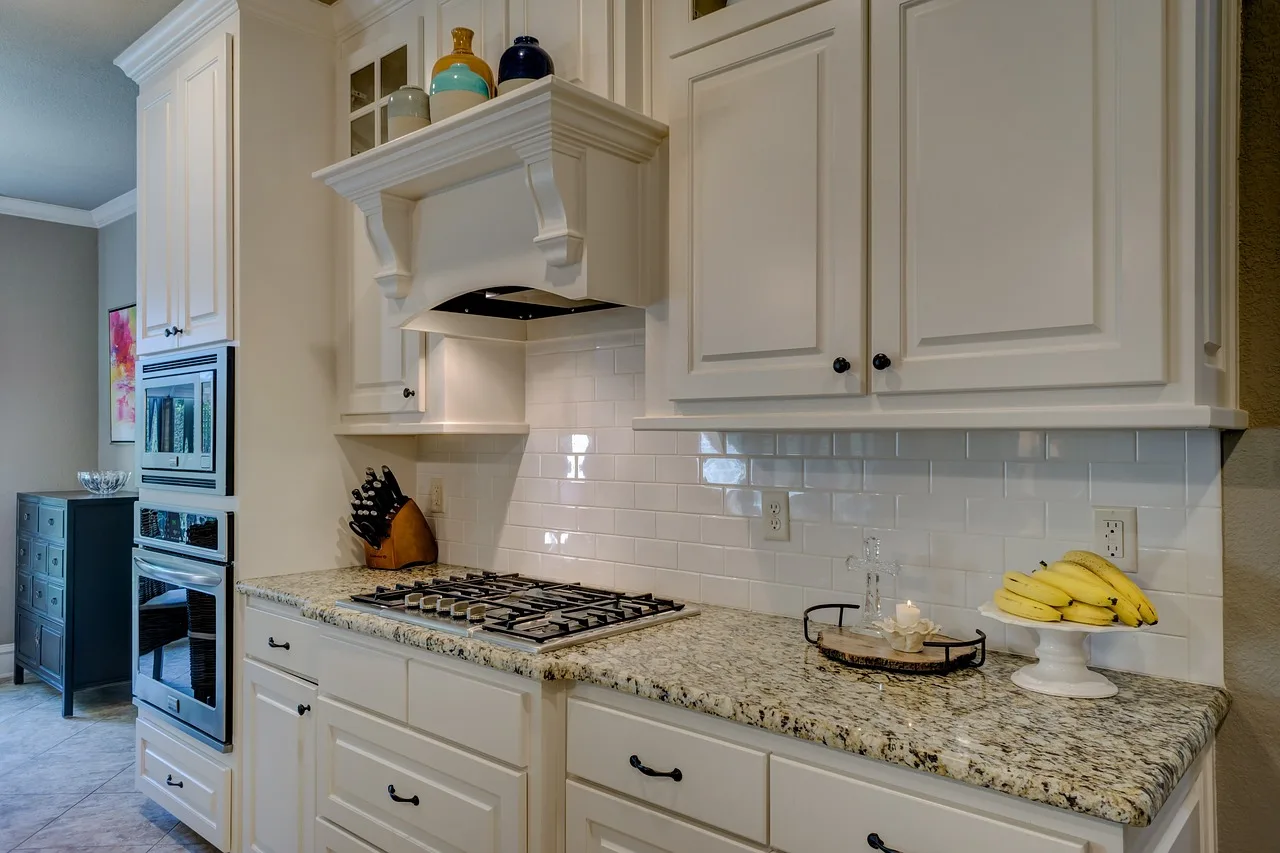


Short answer: most cabinet pulls fall between $2 and $20 each, with common homeowner purchases landing around $4 to $10 per pull before labor.
Cabinet pulls are usually a hardware-only purchase, and the broadest useful budget range is $2 to $20 per pull, with most homeowners landing in the $4 to $10 band. Larger or more decorative pulls can climb to $15 to $30+ each, especially when finish, length, and material move up together. These ranges are consistent with retail pricing patterns seen at national sellers and contractor estimate tools; the total project price still depends on whether you are replacing only the visible hardware or also drilling new holes.
Budget, mid-range, and premium per-piece prices
Short answer: budget pulls are simple and light, mid-range pulls add better finish quality, and premium pulls usually cost more because of material, plating, and longer spans.
Budget pulls are usually plain zinc alloy, steel, or basic ceramic pieces with simple finishes. Mid-range pulls often add better plating, more size choices, and a heavier metal feel. Premium pulls tend to be brass, bronze, or custom-finished pieces, and the price rises with material content and detailing.
Pulls, handles, and knobs do not price the same way. Knobs usually sit at the low end, short pulls sit in the middle, and long bar pulls cost more because they use more material and often need tighter quality control on plating and straightness. For a side-by-side style decision, see cabinet pulls vs knobs.
How pack pricing changes the true unit cost
Short answer: the real price is the pack price divided by the number of pieces, and that math can change your budget by tens of dollars on a full kitchen.
Retail packs can make a pull look cheaper than it really is. A 2-pack at $13 costs about $6.50 per piece, while a 2-pack at $17 costs about $8.50 per piece. That matters when you need 20 to 40 pieces, because the pack count can force extra purchases or leave you with leftover hardware that does not match anything else.
Single-piece pricing is easier to compare, but many stores sell hardware in pairs. Always convert the pack price to a per-piece number before you compare styles, or you may overbuy by a full pack or miss the cost of ordering one extra set for a damaged cabinet door.
What changes the price?
Short answer: material, finish, size, and spacing drive most of the cost, while labor can matter as much as the hardware itself.
Cabinet hardware cost changes with material, finish, size, and how many pieces you need. The same shape can cost little in zinc alloy and much more in brass or bronze. Larger kitchens cost more overall because they need more pieces, and labor can take a large share of the total bill.
Material differences
Short answer: base metals keep prices down, while brass and bronze usually cost more because the material and finish both move up together.
Common materials include stainless steel, brass, bronze, ceramic, wood, resin, and zinc alloy. Ceramic cabinet hardware starts at about $1 per item and can average up to roughly $15, while bronze cabinet hardware is commonly listed from about $10 per item and can reach much higher for specialty pieces. Those spans are broad because retail pricing depends on size, coating, and whether the piece is sold singly or in a pack.
Wood and resin can stay low to mid-range, but the look is more style-driven than utility-driven. Stainless steel usually sits in a practical middle zone for kitchens because it resists daily wear and pairs well with appliance finishes. Brass can move from affordable to premium quickly, especially in larger sizes.
Finish differences
Short answer: finish can change the price almost as much as the base metal, and matching the finish across the room matters more than saving a dollar or two per piece.
Finish changes the price almost as much as material. Brushed, matte black, chrome plated, stainless steel, and brass color finishes are common, but the same shape can cost more once the plating gets thicker or the coating is harder to match across a full set. Matte black often prices above plain brushed metal, while chrome plated pieces can vary widely by base metal.
Finish matching matters more than many shoppers expect. If you mix brushed pulls with chrome plated knobs, the room can look mismatched even when the prices were close. For a kitchen, finish consistency usually matters more than choosing the cheapest individual piece.
Size and hole-spacing effects
Short answer: the larger the pull, the higher the price and the more important center-to-center spacing becomes.
Pull length affects both price and fit. Common replacement sizes include 3 1/2 inch, 5 7/16 inch, 12 inch, and 16 3/4 inch spacing. Shorter pulls usually cost less, and longer pulls cost more because they use more material and often need more exact alignment.
Hole spacing matters because replacement hardware has to match the existing center-to-center distance. Installers typically measure from the center of one screw hole to the center of the other, not from edge to edge, because that is the dimension manufacturers use. If your old pull is 5 7/16 inch and the new one is 3 1/2 inch, you may need new drilling or filler work. That can add labor, create visible patching, or force you into a different size than the one you first picked. For a deeper walkthrough, see measuring cabinet hole spacing.
How much do cabinet knobs cost?
Short answer: knobs are usually the cheapest option, but decorative finishes can move them into pull territory.
Cabinet knobs usually cost less than pulls. Many basic knobs land in the low single digits per piece, while better materials and finishes can push them into the same price band as short pulls. Ceramic and zinc alloy are common budget materials, while brass, bronze, and plated finishes cost more.
Knob price bands by material
Short answer: knobs cost less mainly because they use less material, not because they are always lower quality.
Knobs often sit below pulls because they use less material and cover a smaller footprint. Ceramic knobs are a common low-cost option, and simple resin or wood knobs can also stay affordable. Brass and bronze knobs cost more, especially when the finish is designed to match a larger handle set.
IKEA lists ENERYDA knobs for $9.00 per 2-pack and KALERUM knobs for $6.00 per 2-pack. That puts the per-piece cost at $4.50 and $3.00 respectively, which is a useful check against single-piece prices at other retailers.
When knobs cost less than pulls
Short answer: knobs are usually cheaper on small doors and upper cabinets, but not always cheaper when the design is decorative.
Knobs are often the cheaper choice for small doors, upper cabinets, or low-traffic rooms. They also make sense when you want to cap the budget on a full kitchen. If you only need a simple grip, a knob can cost less than a pull of the same finish and still look consistent across the room.
That said, knobs are not always the cheapest choice once you move into decorative brass or specialty ceramic. A large, detailed knob can cost more than a basic short pull, so compare per-piece prices instead of assuming the shape tells you the price.
Pack pricing for knobs
Short answer: the math is the same as pulls: divide the pack price by the number of pieces before you compare.
Knob packs can look inexpensive at checkout, but the per-piece math still matters. A 2-pack at $6 costs $3 per knob, while a 2-pack at $9 costs $4.50 per knob. If you need 24 pieces, a small difference per item can change the total by dozens of dollars.
When you are mixing knobs and pulls in one kitchen, keep the same finish family and size range in view. A cheap knob that clashes with a more expensive pull can make the whole set look mismatched.
How much do cabinet handles cost?
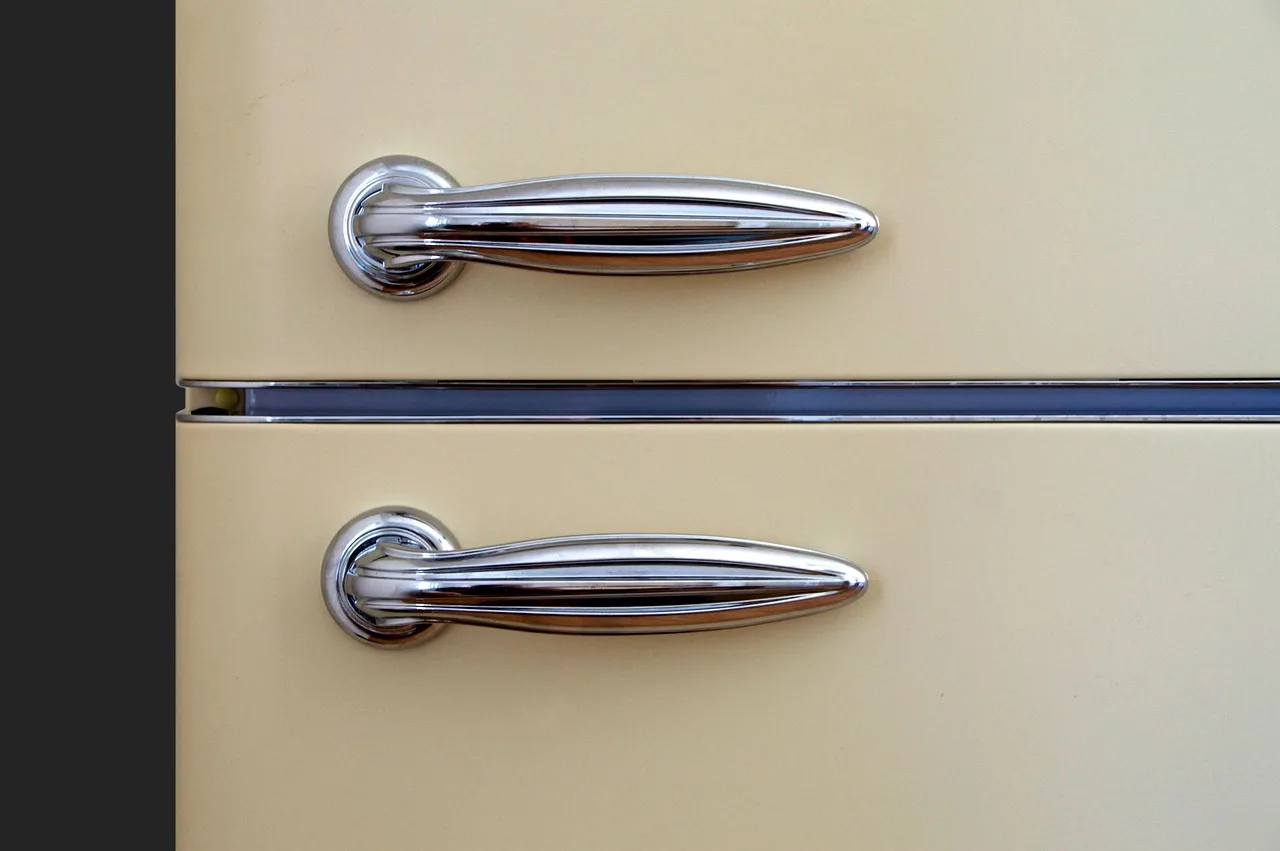
Short answer: handles usually cost about the same as comparable pulls, but longer spans raise the price quickly.
Cabinet handles usually cost more than knobs and can cost less or more than pulls depending on length. Short handles are often in the same range as standard pulls, while longer bar handles cost more because they use more material. For most buyers, the useful comparison is price per piece and price per inch of length.
Handle pricing versus short pulls
Short answer: a compact handle can price like a standard pull, but longer handles move up fast because the metal content and finish coverage increase.
Handles and pulls are often used interchangeably in shopping, but the price shifts with length and shape. A compact handle may cost about the same as a basic pull, while a longer handle raises the bill. Most cabinet hardware hinges and handles average $2 to $50 each, which covers simple knobs through larger specialty pieces.
IKEA sells KALERUM handles for $11.00 per 2-pack, BORGHAMN handles for $17.00 per 2-pack, BILLSBRO handles for $7.00 per 2-pack, and BILLSBRO handles in a 12-inch size for $13.00 per 2-pack. Those prices show how length changes the per-piece cost even within one product family.
Common lengths and spacing choices
Short answer: longer handles are more likely to need templates, because the farther apart the screws are, the more obvious any misalignment becomes.
Short handles often use 3 1/2 inch or 5 7/16 inch spacing for smaller drawers and doors. Larger options like 12 inch and 16 3/4 inch spacing are more common on wide drawers or tall pantry doors. As the spacing grows, so does the chance that a replacement will not line up with an existing hole pattern.
A common first-timer mistake is ordering a longer handle because it looks better in a photo, then discovering the old hole spacing does not match. On long pulls, pros often use a drilling template or jig so the new holes stay centered and level; that matters even more when the cabinet face frame is uneven or the drawer front is oversized. For practical compare-and-buy guidance, see pulls vs knobs by use case.
Where larger handles raise the bill
Short answer: the bigger the handle, the more likely the final cost rises because of both parts and installation time.
Larger handles cost more in direct purchase price and can also raise installation complexity. Wide drawers may need stronger mounting points, and a mismatch between the old and new spacing can add labor. If you are replacing every piece in a kitchen, that extra cost multiplies fast.
How much do cabinet hardware cost?
Short answer: full kitchen hardware budgets are driven by cabinet count, not by the price of one pull.
A full hardware budget depends on piece count, not just the sticker price of one pull. An average 200-square-foot kitchen may need 20 to 40 pieces of hardware, so a modest per-piece change can move the project total by a meaningful amount. That is why it helps to price the room by cabinet count first.
Estimating a full kitchen from cabinet count
Short answer: count the pieces first, then assign a price to each type; that gives you a much more reliable total than shopping by style alone.
Use the piece count first, then split it between pulls, handles, and a few knobs if needed. If the kitchen needs 20 pieces and your average price is $6 each, the hardware-only total is about $120. At 40 pieces, the same average becomes about $240 before tax and shipping.
Say your kitchen has 24 pieces to buy: 16 standard pulls, 6 larger pulls, and 2 knobs for smaller upper doors. If the standard pulls cost $4 each, the larger pulls cost $8 each, and the knobs cost $3 each, the total is 16 × $4 = $64, plus 6 × $8 = $48, plus 2 × $3 = $6, for a hardware subtotal of $118. If you buy the same kitchen in packs, the final number can shift up or down depending on whether you need one extra pack or have leftovers you will never use.
Sample total for a 20-door kitchen
Short answer: for 20 doors, a mixed order is usually cheaper and more realistic than buying one premium style for every opening.
For a 20-door kitchen, a simple mixed estimate can use two pull sizes and one knob fallback. For example, if 12 doors use a mid-size pull, 6 use a smaller pull, and 2 use knobs, the total stays easier to control than buying one high-end style for every opening. The key is matching the count to the cabinet layout, not the room label.
Using a knob fallback to control spend
Short answer: knobs are a good budget control on small or low-traffic doors, especially when the main drawers need the better grip of a pull.
Knob fallback helps on small doors, utility cabinets, or upper runs where a full pull is not necessary. This is a clean way to avoid overspending on every piece while keeping the main drawers and working zones on a more comfortable grip size. It also reduces the chance of overbuying premium pulls for spots that do not need them.
Kitchen hardware price map
Short answer: use this map to compare style tiers, per-piece averages, and pack break-even points before you buy.
This price map gives a practical buying range, not a quote. It separates budget, mid-range, and premium pieces so you can compare single-piece prices against pack pricing and estimate a full kitchen without buying extras you do not need. Use it with your cabinet count and hole spacing before you place an order.
| Tier | Expected per-piece pull price | Typical pack math | Sample 20-door kitchen total | Compatibility note |
|---|---|---|---|---|
| Budget | $2 to $6 | 2-pack at $6 to $12; $3 to $6 per piece | 12 pulls at $4 + 6 pulls at $3 + 2 knobs at $3 = $66 | Best when 3 1/2 inch or 5 7/16 inch spacing already matches; finish is easiest to keep uniform in brushed or matte black. |
| Mid-range | $6 to $15 | 2-pack at $11 to $30; $5.50 to $15 per piece | 12 pulls at $9 + 6 pulls at $12 + 2 knobs at $4.50 = $162 | Works well when you need a mix of 5 7/16 inch and 12 inch pieces, but you should confirm center-to-center spacing before ordering. |
| Premium | $15 to $30+ | 2-pack at $30+; $15+ per piece | 12 pulls at $18 + 6 pulls at $24 + 2 knobs at $12 = $348 | Best for matched brass color, stainless steel, or bronze sets; a hole-spacing mismatch can erase the value of the higher finish. |
That table shows why finish and spacing matter as much as the base price. A premium look on a small kitchen can still be affordable, but the same style in 16 3/4 inch spacing or a nonmatching finish can force you into re-drilling or ordering an extra set.
Cabinet hardware installation cost
Short answer: installation is a separate budget line, and labor can be the biggest variable when the spacing or drilling is not straightforward.
Hardware installation is a separate budget from the purchase price. National estimate tools and contractor pricing guides commonly place cabinet hardware installation in a broad range because project complexity varies so much, but the meaningful takeaway is that labor can be modest for a like-for-like swap and much higher when holes need to be moved, patched, or drilled from scratch. The average cost to install cabinet hardware is often cited around $300, with many projects landing around $120 to $2,400 for an average-size kitchen depending on piece count and site conditions.
Typical labor cost range
Short answer: simple swaps are cheaper, while drilling, alignment, and patching push labor up fast.
Labor usually takes a large part of the total when the hardware itself is inexpensive. If the pieces are basic but the installation needs careful spacing, patching, or drilling, the labor share can exceed the hardware share. That is why a low-cost pull set does not always mean a low project total.
Labor versus parts split
Short answer: parts are the hardware; labor is the measuring, drilling, fastening, and cleanup.
A simple split can look like this: parts cover the pulls, knobs, or handles; labor covers measurement, drilling, fastening, and cleanup. In a small update, parts may be the smaller number. In a full kitchen with difficult spacing, labor can rival or exceed the hardware bill.
Suppose a homeowner buys a $160 hardware set for a medium kitchen and hires a pro for a straightforward swap. The hardware may stay within budget, but the total project can still rise quickly once labor is added. Compare quotes before buying so the hardware style fits the installation plan. If you need to budget the install itself, see cabinet hardware installation cost.
How room size changes the project total
Short answer: more cabinets usually means more pieces, more layout checking, and more labor time.
Room size changes cost mostly through piece count. A 200-square-foot kitchen may need 20 to 40 pieces, so a larger room naturally needs more hardware and more labor time. Bathrooms usually need fewer pieces, which keeps both parts and labor lower than a full kitchen replacement.
- Count every door and drawer that needs a pull, handle, or knob.
- Check the existing hole spacing for each replacement piece.
- Group the kitchen into standard and oversized hardware.
- Convert pack prices to per-piece prices before comparing options.
- Add labor only after the hardware list is final.
Frequently asked questions
How much do cabinet pulls cost?
Short answer: cabinet pulls usually cost $2 to $20 each, with many homeowners paying about $4 to $10 per pull.
Cabinet pulls usually cost $2 to $20 each, and most homeowners pay $4 to $10 apiece. Larger or more decorative pulls can run $15 to $30+. Material, finish, and length all change the price, so a simple stainless steel pull can cost much less than a brass or bronze option.
How much should cabinet pulls cost?
Short answer: for a standard kitchen, $4 to $10 per pull is a practical target if you want a balanced look and budget.
For a standard kitchen, cabinet pulls should usually land in the $4 to $10 range if you want a practical balance of cost and appearance. Budget sets can go lower, and premium designs can go much higher. The best target depends on your room size, finish match, and whether you are buying in packs.
How much does cabinet hardware cost?
Short answer: cabinet hardware cost depends on piece count, style mix, and whether installation is included.
Cabinet hardware cost depends on piece count, not just one price tag. An average 200-square-foot kitchen may need 20 to 40 pieces, so the total can stay modest or climb quickly. Hardware-only costs can be low, but installation and room size can change the final project total a lot.
How much does kitchen cabinet hardware cost?
Short answer: kitchen cabinet hardware can stay affordable with basic pulls, but premium finishes and long handles move the total up quickly.
Kitchen cabinet hardware can range from a small budget update to a much larger premium order. If you buy mostly basic pulls and a few knobs, the total can stay controlled. If you choose brass, bronze, or long handles, the per-piece cost rises and the room total follows.
Products related to this article
Sponsored / affiliate links. As an Amazon Associate I earn from qualifying purchases. I may earn additional commission from eligible campaigns.