What To Do With The Space Above Kitchen Cabinets
The space above kitchen cabinets is often a forgotten zone, collecting dust, harboring clutter, or simply sitting empty and uninspired. Yet, this area offers remarkable potential for both function and style. Whether you crave extra storage, want to showcase your personality, or aim to elevate your kitchen’s design, making thoughtful choices for this space can transform the entire room.
With kitchens being the heart of the home, optimizing every inch counts, especially as open-concept living and efficient use of vertical space become increasingly valued in modern homes.
Homeowners and designers alike debate: should the gap above cabinets be left open, filled with cabinetry, or creatively styled? The answer depends on your needs, kitchen layout, and personal taste. In this guide, we’ll share expert insights, innovative ideas, and practical tips, balancing aesthetics, storage, and maintenance, to help you decide exactly what to do with the space above your kitchen cabinets.
Key Takeaways
- The space above kitchen cabinets can be used for storage, décor, or architectural enhancement.
- Consider maintenance, accessibility, and overall kitchen style before making changes.
- Real-world examples show increased home value and improved kitchen functionality from creative use of this area.
- Using the space for closed storage helps reduce dust and clutter, while open styling allows for personal expression.
- Budget, lighting, and cleaning requirements are key factors in choosing your best option.
Understanding The Design Potential Of Above-cabinet Space
The area above kitchen cabinets, sometimes called a “soffit” or “bulkhead,” varies in size, typically ranging from 12 to 24 inches high. This space presents unique design opportunities but also some challenges. It’s visible from many angles in an open kitchen, making it a prime canvas for both style and function.
The Psychology Of Vertical Space
Vertical space draws the eye upward, creating a sense of spaciousness. Designers often use this effect to make kitchens feel taller and more open. Utilizing the gap above cabinets can:
- Add visual interest and dimension to your kitchen
- Help balance ceiling height, particularly in rooms with high or vaulted ceilings
- Provide a canvas for color, texture, or lighting enhancements
Style Considerations
Before deciding how to use this space, evaluate your kitchen’s existing style:
- Modern kitchens: Tend to favor clean lines, minimal ornamentation, and closed cabinetry that reaches the ceiling or leaves a crisp, open gap.
- Traditional kitchens: Often feature decorative moldings, crown finishes, and collections or displays above cabinets.
- Transitional kitchens: Blend elements, offering flexibility for either subtle styling or bold displays.
Pro Tip: When updating above-cabinet areas, ensure your choices complement flooring, backsplash, and cabinet finishes for a cohesive look.
Common Challenges
While the design potential is vast, there are notable issues to address:
- Dust accumulation: Open areas attract dust and grease, requiring regular cleaning.
- Awkward access: The space is often out of easy reach, limiting its use for everyday items.
- Lighting conflicts: Overhead lighting or pendant fixtures can visually compete with above-cabinet décor.
By understanding these factors, you can better plan a solution that suits your kitchen’s layout and your lifestyle.
Storage Solutions: Maximizing Functionality
Turning the above-cabinet gap into useful storage is a top priority, especially in kitchens with limited cabinetry. Options range from open baskets to custom-built enclosures, each with pros and cons.
Closed Storage: Extending Cabinetry
Enclosing the gap with custom cabinetry or doors transforms the space into dust-free storage. This is especially beneficial for stashing infrequently used kitchenware, seasonal items, or bulk pantry goods.
| Storage Solution | Pros | Cons | Best For |
|---|---|---|---|
| Custom Upper Cabinets | Seamless look, maximizes storage, reduces dust | Higher cost, requires professional installation | Modern, high-end kitchens |
| Lift-up Doors | Accessible, keeps contents hidden | May need special hardware | Frequent-access storage |
| Pull-Out Bins | Flexible, easy to clean | Less visually appealing | Budget-friendly solutions |
Open Baskets And Containers
For a cost-effective, accessible approach, use matching baskets or decorative boxes. This keeps the area organized and adds a stylistic element.
- Choose containers with lids to minimize dust.
- Label baskets for easy identification.
- Opt for materials that coordinate with cabinet color or hardware.
Example: A homeowner in Portland added woven baskets above her cabinets for storing picnic supplies and large baking sheets. The baskets not only blended with her rustic kitchen style but also made seldom-used items easy to find.
Display Shelving
In some kitchens, the area above cabinets is large enough for shelves. Adding shelving increases storage and display space, perfect for cookbooks or attractive dishware.
- Use sturdy brackets to ensure safety.
- Consider lighting to highlight displays.
Appliance And Bulk Storage
Store appliances you rarely use, such as slow cookers, large blenders, or seasonal gadgets, in labeled boxes above cabinets. This approach frees up valuable lower-cabinet space for daily essentials.
Pro Tip: Only store lightweight items above cabinets to prevent accidents and make cleaning easier.
Decorative Ideas To Elevate Your Kitchen
Beyond storage, the space above kitchen cabinets offers a stage for personal expression and design flair. Whether you’re a collector, an art lover, or simply want to add color, this area can help set your kitchen apart.
Art And Collectibles
Display framed artwork, vintage signs, or a curated collection of ceramics. This draws the eye upward and infuses personality into the kitchen.
- Rotate displays seasonally for freshness.
- Use plate stands or small easels for stability.
Example: In a farmhouse kitchen, a series of antique milk jugs and enamelware lined the upper cabinets, echoing the home’s historic charm and creating a conversation piece for guests.
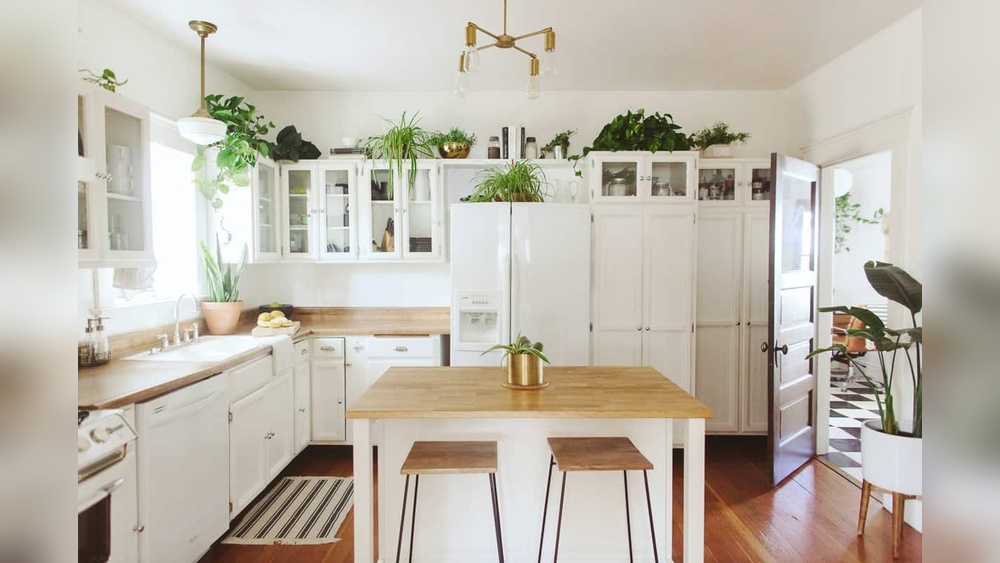
Greenery And Plants
Lush greenery softens hard lines and brings life to the kitchen. Faux plants are a practical option for hard-to-reach spots, but real trailing vines like pothos or philodendron can thrive with occasional care.
- Use lightweight planters to avoid straining cabinets.
- Install a drip tray to protect cabinet finishes.
Lighting Enhancements
Above-cabinet lighting is a growing trend, offering both function and ambiance. LED strip lights, puck lights, or rope lighting create a warm glow and accentuate décor.
| Lighting Type | Energy Efficiency | Installation Difficulty | Visual Impact |
|---|---|---|---|
| LED Strip Lights | High | Easy | Subtle, modern |
| Puck Lights | Medium | Moderate | Spot-focused, dramatic |
| Rope Lights | High | Easy | Even illumination |
Seasonal And Rotating Displays
Change above-cabinet displays to match holidays or seasons. Garlands, string lights, or themed ceramics keep the kitchen feeling fresh and festive throughout the year.
Color And Wallpaper Accents
Paint or wallpaper the wall behind and above cabinets to add a pop of color or pattern. This is an easy, low-cost way to make a big visual impact without clutter.
Pro Tip: Use moisture-resistant wallpaper or paint to ensure durability in kitchen environments.
Architectural Enhancements And Customization
For homeowners planning a renovation or building new, architectural changes to above-cabinet space can create a truly bespoke kitchen. These options often require professional help but offer dramatic results.
Extending Cabinets To The Ceiling
Many modern kitchens feature cabinets that stretch to the ceiling, eliminating the gap entirely. This approach maximizes storage, streamlines cleaning, and gives a high-end look.
- Custom cabinet makers can match existing finishes for seamless integration.
- Tall cabinets may require a step stool or ladder for access.
Adding Crown Molding Or Trim
Crown molding bridges the gap between cabinets and ceiling, adding a touch of elegance. This is a hallmark of traditional kitchen design and can be tailored to match cabinet style.
- Choose from simple cove molding to ornate, multi-piece designs.
- Paint or stain molding to coordinate with cabinetry.
Example: In a recent kitchen remodel, a Chicago homeowner installed classic crown molding atop her shaker cabinets, instantly increasing perceived home value and tying the kitchen into the home’s historic architecture.
Building Soffits Or Bulkheads
A soffit or bulkhead is a framed and finished section of wall that fills the space above cabinets. This approach is ideal for hiding ductwork, wiring, or uneven ceilings.
- Can be painted or wallpapered for decorative effect.
- Reduces dust but eliminates usable storage or display space.
Open Shelving Integration
Instead of traditional cabinets, consider open shelving that extends to the ceiling or bridges above-cabinet gaps. This modern approach increases storage while keeping the kitchen feeling airy.
- Use for frequently accessed dishes or decorative pieces.
- Keep shelves tidy to avoid a cluttered look.
Concealed Storage Mechanisms
Some high-end kitchens feature hidden compartments or “secret” doors above cabinets. While a custom solution, this can be ideal for valuables or creating a minimalist appearance.
Pro Tip: Consult a kitchen designer or carpenter to explore innovative storage mechanisms tailored to your needs.
Maintenance, Cleaning, And Safety Considerations
No matter how you use the space above your cabinets, maintenance is crucial for long-term appeal and hygiene. Grease, dust, and kitchen moisture can quickly turn this area into a cleaning headache if not properly managed.
Dust And Grease Buildup
Kitchens generate airborne grease that settles above cabinets, especially if ventilation is lacking. Open displays and baskets require regular cleaning to prevent buildup.
- Wipe surfaces monthly with a degreasing cleaner.
- Use washable or wipeable containers for open storage.
- Install a high-quality range hood to minimize airborne particles.
Pest Prevention
Infrequently cleaned, cluttered above-cabinet spaces can attract pests. Avoid storing food items or organic materials in open containers.
- Inspect regularly for signs of insects or rodents.
- Seal gaps between cabinets and walls with caulk to block entry points.
Safe Access
Reaching above-cabinet spaces can be hazardous, especially for seniors or children.
- Use a sturdy step stool with handrails.
- Store only lightweight, non-breakable items above cabinets.
- Avoid stacking items precariously to prevent falling hazards.
Material Durability
Materials placed above cabinets must withstand heat and humidity.
- Opt for plastics, ceramics, or treated wood.
- Avoid paper or fabric that can absorb grease or moisture.
Pro Tip: In my experience, washable baskets and faux plants offer the easiest maintenance for high spaces.
Budgeting And Planning For Above-cabinet Upgrades
Transforming the above-cabinet zone doesn’t have to be expensive. Whether you’re seeking a DIY refresh or a full-scale renovation, proper planning ensures you get the most value for your investment.
Diy Vs. Professional Solutions
Many above-cabinet upgrades are DIY-friendly, such as installing baskets, painting, or adding lighting. More complex solutions, like custom cabinetry or soffit construction, require skilled labor.
| Project Type | DIY Approximate Cost | Professional Approximate Cost | Time Investment |
|---|---|---|---|
| Baskets/Containers | $30, $150 | N/A | 1-2 hours |
| LED Lighting | $40, $120 | $150, $400 | 2-4 hours |
| Crown Molding | $50, $200 | $300, $800 | 4-8 hours |
| Custom Cabinetry | N/A | $1000+ | 1-2 days |
Prioritizing Your Needs
- Functionality: If storage is limited, prioritize closed solutions.
- Aesthetics: If design impact is the goal, focus on color, art, or lighting.
- Maintenance: If cleaning is a concern, opt for enclosures or easy-to-wipe materials.
Planning For Accessibility
- Store only rarely used items or décor up high.
- Keep a lightweight, foldable step ladder nearby for safe access.
Impact On Resale Value
Homes with finished, well-utilized above-cabinet spaces can command higher prices, particularly in markets where kitchen design is a key selling point. According to the National Association of Realtors, kitchen upgrades offer one of the highest returns on investment for home improvements (NAR Research).
Real-world Examples And Inspiration
Examining how others have transformed their above-cabinet space can spark your creativity and help you avoid common pitfalls.
Case Study 1: Modern Minimalist Makeover
A couple in Seattle removed the open gap by extending their cabinets to the ceiling with custom doors. The result was a sleek, dust-free kitchen with additional storage for rarely used entertaining dishes.
- Challenge: Outdated soffit and wasted space.
- Solution: Custom cabinetry in matching finish.
- Result: Increased storage, improved aesthetics, easier cleaning.
Case Study 2: Vintage Display With Functional Storage
In a New England cottage, the homeowner used above-cabinet space to display a collection of vintage canning jars and enamel pitchers. Baskets tucked behind the display held seasonal baking supplies.
- Challenge: Limited lower cabinet storage.
- Solution: Combination of open display and hidden baskets.
- Result: Enhanced charm, functional storage, easy access for holiday baking.
If you’re interested in learning more about canning jar selection and preservation, see Choosing the right canning jar makes preserving food easier.
Case Study 3: Green Kitchen Oasis
A Los Angeles homeowner created a lush “green wall” above her cabinets using faux trailing plants and LED strip lights. The greenery added vibrancy and disguised uneven ceiling lines.
- Challenge: Harsh lines and lack of color.
- Solution: Faux plants, ambient lighting.
- Result: Soothing atmosphere, easy maintenance, modern appeal.
Creative Inspiration From Design Experts
- Use a monochromatic color scheme for a sophisticated look.
- Combine objects in odd numbers (e.g., sets of three) for visual balance.
- Anchor displays with larger items at the ends for a purposeful arrangement.
For more expert advice on kitchen upgrades, check out Houzz.
Common Mistakes To Avoid
Avoiding these pitfalls ensures your above-cabinet space remains beautiful, functional, and easy to maintain.
Overcrowding And Clutter
Cramming too many items above cabinets creates a chaotic look and makes cleaning difficult. Less is often more, choose a few meaningful pieces or storage solutions.
Ignoring Proportion And Scale
Using objects that are too small or too large for the space can disrupt visual harmony. Aim for items that fill the height and depth without overwhelming the area.
Neglecting Cleaning Access
Hard-to-clean arrangements quickly become unsightly. Select items that can be easily dusted or wiped down.
Forgetting Lighting And Color Coordination
Mismatched colors or unlit displays can make the space feel disconnected from the rest of the kitchen. Use cohesive color schemes and adequate lighting for a unified effect.
Blocking Vents Or Detectors
Avoid placing objects that block HVAC vents, smoke detectors, or sprinkler heads above cabinets.
Pro Tip: Regularly reassess your above-cabinet setup to ensure it remains tidy and relevant to your kitchen needs.
Integrating Above-cabinet Space With Kitchen Workflow
A well-utilized above-cabinet area can improve your kitchen’s efficiency and organization, especially when aligned with your cooking and cleaning habits.
Storing Infrequently Used Kitchenware
Reserve above-cabinet storage for:
- Holiday dishes
- Large serving platters
- Specialty bakeware
- Picnic or party supplies
This frees up prime lower-cabinet real estate for daily-use items.
Organizing Pantry Overflow
Non-perishable, sealed goods (like bulk paper towels or unopened boxes) can be stored in labeled bins above cabinets. For more information on food preservation and storage methods, see Freeze-drying vs canning: Which is better for long-term food storage?.
Displaying Useful Reference Materials
Keep cookbooks or recipe binders within view but out of the way. Use risers or stands to protect books from kitchen splatters.
Creating A Coffee Or Beverage Station
If your cabinets are near the dining area, use above-cabinet shelves for mugs, specialty glasses, or beverage supplies, making entertaining easier.
Frequently Asked Questions
What Is The Ideal Height For The Space Above Kitchen Cabinets?
The standard gap above kitchen cabinets ranges from 12 to 24 inches, but the ideal height depends on your ceiling and cabinet size. Taller ceilings may leave a larger gap, which is more suitable for displays or added cabinetry. In homes with low ceilings, minimizing the gap or extending cabinets to the ceiling maximizes storage and creates a streamlined look.
Is It Better To Leave The Space Above Cabinets Open Or Fill It In?
The choice depends on your needs and style preferences. Leaving it open allows for decorative displays and easier DIY upgrades, while filling it in with cabinetry or soffits increases storage and reduces dust accumulation. For modern kitchens, extending cabinets to the ceiling is a popular choice, while traditional or eclectic kitchens often embrace open, styled spaces.
How Do I Prevent Dust And Grease From Collecting Above Cabinets?
Regular cleaning is essential if the space remains open. Use washable containers, faux plants, or easy-to-wipe décor. Installing a high-quality range hood and using sealed storage helps minimize buildup. For a low-maintenance solution, consider closed cabinetry or soffits to block dust and grease.
Can I Use The Above-cabinet Space For Food Storage?
It’s not recommended to store perishable or unsealed foods above cabinets due to temperature fluctuations, humidity, and potential pests. However, sealed, non-perishable items (such as unopened boxes or jars) can be kept in labeled bins for occasional access. Always check local building codes and safety recommendations.
What Are Some Innovative Ways To Light The Space Above Kitchen Cabinets?
LED strip lights, puck lights, and rope lights are popular, energy-efficient options for illuminating above-cabinet spaces. Smart lighting systems can be set to timers or controlled by voice for added convenience. Consider color-changing LEDs for seasonal displays or to match your kitchen’s mood.
Thoughtfully utilizing the space above your kitchen cabinets can transform your kitchen from ordinary to exceptional. Whether you seek added storage, a unique design statement, or a cleaner, more organized environment, there’s a solution to fit your needs. With careful planning and a touch of creativity, every inch of your kitchen can reflect your style and support your lifestyle.
Products related to this article
Sponsored / affiliate links. As an Amazon Associate I earn from qualifying purchases. I may earn additional commission from eligible campaigns.