Plywood Vs Particle Board Cabinets
Choosing the right cabinet material is a pivotal decision for homeowners, designers, and builders alike. Cabinets not only define the aesthetic of a kitchen or bathroom but also affect long-term durability, maintenance, and overall home value. Among the most debated topics in cabinetry is the comparison between plywood and particle board. Each material brings its unique set of strengths, weaknesses, and cost implications, making it essential to understand their properties before making a selection.
From luxury kitchen remodels to budget-friendly updates, the choice between plywood and particle board can significantly impact the outcome. Whether you are a professional contractor or a homeowner embarking on a DIY project, this guide delivers a comprehensive, data-driven comparison to help you select the best cabinet material for your needs.
Key Takeaways
- Plywood cabinets are generally more durable, moisture-resistant, and long-lasting than particle board, but they come at a higher price point.
- Particle board cabinets offer a more affordable solution and can deliver a smooth finish, but they are less robust and more susceptible to water damage.
- The choice between the two materials depends on factors such as budget, location (kitchen, bathroom, garage), expected wear, and desired aesthetic.
- Real-world examples demonstrate that both materials can perform well if properly specified and maintained.
- Maintenance, repairability, environmental impact, and resale value differ between plywood and particle board, influencing the overall return on investment.

Credit: www.youtube.com
Understanding Plywood And Particle Board
What Is Plywood?
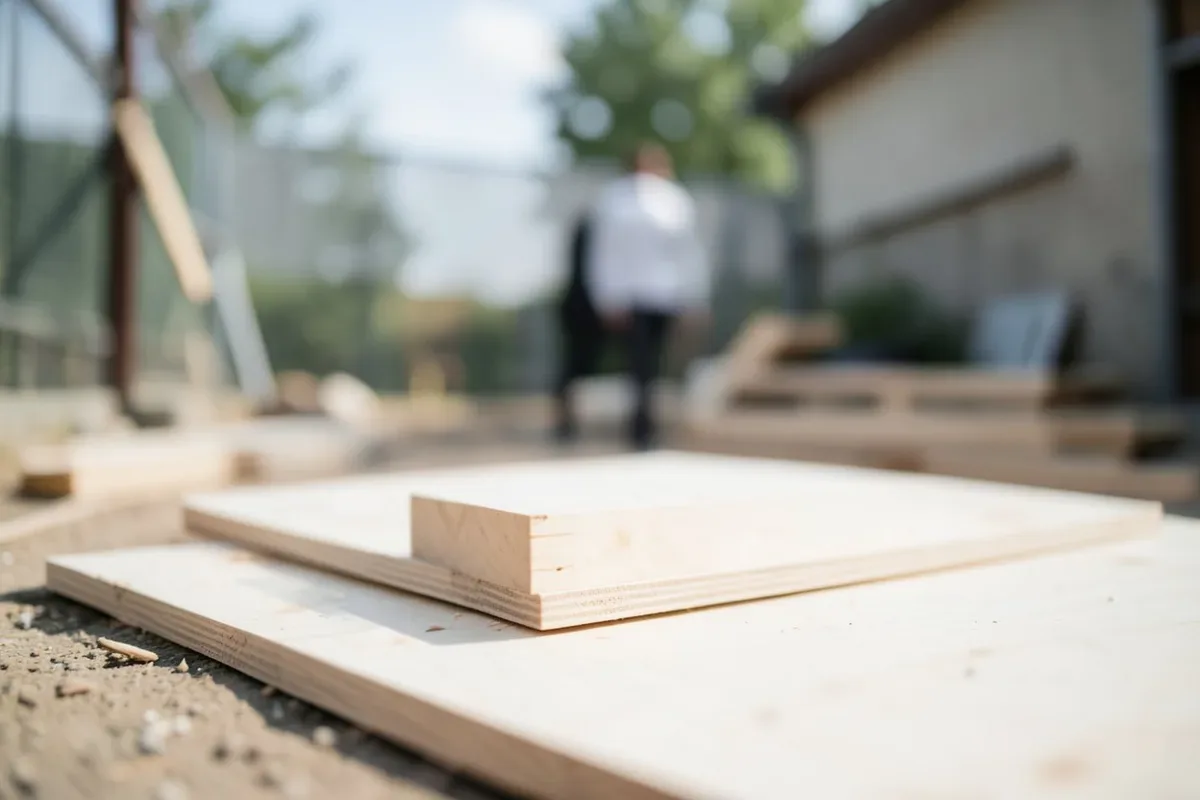
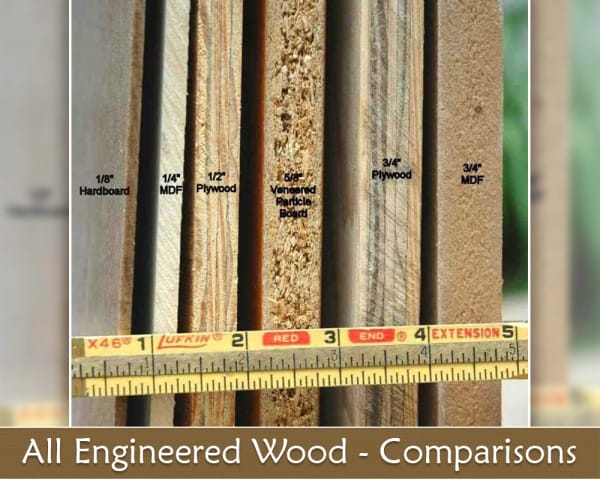
Plywood is an engineered wood product formed by layering thin sheets of wood veneer, called plies, at alternating angles. These layers are bonded together with strong adhesives under heat and pressure. The cross-graining technique provides superior strength, dimensional stability, and resistance to warping. Plywood is commonly made from hardwoods like birch or maple or from softwoods like pine.
Key plywood characteristics:
- Strength and durability due to layered construction
- Moisture resistance (especially in higher-grade or marine plywood)
- Versatile applications in cabinetry, furniture, and construction
What Is Particle Board?
Particle board is manufactured from wood chips, sawdust, and wood shavings that are combined with synthetic resin or glue and pressed into panels. Particle board offers a smooth, uniform surface ideal for applying laminates or veneers. It is typically less expensive than plywood due to the use of recycled wood materials and lower-cost manufacturing processes.
Key particle board characteristics:
- Cost-effectiveness
- Uniform surface for laminates and melamine finishes
- Limited strength and moisture resistance
Manufacturing Differences
The core distinction between these materials lies in their construction:
- Plywood’s cross-laminated layers provide structural integrity.
- Particle board’s homogeneous composition leads to density but less tensile strength.
Both materials are widely used in cabinetry, with each offering unique benefits depending on project requirements.

Credit: kitchencabinetkings.com
Durability And Strength Comparison
Structural Performance
Plywood is renowned for its superior strength-to-weight ratio, making it a preferred choice for structural cabinetry components, shelves, and boxes. The cross-grain construction resists bending, warping, and cracking, even under heavy loads or fluctuating humidity.
Particle board, while dense, lacks the internal reinforcement provided by plywood’s layers. It is more prone to sagging, especially in longer spans or unsupported sections.
| Property | Plywood | Particle Board |
|---|---|---|
| Strength | High | Moderate |
| Weight Capacity | Excellent for shelves/cabinets | Prone to sagging |
| Moisture Resistance | Good (especially exterior/marine grades) | Poor; swells or crumbles if wet |
| Repairability | Can be screwed/glued repeatedly | Prone to crumbling when fasteners removed/reapplied |
Longevity In Real-world Applications
When installed and maintained correctly, plywood cabinets can last decades. Many high-end kitchens and institutional settings rely on plywood for its long-term durability. In my experience, plywood shelving in heavy-use pantries showed minimal sagging after over ten years.
Particle board, while serviceable in low-moisture, low-traffic areas, may require more frequent repair or replacement. For example, particle board in under-sink cabinets often deteriorates within a few years due to incidental water exposure.
Impact Resistance
Plywood absorbs impacts and resists chipping far better than particle board. Dropping a heavy object inside a plywood cabinet is less likely to cause structural damage compared to particle board, which can dent or crumble at the impact site.
Moisture And Environmental Resistance
Plywood’s Performance In Humid Environments
Plywood is inherently more moisture-resistant than particle board, especially when using exterior or marine-grade plywood. The adhesive used in these grades is waterproof, and the layered construction prevents rapid swelling.
- Kitchens and bathrooms benefit from plywood’s resistance to spills, steam, and humidity.
- Proper sealing further enhances plywood’s water resistance.
Particle Board’s Vulnerability To Water
Particle board is particularly vulnerable to moisture:
- Exposure to water can cause swelling, warping, and eventual disintegration.
- Even high-pressure laminates do not fully protect particle board’s edges from moisture ingress.
Example: In a renovation project, a leaking sink cabinet constructed from particle board required complete replacement, while adjacent plywood shelving only needed minor refinishing.
Environmental Impact And Off-gassing
Both plywood and particle board may contain adhesives that release volatile organic compounds (VOCs) such as formaldehyde. However, many manufacturers now offer low-VOC or CARB-compliant options.
- Plywood: Typically uses less adhesive overall but may still emit VOCs unless specified as low-emission.
- Particle board: Contains more resin by volume and may off-gas more unless certified as low-emission.
Pro Tip: Always request low-VOC or CARB Phase 2-compliant panels for improved indoor air quality.
Credit: www.gharpedia.com
Cost Comparison And Value Analysis
Material And Installation Costs
Particle board’s main advantage is its lower cost. It is less expensive to produce, transport, and purchase. This makes it a common choice for budget projects, rental properties, and large-scale installations.
Plywood, due to its superior performance and more complex manufacturing, costs more, often 20-50% higher per sheet for comparable thickness and grade.
| Cabinet Component | Plywood (Avg. Price/Sq. Ft.) | Particle Board (Avg. Price/Sq. Ft.) |
|---|---|---|
| Base Cabinet Box | $3.00, $4.50 | $1.50, $2.75 |
| Wall Cabinet Box | $2.50, $4.00 | $1.25, $2.25 |
| Drawer Sides | $2.00, $3.50 | $1.00, $2.00 |
Value Over Time
While particle board’s low upfront cost is attractive, plywood’s longevity often translates to lower lifecycle costs. Homeowners may save money on repairs, replacements, or water damage mitigation with plywood cabinets.
For resale value, homes with plywood cabinetry may command higher prices and appeal to more discerning buyers.
Example: Budget Kitchen Remodel
A property investor completed two identical kitchen remodels, one with particle board cabinets, the other with plywood. The plywood kitchen added roughly $2,000 to material costs but resulted in fewer repairs after five years and a higher resale price. This aligns with recommendations from sources like the National Association of Home Builders.
Aesthetics, Finishing, And Customization
Visual Differences
Plywood’s wood grain allows for natural finishes, stains, and high-end aesthetics.
Visible plywood edges can be finished with veneer tape or left exposed for a modern look. This versatility makes plywood a favorite among custom cabinetmakers.Particle board, with its homogeneous surface, is almost always covered with laminate, melamine, or veneer. It cannot be stained or left unfinished attractively.
Finishing Options
- Plywood: Accepts paint, stain, clear finish, or veneer. Can be routered or shaped.
- Particle Board: Best suited for melamine or laminate overlays; painting or staining is not recommended.
Edge Treatments
Plywood edges can be sanded, stained, or finished with edge banding for a seamless look. Particle board requires edge banding to cover rough edges and prevent moisture intrusion.
Example: Custom Cabinet Shop
A local cabinet shop specializing in modern kitchens uses plywood for all visible cabinetry elements, applying a clear finish to highlight the natural grain. For budget-conscious clients, they offer particle board for internal, non-visible components, balancing cost and appearance.
Maintenance, Repair, And Longevity
Ease Of Maintenance
Plywood’s resilience means it can withstand repeated cleaning, minor impacts, and everyday wear with minimal upkeep. Occasional refinishing or resealing keeps it looking new.
Particle board, while easy to clean if laminated, is more susceptible to swelling or chipping from everyday mishaps.
Repairability
Plywood is easier to repair:
- Screws hold firmly and can be removed/reinserted multiple times.
- Damaged areas can often be patched, sanded, or refinished.
Particle board repairs are more limited:
- Once damaged by water or over-tightened fasteners, sections may need full replacement.
- Edges and corners are especially fragile.
Pro Tip: Use pilot holes for screws in both materials, but especially with particle board, to prevent splitting.
Longevity In Various Settings
- Kitchens: Plywood cabinets can last 20+ years; particle board may require replacement in half that time, especially in wet zones.
- Bathrooms: Plywood is strongly recommended due to frequent humidity and water exposure.
- Garages/Basements: Plywood is better for heavy-duty or utility environments.
Environmental And Health Considerations
Sustainability
Both materials can be sourced sustainably, but there are important distinctions:
- Plywood uses larger logs but creates less waste during manufacturing.
- Particle board utilizes wood scraps and byproducts, reducing landfill waste.
Choosing certified wood products (FSC, CARB) improves environmental credentials for both.
Indoor Air Quality
Particle board, due to higher resin content, can emit more formaldehyde unless specifically manufactured to low-emission standards. Plywood may also off-gas, but at lower rates.
Pro Tip: Look for products labeled “NAF” (No Added Formaldehyde) or “ULEF” (Ultra-Low Emitting Formaldehyde) for healthier indoor environments.
Disposal And Recycling
- Plywood: Can be reused, repurposed, or recycled more readily.
- Particle Board: Difficult to recycle due to resin content; often ends up in landfills.
Wikipedia: Particle Board offers further reading on recycling challenges.
Case Studies: Real-world Applications
Case Study 1: High-end Residential Kitchen
A luxury home in Seattle specified all-plywood construction for kitchen cabinets. After ten years, the cabinetry showed minimal wear, despite daily use and occasional spills. The homeowner attributed the kitchen’s lasting appearance to the choice of plywood, noting that comparable particle board installations in previous homes had required earlier replacement.
Case Study 2: Multi-unit Apartment Complex
A property management firm outfitted 50 apartment kitchens with particle board cabinets for cost savings. Within three years, over 15% of units reported damaged under-sink cabinets due to minor leaks. The company ultimately spent more on repairs and replacements than the initial savings, prompting a shift toward plywood for future builds.
Case Study 3: Diy Garage Storage
A homeowner built garage cabinets using leftover plywood. After 12 years, the cabinets remained structurally sound despite exposure to humidity and heavy tools. In my experience, plywood’s versatility and durability in DIY projects far surpass those of particle board, especially in demanding environments.
Decision Factors: Which Material Is Right For You?
Budget Constraints
- If budget is the main concern and cabinets are not exposed to heavy wear or moisture, particle board can be a suitable choice.
- For long-term investment, especially in homes you plan to occupy for years, plywood offers better value.
Location And Use
- Kitchens/Bathrooms: Plywood is strongly recommended for all exposed cabinetry.
- Laundry Rooms: Plywood is preferable, especially near water sources.
- Closets/Pantries: Particle board may suffice for shelving with light loads.
Aesthetic Priorities
- For natural wood finishes, custom shapes, or visible grain, plywood is the only viable option.
- For uniform, modern laminate looks, particle board provides a cost-effective substrate.
Environmental Concerns
- Choose CARB-compliant or low-VOC products.
- Consider the recyclability and source of raw materials.
Maintenance Expectations
- For homes with children, pets, or heavy kitchen use, plywood withstands daily abuse better.
- For rental properties with high tenant turnover, particle board may suffice but could increase long-term maintenance costs.
Resale Value
- Plywood cabinetry is often a selling point in real estate listings.
- Particle board is less likely to impress prospective buyers, especially in competitive markets.
Comparison Table: Plywood Vs Particle Board Cabinets
| Feature | Plywood | Particle Board |
|---|---|---|
| Strength & Durability | High; resists sagging & impact | Moderate; sags, chips easily |
| Moisture Resistance | Good (especially marine/exterior grade) | Poor; swells/disintegrates when wet |
| Cost | Higher ($$, $$$) | Lower ($) |
| Finish Options | Paint, stain, veneer | Laminates, melamine only |
| Repairability | Easy; holds fasteners well | Difficult; crumbles with repeated repairs |
| Environmental Impact | Less waste, may use more wood | Uses recycled wood, higher VOCs |
| Resale Value | Higher | Lower |
Frequently Asked Questions
What Is The Main Difference Between Plywood And Particle Board Cabinets?
The primary difference lies in construction and performance. Plywood cabinets use layers of real wood veneer glued in alternating directions, providing higher strength, better moisture resistance, and greater longevity. Particle board cabinets are made from wood particles and resin, offering a smoother surface for laminates but less structural strength and water resistance.
Can Particle Board Cabinets Be Used In Kitchens And Bathrooms?
While particle board cabinets can be used in kitchens and bathrooms, they are generally not recommended for areas prone to moisture, spills, or heavy wear. Particle board is susceptible to swelling and deterioration when exposed to water, making plywood a better choice for these locations.
Are There Eco-friendly Options For Both Plywood And Particle Board?
Yes, both materials can be sourced in environmentally responsible ways. Look for FSC-certified or CARB-compliant plywood and particle board. Some manufacturers offer no added formaldehyde (NAF) or ultra-low emitting formaldehyde (ULEF) products, which improve indoor air quality and reduce environmental impact.
Is Plywood Always Better Than Particle Board For Cabinets?
Not always. While plywood is superior in strength, durability, and moisture resistance, particle board can be appropriate for low-stress, dry environments or when budget constraints are paramount. The best material depends on your specific needs, location, and expectations for longevity and appearance.
How Do I Maintain And Clean Each Type Of Cabinet Material?
For plywood cabinets, use a damp cloth and mild detergent for cleaning, and avoid harsh chemicals. Refinish or reseal as needed to maintain appearance. For particle board cabinets with a laminate finish, use a soft, damp cloth and avoid saturating the surface with water. Quickly wipe up spills to prevent edge swelling, and avoid abrasive cleaners that could damage the laminate.
Selecting between plywood and particle board cabinets is a decision that blends practicality, aesthetics, and budget. In my experience, prioritizing plywood in moisture-prone or high-traffic areas pays dividends over time, while particle board remains a sensible option for low-impact, budget-driven projects. For more guidance on related home improvement topics, explore resources like Freeze-drying vs canning: Which is better for long-term food storage? or learn about choosing the right canning jar at this guide.
Ultimately, understanding each material’s properties and aligning them with your goals ensures cabinets that not only look beautiful but also stand the test of time.
Products related to this article
Sponsored / affiliate links. As an Amazon Associate I earn from qualifying purchases. I may earn additional commission from eligible campaigns.