Frameless Vs Face Frame Cabinets
Choosing between frameless and face frame cabinets is one of the most important decisions homeowners, designers, and contractors face when planning a kitchen or bathroom remodel. The style, construction, and functionality of these cabinets not only influence the room’s aesthetics but also impact storage efficiency, durability, and even resale value. With the growing popularity of European-inspired minimalist kitchens and the enduring charm of classic American cabinetry, understanding the real differences between these two cabinet types is essential.

Chibery
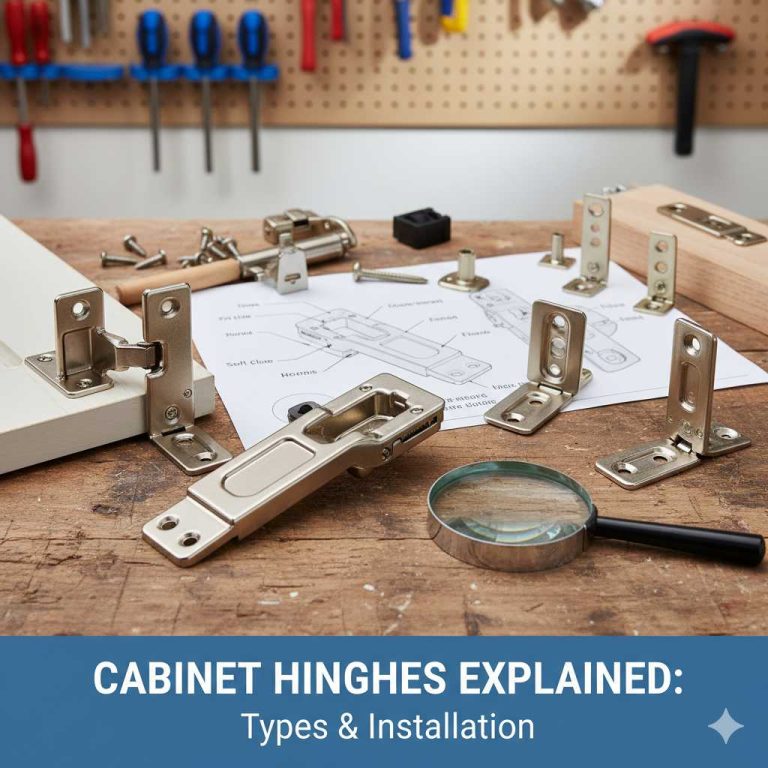
Chibery 10 Pack 1/2" Overlay 4D Soft…
- Installation Specification: Cup diameter is 35mm; Cup depth is 11.5mm, Screw holes distance is 45mm; Opening angle is 105 degrees,…
- SOFT CLOSE CABINET HINGE: Each overlay concealed cabinet hinge includes a built-in POM damper, Reduced closing speed prevents nois…
- 4D Adjustable Upgrade: 4D hinges can adjust the cabinet door just by turning a screwdriver (Vertical, Horizontal, Depth, Closing S…
As an Amazon Associate I earn from qualifying purchases.
Whether you’re aiming for a modern, seamless look or a traditional, furniture-like feel, the choice between frameless and face frame cabinets can set the tone for your entire space. This comprehensive guide dives deep into the construction, pros, cons, cost, installation, and design considerations of both cabinet types, equipping you with the knowledge to make an informed, confident decision for your next project.
Key Takeaways
- Frameless cabinets offer a sleek, contemporary look with maximum storage, while face frame cabinets provide classic style and robust construction.
- Frameless cabinets may cost slightly more due to precise engineering and thicker materials, but face frame cabinets offer versatility in design and finish.
- Your choice will impact installation complexity, hardware options, long-term durability, and maintenance needs.
- Real-world examples show both types can thrive in residential and commercial settings, depending on project goals.
- Always consult a professional designer or contractor for complex projects or if you have unique storage needs.
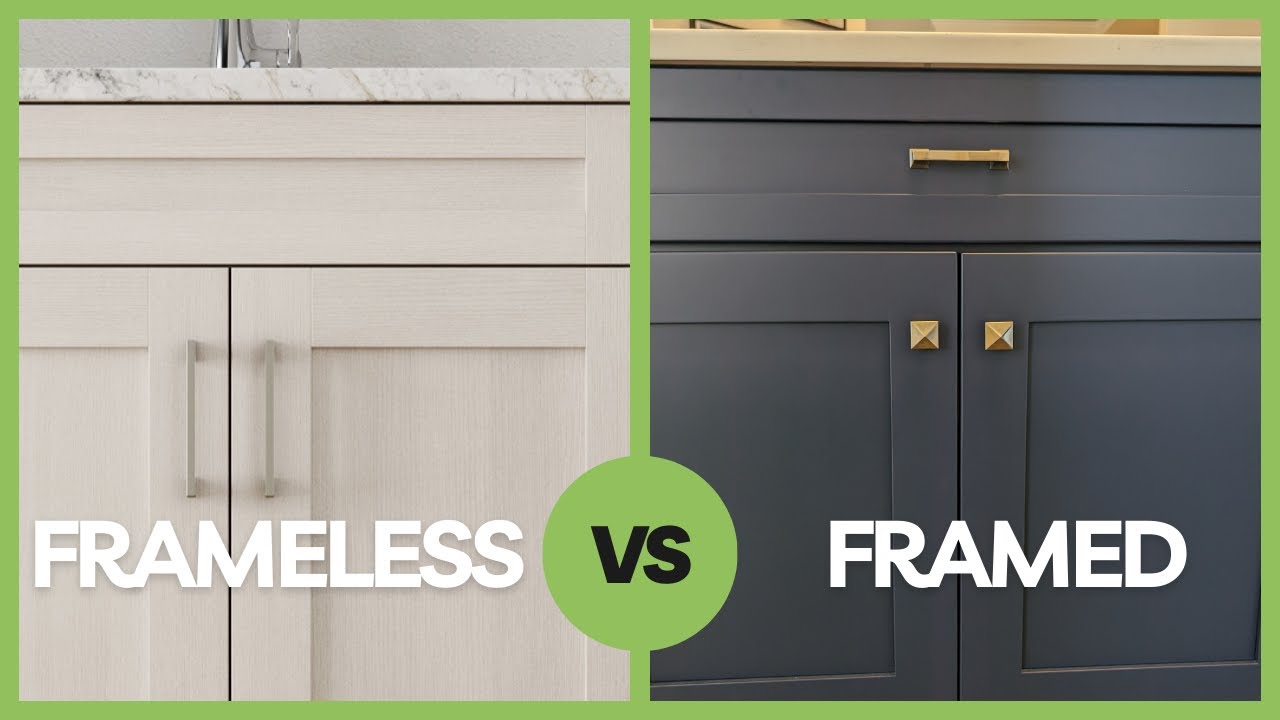
Credit: www.youtube.com
Understanding Cabinet Construction
The fundamental difference between frameless and face frame cabinets lies in their construction. This affects not only the look but also the practical aspects of how cabinets function and wear over time.
What Are Frameless Cabinets?
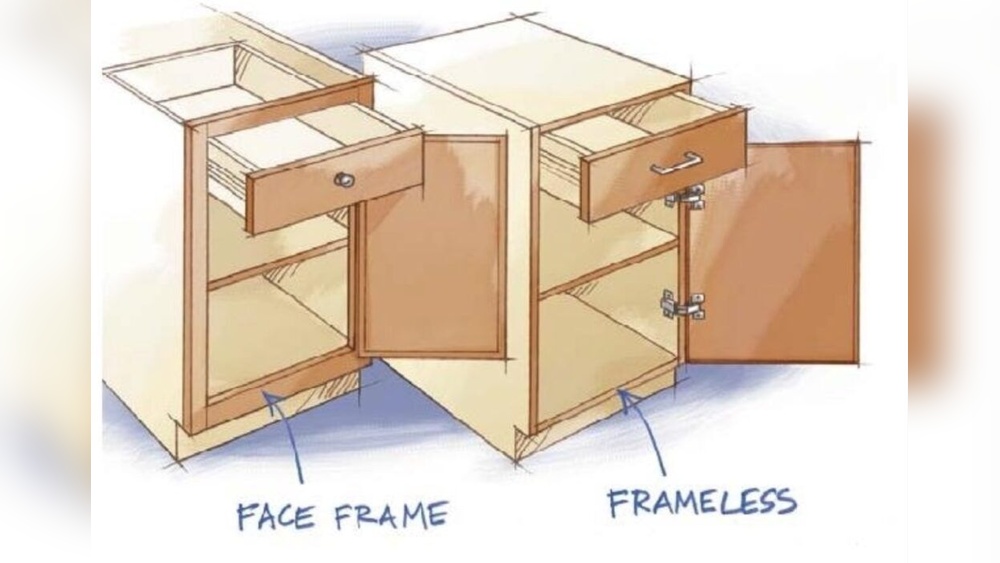
Frameless cabinets, sometimes called European cabinets, are constructed without a front face frame. The doors and drawers attach directly to the cabinet box, which is typically made from thicker, high-density engineered wood or plywood. The result is a smooth, uninterrupted surface and full access to the cabinet interior.
Key features of frameless cabinets:
- Full overlay doors: Doors and drawer fronts completely cover the cabinet edges.
- No center stiles: Wide, unobstructed access to storage space.
- Hidden hinges: Modern, adjustable hardware for a clean look.
Frameless cabinets are popular in contemporary and modern kitchen designs, as well as in commercial applications where efficiency and clean lines are prized.
What Are Face Frame Cabinets?
Face frame cabinets are built with a 1-1/2” to 2” wide frame attached to the front of the cabinet box. Doors and drawers are mounted to this frame, which adds rigidity and a classic, traditional appearance.
Key features of face frame cabinets:
- Partial, full, or inset overlay: Different door styles for varying levels of frame visibility.
- Center stiles: May be present in larger cabinets, dividing access.
- Exposed or concealed hinges: Flexibility in hardware styles.
Face frame cabinets dominate American kitchens and are favored for their strength and wide range of style options.
Construction Comparison Table
| Aspect | Frameless Cabinets | Face Frame Cabinets |
|---|---|---|
| Door Attachment | Direct to box (no frame) | Mounted to front frame |
| Access | Full, unobstructed | May be partially obstructed by frame/stiles |
| Material Thickness | Typically 5/8″ or 3/4″ | Typically 1/2″ – 3/4″ (box) plus 3/4″-1″ (frame) |
| Style | Modern, minimal | Traditional, transitional |
| Hardware | Concealed hinges only | Concealed or exposed hinges |

Credit: www.woodworkerexpress.com
Aesthetic And Design Impact
The style of your cabinetry sets the foundation for your entire kitchen or bathroom. Frameless and face frame cabinets each bring a unique visual language and influence your design choices.
Modern Minimalism Vs. Classic Charm
Frameless cabinets are synonymous with streamlined, modern aesthetics. The absence of a frame allows for:
- Consistent lines across doors and drawers
- Flush, seamless surfaces
- Easy integration of contemporary finishes like high-gloss lacquers or textured laminates
Face frame cabinets, on the other hand, evoke timeless elegance. Their frames create visual depth and allow for:
- Decorative moldings and accents
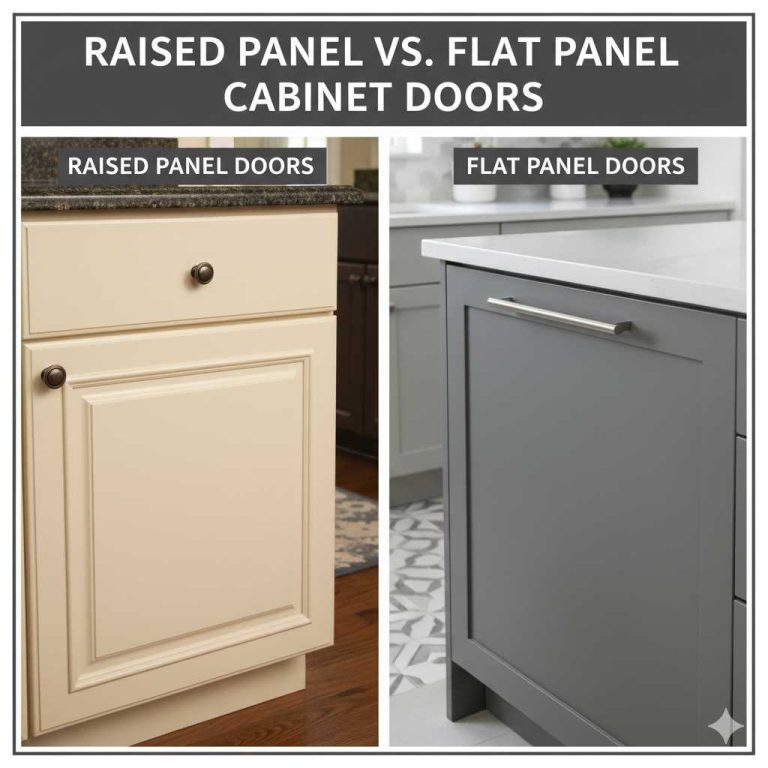
- Raised or recessed panel doors
- Versatile finish options, from painted to stained wood
Customization And Door Styles
Door style options vary by construction:
- Frameless: Primarily full overlay; inset is not structurally possible without a frame.
- Face frame: Offers inset, partial overlay, or full overlay doors.
This flexibility means face frame cabinets can suit a wider range of interiors, from farmhouse to formal.
Real-world Example: Urban Loft Vs. Country Cottage
A downtown loft renovation used sleek, frameless cabinetry with matte black finishes to complement exposed concrete and stainless steel appliances. The result was a visually unified, space-maximizing kitchen perfect for entertaining.
Conversely, a rural cottage remodel featured face frame cabinets with beadboard panels and antique brass hardware, lending warmth and character that suited the home’s vintage charm.
Color, Finish, And Material Considerations
- Frameless cabinets excel with bold colors, minimalist handles, and engineered finishes.
- Face frame cabinets highlight natural wood grains and accept decorative glazing and distressing techniques.
Pro Tip: For homes that blend modern and traditional elements, consider mixing cabinet types, such as frameless for lower cabinets and face frame for uppers, for a custom look.

Credit: georgecabinetry.com
Storage, Accessibility, And Functionality
Beyond appearance, your choice of cabinet construction will affect how you use your kitchen or bath every day.
Maximizing Storage Space
Frameless cabinets provide up to 10-15% more usable space compared to face frame cabinets of the same size. The absence of a front frame means:
- Larger drawer boxes
- Wider shelves
- No center stiles to block access
This is especially advantageous in small kitchens or bathrooms where every inch counts.
Accessibility And Ergonomics
With full access to the cabinet interior, frameless cabinets make it easier to:
- Store bulky cookware and small appliances
- Install pull-out trays and organizers
- Clean cabinet interiors
Face frame cabinets may restrict access, particularly in cabinets wider than 36” where center stiles are common.
Hardware And Accessories
Frameless cabinets require European-style hinges, which are fully concealed and highly adjustable. This allows for precise door alignment and soft-close features.
Face frame cabinets can use either concealed or exposed hinges, offering flexibility in both appearance and cost. However, adjusting doors for perfect alignment is often more challenging.
Real-world Example: Small Condo Kitchen
When remodeling a 90-square-foot city condo kitchen, switching from face frame to frameless cabinets increased drawer widths by 2 inches each, providing much-needed space for pots and utensils. Pull-out pantry accessories also fit more easily, making daily use more convenient.
Durability And Maintenance
Cabinet longevity and upkeep are crucial, especially for busy households or high-traffic commercial spaces.
Structural Strength
Face frame cabinets are often perceived as more robust due to the additional frame reinforcing the box. This can reduce racking (twisting or warping) over time and allows for easier repairs if doors or frames are damaged.
Frameless cabinets rely on thicker box construction for strength. Premium brands use high-density plywood or MDF to ensure stability, but lower-quality frameless cabinets may flex or sag if overloaded.
Wear And Tear
- Face frame edges are more forgiving of minor bumps and chips.
- Frameless cabinets, with exposed box edges, can show visible wear if not carefully maintained or if manufactured with low-grade materials.
Cleaning And Upkeep
Frameless cabinets are easier to wipe down, with fewer nooks and crannies to collect dust. However, any damage to the edge banding (the finished edges of the cabinet box) may require professional repair.
Face frame cabinets, with their additional surfaces, may need more frequent cleaning but can tolerate touch-up painting or refinishing more easily.
Pro Tip: For Families With Young Children Or Heavy Kitchen Use, Consider The Material And Edge Treatment Carefully. High-quality Edge Banding And Durable Finishes Will Extend The Lifespan Of Frameless Cabinets.
Cost Analysis: Initial Investment And Long-term Value
Your budget will play a significant role in the cabinet selection process. Both frameless and face frame cabinets offer a range of price points, but there are real cost differences to consider.
Upfront Costs
- Frameless cabinets may cost 5-15% more than comparable face frame cabinets, primarily due to thicker materials and the need for precise manufacturing.
- Face frame cabinets can be less expensive, especially in stock or semi-custom lines, but high-end custom face frame cabinets with decorative details may surpass frameless prices.
Installation Costs
Frameless cabinets require precise installation to ensure doors align perfectly and boxes are level. Slight imperfections in walls or floors can be more challenging to accommodate without a front frame to hide gaps.
Face frame cabinets are somewhat more forgiving during installation, as the frames can conceal minor irregularities.
Long-term Value And Resale
Both cabinet types can add value to your home if well made and properly installed. Frameless cabinets may appeal more to buyers seeking a modern aesthetic, while face frame cabinets attract those desiring traditional craftsmanship.
Cost Comparison Table
| Expense Category | Frameless Cabinets | Face Frame Cabinets |
|---|---|---|
| Material Costs | High (thicker box) | Moderate (frame adds cost, but thinner box) |
| Manufacturing | Precision required | Traditional joinery |
| Installation | Requires expert alignment | More forgiving of wall/floor issues |
| Maintenance | Edge banding repair may require pros | Touch-up and refinishing possible |
Installation And Customization
How cabinets are installed and customized can influence your satisfaction with the final result.
Modular Vs. Custom Builds
- Frameless cabinets are typically manufactured as modular units, allowing for quick installation and easy updates or replacements.
- Face frame cabinets offer greater flexibility in sizing and decorative customization, making them ideal for unique layouts or period restorations.
Fitting And Adjustments
Frameless cabinets demand perfectly plumb and level walls. Any deviation can result in misaligned doors and visible gaps. Professional installers often use shims and specialized hardware to ensure a flawless fit.
Face frame cabinets can mask small installation imperfections, as the frame can be scribed or trimmed to fit uneven surfaces.
Hardware And Interior Options
Both cabinet types can accommodate:
- Pull-out trays
- Lazy Susans
- Drawer organizers
- Soft-close mechanisms
However, the full-access interiors of frameless cabinets are better suited to deep drawers and wide pullouts.
Example: Historic Home Renovation
In my experience working on a 1920s bungalow, the uneven plaster walls made face frame cabinets the practical choice. The frames allowed us to adjust and scribe the cabinets for a seamless fit, while still achieving a high-end custom look.
Sustainability, Materials, And Environmental Considerations
Eco-conscious homeowners increasingly consider the environmental impact of their cabinetry choices.
Material Sourcing
- Frameless cabinets are often made with engineered woods such as MDF or particleboard, which utilize recycled content and reduce waste.
- Face frame cabinets typically use solid hardwoods for frames and plywood or particleboard for boxes.
Both types can be sourced from FSC-certified suppliers, ensuring responsible forestry practices.
Finishes And Vocs
Paints, stains, and adhesives may release volatile organic compounds (VOCs). Many manufacturers now offer low-VOC finishes and formaldehyde-free materials for both cabinet types.
Longevity And Lifecycle
A well-built cabinet (frameless or face frame) can last 20 years or more. However, face frame cabinets may be easier to repair and refinish, potentially extending their useful life and reducing landfill waste.
Pro Tip: When Sustainability Is A Top Priority, Request Information On Material Content, Certifications, And Finish Types From Your Cabinet Supplier.
Making The Right Choice: Factors To Consider
Choosing between frameless and face frame cabinets ultimately depends on your unique project needs. Consider these criteria:
Space And Layout
- Small kitchens or baths benefit from the extra storage and accessibility of frameless cabinets.
- Large, open kitchens with uneven walls may be better suited to the forgiving installation of face frame cabinets.
Desired Style
- For a contemporary or European look, frameless cabinets are the clear choice.
- For traditional, transitional, or period-style homes, face frame cabinets offer unmatched versatility.
Budget And Long-term Plans
- If you plan to stay in your home for decades, invest in high-quality materials and finishes, regardless of style.
- For rental properties or quick flips, stock face frame cabinets may offer the best balance of cost and appeal.
Professional Guidance
Always consult a certified kitchen designer or experienced contractor before making a final decision. Their expertise can help you navigate structural challenges, budget constraints, and aesthetic goals.
Internal Resources For Related Decisions
- For advice on food preservation storage, see Choosing the right canning jar makes preserving food easier.
- If you’re debating between different preservation methods, read Freeze-drying vs canning: Which is better for long-term food storage?.
- Those interested in food-safe finishes for kitchen cabinets may benefit from Is Pickling Salt the Same as Canning Salt?.
External Resources
For a deeper understanding of cabinet construction standards and environmental certifications, visit the Kitchen Cabinet Manufacturers Association.
Frequently Asked Questions
What Is The Main Difference In Appearance Between Frameless And Face Frame Cabinets?
The most noticeable difference is the visible frame around the doors and drawers on face frame cabinets, which adds visual depth and a more traditional appearance. Frameless cabinets offer a flat, seamless look with doors that fully cover the cabinet box, suiting modern and minimalist interiors.
Can You Mix Frameless And Face Frame Cabinets In The Same Kitchen?
Yes, mixing both types can create a customized aesthetic and maximize function. For example, you might use frameless cabinets for base units to gain extra storage, while upper cabinets feature face frames for a classic touch. However, door styles and finishes should be coordinated for visual harmony.
Are Frameless Cabinets Less Durable Than Face Frame Cabinets?
Frameless cabinets can be just as durable if constructed from high-quality, thick materials and installed correctly. However, face frame cabinets may better withstand heavy use and minor impacts due to their reinforced fronts. Durability is more about material quality than cabinet style.
Do Frameless Cabinets Cost More To Install?
Installation of frameless cabinets can be slightly more expensive due to the need for precise alignment and support. Because there’s no front frame to cover gaps, walls and floors must be very level. In some regions, labor costs for frameless installation are 5-10% higher than for face frame cabinets.
What Are The Best Cleaning Practices For Both Cabinet Types?
For both frameless and face frame cabinets:
- Use a soft, damp cloth for routine cleaning.
- Avoid abrasive pads or cleaners that can damage finishes.
- For frameless cabinets, periodically check the edge banding for chips or lifting.
- For face frame cabinets, dust and wipe frames and corners regularly to prevent build-up.
References
- The Spruce: Frameless vs. Face Frame Cabinets
- Kitchen Cabinet Manufacturers Association
When making the choice between frameless and face frame cabinets, it’s essential to weigh not just the initial cost or appearance, but also how each option will support your daily routines, long-term maintenance, and future plans. Both cabinet styles offer distinct advantages, and with the right combination of quality materials and professional expertise, you can achieve a kitchen or bath that’s both beautiful and highly functional. Whether you gravitate toward the sleek lines of frameless design or the enduring appeal of face frames, your cabinets will form the backbone of your home’s most-used spaces for years to come.
Related pick: Check today's price on Amazon
Products related to this article
Sponsored / affiliate links. As an Amazon Associate I earn from qualifying purchases. I may earn additional commission from eligible campaigns.