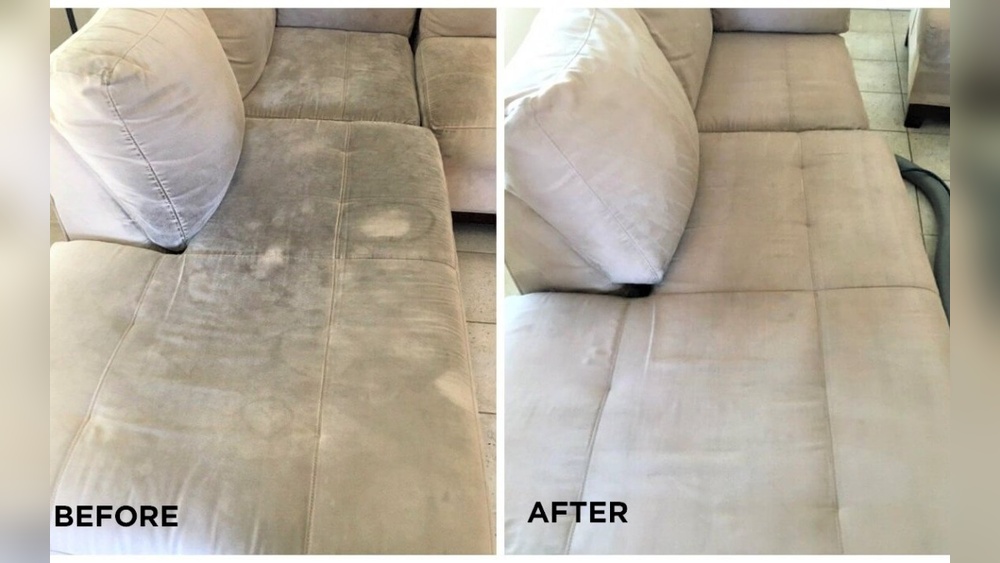
How to Clean a Suede Sofa: Expert Tips for a Spotless Look
A suede sofa is a beautiful, soft, and elegant piece of furniture. Its luxurious feel makes any living space look more inviting. But cleaning suede is not as simple as wiping down other fabrics. Many people worry about ruining the texture, leaving water stains, or making a small spill much worse. The good news: with the right techniques and tools, you can keep your suede sofa looking fresh for years, without needing a professional every time.
Many new suede owners are surprised by how delicate the material can be. Even a few drops of water can leave marks. In my experience, most damage comes from using the wrong cleaning products or scrubbing too hard. But you don’t need to be afraid of maintenance.
This guide will break down everything you need to know, from daily care to deep cleaning, plus tips for tricky stains and what to avoid. You’ll also find practical advice most guides miss, including how to treat odors and what actually works for pet messes.
Whether you just bought a suede sofa or want to rescue an older one, this article will help you protect your investment and enjoy its beauty for years.
Understanding Suede And Its Challenges
Suede is made from the underside of animal hides, usually cowhide. Unlike regular leather, suede has a soft, napped surface that feels velvety. This texture is why suede attracts dust, oil, and liquid so easily.
Why Is Suede Hard To Clean?
The main challenge is that suede is porous. It absorbs spills quickly, which can lead to permanent stains. Water can leave rings or marks, and harsh cleaning products may damage the nap or color. Unlike many fabrics, you can’t just use soap and water.
Common Types Of Suede
There are several varieties:
- Natural suede (from animal hide)
- Microfiber suede (synthetic, looks and feels similar but is often more stain-resistant)
Natural suede is more delicate and needs extra care. Microfiber is easier to clean but still benefits from gentle methods.
Essential Tools And Products
Before you start cleaning, gather the right tools. Using the wrong item can damage your sofa.
| Tool/Product | Purpose | Notes |
|---|---|---|
| Soft-bristle brush | Loosens dirt, restores nap | Use gently, avoid wire brushes |
| Suede eraser/cleaning block | Removes dry stains | Specifically for suede, not pencil erasers |
| Vacuum with upholstery attachment | Removes dust and debris | Use low suction |
| White cloths or towels | Blotting spills | White prevents dye transfer |
| Distilled water | Spot cleaning | Tap water can leave minerals behind |
| White vinegar/rubbing alcohol | Treats tough stains | Test in an inconspicuous spot first |
| Suede protector spray | Prevents future stains | Choose one made for upholstery |
Pro Tip: Always test any cleaning product on a hidden area of your sofa before applying to visible spots.
:max_bytes(150000):strip_icc()/how-to-clean-suede-couch-4846972-02-ac1966d3ae0943e59fd75d31bd63b860.jpg)
Credit: www.thespruce.com
Regular Maintenance For A Suede Sofa
Consistent care prevents most problems and extends the life of your sofa.
Weekly Dusting And Brushing
Dust and debris settle into suede quickly. Use a soft-bristle brush or vacuum weekly. Move the brush in gentle, circular motions to lift the nap and remove particles. For pet owners, a lint roller or a dry microfiber cloth works well to pick up hair.
Monthly Vacuuming
Vacuum your sofa every month with the upholstery attachment. This removes dust from deep within the fibers. Set the vacuum to low suction to avoid damaging the nap.
Spot Checks
Every few weeks, inspect your sofa for new spots or stains. Early treatment makes a big difference. Look for changes in color or texture that could signal a spill.
Handling Spills And Stains
Accidents happen, especially with kids, pets, or houseguests. Quick action is critical.
What To Do Immediately
- Blot, don’t rub: Use a clean, white cloth to blot up as much liquid as possible. Press gently to avoid pushing the liquid deeper.
- Let it air dry: Don’t try to force-dry with heat. This can set the stain.
- Brush the area: Once dry, use a suede brush to restore texture.
Treating Water Stains
Water alone can leave marks. Dampen a clean cloth with distilled water and lightly moisten the stained area, blending outward to the edges. Let it dry naturally, then brush gently.
Dealing With Oil And Grease
Oil is tricky because suede absorbs it quickly. Sprinkle a small amount of cornstarch or talcum powder over the spot. Leave it for a few hours to absorb the oil, then brush off.
Removing Food And Drink Stains
For most food or drink spills:
- Blot up excess.
- Use a suede eraser or cleaning block to rub gently when dry.
- If needed, dab with a cloth lightly dampened with white vinegar or rubbing alcohol. Never pour liquid directly onto the fabric.
Pro Tip: For red wine or juice, act fast. The longer it sits, the harder it is to remove.

Credit: www.medonemedicalgroup.com
Deep Cleaning A Suede Sofa
Over time, your sofa will need more than spot cleaning. Deep cleaning restores freshness and removes odors.
When To Deep Clean
- Every 6-12 months
- After a big spill
- If the sofa starts to smell
Step-by-step Guide
- Vacuum thoroughly with the upholstery tool.
- Brush the entire sofa to lift the nap.
- Treat stains with an eraser or spot cleaner as described above.
- Lightly mist the surface with distilled water, then brush again to even out the nap.
- Allow to air dry, never use a hair dryer or heater.
Should You Use A Steam Cleaner?
Most experts recommend not using steam cleaners on natural suede. The heat and moisture can cause shrinkage, discoloration, or stiffening. For microfiber suede, check the manufacturer’s label, some synthetic fabrics are safe for steam.
Removing Odors From Suede Sofas
Odors from pets, smoke, or spills can linger. Unlike other fabrics, suede traps smells in its fibers.
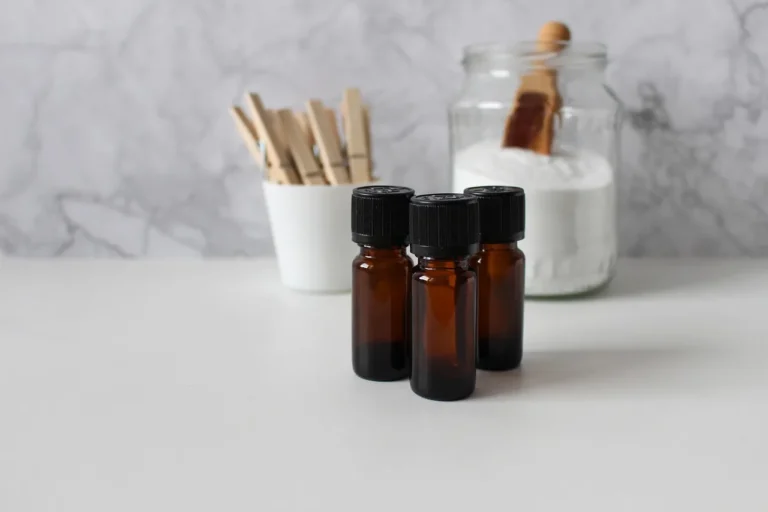
Baking Soda Method
Baking soda is gentle and absorbs odor without damaging suede.
- Sprinkle a thin layer over the entire sofa.
- Let it sit for 6-8 hours (overnight is best).
- Vacuum thoroughly.
Vinegar And Alcohol For Stubborn Smells
Lightly misting with a 50:50 solution of distilled white vinegar and water can help. The smell of vinegar disappears as it dries, taking other odors with it.
Warning: Always test on a hidden spot before treating the whole sofa.
Professional Cleaning
If strong odors remain, consider a professional upholstery cleaning service that specializes in suede. Some odors, especially pet urine, are very difficult to remove fully at home.
/how-to-clean-suede-couch-4846972-02-ac1966d3ae0943e59fd75d31bd63b860.jpg)
Credit: www.thespruce.com
How To Prevent Damage And Extend Sofa Life
Prevention is better than cure. A few habits can keep your suede sofa looking new.
Use A Suede Protector Spray
After cleaning, apply a suede protector spray. This creates a barrier against liquids and stains. Reapply every 6-12 months, or after each deep cleaning.
Keep Away From Sunlight
Direct sunlight fades and dries out suede. Position your sofa away from sunny windows, or use curtains to block intense light.
Avoid Eating And Drinking On The Sofa
This is the simplest way to prevent stains, though not always practical. If you do eat on the sofa, place a throw or blanket underneath.
Rotate Cushions Regularly
Rotating cushions helps wear them evenly, so one spot doesn’t become flattened or faded.
Suede Vs. Other Sofa Fabrics: Maintenance Comparison
How does suede stack up against other common sofa materials? Here’s a quick comparison.
| Fabric Type | Stain Resistance | Ease of Cleaning | Durability |
|---|---|---|---|
| Suede (natural) | Low | Challenging | Moderate |
| Microfiber suede | Medium-High | Easy | High |
| Leather | High | Moderate | Very High |
| Cotton/linen | Low-Medium | Moderate | Low |
| Velvet | Low | Challenging | Medium |
Suede looks luxurious but needs more careful maintenance compared to most alternatives.
Professional Vs. Diy Cleaning
Sometimes, it’s smart to call a professional. Here’s when and why you might choose one over the other.
| Situation | DIY | Professional |
|---|---|---|
| Routine cleaning | Yes | No |
| Minor stains | Yes | No |
| Deep, set-in stains | Maybe | Yes |
| Strong odors (pet, smoke) | Maybe | Yes |
| Mold or mildew | No | Yes |
| Color restoration | No | Yes |
Pro Tip: If your sofa is very expensive or has sentimental value, err on the side of professional cleaning for anything beyond minor maintenance.
Common Mistakes To Avoid
Many people damage their suede sofas by accident. Here are the most frequent errors:
- Using water directly: Water can stain suede. Always use it sparingly and with care.
- Scrubbing hard: This ruins the texture. Gentle motions are best.
- Using colored towels: Dye can transfer, leaving new stains.
- Skipping patch tests: Always test cleaners on a hidden area first.
- Ignoring spills: Even small spills can become permanent if not treated quickly.
- Using harsh chemicals: Bleach, ammonia, or all-purpose cleaners will damage suede.
- Not brushing regularly: Matted nap looks old and is harder to clean.
How To Deal With Pet Stains And Hair
If you have pets, you know that hair and accidents are part of life.
Removing Pet Hair
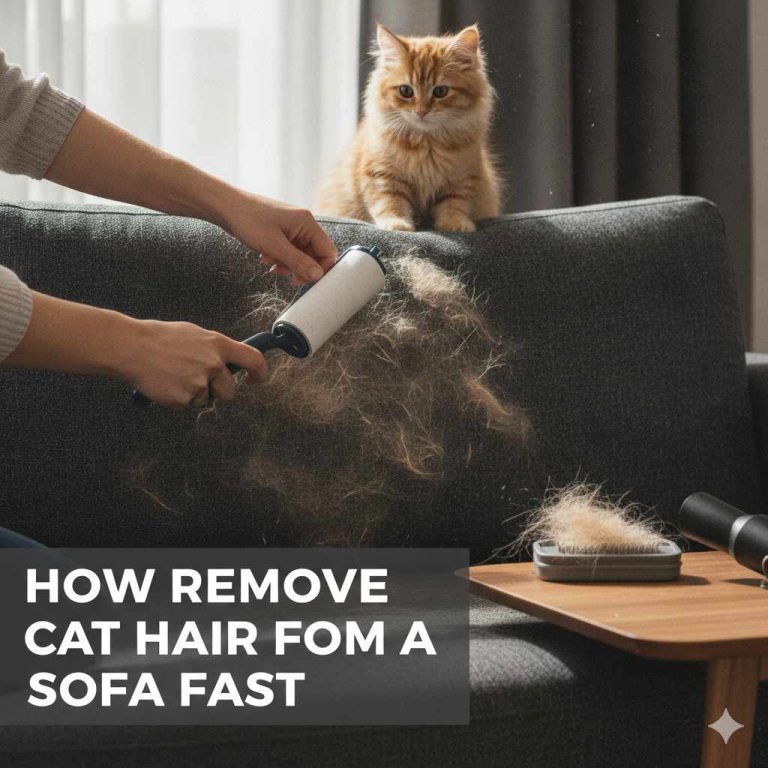
A rubber glove (dampened lightly) works wonders for picking up hair. Gently rub your hand over the sofa and the hair will stick to the glove. You can also use a lint roller or vacuum with a pet hair attachment.
Treating Pet Accidents
- Blot up as much liquid as possible, right away.
- Sprinkle baking soda to absorb moisture and odor. Leave for 30 minutes, then vacuum.
- For remaining stains, use a suede cleaner or diluted vinegar. Avoid soaking the area.
Warning: Pet urine can soak deep into cushions and may need professional deodorizing if the smell persists.
What About Microfiber Suede?
Microfiber suede (sometimes called “microsuede”) looks similar but is made from synthetic fibers. It’s more resistant to stains and easier to clean.
Key Differences In Care
- Water is usually safe on microfiber, but always check the label.
- You can use mild soap and water for most stains.
- Microfiber doesn’t need a suede brush, but a lint-free cloth helps keep it looking good.
Pro Tip: If you’re not sure whether your sofa is real suede or microfiber, check the tag or manufacturer’s website. Care instructions can be very different.
When To Replace, Not Clean
There are times when cleaning won’t save a suede sofa:
- Deep, set-in stains that cover large areas
- Mold or mildew that has penetrated the cushions
- Severe fading or cracking of the surface
If cleaning doesn’t help, it may be time to reupholster or replace the sofa.
Frequently Asked Questions
How Can I Tell If My Sofa Is Real Suede Or Microfiber?
Look for a fabric tag on your sofa, manufacturers often list the material there. Real suede feels soft and velvety but absorbs water quickly and shows marks. Microfiber is smoother, and water usually beads up instead of soaking in. You can also check with the retailer or on the manufacturer’s website for details.
Is There A Way To Waterproof My Suede Sofa?
While you can’t make suede completely waterproof, a high-quality suede protector spray offers some resistance against spills. Reapply every 6-12 months for best results. Always choose a product designed for upholstery, not for shoes or clothing, and test on a hidden area first.
Can I Use Baby Wipes Or Household Cleaners On Suede?
No. Most baby wipes and household cleaners contain chemicals, oils, or alcohols that can discolor or damage suede. Stick to products labeled safe for suede, or use distilled water and a gentle suede eraser for spot cleaning.
What Should I Do If My Suede Sofa Gets Moldy?
Mold is very hard to remove from suede. Move the sofa to a dry, well-ventilated area. Wear gloves and a mask. Brush off as much mold as possible outdoors, then wipe gently with a cloth
Products related to this article
Sponsored / affiliate links. As an Amazon Associate I earn from qualifying purchases. I may earn additional commission from eligible campaigns.