Best Cookware for Everyday Use (2026): we compared
For everyday use, I’d buy one 10- or 12-inch stainless skillet, one nonstick pan for eggs, and one heavy pot. Pick stainless for browning, nonstick for fast cleanup, and cast iron or enameled cast iron if you cook often on gas and want steady heat. Choose poorly, and you end up scraping stuck-on food, dealing with warped pans, and losing time to cleanup every night. This guide maps cookware materials to weekday tasks, cleaning tolerance, and stovetop type so you can buy the right set for how you actually cook.
This guide is part of our Cookware materials and safety guide series.
Quick comparison
| Product | Badge | Best for | Price | ||
|---|---|---|---|---|---|
 |
Rachael Ray Cucina Hard Porcelain Enamel Nonstick CookwareRachael Ray | Budget pick | 12-piece nonstick set with 3 cookie pans | $227.98
Price as of 24 Sep 2026
|
View |
 |
Cuisinart MCP-13 MultiClad Pro Stainless-Steel CookwareCuisinart | Upgrade pick | 13-piece triple-ply stainless set | $359.95
Price as of 24 Sep 2026
|
View |
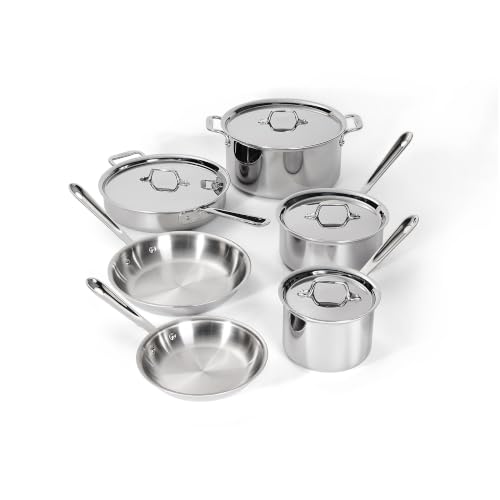 |
All-Clad D3® Stainless Steel Cookware Set, 10-Piece, MadeAll-Clad | Our pick | 10-piece D3 stainless, USA-made | $799.95
Price as of 24 Sep 2026
|
View |
 |
GreenPan Valencia Pro 11 Piece Cookware Set CeramicGreenPan | Also great | 11-piece ceramic nonstick set | $449.95
Price as of 24 Sep 2026
|
View |
 |
Calphalon® Hard-Anodized Nonstick 10-Piece Cookware SetCalphalon | Also great | 10-piece hard-anodized nonstick set | $259.99
Price as of 24 Sep 2026
|
View |
Use this as a quick filter: task first, then upkeep, then stove type. If a pan misses your daily jobs, the price does not matter much.
Stainless steel usually covers the widest range. Nonstick and ceramic nonstick are the easiest for cleanup. Cast iron and carbon steel give the best browning, but they ask more from the cook.
How we chose
This filter is practical, not showroom-based. I looked at weekday tasks, induction compatibility, oven use, cleanup tolerance, durability risks, and whether a reader needs a full set or only a few working pieces.
- Everyday-task fit: eggs, sauces, searing, one-pan dinners, and oven finishing.
- Stovetop and oven compatibility: induction-ready construction, magnetic base, and stated oven limits.
- Maintenance tolerance: dishwasher use, seasoning, coating care, scratching risk, and hand-wash habits.
- Value in real use: whether the buyer needs a hybrid mix of skillet, saucepan, and stockpot instead of a full set.
Task matrix: which cookware wins where
| Task | Best material | Why it wins | Maintenance notes |
|---|---|---|---|
| Eggs and delicate foods | Nonstick | Lowest sticking, easiest release, less oil needed | Coating wears; avoid high heat; many sets are not dishwasher-safe |
| Sauces and simmering | Stainless steel | Handles steady heat, reduces without coating concerns, good for acidic foods | Dishwasher-friendly on many models; food can stick if heat control is poor |
| Searing and browning | Cast iron or stainless steel | Cast iron holds heat best; stainless gives better all-around control and easier sauce-making | Cast iron needs seasoning and drying; stainless may stain but is easier to maintain |
| One-pan dinners | Stainless steel | Good for sautéing, deglazing, and finishing in the oven | Look for a comfortable handle and a stated oven-safe limit |
| Oven finishing | Stainless steel or cast iron | Better heat tolerance for skillet-to-oven meals | Check the model’s exact temperature limit; some pans stop far below premium options |
| Cleanup and dishwasher use | Stainless steel | Most likely to tolerate dishwasher cleaning and scrubbing | Still watch handles, rivets, and finish quality; nonstick coatings need more care |
| Scratch risk | Stainless steel | No nonstick coating to damage | Can still dent, stain, or warp if built poorly |
| Induction compatibility | Stainless steel with magnetic base or compatible build | Works best when the base is explicitly rated for induction | Some good pans fail on induction if the base is not magnetic enough |
what is the best material for cookware for everyday use

Stainless steel is the best material for everyday use for most home cooks because it covers the widest range of weekday jobs: searing, simmering, sautéing, deglazing, and oven finishing. It is also the safest default when a cook wants one material that can move between gas, electric, and induction without much drama.
Food Network says stainless steel is a good option for someone who cooks often and is savvy in the kitchen. I see that hold up in real kitchens: it rewards basic heat control, and it does not depend on a fragile coating to do its job.
Why stainless wins for daily cooking
Good 3-ply clad stainless pans spread heat better than thin, single-layer pans, so they are less likely to scorch a sauce or leave a hot spot under a cutlet. They also handle acidic ingredients well, which matters for tomato sauce, pan gravy, and weeknight braises.
Most stainless sets are also dishwasher-friendly, and induction compatibility is common when the maker states it clearly. That makes stainless the least fussy long-term choice for a lot of kitchens.
Where stainless falls short
Stainless is versatile, but it is not naturally nonstick. Eggs can stick if the pan is too cool, too hot, or under-oiled. New cooks who want easy slide-out eggs every morning may prefer a dedicated nonstick pan alongside stainless.
It can also show staining or rainbow marks if overheated, and cheaper pans may warp if the base is thin. Handle shape matters too; a heavy pan with a poor grip becomes annoying fast.
What to look for in 3-ply clad pans
Look for a fully bonded aluminum core, not a thin disc base that only covers the center. A strong lid, riveted handle, and stated induction compatibility are useful signs of a better everyday pan. The oven-safe rating matters as much as the cooktop label.
For most homes, one stainless skillet, one saucepan, and one stockpot do more good than a drawer full of niche pieces.
what are the best utensils for nonstick pans
The best utensils for nonstick pans are silicone, wood, or soft-edged nylon tools that will not scratch the coating. Hard metal spatulas, forks, and sharp-edged turners are the usual cause of coating damage, especially when used aggressively on hot pans.
Use smooth tools, moderate heat, and gentle cleaning. That combination protects the coating far better than any brand claim.
what is the best nonstick cookware for everyday use
Traditional nonstick is the best everyday choice for eggs, crepes, fish, and other delicate foods when easy release matters more than browning power. It is also the easiest path for newer cooks who want less sticking and less scrubbing while they build confidence at the stove.
Food Network says nonstick sets can be a great place to start for someone newer to cooking. That makes sense if the cook values convenience and accepts that the coating will not last forever.
Coating durability and heat limits
Coating durability is the real issue, not the label on the box. High heat shortens nonstick life, metal utensils can scratch it, and abrasive pads can wear it down. Some sets are not dishwasher-safe, so buyers need to check the care sheet before assuming cleanup is easy.
Nonstick cookware also varies in build quality. A well-made pan with a decent base can cook well for years, while a cheap one can lose release quickly and start to look rough even if the handle still feels solid.
When dishwasher-safe claims matter
Dishwasher-safe does not mean dishwasher-proof. Repeated detergent exposure and rack contact can shorten coating life, especially on lower-cost pans. If a nonstick set is going in the machine often, the buyer should expect faster wear than with hand washing.
For everyday use, a dishwasher-safe label is helpful, but it is not a free pass.
what is the healthiest cookware to use
The healthiest cookware to use is the material you can keep in good condition and cook with at the right heat. For many home cooks, that means stainless steel for broad use and nonstick for low-oil eggs, as long as the coating is cared for and not overheated.
Safety depends on material, coating condition, and heat limits more than on brand slogans. Damaged or overheated cookware is the problem to avoid.
What to check before buying for safety
Check whether the pan is induction-compatible if your stove needs it, and verify the oven-safe temperature if you finish dishes in the oven. For nonstick and ceramic nonstick, care rules matter: use moderate heat, avoid damaged coatings, and do not use harsh tools that scratch the surface.
Ceramic nonstick is often marketed as better for higher heat than traditional nonstick, but the coating still wears over time. It is a cleanup convenience, not a permanent surface.
what is the best cookware material for everyday use
Stainless steel is the best cookware material for everyday use for most kitchens because it covers the widest range of cooking tasks without a steep maintenance burden. It is especially strong for simmering, searing, oven use, and induction cooktops, where a magnetic base or compatible construction matters.
Choose nonstick only when release matters more than browning. Choose cast iron or carbon steel when heat retention and crust matter enough to accept seasoning and heavier care.
Stainless steel cookware: best for versatility
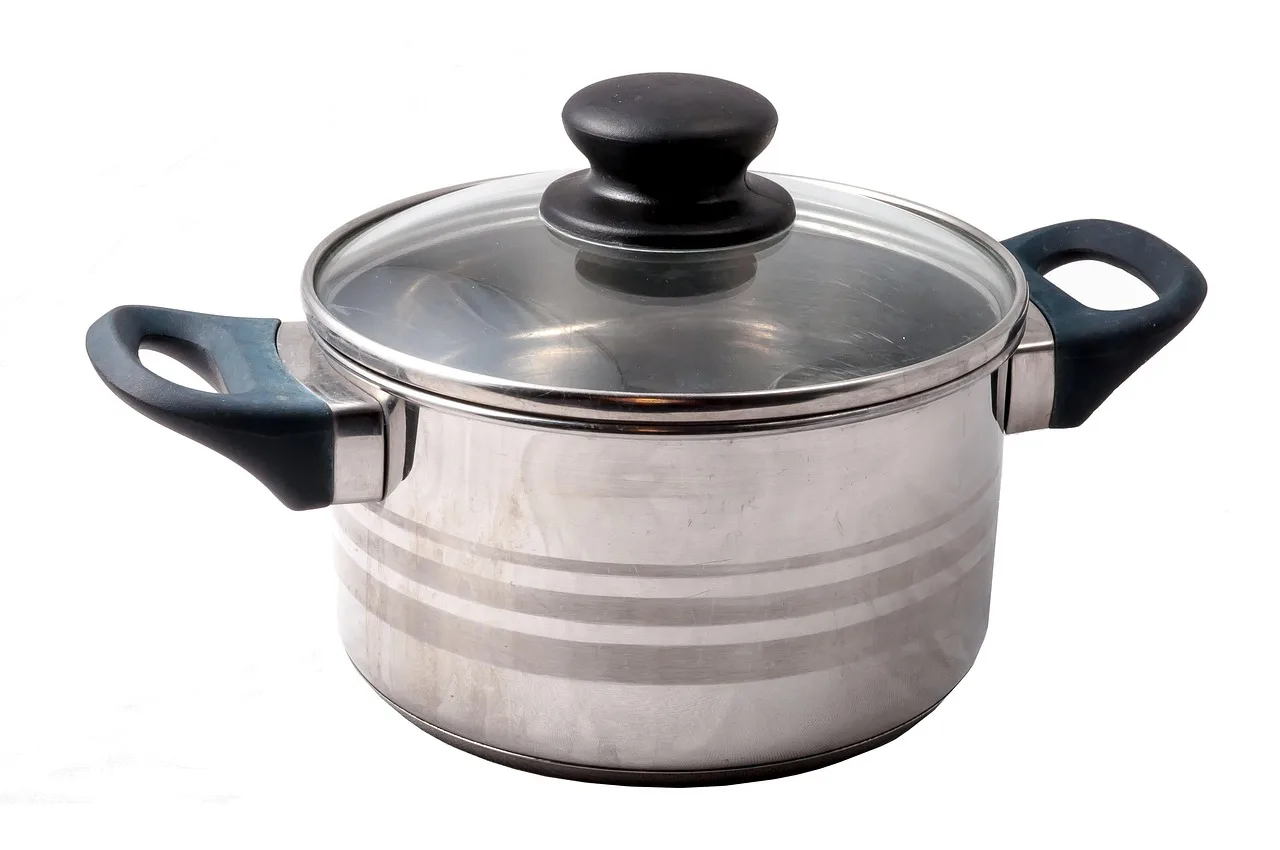
Stainless steel is the workhorse pick for weekday cooking. It handles sauces, searing, pan finishes, and reheating better than the convenience-first options, and it is the safest material to buy when a home cook does not want to manage every dish.
Good Housekeeping tested more than 200 cookware sets and named the Hestan NanoBond 10-Piece Stainless Steel Cookware Set as its top overall pick. Food Network also chose the All-Clad D3 10-Piece Stainless Steel Cookware Set as its best stainless steel pick, while IKEA says its 365+ cookware is made of hard-wearing stainless steel and works on all types of hobs and in the oven.
Why it wins for daily cooking
Stainless earns its spot because it adapts well. It is good for searing and simmering, works well on induction when the base is right, and often goes in the dishwasher. Many strong stainless sets use 3-ply clad construction, which helps with even heating and steadier control.
That matters on weeknights. One pan can brown chicken, deglaze with stock, and finish in the oven without forcing the cook to switch materials mid-recipe.
Where it falls short
Stainless does not forgive bad heat control. Eggs can cling, thin sauces can scorch, and cheaper pans can warp if they are poorly built. Handle comfort matters here too, because a heavy skillet that feels awkward gets left on the rack more often than it should.
Nonstick cookware: best for eggs and easy cleanup
Nonstick cookware is the easiest everyday choice for eggs, fish, pancakes, and other delicate foods that want a low-friction surface. It cuts cleanup time and lets newer cooks get dependable results without a lot of pan skill.
Food Network says nonstick sets can be a great place to start for someone newer to cooking. The tradeoff is durability: coating wear, heat limits, and cleaning rules matter far more than they do with stainless.
Best use cases
Use nonstick for breakfast foods, quick lunches, and low-fuss dinners where browning is not the main goal. It is also useful when a cook wants less oil and less scrubbing after a long workday.
Coating durability and heat limits
The coating is the weak point. High heat, metal utensils, and harsh cleaning shorten life. Some sets are not dishwasher-safe, and even those that are still tend to last longer with hand washing.
Nonstick is a practical tool, not a forever pan. Buyers should think in terms of useful life, not heirloom value.
Ceramic nonstick cookware: best for low-stick cleanup
Ceramic nonstick cookware is a good pick for cooks who want low-stick release and easy cleanup without moving straight to traditional nonstick. It is popular with newer cooks because it feels simple to use, and Food Network says ceramic cookware sets are the best choice for higher-heat and oven use.
The honest catch is lifespan. Ceramic coatings can wear over time, and easy cleanup at the start does not guarantee the same release after long use.
Why newer cooks like it
Ceramic nonstick often feels more forgiving than bare metal and gives a clean release for many everyday foods. That lowers the friction of weeknight cooking and makes the first few months with the pans feel very easy.
How long the coating tends to last
The coating tends to decline gradually with heat and use. Once the surface starts to lose its slick feel, food sticks more often and cleanup becomes less effortless. That wear pattern is normal enough that buyers should not treat ceramic nonstick as a lifetime surface.
What to check before buying
Check the stated oven-safe rating, whether the handles stay cool, and whether the pan base is compatible with your stove. If induction is part of the kitchen, confirm that the construction is explicitly listed for it rather than assumed.
Ceramic nonstick can be a smart middle ground, but only for cooks who accept that the coating will not stay perfect.
Cast iron cookware: best for high-heat browning
Cast iron cookware is the strong choice for high heat retention and deep browning. It is excellent for steaks, cornbread, skillet dinners, and any recipe that benefits from a heavy pan holding heat through the cooking process.
The tradeoff is obvious: it is heavier than other materials and needs maintenance. That combination turns some buyers away, and for good reason.
Why it holds heat so well
Cast iron stores heat well, so it keeps a steady pan temperature when cold food goes in. That makes it great for browning and helps reduce temperature swings during searing or oven finishing.
Maintenance and seasoning
Cast iron needs seasoning, drying, and a bit of care after washing. If it sits wet, rust can show up. That upkeep is simple once learned, but it is still real work compared with stainless or nonstick.
Weight and handle comfort
The weight penalty matters more than many buyers expect. A heavy skillet is harder to lift, pour from, and store. Handle shape also matters, because a poor grip makes an already heavy pan feel worse.
Carbon steel cookware: best for lighter high-heat cooking
Carbon steel cookware acts like a lighter, faster-moving cousin of cast iron. It retains heat well, browns well, and is often favored on grills or in pizza ovens where quick heat response and high temperature matter.
It still needs seasoning, but the lighter weight makes it easier to move than cast iron. That difference matters on busy stove-to-oven jobs.
How it differs from cast iron
Carbon steel is usually lighter, so it is easier to toss vegetables, slide into an oven, or carry from grill to counter. Cast iron usually holds heat a bit more stubbornly, while carbon steel feels quicker and less bulky in daily use.
Why grill and pizza-oven users like it
Carbon steel works well where very high heat and fast movement matter. It is common on grills and in pizza ovens because it can take the heat, brown food well, and still be easier to handle than a heavy cast iron pan.
Seasoning and care basics
Like cast iron, carbon steel needs seasoning and dry storage. Buyers who want low-maintenance cleanup should not pick it by mistake. Those who like a seasoned cooking surface and can keep up with the care will get a useful, durable pan.
what is the best cookware set for everyday use
The best cookware set for everyday use is often not a full set at all. Most households get more value from a hybrid mix: one stainless skillet, one nonstick egg pan, one small saucepan, and one stockpot, with a sauté pan added only if they cook one-pan dinners often.
Food Network’s best stainless pick is the All-Clad D3 10-Piece Stainless Steel Cookware Set, while its best nonstick pick is the All-Clad HA1 10-Piece Nonstick Cookware Set. Good Housekeeping’s top overall pick is the Hestan NanoBond 10-Piece Stainless Steel Cookware Set, and Yahoo’s best overall is the Cuisinart 12-Piece Cookware Set, which includes a steamer insert and is listed as oven safe up to 500°F with silicone grip.
What a useful set should include
The core pieces are simple: two frying pans, a small saucepan, a stockpot, and either a sauté pan or an extra saucepan. That covers most weeknight cooking without stuffing cabinets full of duplicate pans.
Why hybrid buying often wins
Many buyers do not need every piece in a matched set. They need one great skillet for browning, one easy-release pan for eggs, and a pot that actually fits their pasta nights. Buying only the pieces that match real use often costs less in the long run than replacing a disappointing full set later.
Which one should you buy
Buy stainless steel first if you want one material that handles most weekday jobs well, including induction and oven finishing. Add nonstick only if you cook eggs often or want the easiest cleanup. Choose cast iron or carbon steel when browning and heat retention matter enough to accept weight and upkeep.
If you cook eggs most mornings
Get one dedicated nonstick pan. That is the easiest path to reliable eggs, omelets, and crepes without fighting the pan every morning. Pair it with stainless for the rest of your cooking.
If you want one pan for most dinners
Choose a stainless skillet in the 10- to 12-inch range. It is the best single pan for sauces, sautéing, searing, and finishing in the oven. If the pan is induction-compatible and dishwasher-friendly, even better.
If you sear often and do oven finishes
Stainless steel is the first pick for most cooks, with cast iron as the heavy-duty alternative if weight does not bother you. Check the oven-safe rating carefully, because a pan that cannot take the needed temperature limits the recipe more than the cooktop does.
If you hate hand-washing
Start with stainless steel. Many pieces are dishwasher-friendly, and they do not have a coating that can wear from washing. Nonstick and ceramic nonstick can be easy to clean at first, but they usually ask for more care over time.
If you only want to replace a few pieces
Replace the pieces you actually use most: a skillet, a saucepan, and a stockpot. Skip extra duplicates unless you cook large meals often. This keeps the cabinet useful and prevents paying for pans that sit untouched.
Frequently asked questions
what is the best cookware for everyday use
The best cookware for everyday use is a small set of pieces that match real tasks: a stainless skillet, a nonstick egg pan, a saucepan, and a stockpot. For most homes, that mix works better than a large matching set with duplicate pans that rarely leave the cabinet.
what are the best pans for everyday use
For most kitchens, the best everyday pans are a stainless steel skillet for general cooking and a nonstick pan for eggs and delicate foods. If the cook values browning above all else, cast iron or carbon steel can replace the stainless skillet, but only if the upkeep is acceptable.
Products related to this article
Sponsored / affiliate links. As an Amazon Associate I earn from qualifying purchases. I may earn additional commission from eligible campaigns.