Budget Cookware Cost: How Much Should You Spend on a Budget?
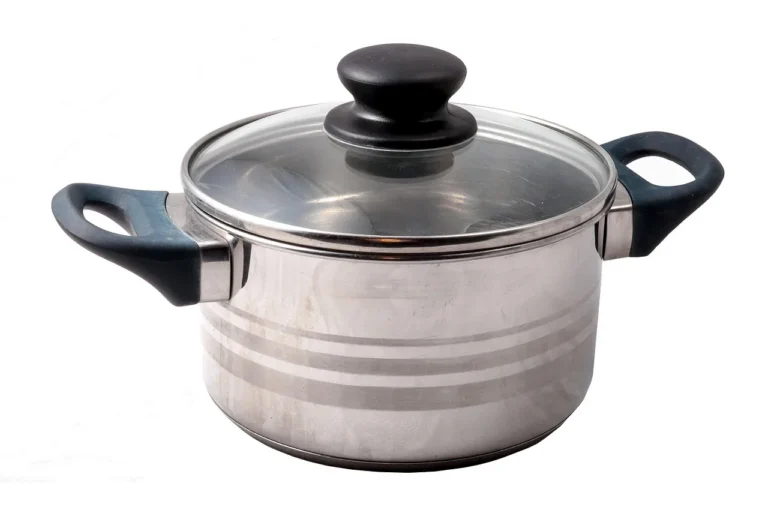
A practical budget cookware plan is roughly $40–$120 for a starter setup, with a single nonstick skillet around $15–$30, a 3-quart saucepan around $20–$40, and a stockpot only if you actually cook pasta, soup, or bulk grains. Buy the wrong set and money goes to heavy pieces you never touch, or thin pans you replace every year. This guide breaks down the cheapest safe buys by cooking style, material, set size, and which pieces to skip.
How much does budget cookware cost?
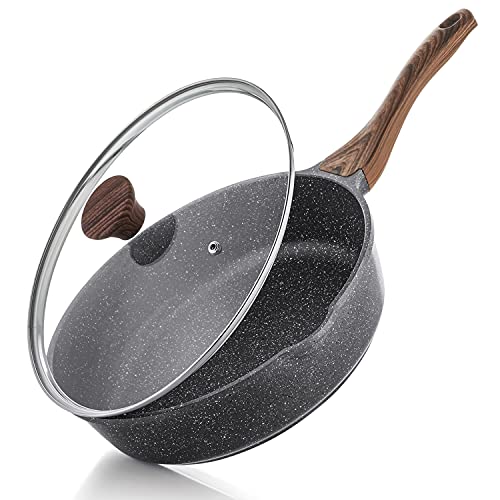


Budget cookware usually means one useful pan for under $30, a basic starter kit around $40–$120, and mid-budget sets that climb when you add thicker construction or a trusted brand name. If the price looks low but the pieces are thin, tiny, or loaded with extras, the real value can be poor.
Entry-level buying starts with singles. A plain nonstick skillet is often the cheapest way in, while stainless steel and tri-ply sets move up fast because of material and build. Cast iron stays low at entry price, but weight and care matter more than sticker cost.
What counts as a cheap set versus a normal budget buy
A cheap set is usually the one that gets a buyer through checkout, not through three years of cooking. It may have a low total price, but if it includes five small lids, two tiny saucepans, and a barely usable sauté pan, the per-piece value drops fast.
A normal budget buy is different. It has a useful skillet, one saucepan, and maybe a stockpot if the cook actually needs it. That kind of purchase costs more per pan than a bargain bundle, but less over time because the buyer avoids quick replacement.
When a low sticker price is a bad deal
Low price becomes a bad deal when the coating wears fast, the handles loosen, or the set includes pieces that never leave the cabinet. Thin nonstick pans can be cheap to buy and expensive to replace. A set with too many extras also ties up money in parts that add little daily use.
According to Pots and Pans Cost: Price Ranges for Common Cookware 2026 — LatestCost says copper-core cookware can reach $180 to $700.
What is a normal price for a cookware set?
A normal price for a cookware set depends on size and material, but budget buyers often see 7-piece, 8-piece, and 10-piece sets spread across a wide range. Smaller collections make sense for most kitchens, and larger bundles only pay off when the extra pieces will be used often.
7-piece, 8-piece, and 10-piece set price ranges
Set size changes price fast. LatestCost says an 8-piece nonstick set typically ranges from $60 to $250, and a 10-piece stainless steel set typically ranges from $140 to $500. The higher number often reflects thicker walls, better lids, and longer wear, not just brand markup.
There are also premium examples that reset expectations. All-Clad D3 7-piece set is priced at $600. Made In’s 6-piece starter set is priced at $559. Made In CeramiClad 7-piece set is priced at $599. Those figures show how quickly a starter bundle can move out of budget territory.
Set size versus actual usable pieces
Not every piece in a set is equally useful. A beginner usually needs one skillet, one small saucepan, one medium saucepan, and one pot large enough for soup or pasta. Extra tiny pans, duplicate lids, and novelty inserts often raise the count without improving the kitchen.
CNET recommends a smaller cookware collection over larger bundles. That advice fits budget buying because fewer, better pieces are easier to store, easier to replace, and more likely to get daily use.
When bundles include extras you do not need
Many starter sets include tools or pans that look helpful but add little value. A second small skillet, a mini saucepan, or specialty lids can inflate the set price. For a tight budget, those extras usually belong on the skip list.
How much should I pay for each material?
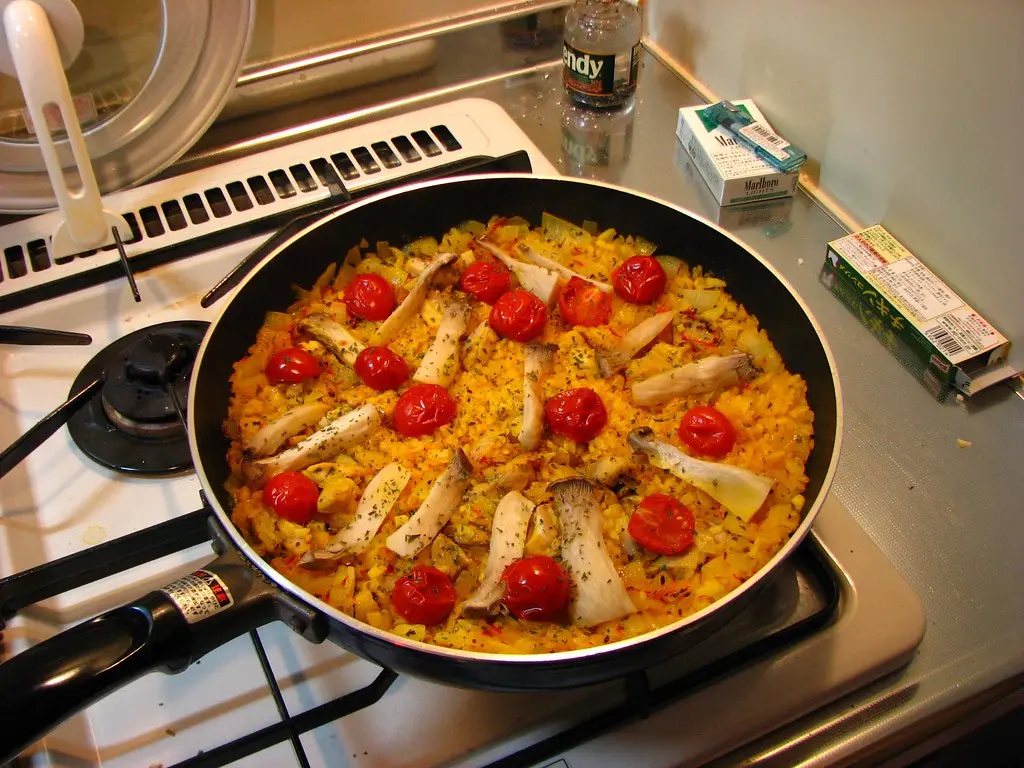
Material choice changes price quickly. Nonstick is usually the lowest-cost path for easy cleanup, stainless steel costs more when the build is thicker, cast iron starts cheap but is heavy, and ceramic often sits in a higher price band because buyers expect a cleaner coating story and a smoother cooking surface.
Nonstick cookware sets: budget range, coating type, and cleanup tradeoffs
For a budget nonstick cookware set, the common sweet spot is the low end of the market. LatestCost says an 8-piece nonstick set typically ranges from $60 to $250. That usually buys a coated interior that wipes clean fast, but durability depends on how hard the coating is used and how carefully it is washed.
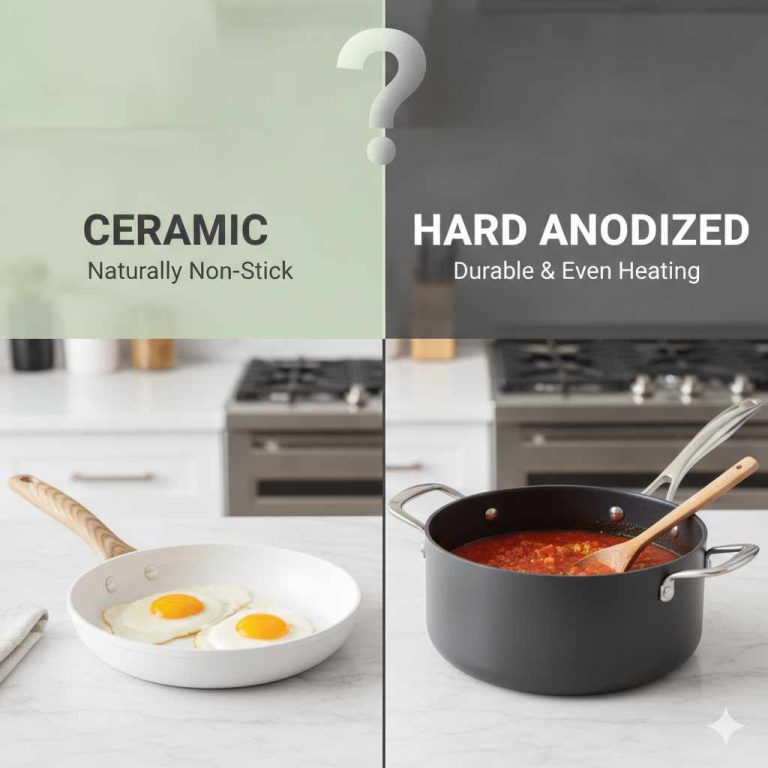
Standard nonstick is the cheapest easy-clean option. Hard-anodized versions usually cost more because the base metal is treated for tougher wear. Ceramic-coated pieces can also cost more than plain nonstick, though buyers often expect a different feel and cleaner ingredient story. The tradeoff is clear: faster cleanup now, more replacement risk later.
Stainless steel cookware sets: tri-ply versus fully clad, and why price climbs
Stainless steel cookware sets cost more because the construction matters. Tri-ply stacks layers for better heat spread, while fully clad construction extends that layered build across more of the pan. Fully clad usually costs more because it is more consistent across the base and walls.
LatestCost says a 10-piece stainless steel set typically ranges from $140 to $500. Tramontina Tri-Ply 8-piece cookware set is labeled budget-friendly, which matters because it shows tri-ply can still sit in a lower-cost lane when the brand keeps the bundle lean.
Cast iron and ceramic cookware: entry cost, upkeep, and durability tradeoffs
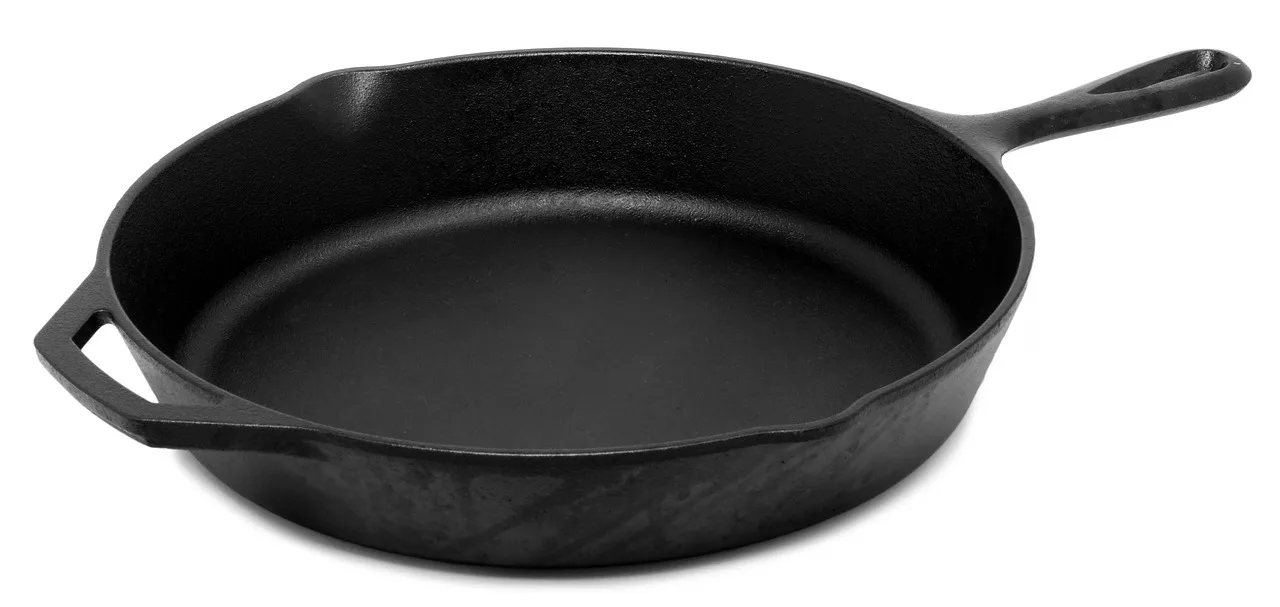
Cast iron has the lowest entry price for many buyers. Lodge Seasoned 7-piece bundle is priced at $70, which is a strong example of how far budget dollars can go if weight is not a problem. Cast iron holds heat very well, but it is heavy and needs drying, seasoning, and a little care after washing.
Ceramic cookware usually costs more than plain nonstick and often more than basic cast iron bundles. It can feel slick at first, but durability is the weak point. Buyers also ask about safety claims, and the real budget question is whether the coating will stay useful long enough to justify the higher starting price.
What is the cheapest safe cookware material?
The cheapest safe cookware material is often cast iron for cooks who can handle the weight and care, or stainless steel for cooks who want a longer service life without coating wear. For everyday frying and simple meals, a small nonstick pan can still be the lowest-cost safe buy if it is replaced on time.
Low-cost options that make sense for everyday cooking
Cheap and safe can exist in the same purchase, but only when the piece matches the job. A seasoned cast iron skillet is a low-cost way to cook eggs, vegetables, and bread. A modest stainless skillet is better if the buyer wants durability and does not want to manage a coating.
Cheap coated sets become risky when the buyer expects them to last for years under high heat and metal utensils. That is where the cost hidden in replacement starts to matter more than the sticker price.
When cast iron is the best value
Cast iron is the best value when the kitchen needs one sturdy pan that can sear, bake, and hold heat. It is especially strong for cooks who do not mind seasoning and a heavier pan. The upfront cost stays low, so the long-term cost can stay lower too.
When stainless steel beats a cheap coated set
Stainless steel beats a cheap coated set when the buyer wants a pan that can last through more cooking cycles without a coating wearing away. It costs more at the start, but there is less pressure to replace it after the surface loses its nonstick behavior.
| Household type | Cooking frequency | Best material choice | Recommended spend range | Must-buy pieces | Skip items |
|---|---|---|---|---|---|
| One person, simple meals | 2 to 4 times weekly | One nonstick skillet or one cast iron skillet | $40–$80 | 12-inch skillet, 3-quart saucepan | Large set, extra small pans, specialty lids |
| Couple, mixed cooking | Most days | Stainless steel with one nonstick pan | $80–$150 | Skillet, saucepan, stockpot if used weekly | Duplicate skillets, gadget bundles |
| Family of three to four | Daily | Tri-ply stainless plus one nonstick pan | $120–$220 | 10-inch or 12-inch skillet, two saucepans, stockpot | Oversized sets with unused specialty pieces |
| Frequent cook, high use | Daily to multiple times daily | Mixed material kit | $150–$300 | Stainless skillet, nonstick egg pan, cast iron | Cheap full sets that need fast replacement |
Should you buy a set or piece by piece?
Buying piece by piece is usually smarter when the kitchen needs only a few core pans, while a set helps when the price per useful pan is genuinely lower. The best choice depends on how many pieces will be used every week, not on how large the box looks.
Value per piece and where set pricing helps
Sets help when the included pieces match real cooking habits. A 7-piece or 8-piece package can be useful if every item fills a gap. But if the buyer only needs two pans and one pot, the savings often disappear once unused pieces are counted.
When an individual 12-inch skillet is smarter
LatestCost says a 12-inch skillet can cost $20 to $100. That range makes a single skillet a practical first buy, especially for someone who fries, sautés, or sears often. Material changes price, with stainless and thicker builds usually sitting higher than basic coated pans.
All-Clad 2-piece nonstick skillet set is a two-pan option, which is a good reminder that a focused buy can be more sensible than a full set. A buyer who needs only one large skillet should not pay for five other pans to get it.
Hidden costs: lids, replacement pans, and backup pieces
Set buyers often miss the hidden costs. Lids may not fit other pans. A worn nonstick pan may need replacement before the rest of the set. Backup pieces can help in a busy kitchen, but only if there is space and a real second-use case.
How brand premium and coatings change price
Brand premium can add a lot to a cookware price, especially when the brand carries a warranty reputation or a polished starter set. Coatings and finishes also move cost upward. Hard-anodized, ceramic-coated, and standard nonstick all sit on different price paths because they imply different wear, feel, and replacement timing.
Warranty, name recognition, and starter set pricing
Brand reputation and warranty support often raise cost before a pan is even used. That is why a starter set from a known maker can cost far more than a no-name bundle with similar piece counts. The buyer is often paying for consistency, support, and a better chance of getting replacement help.
That premium is visible in the numbers already listed. Made In’s 6-piece starter set is priced at $559, and All-Clad D3 7-piece set is priced at $600. Those are not budget buys; they are examples of how quickly brand pricing moves beyond a starter budget.
Hard-anodized, ceramic-coated, and standard nonstick costs
Standard nonstick is usually the cheapest coating route. Hard-anodized often costs more because the base is treated for better wear resistance. Ceramic-coated cookware often costs more still, but buyers should compare that premium with how long the surface is likely to stay slick enough to matter.
The safer budget play is often a single good nonstick skillet for delicate foods and stainless or cast iron for the rest. That mix keeps the budget lower than a premium coated set and avoids paying for a full matching collection that will age unevenly.
Budget cookware buying matrix
This matrix turns the price talk into a shopping plan. For the lowest safe buy, the key is not the full set count. It is whether the pieces match cooking habits, storage space, and how often the pans will be used.
| Household type | Cooking style | Spend range | Must-buy pieces | Avoid |
|---|---|---|---|---|
| Single renter | Eggs, pasta, reheating | $40–$70 | 12-inch nonstick skillet, 3-quart saucepan | 10-piece sets, specialty pans |
| Couple | Quick dinners, occasional batch cooking | $70–$120 | Stainless skillet, saucepan, stockpot if needed | Extra mini pans, duplicate lids |
| Family with kids | Daily cooking, larger portions | $120–$220 | One nonstick pan, one stainless skillet, one stockpot | Cheap full sets with thin walls |
| Frequent home cook | Mixed techniques, higher heat use | $180–$300 | Tri-ply stainless set, cast iron skillet, one nonstick pan | Low-grade coated bundles |
What to buy, what to skip, and when to replace
Buy the pan that matches the most common meal. Skip anything that duplicates that job. Replace nonstick when the surface loses glide or starts to wear, and keep cast iron only if the upkeep is realistic. That approach keeps the total cost closer to the real use pattern.
Frequently asked questions
How much should I pay for a nonstick pan set?
For a practical nonstick pan set, a buyer should focus on the low to middle part of the range unless the coating, lid quality, or warranty justifies more. LatestCost says an 8-piece nonstick set typically ranges from $60 to $250, and that spread reflects major differences in durability.
Are cheap cookware sets worth it?
Cheap cookware sets are worth it only when the pieces are actually useful and the coating or metal is not so thin that it fails quickly. A bargain set with a weak coating, tiny pans, and extra filler pieces often ends up costing more after replacement.
What is the cheapest good cookware material?
Cast iron is often the cheapest good cookware material for people who can handle the weight and upkeep. A Lodge Seasoned 7-piece bundle is priced at $70, which is a low entry point for durable heat retention. Stainless steel is a better choice when easy care matters more than price.
Is it better to buy cookware as a set or piece by piece?
Piece by piece is usually better for tight budgets because it lets the buyer spend only on the pans that will get used. Set buying helps when the bundle is lean and the per-piece price is lower, but large bundles often hide extra items that add little value.
Products related to this article
Sponsored / affiliate links. As an Amazon Associate I earn from qualifying purchases. I may earn additional commission from eligible campaigns.