Dutch Oven Size Chart: Which Size Fits Best for Cooking?
A common choice for many home cooks is a Dutch oven of about 5 to 7 quarts: about 5 quarts suits 2 to 4 people and bread loaves, while about 6 to 7 quarts suits soups, braises, and family meals. Pick too small and food crowds; pick too large and it weighs more, heats less evenly, and wastes storage space. This Dutch oven size chart compares capacity, footprint, recipe shape, and lifting safety so you can match the pot to your kitchen.
Dutch oven size chart
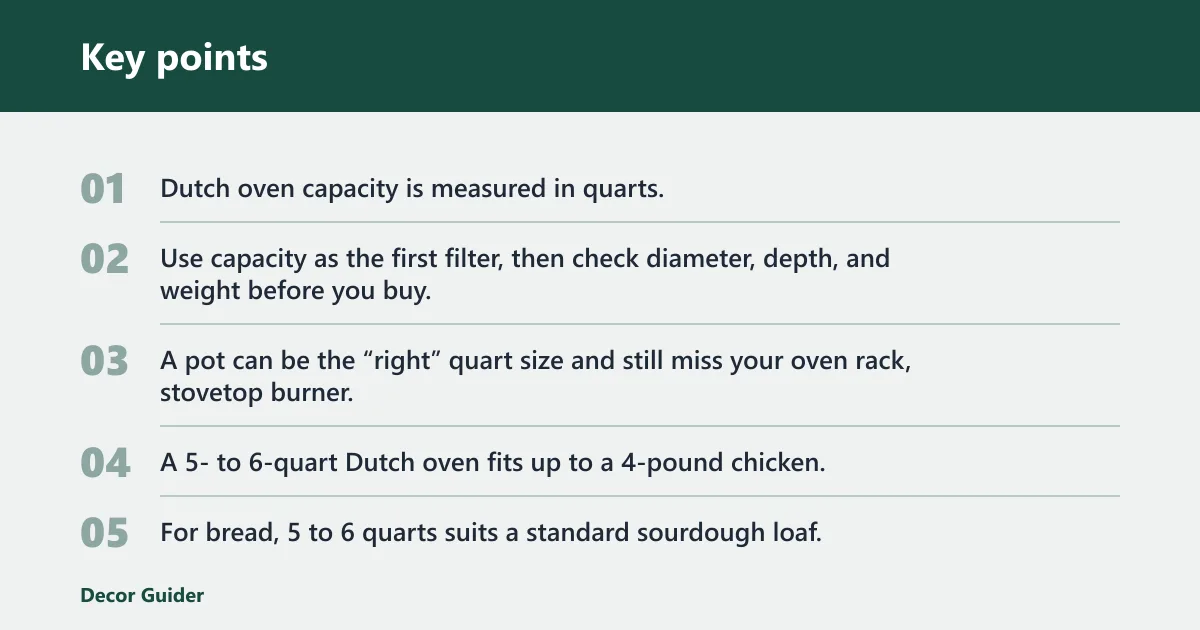

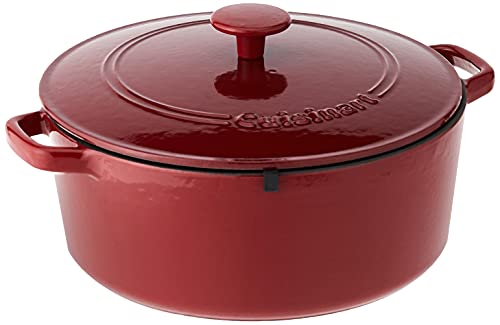

Dutch oven capacity is measured in quarts, and common working sizes run from about 1.5 to 9+ quarts. Use capacity as the first filter, then check diameter, depth, and weight before you buy. A pot can be the “right” quart size and still miss your oven rack, stovetop burner, or cabinet shelf.
| Size band | Likely servings | Approximate whole-chicken fit | Bread suitability | Best recipe type | Buy only if |
|---|---|---|---|---|---|
| 1.5 to 3.5 quarts | 1 to 3 people | Too small for most whole birds | Small loaves, side dishes, proofing, or compact no-knead dough | Side dishes, rice, sauces, small bakes | You cook for one or two, or need a compact pot with a small footprint |
| 5 to 6 quarts | 2 to 5 people | Up to a 4-pound chicken | Standard sourdough loaf size | Soups, stews, chicken, everyday braises | You want one pot for most weekday cooking and bread |
| 5 1/2 quarts | About 2 to 4 people | Up to a 4-pound chicken | Standard sourdough loaf size | All-purpose, balanced stovetop and oven use | You want the common benchmark size and can store a mid-size pot |
| 7 to 7.5 quarts | 5 to 7 people | Up to a 6-pound chicken | Good for larger boules and batch baking | Large braises, family meals, entertaining | You regularly cook for a crowd or want extra headroom |
| 9 quarts | 6+ people | Up to a 9-pound chicken | Large loaves and bigger batches | Big roasts, large soups, holiday cooking | You need maximum capacity and can lift a heavy pot safely |
Whole chicken and bread-baking bands
A 5- to 6-quart Dutch oven fits up to a 4-pound chicken, a 7- to 7.5-quart pot fits up to a 6-pound chicken, and a 9-quart pot fits up to a 9-pound chicken. For bread, 5 to 6 quarts suits a standard sourdough loaf, but pot depth and base width matter as much as nominal capacity because they control loading and scoring room.
Round pots usually make the easiest bread bake. The loaf sits centered, the heat spreads evenly, and the lid trap is simple to manage. Combo cooker shapes can help with loading and scoring because the bread can drop into a lower base rather than into a deep, narrow vessel.
Buy only if notes by size
Small pots make sense when you cook for one or two, reheat grains, or want a lighter piece to lift from stove to sink. Mid-size pots make sense when you want one general-purpose vessel. Large pots only make sense when your recipes are big enough to use the extra surface area and volume.
Say your oven is compact and the rack sits close to the top element. A very tall, wide pot can limit browning because the lid and rim sit too close to the heat source. In that case, a slightly shorter round 5- or 6-quart pot is often a better daily tool than a bigger one that barely fits.
What size Dutch oven should I buy?
For most home cooks, start with a 5.5- to 6-quart Dutch oven. That size handles soups, braises, bread, and family meals without feeling oversized on the stove or in the cabinet. If you mainly cook for one or two people, a smaller pot can be a better match. If you often roast whole birds or cook for guests, move up.
The 5.5-quart all-purpose sweet spot
Le Creuset says the standard size Dutch oven is 5 1/2 quarts, and that figure lines up with the broad advice to buy a mid-size pot first. The Seasoned Pan also points to 5.5 to 6 quarts as a one-size answer. That range usually gives enough room for simmering and enough base area for browning.
When 5 quarts makes more sense
A 5-quart Dutch oven is easier to store, easier to lift, and often enough for 2 to 4 people. It also suits bread baking if you want a standard sourdough loaf. If your stove is small or your shelves are tight, a 5-quart pot can be the most practical choice even when a larger pot looks more flexible on paper.
When to move up to 7 quarts or larger
Move up when you need more headroom for stock, pasta, braises, or a whole bird. Lodge recommends a 6-quart Dutch oven for families of four, and it lists 7 or 7.5 quarts for up to a 6-pound chicken. If you feed guests often, the extra room can keep splatter down and reduce boilover risk.
What is the standard Dutch oven size?
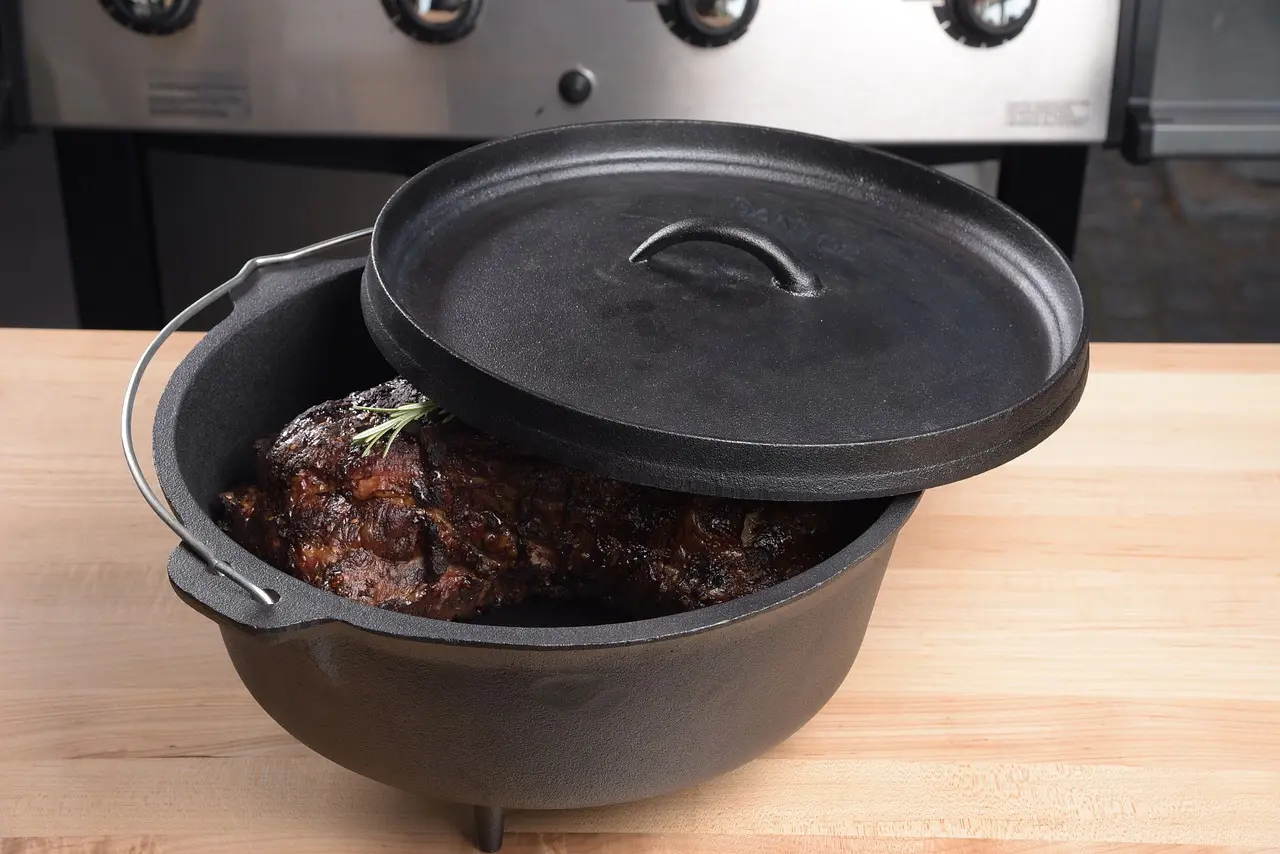
The standard Dutch oven size is widely cited as 5 1/2 quarts. That is the benchmark many shoppers use because it sits in the middle of the common working range and works for a wide spread of recipes. It is large enough for family cooking, yet not so large that it becomes awkward for daily use.
Why 5.5 quarts is the usual benchmark
Le Creuset identifies 5 1/2 quarts as the standard size, and that matches the common all-purpose recommendation. The size gives enough capacity for soups and stews without forcing you into a bulky pot. It is also close to the range that suits bread, which makes it useful if you want one pot for several jobs.
How 5-quart and 7-quart pots compare
A 5-quart pot is the lighter, tighter option. A 7-quart pot gives more room for larger cuts and leftovers. The tradeoff is simple: 5 quarts is easier to handle and store, while 7 quarts is better when recipe volume matters more than weight and footprint.
The Seasoned Pan notes that a 7-quart pot is heavy when full. That matters because a pot that is fine when empty can become hard to move once it holds soup, liquid, or a roast. Choose the larger size only if you will use the extra capacity often.
What standard means across brands
“Standard” does not mean identical dimensions. Lodge, Le Creuset, and Staub size similar pots differently, and manufacturer dimensions vary. A 5-quart pot from one brand can be wider, deeper, or heavier than a 5-quart pot from another. Check the published diameter and depth, not the label alone.
How do I know what size Dutch oven I have?
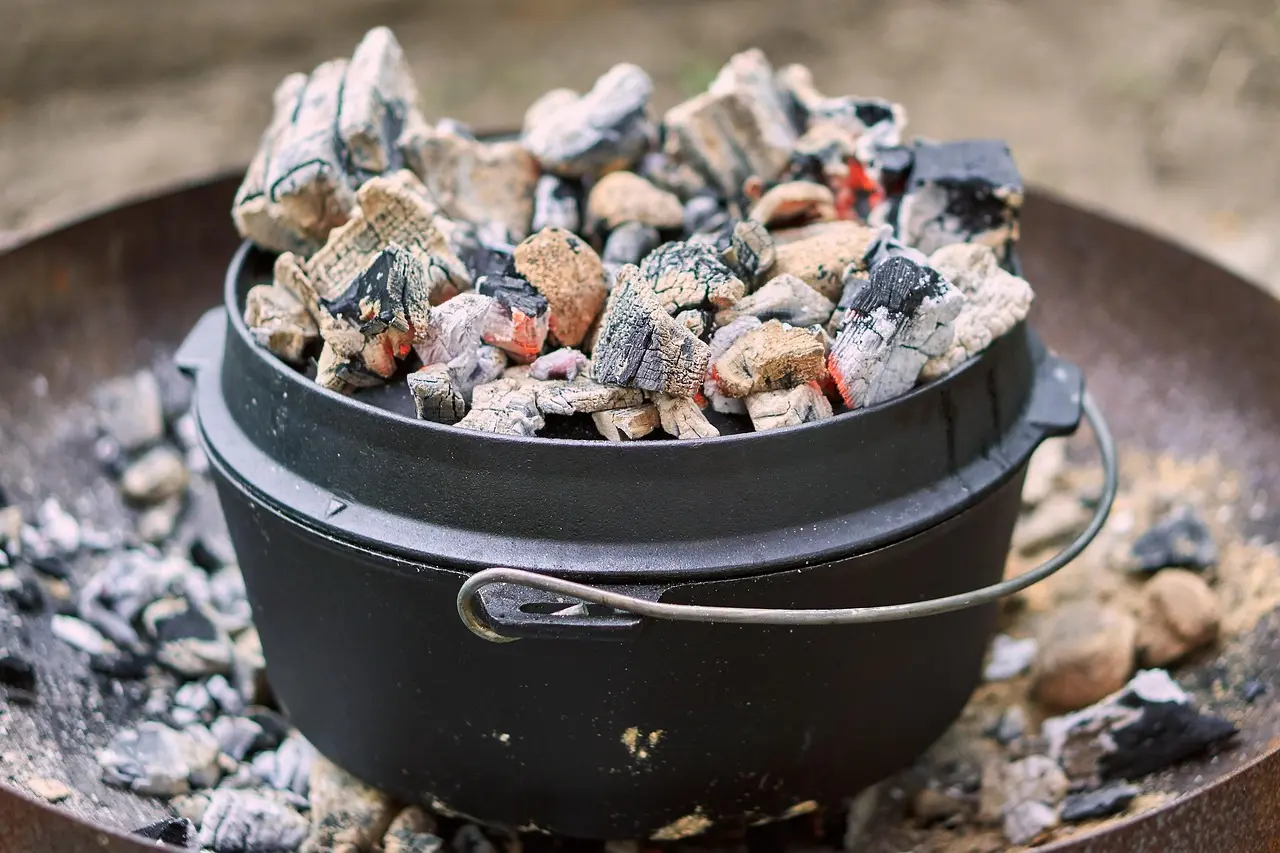
Check the stamped base, look at the product label, and measure the pot if the size is not printed clearly. The key numbers are capacity in quarts, diameter across the top, and depth from base to rim. Those three details tell you more than a generic “medium” or “large” description.
Measure diameter, depth, and rim width
Diameter matters for oven fit and stovetop coverage. Depth matters for roast clearance and splatter control. Rim width matters because some lids and handles add space that changes how the pot sits on a rack or in a cabinet. If you cook bread, also note the width of the base, since that affects loaf shape and loading.
- Measure straight across the top rim in inches.
- Measure from the base interior to the rim.
- Check the lid handle and side handles for extra clearance.
- Compare those numbers with your oven and burner space.
- Confirm the quart size on the base or listing if it is marked.
Check the stamped base or product label
Many Dutch ovens have the capacity stamped on the underside or on the packaging label. If the marking is gone, the brand’s size chart is the next best step.
Match your pot to brand sizing charts
Lodge’s size chart, Le Creuset sizing guidance, and Staub size references are useful starting points, but they are not interchangeable. A 7.5-quart Lodge pot is shown at 14.75 inches long, which gives a better sense of shelf and oven space than quart size alone. Always check the listed dimensions before you buy.
Round vs oval Dutch oven
Round is the best choice for most home cooks because it sits evenly on burners, works well for soups and stews, and suits bread. Oval is better for long roasts and whole birds. If you want the most flexible stovetop performance, round is the safer default. If you roast often, oval can be the better shape.
Why round works for most home cooks
A round Dutch oven matches the shape of a burner better than an oval one, so heat transfer is usually more even on the stovetop. It also gives a centered cooking zone for braises, beans, and bread. For most kitchens, round is the practical first buy.
When oval is better for roasts and birds
Oval pots are useful when the ingredient is long rather than round. They can fit a roast or whole bird with less crowding at the ends. That extra length is helpful in the oven, but it can be less efficient on the stove because the base does not sit as neatly on a circular burner.
How shape affects stovetop browning
Browning depends on usable base area, not just capacity. A wide round pot gives more even contact for onions, meat, and vegetables, which helps before braising. A narrow or deep pot can crowd the food and slow browning. If you sear often, base width should weigh heavily in your choice.
Family size and recipe fit
Use serving count as a starting point, not the whole decision. A common rule of thumb is about 1 quart per person, and some cooks add headroom for leftovers or generous portions. That works best when you also check whether the shape fits your recipes and whether you can lift the pot safely when full.
Best size for one or two people
The Seasoned Pan says 2 to 3.5 quarts is best for 1 to 2 people and side dishes. That size is easier to store and lighter to handle. It also reduces wasted space when you are making smaller batches of soup, rice, or beans.
Best size for a family of four
Lodge recommends a 6-quart Dutch oven for families of four. That size gives enough room for dinner portions, leftovers, and one-pot meals without becoming too hard to manage. If you also bake bread, a 6-quart pot gives more flexibility than a smaller 5-quart model.
Best size for entertaining and leftovers
For guests, lean toward 7 quarts or more. The Seasoned Pan places 7 to 8 quarts at 5 to 7 people and large roasts, and Lodge’s 7-quart size lists 14 twelve-ounce portions. That extra capacity helps when you need a larger batch, but only choose it if your oven, shelf, and hands can handle the size.
Picture a cook who shops for “the biggest one” and ends up with a very large pot for weeknight soup. The pot can work, but it may be awkward to drain, hard to store, and too heavy when full. A 6-quart pot would likely do the job with less strain and less wasted space.
Dimensions and lifting safety
Diameter, depth, and weight matter as much as quart size. A pot can be the right capacity and still be a poor fit if it is too wide for the oven, too deep for browning, or too heavy to move safely when full. Check those measurements before you buy.
Why diameter matters for oven and burner fit
Diameter tells you whether the pot fits between oven walls, clears adjacent pans, and sits properly on a burner. It also affects cabinet storage. A 7.5-quart Lodge pot shown at 14.75 inches long gives a concrete example of why length and width matter when space is tight.
How depth affects roasting clearance
Deeper pots hold more liquid and reduce splatter, but they can make it harder to brown food near the top. They also reduce clearance for tall breads or large roasts. If your main recipes are braises and soups, depth is helpful. If you sear often, a lower, wider profile can be better.
Why weight should factor into your choice
Weight is part of safe lifting. A larger cast-iron pot can be hard to move when it is full of broth, stew, or a roast. The Seasoned Pan notes that a 7-quart pot is heavy when full. If you have a small stovetop, a high shelf, or limited grip strength, a mid-size pot is usually the safer buy.
Frequently asked questions
What is the standard size Dutch oven?
Le Creuset says the standard size Dutch oven is 5 1/2 quarts. That size is widely treated as the benchmark because it balances capacity, footprint, and everyday usefulness. It is close to the middle of the common working range and suits many kitchens without being excessive.
What size Dutch oven is best for a family of four?
Lodge recommends a 6-quart Dutch oven for families of four. That gives enough room for dinner, soup, and leftovers without jumping into a very heavy pot. If your meals are often simple and small, 5 quarts may still work, but 6 quarts is the safer all-purpose pick.
What size Dutch oven is best for one or two people?
For one or two people, 2 to 3.5 quarts is a good target, especially for side dishes and smaller batches. If you want more flexibility for bread or leftovers, a 5-quart pot can still work, but it will take up more storage space and weigh more than a truly small pot.
What size Dutch oven do I need for sourdough bread?
A 5- to 6-quart Dutch oven is a strong choice for a standard sourdough loaf. The pot needs enough room for oven spring, and the base should be wide enough to load and score the dough without crowding. A round shape is usually the easiest choice for bread baking.
Is a 5-quart or 7-quart Dutch oven better?
A 5-quart pot is better if you want lighter weight, easier storage, and a size that suits smaller households. A 7-quart pot is better if you cook for 5 to 7 people, make large roasts, or want extra room for stock and leftovers. Choose by recipe volume and lifting comfort, not size alone.
What size chicken fits in a Dutch oven?
Lodge says 5 or 6 quart Dutch ovens fit up to a 4-pound chicken, 7 or 7.5 quart pots fit up to a 6-pound chicken, and a 9-quart pot fits up to a 9-pound chicken. Those limits are useful because whole birds need both capacity and clearance, not just nominal quart size.
Should I buy a round or oval Dutch oven?
Buy round unless you know you need the extra length of an oval pot. Round is better for soups, stews, chicken, and bread, and it sits more evenly on burners. Oval is the better fit for long roasts and whole birds, but it is less efficient on the stovetop.
What size dutch oven
For a single answer, 5.5 to 6 quarts is the best starting point for most cooks. It lands in the standard range, handles common recipes, and works for both stovetop and oven use. If you need a smaller, lighter pot or a larger bird-roasting pot, adjust from there.
Products related to this article
Sponsored / affiliate links. As an Amazon Associate I earn from qualifying purchases. I may earn additional commission from eligible campaigns.