Different Dutch Oven Sizes: Essential Buys
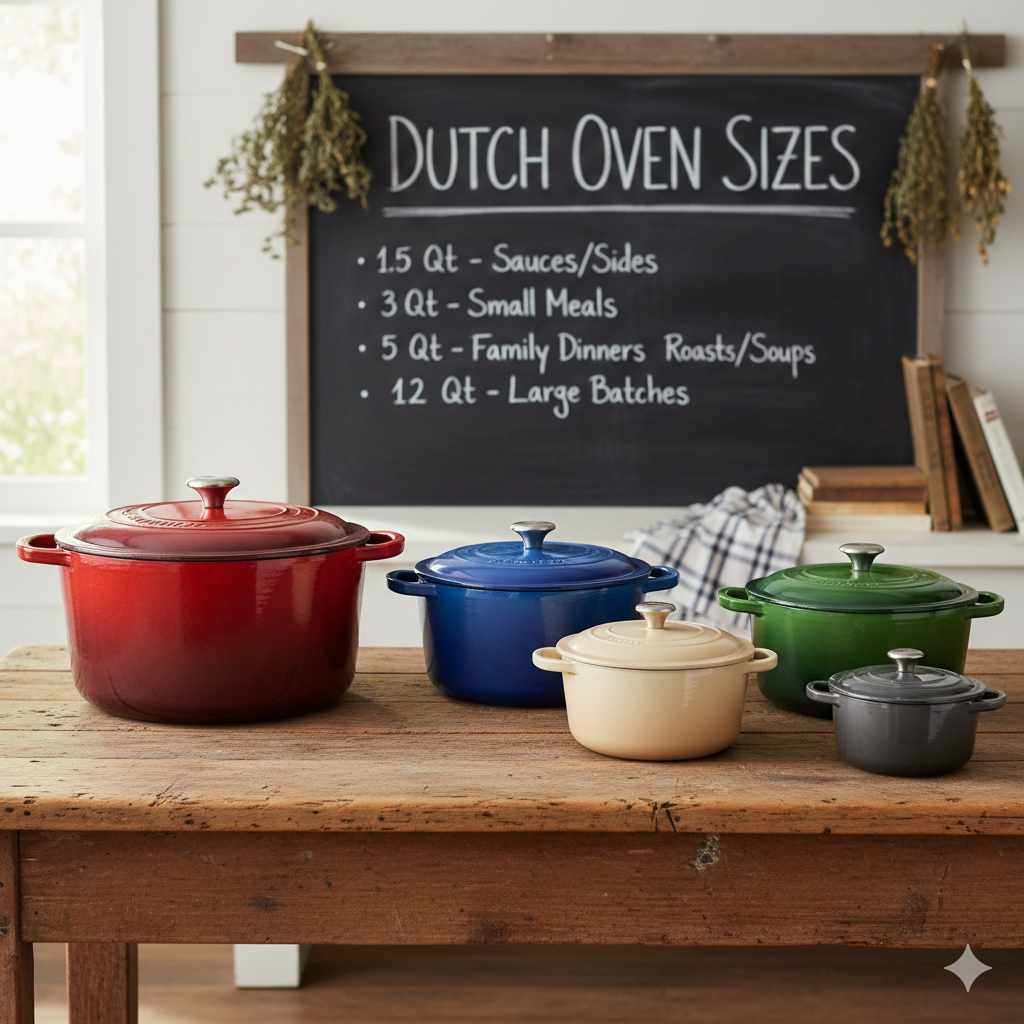
The best Dutch oven size depends on your needs: 5 to 7 quarts is perfect for most families (2-4 people), making it the essential starter size. Smaller sizes suit couples or side dishes, while larger options are best for big batches or entertaining large groups.
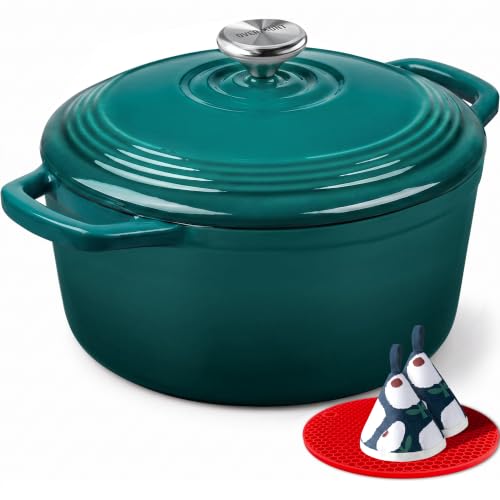
Overmont
Overmont Enameled Cast Iron Dutch Oven -…
- IDEAL FOR FAMILY MEALS - Perfectly sized for families of 3–5 people, this 5.5QT Dutch oven handles everything from hearty soups an…
- EVEN HEAT, EVERY TIME - Crafted from premium heavy-duty cast iron, this Dutch oven delivers exceptional heat retention, helps redu…
- JUICY, TENDER RESULTS - Say goodbye to dry, overcooked meals. The heavy self-basting lid features continuous condensation bumps th…
As an Amazon Associate I earn from qualifying purchases.
For a related kitchen decision, Cuisinart Air Fryer Toaster Oven Vs Ninja Foodi: Showdown adds another practical detail to check.
For a related kitchen decision, Toaster Oven Vs Toaster: Showdown adds another practical detail to check.
For a related kitchen decision, Conventional Oven Vs Toaster Oven: Showdown adds another practical detail to check.
Choosing the right Dutch oven size can feel tricky. It’s like picking the right wrench—too small, and you struggle to finish the job; too big, and you waste time heating empty space. As a guide who wants you to feel confident in your kitchen gear, I promise to make this super simple. We will break down the quarts (volume) into real-life cooking situations. Stop guessing about capacity and start cooking with the perfect pot!
Let’s find the ideal volume that matches your kitchen tasks, whether you’re making a stew for two or a big chili for the whole neighborhood.
Understanding Dutch Oven Sizing: Quarts Explained
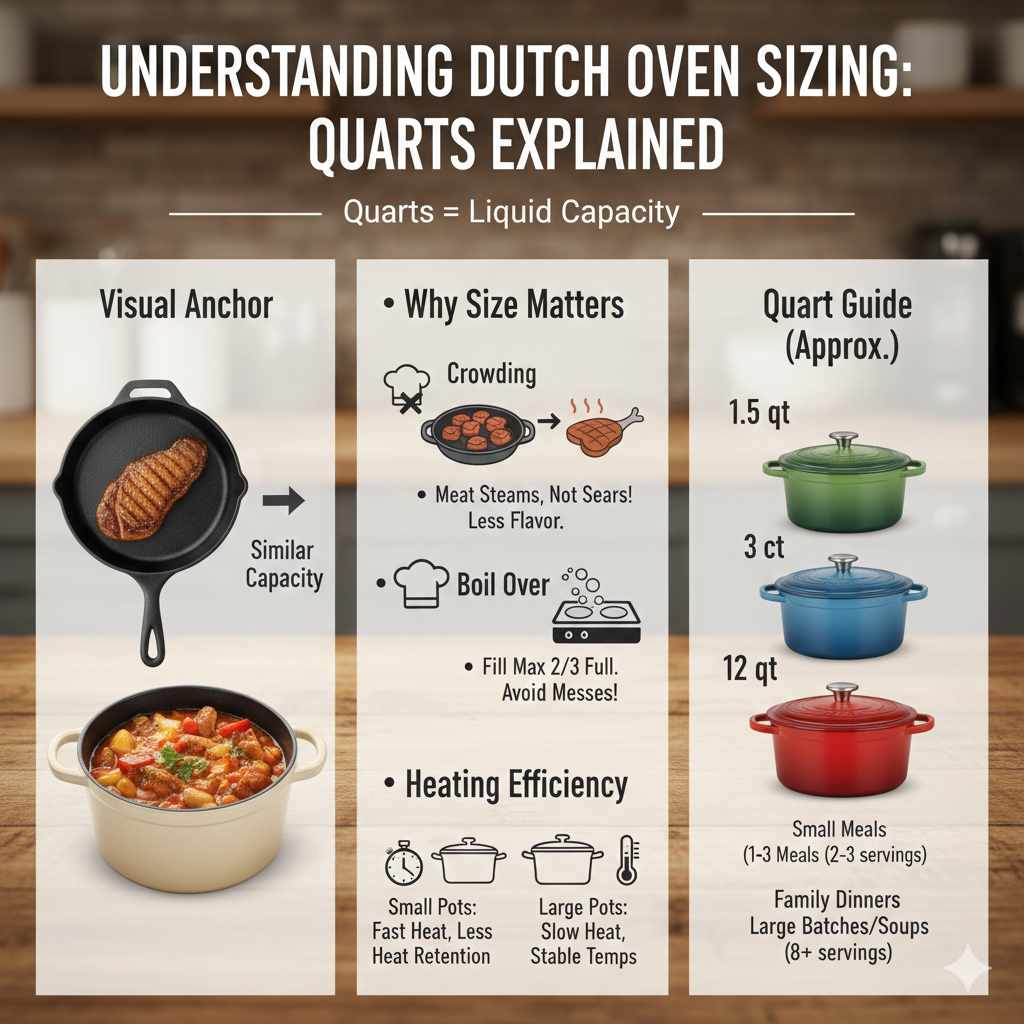
When you look at a Dutch oven label, you’ll see a number followed by “Quart” (qt). Think of quarts as the liquid capacity of the pot, similar to how you measure oil or coolant in your workshop. It tells you how much food or liquid the pot can safely hold during cooking.
Don’t worry if you’re new to metric measurements; we’ll keep it practical. A standard 12-inch skillet is often compared to a standard 5.5-quart Dutch oven. This gives you a good visual anchor.
Why does size matter so much?
- Crowding: If you try to brown meat in a pot that’s too small, the pieces steam instead of sear. A good sear builds flavor—that’s crucial!
- Boil Over: Filling a pot more than two-thirds full invites messy boils, especially with soups that bubble up.
- Heating Efficiency: Very small pots heat up quickly but might not hold enough thermal mass for steady oven use. Very large pots take ages to heat evenly.
The Essential Dutch Oven Sizes: A Practical Guide
To help you navigate the different Dutch oven sizes, we’ve broken down the typical ranges you’ll see on store shelves. Remember, these are general guidelines, but they map well to household sizes and recipes.
Small Dutch Ovens (Under 4 Quarts)
These are the compact choices. They are great if you are cooking for one or two people, or if you need a dedicated pot for making sauces or small bread loaves.
Who should buy this?
- Singles or couples.
- Bakers who want to try small, crusty no-knead bread recipes.
- Anyone needing a pot specifically for side dishes, like mac and cheese or risotto, while a main dish cooks elsewhere.
Pros and Cons:
| Pros | Cons |
|---|---|
| Heats up very quickly. | Difficult to brown more than two chicken thighs at once. |
| Easy to store. | Not ideal for standard soup recipes meant to feed several people. |
| Perfect for small batches. | Lid handle might not be oven-safe at extremely high temperatures (check manufacturer). |
The Sweet Spot: Medium Dutch Ovens (5 to 7 Quarts)
For most drivers, the 5.5-quart size is the Goldilocks pot. If you can only buy one, make it this size. It balances storage, heating efficiency, and capacity perfectly for the average home cook.
A 6-quart model is often slightly wider, giving you more surface area for searing, which is fantastic for getting that deep, rich color on proteins—much like prepping an engine for optimal performance.
Who should buy this?
- Families of 3 to 5 people.
- Anyone who wants to cook standard recipes like chili, pulled pork, or pot roast without leftovers for a week.
- Beginners who want one versatile, reliable pot for nearly everything.
Why this size works best: It handles a full pound of ground beef easily for browning, and it holds enough liquid for 6-8 cups of soup without overflowing when simmering. For comparison, the U.S. Department of Agriculture (USDA) suggests proper food storage temperatures, and having enough headspace in your pot helps maintain safe cooking environments. The USDA provides great guidelines on safe food handling, which starts with proper cooking vessel selection.
Large Dutch Ovens (8 Quarts and Up)
These heavy-hitters are for the serious entertainer or the large-batch meal prepper. They can tackle big cuts of meat or feed a crowd.
Considerations for Large Sizes:
- Oven Space: Measure your oven shelves! A giant 10-quart oven might not fit comfortably alongside the rack above it.
- Lifting: Once filled with liquid, an 8-quart pot is very heavy. Make sure you can safely move it from the stovetop to the oven and back.
- Burner Size: A very wide Dutch oven may not sit evenly on a standard 6-inch back burner, leading to uneven heating.
Who should buy this?
- People who regularly host parties of 8 or more.
- Those who like to freeze large quantities of soup or stock for later.
- Cooks preparing whole chickens or very large roasts.
Quick Comparison Table: Choosing Your Champion Size
Use this chart to quickly match the quart size to your typical usage. This is your quick reference when standing in the store aisle.
| Size (Quarts) | Ideal For | Typical Meal Yield | Best Use Case |
|---|---|---|---|
| 2–3 Quarts | 1-2 people | Small side dishes or 2 bowls of soup | Sauces, dips, individual bread loaves |
| 5–6 Quarts | 2-4 people (Most Common) | 4–6 servings | Everyday cooking, slow-cooked roasts, standard chilis |
| 7–8 Quarts | 4-6 people | 6–10 servings | Large batches, whole chickens, feeding small groups |
| 10+ Quarts | 6+ people / Serious Batching | 10+ servings | Canning, large holiday meals, deep frying outdoors |
Factors Beyond Size That Affect Your Buy (It’s Not Just Volume!)
Just picking the right quart number isn’t the whole story. Just like choosing tires—you need the right size, but you also need the right tread and rating. Here are other crucial points for volume compatibility.
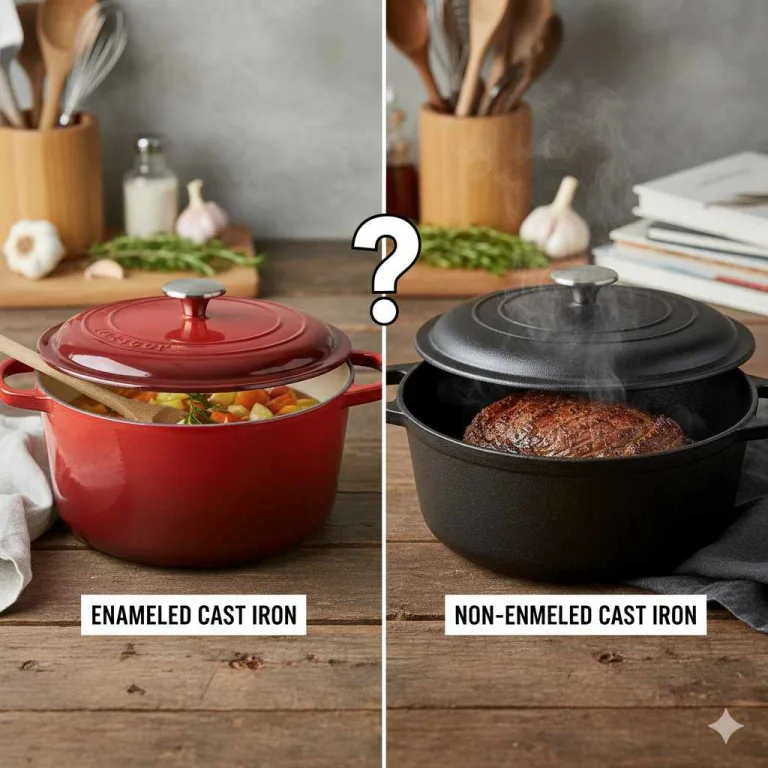
Material Matters: Cast Iron vs Enameled
Most people buy enameled cast iron today, but traditional seasoned cast iron has different characteristics that interact with volume.
- Enameled Cast Iron: Highly versatile, non-reactive (great for acidic tomato sauces), and easier to clean. The size you buy (e.g., 6-quart) will hold that volume reliably.
- Bare (Seasoned) Cast Iron: Often slightly thinner walls in similar sizes, meaning they might heat up a bit faster but cool down faster too. They require more upkeep (seasoning) but offer superb natural non-stick properties over time.
Shape: Round vs. Oval
The shape directly impacts what you can fit inside, even if the quart capacity is the same. This is a critical “behind-the-scenes” aspect to consider, especially when working with different cuts of meat.
Round Dutch Ovens:
- The standard shape.
- Excellent heat distribution due to minimal corners.
- Best for soups, stews, grains, and rounding bread.
Oval Dutch Ovens:
- Slightly less common but highly useful.
- The long shape allows you to fit larger, oblong items easily.
- Perfect for whole chickens, duck, pork shoulders, or larger cuts of brisket without significant trimming.
If your main goal is cooking whole poultry or large roasts, an oval pot in the 7-quart range might be more useful than a round 7-quart pot.
Depth and Diameter: The Real Cooking Surface
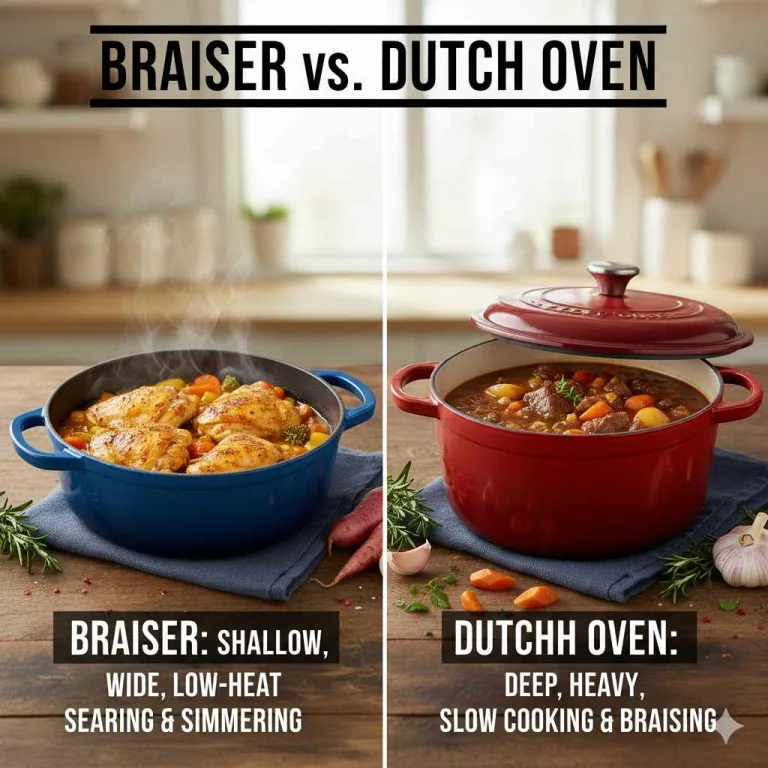
A wide, shallow Dutch oven (like a braiser) in 6 quarts will perform very differently than a narrow, deep Dutch oven (like a stockpot shape) in 6 quarts. The key metric for searing is surface area.
When searing beef before braising, you need the meat to touch the hot bottom in a single layer. If your pot is too narrow, you end up steaming the meat, which tastes fine but lacks that deep, complex flavor crust.
Pro Tip: Always check the diameter measurement if possible. A wider diameter means more searing room. For beef stew or chili meant for four to five people, anything under 10 inches in diameter might feel cramped for the initial browning step.
How to Test if Your Size is Right: The Water Test
If you already have a pot and aren’t sure if it’s the right size for a specific recipe, you can perform a simple water test. This simulates filling it with soup or chili, helping you visualize the working capacity.
For this, you might want a standard measuring cup—similar to the measuring tools you use for engine oil, safety first, right?
- Start Empty and Dry: Ensure the Dutch oven is completely ready for use.
- Measure Water: Fill a large liquid measuring cup (like a one-quart or half-gallon jug) with water.
- Fill to Two-Third Capacity: Pour water into the Dutch oven until the water level reaches about two-thirds (2/3) of the way up the inside wall. This simulates the maximum safe filling level for simmering liquids that tend to bubble up.
- Mark It: If the pot is new, you can gently mark this level with a dry-erase marker on the outside (or just visually note where the water line sits).
- Gauge Yield: Now, use your measuring cup to see how many quarts you poured in before hitting that 2/3 mark. This is your true maximum working capacity for liquid-heavy dishes.
If your 5-quart pot only comfortably accepts 3.5 quarts before hitting that two-thirds mark, you know that recipe needing 5 quarts of liquid will simply not fit safely.
Matching Size to the Mechanics of Cooking
Different cooking methods put different demands on your pot’s size. Think of it like choosing the right torque wrench for the specific bolt size you are working on.
Baking Artisan Bread
For traditional no-knead bread, you are aiming for a round shape that captures steam and allows for high heat retention. Very large pots are overkill.
- Recommended Size: 5.5 Quarts (Round).
- Why: This volume is often perfectly sized to cradle a round loaf of dough perfectly, ensuring the sides are supported but the lid catches maximum steam within the dome.
Slow Simmering: Stews and Chili
These benefit from surface area (wider bottoms) for initial browning and enough depth to prevent constant stirring near the bottom.
- Recommended Size: 6 to 7 Quarts.
- Why: This allows you to brown 2-3 pounds of beef cubes without crowding, and then provides ample space for the beans, tomatoes, and liquid to simmer gently without boiling over the sides for hours.
Braising Roasts and Whole Birds
This is where geometry really matters. You must fit the entire item in without forcing it, to ensure even moisture circulation.
- If Cooking Whole Bird (up to 5 lbs): A 6-quart round is usually sufficient.
- If Cooking Whole Bird (6+ lbs) or large Pork Shoulder: Move up to a 7-quart oval for easier placement.
Beginner Mistakes to Avoid When Buying Size
New cooks often fall into a few common traps when selecting their first or second Dutch oven. Avoid these pitfalls to save money and frustration.
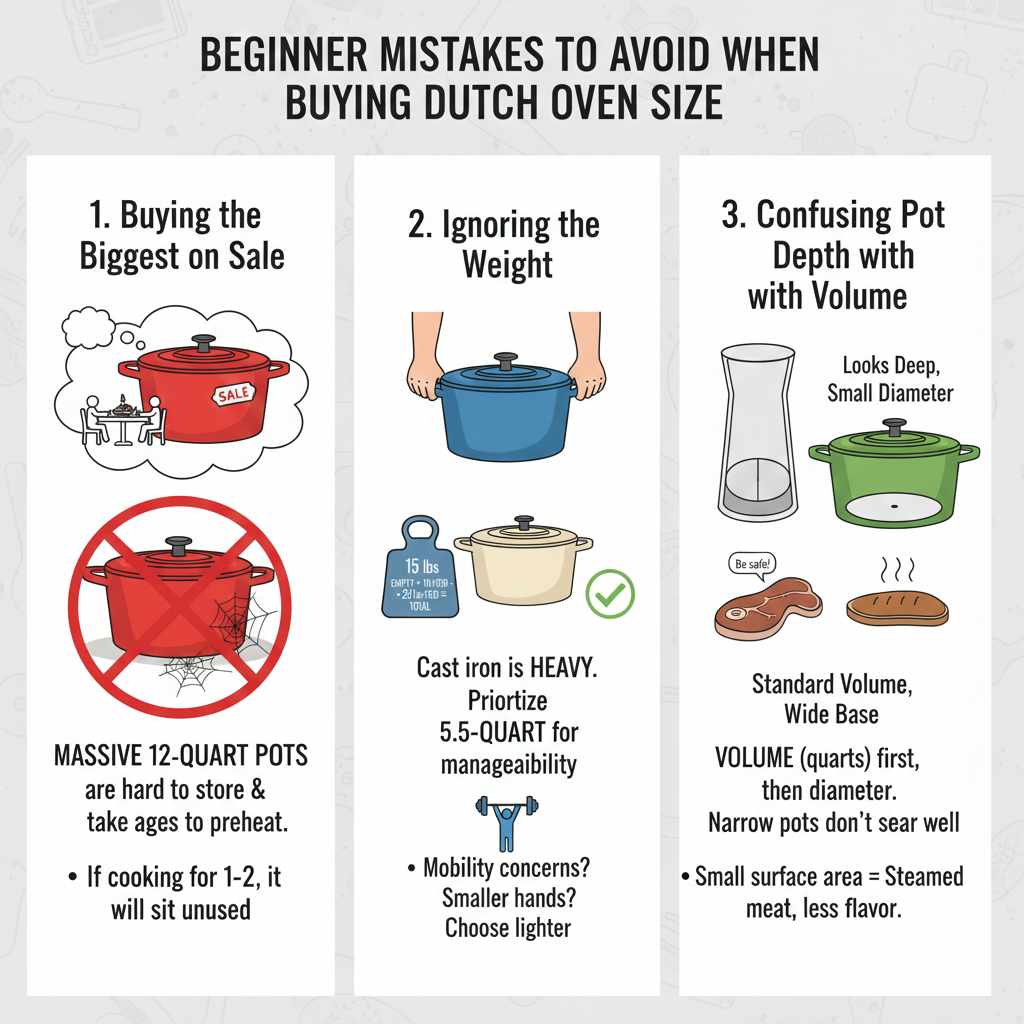
Mistake 1: Buying the Biggest One Available Just Because It’s on Sale.
A massive 12-quart pot is hard to store, requires a huge amount of oil/liquid just to coat the bottom to prevent sticking, and takes an age to preheat. If 90% of your cooking is for two people, that giant pot will sit unused, gathering dust.
Mistake 2: Ignoring the Weight.
Cast iron is heavy. An 8-quart enameled pot can weigh 15 pounds empty. Add 10 pounds of liquid and meat, and you are moving 25 pounds! If you have mobility concerns or smaller hands, prioritize the 5.5-quart size. It offers 90% of the functionality at a much more manageable weight, which is key for safety, much like ensuring your jack stands are rated correctly for the load.
Mistake 3: Confusing Pot Depth with Volume.
Always look at the stated volume (quarts) first, then secondary checks on diameter/depth. A pot that looks deep but has a very narrow base (small diameter) will not brown ingredients properly because the surface area is too small to sear efficiently.
FAQ: Frequently Asked Questions About Dutch Oven Sizes
Q1: I only cook for myself (one person). Should I still get a 5-quart Dutch oven?
A: Not necessarily. If you rarely make extra for lunch the next day, a 3-quart pot is perfect for you. The 5-quart is best if you frequently entertain one or two guests or enjoy making large batches of soup to freeze.
Q2: Is a 6-quart Dutch oven better than a 5.5-quart one?
A: For most cooks, the difference is very small. A 6-quart Dutch oven is usually slightly wider, giving you better surface area for browning and searing meat. A 5.5-quart model is often a bit deeper and lighter, making it easier to handle. Both sizes are extremely versatile and work equally well for everyday cooking.
Q3: Can a Dutch oven be too big for everyday cooking?
A: Yes. Oversized Dutch ovens take longer to heat, require more oil or liquid, and can be heavy to move when full. For small households, a very large pot often feels inefficient and inconvenient. Choosing a size that matches your usual portions makes cooking easier and safer.
Q4: What size Dutch oven is best for baking bread?
A: A 5 to 6-quart round Dutch oven is ideal for artisan and no-knead bread. This size traps steam effectively while supporting the dough’s shape as it rises. Larger pots are unnecessary and can reduce steam concentration. The goal is a snug fit, not extra space.
Q5: Should I size up if I like leftovers or meal prep?
A: If you regularly cook extra meals to freeze or eat later, sizing up makes sense. A 7 to 8-quart Dutch oven gives you more room without sacrificing performance. Just be sure you’re comfortable with the added weight and storage needs. For most people, this is the practical upper limit.
Final Conclusion: Choosing the Right Dutch Oven Size with Confidence
Choosing the right Dutch oven size doesn’t have to feel overwhelming. Once you understand that quarts represent usable cooking space—not just volume on a label, everything clicks into place.
For most home cooks, a 5 to 7-quart Dutch oven truly is the sweet spot. It offers the ideal balance of capacity, heat efficiency, and versatility—large enough to sear meat properly and simmer soups safely, yet manageable in weight and storage. If you only buy one Dutch oven in your lifetime, this range will handle nearly everything you throw at it.
Smaller Dutch ovens shine for solo cooking and side dishes, while larger models earn their keep when you’re feeding crowds or cooking in bulk. Beyond size, details like shape, diameter, weight, and material play a huge role in how the pot performs in real cooking scenarios—not just how much it holds.
Think of your Dutch oven like a trusted tool: the right size makes cooking easier, safer, and more enjoyable. Match the volume to how you actually cook, leave enough headspace for bubbling liquids, and prioritize surface area for flavor-building browns.
Once you do that, you can stop second-guessing your cookware and focus on what really matters—great food, cooked with confidence, in a pot that works with you instead of against you.
Related pick: Check today's price on Amazon
Products related to this article
Sponsored / affiliate links. As an Amazon Associate I earn from qualifying purchases. I may earn additional commission from eligible campaigns.