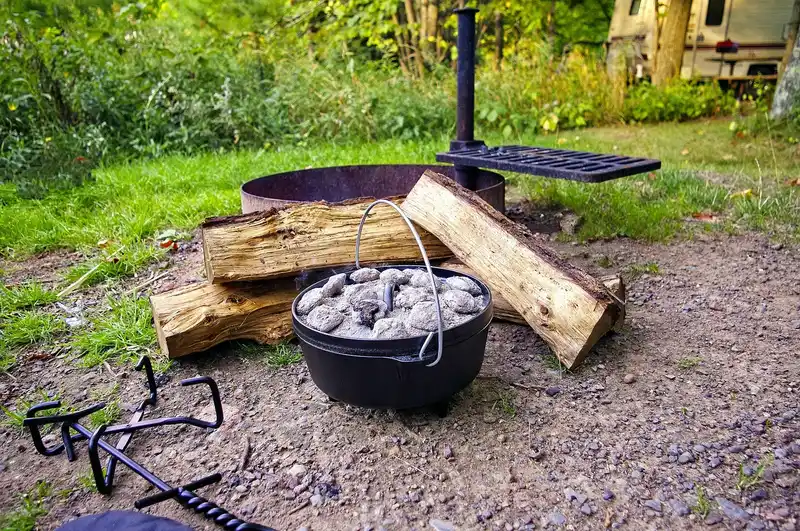
Can You Cook a Turkey in a Dutch Oven?
Yes, if the bird fits and the pot size is right. A Dutch oven works best for a whole turkey when the bird clears the lid and leaves room for heat to circulate, or for a turkey breast in a smaller pot. If the shoulders crowd the sides or the lid touches the skin, use a roasting pan instead.
For food safety, USDA FSIS says turkey must reach 165°F in the thickest part, and it should rest at least 20 minutes before carving so juices redistribute and temperature can even out during carryover cooking. For most whole birds, the practical split is simple: whole turkey, turkey breast, or too-small bird for the pot. [USDA FSIS]
By Decorguider Editorial Team
Required equipment and turkey size guidelines
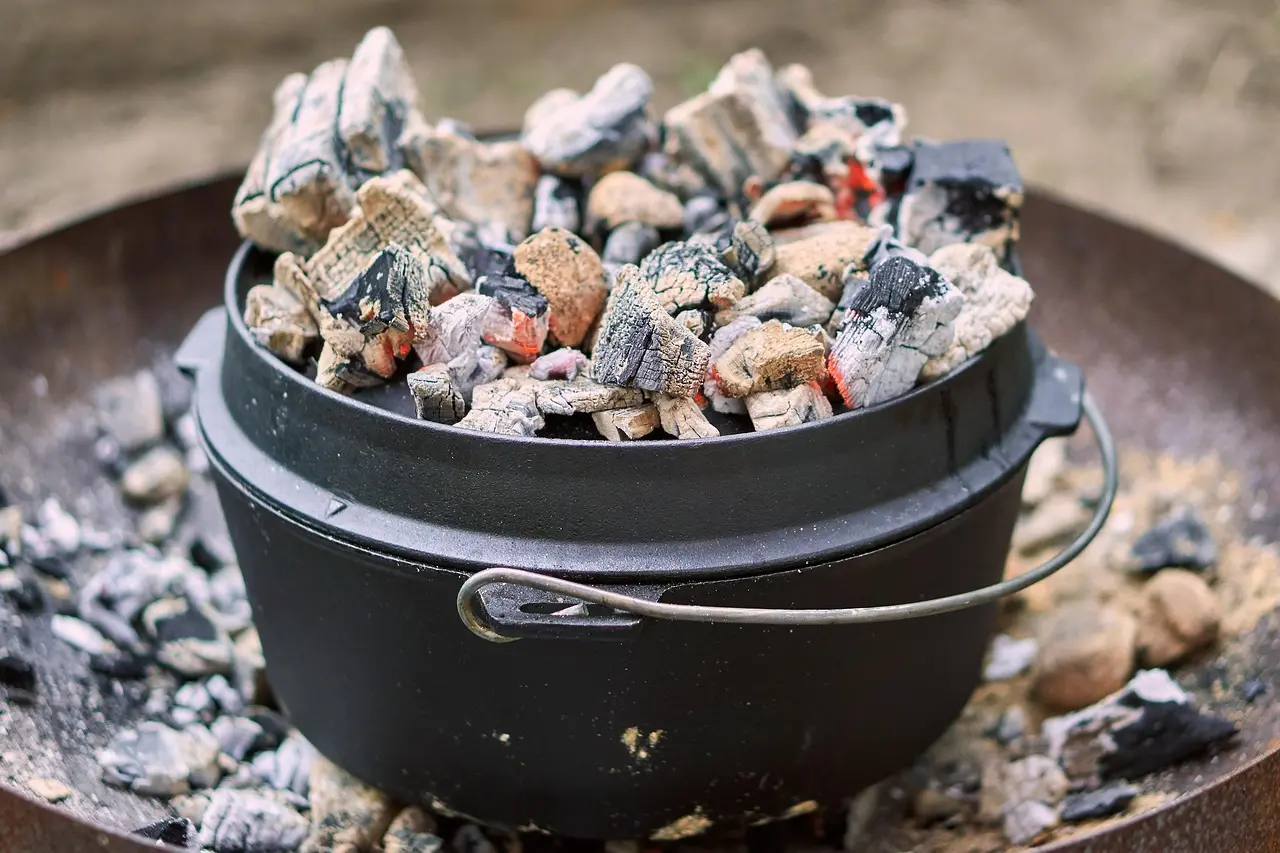


What you’ll need
- Enamel-coated cast iron Dutch oven, round or oval, in the 5-quart to 9-quart range
- Whole turkey or turkey breast, sized to match the pot
- Rack or vegetable trivet made with onion, carrots, and celery
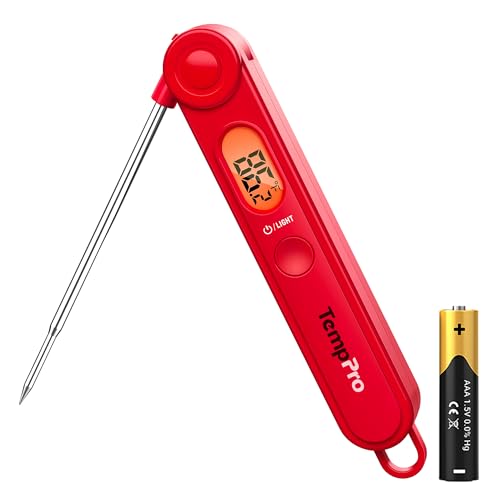
- Meat thermometer for the thigh and breast
- Foil for a loose rest after roasting
- Roasting-safe pan or sheet if you want extra spill protection under the pot
- Salt, pepper, and aromatics for seasoning
Turkey fit decision table
| Bird type | Turkey weight | Minimum Dutch oven quart size | Lid strategy | Estimated roast range | Key risk | Yes / no |
|---|---|---|---|---|---|---|
| Whole turkey | 9 to 10 pounds | 6 to 7.5 quarts | Lid off or mostly off for the roast | About 1 1/2 to 2 1/2 hours, depending on oven and bird shape | Lid contact, cramped shoulders, pale skin | Yes, if the bird fits without crowding |
| Whole turkey | 10 to 12 pounds | 7 to 9 quarts | Lid on for most of the cook, off near the end | About 2 to 3 1/2 hours | Dry breast if overcooked, or steam-damp skin if covered too long | Yes, best fit for most holiday cooks |
| Turkey breast | 3 to 5 pounds | 5 to 7 quarts | Lid on early, off near the end for browning | About 1 1/2 to 1 3/4 hours for a 5 pound breast | Dry breast if not checked closely | Yes, especially for smaller households |
| Too-small bird for the pot | Any bird that hits the lid or crowds the sides | Too small for safe clearance | Do not force the lid on | Unreliable | Overcrowding, sticking, uneven cooking | No |
Use the table as a fit check, not a recipe. A round Dutch oven gives more predictable shoulder clearance for round birds, while an oval pot can better handle a longer breast or a bird with a broader profile. The safest yes is a bird that sits on a trivet with visible space above it.
How do you roast a whole turkey in a Dutch oven?
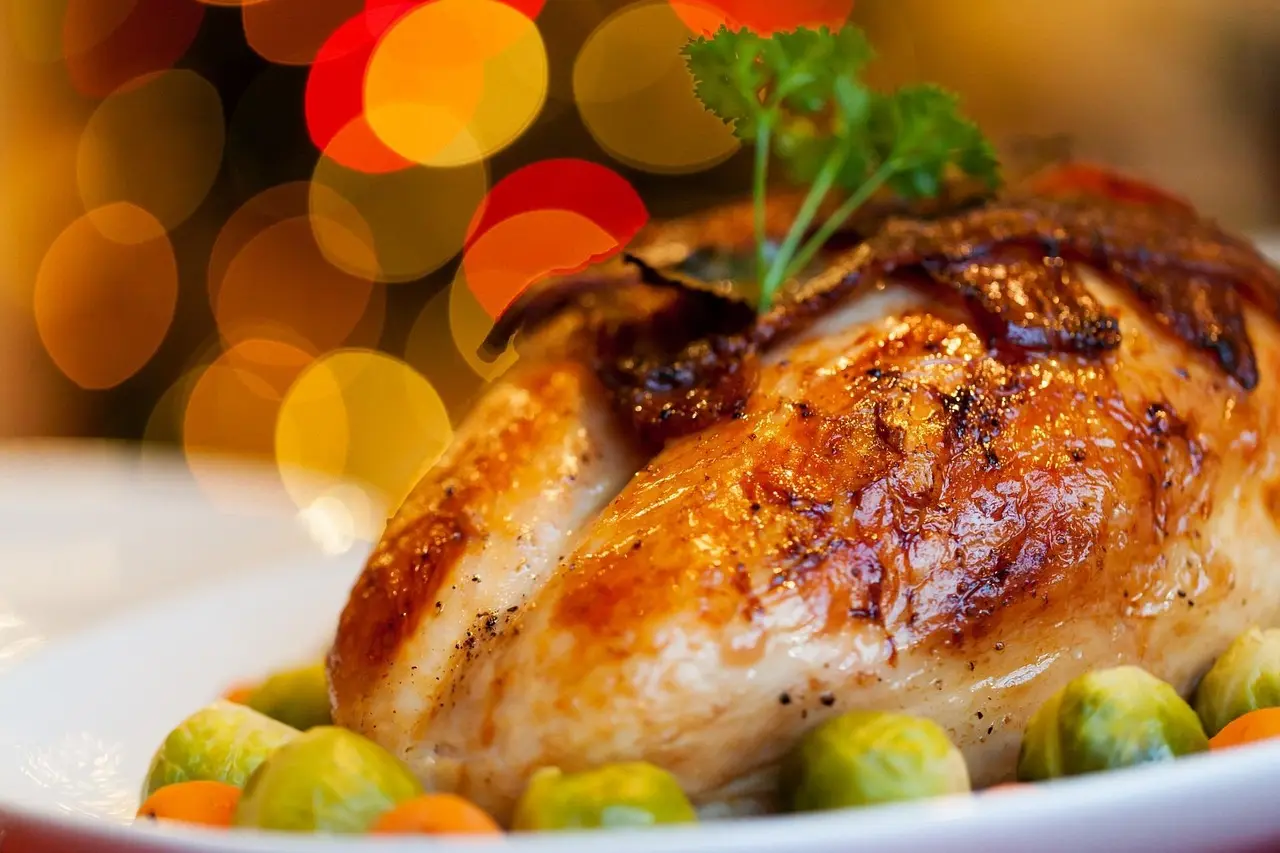
Roast a whole turkey in a Dutch oven by drying the skin, setting the bird on a rack or vegetable trivet, and cooking it mostly covered until the meat reaches 165°F. For the best fit, use a 7- to 9-quart pot for a 10 to 12 pound bird, then uncover near the end so the skin can brown. [USDA FSIS; Le Creuset]
- Pat the turkey dry and season it well. Dry skin browns better; wet skin traps steam.
- Set onion, carrots, and celery in the pot, then add a rack if you have one. This lifts the bird off the bottom and helps prevent sticking and scorching.
- Place the turkey breast-side up on the trivet. Check that the shoulders do not press into the sides.
- Roast at about 300 to 325°F with the lid on for most of the cook. One recipe starts at 500°F, then drops to 350°F. [USDA FSIS; Le Creuset]
- Remove the lid near the end, or follow a two-stage method with a higher finish around 375°F, to improve skin color. [Le Creuset]
- Check the thickest part of the thigh and the breast with a meat thermometer until both reach 165°F. [USDA FSIS]
- Rest the turkey loosely tented with foil for about 10 to 45 minutes, depending on size and method, before carving. [USDA FSIS]
Use a thermometer, not the clock, for the final call. USDA FSIS recommends 165°F as the safe end point for turkey, and it notes that the bird should rest at least 20 minutes before carving. A covered roast can brown slowly while the breast finishes first, so probe both the breast and thigh. [USDA FSIS]
Say your 10 pound turkey fits a 7.5-quart oval Dutch oven with enough clearance for the lid to stay off at the end. That is a strong setup for a small holiday meal. If the same bird sits so close to the lid that the skin rubs, move to a roasting pan instead and avoid forcing the fit.
Can you cook a turkey breast in a Dutch oven?
Yes. A 3 to 5 pound turkey breast can fit smaller Dutch ovens and usually cooks faster than a whole bird, which makes it a practical choice for smaller households. Bone-in and boneless breasts both work, but the thickest part still needs to reach 165°F and the lid should not stay on so long that the skin steams soft. [USDA FSIS]
A turkey breast needs less vertical clearance, so a smaller pot can work well here. Use the same setup: a rack or vegetable trivet, aromatics, and a thermometer. For a 5 pound breast, one guide gives about 1 1/2 to 1 3/4 hours, but shape, oven temperature, and the pot’s interior height still matter. [Le Creuset]
If you want a smaller holiday meal without drying out the meat, this is the easiest Dutch oven use case. Keep the lid on early, then uncover late for color. That keeps moisture in early while giving the skin time to brown near the end, with the final check still based on 165°F. [USDA FSIS]
Can you roast a turkey in a Dutch oven on the stove?
Not as the main method for a whole turkey. Oven heat is the safer default because it surrounds the bird evenly. Stove-top heat puts direct burner energy on the base of a heavy pot, which raises sticking and scorching risk, especially if the bird sits low or the pot is crowded.
If you need to finish a sauce or make drippings after roasting, the stove is useful for that step. It is not the best place to roast a whole bird. For the turkey itself, use the oven so heat comes from all sides and the skin can brown more evenly.
Can you cook a turkey in a cast iron Dutch oven?
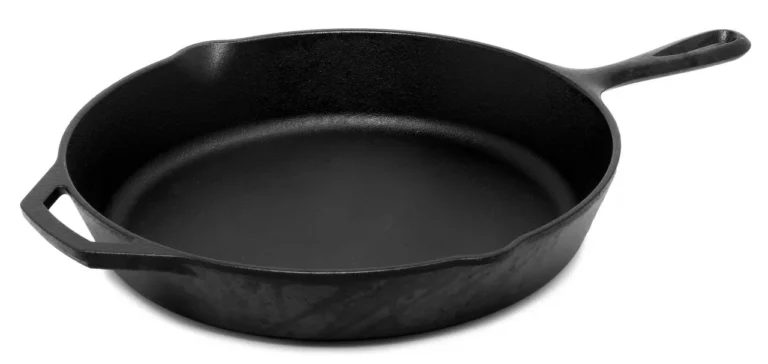
Yes, especially in an enamel-coated cast iron Dutch oven. That style gives steady heat and holds up well for roasting. Bare cast iron can also work, but cleanup is usually harder and sticking risk is higher when juices bake onto the surface or the skin sits directly on the metal.
For turkey, the coating matters more than brand names. Enameled cast iron is easier to clean after fatty drippings and roasted aromatics. Bare cast iron can brown well, but you will want enough oil, a rack, and careful supervision so the bottom does not scorch.
Can you cook a turkey in a Le Creuset Dutch oven?
Yes, if the pot is large enough and the bird fits without touching the lid. Enameled cast iron Dutch ovens in these sizes can work for turkey breasts and some small whole birds. Fit matters more than the label: a cramped 5-quart pot is still too small for most whole-turkey roasts.
For a whole bird, check the quart size first, then check the bird’s height and shoulder width. A 7- to 9-quart pot is the safer target for a 10 to 12 pound turkey. For a breast, a smaller Le Creuset can be fine if the lid can sit freely and the meat is not pressed against the sides. [Le Creuset]
Common mistakes
The biggest errors are simple: the pot is too small, the lid touches the skin, the turkey sits directly on the base, the thermometer is skipped, and the lid stays on too long. Those mistakes lead to pale skin, dry breast meat, or sticking on the bottom.
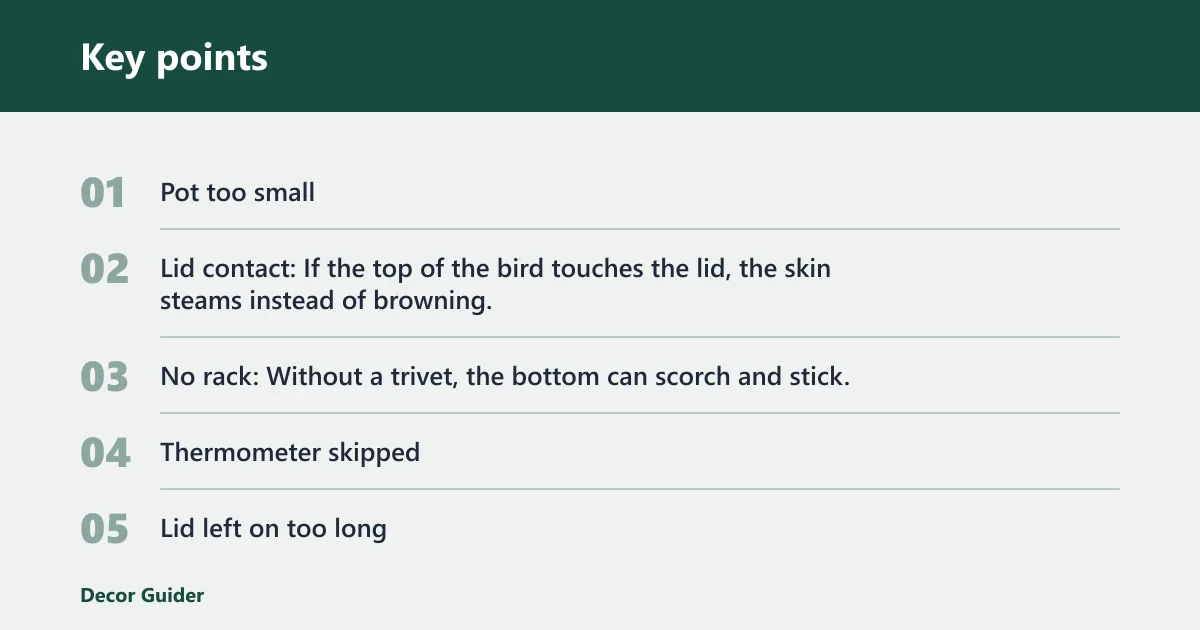
- Pot too small: If the shoulders crowd the sides, move to a roasting pan or a larger Dutch oven.
- Lid contact: If the top of the bird touches the lid, the skin steams instead of browning.
- No rack: Without a trivet, the bottom can scorch and stick.
- Thermometer skipped: The breast may overcook before the thigh is ready, or the reverse.
- Lid left on too long: This often leaves the skin pale.
Cleanup is easier with enameled cast iron than with bare cast iron, but both need attention if drippings bake on. If juices collect on the bottom, add hot water after the pot cools enough to handle safely, then loosen residue before washing.
Suppose a 12 pound turkey fits in a 9-quart oval Dutch oven, but the lid barely clears the highest point. That is a warning sign, not a challenge. Use a roasting pan instead, or split the meal and cook only a breast in the Dutch oven.
One useful prevention step is to measure the bird against the pot before seasoning. If the turkey cannot sit on a trivet with space around the shoulders and room under the lid, do not force the setup. The right fit is the one that allows airflow, clean lid clearance, and thermometer access.
Frequently asked questions
Can you cook a turkey in a Dutch oven?
Yes, when the size match works. A whole turkey fits best in a 7- to 9-quart Dutch oven, while a turkey breast can fit in a smaller one. Use a thermometer and roast to 165°F. If the bird crowds the pot, choose a roasting pan instead. [USDA FSIS]
Can you roast a turkey in a Dutch oven?
Yes. Roast it covered for most of the cook, then uncover near the end so the skin browns. A low oven at 300 to 325°F is the most forgiving approach, and one method starts at 500°F before dropping to 350°F. The final temperature still needs to reach 165°F. [USDA FSIS; Le Creuset]
Can you cook a small turkey in a Dutch oven?
Yes, especially a 9 to 10 pound bird in a 6- to 7.5-quart pot or a 10 to 12 pound bird in a 7- to 9-quart pot. The bird must clear the lid and leave space at the shoulders. If it does not, the pot is too small.
Can you cook a turkey in a Dutch oven on the stove?
Not as the main roasting method for a whole bird. Oven heat is the better choice because it cooks more evenly and lowers scorching risk. Use the stove for drippings or gravy after roasting, not for the roast itself.
Sources
- USDA Food Safety and Inspection Service (FSIS), turkey cooking safety guidance, safe minimum internal temperature of 165°F and resting guidance.
- Le Creuset, roasting and Dutch oven usage guidance for oven temperature ranges, fit, and covered/uncovered browning guidance.
Products related to this article
Sponsored / affiliate links. As an Amazon Associate I earn from qualifying purchases. I may earn additional commission from eligible campaigns.