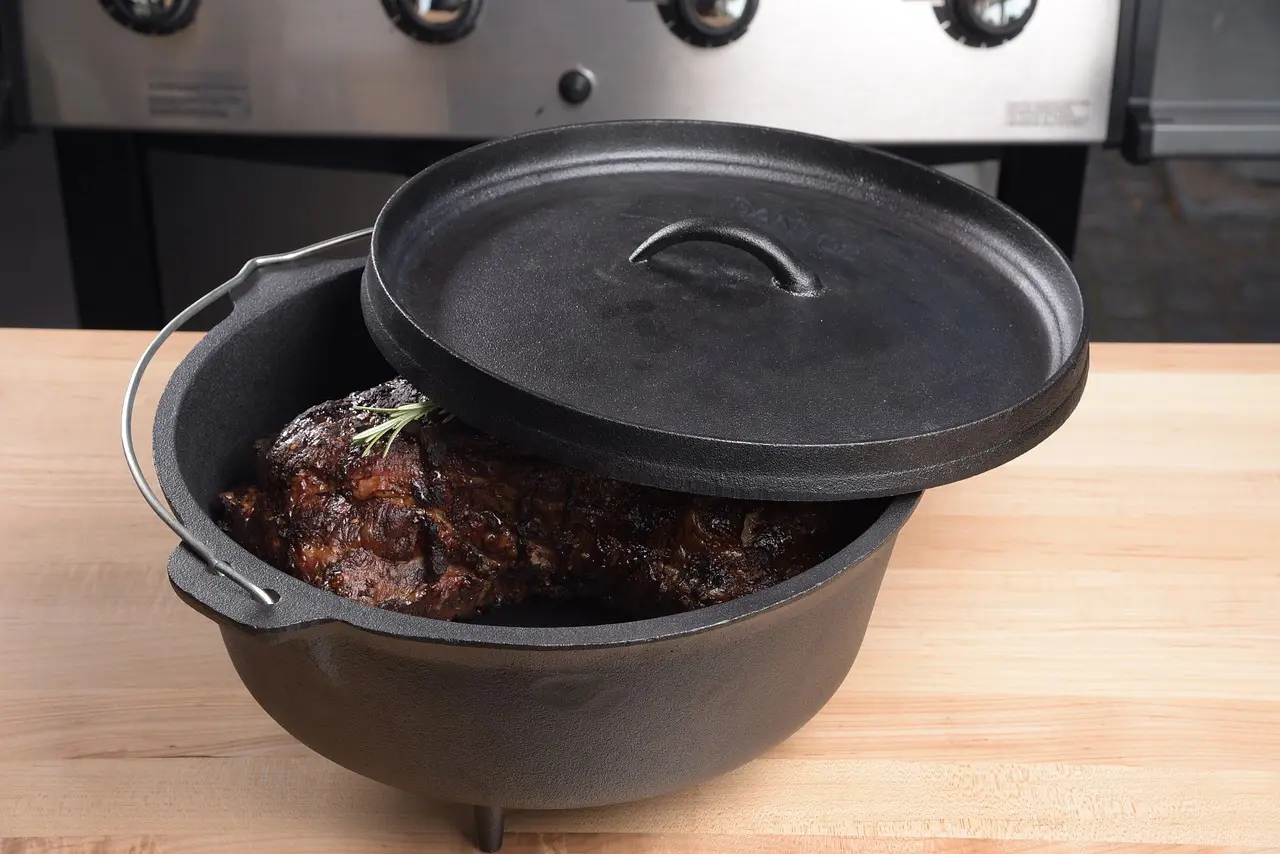
Can You Use a Dutch Oven Instead of a Roasting Pan?
Yes, a Dutch oven can stand in for a roasting pan for smaller, moister dishes or a snug bird; for larger holiday roasts, a roasting pan is usually the better tool. The wrong vessel can keep the surface damp, slow browning, and leave you with a bird that cooks unevenly or will not fit. This guide shows when a Dutch oven works, when it does not, and how to choose for turkey, ham, chicken, and vegetables.
This guide is part of our Holiday Hosting Cookware Guide: Roasting Pans, Dutch Ovens and Casseroles series.
Quick decision checklist: Choose a Dutch oven when the food benefits from moisture, has room for a lid, and weighs roughly under 5 pounds. Choose a roasting pan when you need airflow, browning, and a larger footprint. If the bird or roast is tight against the sides, the vessel is too small.
Can you use a Dutch oven instead of a roasting pan?
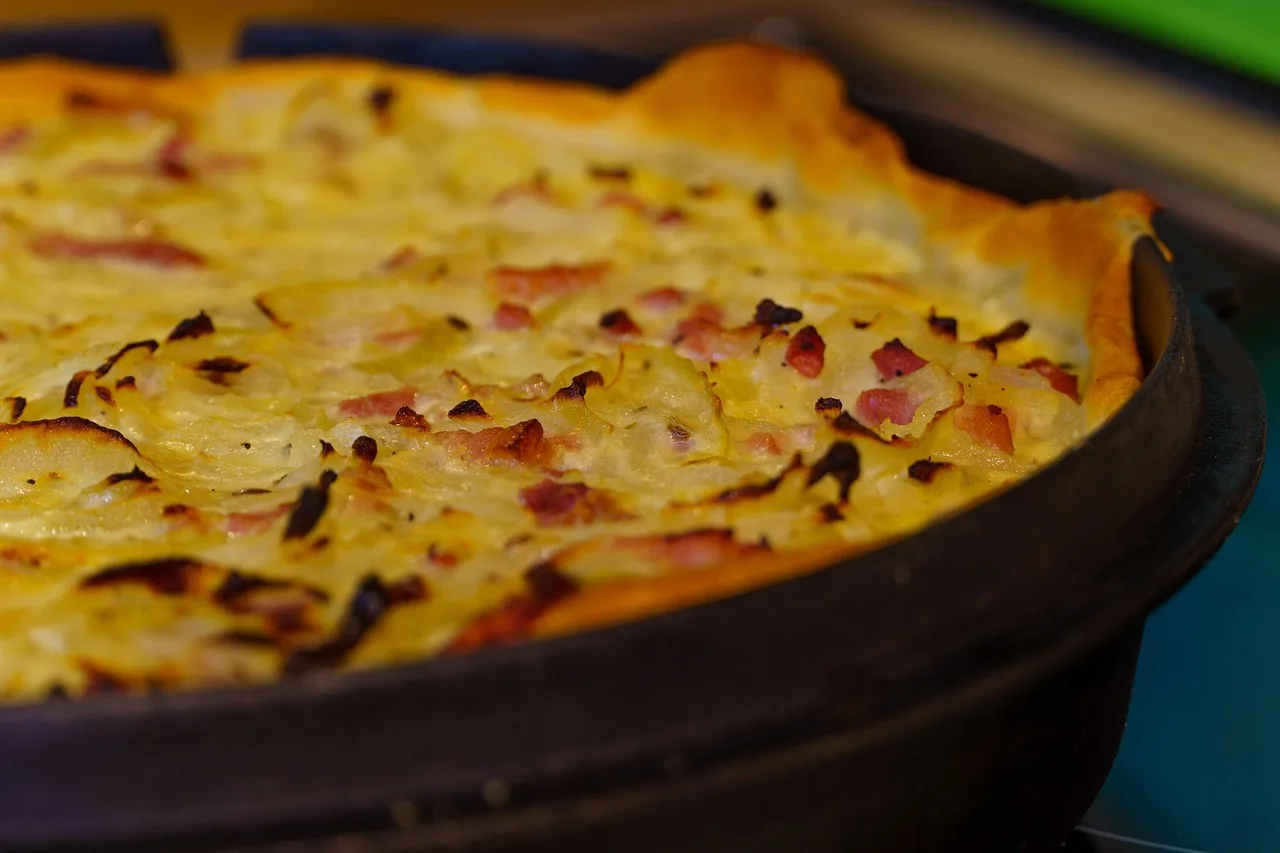


Yes, but only when the recipe can handle covered cooking and more steam. A Dutch oven’s thick cast iron walls and tight lid hold heat well and keep moisture inside, which suits braising and long, gentle roasting. A roasting pan is better when you want dry heat, air movement, and a wider footprint for poultry and large roasts.
The trade-off is simple. A Dutch oven favors tenderness and moisture retention; a roasting pan favors browning and space. If the dish depends on crisp skin or a dry surface, the Dutch oven is the weaker substitute. If the dish benefits from a bit of steam and a tighter fit, it can work well.
Heat, browning, and airflow
Dry-heat browning depends on the Maillard reaction, which works best when the surface dries out and hot air can move around the food. The USDA explains safe roasting targets and the need for proper internal temperatures, while Penn State’s food science guidance notes that browning slows when excess moisture is trapped. A roasting pan, especially with a rack, keeps the food more exposed to airflow than a covered Dutch oven.
Braising is where the Dutch oven shines. Covered cooking, low heat, and liquid in the pot soften tough cuts while limiting moisture loss. That is why a Dutch oven is better for pot roast than for a holiday bird whose skin needs to dry and color.
What a roasting rack changes
A roasting rack lifts meat above the drippings so hot air can move underneath it. That helps the underside brown and keeps the roast from sitting in rendered fat. Many roasting pans use a removable rack, which also makes drippings easier to separate from the meat if you want gravy.
Stainless steel roasting pans are common, durable, and often stovetop-safe depending on the construction. Manufacturer guidance on ovenware capacity and rack fit matters here: a pan should leave room around the roast, not pinch it against the walls. A Dutch oven can hold drippings, but its deeper shape and lid are less handy for wide, even browning.
Dutch oven vs roasting pan matchup
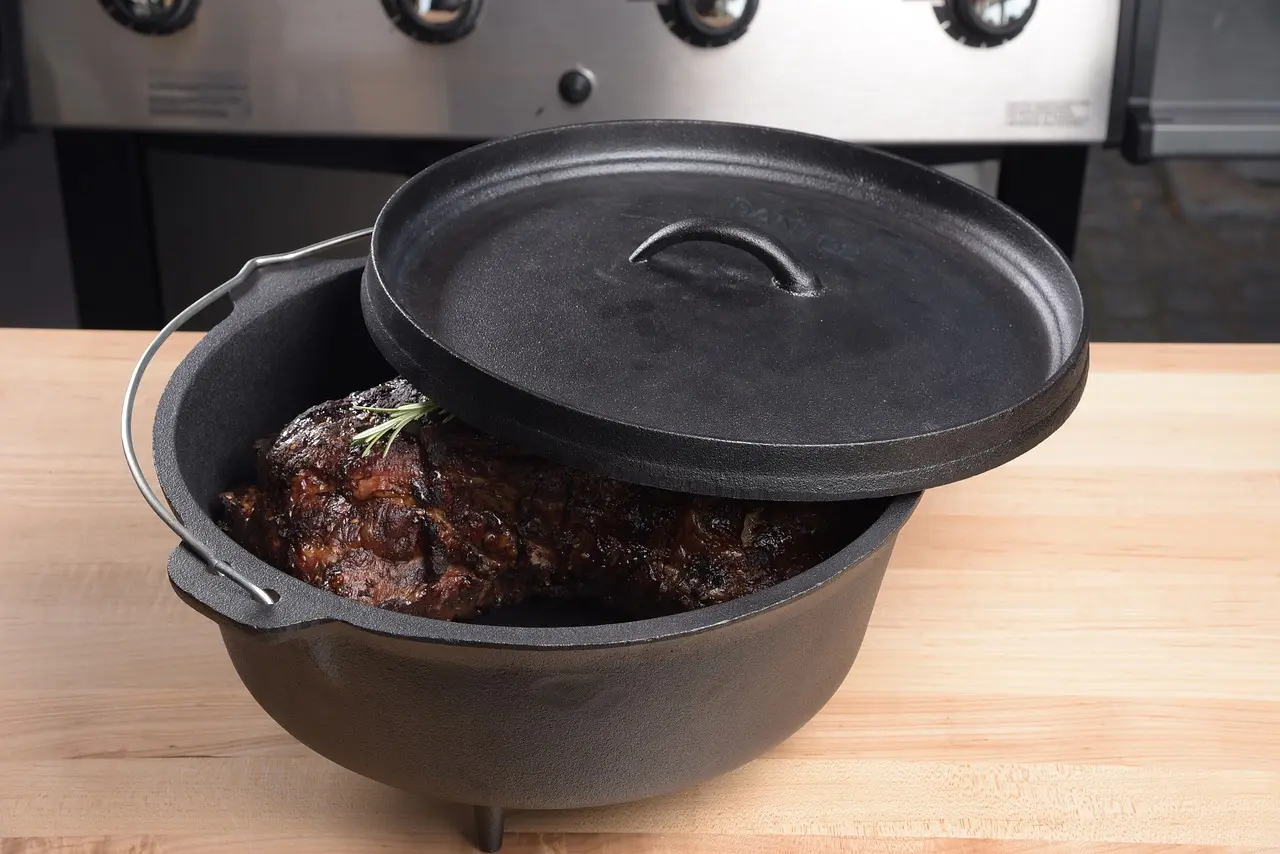
This comparison is the quickest way to decide. Use the Dutch oven for covered cooking, gentler heat, and dishes that can stay moist. Use the roasting pan for larger holiday cuts, better airflow, and a drier finish on skin, fat cap, or vegetable surfaces.
| Food type | Target finish | Fit/capacity risk | Lid-on or lid-off | Recommended temp adjustment | Best drippings/gravy method |
|---|---|---|---|---|---|
| Turkey breast | Moist meat with light browning | Low in a 5.5 qt Dutch oven for about 2 to 4 lb; moderate in a 7.25 qt for about 4 to 6 lb if the breast lies flat and lid clearance remains | Lid off for the last part if you want color | Reduce by 25°F if the recipe already runs hot | Pour drippings into a saucepan; thicken after deglazing |
| Whole chicken | Crisp skin and even roasting | Low in a 5.5 qt for about 3 to 4 lb chickens; moderate in a 7.25 qt for about 4 to 5 lb; a 9 qt gives more side clearance for larger birds | Lid off | Keep the recipe temp; finish hotter only if skin is pale | Roasting pan or sheet pan gives easier pan gravy |
| Pork loin | Juicy center with browned exterior | Moderate; long loins can hit the lid or wall in 5.5 qt and some 7.25 qt vessels; 9 qt is safer for longer cuts | Lid off | Lower 25°F if using a covered oven-safe braise-style method | Deglaze a roasting pan or use a shallow skillet after transfer |
| Pot roast | Tender, spoonable meat | Low; this is a strong Dutch oven fit, especially in 5.5 qt or 7.25 qt sizes for roughly 2.5 to 5 lb roasts | Lid on | Follow low-and-slow heat; no browning boost needed | Built-in braising liquid makes gravy from the pot drippings |
| Ham | Warm through with glaze color | Moderate to high if the ham is large or tall; 7.25 qt can work for smaller portions, while 9 qt is the better Dutch oven ceiling for a compact roast | Lid off | No reduction; use open heat for glaze setting | Use a roasting pan so glaze and drippings spread out |
| Root vegetables | Caramelized edges, tender centers | Low for small batches in 5.5 qt; higher in any vessel if the tray is crowded and moisture cannot escape | Lid off | Higher heat may help if the pan is crowded | Sheet pan yields the driest roast and easiest cleanup |
| Lasagna | Set noodles and melted top | Low if the vessel is deep enough; size matters more than weight | Lid off | No reduction; follow bake time and check center set | Use the dish itself; there are usually few pan drippings |
| Spatchcocked turkey | Fast, even browning | Lower than a whole bird, but still measure width; many spatchcocked birds are too wide for deep Dutch ovens even when the weight is manageable | Lid off | Same temp or slightly higher if skin needs more color | Roasting pan or sheet pan with rack is usually better |
| Carrots and Brussels sprouts | Browned edges, not steamed softness | Low if spread in one layer; overcrowding raises steam and lowers browning | Lid off | No reduction; space matters more than heat | Sheet pan with wire rack only if the recipe includes meat drippings |
What foods work best in each?
The best Dutch oven foods are the ones that want covered cooking and some liquid. The best roasting pan foods are the ones that need broad exposure to heat and enough room for air to circulate. If you need both tenderness and browning, start covered and finish uncovered.
Best Dutch oven candidates
Pot roast is the cleanest match. So are short ribs, stews, some braised ham preparations, and smaller turkey breast recipes that include broth or aromatics. A Dutch oven also works for mixed meals that need moisture control, such as chicken thighs with onions and root vegetables.
One common mistake is forcing a large bird into a deep pot because the lid fits. That usually solves one problem and creates two more: the skin stays damp, and the upper part of the bird sits too close to the lid to brown well.
Best roasting pan candidates
Whole poultry, large roasts, and glazed hams belong in a roasting pan more often than not. The rectangular or shallow shape gives a wider footprint than most Dutch ovens, and the open top supports dry heat. That matters for a bird that needs broad browning across the skin and breast.
A roasting pan with a rack is especially useful for turkey and pork loin. The rack keeps the meat out of the rendered fat and lets the underside roast rather than poach in its own drippings.
Foods that need a sheet pan with wire rack instead
A sheet pan with a wire rack is a strong substitute for smaller poultry pieces, pork loin, and vegetables when you want airflow but do not need the depth of a roasting pan. The rimmed pan catches juices, while the rack keeps the food elevated. It is a practical middle ground for smaller holiday cooking jobs.
For example, a holiday menu might include about a 4-pound turkey breast and tray-roasted carrots. A sheet pan with a rack gives the breast room, helps the skin color, and leaves enough exposed surface for the carrots to brown instead of soften in steam.
When should you use a Dutch oven vs a roasting pan?
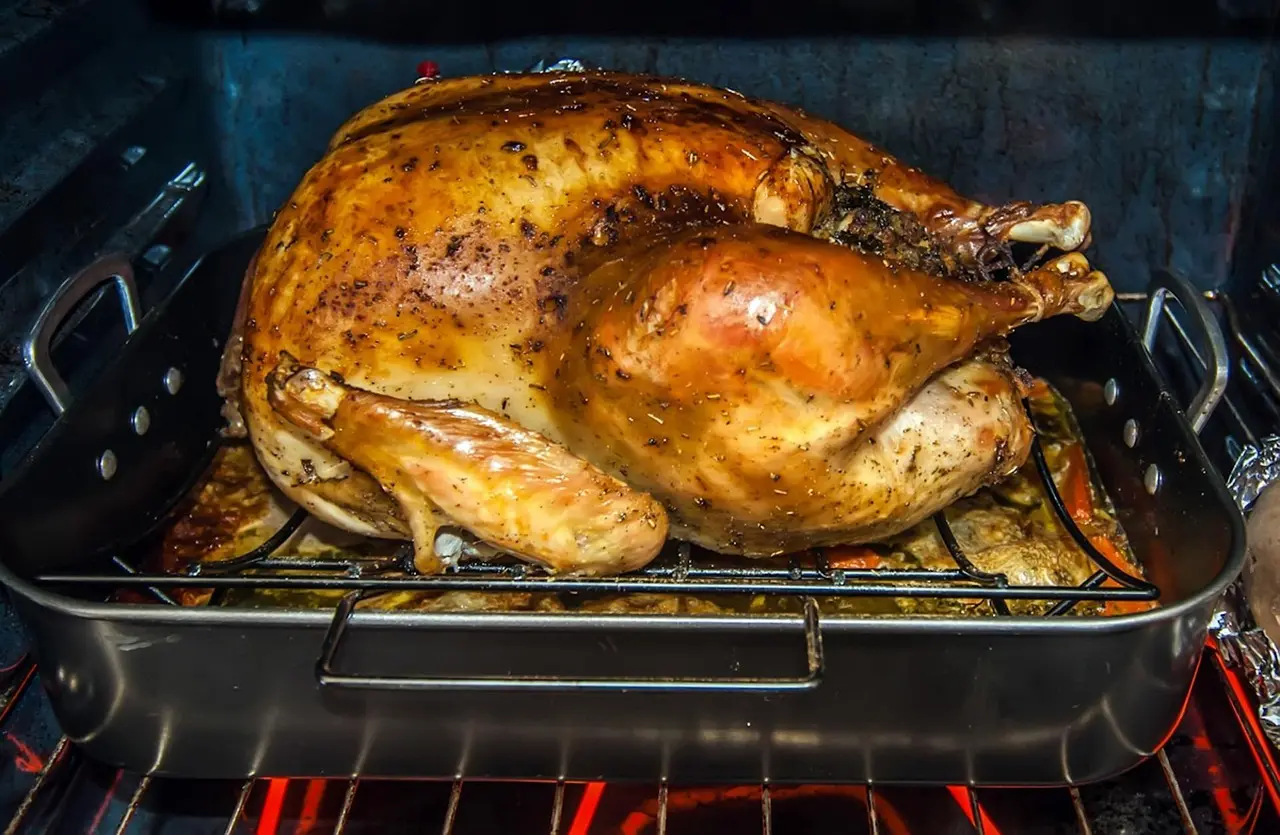
Use a Dutch oven when the dish needs moisture, a snug fit, and gentle heat. Use a roasting pan when you want dry heat, crisp skin, and enough room for a large bird or roast. If the recipe depends on browning, keep the lid off for most or all of the cook.
Choose Dutch oven if…
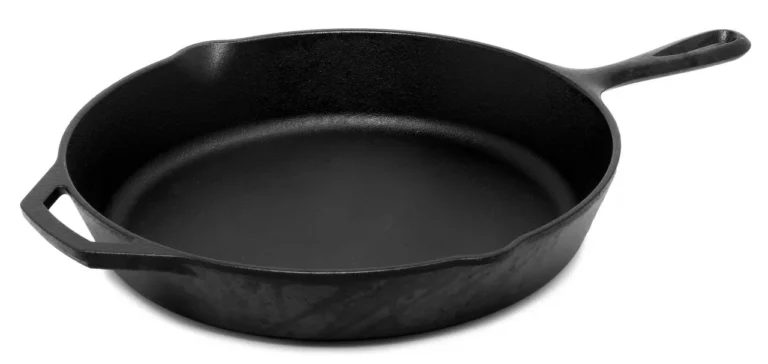
A Dutch oven is often a good choice if the food is under about 5 pounds, fits comfortably with lid clearance, and benefits from liquid-assisted tenderizing. It is a good match for braises, pot roast, smaller poultry pieces, and layered dishes that should stay covered. Its cast iron or enameled cast iron construction holds temperature efficiently and keeps moisture in.
Because Dutch ovens are stovetop-safe by default, they are useful when a recipe starts with browning aromatics, then moves straight to the oven. That stovetop-to-oven flow is handy for braises and sauces, less so for open roasting.
Choose roasting pan if…
Choose a roasting pan if the goal is a browned exterior, crisp skin, or a large holiday bird. The open top and broad shape give you more airflow, which helps the Maillard reaction develop. A roasting pan is also the better fit for whole turkeys and large roasts that need space around them.
For a turkey around 12 pounds, a roasting pan is often the easier fit if even skin color and space for drippings to collect below the rack are priorities. USDA poultry guidance emphasizes reaching a safe internal temperature of 165°F in the thickest part, and a roasting pan makes that target easier to hit evenly without trapping steam.
When to remove the lid near the end
If a Dutch oven is the right vessel for the recipe but the top needs color, remove the lid near the end of cooking. That last uncovered stretch lets surface moisture evaporate and gives the oven air a chance to brown the top. It helps, but it will not match the broad, dry roasting finish from an open pan.
For some recipes, a 25°F lower oven setting is enough to offset the extra heat retention in a Dutch oven. That adjustment is most useful when the lid stays on for much of the cook and you want to avoid overcooking before the center is done.
What can you use instead of a roasting pan?
The best substitute depends on the food. A sheet pan with a wire rack is often the best stand-in for chicken, pork loin, vegetables, and smaller turkey pieces. A stainless steel roasting pan is the closest direct substitute. A baking dish can work for smaller assemblies, but it gives up airflow.
Sheet pan with wire rack
This is the most flexible substitute for dry roasting. The rimmed pan catches juices, and the wire rack keeps air moving under the food. It works well for smaller poultry, vegetables, and roasts that do not need much depth. For larger birds, make sure the pan footprint and rack size are enough before you commit.
Stainless steel roasting pan
A stainless steel roasting pan is a practical choice when you want direct stovetop deglazing after roasting. It is durable, and many models are built for holiday cooking with a rack. Compared with a Dutch oven, it gives you more surface area for browning and easier gravy work from the drippings.
Baking dish or casserole for smaller assemblies
A baking dish can handle lasagna, mixed vegetables, or smaller meat-and-vegetable bakes. It is not the right tool for a whole turkey or a large roast because it usually lacks the airflow and size of a roasting pan. Use it when depth matters more than crust.
- Check the food shape first: tall, wide, or flat.
- Check your vessel’s diameter, interior height, and lid clearance.
- Decide whether you need dry heat or moisture retention.
- Use a rack if airflow under the food matters.
- Keep the lid off for browning, or remove it near the end if the recipe starts covered.
Frequently asked questions
Is a Dutch oven good for roasting turkey?
Only for a small turkey breast or a very small bird that fits without crowding. Most whole turkeys do better in a roasting pan because they need room around the bird for dry heat and browning. If the turkey is crowded, the skin stays damp and color suffers.
Can I roast chicken in a Dutch oven?
You can, but it is usually better for a smaller chicken or a chicken that starts covered and finishes uncovered. A roasting pan gives better airflow and more even browning. If you use a Dutch oven, keep the lid off for most of the cook and check that the bird is not touching the sides.
Do I need to remove the lid when using a Dutch oven like a roasting pan?
Yes, if you want browning. The lid keeps moisture inside, which is useful for braising but not for crisp skin or a dry roast finish. Removing the lid near the end helps, though it still will not match the airflow of an open roasting pan.
Can you cook a turkey in a Dutch oven?
Only if the turkey is small enough to fit with clear space above it and around it. Most large birds are cramped in Dutch ovens, and anything over 5 pounds gets tight in many models. A roasting pan is better for full holiday turkeys because it gives the bird room and supports browning.
How much browning do you lose using a Dutch oven instead of a roasting pan?
Quite a bit, especially on skin and exposed fat. The lid keeps the moisture in the pot, so surface water leaves more slowly and the Maillard reaction is less active. You can recover some color by removing the lid near the end, but a Dutch oven still will not brown as broadly as an open roasting pan.
Sources: USDA Food Safety and Inspection Service guidance on poultry roasting and safe internal temperature; manufacturer ovenware capacity and rack guidance from major cookware brands; and Penn State Extension resources on browning, moisture, and the Maillard reaction in roasting.
Products related to this article
Sponsored / affiliate links. As an Amazon Associate I earn from qualifying purchases. I may earn additional commission from eligible campaigns.