Best Dutch Ovens for Baking Bread (2026): we compared
For bread baking, a heavy cast-iron pot in the roughly 5- to 7-quart range is often a good choice: round for boules, oval for batards, with some space above the dough inside. Too small and the loaf rubs the lid, steam stays uneven, and the crumb turns dense; too large and oven spring drops, while heat gets wasted. This guide compares sizes, shapes, loaf fit, weight, and cleanup so you can buy the right pot for sourdough or artisan bread.
Best Dutch ovens for baking bread: top pick
For most home bakers, I’d buy the Lodge 5-quart cast iron Dutch oven first. It leaves space for a standard sourdough boule, handles better than a 4.5-quart pot, and still pulls duty for stew or roast when bread is off the menu.
According to The Best Dutch Ovens for Bread Baking – Baker Bettie — The Challenger Bread Pan can bake a loaf up to 1.5 kg.
Quick comparison
| Product | Badge | Best for | Price | ||
|---|---|---|---|---|---|
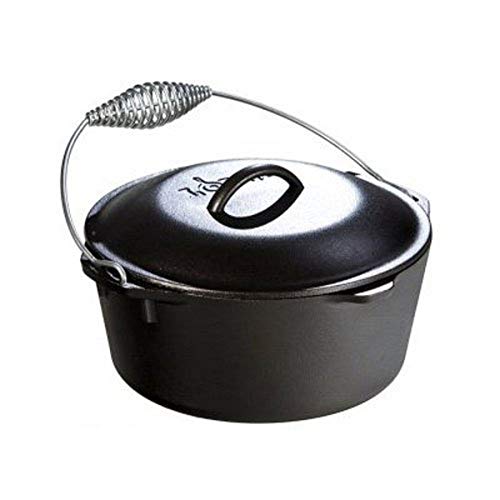 |
Lodge Pre-Seasoned Cast Iron Dutch Oven with Bail Handle, 5Lodge | Our pick | 5 Quart pre-seasoned cast iron | $59.90
Price as of 6 Oct 2026
|
View |
 |
Le Creuset Enameled Cast Iron Round Dutch Oven, 5.5 qt.,Le Creuset | Upgrade pick | 5.5 qt. enameled cast iron | $299.98
Price as of 6 Oct 2026
|
View |
 |
Enameled Cast Iron Dutch Oven – Umite Chef 5QT Pot with LidUmite Chef | Budget pick | 5 QT enameled cast iron | $37.99
Price as of 6 Oct 2026
|
View |
 |
STAUB Cast Iron Dutch Oven 5.5-qt Round Cocotte, Made inSTAUB | Also great | 5.5-qt enameled cast iron, France | $327.95
Price as of 6 Oct 2026
|
View |
Use the table below to match loaf size, shape, and oven space before you look at brand names. A good bread pot matters less for buzz and more for whether the dough can rise without hitting the lid.
If you bake one loaf a week, a 5-quart cast iron pot is the simplest buy. If you bake more often or want easier loading, the Combo Cooker or Challenger Bread Pan solves a different problem.
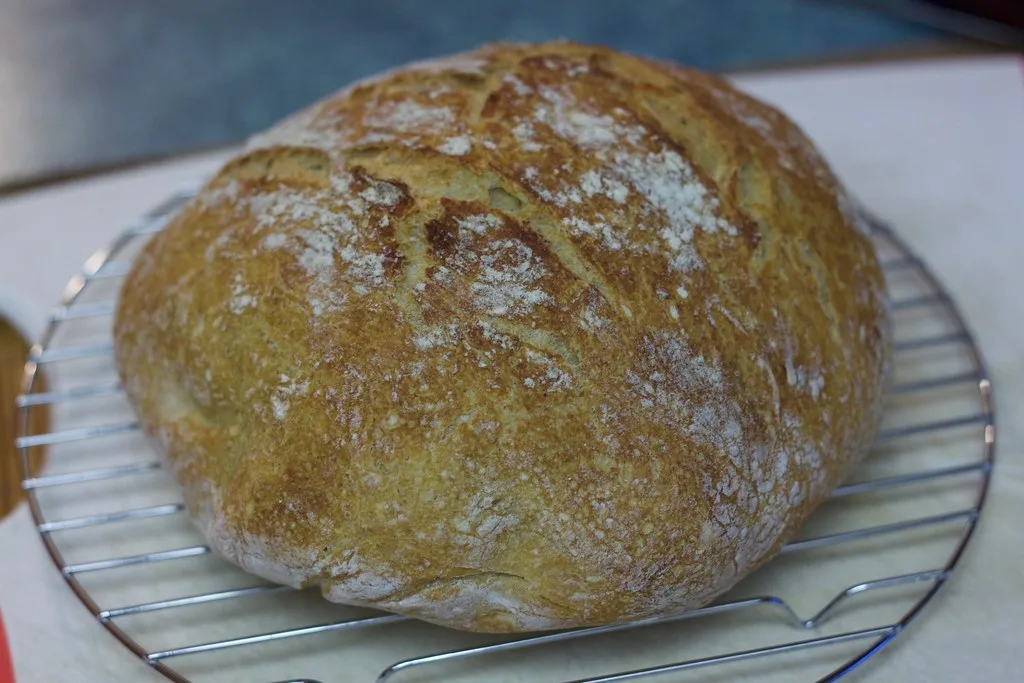
How we chose
This list centers on covered baking performance, not marketing language. I filtered for lid fit that holds steam, capacity for common boule and batard sizes, weight you can lift safely, cleanup, and whether the pot can do more than bread.
I also split bread-first tools from multiuse Dutch ovens. That matters if you want one vessel for sourdough on Saturday and braise or stew on Tuesday.
Lodge 4.5-quart Dutch oven: best budget starter pot
- Pre-seasoned and ready to use
- Steel bail handle for easy lifting
- Works on stoves, ovens, grills, campfires
The Lodge 4.5-quart pot fits occasional bakers who want a low-cost start and mostly bake one smaller boule at a time. Baker Bettie calls 4.5 qt the smallest Lodge size to consider, and that fits my own use too: it still traps steam well for a standard loaf.
What stands out here is value. Lodge full cast iron Dutch ovens run around $40-60, so this is the least painful way to get into covered bread baking without buying a bread-only pan.
The drawback is plain. It feels cramped sooner than a 5- or 6-quart pot. Taller doughs, larger boules, and proofing baskets that run big can touch the lid early, which cuts oven spring and can bend the top.
Lodge 5-quart and 6-quart Dutch ovens: best flexible cast iron
The 5-quart and 6-quart sizes are the sweet spot for most sourdough bakers because they give more headroom, easier loading, and better odds that a home oven can keep steam around the loaf without crowding it. Baker Bettie says a 5 qt or 6 qt gives more flexibility, and that is the right buying rule for people still dialing in loaf size.
The 5-quart Lodge is the better all-round pick if you want one pot for bread and also want it to work for stew, chili, or a small roast. The 6-quart version gives more room for a taller boule or a slightly heavier batard, which matters when your final proof is generous or the dough expands hard in the oven.
The honest tradeoff is weight and storage. Cast iron is heavy, and a larger pot asks for more wrist control when loading dough, turning hot lids, and moving the finished loaf to a rack.
Lodge Combo Cooker: best for easier dough transfer
The Lodge Combo Cooker fits bakers who want easier loading and unloading more than a single deep pot. It is two pans in one: a deep skillet and a shallow skillet/griddle, so the bottom piece becomes the base and the top piece becomes the covered lid.
That split design makes dough transfer simpler because you are not lowering a proofed boule into a deep, hot chamber. The shallow side also gives you a cleaner path for sliding dough in, then pulling the lid off once the crust sets.
Where it falls short is versatility in the usual Dutch oven sense. It can still do bread well, but the two-piece setup is less direct for soups and braises than a standard lidded pot, so it suits bakers first and general cooks second.
Challenger Bread Pan: best for serious sourdough
The Challenger Bread Pan is the bread-first choice for people who bake often and want a tool built around loaf shape, loading, and steam control. It is a favorite for artisan bread baking, and that focus shows in details like handles on the lid and a design that supports larger loaves.
Its big advantage is capacity. The Challenger Bread Pan can bake a loaf up to 1.5 kg, and that makes it especially useful for high-hydration sourdough and larger artisan loaves that would feel tight in a smaller round Dutch oven. The weight, around 21 lbs, is the other side of that coin: it is serious hardware, not a casual grab-and-go pot.
The drawback is obvious. It costs more, it is heavy to move, and it is overkill for someone who only bakes bread once in a while. If the same vessel also needs to handle weeknight stew, this is usually the wrong purchase.
How do you choose the right Dutch oven size and shape for your bread?
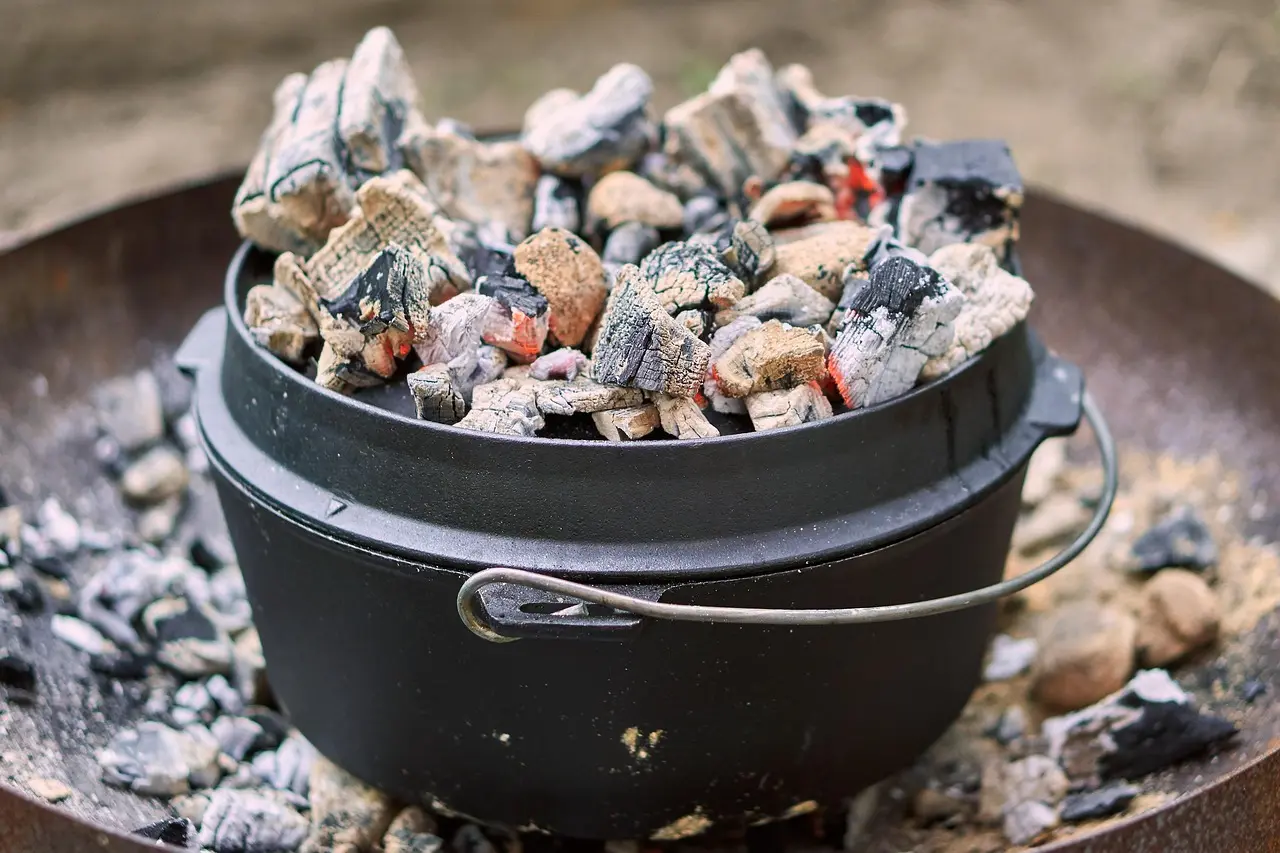
Choose size from loaf weight, then shape from loaf form. A round Dutch oven fits boules best, an oval pot suits batards and longer bâtard-style loaves, and a combo cooker helps when transfer comfort matters more than lid height. For most bakers, the right size is the smallest one that still leaves breathing room above the proofed dough.
The practical rule is simple: leave enough internal volume for the loaf to spring before it hits the lid, but not so much empty space that steam scatters too fast. For a single boule, a round 5-quart or 6-quart pot is the usual starting point. For a batard, oval is easier.
Hydration matters too. Wet dough spreads more before it rises, so a deep but not overly wide vessel can help keep the shape upright. Dry, stiff doughs are less demanding and can tolerate a wider margin, but they still need a lid that traps steam through the first part of baking.
Round versus oval for boule and batard
Round Dutch ovens are the natural fit for boules because the walls follow the loaf shape and support even expansion. Oval Dutch ovens are better for batards, demi-baguette-style loaves, and any dough that would look squeezed in a round pot.
If the baker mostly shapes boules, round is the safer buy. If the household likes longer loaves, oval avoids wasted side space and gives the dough a more natural footprint.
Best vessel by loaf weight and oven size
A medium loaf in roughly that range often fits well in a 4.5-quart pot, especially if the dough is shaped tightly and there is enough clearance in the oven. Around 900 g to 1.2 kg, a 5-quart or 6-quart vessel is easier, especially for a high-rise sourdough boule. Larger loaves can benefit from a Challenger Bread Pan or a roomy oval pot.
Oven size matters because the pot still needs room for the lid, your hands, and safe transfer. If the oven ceiling is low or the rack sits close to the top element, a tall pot can be awkward even when the loaf itself fits.
When cast iron is the better bread material
Cast iron is the default choice when you want strong heat retention, a sturdy lid, and a vessel that can move from bread to stew to roast. The heat mass helps the dough keep rising after loading, and that first covered phase is what produces the oven spring and crackly crust most bakers want.
The tradeoff is weight. A heavier pot is harder to load and unload, and that becomes more important as the vessel gets larger or the lid gets deeper.
Bread-baking Dutch oven decision table
| Loaf weight | Loaf shape | Typical oven size | Best vessel type | Buyer profile | Avoid if |
|---|---|---|---|---|---|
| 700 g to 900 g | Boule | Small to medium home oven | 4.5 qt round cast iron | Occasional baker, budget buyer | Your dough is tall, very wet, or often expands fast enough to hit the lid |
| 900 g to 1.2 kg | Boule | Standard home oven | 5 qt round cast iron | Weekly sourdough baker | You want the smallest, lightest pot possible and never bake larger loaves |
| 1.0 kg to 1.2 kg | Batard | Standard home oven | 5 qt to 6 qt oval Dutch oven | Household that likes longer loaf shapes | You only bake boules and want the tightest steam chamber |
| 1.2 kg to 1.5 kg | Boule or artisan loaf | Spacious oven with good rack clearance | 6 qt cast iron or Challenger Bread Pan | Frequent artisan baker | You want a light pot, low cost, or a multiuse stew pot |
| Variable | Boule, batard, or demi-baguette | Any oven with comfortable front access | Lodge Combo Cooker | Home baker who wants easier dough transfer | You need a deep, all-purpose lidded pot for soups and braises |
Quick matchups by baking habit
- Weekly sourdough: choose a 5-quart or 6-quart round Dutch oven for the easiest balance of clearance and flexibility.
- One loaf a week with a budget cap: the Lodge 4.5-quart is enough if your boules are modest and your dough is not overproofed.
- Frequent artisan baking: the Challenger Bread Pan is the bread-first option when size, loading comfort, and capacity matter more than price.
Which one should you buy
If price matters most and you bake occasionally, start with the Lodge 4.5-quart only if your loaves are small and predictable. If you want one pot that will not box you in, the Lodge 5-quart is the best default. If your doughs run larger, or you want more room for batards and taller boules, move to 6 quarts.
If easy loading is the main problem, buy the Lodge Combo Cooker. If bread is the point of the purchase and you bake often enough to justify the cost and weight, the Challenger Bread Pan is the most specialized choice here. If you want a bread-specific cloche for artisan loaves and do not care about stew duty, the Emile Henry Bread Cloche is worth a look, but it is not the most versatile buy.
For buyers who also want one vessel for braise, roast, and stew, a standard cast iron or enameled cast iron Dutch oven makes more sense than a bread-only pan. For buyers who want the easiest cleanup, enameled cast iron is appealing; for buyers who want lower cost and rugged use, plain cast iron still wins.
What kind of dutch oven is best for baking bread
The best Dutch oven for baking bread is a heavy cast-iron model with a tight lid and enough headroom for the loaf you actually make. Round works best for boules, oval works best for batards, and a 5- to 6-quart size is the safest middle ground for most home bakers.
That said, the best pot changes with loaf size and use case. A bread-first pan is ideal for frequent artisan baking, while a standard Dutch oven is better if the same pot also needs to cook dinner.
what’s the best dutch oven for baking bread
For most home bakers, the best Dutch oven for baking bread is a 5-quart round cast-iron pot. It gives enough room for a standard boule, keeps steam around the dough during the first stage of baking, and is still useful for soups and braises when bread day is over.
If the baker prefers larger loaves or taller sourdough, a 6-quart model gives extra clearance. If transfer comfort is the problem, the Combo Cooker is often easier than a deep single pot.
what’s the best size dutch oven for baking bread
The best size Dutch oven for baking bread is usually 5 to 6 quarts for most home loaves. A 4.5-quart pot can work for smaller boules, but 5 qt or 6 qt gives more forgiveness when the dough rises hard or the proofing basket is a little larger than expected.
Size should match loaf weight, not just kitchen shelf space. A pot that is too small can crush the top or distort the loaf, while one that is too large can reduce steam concentration around the dough.
what’s the best dutch oven for baking sourdough bread
The best Dutch oven for baking sourdough bread is a 5-quart or 6-quart heavy cast-iron pot with a lid that seals well enough to trap steam through the first bake stage. Sourdough often needs that covered phase to get a strong spring and a crust that opens cleanly.
If the sourdough loaves are larger, the Challenger Bread Pan is the stronger specialist option. If the sourdough is weekly but not oversized, a Lodge 5-quart or 6-quart is easier to justify.
what is a good dutch oven for baking bread
A good Dutch oven for baking bread is one that fits the loaf without crowding it, holds heat through loading, and has a lid you can manage safely. Cast iron is the common answer because it handles oven baking well and keeps the covered bake steady.
For a practical buy, the Lodge 5-quart is the cleanest middle path. It is large enough for most home sourdough, not so large that it wastes heat, and still works as everyday cookware.
what’s a good size dutch oven for baking bread
A good size Dutch oven for baking bread is one that leaves at least a little breathing room above the shaped dough. For many bakers that means 5 quarts, with 6 quarts becoming a better call once loaves get taller, wetter, or heavier in weight.
If the loaf is compact and the oven is small, 4.5 quarts can still be a smart buy. It is the margin, not the number alone, that matters.
should I buy cast iron or enameled dutch oven for bread
Buy cast iron if you want the classic bread workhorse, lower cost, and a pot that can take rough use. Buy enameled cast iron if cleanup matters more and you want to skip seasoning, while accepting chip risk and, on some models, a lower oven-safe temperature limit than bare cast iron.
For bread alone, both can work. For a pot that also cooks dinner, enameled cast iron is easier to wipe down, but bare cast iron is usually tougher and more budget friendly.
is a round or oval dutch oven better for bread
Round is better for boules, which are the most common sourdough shape. Oval is better for batards and longer artisan loaves because it matches the loaf footprint and avoids squeezing the sides.
If the baker only makes one style, buy to that shape. If the plan changes often, a round 5- or 6-quart pot is the more forgiving default.
what size dutch oven do I need for a sourdough loaf
Most sourdough loaves fit best in a 5- to 6-quart Dutch oven, with 4.5 quarts reserved for smaller boules. The key is enough wall height for oven spring, because sourdough can rise hard once the lid traps steam.
If the loaf is near 1.2 kg or the hydration is high, move up in size. That extra space usually helps the top open instead of pressing into the lid.
can I use a regular dutch oven for artisan bread
Yes, a regular Dutch oven is good enough for artisan bread if the lid fits well, the size suits the loaf, and the pot can take oven heat safely. You do not need a bread-only pan to get a strong crust and good oven spring.
A bread-specific pan matters when loading comfort, larger loaf capacity, or repeated baking make the extra cost worthwhile. For many home bakers, a regular cast-iron Dutch oven is the smarter first buy.
Frequently asked questions
what kind of dutch oven is best for baking bread
A heavy cast-iron Dutch oven with a tight-fitting lid is the best all-around choice for bread. It traps steam during the first part of baking, which helps oven spring and crust development. Round suits boules, while oval suits batards and longer artisan loaves.
what’s the best dutch oven for baking bread
The best Dutch oven for baking bread for most people is a 5-quart round cast-iron model. It hits the right balance of loaf fit, heat retention, and everyday usefulness. If you bake larger loaves, a 6-quart pot or a bread-focused pan is the safer step up.
what’s the best size dutch oven for baking bread
The best size is usually 5 to 6 quarts. That range fits many sourdough boules and batards without crowding the lid. A 4.5-quart pot can work for smaller loaves, but it leaves less room for strong oven spring and taller doughs.
should I buy cast iron or enameled dutch oven for bread
Cast iron is the better pick if you want rugged durability, lower cost, and no chip concerns. Enameled cast iron is easier to clean and does not need seasoning, but the enamel can chip and some pieces have a more limited oven-safe temperature range.
is a round or oval dutch oven better for bread
Round is best for boules because the shape supports even expansion. Oval is better for batards and longer loaves, especially when the dough would feel cramped in a round pot. The right choice depends on the bread shape you bake most often.
what size dutch oven do I need for a sourdough loaf
Most sourdough loaves do well in a 5- or 6-quart Dutch oven. Smaller boules can fit in 4.5 quarts, but larger or wetter doughs usually need more room. Leave enough headspace so the loaf can rise without touching the lid too soon.
Products related to this article
Sponsored / affiliate links. As an Amazon Associate I earn from qualifying purchases. I may earn additional commission from eligible campaigns.