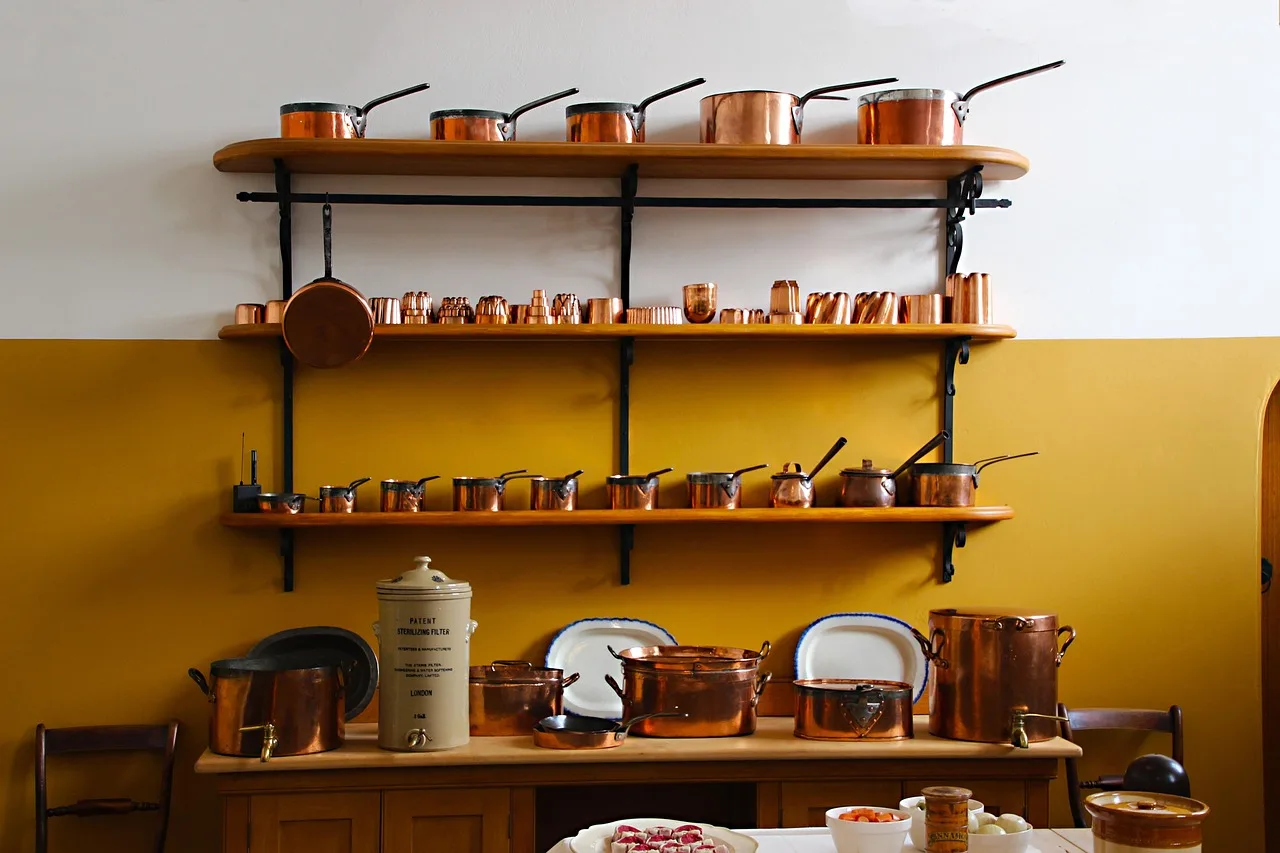
Best Cookware for Budget Shoppers (2026): we compared
For many budget shoppers, a 3- to 5-piece set that matches the stove can be a practical buy: hard-anodized nonstick for easier cleanup, or tri-ply stainless for induction and longer life.
This guide is part of our Cookware materials and safety guide series.
Buy the wrong set and you burn money on pieces you won’t use, plus warped pans, weak browning, or a coating that fails fast.
This guide weighs the lowest-risk budget cookware choices by material, stovetop, storage space, and cooking style.
Best cookware for budget shoppers: the best overall buy
The safest value buy is usually a small set built around one or two pans you will use every week. For many homes, that means tri-ply stainless if you want staying power and induction readiness, or hard-anodized nonstick if cleanup matters more than searing.
CNET’s best budget cookware set is the Tramontina Tri-Ply 8-piece set, priced at $70 at Amazon, which fits the value-first brief better than oversized starter bundles. CNET’s best overall pick is the All-Clad D3 7-piece set at $600, but that price pushes it out of budget range for most shoppers.
Who should buy it first: solo cooks, couples, and small families who want fewer pieces and fewer regrets.
When to skip it: if you already own a good skillet and only need one specialty pan, or if your storage is tight enough that a full bundle becomes clutter.
According to Best Cookware Sets Available in 2026 – CNET — The Tramontina budget set is sold for $70 at Amazon.
Quick comparison
| Product | Badge | Best for | Price | ||
|---|---|---|---|---|---|
 |
Tramontina Signature Tri-Ply Clad Stainless Steel 10-InchTramontina | Our pick | Tri-ply stainless 10-inch frying pan | $39.95
Price as of 26 Sep 2026
|
View |
 |
Lodge Enameled Cast Iron Oval Dutch Oven with Lid, 7 Quart,Lodge | Also great | 7-quart enameled cast iron Dutch oven | $99.90
Price as of 26 Sep 2026
|
View |
 |
T-Fal Ultimate Hard Anodized 12-Piece Ceramic NonstickT-Fal | Budget pick | 12-piece ceramic nonstick cookware set | $169.99
Price as of 26 Sep 2026
|
View |
 |
Calphalon Premier Stainless Steel Cookware, 10-Inch Fry PanCalphalon | Upgrade pick | Heavy-gauge stainless steel 10-inch fry pan | $59.99
Price as of 26 Sep 2026
|
View |
 |
Tramontina OnyxPro Hard Anodized Non Stick 3-Quart SauceTramontina | Pair with it | Hard anodized 3-quart nonstick saucepan | $35.70
Price as of 26 Sep 2026
|
View |
The safest budget pick for most shoppers is the one that matches the stove and the meal pattern, not the lowest sticker price. A cheap set that warps or scratches early costs more per use than a sturdier pan that stays useful for years.
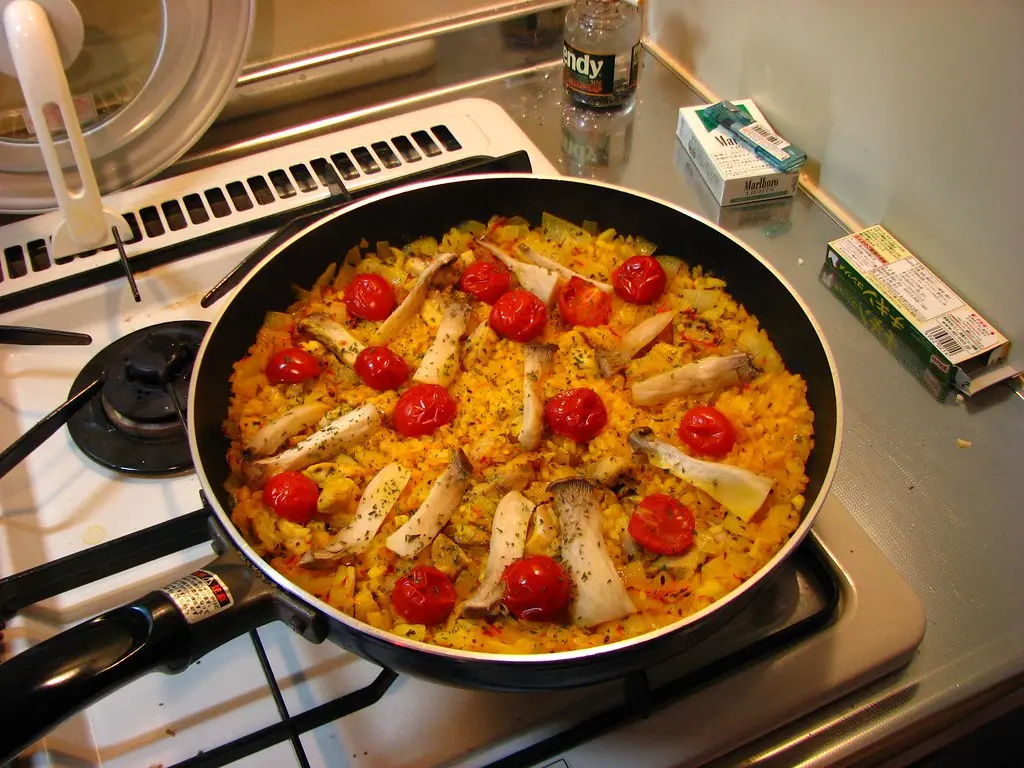
How we chose
Three filters matter most here: material fit, stovetop match, and how many pieces you will actually use. I also weighted cleanup burden and the likely replacement cycle, because the cheapest pan is not a bargain if it needs replacing every year.
Piece count matters. CNET recommends a smaller cookware collection rather than large expensive bundles, and that logic holds for budget shoppers too.
I also separated “cheap” from “good value” by cooking style. Eggs and quick sautés reward different surfaces than braises, induction users need magnetic bases, and small kitchens should avoid duplicate pans and awkward lids.
Budget cookware decision matrix
This matrix ranks the main materials by how they usually behave for budget shoppers. The right answer changes with household size and stovetop type, so the goal is to avoid the wrong bargain, not to crown one universal winner.
| Material | Upfront price band | Expected lifespan | Cleanup effort | Heat performance | Buyer regret risk | Solo cooks | Small families | Induction users |
|---|---|---|---|---|---|---|---|---|
| Hard-anodized nonstick | Low | Short to medium | Very low | Fast, even enough for eggs and sauces | Medium | Best if you cook quick meals | Good if you buy a small set | Poor unless base is induction-ready |
| Tri-ply stainless steel | Low to mid | Long | Medium to high | Strong, especially for browning | Low | Good if you want one workhorse pan | Best all-around value | Best fit when magnetic base is confirmed |
| Cast iron | Low | Very long | Medium | Excellent heat retention, slow to heat | Low to medium | Good if you do high-heat cooking | Good for one skillet or Dutch oven | Usually good if the base is magnetic |
| Ceramic nonstick | Low to mid | Short to medium | Very low at first | Quick heat-up, weaker long-run durability | Medium to high | Good only if you accept replacement risk | Mixed unless cooking is gentle | Depends on the base; verify it first |
For most shoppers, tri-ply stainless is the safest long-life buy, while hard-anodized nonstick is the easiest daily user. Cast iron is the cheapest durable heat holder, and ceramic is the least certain long-term value unless PFAS-free materials matter more than lifespan.
Stainless steel starter set: best for long-term value
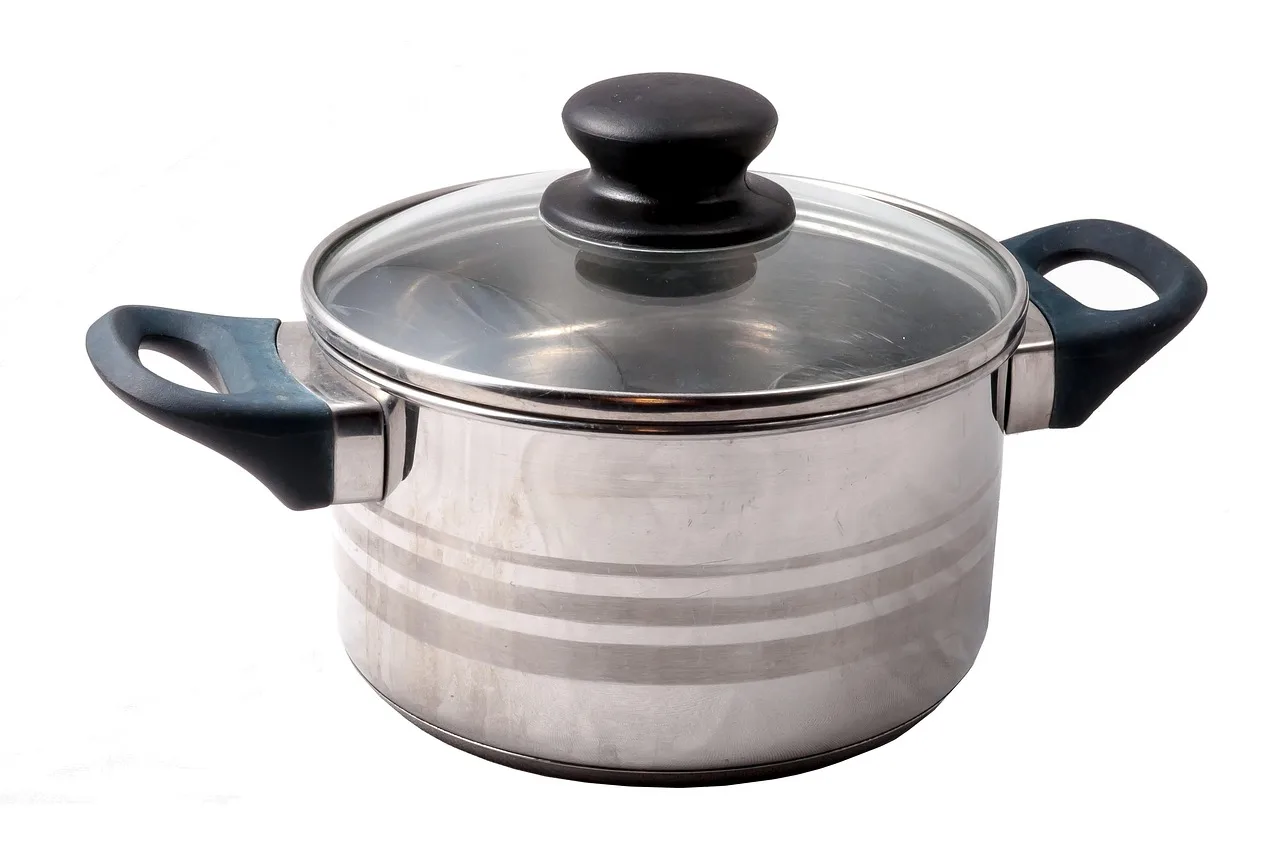

The Tramontina Signature Tri-Ply Clad Stainless Steel 10-Inch Frying Pan is the budget stainless pick that makes sense for buyers who want a pan they can keep using after the “starter” stage is over. Tri-ply construction gives better heat spread than thin stainless, and the pan works on all cooktops, including induction.
It suits shoppers who sear, sauté, and want better browning than nonstick usually allows. Stainless also avoids coating wear, so the value comes from longer useful life rather than easy cleanup.
The honest drawback is that stainless is less forgiving. Food can stick if the pan is not preheated well, and this model is not fully clad, so heat balance is good value-for-money rather than top-tier restaurant grade.
Fully clad vs not fully clad: what budget shoppers give up
Fully clad cookware carries the heat-conducting layers up the sides, while not fully clad usually concentrates those layers in the base. In budget stainless, that difference shows up in sidewall heat control and edge-to-edge consistency, especially on larger pans.
For budget shoppers, not fully clad is not automatically a bad deal. It can still be the right value if the pan is thick enough for normal stovetop cooking and priced low enough to fit the real budget.
Heat distribution and burner fit
Tri-ply construction uses layered metal to spread heat more evenly than thin single-ply stainless. That matters when a pan rides a burner all week and needs to brown without hot spots or pale patches in the middle.
Burner fit matters too. A large pan on a small burner can still cook unevenly, even if the metal is good.
Induction and oven-safe checks before buying
Induction cookware needs a magnetic base. “All-stovetop” claims are only useful when the pan is confirmed for induction, because gas and electric compatibility do not guarantee induction readiness.
For oven use, check handle and lid ratings before buying. A pan that moves from stove to oven is more useful, but only if the handle shape and any lid materials can tolerate the temperature you plan to use.
Nonstick skillet set: best for easy cleanup
The Tramontina OnyxPro Hard Anodized Non Stick 3-Quart Sauce Pan with Lid is the type of budget nonstick piece that fits a small kitchen well. It is aimed at soups, stews, and saucy one-pan meals, and the reinforced nonstick interior is built for easy release and quick cleanup.
This is the right direction for cooks who want the fewest scrubbing sessions. Hard-anodized construction also usually holds up better than bare thin aluminum, so it makes sense as a budget piece when used within its limits.
The drawback is the same one most nonstick buyers face: the coating is the wear item. It can scratch, it should not be abused with high heat, and it is better as a targeted purchase than as the basis for a huge set.
How many nonstick pieces you actually need
Most budget shoppers do not need a full nonstick bundle. One skillet and one saucepan can cover eggs, quick vegetables, sauces, and leftovers without paying for duplicate sizes that sit in a cabinet.
If you want nonstick, the piece-count strategy should stay small. Buy the pans you reach for daily, not a box full of extras that age at different speeds.
Scratch resistance and utensil rules
Surface scratch resistance matters because one bad utensil choice can shorten the useful life of the pan. Even a tougher nonstick surface still benefits from gentle utensils and careful stacking in storage.
Budget nonstick should be treated as a convenience tool, not a forever tool. If you want a pan that can take a beating, stainless or cast iron is the safer lane.
Heat limits and when coatings wear out
Nonstick coatings have temperature limits, and high heat is one of the quickest ways to shorten their life. They are best for medium heat and controlled cooking, not for hard searing or empty-pan preheating.
The coating wears out over time even when used well. That is why nonstick can be low effort today and higher cost later if you replace it too often.
Cast iron skillet and Dutch oven: best for heat retention
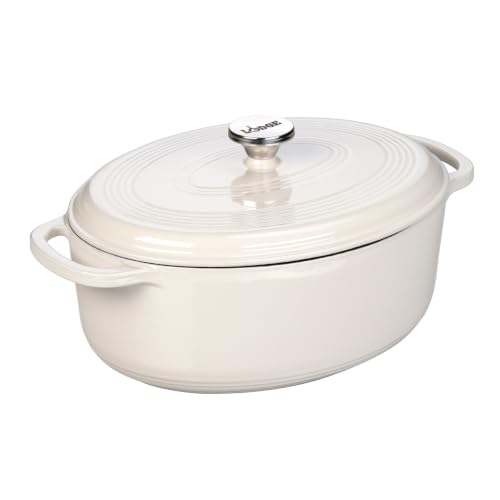
The Lodge Enameled Cast Iron Oval Dutch Oven with Lid, 7 Quart, Oyster White is the pick for buyers who want heat retention and stove-to-oven versatility more than light weight. CNET names Lodge’s cast-iron bundle as the best cast-iron cookware set, and the broader cast-iron category is still one of the cheapest ways to buy durable high-heat cooking.
This type of cookware suits braises, bread, soups, and family meals that benefit from steady heat and a tight lid. The enamel finish is PFAS-free and easier to wash than raw seasoned iron, which helps buyers who want cast iron without as much maintenance.
The drawback is obvious: weight. Cast iron is heavy, and enameled pieces can chip if handled carelessly, so this is a value buy only if you will actually use the size and can store it safely.
Why cast iron can be the cheapest durable option
Cast iron often looks cheap up front and still lasts for years if treated well. That makes its cost per use attractive, especially for cooks who use one pan often and do not mind a little upkeep.
For high heat, cast iron is still one of the best budget choices. It holds heat well, so it suits searing and oven work better than many light pans.
Weight, seasoning, and cleanup tradeoffs
Raw cast iron asks for seasoning and drying discipline. Enameled cast iron cuts some of that burden, but it still weighs enough to matter every time you lift it from the stove.
Cleanup is manageable, not effortless. That is fine if you want longevity, but it is the wrong buy if you want a pan you can rinse in seconds after a busy dinner.
Best use cases for high heat and oven use
Cast iron works best for searing, braising, roasting, and meals that benefit from steady heat. It is also useful when you want one vessel to move from stovetop to oven without switching pans.
If your cooking leans toward eggs, delicate fish, or fast weekday sauces, cast iron is often more pan than you need.
Ceramic cookware: best for PFAS-free shoppers
The T-Fal Ultimate Hard Anodized 12-Piece Ceramic Nonstick Cookware Set is aimed at shoppers who want a broad set and a ceramic nonstick surface in one box. CNET’s best ceramic cookware set is the Made In CeramiClad 7-piece set, and CNET describes that set as free of PFAS, PTFE, PFOA and heavy metals.
For budget shoppers, the appeal of ceramic is its nonstick behavior and its natural-material positioning. It usually heats quickly and looks like a cleaner swap from traditional coating language, especially for people trying to avoid PFAS-related concerns.
The drawback is durability. Ceramic nonstick tends to lose performance sooner than stainless or cast iron, so the low-friction cleanup often comes with a shorter useful life and more caution around heat.
What PFAS/PTFE/PFOA-free means in practice
PFAS, PTFE, and PFOA are chemical terms buyers see on pan labels. In practical budget terms, PFAS/PTFE/PFOA-free means the pan is marketed without those coating families, which may matter to shoppers who are trying to limit those materials in the kitchen.
That does not make the pan automatically long-lasting. It mainly changes the material story, not the wear story.
Why ceramic heats fast but wears faster
Ceramic surfaces usually warm quickly, which helps with everyday cooking. The tradeoff is that the nonstick behavior can fade faster, especially if the pan sees high heat, metal utensils, or repeated rough washing.
That makes ceramic a timing choice. It is useful when you want a clean-feeling new pan now, less so when you want the same cooking surface years later.
When ceramic makes sense and when it does not
Ceramic makes sense for budget shoppers who want a more natural nonstick story and are willing to replace pans sooner. It can also fit light cooking where easy release matters more than hard searing.
It does not make sense as the core of a large “buy once” set. If durability is the priority, stainless or cast iron is the safer spend.
Which one should you buy
If you cook mostly eggs, pancakes, and simple meals, buy a small hard-anodized nonstick set or a single nonstick skillet and saucepan. If you want one set that lasts longer, tri-ply stainless is the better budget value because it handles more cooking styles and avoids coating wear.
If you need induction compatibility on a budget, put magnetic base and full stove compatibility ahead of piece count. If storage space is tight, skip large bundles and buy the three pieces you will actually use: a skillet, a saucepan, and one larger pot or Dutch oven.
Skip oversized sets, duplicate pans, novelty lids, and utensil add-ons that pad the box. Also skip any pan with vague “all-stove” language unless induction and oven-safe limits are clearly stated.
Do I need a full set or just a few pans?
Most budget shoppers need just a few pans. A skillet, a saucepan, and one larger pot cover far more meals than a 10-piece bundle with duplicate sizes and extra lids.
Full sets only make sense when you truly cook multiple dishes at once and have space to store them. Otherwise, a smaller buy lowers cost, clutter, and replacement pain.
What should I avoid when buying cheap cookware?
Avoid thin pans that wobble, oversized bundles with duplicate pieces, and cookware that hides its stove or oven limits. Also avoid handles that feel awkward in the hand, because comfort matters more once the pan is hot and full.
If a coating seems very cheap, assume a shorter life. Cheap can still be useful, but only when the material and size match the job.
How many pieces do I really need in a budget cookware set?
Most people need three to five useful pieces, not eight to twelve. The core is usually a skillet, a saucepan, and one larger pot or Dutch oven, with any extra piece justified by how often you cook.
More pieces do not mean more value. They often mean more storage demand and more parts that wear out at different speeds.
Frequently asked questions
What is the best cookware set for the money?
The best value is usually a smaller set that fits your stove and your cooking style. CNET’s best budget cookware set is the Tramontina Tri-Ply 8-piece set at $70 at Amazon, and that small-set approach is often smarter than paying for a large bundle you will not use.
Is stainless steel or nonstick better for budget cookware?
Stainless steel is better when you want longer life, better browning, and induction readiness. Nonstick is better when easy cleanup matters more than durability. For many budget shoppers, the right answer is a small mix: one stainless pan and one nonstick pan.
What cookware set is good for induction on a budget?
Look for tri-ply or any pan with a confirmed magnetic base. Budget induction buyers should filter for induction compatibility first, then check oven-safe limits and piece count. A pan that works on gas is not automatically induction-ready.
Are ceramic cookware sets worth it for budget shoppers?
They can be worth it if PFAS/PTFE/PFOA-free claims matter to you and you accept shorter life. Ceramic is appealing for easy release and quick heat-up, but it is usually a weaker long-term value than stainless or cast iron.
What budget cookware is easiest to clean?
Nonstick is the easiest to clean at the start, which is why many budget buyers like it. Ceramic is similar in the short term. Stainless needs more effort, while cast iron asks for the most care if you want it to last.
What cookware is safest if I want non-toxic materials?
For a simple material answer, stainless steel and cast iron are the cleanest long-term bets, and enameled cast iron avoids PFAS in the cooking surface. If you want a coating-free route, that usually beats chasing a cheap nonstick pan with vague safety claims.
Products related to this article
Sponsored / affiliate links. As an Amazon Associate I earn from qualifying purchases. I may earn additional commission from eligible campaigns.