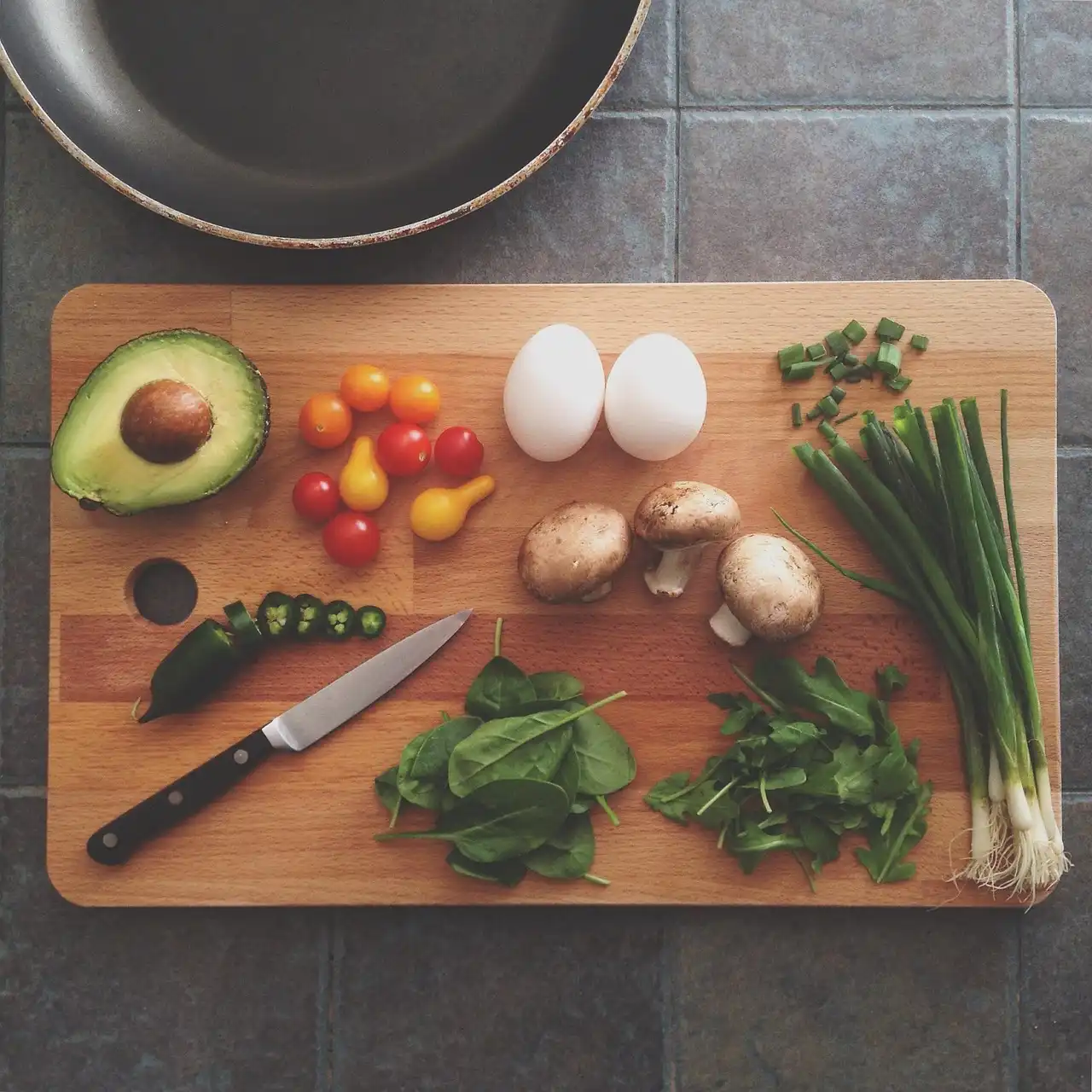
5 Best Nonstick Cookware for Family Cooking (2026): we compared
For everyday family cooking, a good nonstick cookware choice is often a hard-anodized aluminum set with a reinforced PTFE coating, oven safety of at least around 400°F, and riveted handles; choose 8–12 pieces only if it includes the pan sizes you use most. I have seen cheap coatings chip, warp, and start sticking after a few months of weeknight use, which turns quick dinners into scrubbing and replacements. This guide covers what still holds up after repeated stacking, washing, reheating, and daily family meals.
This guide is part of our Cookware materials and safety guide series.
Quick comparison
| Product | Badge | Best for | Price | ||
|---|---|---|---|---|---|
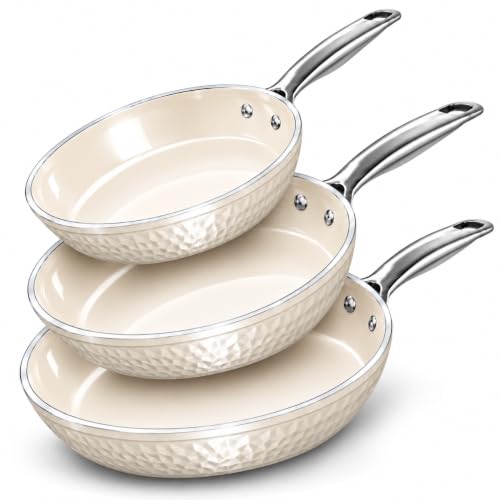 |
GOTHAM STEEL Hammered 3 Pc Titanium Ceramic Nonstick FryingGOTHAM STEEL | Also great | 3-piece set · 8, 10, 12 inch skillets | $69.93
Price as of 4 Oct 2026
|
View |
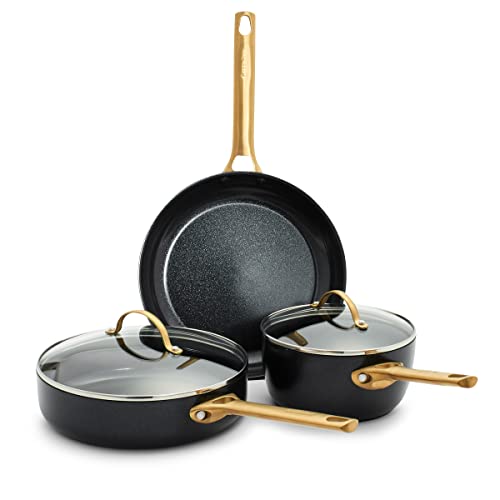 |
GreenPan Hard Anodized Healthy Ceramic Nonstick 5 PieceGreenPan | Our pick | 5-piece set · Diamond-reinforced · Dishwasher safe | $185.95
Price as of 4 Oct 2026
|
View |
 |
T-fal Ultimate Hard Anodized Nonstick Cookware Set 12T-Fal | Budget pick | 12-piece set · 5-qt Dutch oven included | $159.99
Price as of 4 Oct 2026
|
View |
 |
Caraway 16-Piece Deluxe Non-Stick Ceramic Cookware SetCaraway | Upgrade pick | 16-piece set · PTFE & PFAS-free ceramic | $670.00
Price as of 4 Oct 2026
|
View |
 |
Rachael Ray Create Delicious Hard Anodized NonstickRachael Ray | Pair with it | 10-piece set · PlatinumShield nonstick coating | $169.99
Price as of 4 Oct 2026
|
View |
The comparison below weights family-use durability, not first-use slickness. The sets that keep releasing eggs, grilled cheese, pasta sauce, and one-pan dinners after repeated use rise to the top.
How we chose
The shortlist favors cookware that keeps releasing food after repeated weeknight use. We compared heat limits, coating type, base stability, and how the set fits a crowded family kitchen.
Storage matters as much as release. A set that stacks badly or scratches easily can fail before the coating fully wears out.
We also looked at cleanup after sticky foods, because that is where cheap nonstick often starts to disappoint. Sauce residue, baked cheese, and reheated rice reveal wear quickly.
Good Housekeeping has tested over 200 cookware sets since 2015, including about 100 nonstick sets, so the product choices here stay close to established category leaders and everyday-use patterns.
Circulon A1 Series 9-Piece Cookware Set: best for everyday family meals
This is the best fit for most families that want one set to cover eggs, pasta, sautéing, and one-pan dinners without buying extra pieces. The saucepans, stockpot, sauté pan, and two fry pans give it a useful spread for small to medium households.
Based on the spec sheet and review patterns, the appeal is practical: PTFE-style release for daily cooking, induction compatibility, and oven safety up to 400ºF. That combination matters when a skillet starts on the stove, finishes in the oven, and still has to survive stacking and washing afterward.
The drawback is normal for traditional nonstick. It still needs gentle utensils, moderate heat, and care with nesting, because metal tools and rough stacking can shorten the coating life faster than many shoppers expect.
T-fal Signature Nonstick 12-Piece Cookware Set: best for budget-minded family cooking
This set fits families that want a lower-cost route into nonstick cooking for eggs, pancakes, grilled cheese, and basic stovetop dinners. The 7.75-in. and 11-in. fry pans plus the 10.25-in. griddle cover the most common breakfast and quick-lunch jobs well.
Its strongest family-use point is convenience. The dishwasher-safe bodies and comfortable riveted silicone handles help when the kitchen is busy and cleanup has to happen fast after dinner.
The tradeoff is clear: it is not induction-ready, and the oven limit is 350°F. For families that use induction or want more oven flexibility, that ceiling can feel tight, and budget nonstick usually asks for earlier replacement once the coating is worked hard.
GreenPan Valencia Pro 11-Piece Nonstick Cookware Set: best for higher oven heat
This is a strong pick for families that move food from stovetop to oven often, especially casseroles, reheating, and dishes that finish under high heat. The standout number is the 600-degree Fahrenheit oven safety, which gives it far more headroom than most nonstick sets.
Ceramic nonstick also has a useful place in low-fat cooking. It releases well when the pan is used correctly and cleaned before residue hardens, and the hard-anodized bodies help with scratch resistance.
The drawback is wear. Ceramic tends to lose slickness faster than traditional PTFE under frequent family use, especially if it is overheated, stacked carelessly, or scraped with tools that are too firm.
GOTHAM STEEL Hammered 3 Pc Titanium Ceramic Nonstick Frying Pans Set: best for compact skillet coverage
This is the most focused option for families that mainly need frying pans rather than a full pot-and-pan inventory. The 8, 10, and 12 inch sizes cover eggs, pancakes, grilled sandwiches, family searing, and sautéing without taking over the cabinet.
The trio format makes sense in smaller kitchens or as a supplement to a larger set. A 12-inch skillet handles bigger dinners, while the 8-inch pan is the better egg pan and the 10-inch sits in the middle for daily use.
The drawback is obvious: it is only a skillet set, so it does not replace saucepans or a stockpot. Families that cook pasta, soups, or rice several times a week will still need more cookware.
Rachael Ray Create Delicious Hard Anodized Nonstick Cookware Set: best for induction cooktops
This set fits families that need nonstick performance on induction and want a broader 10-piece layout than a skillet-only kit. Based on the spec sheet, the induction-suitable design gives it better stovetop flexibility than many budget nonstick sets.
The hard-anodized body is a practical plus for repeat family use because it adds stiffness and helps the pans stay flatter over time. That matters when a warped base starts moving oil around and creates hot spots under eggs or sauces.
The drawback is that induction compatibility does not fix coating wear. The nonstick layer still needs careful heat control and gentle utensils if the family wants it to stay easy-clean beyond the first few months.
Family-use decision matrix
This matrix ranks each tier by the problems families actually notice: heat ceiling, scratch risk, storage comfort, and cleanup after sticky foods. Higher scores mean better day-to-day fit for busy kitchens.
| Tier / type | Heat limit score | Scratch risk score | Storage friendliness score | Cleanup after sticky foods score | Simple total | Recommended family size |
|---|---|---|---|---|---|---|
| Premium hard-anodized PTFE set | 8/10 | 8/10 | 7/10 | 9/10 | 32/40 | 4–5 people |
| Induction-ready midrange PTFE set | 8/10 | 7/10 | 7/10 | 8/10 | 30/40 | 3–5 people |
| Ceramic set with high oven safety | 10/10 | 6/10 | 6/10 | 8/10 | 30/40 | 3–4 people |
| Compact skillet-only set | 7/10 | 7/10 | 9/10 | 8/10 | 31/40 | 1–3 people |
| Budget starter set | 6/10 | 5/10 | 7/10 | 7/10 | 25/40 | 2–4 people |
Is ceramic nonstick better for families?
Ceramic nonstick is better for some families, especially those that use the oven often and want easy cleanup with low-fat cooking. It is not automatically better overall, because traditional PTFE usually keeps slickness longer under repeated weeknight use and handles family wear more predictably.
When ceramic makes sense
Ceramic makes sense when casseroles, reheating, and oven finishing are routine. The higher oven-safe range can matter more than long-term slickness for families that cook one-pan dinners and want fewer limits on the stovetop-to-oven path.
When traditional PTFE lasts longer
Traditional PTFE usually lasts longer when the family cooks eggs, pancakes, and quick sautés several times a week. It keeps release performance better through repeated washing and stacking, as long as heat stays moderate and metal utensils stay off the surface.
How to choose based on cooking habits
If the kitchen needs maximum oven heat, ceramic is the better fit. If the family wants the longest useful life with the least fuss, reinforced PTFE still has the edge.
Which one should you buy?
Choose the T-fal set if the budget is tight and the home does not use induction. Choose the Circulon set if you want the most balanced family option, including induction compatibility and a 400ºF oven limit. Choose GreenPan if oven heat matters more than long-term coating life.
Best choice for tight budgets
The T-fal set is the value pick. It covers the basics for everyday cooking, but families should expect a shorter replacement cycle than with heavier hard-anodized sets.
Best choice for frequent cooks
The Circulon set is the safest all-around bet for families that cook most nights. Its size spread, oven range, and induction support make it easier to keep in service across breakfast, dinner, and leftovers.
Best choice for induction cooktops
The Circulon set and the Rachael Ray set are the clear fits here. The T-fal value set is not induction-ready, so it should be skipped if the stove depends on magnetic base compatibility.
What size nonstick pans do families actually need?
Most families need an 8.5-inch pan for eggs, a 10-inch pan for sandwiches and smaller sautés, and a 12-inch pan for bigger dinners and searing. In 3-person homes, a compact skillet set can work; in 4- or 5-person homes, a full set with at least one 12-inch pan is usually more practical.
Can nonstick cookware go in the oven?
Yes, but only within the exact temperature limit and with lid rules followed. In this group, the Circulon set is oven safe up to 400ºF, the T-fal set to 350ºF, and the GreenPan Valencia Pro to 600˚F. If a lid is not rated for oven use, remove it before baking.
Which nonstick cookware is easiest to clean after family meals?
For the easiest cleanup after family meals, a well-kept PTFE set usually wins because it keeps release performance longer and resists baked-on residue better over time. Ceramic can clean very easily at first, but its slick surface tends to fade sooner under frequent use and higher heat.
What nonstick cookware lasts the longest with kids and frequent cooking?
The longest-lasting nonstick for busy family kitchens is usually a hard-anodized PTFE set with riveted handles and a moderate oven limit. It handles repeated washing, stacking, and quick reheating better than cheaper coatings, though no nonstick coating should be expected to last forever.
Which nonstick cookware is safest for daily use?
The safest daily-use choice is cookware that matches the stove, stays within its heat limit, and uses a stable base with secure handles. For many families, that means hard-anodized PTFE or ceramic from a reputable line, used at medium heat with the lid and utensil rules followed.
What is the best nonstick cookware for everyday family cooking?

The best all-around choice is the Circulon A1 Series 9-Piece Cookware Set because it balances release, induction compatibility, and a 400ºF oven limit with the pan sizes most families actually use. It is the closest match for repeated weeknight cooking without feeling oversized.
That balance matters more than a flashy first cook. Families need pans that still release eggs on Tuesday night after pasta sauce on Monday and a baked skillet dinner on Wednesday.
Frequently asked questions
Is cheap nonstick cookware worth buying for everyday cooking?
Cheap nonstick is worth buying only for light use, temporary needs, or very tight budgets. For daily family cooking, it usually wears out faster, loses slickness sooner, and may warp or loosen at the handles before the coating should be considered worn out.
Products related to this article
Sponsored / affiliate links. As an Amazon Associate I earn from qualifying purchases. I may earn additional commission from eligible campaigns.
 NENSIUM Rug Pad 3x5 Non Slip for Hardwood Floors, 1/4” Extra Thick Waterproof Felt Carpet Pad, Low Profile Underlay for Area Rugs, Safe for LVP & All Floor Finishes, Odorless & Soundproof
 NENSIUM Rug Pad 9x12 Non Slip for Hardwood Floors, 1/8” Extra Thick Waterproof Felt Carpet Pad, Low Profile Underlay for Area Rugs, Safe for LVP & All Floor Finishes, Odorless & Soundproof