T-fal Nonstick Cookware Review: Is It Worth It?
T-fal nonstick cookware is a good fit for light, low-heat cooking and quick cleanup, but it is a poor long-term buy if you want high heat tolerance, metal-utensil use, or decades of service. Ignore that tradeoff, and you can replace pans early, cook at unsafe temperatures, or buy stainless steel or cast iron later anyway. This guide breaks down T-fal by collection, safer-use limits, and the uses where it is a smart buy versus a false economy.
This guide is part of our Cookware materials and safety guide series.
Verdict

- Thermo-Spot technology indicates when pan is properly pre-heated
- Dishwasher and oven safe up to 350 degrees Fahrenheit
- Includes fry pans, griddle, saute pan, and Dutch oven
Based on the published specs and reviews, T-fal makes the most sense as an affordable, lightweight aluminum nonstick set for eggs, quick sautéing, and simple weeknight cooking. The risk climbs fast with high heat, induction cooktops, and users who expect premium coating life. If that is your use pattern, start with stainless steel or cast iron instead.
Specs at a glance
| Feature | T-fal nonstick cookware | Why it matters |
|---|---|---|
| Body material | Lightweight aluminum | Heats quickly and keeps the pans easy to lift |
| Interior coating | PTFE-based nonstick coating | Food releases easily and cleanup stays quick, with wear limits |
| Coating claim | PFOA-free coating claim | Helpful label, but it does not erase heat-care rules |
| Heat indicator | Thermo-Spot in some nonstick collections | Turns bright red in the center when ready |
| Handle construction | Collection-dependent; some use double-riveted handles | Better stability than lightweight single-rivet handles |
| Oven limit | Some pieces and handles are only oven-safe up to 350°F | Limits finishing and broiling options |
| Dishwasher use | Available on some collections | Convenient, but it can shorten coating life |
| Induction | Collection-dependent, often with a stainless steel plate bottom | Not all T-fal cookware works on induction |
Core materials and coating
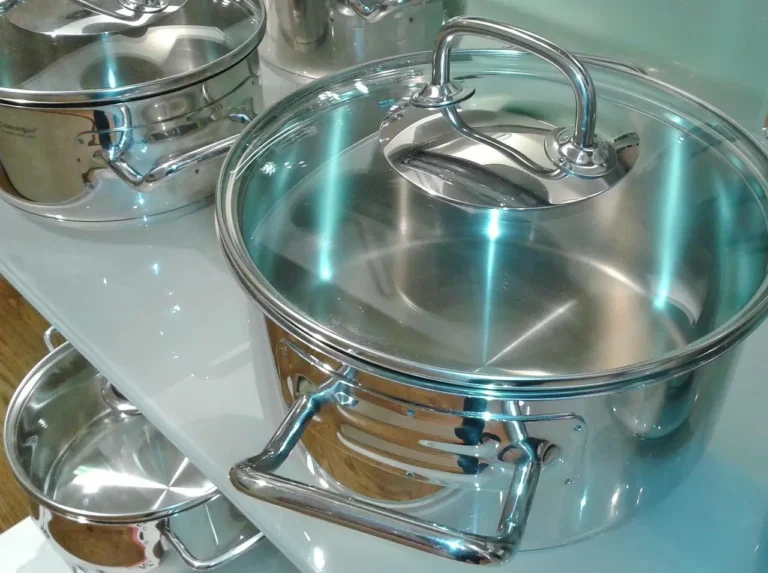
T-fal is positioned as affordable, lightweight cookware with a PTFE-based nonstick interior. That coating gives the slippery release most people want from nonstick, and it also makes wiping out eggs or starch-heavy sauces much easier than with bare metal.
Prudent Reviews says T-fal’s coating is PFOA-free, which matters to buyers checking chemical labels, but the more practical issue is wear. PTFE coating is useful, yet it is not as durable as higher-end brands with thicker construction or more resistant surfaces.
Thermo-Spot and handle details
T-fal includes Thermo-Spot technology in some nonstick collections. The center turns bright red when the pan is ready, which helps you avoid loading food into a pan that is still too cool or pushing preheat past the point you need for eggs and sautéing.
Handles vary by collection. The Simply Cook line uses double-riveted handles, while some other T-fal handles are only oven-safe up to 350°F. That makes handle design part of the buying decision, not a minor detail.
Oven, dishwasher, and induction notes
Oven limits are not uniform. Some T-fal pans and lids stop at 350°F, and that includes the heat ceiling on some glass lids. Dishwasher-safe parts are convenient, but repeated machine washing can speed up coating wear compared with hand washing.
Induction support is collection-dependent. If you need induction compatibility, look for a set with a stainless steel plate bottom and verify the specific collection rather than assuming every T-fal pan will work.

Pros and cons
Pros
- Affordable price positioning for kitchens on a tight budget
- Lightweight aluminum construction that heats quickly
- PTFE nonstick surface makes cleanup simple
- Thermo-Spot helps with preheat timing
- Some collections include glass lids and dishwasher-safe pieces
Cons
- Coating wear happens sooner than on higher-end cookware
- Thin walls can warp over time, especially with high heat
- Oven and induction limits vary by collection
- Nonstick is the wrong tool for hard searing or metal utensils
Who it
T-fal is for budget-conscious cooks who want easy-release pans for eggs, omelets, fish fillets, quick vegetables, and basic sautéing. It fits small households and cooks who value low weight more than long service life.
It is not the best fit for people who sear steaks often, cook on induction without checking collection compatibility, or want one set that can take years of rough use. Those buyers should move to stainless steel or cast iron.
Suppose you cook two eggs at breakfast, then wipe the pan and store it in a narrow cabinet. T-fal fits that pattern well because the load is light and the cleanup is simple. Now change just one variable: a gas burner on high for a hard sear. That same pan becomes the wrong tool, because heat and coating life move in opposite directions.
A common first-timer mistake is buying nonstick for every task in the kitchen. A 10-inch T-fal skillet can be ideal for scrambled eggs and soft fish, but it is a short-life purchase if you expect it to replace stainless steel for browning, oven finishing, and repeated high-heat work.
T-fal cookware matrix
| Use case | Recommended T-fal collection type | Risk level | Replacement likelihood | Why |
|---|---|---|---|---|
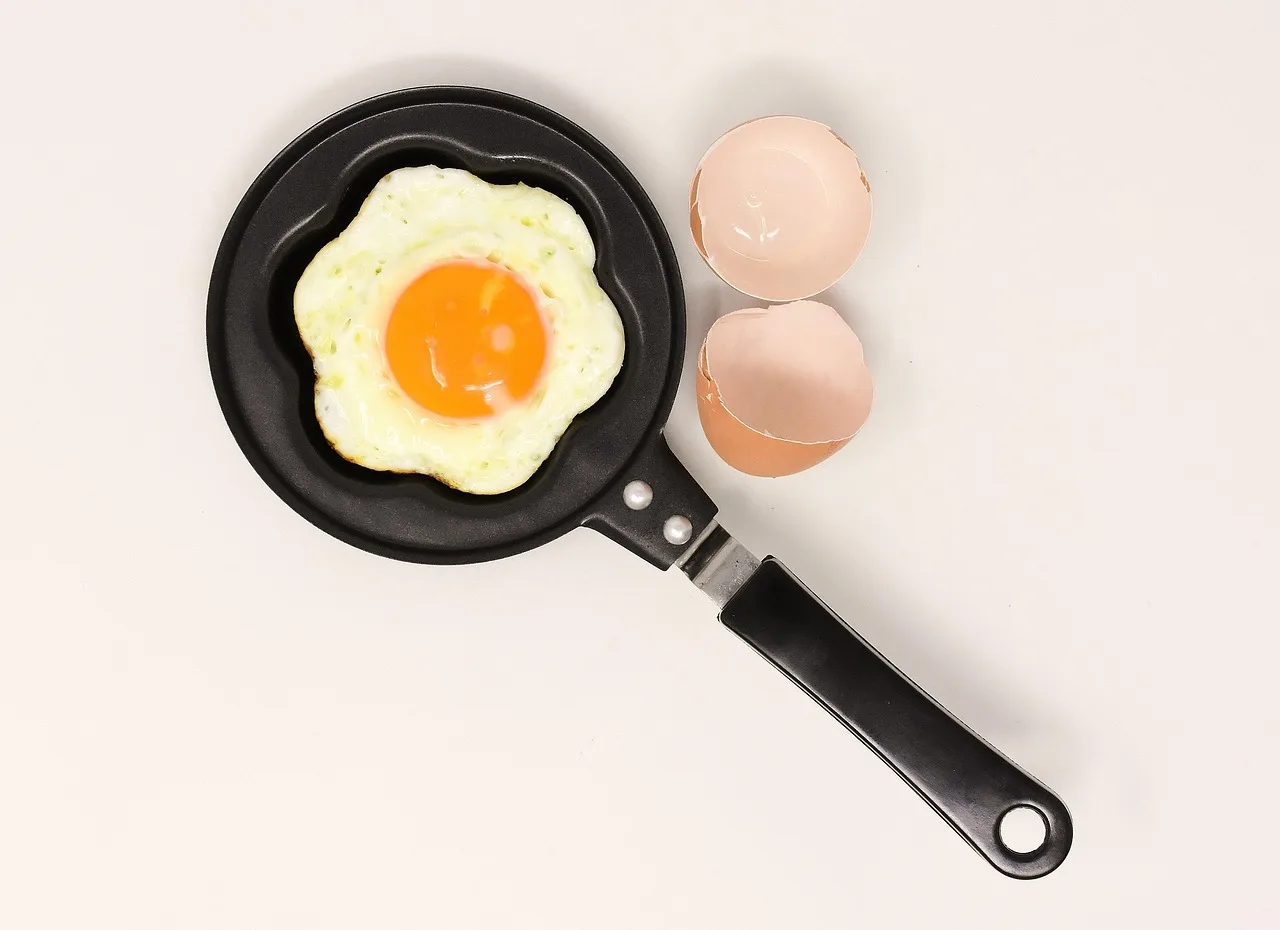
| Eggs | Simply Cook or another basic PTFE nonstick line | Low | Low to moderate | Low heat and gentle tools suit the coating |
| Delicate fish | Basic nonstick with Thermo-Spot | Low | Moderate | Release matters more than extreme browning |
| Weekday sautéing | Simply Cook or Ultimate Hard Anodized | Low to moderate | Moderate | Good for onions, zucchini, chicken cutlets, and quick sauces |
| High-heat searing | Skip T-fal; use stainless steel or cast iron | High | High | Heat can shorten coating life and raise warp risk |
| Induction cooking | Only induction-compatible T-fal with stainless steel plate bottom | Moderate | Moderate | Compatibility is collection-specific |
| Oven finishing | Ultimate Hard Anodized if the lid and pan rating fit your recipe | Moderate | Moderate | Some handles and lids stop at 350°F |
| Small-kitchen storage | Simply Cook or compact nonstick pieces | Low | Moderate | Light weight and stackable shapes help, but lids add bulk |
What works
PTFE slickness is the main win. Eggs slide out, cleanup is quick, and food release stays easier than on stainless steel so long as you stay within the coating’s heat and utensil limits. That is exactly where nonstick earns its keep.
Thermo-Spot is genuinely useful for home cooks who want a simple preheat cue. When the center turns bright red, you have a clear signal that the pan is ready, which helps reduce trial-and-error cooking.
Lightweight aluminum construction is another plus. It warms quickly and is easy to lift, which matters in smaller kitchens or for people who do not want heavy pans on the stove.
Tempered glass lids help when you want visibility without lifting the lid. The vent hole on collections such as Simply Cook lets some steam escape, which can keep simmering more controlled, but the lid rating still needs to match the recipe.
What does not?
The biggest drawback is coating wear. The same source says T-fal’s non-stick coating is not as long-lasting as higher-end brands, so this is not the set to buy if you expect it to survive years of hard use with no decline.
Warping is another real concern. The same source says T-fal’s thin walls can warp over time, and the risk rises with sharp temperature swings, overheating, and burner settings that are too aggressive for thin aluminum.
Collection limits matter more than many buyers expect. Some T-fal pieces are only oven-safe up to 350°F, and induction compatibility is not universal. If you do not check the exact collection, you can buy a set that misses your main cooking method.
Dishwasher-safe pieces are convenient, but dishwasher use is a tradeoff, not a free upgrade. Heat, detergent, and water pressure can shorten coating life, so machine washing is about convenience rather than preserving value.
How to think about wear and safety
For everyday cooking, T-fal is safe when you stay within the intended use: medium or lower heat, gentle utensils, and no empty-pan overheating. PTFE coatings should not be pushed into the high-heat range that a searing skillet or broiler session demands.
Picture a 12-inch skillet on an electric coil that runs hot. If you preheat it hard and leave it empty while prepping, the coating takes more stress than a quick sauté would. That is how a budget pan becomes a short-life purchase.
Which T-fal collection is best?
For basic nonstick cooking, Simply Cook is the cleaner budget pick. It uses an aluminum body, double-riveted handles, tempered glass lids with a vent hole, and a PTFE-based non-stick interior. The downside is straightforward: it is a basic line with modest oven limits, not a heavy-duty system.
For better structure, Ultimate Hard Anodized is the stronger choice. Table Matters says the set uses hard-anodized aluminum, a Techno Resist Anti-Warp base, dishwasher-safe pieces, glass lids, and oven-safe glass lids up to 350°F. It is still nonstick, so it is not a high-heat solution, but it has better structural logic than basic thin-wall cookware.
If you cook on induction, choose only collections that specifically list induction compatibility and use a stainless steel plate bottom. If your kitchen is small, prioritize lighter, stackable pieces and avoid oversized lid sets that consume cabinet space.
Alternatives
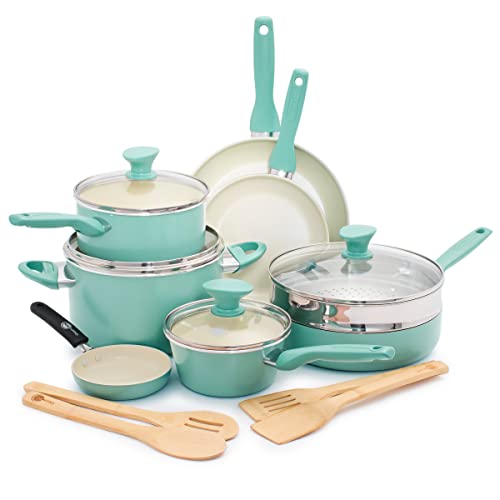
- Diamond-infused coating offers durability and balanced heating
- Free of PFAS, PFOA, lead, and cadmium
- Heavy-duty aluminum bodies provide quick, even heating
GreenPan Rio Healthy Ceramic Nonstick 16 Piece Cookware Set is the cleaner swap if your priority is PFAS-free labeling rather than maximum slickness. Based on the product details, it uses ceramic nonstick and heavy-duty aluminum bodies, but ceramic coatings can trade some release longevity for the chemical-label appeal. It is also a different feel from T-fal’s PTFE surface, so compare it on lifespan expectations, not just price.
T-Fal Signature Nonstick Pots and Pans Set 12 Piece is the more direct T-fal option if you want a basic nonstick starter set with Thermo-Spot, dishwasher-safe pieces, and oven use up to 350°F. The drawback is the same core one: it is still a lightweight nonstick set, so it is best for low- to medium-heat cooking, not hard searing or long service life.
Should you buy it?
Buy T-fal if your cooking is mostly eggs, vegetables, light proteins, and quick sautéing, and you want easy cleanup at a low entry cost. Skip it if your regular routine includes high heat, induction without verified compatibility, or a need for cookware that can take years of abuse.
The best version of the T-fal purchase is narrow and practical: buy it for the jobs nonstick does well, then stop asking it to behave like stainless steel. That is the line between a smart buy and a false economy.
Frequently asked questions
Is T-fal nonstick cookware worth buying?
Yes, if you want affordable nonstick for low-heat cooking, quick cleanup, and lightweight handling. It is not worth buying as a lifetime set or a high-heat workhorse. The value depends on whether you treat it as a convenience tool rather than a do-everything replacement for stainless steel.
How long does T-fal nonstick coating last?
It depends on heat, utensils, washing method, and collection quality, but Prudent Reviews says the coating is not as long-lasting as higher-end brands. Expect faster wear if you use high heat, metal tools, or a dishwasher often. Gentle use extends life, but it does not turn it into premium cookware.
Is T-fal cookware oven safe, and to what temperature?
Some T-fal pieces are oven-safe, but the limit varies by collection. One common ceiling is 350°F, and Table Matters says the Ultimate set’s glass lids are oven-safe up to 350°F. Check both the pan and the lid, because those limits can differ.
Does T-fal cookware warp over time?
Yes, warping can happen. The same source says T-fal’s thin walls can warp over time, especially with high heat or abrupt temperature changes. That risk is one reason T-fal works best for moderate cooking on stable burners rather than repeated searing or empty-pan preheating.
Is T-fal good for induction cooktops?
Only some T-fal collections are induction compatible. Look for a stainless steel plate bottom and confirm the exact product listing before buying. Do not assume every nonstick set will work, because induction compatibility is collection-specific rather than a brand-wide guarantee.
Is T-fal safe for everyday cooking?
Yes, for normal low- to medium-heat everyday cooking within the coating’s intended use. The safety question is tied to care: avoid overheating, use gentle utensils, and respect oven limits. T-fal is not the right choice for hard searing or other uses that push PTFE past its comfort zone.
Products related to this article
Sponsored / affiliate links. As an Amazon Associate I earn from qualifying purchases. I may earn additional commission from eligible campaigns.