Cookware Handle Material Chart: Choose the Right Fit
Use a cookware handle material chart to choose by use: stainless steel for oven-safe strength, phenolic or silicone for cooler touch, and removable handles only when the mount pattern matches your pan. The wrong choice can mean hot grips, warped parts, or handles that do not fit replacements. This guide compares comfort, oven safety, weight, attachment type, and replacement compatibility for kitchen use.
Cookware handle material comparison

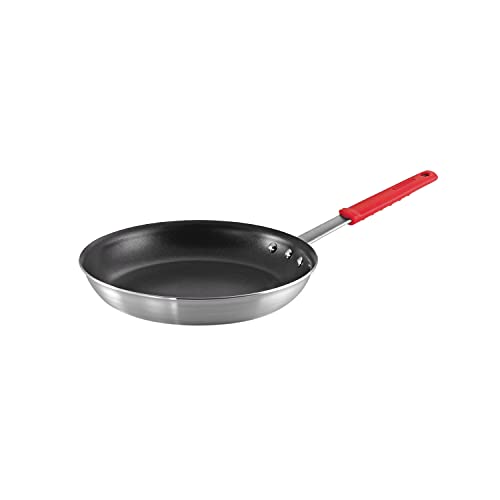

Cookware handle choice affects safety, balance, and control on the stovetop and in the oven. It also changes cleanup, storage, and whether you can replace a broken part later. For the pan body itself, stainless steel is durable and easy to clean, aluminum is lightweight and heats evenly, cast iron is heavy but retains heat well, nonstick is easy to clean but less durable at high heat, copper heats very well but is expensive, and glass or ceramic is attractive but can break or shock.
Material comparison matrix
| Material | Cool-touch feel | Oven tolerance band | Dishwasher tolerance | Weight | Durability | Best cookware type | Red-flag failure modes |
|---|---|---|---|---|---|---|---|
| Bakelite / phenolic resin | Usually cool for stovetop cooking | 160–180°C continuous; some modified grades 200–220°C short-term | Often tolerant, but finish and fasteners still need care | Usually light to medium | Good at moderate heat, limited at higher heat | Frying pans, skillets, everyday sauté pans | Softening, discoloration, cracking near the mount if overheated |
| Stainless steel | Can run hot fast | High oven compatibility in most all-metal designs | Usually dishwasher safe | Medium | Very durable | Stainless cookware, oven-to-table pieces, searing pans | Hot grip, loose rivets, sharp edges on worn ends |
| Silicone | Very good insulation and grip comfort | Depends on base material; silicone sleeve limits the handle ceiling | Usually dishwasher compatible | Light | Good, but sleeves can wear or slide | Everyday pans, grip sleeves, family kitchens | Melting near open flame, splitting, grease buildup under sleeves |
| Wood | Usually cool to the touch | Lower oven tolerance than all-metal handles | Often poor unless the maker says otherwise | Light | Moderate with care | Serving pieces, some saucepans, aesthetic cookware | Drying, splitting, swelling, finish wear near heat |
| Detachable handle system | Depends on grip material and latch design | Varies by pan body and handle hardware | Handle part may be separate from the pan body | Light to medium | Varies by latch quality and wear points | Stackable sets, RV use, small kitchens, shipping-heavy products | Latch wear, loose fit, incompatible mount geometry, accidental release |
| Rivet-in fixed handle | Usually cool at the grip, hot near the pan | Depends on the grip material and body construction | Usually good if the finish and fasteners hold up | Medium | High when well made | Classic pans, repairable stainless or aluminum cookware | Rivet loosening, seepage, crevice buildup |
| Welded fixed handle | Often hot at the base sooner than a sleeved grip | Strong oven-to-stovetop fit in all-metal cookware | Excellent cleanability | Medium | Very high | Stainless cookware, commercial-style pans | Heat transfer to the hand, weld fatigue if stressed |
Read the heat ratings correctly
Handle ratings usually describe continuous temperature, not a brief burst. That difference matters. A handle listed at 160–180°C continuous can suit normal oven cooking, but a short stay near hotter heat may still age faster, especially where the handle meets the pan body. For oven use, check the pan body, the lid knob, and any sleeve or fastener, not only the main handle.
Bakelite handles are commonly described as having a 160–180°C continuous rating, and the same handle family can include pan handles, pot handles, lid knobs, and removable versions. Some modified grades are listed at 200–220°C short-term, but that is not the same as full oven freedom. Handle size and weight can vary by model, so the exact part spec matters more than the general material name.
Match the handle to your cookware type
For frying pans and skillets, a cool-touch phenolic grip is useful when you move the pan often. For stainless cookware that goes from stovetop to oven, an all-metal handle is usually the cleaner match. For stackable sets or small kitchens, detachable systems make more sense if the mount pattern is stable and replacement parts are available.
Say a 28 cm skillet moves from a gas burner to an oven at about 200°C. A phenolic handle rated only for 160–180°C continuous may be the wrong fit if the handle sits near oven heat for a long roast. A stainless handle can tolerate that workflow better, even if you need a towel or mitt on the stovetop.
Which handle material stays coolest?
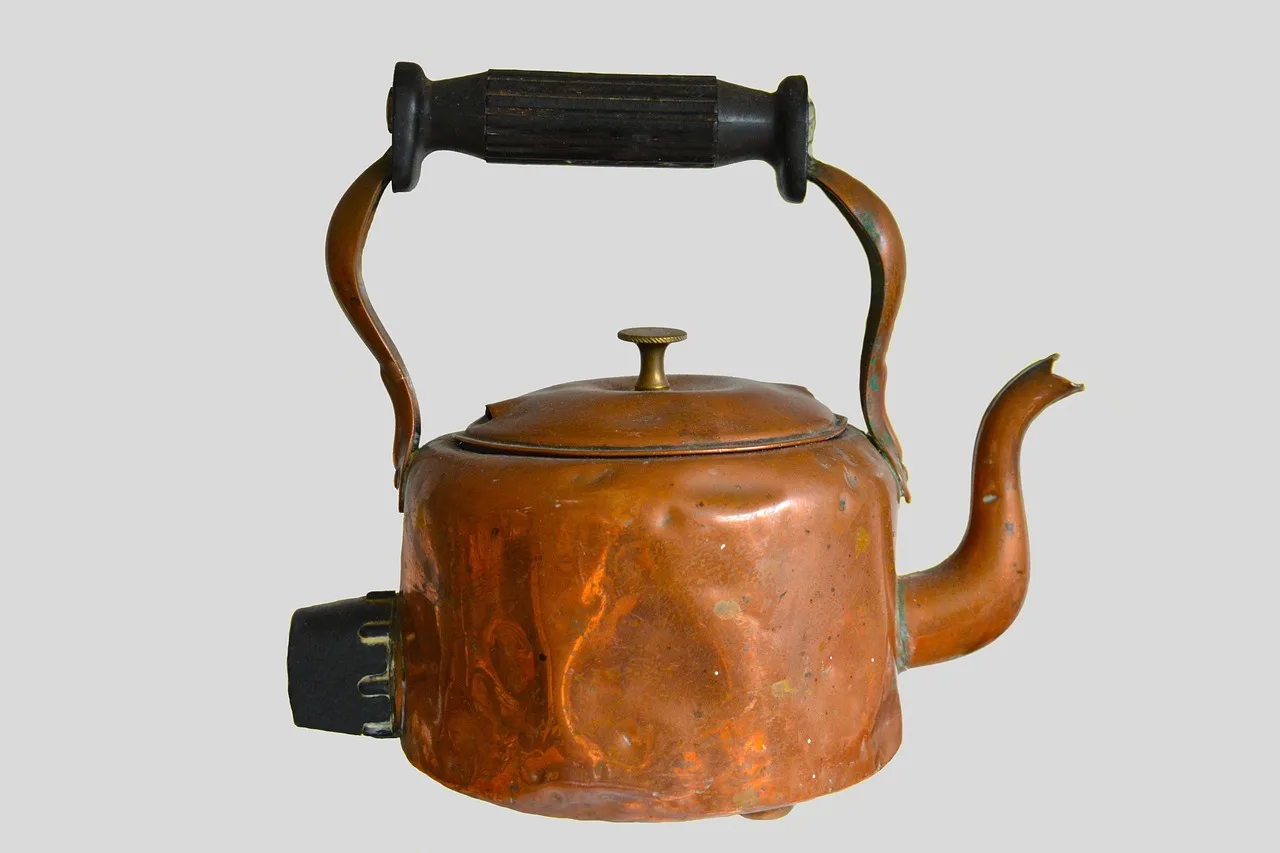
Silicone and phenolic resin usually feel coolest in normal stovetop use, with wood close behind when it stays dry and away from direct flame. Stainless steel transfers heat faster, so it can become uncomfortable sooner. The safest answer depends on how long the pan sits over heat, where the flame hits, and whether the handle has a sleeve or bare metal grip.
Bakelite and phenolic resin
Bakelite, a phenolic resin, is the common choice when you want cooler touch without a full metal handle. It is used in pan handles, pot handles, lid knobs, and removable versions, and its typical cookery range sits around 160–180°C continuous. That makes it practical for daily stovetop use, but not for high-heat oven work or direct flame contact near the grip.
The best fit is an everyday skillet or sauté pan where you lift, stir, and set down often. The limit is simple: if the handle gets close to oven heat or a burner edge, the material can discolor or soften sooner than all-metal parts. For that reason, it is a better comfort choice than a universal high-heat choice.
Silicone grips and temperature limits
Silicone handles usually give the best grip comfort because the surface stays less slippery and slows heat transfer. That makes them useful for family kitchens, wet hands, and quick stovetop moves. They are often dishwasher compatible, but the temperature ceiling still depends on the base handle and the sleeve design, so do not assume the sleeve sets the whole pan’s oven limit.
Silicone is a better touch option than bare stainless steel when you want easier handling. It is not automatically better in every way. If the sleeve is thin, poorly fitted, or placed near open flame, it can wear, shift, or heat up faster than expected.
Wood handles and real-world comfort
Wood stays cool well in typical stovetop cooking and gives a familiar grip. It also comes in several looks, from plain turned wood to stained or sealed finishes. The tradeoff is maintenance: wood can dry, swell, split, or lose finish if it is washed hard or left near heat for too long.
Wood is usually a poor choice for frequent oven use. It can work on some serving pieces or pans with modest heat exposure, but you should check the maker’s limit first. For buyers who value appearance and a cooler grip over high-heat flexibility, wood can be worth it.
Are stainless steel handles oven safe?
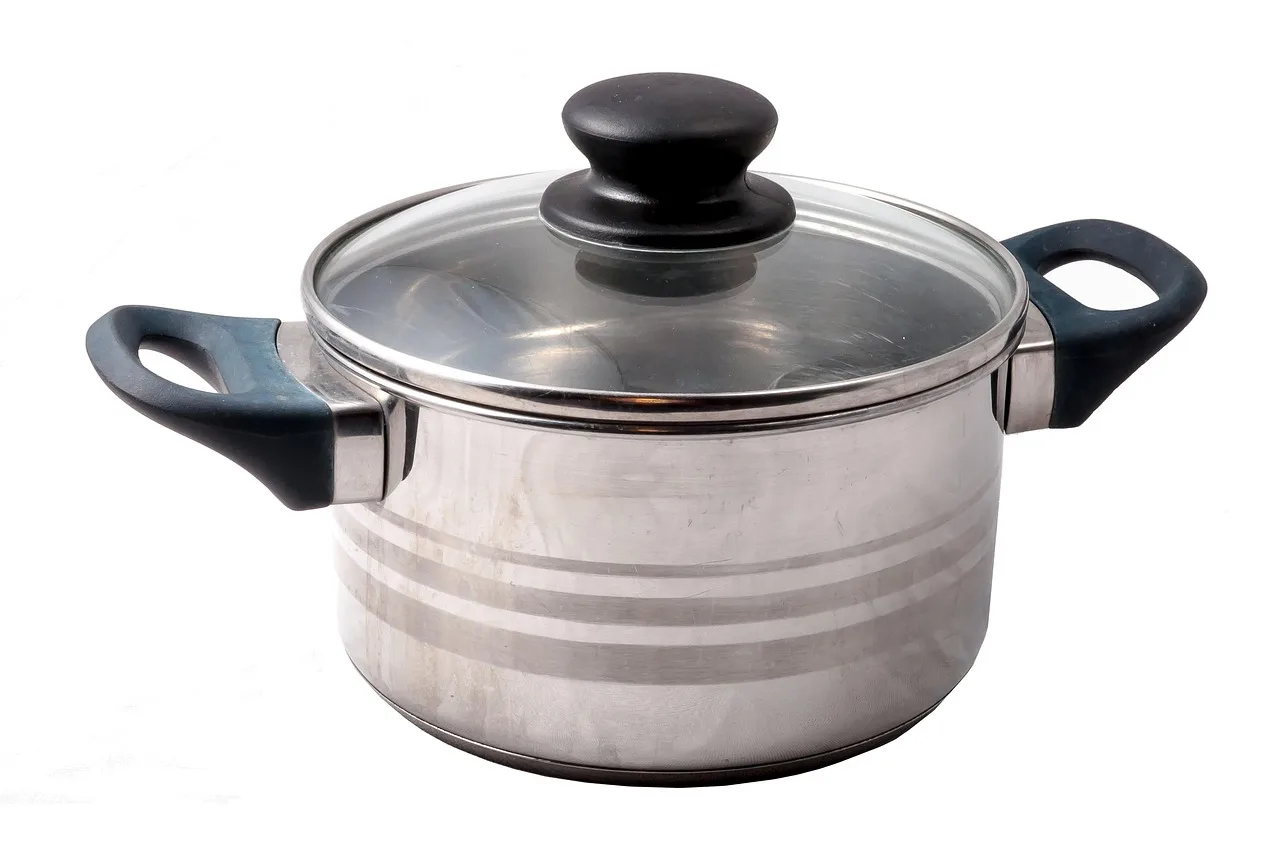
Stainless steel handles are often a good match for stovetop-to-oven use when a durable fixed handle is needed. They are not cool to the touch, though. Stainless transfers heat quickly, so the handle can get hot during simmering, searing, or any long oven stay unless the design includes a sleeve or long grip zone.
Heat transfer on the stovetop
Stainless steel is commonly reported to conduct heat faster than phenolic resin, wood, or silicone. If the handle is short, thin, or attached close to the flame, it can heat quickly. That is why a pot holder or towel still matters even on a pan that is technically oven safe.
Welded handles and rivet-in handles both work well in stainless cookware, but the hand feel differs. A welded handle is often easier to clean because there are fewer crevices. A rivet-in handle can be easier to repair later, though the rivet points need attention if food residue or loosening appears.
When stainless works best
Stainless is the best fit for pans that you move from burner to oven and for cookware that needs durable, low-maintenance hardware. It also fits well with stainless body construction because the look, weight, and heat behavior stay consistent. In practice, that makes it a strong choice for sauté pans, saucepans, and roasting-style cookware.
Where stainless feels hot
Stainless feels hottest near the pan body and where a welded or riveted joint meets the handle. Long oven time, high burner output, and short handle length all make the grip warmer. If your cooking style includes frequent skillet tossing or bare-hand lifting, stainless alone is usually not the most comfortable option.
Picture a 10-inch stainless skillet on medium-high heat for a sear. The grip can feel warm before the food is ready, and it will feel hotter still if the pan goes into the oven. That is not a defect. It is the expected tradeoff for strength and oven compatibility.
When do detachable handles make sense?
Detachable handles make sense when storage, stacking, or shipping matters more than a permanent grip. They are especially useful in RVs, small apartments, and compact kitchens. The key is compatibility: the latch, clip, or screw style must match the pan mount exactly, or the handle can wobble, fail to lock, or simply not fit.
Latch, clip, and screw designs
Latch systems lock onto a shaped mount and release with a button or lever. Clip systems grab a rim or bracket and often prioritize speed. Screw systems rely on threaded hardware and can feel more secure, but they need the correct pattern and thread fit. Each style solves a different storage problem, so the mount geometry matters more than the marketing name.
Storage, shipping, and stackable cookware
Detachable handles are ideal for stackable sets because the pans nest more tightly without fixed grips in the way. They also help with shipping, which is one reason some handle families are sold in compact, removable formats. For an RV or apartment, that can mean fewer cabinet conflicts and less wasted space.
Compatibility checks before you buy
Before buying a detachable handle, verify the mount shape, lock point, and pan thickness range. A handle that looks close can still fail to seat correctly. The safest move is to match the exact system, not just the brand family or the general pan size.
- Check the mount type: latch, clip, or screw.
- Measure the attachment width and spacing on the pan.
- Confirm the handle’s rated cookware family.
- Verify oven and dishwasher limits for both parts.
- Look for clear replacement availability before buying the set.
What do attachment styles tell you?
Attachment style tells you how much repairability, cleanability, and long-term stability you can expect. Rivet-in handles are fixed and usually durable. Welded handles are fixed and often cleaner to maintain. Detachable handles add flexibility, but they also add fit checks and another point of failure.
Rivet-in handles
Rivet-in handles are attached through the cookware wall with mechanical fasteners. They are common on classic pans because they hold up well and can be repaired in some cases if the hardware loosens. The tradeoff is that rivet points can collect residue, and a fixed handle cannot be swapped in a hurry if the shape or length is wrong for your kitchen.
Welded handles
Welded handles are fused to the body, which gives strong support and a cleaner exterior. They are a good fit with stainless cookware and with cookware that moves from stovetop to oven. The downside is that you lose replacement flexibility, and if the weld or grip fails, repair is less straightforward than replacing a bolted or screwed part.
Replacement and repair limits
Fixed handles are usually the better choice when you want a stable, one-piece feel and easy wipe-downs. Detachable handles are better when storage or replacement access matters more. If a fixed handle loosens, cracks near the rivets, or warps at the base, the whole pan may become awkward or unsafe to use until repaired.
How do you choose a replacement handle?
Choose a replacement handle by matching the mount first, then the material and temperature limit. If the geometry does not fit, the material rating does not matter. The most useful checks are the attachment style, mount spacing, pan model compatibility, and whether the replacement is meant for fixed, detachable, or lid use.
Measure the mount and spacing
Start with the attachment point. Measure the distance between rivets, the width of the mount, and the thickness of the pan edge or bracket. If the original handle uses a screw or latch, confirm the thread size or lock shape. Many replacement problems begin here, not with the handle material itself.
Check material and temperature limits
Match the material to your heat habits. If you bake at moderate oven temperatures, phenolic or silicone may work. If you regularly move pans into hotter ovens, stainless is the safer structural choice. Handle material heat rating should be read as both continuous temperature and any short-term ceiling the maker lists, because oven-safe implications change with each one.
Confirm cookware and handle compatibility
Check whether the replacement is made for frying pans, pots, lid knobs, or detachable systems. Birss Houseware identifies pan handles as best for frying pans and skillets, and their handle family includes removable versions. One cookware handle casting page lists a minimum order quantity of 20 kilograms, which is useful to know if you are sourcing parts rather than buying a retail spare.
Buyer checklist for handle type
Fixed handles
- Choose rivet-in or welded handles if you want a stable, one-piece feel.
- Check whether the grip material is phenolic, silicone, wood, or bare stainless.
- Match oven use to the handle ceiling, not just the pan body.
- Look for loose hardware, cracking near rivets, or heat damage at the base.
Detachable handles
- Verify latch, clip, or screw style before buying.
- Confirm that the handle fits your exact mount pattern.
- Use detachable systems when stackable storage or compact shipping matters.
- Check lock security and replacement availability for the same system.
Replacement handles
- Measure the mounting hole spacing or bracket geometry.
- Match the handle to the pan type: frying pan, pot, or lid.
- Compare the continuous temperature rating with your oven habits.
- Do not buy on appearance alone if the attachment pattern is unknown.
Frequently asked questions
What to look for in cookware
Look for a handle that matches how you cook, how hot your oven runs, and how often you lift the pan bare-handed. The pan body matters too, but the handle often determines whether the cookware feels safe, balanced, and easy to store. Check material, attachment style, and replacement fit first.
What cookware handle material is safest
The safest handle material depends on use. Phenolic and silicone stay cooler for normal stovetop work, while stainless steel is safer for high oven use because it keeps its structure better at heat. If you need the broadest oven compatibility, stainless usually wins. If you need cooler touch, phenolic or silicone may be better.
Which cookware handle material stays coolest?
Silicone usually stays coolest to the touch, with phenolic resin and wood also performing well in routine stovetop cooking. Stainless steel heats faster and is more likely to need a mitt. The actual feel depends on flame exposure, handle length, and how long the pan sits on the burner.
Are bakelite handles oven safe?
Bakelite handles are often oven safe within a limited range, and a common continuous rating is 160–180°C. Some modified grades can reach 200–220°C short-term. That still does not make them ideal for every oven task, so check the exact product limit before using one for high-heat baking.
Are silicone handles better than stainless steel handles?
Silicone is better if your priority is grip comfort and cooler touch. Stainless steel is better if your priority is heat tolerance, rigidity, and stovetop-to-oven durability. For many home cooks, silicone feels nicer in hand, but stainless is the stronger choice for hotter, heavier-duty use.
What handle material is best for detachable handle cookware
For detachable cookware, the best handle material is the one designed for the exact latch, clip, or screw system you own. The handle material matters, but the mount fit matters more. Many buyers do best with a rigid metal core and a grip sleeve, provided the system locks securely.
How do I choose replacement handles for cookware?
Measure the mount, match the attachment style, and confirm the temperature limit before buying a replacement handle. Then check whether the part is meant for a frying pan, pot, or lid. A good-looking handle is not useful if the spacing, lock, or screw pattern does not match your cookware.
Which cookware handles are best for stainless steel cookware?
Stainless steel cookware pairs best with stainless steel handles, especially when you want oven use and strong durability. Welded or rivet-in attachment styles both work well here. If you want cooler touch, a silicone sleeve over a compatible base can help, but the core handle still needs to fit the cookware well.
Are wooden cookware handles worth it?
Wooden handles are worth it if you want a cool, comfortable grip and a softer visual finish. They are less useful if you need frequent oven use or easy dishwasher care. For low-to-moderate heat cooking and careful hand washing, wood can be a good fit.
What handle material is best for stackable cookware
Detachable handle cookware is usually best for stackable sets because it saves cabinet space and makes shipping easier. The handle material should still match the system and the heat you plan to use. For stackability, the attachment design often matters more than whether the handle is stainless, phenolic, or silicone.
Why cookware handles are important and how to choose them
Cookware handles affect safety, balance, and control every time you lift a pan. Choose them by heat rating, grip comfort, attachment style, and replacement compatibility. If you want cooler touch, look at phenolic, silicone, or wood. If you want oven flexibility and strength, stainless is usually the better fit.
What determines if the handle of a pan gets hot while in use?
Handle heat depends on material, length, attachment point, burner output, and oven time. Stainless heats faster than phenolic, silicone, or wood. A short handle near a burner will warm more quickly than a longer one, and any direct oven exposure raises the temperature of the grip and the mount area.
Products related to this article
Sponsored / affiliate links. As an Amazon Associate I earn from qualifying purchases. I may earn additional commission from eligible campaigns.