Is Tramontina Ceramic Cookware Safe? Expert Review
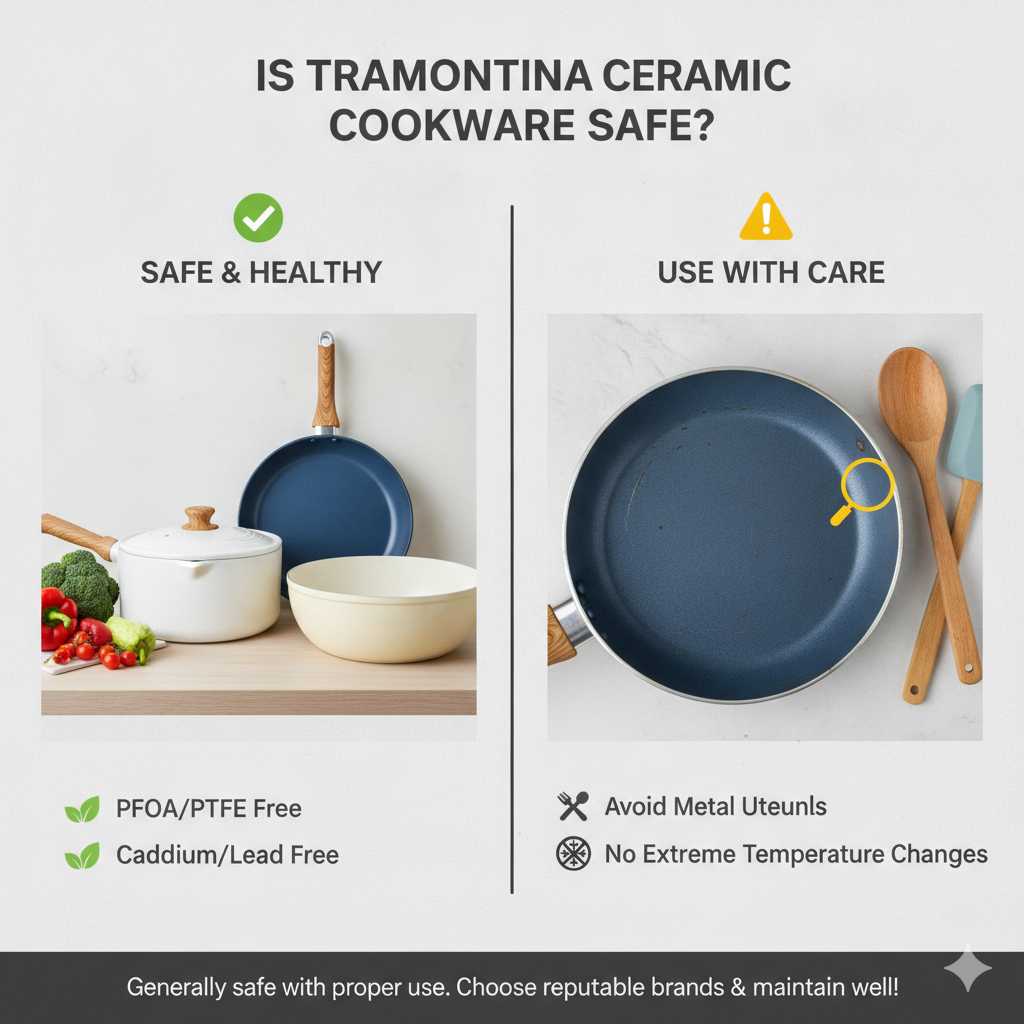
Tramontina ceramic cookware is generally considered safe for everyday use. It is made without PFOA, PFAS, lead, and cadmium. The ceramic coating is a non-stick surface that cooks food evenly. Always follow manufacturer care instructions for longevity and safety.

Tramontina
Tramontina Solara 14-Pc Ceramic Non Stick Pots…
- 14-Piece Set Includes: 2 Frying Pans (8 and 10-in), 2 Sauce Pans with lids (1.5 and 3-qt), a 4.5-qt Saute Pan with lid, a 5-qt Dut…
- Durable Construction: Set includes two fry pans (10 and 12-in) made from 4.0mm heavy-gauge forged aluminum with an induction base…
- Non Stick Cooking Surface: Grey ceramic interior provides a sleek, non-stick and easy-to-clean surface
As an Amazon Associate I earn from qualifying purchases.

Understanding Tramontina Ceramic Cookware
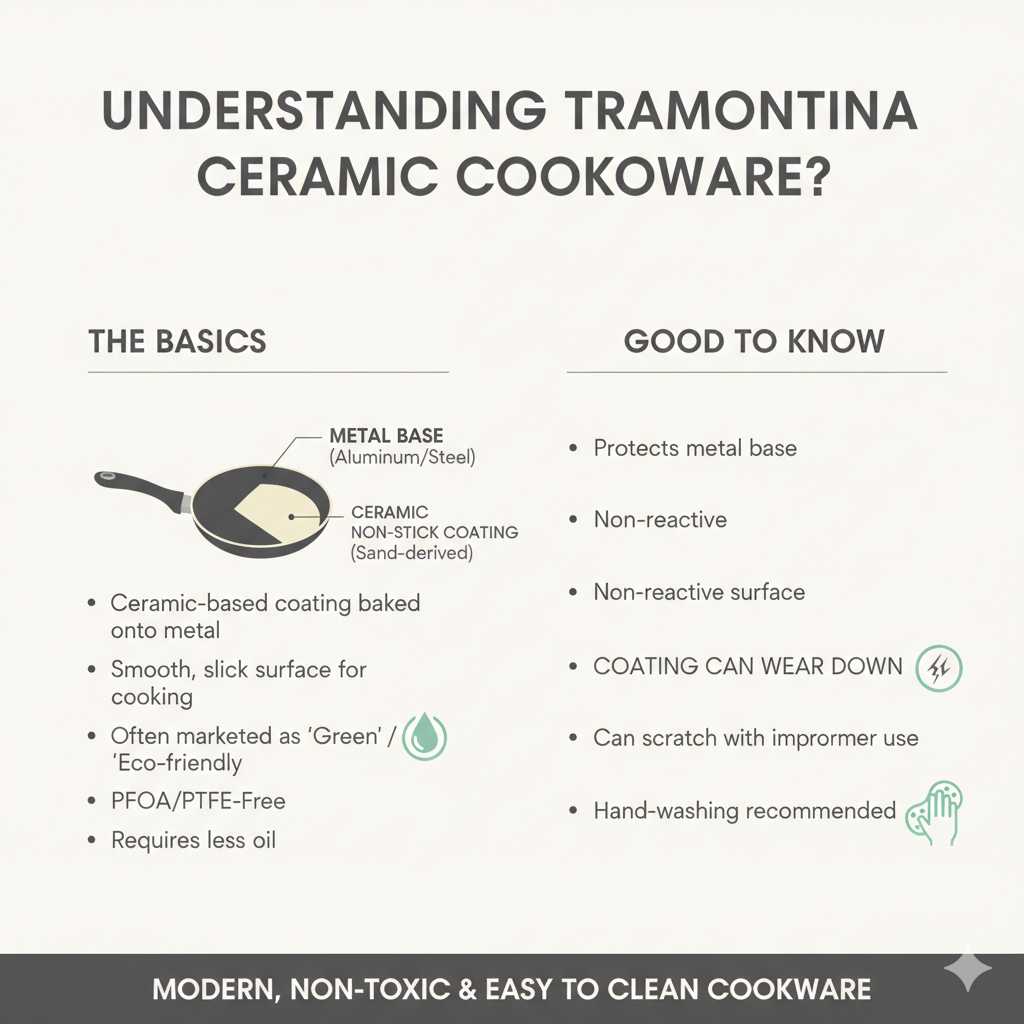
So, what exactly is Tramontina ceramic cookware? It’s a type of pan that uses a ceramic-based non-stick coating. This coating is often made from sand.
It’s baked onto the pan’s surface. The goal is to create a smooth, slick area for cooking. This means less oil is needed.
It also makes cleanup a breeze.
Many people like ceramic because it feels healthier. It’s often marketed as “green” or “eco-friendly.” This is usually because of what it’s not made of. Traditional non-stick pans used to rely on chemicals like PFOA.
These were phased out years ago. Ceramic coatings aim to avoid these. They focus on natural materials for their slickness.
Tramontina offers several lines. Some are fully ceramic. Others might have a ceramic coating on a base of aluminum or stainless steel.
But it’s important to remember it’s still a coating. It can scratch. It can wear down over time.
How you use and care for it matters a lot.
My Own Kitchen Scare with a New Pan
I remember the first time I bought a “fancy” ceramic pan. It was a different brand, but similar idea. I was so excited.
It looked so sleek and clean. The ads promised healthy cooking with no oil. I decided to make my famous scrambled eggs.
I put the pan on medium heat. I cracked the eggs right in. They stuck.
Not a little. They really, really stuck. I tried to stir.
The eggs just shredded. Bits of egg were glued to the bottom. I got panicked.
Was the pan broken? Was it unsafe? I ended up scraping it all out with a plastic spatula.
It was a mess. And the pan looked awful. I felt so let down.
I had spent good money. I thought it would be perfect. It taught me that even “safe” cookware needs a little respect and know-how.
Key Safety Features of Tramontina Ceramic
Material Basis: Made from natural minerals like sand.
No Harmful Chemicals: Free from PFOA, PFAS, lead, and cadmium.
Non-Stick Surface: Reduces the need for cooking oils.
Even Heating: Promotes consistent cooking results.
What Tramontina Says About Their Safety
Tramontina itself is quite clear on safety. They often highlight that their ceramic coatings are made without certain chemicals. These include PFOA.
That’s perfluorooctanoic acid. It’s a man-made chemical. It was used in making non-stick coatings for a long time.
There were concerns about its health effects. Tramontina also states their pans are free from PFAS. These are per- and polyfluoroalkyl substances.
They are often called “forever chemicals.”
Lead and cadmium are also mentioned. These are heavy metals. They can be harmful if they get into food.
Tramontina’s commitment is to avoid these. This is a big deal for people worried about chemicals in their kitchen. They aim for a coating that is inert.
This means it doesn’t react easily with food.
They often talk about the “healthy cooking” aspect. This comes from the non-stick nature. You can cook with less oil or butter.
This can help reduce fat and calories. It’s a simple benefit for many families. It means healthier meals without a lot of effort.
The company also emphasizes that their pans are durable. This is important for safety too. A pan that wears out quickly can become less safe.
If the coating flakes off, it can get into your food. Tramontina designs their pans to last. They use good materials.
They also have a reputation for quality. This builds trust.
The Science Behind Ceramic Non-Stick
Let’s break down how the ceramic coating works. It’s not magic. It’s science.
The core ingredient is silica. This is what sand is made of. This silica is mixed with other materials.
These can include minerals and binders. This mixture is then applied to the pan. It’s often done using a spray process.
Then, the pan is heated to a high temperature. This high heat cures the coating. It hardens it.
It bonds it to the pan surface.
The result is a very smooth surface. Think of it like a microscopic landscape. Traditional non-stick, like Teflon, uses polymers.
These polymers have a very low surface energy. This makes them slick. Ceramic coatings achieve slickness through their dense, smooth structure.
It creates a barrier. Food doesn’t easily grab onto it. It just glides over.
The process of applying the coating is important. It needs to be done correctly. If the application is uneven, or if the curing isn’t right, the coating can fail.
It might become less non-stick. It might chip or scratch more easily. Tramontina uses specific manufacturing processes.
They aim for a consistent, high-quality coating every time.
When you cook with a ceramic pan, the food sits on this smooth layer. There are fewer places for food molecules to stick. This is especially true for starchy foods.
They tend to be the biggest offenders for sticking. Even protein molecules have a harder time adhering to the slick surface.
Quick Scan: Ceramic Coating Benefits
- Healthier Cooking: Uses less oil.
- Easy Cleanup: Food wipes away easily.
- Natural Materials: Made from sand-based compounds.
- No Harmful Chemicals: Free from PFOA, PFAS, lead, cadmium.
Real-World Use: My Sticking Points (Literally!)
I’ve owned Tramontina ceramic pans for a few years now. I started with a small set. I was still a bit wary after my first bad experience.
But I wanted to give it another shot. The idea of less oil was appealing. I noticed a few things right away.
First, the heat distribution was pretty good. My cheap aluminum pans would always have a hot spot in the middle. These Tramontina pans spread the heat much more evenly.
My pancakes cooked up golden brown all over. That was a win. The non-stick part worked well too.
Eggs slid right out. Fish cooked without falling apart. This was a huge relief.
But here’s where the “experience” part really kicks in. You can’t just treat them like cast iron. I learned this the hard way with a piece of chicken.
I got it a little too hot. The chicken seared, which is good. But then I tried to flip it too soon.
It stuck. Not as bad as my old pan, but enough that I had to use a bit of force. That small scratch made me anxious.
I immediately stopped and thought, “Oops.”
I also learned about metal utensils. I love my metal spatulas. They feel sturdy.
But I know they’re not for ceramic. I switched to silicone and wood. It feels a little slower.
But I haven’t seen any more scratches since. It’s a trade-off. You gain safety and ease of cleaning.
You lose the ability to use any tool you want.
Another thing I noticed is that the non-stick quality does fade. It’s not instant. But after a year or so of regular use, I find I need a tiny bit more oil than when they were new.
This is normal for most non-stick pans, ceramic included. It doesn’t mean they are unsafe. It just means they aren’t going to be “brand new slick” forever.
What Makes Ceramic Cookware Potentially Unsafe?
While Tramontina ceramic cookware is designed for safety, there are a few potential issues. These aren’t usually about the materials themselves. They are more about how the pan is used and cared for.
Scratches and Damage: This is the biggest one. If the ceramic coating gets scratched, it can wear away. Tiny bits of the coating might chip off.
These bits can get into your food. While the coating itself is non-toxic, eating flakes of it isn’t ideal. It also means the non-stick property is compromised.
Food will start to stick more.
Overheating: Ceramic coatings can be damaged by extreme heat. If you heat an empty pan too high, it can degrade the coating. This can cause it to lose its non-stick ability.
It might even discolor. Some sources say extreme heat can release fumes. While these are not the harmful PFOA/PFAS fumes, they can still be unpleasant and indicate damage.
Abrasive Cleaning: Using steel wool or harsh scrubbers will scratch the surface. This is like a fast track to damaging the non-stick layer. Gentle cleaning is key to keeping the pan safe and effective.
Aging of the Coating: Over time, all non-stick coatings will degrade. This is natural wear and tear. As the coating ages, it might become less effective.
It might start to release small particles. This is more about performance than immediate danger, but it’s worth noting.
Tramontina generally uses high-quality materials and manufacturing. This helps prevent many of these issues. But user care plays a huge role.
It’s like having a nice car. It’s built well, but you still need to drive it carefully and get the oil changed.
Myth vs. Reality: Ceramic Cookware
Myth: Ceramic pans last forever and can’t be damaged.
Reality: Ceramic coatings are durable but can scratch and degrade with improper use and age.
Myth: All non-stick coatings are equally safe.
Reality: Modern ceramic coatings are free from PFOA/PFAS, but older or lower-quality coatings might not be. Always check the manufacturer’s claims.
Myth: Ceramic pans are always heavy and bulky.
Reality: Tramontina offers a range of weights. Many ceramic pans are lighter than cast iron or some stainless steel options.
Tramontina’s Manufacturing and Quality Control
When we talk about safety, the company behind the product matters. Tramontina is a well-established brand. They have been making cookware for a long time.
They operate in many countries. Their reputation is built on making reliable kitchen tools. This history adds a layer of trustworthiness.
For their ceramic lines, they have specific manufacturing standards. They source their raw materials carefully. They use controlled processes to apply the ceramic coating.
This helps ensure consistency. They test their products. These tests check for things like scratch resistance and thermal shock.
They also verify that their coatings meet safety standards.
For example, the U.S. Consumer Product Safety Commission (CPSC) sets standards for many consumer goods. Tramontina aims to meet or exceed these standards.
They also adhere to international food contact safety regulations. These regulations ensure materials that touch food are safe.
Their commitment to avoiding PFOA and PFAS is a key part of their quality control. This isn’t just marketing. It’s a design and manufacturing choice.
It means their processes are set up to produce coatings without these specific chemicals. This attention to detail is important for consumers who are looking for healthier options.
It’s also worth noting that Tramontina often uses other materials in their pans. Many ceramic pans have an aluminum or stainless steel core. The quality of these base materials also affects safety and performance.
Aluminum is a good heat conductor. Stainless steel is durable and non-reactive. Tramontina generally uses good quality metals for their pan bodies.
Comparing Tramontina Ceramic to Other Cookware
How does Tramontina ceramic stack up against other popular cookware types? It’s good to see the differences.
vs. Traditional Non-Stick (e.g., Teflon): Older Teflon pans had PFOA. Modern ones are PFOA-free.
Ceramic coatings are often seen as a more “natural” alternative. Both offer good non-stick. Ceramic might be more prone to scratches if not cared for.
Traditional non-stick can also degrade over time.
vs. Stainless Steel: Stainless steel is very durable. It doesn’t scratch easily.
It’s oven-safe to high temps. But it’s not non-stick. Food will stick.
You need more oil. Cleanup can be harder. Tramontina makes great stainless steel, but it’s a different cooking experience.
vs. Cast Iron: Cast iron is legendary for durability. It can last a lifetime.
It builds up a natural non-stick surface over time (seasoning). It’s great for searing. But it’s heavy.
It requires careful seasoning and maintenance. It needs to be seasoned after washing. It can rust if not dried properly.
vs. Enameled Cast Iron: This combines cast iron’s heat retention with a smooth, non-stick enamel coating. It’s beautiful.
It’s oven-safe. The enamel is generally very safe. But like ceramic, the enamel can chip if dropped.
It’s also quite heavy and expensive.
Tramontina ceramic offers a middle ground. It gives you good non-stick. It’s generally lighter than cast iron.
It avoids the specific chemicals people worry about. It requires specific care, but it’s usually simpler than cast iron seasoning.
Tramontina Ceramic vs. Others: Quick View
Tramontina Ceramic: Good non-stick, PFOA/PFAS-free, easy cleanup, needs careful utensil use.
Traditional Non-Stick: Similar non-stick, modern ones are PFOA-free, can degrade.
Stainless Steel: Durable, no chemical concerns, but food sticks, harder to clean.
Cast Iron: Very durable, natural non-stick (seasoned), heavy, high maintenance.
Is It Safe to Eat Flakes From My Pan?
This is a question many people have. If the coating is scratched, and tiny bits come off, what happens? The general advice from experts is that it’s not ideal, but usually not acutely dangerous.
The ceramic coating itself is made from natural materials like silica. It’s not toxic in small amounts. The concern is less about poisoning and more about the long-term effects and the fact that the pan is no longer performing as it should.
Eating flakes means the coating is breaking down.
This breakdown can also mean that the pan is no longer providing a good non-stick surface. Food will start to stick more. This is a sign that the pan is nearing the end of its usable life.
It’s best to replace it at this point.
Think of it this way: You wouldn’t eat a piece of plastic that chipped off a toy. It’s not necessarily toxic, but it’s not meant to be ingested. The same applies to cookware coatings.
If you notice flaking, it’s time for a new pan. Tramontina’s warranty might cover defects if the flaking happens very early on and is due to manufacturing, but normal wear and tear is usually not covered.
When to Worry: Signs Your Tramontina Ceramic Pan Needs Replacing
Your Tramontina ceramic pan is generally safe, but like all cookware, it has a lifespan. Paying attention to these signs can help you know when it’s time to say goodbye to a pan:
Significant Scratches: If you can see deep gouges or a network of scratches across the surface, the coating is compromised. Stop using it for delicate foods.
Food Sticking Badly: When eggs start sticking even with a little oil, or your pancakes don’t release easily, the non-stick is wearing out. This is a primary indicator.
Flaking or Chipping: If you see any actual pieces of the coating coming off, even small ones, that’s a clear sign to stop using it immediately. This is the most direct safety concern.
Discoloration: While some minor discoloration might happen over time, excessive, uneven, or darkening patches could indicate that the coating has been overheated and potentially degraded.
Warping: If the pan is no longer flat on the bottom, it won’t heat evenly. This affects cooking and can be a sign of damage from extreme heat.
Difficulty Cleaning: If food is stubbornly sticking and hard to remove, even with gentle washing, it’s a sign the non-stick properties are gone.
These are signs of wear and tear. They don’t mean the pan suddenly became poisonous. They mean its useful life is over.
Replacing it ensures continued safe and effective cooking.
Simple Checks for Your Ceramic Pans
Visual Inspection: Look for scratches, chips, or peeling.
Non-Stick Test: Cook something prone to sticking, like an egg, with minimal oil.
Heat Test: Heat the pan gently. Does it warp or show discoloration?
Cleaning Test: Try washing it. Is food still sticking badly?
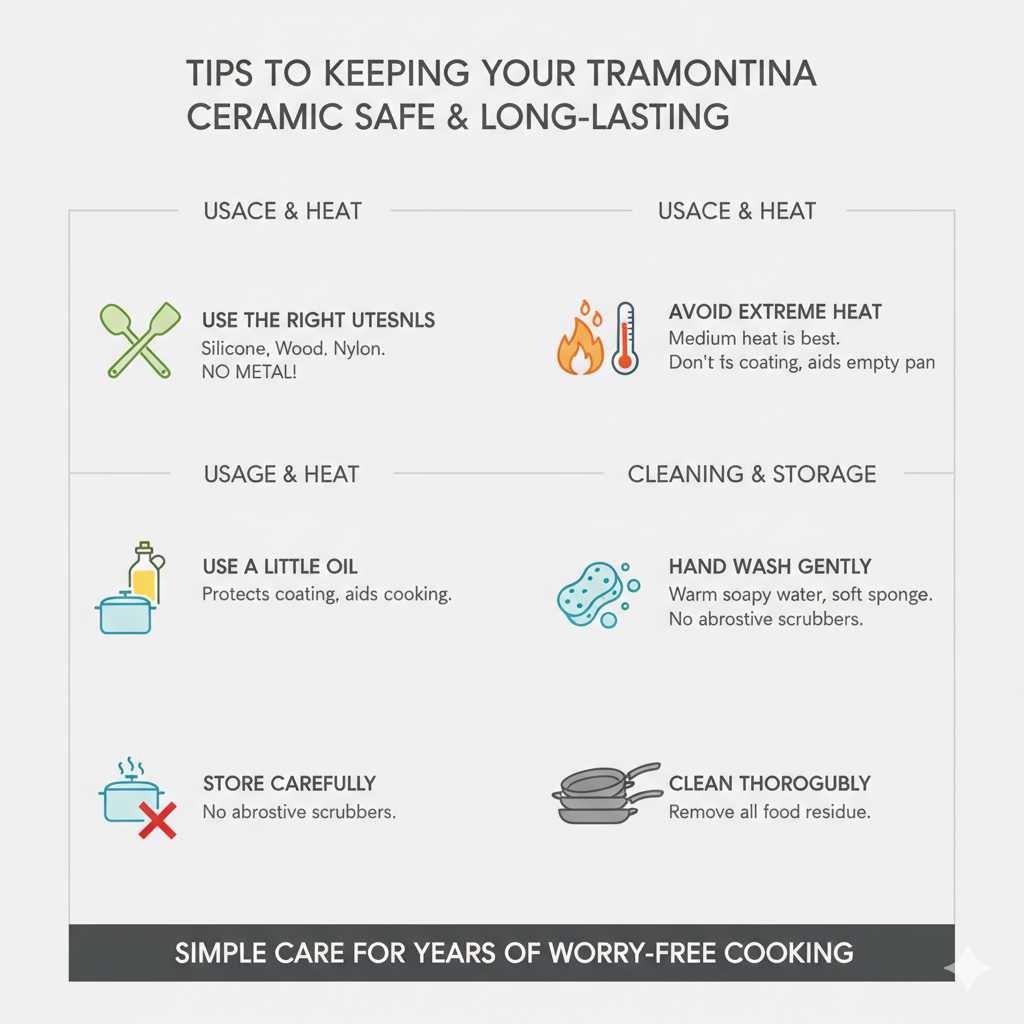
Tips for Keeping Your Tramontina Ceramic Safe and Long-Lasting
You’ve invested in your cookware. You want it to last and stay safe. Here are some simple tips.
They’ll help your Tramontina ceramic pans perform well for years.
Use the Right Utensils: This is crucial. Stick to silicone, wood, nylon, or plastic. Never use metal.
Metal utensils are the enemy of ceramic coatings. They will scratch the surface.
Avoid Extreme Heat: Don’t preheat an empty pan on high heat for too long. Ceramic coatings can be damaged by temperatures above 500°F (260°C). Most stovetop cooking doesn’t require this.
Use medium or medium-high heat. Let the pan heat up gradually.
Use a Little Oil: While ceramic is non-stick, a tiny bit of oil or butter helps. It aids in cooking. It also helps protect the coating.
It can extend the life of the non-stick surface.
Hand Wash Gently: This is the best way to clean them. Use warm, soapy water. Use a soft sponge or cloth.
Avoid abrasive scrubbers like steel wool or harsh scouring pads. Even some dishwasher detergents can be tough on coatings over time.
Avoid Thermal Shock: Don’t put a hot pan into cold water. This sudden temperature change can warp the pan or crack the coating. Let the pan cool down first.
Store Carefully: Don’t just stack pans on top of each other. This can lead to scratches. Use pan protectors or soft cloths between pans.
This protects the cooking surface.
Clean Thoroughly: Make sure to clean off all food residue after each use. Leftover bits can bake on and make future cooking harder.
These practices aren’t complicated. They’re just about treating the cookware with a little care. It’s like any good tool.
The better you care for it, the longer it will serve you well.
Frequently Asked Questions About Tramontina Ceramic Cookware Safety
Is Tramontina ceramic cookware PFOA-free?
Yes, Tramontina explicitly states that their ceramic cookware is manufactured without PFOA (perfluorooctanoic acid).
Can I use metal utensils with Tramontina ceramic pans?
No, you should avoid using metal utensils. They can scratch and damage the ceramic coating, reducing its non-stick properties and longevity. Use silicone, wood, or nylon utensils instead.
What happens if my ceramic pan scratches?
If the ceramic coating is scratched, its non-stick function will decrease, and small flakes of the coating may come off into your food. While the coating itself is generally non-toxic, eating flakes is not recommended. It’s a sign the pan’s lifespan is ending.
Is it safe to use a Tramontina ceramic pan that has overheated?
Overheating can degrade the ceramic coating, reducing its non-stick performance and potentially its lifespan. While it might not be immediately dangerous if done once, repeated overheating can damage the pan. If you notice discoloration or reduced non-stick ability, it may be time to replace it.
How should I clean my Tramontina ceramic cookware?
It’s best to hand wash your Tramontina ceramic cookware with warm, soapy water and a soft sponge or cloth. Avoid abrasive cleaners, steel wool, or harsh scouring pads, as these can damage the coating. While some may be dishwasher safe, hand washing extends the cookware’s life.
Can I put Tramontina ceramic pans in the oven?
Many Tramontina ceramic pans are oven-safe, but it’s important to check the specific product details. Pay attention to the maximum oven-safe temperature listed by Tramontina, as excessive heat can damage the non-stick coating.
Are there any risks associated with the natural materials used in ceramic coatings?
The primary materials, like silica (sand), are natural and considered safe. The manufacturing process ensures they are bonded securely. Risks usually arise from damage to the coating (scratches, chips) rather than the base materials themselves.
In Conclusion: A Safe Choice with Proper Care
Tramontina ceramic cookware stands out as a safe and practical choice for most kitchens. Its construction avoids concerning chemicals like PFOA and PFAS. This offers peace of mind for health-conscious cooks.
The non-stick surface makes cooking and cleaning easier. It promotes healthier meals by reducing oil use.
However, like any specialized coating, ceramic requires mindful use. Gentle handling, the right utensils, and proper cleaning are key. Following these simple steps ensures your Tramontina ceramic pans remain safe and effective for years to come.
It’s a reliable option for everyday cooking needs.
Related pick: Check today's price on Amazon
Products related to this article
Sponsored / affiliate links. As an Amazon Associate I earn from qualifying purchases. I may earn additional commission from eligible campaigns.