Copper Cookware vs Stainless Steel Cookware
Copper cookware gives you the fastest heat response, especially for sauce work and other temperature-sensitive tasks. Stainless steel is the safer all-around choice for induction, low upkeep, and daily wear. If you miss that tradeoff, you can buy pans that suit the wrong cooktop or ask for more care than you want. This guide compares heat control, lining and corrosion risk, induction compatibility, and cleaning so you can choose by cooking style.
| Decision factor | Copper Cookware | Stainless Steel Cookware | Winner |
|---|---|---|---|
| Heat response | Very fast response, especially useful for sauces, caramel, and custards | Slower response unless the pan is engineered with conductive layers | Copper Cookware |
| Maintenance | Needs polishing; bare copper is reactive, so lined construction matters | Lower upkeep; normal wash care is usually enough | Stainless Steel Cookware |
| Induction fit | Not guaranteed; many copper pans need an engineered base | Often compatible when the exterior is magnetic | Stainless Steel Cookware |
| Durability for daily use | Depends on lining and care; tin lining is softer than stainless lining | Resistant to scratches, dents, and warping | Stainless Steel Cookware |
| Best fit for premium specialty use | Strong fit for delicate, temperature-sensitive cooking | Good general-purpose choice, but less responsive | Copper Cookware |
Core trade-offs
The split is simple. Copper Cookware wins on responsiveness. Stainless Steel Cookware wins on convenience, induction compatibility, and everyday durability. That makes copper a specialty tool and stainless steel the broader default for most kitchens.
Heat response
Copper changes temperature quickly, so it reacts fast when you lower or raise the flame. That matters for sauces that can break, sugar that can move from pale to burnt, and custards that need close control.
Maintenance
Stainless steel is easier to live with. It does not need polishing the way copper does, and its surface is generally more resistant to scratches and stains. Copper can be beautiful, but it asks for more attention.
Induction and daily use
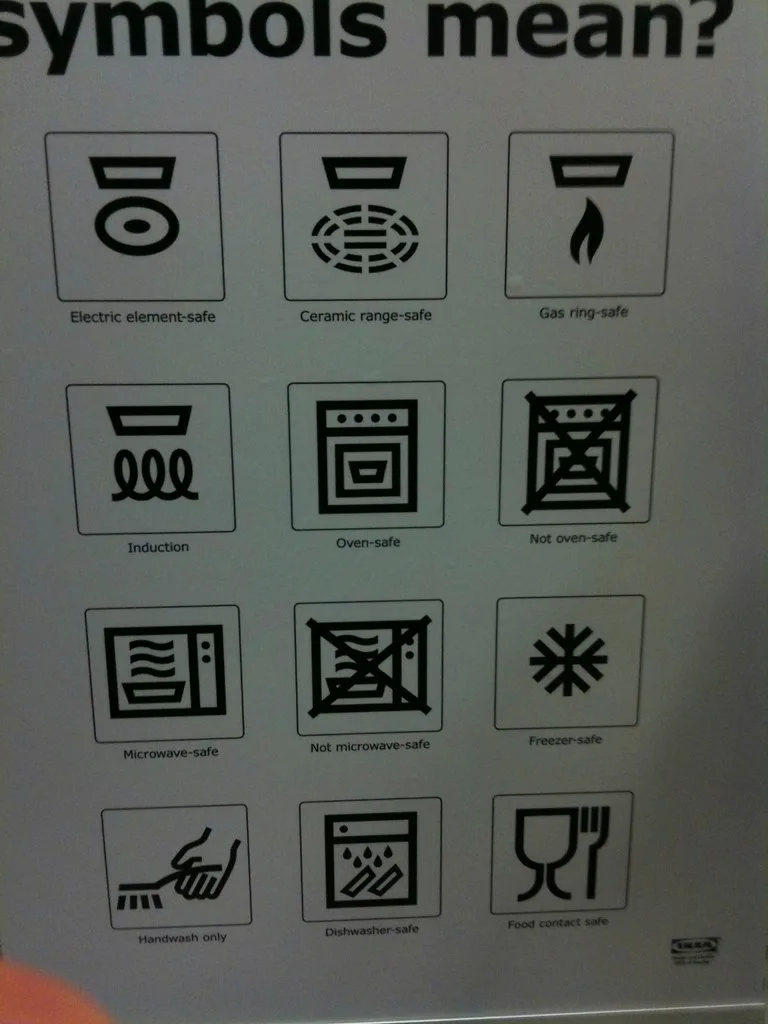
Stainless Steel Cookware is usually the safer choice for induction because a magnetic exterior can work with induction burners. Copper Cookware cannot be assumed to work that way. If your stovetop is induction-only, that difference can decide the purchase.
Copper cookware construction and lining
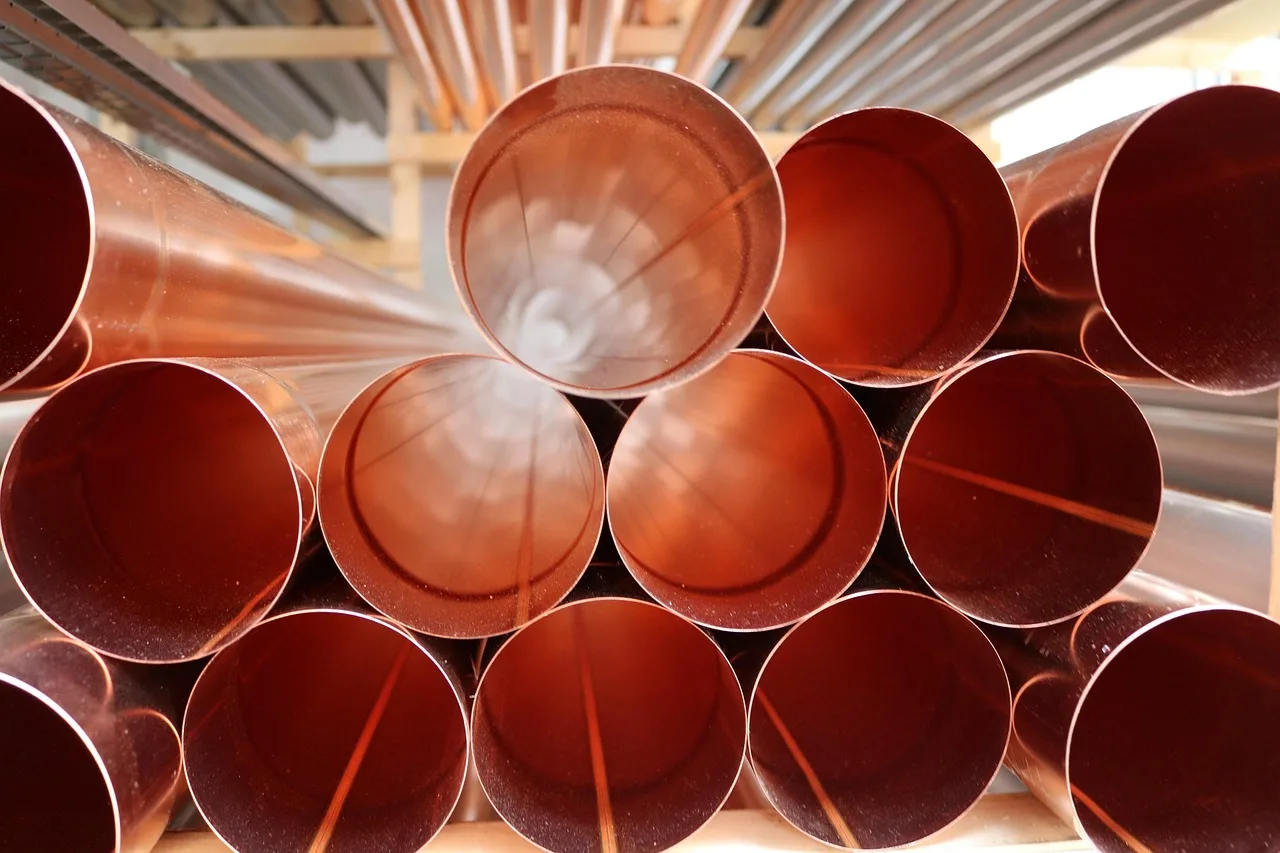
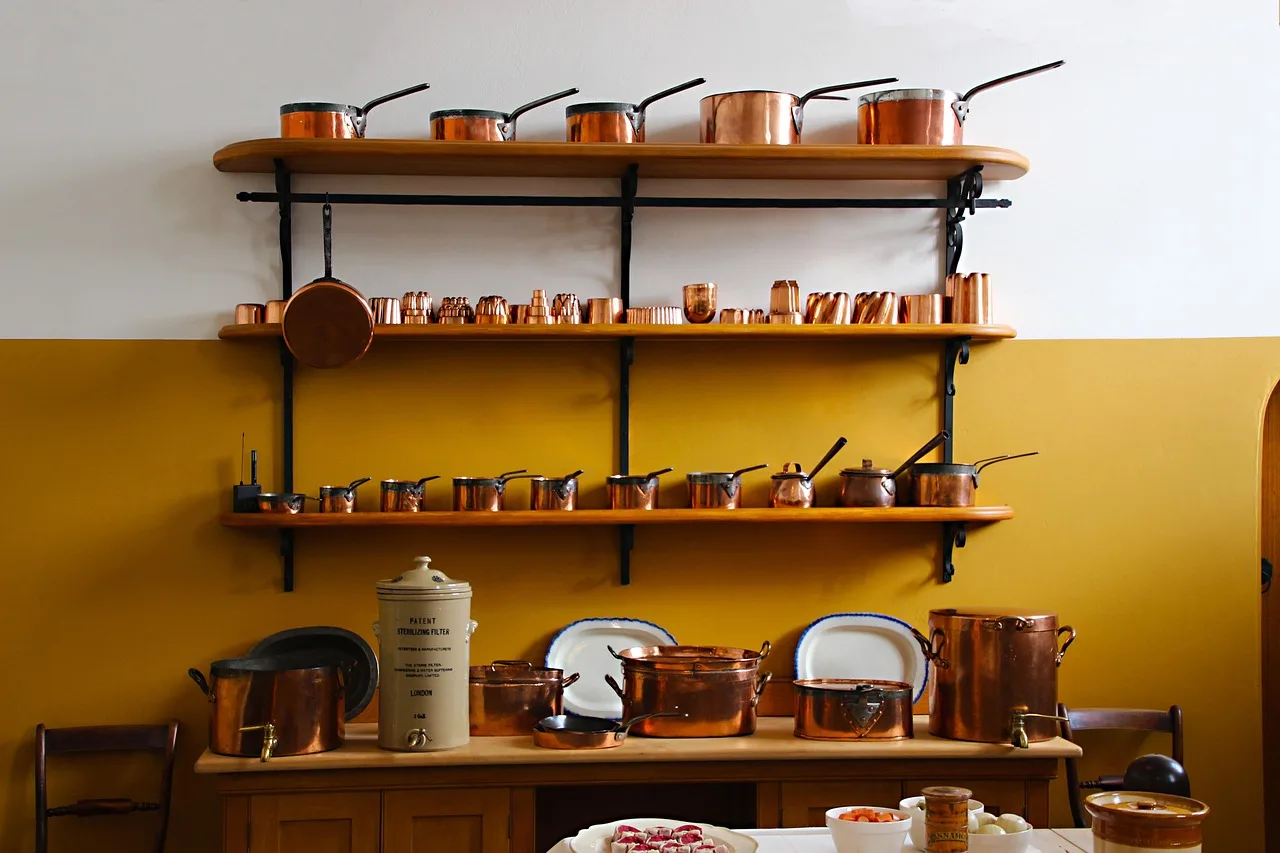
Bare copper is reactive, so copper cookware meant for food needs a lining. That lining changes safety, heat tolerance, and how the pan should be handled after years of use.
Bare copper versus lined copper
Bare copper should not be treated as cooking-safe for most home use. Lined copper is the real product to compare here, because the lining keeps food off the reactive metal while preserving copper’s quick heat response.
Say your around 10-inch copper skillet has a dull spot in the lining near the center. That matters more than a cosmetic mark on the outside, because the inner surface is what touches food and determines whether the pan is still safe to use.
Tin lining versus stainless lining
Tin lining is traditional, but it tolerates lower heat than stainless lining and can need periodic professional attention if it wears out. Stainless steel lining is tougher, handles higher temperatures better, and is more durable for frequent use.
Health Canada advises replacing a damaged inner coating on copper cookware. That makes lining condition a safety issue, not a style detail.
What copper-core clad cookware changes
Copper-core clad cookware is not the same as lined copper. In products such as All-Clad Copper Core, the copper sits inside a bonded stack of five layers: stainless, aluminum, copper, aluminum, and stainless. That design keeps the cooking surface stainless while using copper to improve heat behavior.
Falk specifies 1.8 mm of copper under a 0.2 mm stainless lining in one lined copper pan. That is a good example of why copper products need to be judged by construction, not by material name alone.
Which heats and cools faster?
Copper heats and cools faster than stainless steel, and that is the main reason people buy it. The advantage shows up most clearly in delicate work where small flame changes matter, like sauces, custards, and caramel.
Why copper responds faster to temperature changes
Copper moves heat quickly through the pan, so it is easier to nudge the cooking surface up or down in a short time. The Skillful Cook identifies copper as best for delicate proteins, candy-making, and sauces. That is the right kind of job for a responsive pan.
Where stainless steel response matters more
Stainless steel reacts more slowly unless the pan uses conductive layers such as aluminum or copper core construction. For searing, that slower response is less of a problem than it is for a custard or sugar syrup. The Skillful Cook says stainless steel is great for searing on high heat.
Picture a saucier reducing a pan sauce while you shift from medium-high to low. Copper lets you correct faster. Stainless can still work, but you have less room to make tiny corrections before the sauce runs too far.
Which works better on induction?
Stainless Steel Cookware usually has the edge on induction because many pans use a magnetic exterior that the cooktop can read. Copper Cookware does not get that benefit automatically, and the material name alone does not tell you whether the base is engineered for induction.
Why material name alone is not enough
Prudent Reviews says copper cookware is not induction-compatible, while stainless steel cookware is induction-compatible. That is the general rule, but the purchase still depends on the exact base design. A copper pan may need an induction-ready base, while a stainless pan often works as sold.
What to look for in induction-ready bases and magnetic exteriors
If you want copper on induction, look for explicit induction-ready construction rather than assuming every copper pan will work. If you want the easiest path on an induction range, choose a stainless pan with a magnetic exterior or a clad build that the maker states is induction-compatible.
Which is easier to maintain?
Stainless Steel Cookware is easier to maintain for most households. Copper tarnishes, needs polishing, and asks for more careful hand washing, while stainless usually needs only normal cleaning and is less fussy about everyday wear.
Polishing, tarnish, and hand-wash care for copper
Copper outside surfaces darken over time. Some owners like that patina; others want the bright finish back, which means polishing. If the lining is tin, heat and wear matter even more because a damaged inner coating may need professional attention or replacement.
Daily cleaning and durability for stainless steel
Stainless steel is generally easier to keep presentable. Made In says stainless steel can be non reactive for acidic ingredients, and that helps with tomato sauce and other acidic foods. It also notes that stainless steel is resistant to scratches and stains, which is why many cooks prefer it for everyday use.
Cookware decision matrix

This table translates the material choice into real kitchen situations. The scores reflect the practical tradeoff in each case: responsiveness, maintenance burden, induction compatibility, and value for the job.
| Scenario | Copper Cookware | Stainless Steel Cookware | Winner | Short recommendation |
|---|---|---|---|---|
| Induction-only apartment | 2/5 | 5/5 | Stainless Steel Cookware | Choose stainless unless a copper pan is explicitly induction-ready. |
| Sauce-heavy cooking | 5/5 | 3/5 | Copper Cookware | Copper is the better fit for quick heat corrections. |
| Searing daily proteins | 3/5 | 5/5 | Stainless Steel Cookware | Use stainless for a tougher surface and high-heat searing. |
| Acidic tomato cooking | 3/5 | 5/5 | Stainless Steel Cookware | Stainless is the safer everyday choice for acidic ingredients. |
| Low-maintenance household | 2/5 | 5/5 | Stainless Steel Cookware | Pick stainless if you want less polishing and less fuss. |
| Premium gift buyer | 5/5 | 4/5 | Copper Cookware | Copper feels more distinctive, especially in a specialty piece. |
| Vintage copper owner | 4/5 | 3/5 | Copper Cookware | Keep copper if the lining is sound; repair matters more than looks. |
| Budget-conscious buyer | 2/5 | 5/5 | Stainless Steel Cookware | Stainless usually gives better value per pan. |
Induction-only apartment
Stainless Steel Cookware is the straightforward choice here. Copper may need an engineered base, and not all copper cookware has one. If your stove is induction-only, compatibility comes before speed.
Sauce-heavy cooking
Copper Cookware wins because responsiveness matters most in saucier work. That is true for reductions, caramel, and delicate sauces where temperature changes need to register fast.
Searing daily proteins
Stainless Steel Cookware is the better fit for routine searing. It handles hard use better and does not ask for the same level of care that copper does after repeated high-heat cooking.
Acidic tomato cooking
Stainless Steel Cookware is the safer day-to-day pick for acidic ingredients. A stainless interior is non reactive in the way home cooks need for tomato sauce, vinegar-forward braises, and other acidic dishes.
Low-maintenance household
Stainless Steel Cookware wins because it is easier to keep in service. Copper’s polishing and lining care can become a burden if the household wants simple cleanup and fewer upkeep decisions.
Premium gift buyer
Copper Cookware can be the stronger gift choice when the goal is a specialty piece with clear cooking purpose. A lined copper saucier or saucepan makes more sense than a decorative pan with no real task in mind.
Vintage copper owner
Copper Cookware is the right lane if the existing pan still has a sound lining. If the inner coating is damaged, Health Canada’s advice to replace the damaged coating should guide the next step instead of assuming the pan is still fine.
Budget-conscious buyer
Stainless Steel Cookware usually gives better value. It covers more tasks, requires less upkeep, and avoids the higher premium that copper often carries.
Choose Copper Cookware if… / Choose Stainless Steel Cookware if…
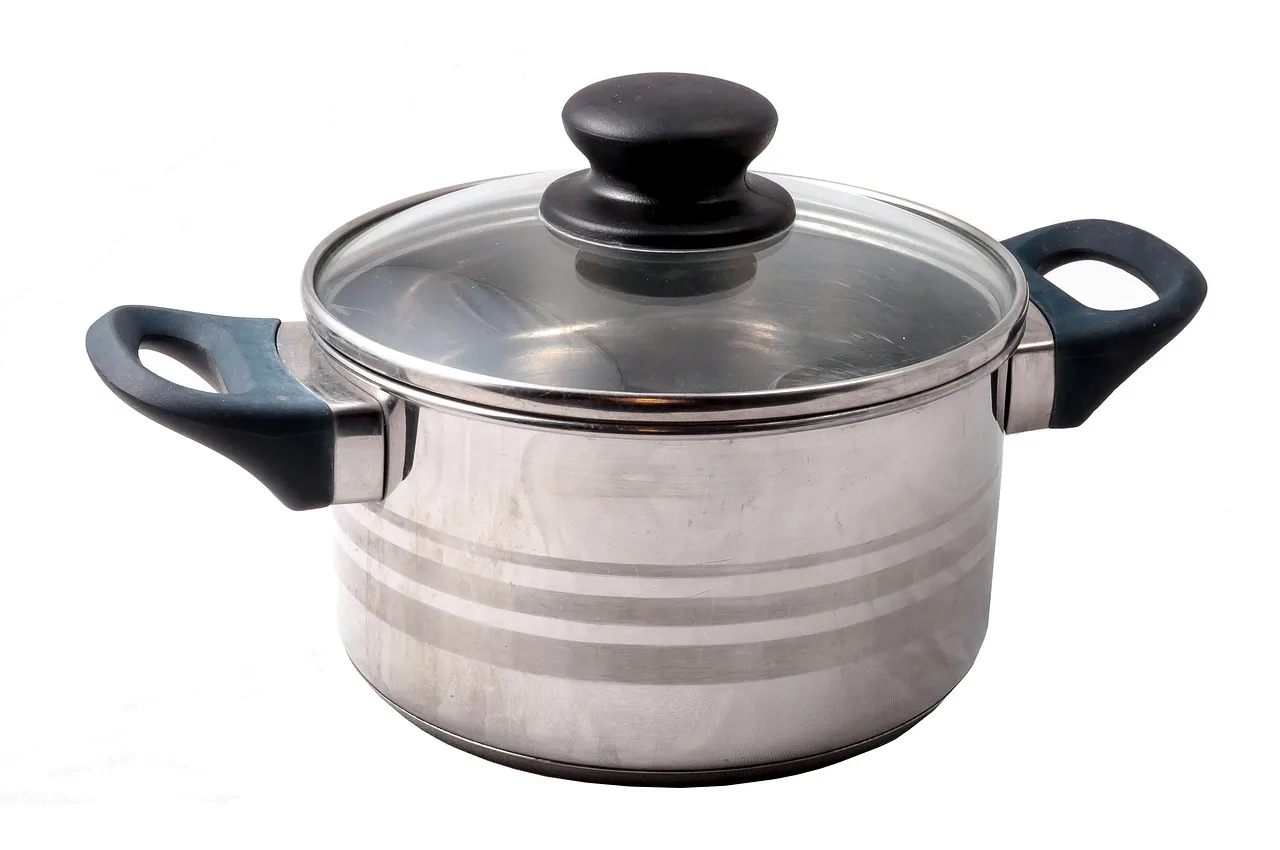
Choose Copper Cookware if you cook sauces, caramel, custards, or delicate proteins often; if you want the fastest response to heat changes; if you are buying a specialty saucepan or saucier; and if you are willing to maintain the finish and check the lining.
Choose Stainless Steel Cookware if you cook on induction; if you want one pan type that handles searing, acidic food, and daily use with less upkeep; if you prefer a tougher exterior; and if you want the clearer value choice for a full kitchen set.
- Check your stovetop first, especially if it is induction.
- Match the pan type to the job: saucier, saucepan, skillet, or stockpot.
- Decide how much maintenance you will accept.
- Buy copper for response, stainless for convenience.

- Includes 8 and 10-inch fry pans
- Unmatched heat control with copper layer
- Heirloom cookware made in USA
Frequently asked questions
Copper pan vs stainless steel pan
A copper pan is the better pick for fast heat changes, while a stainless steel pan is usually easier to own and more likely to fit induction cooking. For sauce work, copper has the edge; for searing, everyday use, and lower maintenance, stainless is the more practical choice.
Copper pot vs stainless steel pot
A copper pot makes the most sense for temperature-sensitive cooking where quick adjustment matters. A stainless steel pot is usually better for stocks, pasta water, acidic dishes, and routine kitchen work because it is simpler to maintain and more widely compatible with modern cooktops.
Copper vs stainless steel cookware
The better material depends on the job. Copper Cookware gives you faster response and more control for delicate cooking, while Stainless Steel Cookware gives you easier care, better day-to-day durability, and stronger induction fit. Most households get more use from stainless, but copper is valuable for specialty tasks.
Why stainless steel cookware is better
Stainless steel cookware is better when you want a dependable, low-maintenance pan that can handle searing, acidic ingredients, and frequent use. It is also often induction-compatible and more resistant to scratches, dents, and warping, which makes it a strong default choice for everyday cooking.
Is stainless cookware better than non stick?
Stainless cookware is better than nonstick when you want durability, high-heat cooking, and a pan that can take more abuse over time. Nonstick is easier for fragile eggs and similar foods, but stainless is the more durable everyday tool and better for browning, searing, and oven use within the pan’s rated limits.
Why is copper cookware good?
Copper cookware is good because it reacts quickly to burner changes, which helps with sauces, custards, caramel, and delicate proteins. That strength only matters if the pan is lined and suited to your stove, since bare copper is reactive and not the right food-contact surface for normal cooking.
Products related to this article
Sponsored / affiliate links. As an Amazon Associate I earn from qualifying purchases. I may earn additional commission from eligible campaigns.