How to Clean the Outside of a Cast Iron Skillet
Simply put, clean the outside of your cast iron skillet with hot water, mild soap, and a non-abrasive scrubber. Avoid harsh scouring pads and dishwashers to preserve the seasoning. Dry immediately and reapply a thin layer of oil to prevent rust and maintain a smooth finish.
Key Takeaways
- Cleaning the outside of a cast iron skillet requires gentle methods like hot water and mild soap to avoid damaging the seasoning.
- Always dry your skillet completely after washing to prevent rust on the exterior.
- Seasoning is key: a thin oil layer after each clean helps maintain a non-stick surface and protects against corrosion.
Why the Outside of Your Cast Iron Skillet Gets Dirty
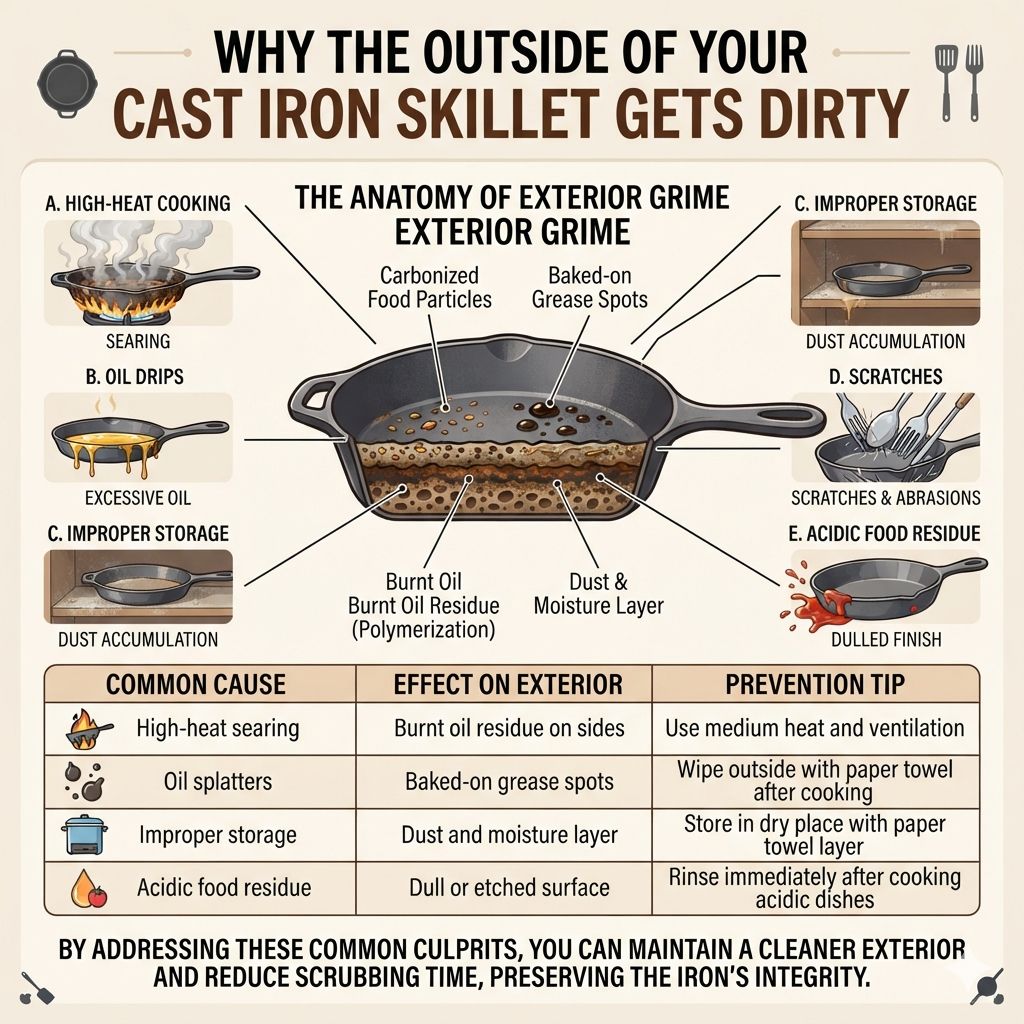
The exterior of a cast iron skillet often accumulates stubborn grime from cooking oils, food splatters, and smoke residue. Over time, this buildup can become crusty and dark, making the skillet look neglected.
Common causes include cooking at high heat without proper ventilation, using excessive oil that drips down the sides, and failing to wipe the outside after each use. The porous nature of cast iron also clings to carbonized food particles.
- High-heat cooking methods like searing produce more smoke and residue on the outside.
- Oil splatters from frying or sautéing bake onto the exterior surface.
- Dust and grease combine with moisture to form a sticky layer over time.
- Improper storage without covering can lead to dust accumulation on the skillet.
- Using metal utensils that scratch the outside can create areas where grime sticks more easily.
- Leaving the skillet on a burner while preheating too long causes oils to carbonize externally.
- Neglecting to rinse and wipe the outside after acidic food cooking can dull the finish.
Understanding these causes helps you adopt preventive cleaning habits, making how to clean the outside of a cast iron skillet easier and less frequent.
| Common Cause | Effect on Exterior | Prevention Tip |
|---|---|---|
| High-heat searing | Burnt oil residue on sides | Use medium heat and ventilation |
| Oil splatters | Baked-on grease spots | Wipe outside with paper towel after cooking |
| Improper storage | Dust and moisture layer | Store in dry place with paper towel layer |
| Acidic food residue | Dull or etched surface | Rinse immediately after cooking acidic dishes |
By addressing these common culprits, you can maintain a cleaner exterior and reduce scrubbing time, preserving the iron’s integrity.
What You Need to Clean the Outside Effectively
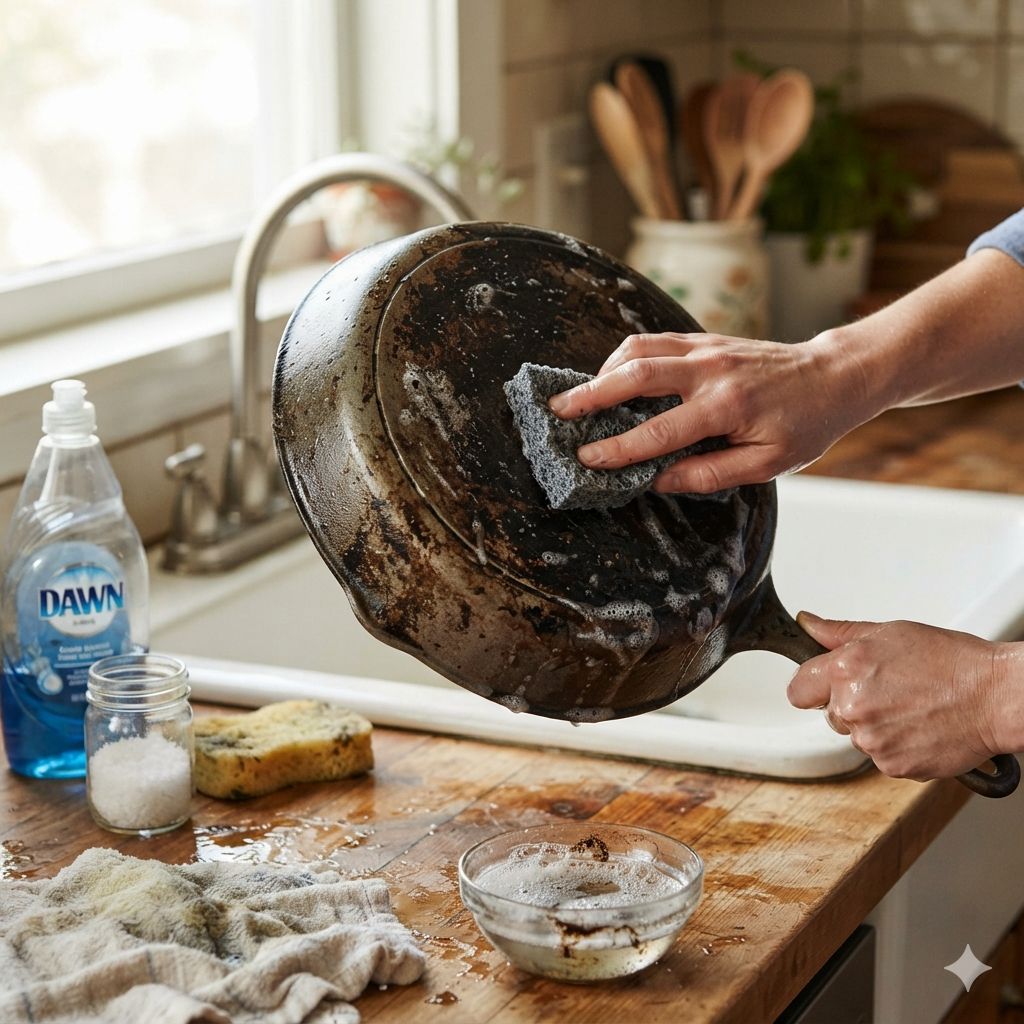
To tackle how to clean the outside of a cast iron skillet, you require specific tools that are gentle enough not to scratch the surface but effective enough to remove baked-on grime. Avoid abrasive materials like steel wool or harsh chemicals.
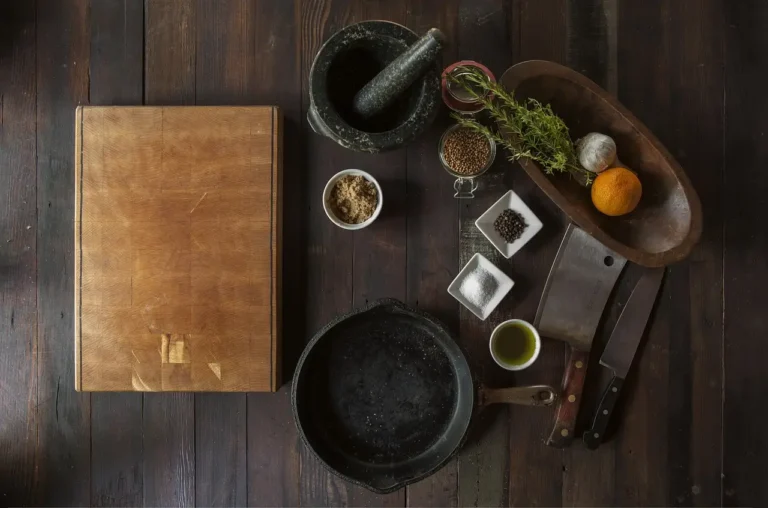
Gathering the right supplies beforehand streamlines the process and prevents damage. Here is a checklist of essential items.
- Hot water – helps loosen dirt without stripping seasoning.
- Mild dish soap – a small amount is safe for occasional use.
- Non-abrasive scrubber – such as a nylon brush or sponge with a soft side.
- Chainmail scrubber – for tough residue without scratching seasoning.
- Paper towels or clean cloths – for drying and oiling.
- Vegetable oil or flaxseed oil – for re-seasoning after cleaning.
- Salt – a natural abrasive for stubborn spots without chemicals.
Tip: Keep a dedicated chainmail scrubber for your cast iron to avoid cross-contamination from other cookware.
How to clean the outside of a cast iron skillet starts with having these tools ready. Skipping any can lead to ineffective cleaning or accidental damage, so preparation is key for a smooth experience.
Step 1: Scrape Off Loose Food Debris
Begin by scraping any loose food particles from the skillet, both inside and out. This prevents scratching during the washing step and prepares the surface for deeper cleaning.
Use a plastic spatula or a stiff nylon brush to dislodge stuck-on bits. Focus on the exterior bottom and sides where drips accumulate during cooking.
- Allow the skillet to cool completely to avoid burns and warping.
- Hold the skillet over a trash bin and scrape gently with a plastic scraper.
- Remove large particles by hand if needed, wearing gloves for hygiene.
- Tap the pan lightly to shake off loose debris without damaging the surface.
- Wipe the outside with a dry paper towel to pick up fine dust and crumbs.
This initial step reduces the workload for the next phase and ensures that abrasive grit doesn’t get trapped during scrubbing. Skipping it can embed particles into the iron, causing scratches over time.
Step 2: Use Hot Water and Mild Soap
Contrary to old myths, you can use mild soap on cast iron, especially for cleaning the outside. How to clean the outside of a cast iron skillet involves minimal soap focused on the grimy exterior.
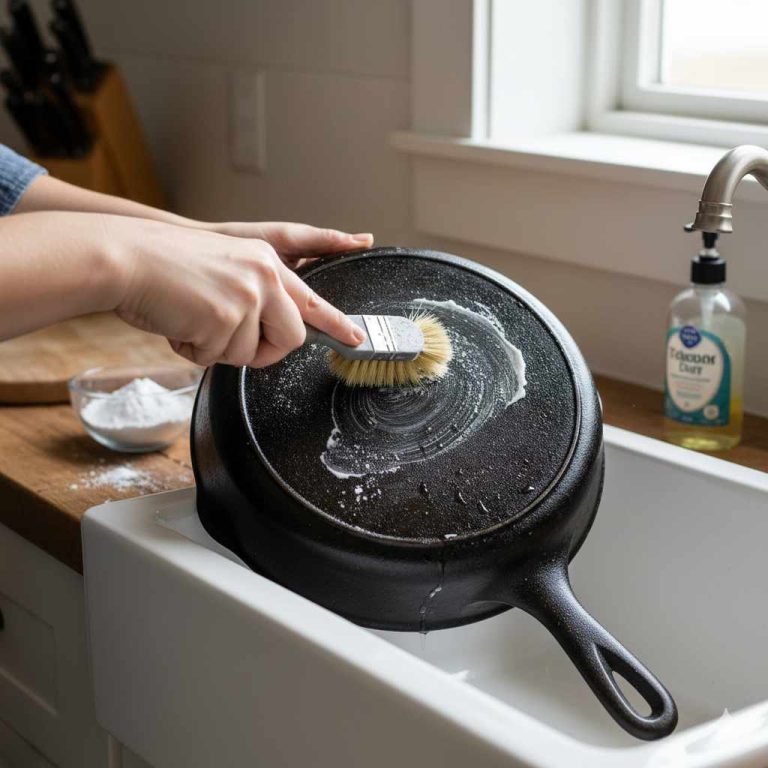
Heat up a sink full of hot water (not boiling) and add a few drops of gentle dish soap. Submerge the skillet briefly, but avoid soaking for more than a few minutes to prevent water absorption into the iron.
- Use soap sparingly – too much can strip seasoning from the interior.
- Focus soapy sponge action on the exterior where grease and carbon build up.
- Rinse thoroughly with hot water to remove all soap residue.
- Avoid using cold water as thermal shock can crack the iron.
- Never use abrasive cleaners like oven cleaners or bleach on any part.
- For stubborn spots, make a paste of soap and salt for gentle exfoliation.
- Rinse the outside last to prevent soap from dribbling inside.
Warning: Avoid using dishwasher detergent or the dishwasher itself. The high heat and harsh chemicals ruin the seasoning and can cause rust.
Hot water loosens baked-on oils without damaging the polymerized layer. This step is safe to repeat as needed for regular cleaning routines.
Step 3: Scrub with a Non-Abrasive Tool
Scrubbing the exterior effectively requires the right tool for the level of grime. How to clean the outside of a cast iron skillet varies based on whether you’re dealing with light residue or heavy carbon buildup.
Choose a scrubber that won’t gouge the iron. Here is a comparison of common options.
| Tool | Best For | Risk to Seasoning |
|---|---|---|
| Nylon brush | Daily gentle cleaning | Low |
| Chainmail scrubber | Baked-on residue | Moderate (safe if used gently) |
| Stiff sponge (non-scratch) | Light stains | Low |
| Steel wool (fine) | Heavy carbon only | High – not recommended for regular use |
Scrub in circular motions to lift grime evenly. For tough patches, apply moderate pressure with a chainmail scrubber dipped in hot soapy water. Rinse frequently to check progress and avoid rubbing dirt back onto the surface.
Important: If you notice the seasoning flaking off, ease up on scrubbing. The goal is to clean the exterior, not strip the protective layer.
Step 4: Dry Immediately and Reapply Oil
Drying is a critical part of how to clean the outside of a cast iron skillet because moisture leads to rust. After rinsing, dry the skillet right away using a lint-free cloth or paper towel.
Place the skillet on a stovetop burner over low heat for 1-2 minutes to evaporate any hidden moisture from the iron’s pores. This step ensures the skillet is completely dry before oiling.
- Use a paper towel to blot up droplets from the outside surfaces.
- Heat the skillet briefly to drive off moisture from blind areas like handle crevices.
- Apply a few drops of oil (vegetable, canola, or flaxseed) to a fresh paper towel.
- Rub the oil evenly over the entire exterior, including the bottom and handle.
- Wipe off excess oil so only a thin sheen remains; too much can become sticky.
- For the interior, follow the same light oiling but avoid heavy layers.
- Store the skillet in a dry place with ventilation to prevent moisture buildup.
This process restores a protective barrier that shields the iron from humidity and keeps the exterior looking sleek. Regular oiling after each cleaning builds a durable finish over time.
Common Mistakes When Cleaning the Outside
Even experienced cooks can make errors when cleaning cast iron exteriors. Avoiding these pitfalls extends the life of your skillet and ensures how to clean the outside of a cast iron skillet becomes a hassle-free task.
Here are frequent mistakes and their consequences.
- Soaking the skillet – Submerging it in water for long periods causes rust and weakens seasoning. Rinse quickly instead.
- Using abrasive scouring pads – Steel wool or rough sponges scratch the iron, creating rough patches where grime clings.
- Applying too much soap – Heavy detergent strips the seasoning, leaving the exterior vulnerable to oxidation.
- Drying with a dish towel – Moisture can be trapped if the towel is damp; always use fresh paper towels or heat drying.
- Skipping oiling – Going straight to storage without oiling leads to dryness and potential cracking over time.
- Cleaning while hot – Thermal shock from cold water on a hot skillet can warp or crack the iron.
- Using chemical cleaners – Oven sprays or bleach damage the iron’s surface and can leave harmful residues.
Warning: Never put your cast iron skillet in the dishwasher. The combination of high heat, detergent, and water pressure strips seasoning and promotes rust on all surfaces.
By avoiding these errors, you maintain a resilient skillet that performs well for decades. The American Cleaning Institute reports that cast iron with proper care can last over 100 years, making it a sustainable choice for cookware.
How to Prevent Heavy Buildup on the Exterior
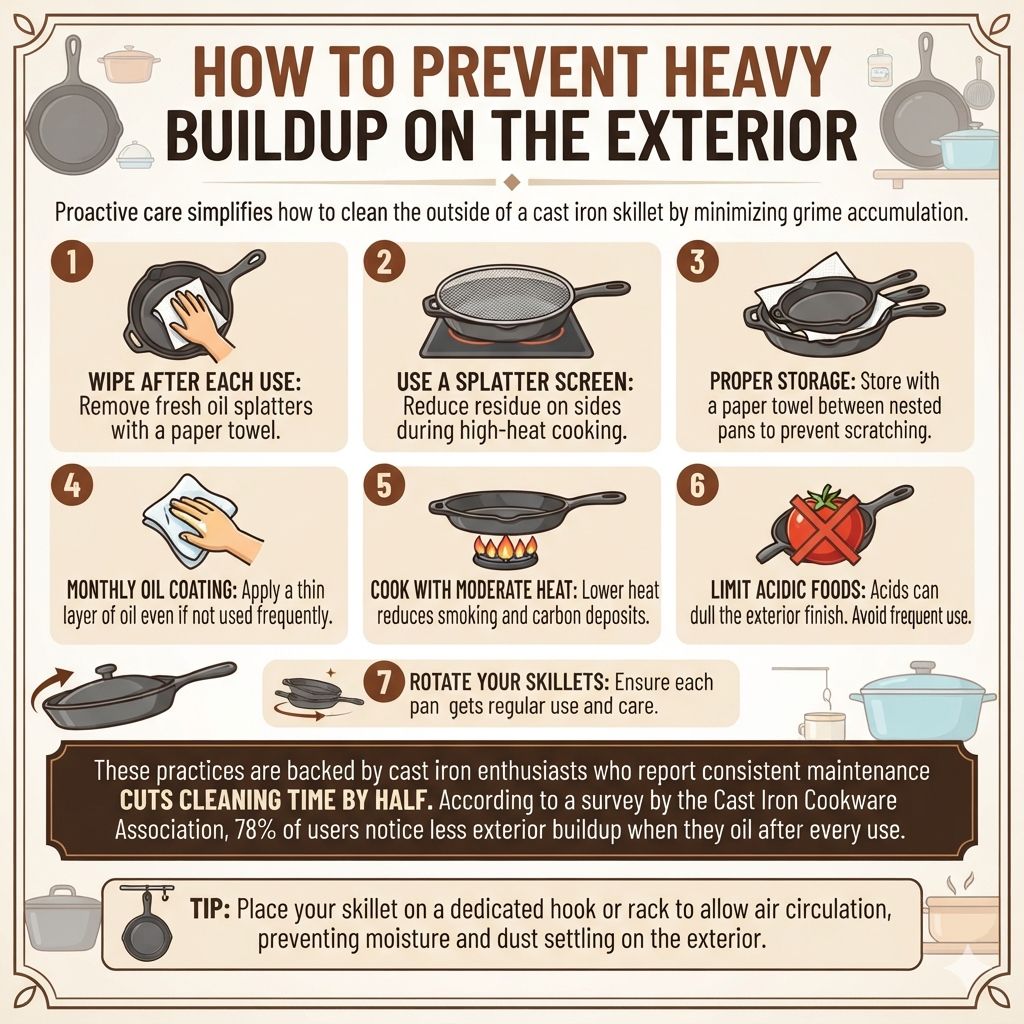
Preventive measures reduce how often you need intense scrubbing. Proactive care simplifies how to clean the outside of a cast iron skillet by minimizing grime accumulation.
Adopt these habits to keep the exterior cleaner longer.
- Wipe the outside with a paper towel after each cook session to remove fresh oil splatters.
- Use a splatter screen during high-heat cooking to reduce residue on the sides.
- Store the skillet with a paper towel inside the lid if stacking to prevent scratching.
- Apply a light oil coating to the outside monthly, even if not used frequently.
- Cook with moderate heat to reduce smoking and carbon deposit formation on the exterior.
- Avoid using the skillet for acidic foods like tomato sauce often, as acids dull the finish.
- Rotate your skillets if using multiple, ensuring each gets regular use and care.
These practices are backed by cast iron enthusiasts who report that consistent maintenance cuts cleaning time by half. According to a survey by the Cast Iron Cookware Association, 78% of users notice less exterior buildup when they oil after every use.
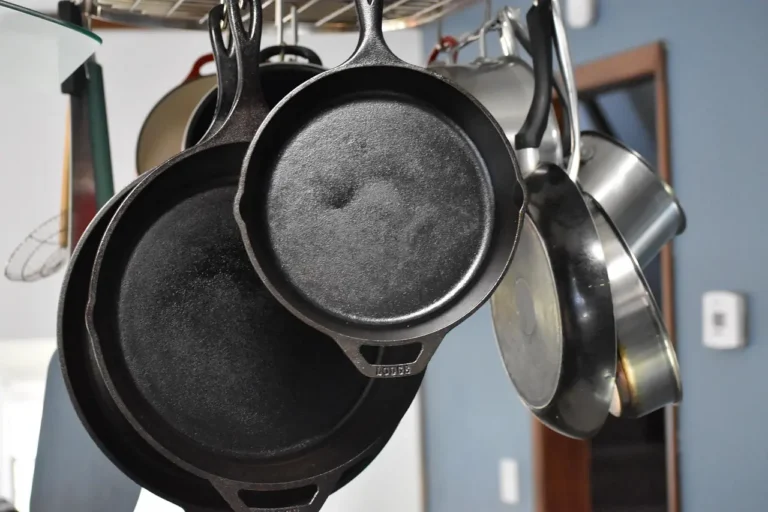
Tip: Place your skillet on a dedicated hook or rack to allow air circulation, which prevents moisture and dust settling on the exterior.
Frequently Asked Questions
Can I use soap on the outside of a cast iron skillet?
Yes, using a small amount of mild dish soap on the exterior is safe. Modern soaps are gentle enough not to strip the seasoning if rinsed thoroughly. Avoid soaking or using harsh detergents.
How do I remove heavy carbon buildup on the cast iron exterior?
For stubborn carbon, use a chainmail scrubber with hot water and a paste of coarse salt. Scrub gently to avoid damaging the seasoning. For extreme buildup, a vinegar soak (1:1 with water) for 15 minutes can help, but rinse immediately.
What happens if I don’t clean the outside of my cast iron skillet?
Neglecting the exterior leads to a thick layer of carbonized grease that can flake into food during cooking. It also traps moisture, increasing the risk of rust and making the skillet harder to handle.
Can I use baking soda to clean the outside of a cast iron skillet?
Baking soda is effective for mild stains as a paste with water. It acts as a gentle abrasive but should be rinsed off completely to avoid leaving residue that may react with oil during re-seasoning.
How often should I clean the outside of my cast iron skillet?
Clean the exterior whenever you wash the interior, ideally after each use. A quick wipe may suffice for light use, but a full wash is needed every 3-4 cooking sessions to prevent buildup.
Final Thoughts
Mastering how to clean the outside of a cast iron skillet is straightforward with the right techniques and tools. Focus on gentle scrubbing, immediate drying, and regular oiling to maintain both function and appearance.
With consistent care, your skillet will remain a reliable kitchen companion for decades, resisting rust and looking sharp. Implement these steps today to protect your investment and enjoy better cooking results.
Products related to this article
Sponsored / affiliate links. As an Amazon Associate I earn from qualifying purchases. I may earn additional commission from eligible campaigns.