How To Cook Pork Chops: Proven Juicy Results
For perfectly juicy pork chops every time, sear them in a hot cast iron skillet and let them rest. This method locks in moisture for tender, flavorful results that are surprisingly easy to achieve, even for beginners.

Amazon Grocery
Amazon Grocery, Pork Loin Center-Cut Chops Thin-Sliced,…
- One boneless thin sliced pork loin center-cut chops weighing between 0.5 and 1.5 pounds
- Our pork is delivered in an easy-to-open, leak-proof casing. The freezer-ready packaging allows the meat to stay fresh longer
- Amazon Grocery has all the favorites you love for less. You'll find everything you need for great-tasting meals in one shopping tr…
As an Amazon Associate I earn from qualifying purchases.
For a related kitchen decision, Crock Pot Casserole Cooking Times adds another practical detail to check.
For a related kitchen decision, How To Cook Potatoes In A Skillet: Proven adds another practical detail to check.
For a related kitchen decision, How To Cook Pork Chops In A Skillet: The Proven Way adds another practical detail to check.
Ever looked forward to a delicious pork chop dinner, only to end up with dry, tough disappointment? You’re not alone! Many home cooks find pork chops a bit tricky. The quest for that tender, juicy bite can feel like a culinary puzzle. But what if I told you that achieving succulent pork chops is simpler than you think? With a few key techniques and a trusted cast iron skillet, you can transform your weeknight meals from so-so to sensational. Get ready to boost your confidence in the kitchen – we’re diving into how to cook pork chops that are consistently, wonderfully juicy.
Why Cast Iron is Your Secret Weapon for Juicy Pork Chops
When it comes to getting those perfect, golden-brown edges and a juicy interior, a cast iron skillet is an absolute game-changer. Its incredible heat retention means it gets hot and stays hot. This intense, even heat is crucial for searing, which creates a delicious crust on the outside of your pork chops while keeping the inside moist and tender. Unlike thinner pans, cast iron doesn’t fluctuate wildly in temperature when you add your chops, ensuring a consistent sear rather than steaming.

Choosing the Right Pork Chops
Before we even think about cooking, let’s talk about the star of the show: the pork chop itself. Not all chops are created equal, and choosing wisely is the first step towards juicy success.
- Thickness Matters: Aim for chops that are at least 1 inch thick, and ideally 1.5 to 2 inches. Thinner chops cook too quickly, making it very hard to avoid drying them out. Thicker cuts give you more margin for error.
- Bone-in vs. Boneless: Bone-in pork chops often have more flavor and tend to stay juicier because the bone helps insulate the meat during cooking. However, boneless chops can also be delicious if cooked properly.
- Cut Type:
- Rib Chops (or Loin Chops): These are often the most tender and flavorful, with a beautiful cap of fat.
- Sirloin Chops: These can be very flavorful but sometimes a bit tougher.
- Tenderloin Chops: While very tender, they are much leaner and cook very quickly, so they require extra attention.
- Color and Marbling: Look for pork that has a nice pinkish color. Some light marbling (little flecks of fat within the muscle) is good, as this fat will melt during cooking and add moisture and flavor. Avoid chops that look gray or excessively dry. The USDA’s Food Safety and Inspection Service has great resources on pork quality.
Tools You’ll Need
You don’t need a fancy chef’s kitchen to make amazing pork chops. Here’s what will help you get started:
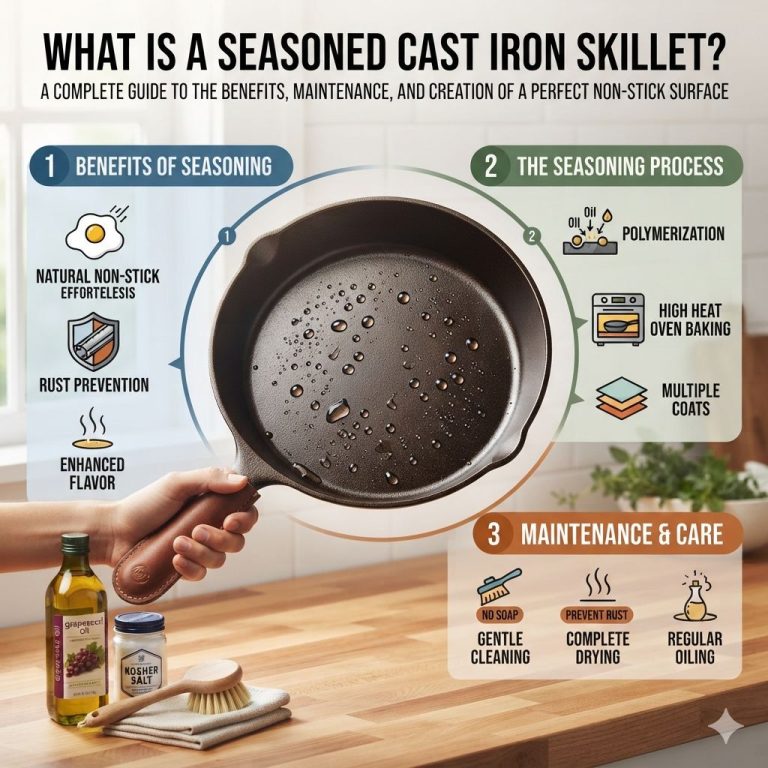
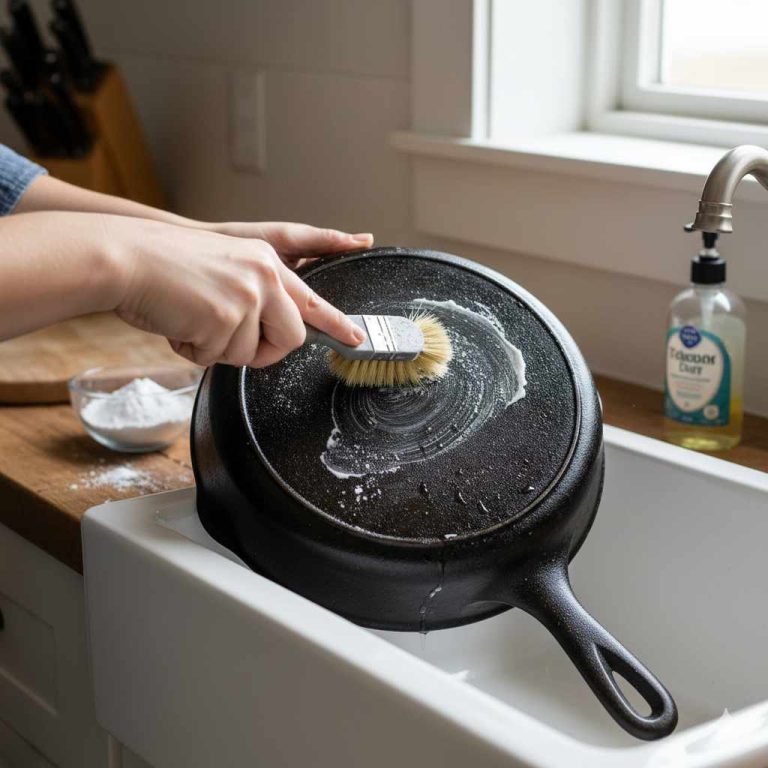
- Cast Iron Skillet: This is key! If you don’t have one, this is a great excuse to invest. They’re durable and make a huge difference. (A well-seasoned is best!)
- Tongs: For safely flipping your chops without piercing them.
- Meat Thermometer: Essential for ensuring your pork is cooked to the perfect internal temperature without overcooking. An instant-read thermometer is a must-have kitchen tool!
- Plate or Cutting Board: For resting the chops after cooking.
- Paper Towels: For patting the chops dry.
- Your Favorite Seasonings: Salt, pepper, garlic powder, onion powder, paprika – whatever you love!
The Simple Steps to Juicy Pork Chops in a Cast Iron Skillet
Ready to create culinary magic? Follow these easy steps, and you’ll be enjoying perfectly cooked pork chops in no time. This method focuses on a fantastic sear and proper resting for maximum juiciness.
Step 1: Prep Your Pork Chops
This step is super important for a great sear and even cooking. Don’t skip it!
- Bring to Room Temperature: Take your pork chops out of the refrigerator about 20-30 minutes before you plan to cook them. Letting them come closer to room temperature helps them cook more evenly. If they’re
too cold, the outside might cook too quickly before the inside is done. - Pat Them Dry (Seriously!): Use paper towels to pat the pork chops completely dry on all sides. Moisture is the enemy of a good sear. A dry surface will allow the pan to get those beautiful brown crusts.
- Season Generously: This is where you build flavor! Season both sides of the pork chops liberally with salt and black pepper. Don’t be shy! You can add other seasonings now too, like garlic powder, onion powder, or paprika. For a simple yet delicious flavor, good quality salt and pepper are often all you need.
Step 2: Heat Up Your Cast Iron Skillet
Getting the pan to the right temperature is crucial for that perfect sear.
- Place the Skillet on the Stove: Put your cast iron skillet on the stovetop over medium-high heat. Let it preheat for about 5 minutes. You want the pan to be nice and hot.
- Add Oil: Once the skillet is hot, add about 1-2 tablespoons of a high smoke point oil, like canola, vegetable, or grapeseed oil. Swirl the pan to coat the bottom. The oil should shimmer, but not smoke excessively. If it’s smoking heavily, your pan is too hot.
Step 3: Sear and Cook Your Pork Chops
This is the exciting part where the magic happens!
- Lay the Chops in the Pan: Carefully place the seasoned pork chops into the hot skillet. You should hear a satisfying sizzle immediately. If you don’t hear a sizzle, your pan isn’t hot enough.
- Don’t Move Them! This is the most important rule for searing. Let the chop cook undisturbed for about 3-5 minutes per side. The exact time will depend on the thickness of your chops and the heat of your stove. You’re looking for a deep golden-brown crust to form.
- Flip and Sear the Other Side: Using your tongs, carefully flip the pork chops to sear the other side. Again, let them cook undisturbed for another 3-5 minutes until a similar crust forms.
- Reduce Heat and Finish Cooking: Once both sides are nicely seared, lower the heat to medium or medium-low. Continue cooking, flipping every few minutes, until the pork chops reach your desired internal temperature. This ensures they cook through without burning the exterior.
Step 4: Check for Doneness with a Thermometer
This step is non-negotiable for perfectly cooked pork. Guessing can lead to dry chops!
- Insert the Thermometer: Carefully insert an instant-read meat thermometer into the thickest part of the pork chop, avoiding any bone.
- Target Temperature: For juicy and safe pork, aim for an internal temperature of 145°F (63°C). The USDA recommends this temperature, which might look slightly pink in the center, but is perfectly safe and incredibly juicy.
- What If They’re Not Ready? If they haven’t reached 145°F, continue cooking, flipping occasionally, and checking the temperature every couple of minutes.
Step 5: Rest Your Pork Chops
This is another CRUCIAL step that many people skip, and it makes a world of difference in juiciness!
- Transfer to a Plate: Once your pork chops reach 145°F, immediately remove them from the hot skillet and place them on a clean plate or cutting board.
- Tent with Foil (Optional): You can loosely tent the plate with aluminum foil. This helps keep them warm.
- Let Them Rest: Let the pork chops rest for at least 5-10 minutes (longer for very thick chops). During cooking, the juices in the meat are pushed towards the center. Resting allows these juices to redistribute evenly throughout the chop. If you cut into them too soon, all those delicious juices will run out onto your plate, leaving you with dry meat.
Step 6: Serve and Enjoy!
Your perfectly juicy pork chops are ready to be devoured!
- Serve Warm: After resting, serve your pork chops immediately.
- Accompaniments: They pair wonderfully with mashed potatoes, roasted vegetables, a fresh salad, or your favorite side dishes.
A Quick Glance at Cooking Times (for 1.5-inch thick chops)
These times are approximate and can vary based on your stove and skillet. Always use a thermometer to confirm!
| Step | Estimated Time | Internal Temperature (Ideal) |
|---|---|---|
| Sear Side 1 | 3-5 minutes | N/A |
| Sear Side 2 | 3-5 minutes | N/A |
| Cook After Searing (Reduce Heat) | 6-12 minutes (flipping occasionally) | 145°F (63°C) |
| Resting Time | 5-10 minutes | N/A (temperature will rise slightly while resting) |
Troubleshooting Common Pork Chop Problems
Even with the best intentions, sometimes things don’t go perfectly. Here are a few common issues and how to fix them.
| Problem | Possible Cause | Solution |
|---|---|---|
| Dry Pork Chops | Overcooked; Not rested long enough; Chops too thin. | Use a meat thermometer and remove from heat at 145°F. Always rest chops for 5-10 minutes. Choose thicker cuts (1-1.5 inches or more). |
| Tough Pork Chops | Overcooked; Wrong cut of pork. | Avoid overcooking. Consider cuts like loin or rib chops which are naturally more tender. |
| Uneven Browning/Sear | Pan not hot enough; Chops not dry enough; Pan is overcrowded. | Ensure skillet is fully preheated. Pat chops very dry. Cook chops in batches if necessary so they sear rather than steam. |
| Chops Sticking to Pan | Pan not hot enough or not seasoned well; Not enough oil; Trying to move chops too soon. | Preheat skillet thoroughly. Use adequate oil. Let chops sear undisturbed for several minutes to release naturally. Ensure your cast iron is well-seasoned. |
Elevating Your Pork Chop Experience: Flavor Boosters
Once you’ve mastered the basic juicy technique, you can start experimenting with flavors!
- Herbs: Add fresh sprigs of rosemary or thyme to the pan during the last few minutes of cooking. The aroma is incredible!
- Garlic: Smash a few cloves of garlic and toss them in the pan with the chops to infuse their flavor.
- Butter Basting: In the final minutes of cooking, add a tablespoon or two of butter, some garlic cloves, and herbs to the skillet. Tilt the pan and spoon the melted butter over the chops for a rich, glossy finish. This is a classic technique perfected by chefs and is surprisingly simple to do.
- Sauces: A simple pan sauce made with deglazed drippings, a splash of broth or wine, and perhaps a touch of cream can take your meal to the next level.
When to Consider Different Cooking Methods
While cast iron searing is fantastic, other methods can also yield great results:
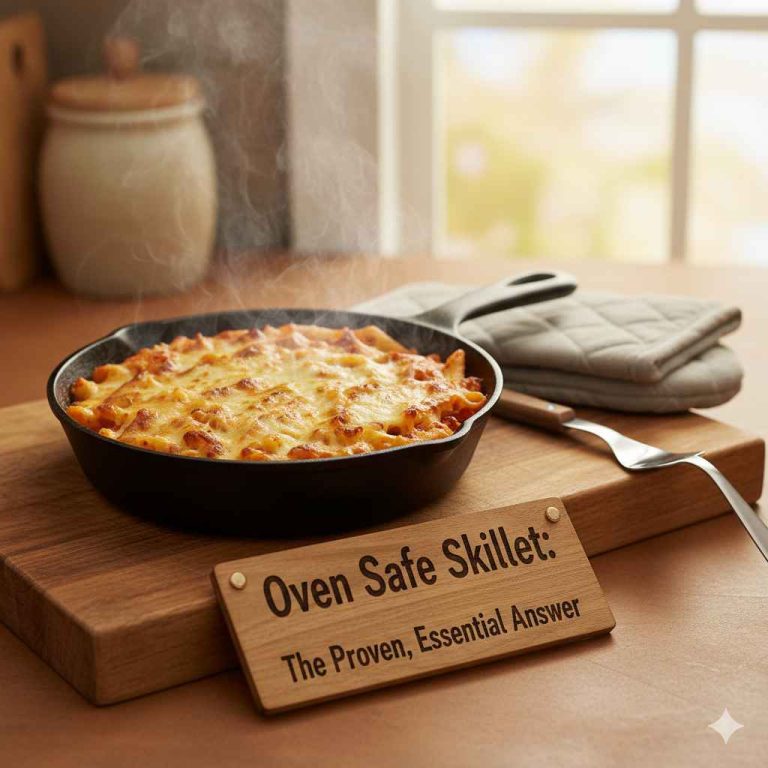
- Oven-Finishing: For very thick chops (over 1.5 inches), you can get a great sear in cast iron and then transfer the skillet to a preheated oven (around 375°F or 190°C) to finish cooking to temperature. This prevents the outside from overcooking before the inside is ready.
- Braising: For tougher cuts or if you’re aiming for fall-apart tender, braising in liquid (like broth, wine, or cider) in a Dutch oven or covered pot is excellent. This method is more about slow cooking until tender rather than searing for a crust.
- Grilling: Grilling pork chops can impart a wonderful smoky flavor. Similar principles apply: achieve a good sear and cook to the correct internal temperature, then rest.

Frequently Asked Questions About Cooking Pork Chops
Q1: How do I know when pork chops are fully cooked?
The safest and most accurate way is to use a meat thermometer. Insert it into the thickest part of the chop, avoiding bone. For juicy, safe pork, aim for 145°F (63°C).
Q2: Can I cook pork chops directly from frozen?
It’s not recommended for best results. Frozen chops won’t sear properly, and it’s very difficult to cook them evenly without drying them out. Thaw them in the refrigerator first.
Q3: My pork chops are tough. What did I do wrong?
Toughness usually comes from overcooking or cooking a less tender cut for too long without moist heat. Make sure to cook to 145°F and always rest them! Choosing thicker, well-marbled chops also helps.
Q4: Why do my pork chops stick to the pan?
This often happens if the pan isn’t hot enough when the chops go in, if the chops aren’t dry, or if you try to move them before they’ve formed a good sear and released naturally. Preheating and patting dry are key!
Q5: Is it okay for pork chops to be pink inside?
Yes! According to the USDA, a safe internal temperature for pork is 145°F (63°C), which may result in a slightly pink center. This indicates that the pork is juicy and not overcooked. If you prefer no pink, aim for 150-155°F, but be aware they will be less juicy.
Q6: How long should I rest my pork chops?
A minimum of 5-10 minutes is recommended for chops 1 inch thick or more. This allows the juices to redistribute, making the meat more tender and moist.
Conclusion
There you have it! Cooking pork chops that are incredibly juicy and full of flavor is completely achievable, even if you’re new to the kitchen. By choosing the right cut, mastering the art of the sear in a cast iron skillet, using a thermometer to hit that perfect 145°F, and most importantly, allowing your chops to rest, you’ll consistently produce delicious results. Don’t let the fear of dry pork hold you back any longer. With these proven steps, you have everything you need to confidently create wonderful pork chop dinners that everyone will love. Happy cooking!
Related pick: Check today's price on Amazon
Products related to this article
Sponsored / affiliate links. As an Amazon Associate I earn from qualifying purchases. I may earn additional commission from eligible campaigns.