Pre-Seasoned Cast Iron vs Unseasoned Cast Iron
Pre-seasoned cast iron is ready to cook after a wash and dry. Unseasoned iron starts bare and needs a seasoning layer before it cooks well. Pick pre-seasoned if you want less setup; pick unseasoned for restoration work or to build your own finish. Skip the wrong choice and you can end up with sticky food, rust, or extra stripping work. This guide compares day-one condition, failure points, and when to build, strip, or restore.
| Decision factor | Pre-Seasoned Cast Iron | Unseasoned Cast Iron | Winner |
|---|---|---|---|
| Day-one use | Can cook after a wash and dry; factory seasoning gives rust protection on arrival. | Usually needs at least two or three seasoning rounds before regular use. | Pre-Seasoned Cast Iron |
| First-week cooking feel | Usable immediately, but the factory layer is thin and not fully nonstick. | Rough, dry, and sticky until you build a bonded layer. | Pre-Seasoned Cast Iron |
| Setup work | Quick rinse, dry, then cook unless the coating is patchy, sticky, or flaking. | Needs cleaning, seasoning, and close attention before first use. | Pre-Seasoned Cast Iron |
| Best fit | Beginners who want a ready pan and minimal setup. | Restoration projects, custom seasoning, or pans meant to be rebuilt from bare metal. | Tie |
| Failure risk | Can arrive with a weak, gummy, or uneven finish that should be stripped if it flakes or stays sticky. | Can rust fast if left bare, or after cleaning delays. | Tie |
What comes in a pre-seasoned box and why it still sticks
Pre-Seasoned Cast Iron means the factory has already applied a light seasoning layer, so the pan arrives black and protected from rust. You can cook on it after a wash and dry, but that first coat is thin and will not make the pan fully nonstick on day one.
What it feels like on day one
A common benchmark is a Lodge cast iron skillet: sand-cast, left as-cast, black on arrival, and sold pre-seasoned. Lodge’s own day-one instruction is simple: rinse, dry, cook. That is a ready-to-use start, not a finished nonstick finish.
The difference matters because a thin factory layer can handle the first meal, but it still needs more seasoning through use. If the surface is patchy, sticky, or flaking, do not keep cooking over the defect. Strip and rebuild the finish instead.
Why it is not fully nonstick
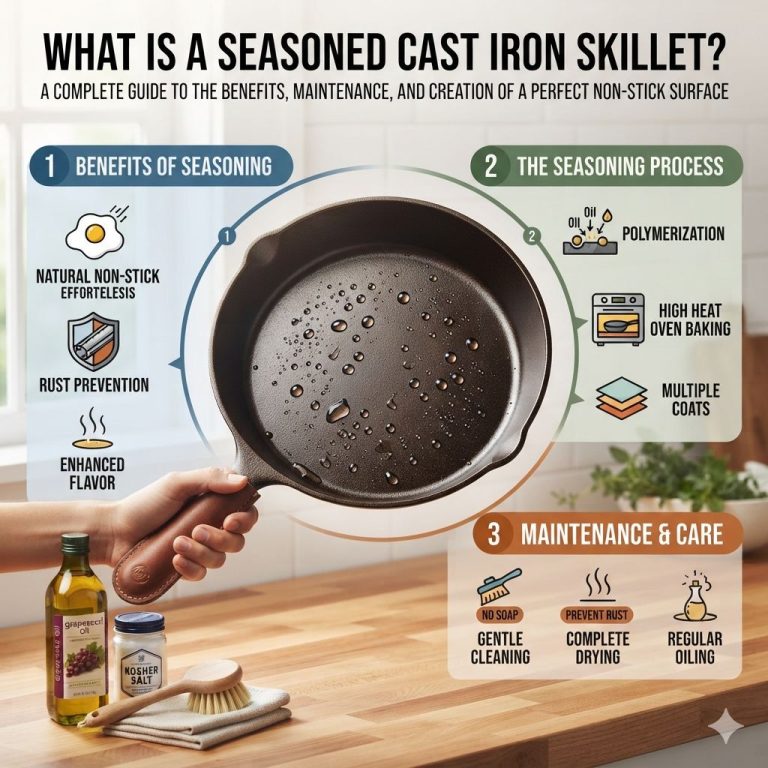
Seasoning is a polymerized oil layer, which means oil heated past its smoke point changes into a bonded coating. That layer protects against rust and helps food release. A factory coat is only the first version of that layer, so the pan can still grab eggs or dry food at first.
What does unseasoned cast iron mean?
Unseasoned Cast Iron is raw gray iron with no finished seasoning layer on it yet. It may arrive oiled or waxed for shipping, and it may show surface rust before you ever cook with it. That surface needs seasoning before regular use.
Raw gray iron and shipping oil or wax
Bare cast iron is often left gray and matte. Some pans ship with a light oil or wax film to slow rust, but that is not the same thing as a bonded cooking surface. If the coating has not been heat-built into seasoning, the pan can still stick badly.
Because the metal is exposed, rust can appear fast if the pan sits damp. That is the main difference between a raw pan and a pre-seasoned one on day one. One has a first layer already in place; the other has only bare iron and temporary shipping protection. (GSU)
Why rust can appear fast
Cast iron reacts to moisture easily. If you wash raw iron and leave it wet, the surface can flash rust before you get to seasoning. That is why a bare pan needs quick drying and at least two or three seasoning rounds before regular use.
How does cast iron seasoning work?
Seasoning works when oil bonds to the iron and forms a hard, plastic-like network. That bonded surface turns darker, blocks rust better, and releases food more easily than bare metal. Each time you cook with fat, a small amount of new seasoning can form and add to the layer.
Polymerized oil layer
Seasoning is not a greasy coating sitting on top of the pan. Heat changes the oil into a bonded film through polymerization, which is the chemical linking of oil molecules into a tougher network. That is why a properly seasoned pan behaves differently from a pan that was only wiped with oil.
Why heat matters
Heat is what changes the oil from liquid to a bonded layer. The oven seasoning method usually uses a thin oil coat, upside-down baking, around 450–500°F, for about an hour, then repeated rounds if needed. Too much oil leaves a gummy coat; too little leaves weak coverage.
Why repeat use builds the layer
Cooking adds small amounts of seasoning each time fat hits hot iron. That is one reason old pans often feel better after steady use. The surface does not become nonstick because of one bake alone. It improves through layers that form, harden, and wear in together.
How do you tell seasoned from unseasoned cast iron?
Look first at color and sheen. Unseasoned Cast Iron usually looks matte gray, while seasoned cast iron has a shiny black patina. Texture can help too, but texture alone does not tell you whether the pan has a finished cooking layer.
Color and sheen clues
A seasoned pan often looks darker and slightly glossy. A bare pan tends to look flat, dry, and gray. That said, a smooth machined surface can look refined even before seasoning, so do not confuse a polished texture with a finished layer.
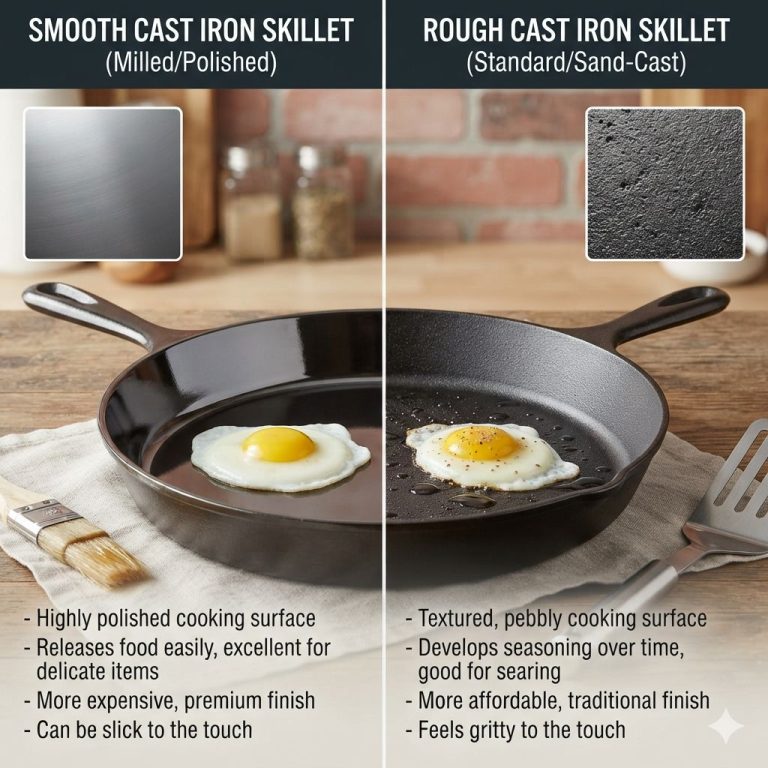
Field and Stargazer are useful examples here. Both machine the cooking surface smooth before seasoning, so the texture starts finer than a sand-cast pan. That smoothness affects the first cooking feel, but the pan still needs seasoning to perform well.
Texture versus seasoning
Surface finish and seasoning are separate things. Lodge is the common sand-cast benchmark, with a pebbled texture left from casting. Field and Stargazer use a smooth cooking surface, but they still rely on seasoning for rust protection and food release.
Say your skillet feels smooth to a finger swipe but still shows a chalky gray color. That points to surface machining, not a finished seasoning layer. The pan may be well made, but it still needs heat-built seasoning before it cooks like a seasoned skillet.
When rust means bare iron
Rust on a pan does not always mean the whole skillet is ruined. It does mean the protective layer has failed in that spot. If you see orange or brown rust, scrub it off before re-seasoning. If the pan is sticky, patchy, or flaking, strip it and start over.
Seasoning and restore steps
Use the oven seasoning method when a bare pan needs its first coating or when a sound pan needs a stronger layer. Keep cooking instead when the existing seasoning is intact and only needs gradual building. Strip and rebuild when the factory finish fails or the pan starts shedding sticky layers.
Oven seasoning method
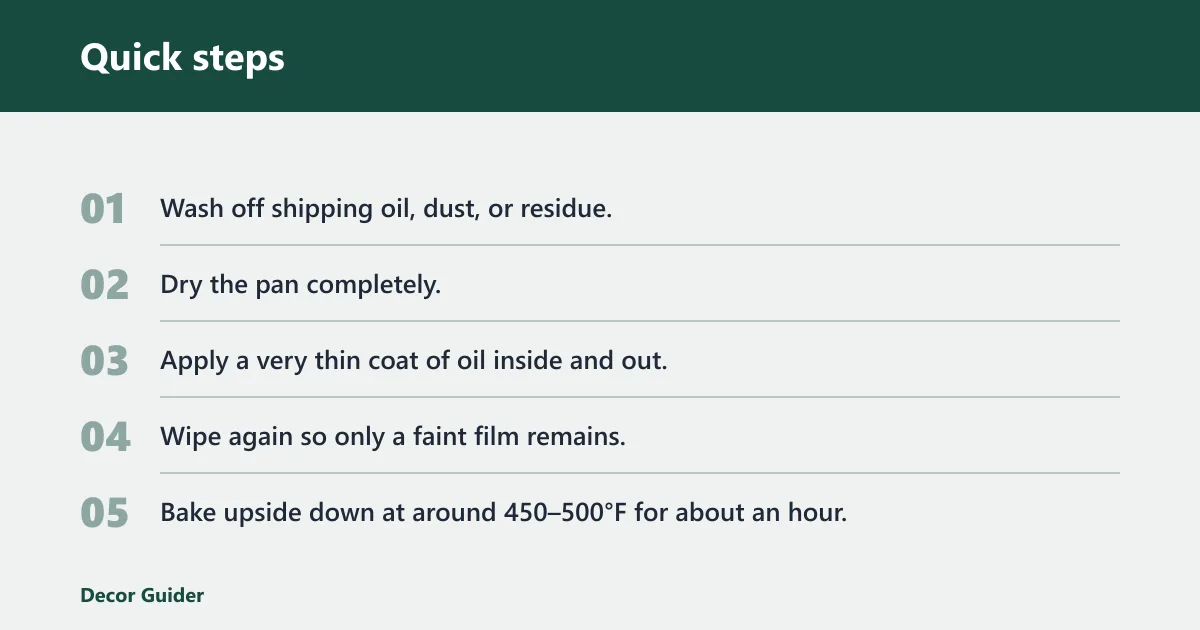
- Wash off shipping oil, dust, or residue.
- Dry the pan completely.
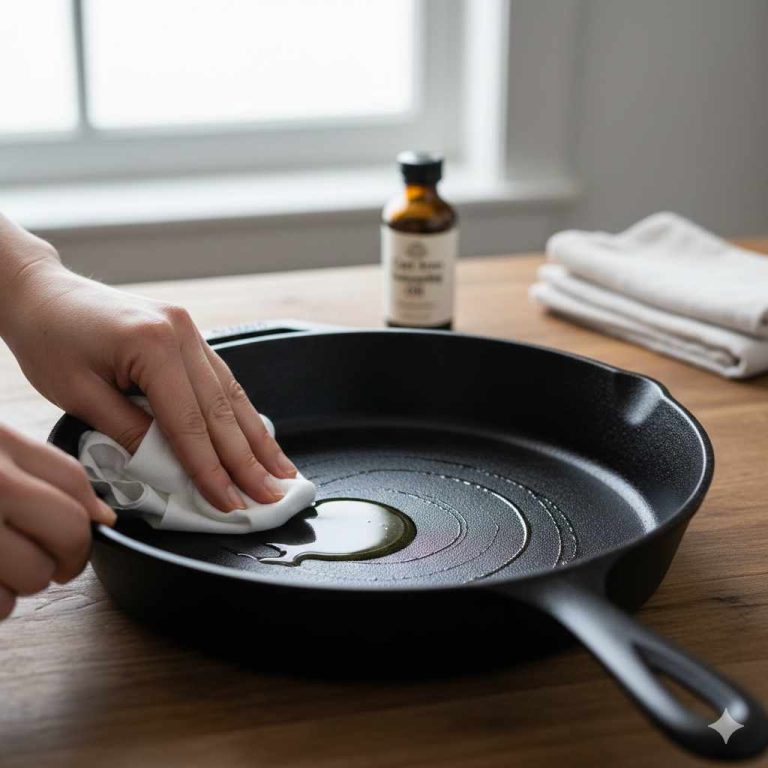
- Apply a very thin coat of oil inside and out.
- Wipe again so only a faint film remains.
- Bake upside down at around 450–500°F for about an hour.
- Cool fully, then repeat if the surface still looks dull or uneven.
Thin matters. A heavy coat can bake into a gummy layer instead of a hard one. That is why a thick factory film would be a problem too, it would stay soft, feel sticky, and could flake.
When to keep cooking instead
If a pre-seasoned pan is black, dry, and only slightly rough, cooking is often the best next step. Regular use with fat helps seasoning build. A brand-new pan usually does not need stripping just because it is not yet glassy or slick.
Suppose a 10-inch skillet fries potatoes well but leaves a little stuck browning on the first few uses. That is normal build-up territory, not an emergency. Keep drying it well, use a little fat, and let repeated cooking do the work.
When to strip or rebuild the finish
Strip a new pan if the factory coat is patchy, sticky, or flaking. Those are failure signs, not signs of a healthy break-in. Rebuild the finish when ordinary wear, frequent acidic cooking, or rust have pushed the surface back toward bare metal.
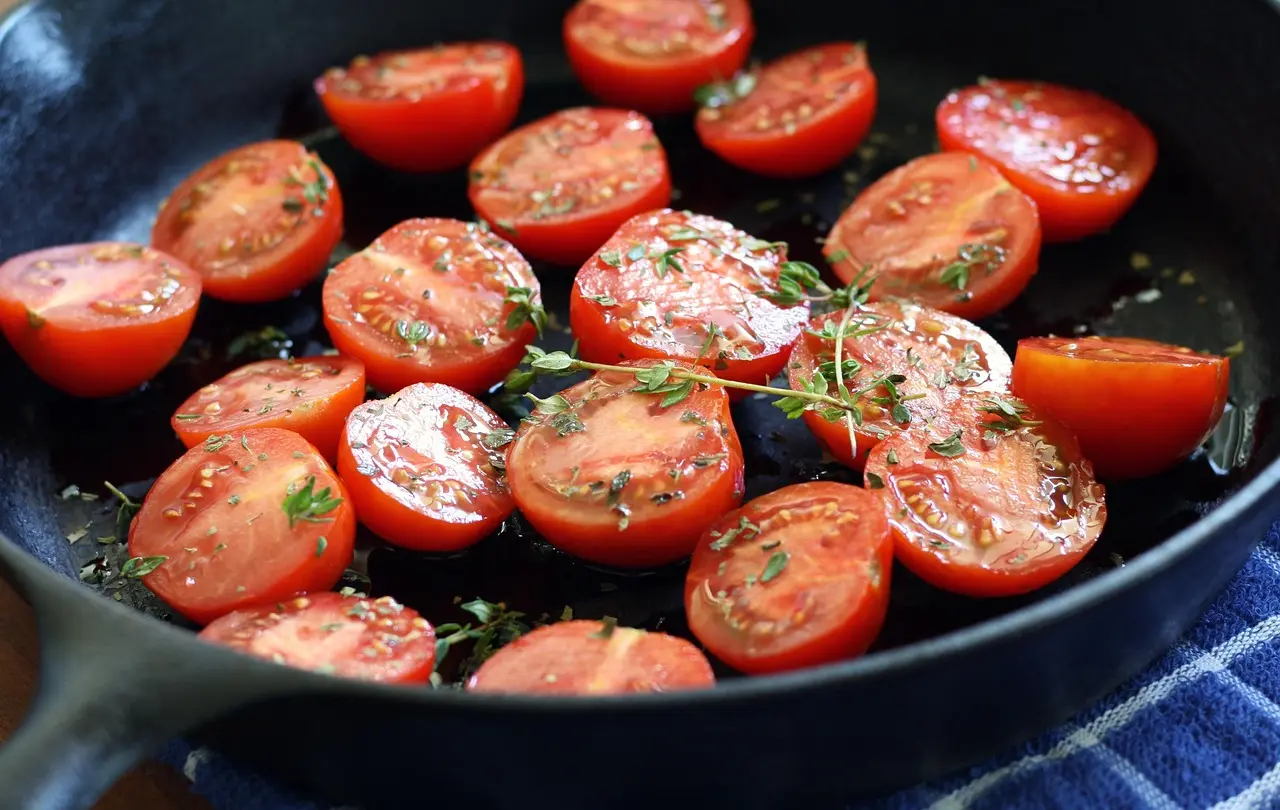
Acidic foods can damage seasoning over time, especially with long simmers or repeated tomato-based cooking. That does not ban those foods from cast iron. It does mean you may need to re-season more often after that kind of cooking.
Choose pre-Seasoned Cast iron if…
Choose Pre-Seasoned Cast Iron if you want the fastest path to cooking, minimal setup, and a skillet that can go from box to burner after a wash and dry. It is the better pick for most beginners, especially if you want a black, rust-protected pan without a build-from-scratch project.
Choose Unseasoned Cast Iron if you are restoring a vintage pan, want to build the finish yourself, or are starting from raw gray iron and do not mind seasoning work first. If the pan is sticky, patchy, or flaking, strip it. If it is simply bare and sound, season it first.

Frequently asked questions
What is the difference between pre-seasoned cast iron and unseasoned cast iron?
Pre-Seasoned Cast Iron arrives with a light factory seasoning that is black and rust-protected, so it can be cooked on after a wash and dry. Unseasoned Cast Iron is raw gray iron and usually needs at least two or three seasoning rounds before regular use. One is ready sooner; the other starts bare.
Is pre-seasoned cast iron ready to use right out of the box?
Yes, in practical terms it is ready after a quick wash and dry. That said, the factory layer is thin and not fully nonstick yet. Expect the first meals to build the surface, not finish it. If the new pan is sticky or flaking, do not cook through the problem.
Can you cook on unseasoned cast iron before seasoning it?
You can, but it is a poor idea for regular use. Bare iron sticks more, rusts faster, and gives weak release until a seasoning layer forms. If you need reliable cooking, season first. If you are restoring a pan, cook only after the surface has been built up.
How do you season a cast iron skillet at home?
Use a thin coat of oil, wipe it back until only a faint film remains, then bake the skillet upside down at around 450–500°F for about an hour. Repeat as needed. The goal is a hard bonded layer, not a greasy finish. Heavy oil usually works against you.
Does pre-seasoned cast iron still need seasoning?
Yes. The factory layer is only the starting point. Cooking with fat, careful drying, and occasional oven seasoning all help the surface improve over time. If the pan starts rusting, sticking badly, or turning dull and matte, that is a signal to re-season.
How often should cast iron be re-seasoned?
There is no fixed calendar. Re-season when rust appears, food starts sticking more than usual, the surface looks dull or matte, or the pan has seen frequent acidic cooking and general wear. A healthy pan can go a long time between full oven rounds if you keep it dry and lightly oiled after washing.
Products related to this article
Sponsored / affiliate links. As an Amazon Associate I earn from qualifying purchases. I may earn additional commission from eligible campaigns.