How To Cook Steak In A Cast Iron Skillet The Proven Best
To cook the perfect steak in a cast iron skillet, start by getting a 1.5-inch thick cut like a ribeye to room temperature. Pat it completely dry and season generously. Preheat the skillet until it smokes, add a high-smoke point oil, and sear the steak for 2-4 minutes per side for a deep brown crust. Finish with butter, garlic, and herbs before letting it rest for 10 minutes.
For a related kitchen decision, Crock Pot Casserole Cooking Times adds another practical detail to check.
Cooking a restaurant-quality steak at home can feel intimidating. Many people worry about overcooking it, undercooking it, or failing to get that perfect, crusty sear. The truth is, you don’t need a fancy grill or complicated equipment. All you need is a simple cast iron skillet and a little bit of know-how. This heavy, durable pan is the secret weapon for achieving a steak that’s incredibly juicy on the inside with a delicious, deep brown crust on the outside.
If you’ve ever felt disappointed by a gray, tough steak you made at home, you are not alone. It’s a common problem, but it’s also easy to fix. We are going to walk you through every single step, from picking the right cut of meat to the final, crucial resting period. Get ready to cook the best steak of your life, right in your own kitchen. It’s easier than you think!
Why a Cast Iron Skillet is Your Steak’s Best Friend
You might wonder what makes a cast iron skillet so special. Unlike thinner pans, cast iron is thick and heavy, which gives it some major advantages for cooking steak. Understanding why it works so well will help you feel more confident in the process.
- Superior Heat Retention: Cast iron gets hot and stays hot. When you place a cool steak onto its surface, the pan’s temperature doesn’t drop dramatically. This consistent, powerful heat is the key to creating a beautiful, even sear without steaming the meat.
- Incredible Searing Power: The direct, intense heat from the cast iron creates something called the Maillard reaction. This is the chemical process that turns the surface of the steak a deep, golden-brown and creates hundreds of new flavor compounds. In simple terms, it’s what makes the crust on a steak so delicious.
- Even Cooking: Once heated, a cast iron skillet distributes heat very evenly across its entire surface. This means your steak cooks uniformly, preventing hot spots that can burn one part of the steak while leaving another part undercooked.
- Durability and Longevity: A well-cared-for cast iron skillet can last for generations. It’s a true workhorse in the kitchen that only gets better with age as the “seasoning” (baked-on layers of oil) builds up, creating a natural non-stick surface. You can learn more about the science behind cast iron cooking from sources like Serious Eats.

Choosing Your Weapon: The Best Steak for Searing
While you can cook almost any steak in cast iron, certain cuts are better suited for this high-heat method. You want a steak that is at least 1 to 1.5 inches thick. A thicker cut allows you to get a fantastic crust on the outside before the inside gets overcooked. Thinner steaks can easily cook through before you get a good sear.
Look for steaks with good marbling. Marbling refers to the little white flecks of fat within the muscle of the meat. As the steak cooks, this fat melts, adding incredible flavor and juiciness. Here are a few of the best choices:
Top Steak Cuts for Cast Iron
- Ribeye: Often considered the king of steaks, the ribeye is known for its exceptional marbling and rich, beefy flavor. It’s very forgiving to cook and stays juicy even if slightly overcooked.
- New York Strip: This cut has a great balance of tenderness and a satisfying, beefy chew. It has less fat than a ribeye but still enough to provide excellent flavor. It also has a nice fat cap along one edge that renders down beautifully in the pan.
- Sirloin: A more budget-friendly option, top sirloin is leaner but still very flavorful. It’s a great everyday steak and performs wonderfully in a cast iron skillet. Just be careful not to overcook it.
- Filet Mignon: This is the most tender cut of steak, but it is also the leanest. While it cooks beautifully in cast iron, its mild flavor benefits greatly from a butter-basting step to add richness.
| Steak Cut | Flavor Profile | Tenderness | Best For |
|---|---|---|---|
| Ribeye | Rich, Buttery, Beefy | Very Tender | Flavor lovers who want a juicy, foolproof steak. |
| New York Strip | Strong, Beefy Flavor | Good Chew | Someone looking for a classic steakhouse experience. |
| Sirloin | Lean, Beefy | Moderately Tender | A budget-friendly choice that’s still delicious. |
| Filet Mignon | Mild, Delicate | Extremely Tender | Those who prioritize tenderness over intense flavor. |
Essential Tools and Ingredients
The beauty of this method is its simplicity. You don’t need a kitchen full of gadgets. Here is everything you need to get started.
Equipment:
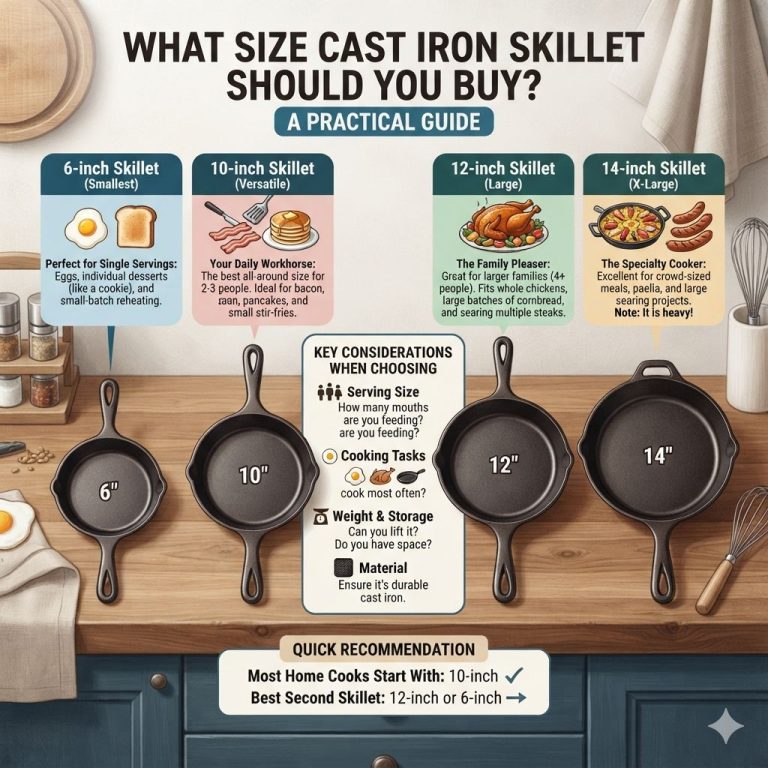
- A 10 or 12-inch Cast Iron Skillet: This is the star of the show. Make sure it’s clean and well-seasoned.
- Tongs: Long-handled tongs are essential for flipping the steak without piercing the meat, which would let precious juices escape.
- Instant-Read Meat Thermometer: This is the most important tool for cooking your steak perfectly. Guessing doneness is a recipe for disaster. A reliable thermometer is non-negotiable.
- Spoon: A large spoon for basting the steak with butter.
- Cutting Board with Juice Groove: For resting and slicing the steak.
Ingredients:
- Steak: 1 to 1.5 inches thick (Ribeye, NY Strip, or Sirloin recommended).
- High-Smoke Point Oil: Avocado oil, grapeseed oil, or canola oil are great choices. Avoid olive oil for the initial sear, as it will burn and create a bitter taste.
- Coarse Salt: Kosher salt or coarse sea salt works best. Its large crystals do a better job of seasoning the steak and helping to form a crust.
- Black Pepper: Freshly cracked black pepper for the best flavor.
- Unsalted Butter: 2-3 tablespoons. This is for basting at the end to add a rich, nutty flavor.
- Aromatics (Optional): 2-3 cloves of garlic (smashed) and a few sprigs of fresh herbs like thyme or rosemary. These add an incredible layer of flavor during the butter-basting step.
The 7 Simple Steps to a Perfect Cast Iron Steak
This is where the magic happens. Follow these steps precisely, and you’ll be rewarded with an amazing steak. Don’t rush the process—each step is important.
Step 1: Prep the Steak (The 30-Minute Rule)
Take your steak out of the refrigerator about 30-60 minutes before you plan to cook it. Letting it sit at room temperature allows it to cook more evenly. If the center is ice-cold, the outside will overcook before the inside reaches your desired temperature.
Next, and this is critical, pat the steak completely dry with paper towels. Moisture is the enemy of a good sear. A wet steak will steam in the pan instead of forming that beautiful brown crust. Pat every surface—top, bottom, and sides—until it feels dry to the touch.
Step 2: Season Generously
Don’t be shy with the salt! Season the steak very generously on all sides with coarse salt and freshly cracked black pepper. The salt not only adds flavor but also helps draw out a tiny bit of moisture from the surface, which contributes to a better crust. A good rule of thumb is about 1 teaspoon of coarse salt per pound of meat. Press the seasoning into the meat to make sure it sticks.
Step 3: Get the Skillet Screaming Hot
Place your cast iron skillet over medium-high heat and let it preheat for at least 5-7 minutes. You want it to get extremely hot. A properly preheated pan is the secret to an instant, hard sear. How do you know when it’s ready? You should see faint wisps of smoke rising from the pan’s surface. You can also test it by flicking a drop of water into the pan; if it sizzles and evaporates instantly, you’re ready to go.
Step 4: The Perfect Sear
Add about one tablespoon of your high-smoke point oil to the hot skillet. It should shimmer immediately. Carefully place your seasoned steak in the center of the pan. You should hear a loud, satisfying sizzle. If you don’t, your pan isn’t hot enough.
Let the steak sear, untouched, for 2-4 minutes per side. Do not poke, press, or move it. Let the cast iron do its work. This is how you build that amazing crust. After a few minutes, use your tongs to lift a corner and peek. You’re looking for a deep, dark brown color. Once you see it, flip the steak and sear the other side for the same amount of time.
Step 5: Butter-Baste for Glory
Once both sides are seared, reduce the heat to medium. Add the butter, smashed garlic cloves, and herb sprigs to the pan. As the butter melts and foams, carefully tilt the skillet toward you so the butter pools at the bottom. Use your large spoon to continuously scoop the foaming, fragrant butter and pour it over the top of the steak. Do this for about 1-2 minutes. This step adds incredible flavor and helps cook the steak gently.
Step 6: Check for Doneness
This is where your instant-read thermometer becomes your best friend. Sticking a thermometer into the thickest part of the steak is the only way to know for sure when it’s done. The “poke test” is notoriously unreliable.
Remember, the steak’s internal temperature will continue to rise by about 5°F as it rests. This is called carryover cooking. So, you should pull the steak from the pan when it is 5°F below your target temperature.
| Doneness | Pull from Pan Temperature | Final Resting Temperature |
|---|---|---|
| Rare | 120°F (49°C) | 125°F (52°C) |
| Medium-Rare | 130°F (54°C) | 135°F (57°C) |
| Medium | 140°F (60°C) | 145°F (63°C) |
| Medium-Well | 145°F (63°C) | 150°F (66°C) |
| Well-Done | 155°F (68°C) | 160°F (71°C) |
For more detailed information on safe cooking temperatures, you can consult the USDA’s Safe Minimum Internal Temperature Chart.
Step 7: The Crucial Rest
This might be the hardest part, but it’s absolutely essential. Transfer the cooked steak to a cutting board and let it rest for 10 minutes. During cooking, the muscle fibers in the steak tighten up and push the juices toward the center. Resting allows the fibers to relax and reabsorb those juices. If you cut into it too soon, all that delicious flavor will pour out onto your cutting board instead of staying in the steak. You can tent the steak loosely with foil if you’re worried about it getting cold, but it will stay plenty warm.
After resting, slice the steak against the grain for maximum tenderness, and serve immediately. Enjoy the fruits of your labor!
Common Mistakes to Avoid
Even with the best instructions, it’s easy to make a small misstep. Here are some of the most common mistakes people make when cooking steak in cast iron and how to avoid them.
-
- Cooking a Cold Steak: Placing a cold steak in a hot pan leads to uneven cooking. Always let your steak come to room temperature first.
- Not Drying the Steak: Any moisture on the surface will create steam, which prevents a good sear. Pat it dry!
- Using the Wrong Oil: Olive oil has a low smoke point and will burn at the temperatures needed for a good sear, creating a bitter taste. Stick to oils like avocado, grapeseed, or canola.
- Not Preheating the Pan Enough: A lukewarm pan will not give you a crust. Be patient and let the skillet get screaming hot.
– Moving the Steak Too Much: Constant flipping or moving prevents the steak from making consistent contact with the hot pan, which is necessary to form a crust. Leave it alone!
- Skipping the Rest: Cutting into a steak immediately after cooking will result in a dry, disappointing piece of meat. The rest is non-negotiable.
How to Clean and Care for Your Cast Iron Skillet
Proper care will ensure your cast iron skillet lasts a lifetime. It’s easier than you might think.
- Clean While Warm: It’s easiest to clean the skillet while it is still warm, but not scorching hot.
- Scrape Out Debris: Use a wooden spoon or a plastic pan scraper to remove any stuck-on bits of food.
- Wash with Hot Water: Use a stiff brush and hot water to scrub the pan clean. It’s a myth that you can’t use a small amount of mild dish soap. If the pan is properly seasoned, a little soap won’t hurt it. Avoid harsh detergents or steel wool.
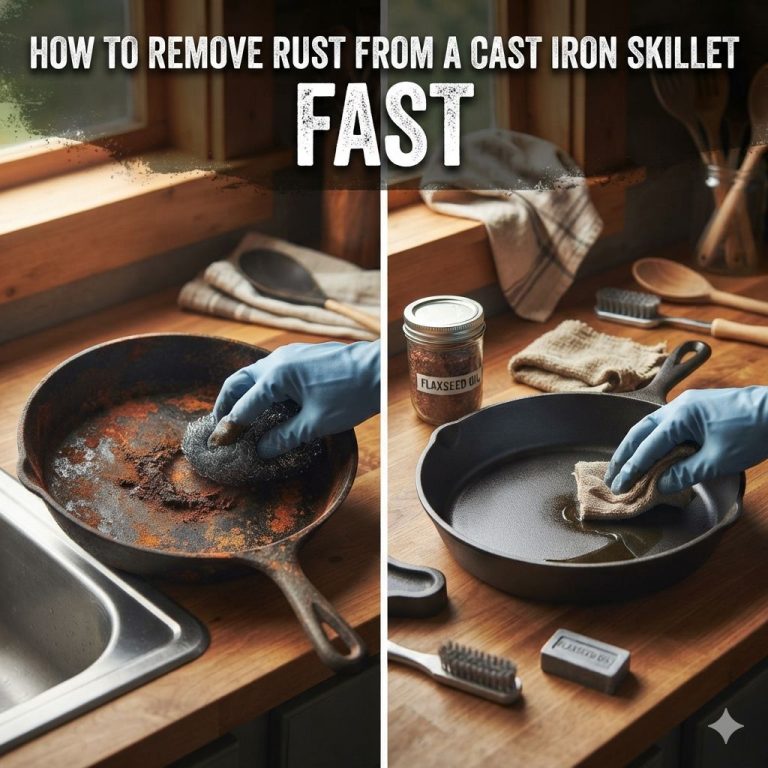
- Dry Immediately and Thoroughly: Water is the enemy of cast iron. Dry the skillet completely with a towel, then place it on the stove over low heat for a few minutes to evaporate any remaining moisture.
- Apply a Thin Layer of Oil: While the pan is still warm, pour about a teaspoon of cooking oil into it. Use a paper towel to rub the oil all over the inside surface of the pan. This protects it from rust and maintains the seasoning.
For more in-depth guidance, manufacturers like Lodge Cast Iron provide excellent resources on their websites.

Frequently Asked Questions
What is the best steak to cook in a cast iron skillet?
The best steaks are thick-cut (1.5 inches) with good marbling. Ribeye is a fantastic, flavorful choice for beginners because its high fat content makes it very forgiving. New York Strip and Sirloin are also excellent options.
Can I use butter to sear my steak?
You should not use butter for the initial sear. Butter has a low smoke point and will burn at the high temperatures needed to get a good crust, leading to a bitter taste. Use a high-smoke point oil like avocado or grapeseed oil for the sear, and add butter at the end over lower heat for flavor.
How long should I cook a steak in a cast iron skillet?
The cooking time depends on the thickness of your steak and your desired doneness. For a 1.5-inch thick steak, a good starting point is 3-4 minutes per side for medium-rare. However, the only way to be accurate is to use an instant-read meat thermometer.
Do I need to season my cast iron pan before cooking a steak?
If your pan is new, it likely came pre-seasoned. If it’s an older pan that you’ve been using, it should be ready to go. “Seasoning” on a cast iron pan refers to the baked-on layer of oil that creates a non-stick surface, not adding salt and pepper to it.
Why is my steak gray and not brown?
A gray steak is usually caused by one of three things: the steak was too wet, the pan was not hot enough, or the pan was overcrowded. This causes the steak to steam rather than sear. Make sure your steak is bone-dry and your pan is smoking hot before you start.
How do I know when to flip my steak?
Your steak will tell you when it’s ready to be flipped. It should release easily from the pan. If it’s sticking, it likely hasn’t formed a proper crust yet. Give it another 30-60 seconds and try again.
Is it necessary to let the steak rest?
Yes, absolutely. Resting is one of the most important steps. It allows the juices to redistribute throughout the meat, ensuring every bite is moist and flavorful. Skipping this step will lead to a dry steak and a puddle of juice on your cutting board.
Conclusion: You Are Now a Steak Master
Cooking a perfect, steakhouse-worthy steak at home is not a secret art; it’s a simple science. By choosing a good cut of meat, using the incredible heating power of a cast iron skillet, and following a few key steps, you can achieve amazing results every single time. From getting the skillet screaming hot to letting the finished steak rest, each part of the process plays a vital role.
Don’t be afraid to try this method. Your cast iron skillet is the best tool for the job, and with an instant-read thermometer in hand, you have everything you need to cook your steak to the exact temperature you love. So go ahead, fire up the stove, and get ready to enjoy one of the best steaks you’ve ever had, made right in your own kitchen. You’ve got this.
Products related to this article
Sponsored / affiliate links. As an Amazon Associate I earn from qualifying purchases. I may earn additional commission from eligible campaigns.