Cast Iron Seasoning Kit Cost
A cast iron seasoning kit typically costs $15 to $40, and buying the oil, scrubber, and cloth separately is often cheaper unless the kit includes a scraper, salt, or rust-removal tools. Buying the wrong bundle can mean repeated sticky seasoning, wasted oil, and still having a dull pan. This guide breaks down what belongs in a useful kit, what you can skip, and when separate parts cost less.

What a seasoning kit includes
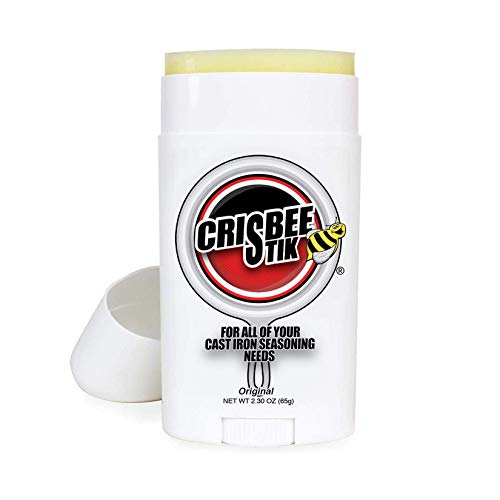
A useful cast iron seasoning kit usually bundles four things: seasoning oil or spray, a pan scraper, a scrub brush, and silicone handle protection. The real cost question is whether those items solve a maintenance need you actually have, or whether you are paying for extras that sit in a drawer.
Seasoning oil or spray

Seasoning oil is the core consumable. A kit may use a spray, a bottle, or a wax-like conditioner. The key detail is application: after cleaning and drying, apply a very thin coat, then wipe off the excess before heat sets it. That matters more than the brand name. Thick coats usually lead to sticky buildup and uneven results.
For factory-finished skillets, oil can be a maintenance item rather than a full re-seasoning solution. Field Company says its skillets are pre-seasoned several times at the factory, uses grapeseed oil for that factory finish, and says you can begin cooking right away after purchase. Even then, it also says cast iron is not truly non-stick until months of use.
Spray formats are handy for quick upkeep. Bottle and stick formats can be cheaper per ounce or easier to control on a small pan. A spray is not automatically better; it is simply easier to apply in a very thin film.
Pan scraper

A good scraper is one of the few parts worth paying for in a kit. Lodge’s included scraper is made from polycarbonate and angled for residue removal, which is exactly what you want when food has welded itself to a hot skillet surface. It is for food removal, not for grinding away seasoning.
Look for a scraper with a shape that reaches the pan’s curve and corners. Cheap flat edges can miss the rim or leave stuck bits behind, which leads to more scrubbing and more oil later. If a kit leaves this out, that lower price is less useful than it looks.
Scrub brush

A scrub brush fills the gap between wiping and scraping. A seasoning-safe brush should have stiff bristles that remove loose residue without tearing up the surface. That makes it useful after cooking, when you want debris gone but do not want to strip the seasoning layer you already built.
Brush quality matters more than many buyers expect. Too-soft bristles smear residue around. Too-abrasive tools can wear the finish faster than a simple wash requires. The best role for a brush is routine cleanup, especially on pre-seasoned pans that still need regular care, not aggressive restoration.
Silicone handle holder
A silicone handle holder is the comfort piece in the kit, but it still has a job. Lodge’s holder is rated to 500°F, which makes it practical for carrying a hot skillet, shifting it on the stovetop, or moving it after oven use. It helps with heat protection during cooking and cleaning.
It is useful, but not essential for every buyer. If you already have a thick mitt or towel, the handle cover may be redundant. If you cook with the pan often, though, it can prevent the “hot handle surprise” that leads to awkward handling and dropped pans.
Must-have items
The three must-haves are the oil or spray, the scraper, and the brush. Together they cover seasoning, stuck food, and routine residue removal. Handle protection is helpful, but it does not change the pan itself and can be skipped if you already have heat-safe protection in the kitchen.
Oil or spray for the seasoning layer
Seasoning oil is the part that actually builds and refreshes the surface. Use a very thin layer, then heat it so the oil polymerizes into the finish you want. Smoke point matters, but application matters more: a high-smoke-point oil can still fail if you leave on too much.
For routine use, a small bottle or spray can last a long time because the coating should be barely visible. That is why oil is a consumable, not a one-time buy. A bottle may outlast several brushes or a handle cover, but it still gets replaced sooner than the metal pan itself.
Scraper for stuck food
The scraper is the fast fix for bits that cling after cooking. A solid angled edge lets you lift browned food without soaking the pan, and that matters because soaking is a bad move for cast iron. It is also the least expensive part to replace if it wears out.
If your skillet is already well-seasoned, you may only need this and a little oil. If your pan often leaves heavy residue, buying a better scraper is usually smarter than buying a larger seasoning bundle.
Brush for residue removal
The brush handles the loose material that the scraper does not catch. Stiff bristles can clear crumbs, thin film, and clinging residue while still being gentle enough for seasoning-safe cleaning. That makes it a good everyday tool for cast iron owners who clean by hand.
A brush is more useful than a cloth alone when the pan still has rough bits on it. It is less useful if you already own a good nylon dish brush or another stiff cleaning tool that you trust on cookware.
Nice-to-have extras
Extras can improve convenience, but they should not drive the purchase unless they match your routine. A kit with more accessories is not automatically better. It is better only if the added parts save you from buying separate items later.
Handle cover upgrades
Silicone handle protection is the most useful add-on for people who move cast iron between burner, oven, and sink area. It helps during both cooking and cleaning, and its value rises if you regularly use a pan at high heat. If you rarely move a hot skillet, it is optional.
Specialty applicators
Some kits add cloths, pads, or applicators for spreading oil. Those tools can help with even coverage, but they are not required. A common first-timer mistake is using too much oil because the applicator encourages a heavy coat, which then turns sticky instead of building a clean finish.
Storage or care add-ons
Some bundles include storage tins, instructions, or rust-care extras. These are nice, but they rarely change the core economics of the purchase. If the price climbs too high just to add packaging or a bonus cloth, the bundle is less attractive than a basic set and a separate scraper.
Consumables and spares
Consumables cost more over time than most buyers expect. Oil or spray gets replaced often. Brushes wear out slowly. Scrapers and handle holders usually last much longer unless they crack, deform, or get lost. That split matters when you compare kit cost with buying parts one at a time.
Oil replacement timing
Oil runs out first in most maintenance setups. If you season after each wash or after a few cooks, even a small bottle may need replacing several times before the brush does. This is where a kit can look cheap up front but become ordinary in long-term cost.
Brush wear and replacement
Brushes wear down more slowly, but the bristles do loosen or flatten. If the brush stops removing residue well, it becomes a frustration item rather than a helper. A mid-priced brush is often enough; premium brush prices are harder to justify unless the construction is clearly better.
When scraper and handle parts last longer
A scraper and silicone handle holder usually last longer than oil and often longer than a brush. The scraper may crack if the plastic is thin or brittle, and the holder can tear or loosen, but both are long-life parts compared with seasoning oil. That is why bundles often look better when those parts are included at a fair price.
Budget setups
Use the pan’s condition to decide what to buy. A bare skillet, a pre-seasoned skillet, a vintage pan, and a rusted pan do not need the same bundle. The cheaper setup is the one that matches the actual job, not the biggest box on the shelf.
| Setup | Best for | Typical buy | Budget read |
|---|---|---|---|
| Bare pan starter | First seasoning and routine upkeep | Oil or spray, scraper, brush | Low to mid |
| Pre-seasoned pan upkeep | Normal use after cooking | Oil or spray, scraper, optional handle cover | Low |
| Vintage or rusted pan | Heavy cleanup before maintenance | Oil, scraper, brush, rust-removal help, maybe a stronger cleaner | Mid to premium |
Cast iron seasoning kit breakdown table
This table separates bundle type from the parts inside it, then compares kit buying with DIY buying. The spend bands are broad on purpose because format, size, and brand change the total. A $19.99 Lodge care kit sits in the low end of the common range, while more complete bundles can climb well above that.
| Item bundle type | Essential components | Likely use case | Expected spend band (low / mid / premium) |
|---|---|---|---|
| Basic maintenance kit | Oil or spray, scraper, brush | Pre-seasoned skillet upkeep and quick cleanup | $15-$25 / $25-$35 / $35-$40 |
| Full care kit | Oil or spray, scraper, brush, handle holder | All-in-one starter set for new owners | $19.99-$25 / $25-$35 / $35-$40 |
| Heavy-duty restoration kit | Oil plus rust-focused cleaning tools, scraper, brush | Vintage or heavily rusted pan prep | $20-$30 / $30-$45 / $45+ |
Line-item comparison: buying oil, scraper, brush, and handle protection separately often lands in the lower band if you choose basic versions. A kit is usually the better value only when the bundle price is near the cost of the oil plus two tools, or when it includes a handle holder and a decent scraper without pushing the total much higher. The Lodge care kit is listed at $19.99 and includes four pieces, which is strong value if you want all four items at once. By contrast, a premium set with specialty cleaner or restoration tools can cost more than the sum of simple replacement parts.
Say your 10-inch skillet is already seasoned, cooks eggs well, and only needs post-meal cleanup. A bottle of oil, a scraper, and a brush can be enough. The handle holder adds convenience, not a better finish.
Suppose a 12-inch pan arrived pre-seasoned but starts to look patchy after several months of use. In that case, the need is maintenance, not a full stripping job. A small kit or separate oil plus scraper is usually the smarter buy than a premium bundle.
When should you buy a kit?
Buy a kit when the included parts solve more than one real need and the price stays close to buying those parts separately. If you only need oil and a scraper, a bundle can be unnecessary. If you need all three core tools and a handle holder, a kit can be the simpler buy.
Bare skillet decision
A bare skillet often needs the most complete purchase because it starts with no useful surface protection. If you are doing initial seasoning, you want oil, a scraper, and a brush at minimum. A handle holder is optional unless you cook at higher heat or want easier handling during cleanup.
For first-time setup, a kit makes more sense when it includes clear use guidance and the tools are decent quality. If the bundle is mostly packaging, DIY parts may cost less.
Pre-seasoned skillet decision
A pre-seasoned skillet usually does not need a big purchase. It needs normal cleaning, drying, and occasional oiling. Soap is generally okay with modern dish soap, and you should not soak the pan or put it in the dishwasher. In this case, a low-cost maintenance kit or separate oil and scraper often wins.
Field Company says its pans are pre-seasoned several times, can be used right away, and still are not truly non-stick until months of use. That makes routine upkeep important, but it does not justify a heavy restoration bundle.
Vintage or heavily rusted pan decision
A vintage or heavily rusted pan is the one case where a larger bundle can make sense. You may need more aggressive cleanup tools before you even think about routine seasoning. If the kit includes rust-removal help or stronger scraping tools, the extra cost can be easier to justify.
This is also where failure risk rises. Over-oiling can leave sticky patches. A heavy coat can burn into rough residue instead of building a smooth layer. If a kit pushes a thick product format without good application control, it can cost more in fixes than it saves at checkout.
Frequently asked questions
What is cast iron seasoning?
Cast iron seasoning is the baked-on layer that comes from polymerized oil and carbon residue. It helps the pan resist rust and improves release over time. A thin layer is the goal. Thick, greasy coats usually work against you by leaving a sticky or uneven surface.
Seasoned vs pre-seasoned cast iron: what is the difference?
Pre-seasoned cast iron leaves the factory with a starter layer already on it, while seasoned cast iron may be built up by use and upkeep over time. A pre-seasoned pan is ready to cook, but it still improves with regular cooking, drying, and occasional oiling.
How do you season a cast iron pan without an oven?
You can season cast iron on the stovetop by coating the pan very lightly with oil, heating it until the oil sets, and wiping away excess as needed. This is usually a maintenance move rather than a full restoration method. It works best for quick touch-ups, not severe rust.
How do you remove seasoning from cast iron?
Removing seasoning usually means stripping the surface with a stronger cleaning method so you can start over. That is most relevant for burnt residue, sticky buildup, or rusted pans. It is more work than routine cleaning, so do it only when the current layer is failing badly.
Is a cast iron seasoning spray worth buying?
A seasoning spray can be worth buying if you want fast, even application for routine upkeep. It is less compelling if you already control oil well with a bottle or cloth. The real value is convenience, not better seasoning by itself, and thin application still matters most.
How much does cast iron cost?
Cast iron skillet prices vary widely by size, brand, and finish, so there is no single number that fits every pan. The more useful comparison is whether you are buying a bare pan that needs first-time care, or a pre-seasoned pan that only needs maintenance. That choice changes what you should spend on accessories.
Products related to this article
Sponsored / affiliate links. As an Amazon Associate I earn from qualifying purchases. I may earn additional commission from eligible campaigns.