Cast Aluminum vs Cast Iron Griddle: Which Wins?
Choosing the right griddle for your kitchen can significantly impact your cooking results, especially when comparing cast aluminum vs cast iron griddle options. Both materials offer unique benefits, but they excel in different areas, from heat retention and distribution to maintenance and longevity.
This guide will break down the key differences, helping you make an informed decision for your culinary needs and understand which griddle material is the superior choice for your home cooking adventures.
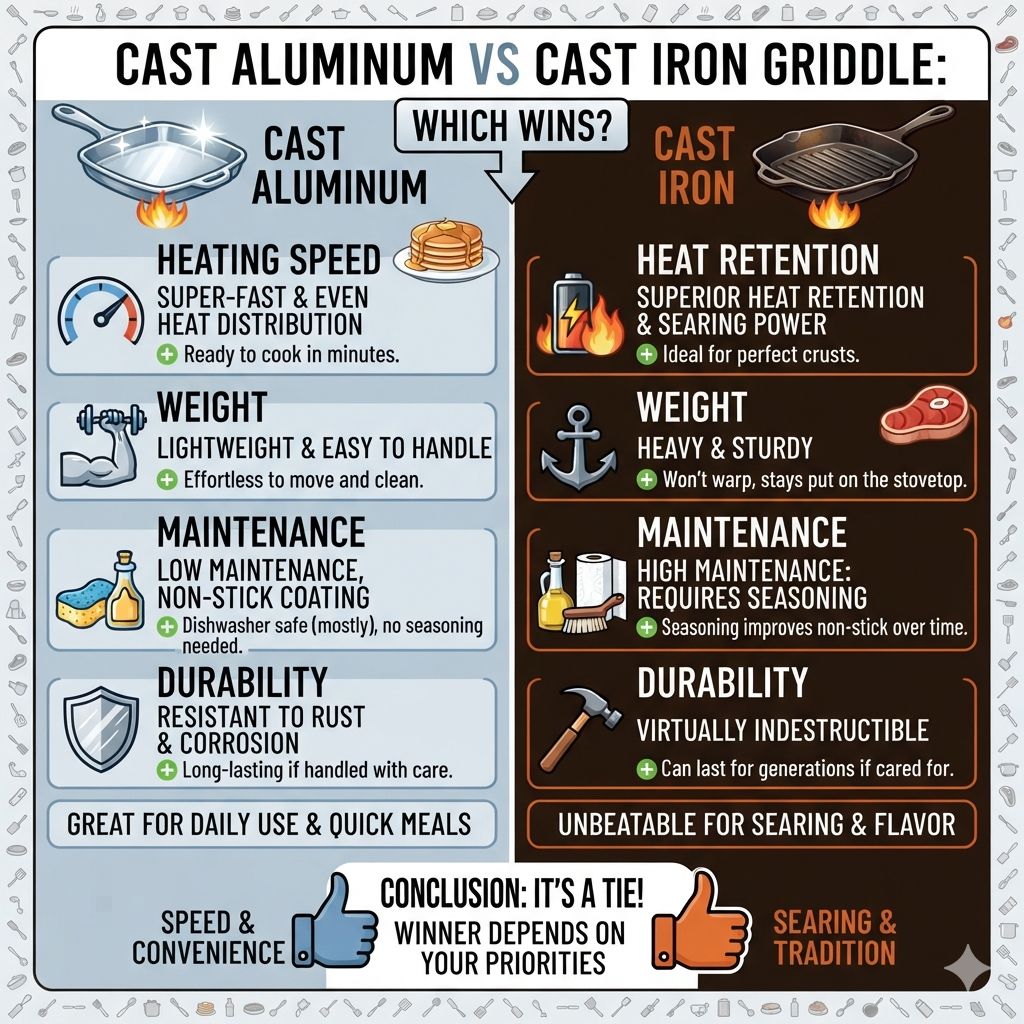
In short, cast iron griddles offer superior heat retention and a natural non-stick surface over time, making them ideal for consistent searing and durability. Cast aluminum griddles are lighter, heat up faster, and are often more budget-friendly, but may not hold heat as well. For most home cooks seeking long-term value and performance, cast iron is often the preferred choice.
Key Takeaways
- Cast iron griddles provide exceptional heat retention and distribution, leading to even cooking and excellent searing capabilities.
- Cast aluminum griddles heat up much faster and are significantly lighter, offering greater convenience in handling and storage.
- Maintenance for cast iron involves seasoning and careful cleaning to prevent rust and maintain its non-stick properties.
- Cast aluminum is generally easier to clean and requires less specialized care, making it a low-maintenance option.
- While cast iron offers superior durability and longevity, cast aluminum can be a more affordable entry point for those exploring griddle cooking.
What is a Cast Iron Griddle?
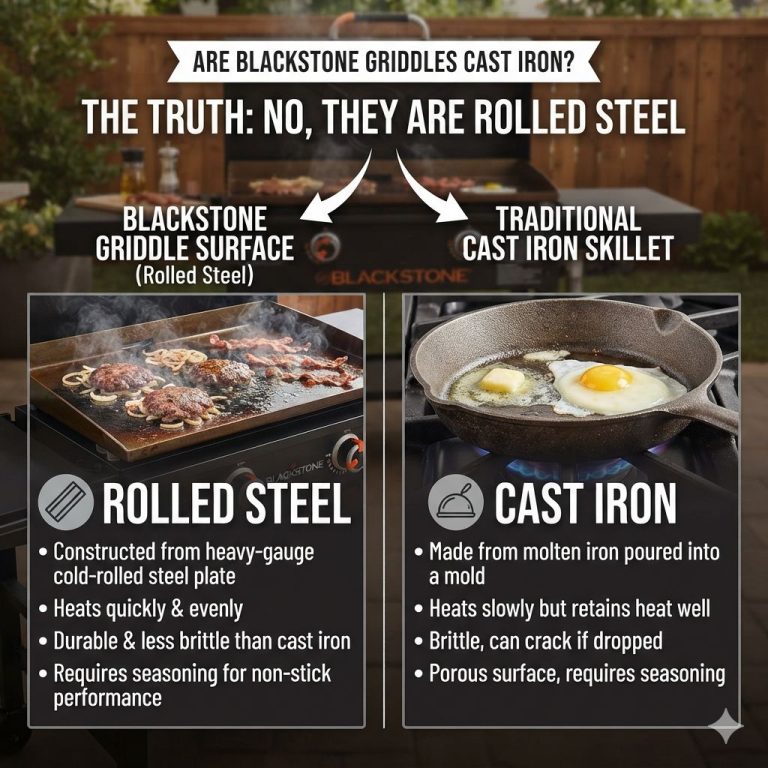
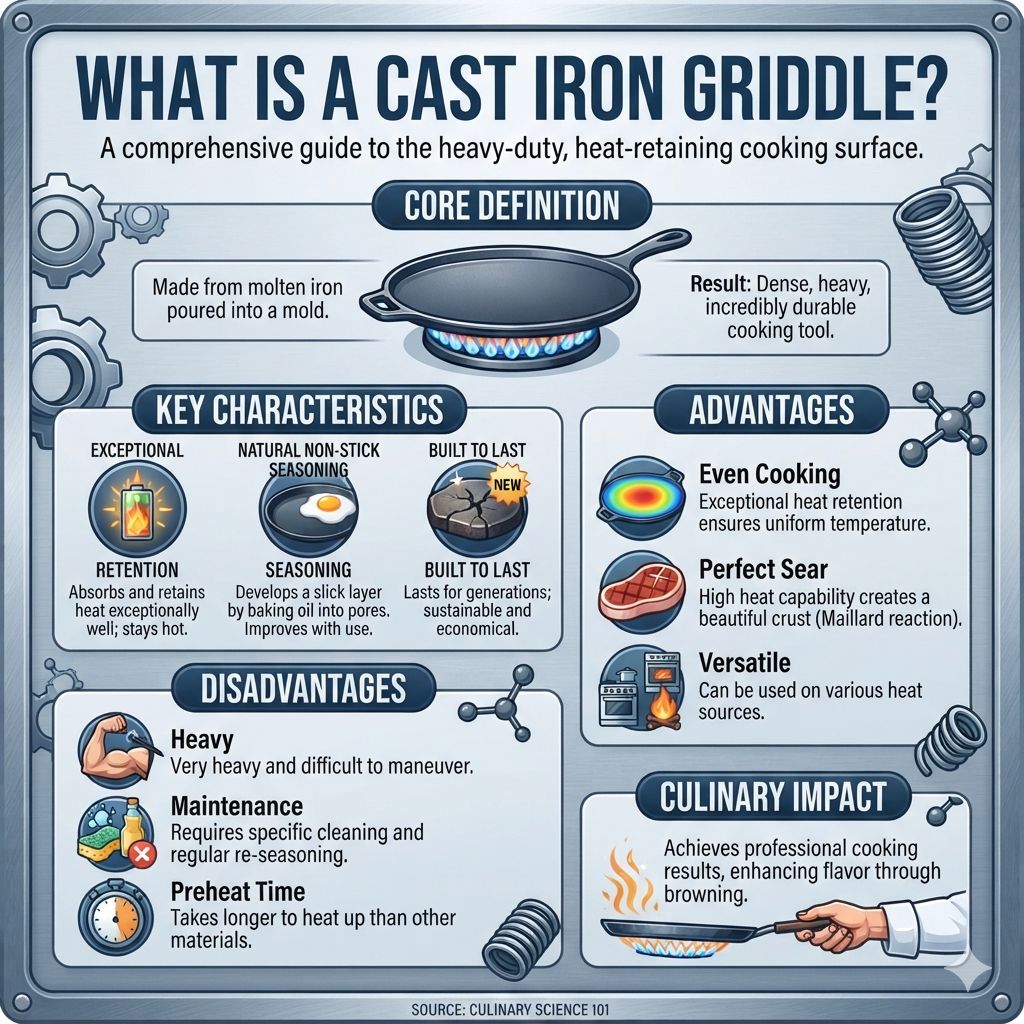
A cast iron griddle is a flat cooking surface made from molten iron that is poured into a mold. This manufacturing process results in a dense, heavy, and incredibly durable cooking tool. Cast iron is renowned for its ability to absorb and retain heat exceptionally well, meaning once it’s hot, it stays hot.
This characteristic is crucial for achieving a perfect sear on meats and maintaining consistent cooking temperatures, which is a hallmark of professional cooking.
The surface of a cast iron griddle, when properly seasoned, develops a natural non-stick coating. Seasoning involves baking oil into the pores of the iron, creating a smooth, slick surface that repels food. This non-stick quality improves with every use, making it a beloved feature for many cooks.
Unlike many modern cookware materials, cast iron is built to last for generations, making it a sustainable and economical choice in the long run, provided it’s cared for correctly.
Advantages of Cast Iron
- Exceptional heat retention for even cooking.
- Develops a natural non-stick surface over time with proper seasoning.
- Incredibly durable and can last for generations.
- Can be used on stovetops, in ovens, and even over campfires.
- Suitable for high-heat searing and achieving a beautiful crust.
- Enhances the flavor of food through the Maillard reaction.
Disadvantages of Cast Iron
- Very heavy and difficult to maneuver.
- Requires regular seasoning and specific cleaning methods to prevent rust.
- Longer preheating time compared to other materials.
- Can be brittle and crack if dropped.
- Not ideal for acidic foods, which can strip the seasoning.
What is a Cast Aluminum Griddle?
A cast aluminum griddle is crafted by pouring molten aluminum into a mold. Aluminum is a much lighter and more conductive metal than iron. This means that cast aluminum cookware heats up very quickly and distributes heat relatively evenly, though it doesn’t retain heat as long as cast iron.
Its lighter weight makes it far easier to handle, lift, and store compared to its cast iron counterpart. This portability is a significant advantage for many home cooks, especially those with limited kitchen space or who need to move their cookware frequently.
Cast aluminum griddles are often coated with non-stick finishes, such as PTFE-based coatings (like Teflon) or ceramic layers. These coatings provide an excellent initial non-stick performance, making them very user-friendly for everyday cooking. While these coatings are effective, their longevity can vary, and they may degrade over time, especially if subjected to high heat or abrasive cleaning.
The ease of cleaning and the rapid heating make cast aluminum a convenient choice for quick meals and busy households.
Advantages of Cast Aluminum
- Heats up quickly and efficiently.
- Much lighter and easier to handle than cast iron.
- Often comes with durable non-stick coatings.
- Generally more affordable than cast iron.
- Easy to clean and requires minimal specialized maintenance.
Disadvantages of Cast Aluminum
- Lower heat retention compared to cast iron.
- Non-stick coatings can wear out over time.
- May not achieve the same level of searing as cast iron.
- Less durable and prone to warping if subjected to extreme temperature changes.
- Can be more susceptible to scratching from metal utensils.
Heat Retention and Distribution: A Tale of Two Metals
The primary functional difference between cast aluminum and cast iron griddles lies in their heat characteristics. Cast iron is a champion of heat retention. Once it reaches temperature, it holds onto that heat stubbornly, providing a consistent, stable cooking surface.
This is why chefs often prefer cast iron for searing steaks, burgers, or anything that requires a hard, even sear to develop a rich, flavorful crust. The slow, steady release of heat ensures that food cooks uniformly, preventing hot spots that can lead to uneven browning.
Conversely, aluminum is a superior heat conductor. This means it heats up much faster than cast iron and distributes heat across its surface more rapidly. While it heats quickly, it also loses heat more quickly.
This makes cast aluminum griddles excellent for tasks where rapid temperature changes are beneficial, like cooking delicate items that require quick cooking or when you need to adjust heat on the fly. However, for sustained high-heat cooking or achieving a deep, lasting sear, it generally falls short of cast iron’s capabilities. The rapid heating can be a double-edged sword; while convenient, it also means the temperature can fluctuate more easily if the heat source is inconsistent.
| Feature | Cast Iron Griddle | Cast Aluminum Griddle |
|---|---|---|
| Heat Retention | Excellent; stays hot for extended periods. | Good, but loses heat more quickly than cast iron. |
| Heat Distribution | Very good; even heating once fully preheated. | Excellent; heats up rapidly and evenly across the surface. |
| Preheating Time | Longer (10-15 minutes). | Shorter (3-5 minutes). |
| Weight | Very heavy. | Lightweight. |
This table highlights the core differences in how these two metals manage heat, influencing their performance for various cooking tasks and overall user experience.
Maintenance and Care: A Crucial Distinction
The care required for a cast iron griddle is a significant factor in its ownership experience. Proper maintenance is not just about cleaning; it’s about preserving the griddle’s integrity and its developing non-stick properties. After each use, cast iron should ideally be cleaned with hot water and a stiff brush or scraper.
Harsh soaps and abrasive scrubbers are generally avoided as they can strip away the carefully built-up seasoning. The griddle must then be thoroughly dried, often by placing it on low heat for a few minutes, and then lightly coated with cooking oil to prevent rust. This seasoning process is key to a good non-stick surface and can take several applications to perfect.
Regular use is the best way to maintain and improve the seasoning.
In stark contrast, cast aluminum griddles are typically much more forgiving. Most come with advanced non-stick coatings that require only mild soap and warm water for cleaning. A soft sponge or cloth is usually sufficient, and metal utensils are generally discouraged to protect the coating.
They don’t require seasoning in the same way cast iron does, and they are less prone to rust. However, it’s important to follow the manufacturer’s specific cleaning instructions to ensure the longevity of the non-stick surface. While easier to maintain daily, the lifespan of the non-stick coating can be shorter than the natural seasoning of cast iron, potentially requiring replacement sooner.
Warning: Never immerse a hot cast iron griddle in cold water, as the thermal shock can cause it to crack or warp. Always let it cool down significantly before cleaning.
Durability and Longevity: Built to Last vs. Built for Convenience
When it comes to durability, cast iron is the undisputed champion. Its dense, robust structure means it can withstand extreme temperatures and heavy use without warping or degrading. A well-maintained cast iron griddle can genuinely last a lifetime, passing down through generations of cooks.
Its natural non-stick properties improve with age and use, meaning its performance actually gets better over time. This makes it an incredibly sustainable and economical choice for serious home cooks. The only real threat to cast iron’s longevity is neglect, leading to rust, or a catastrophic physical impact that could cause it to break.
Cast aluminum, while durable for its material type, is generally not as long-lived as cast iron. The primary limiting factor is often the non-stick coating. While modern coatings are advanced, they are still susceptible to wear and tear, especially if exposed to metal utensils, extreme heat, or harsh cleaning agents.
Eventually, the coating can degrade, leading to reduced non-stick performance and potentially peeling or scratching. Warping can also be an issue with aluminum if it’s subjected to rapid, extreme temperature changes. Despite this, a cast aluminum griddle can still provide years of reliable service, especially if treated with care.
Cast Iron Lifespan Comparison
- Typical Lifespan: 50+ years (potentially a lifetime)
- Factors Affecting Lifespan: Proper seasoning, cleaning, and avoiding rust.
- Performance Over Time: Improves with seasoning and use.
- Repairability: Can be re-seasoned or restored if rusted.
Cast Aluminum Lifespan Comparison
- Typical Lifespan: 5-15 years (depending on coating and care)
- Factors Affecting Lifespan: Care of non-stick coating, avoiding warping.
- Performance Over Time: Can decrease as non-stick coating wears.
- Repairability: Non-stick coating cannot be repaired once damaged.
Cost and Value Proposition
The price point between cast aluminum and cast iron griddles often reflects their material properties and expected lifespan. Entry-level cast aluminum griddles can be quite affordable, making them an accessible option for beginners or those on a tighter budget. Many well-regarded cast aluminum griddles fall within a moderate price range, offering good value for their convenience and performance.
However, high-end cast aluminum cookware with advanced coatings can sometimes approach the price of basic cast iron pieces.
Cast iron griddles, especially those from reputable brands, can have a higher initial cost. This is due to the labor-intensive manufacturing process and the inherent durability of the material. However, when considering the cost over the product’s lifespan, cast iron often represents a better long-term investment.
A single cast iron griddle, cared for properly, can replace multiple aluminum griddles over the decades, offering superior performance and value. For those who cook frequently and appreciate the qualities of cast iron, the investment is well worth it.
| Griddle Type | Typical Price Range (USD) | Long-Term Value |
|---|---|---|
| Cast Aluminum | $20 – $150+ | Good for budget-conscious, moderate lifespan. |
| Cast Iron | $30 – $200+ | Excellent long-term investment; lasts a lifetime. |
This cost breakdown illustrates that while initial prices might vary, the overall value derived from each material differs significantly based on longevity and performance.
Which Griddle is Right for You?
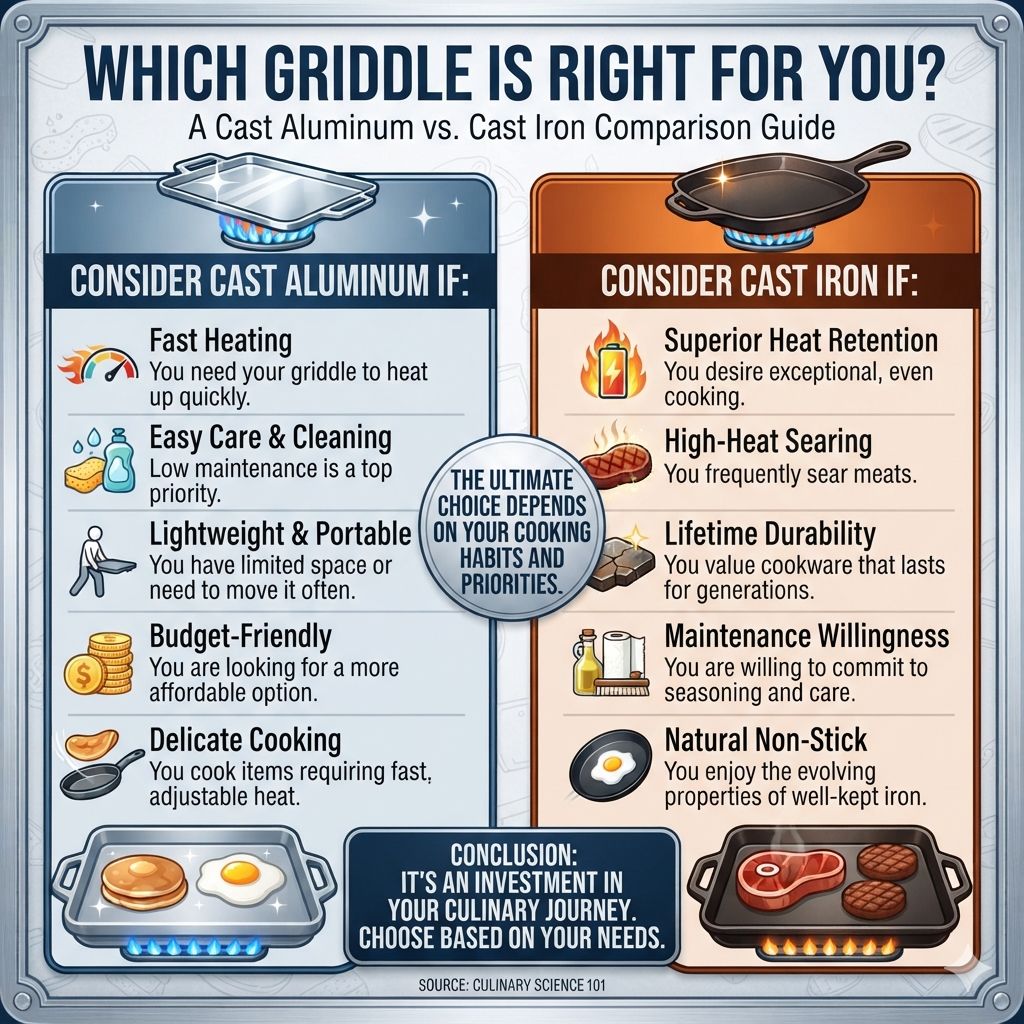
The choice between a cast aluminum vs cast iron griddle ultimately depends on your cooking habits, priorities, and kitchen setup. If you prioritize convenience, quick heating, and easy cleanup, a cast aluminum griddle might be your best bet. It’s perfect for busy weeknight meals, breakfast dishes like pancakes and eggs, and for cooks who might not have the time or inclination for the specialized care that cast iron demands.
Its lighter weight also makes it more practical for those with limited strength or storage space. Many modern kitchens benefit from the user-friendliness of cast aluminum.
However, if you are a passionate home cook who values superior heat retention, long-term durability, and the ability to achieve professional-grade searing, then cast iron is likely the superior choice. It’s ideal for searing meats, cooking multiple burgers at once with consistent results, and for those who appreciate the classic, enduring qualities of well-made cookware. While it requires more effort in terms of seasoning and cleaning, the performance benefits and the assurance of owning a piece of cookware that can last a lifetime are unparalleled.
It’s an investment in your kitchen and your culinary journey.
Consider Cast Aluminum If:
- You need your griddle to heat up quickly.
- Easy cleaning and low maintenance are your top priorities.
- You have limited kitchen space or need to move the griddle often.
- You are on a tighter budget and looking for an affordable option.
- You primarily cook delicate items that require fast, adjustable heat.
Consider Cast Iron If:
- You desire exceptional heat retention and even cooking.
- You frequently sear meats or cook items requiring a consistent, high-heat surface.
- You value cookware that lasts for generations.
- You are willing to commit to the seasoning and care process.
- You enjoy the natural, evolving non-stick properties of well-maintained cast iron.
Frequently Asked Questions
What is the primary benefit of cast iron griddles?
The primary benefit of cast iron griddles is their exceptional heat retention and distribution. This allows for incredibly even cooking and superior searing capabilities, making them ideal for achieving restaurant-quality results at home.
Are cast aluminum griddles safe for daily use?
Yes, cast aluminum griddles are generally safe for daily use, especially those with modern, high-quality non-stick coatings. They heat up quickly and are easy to clean, making them very convenient for everyday cooking tasks.
Can I use metal utensils on a cast aluminum griddle?
It is generally not recommended to use metal utensils on a cast aluminum griddle, as this can scratch and damage the non-stick coating. Silicone, wood, or nylon utensils are a safer choice to preserve the griddle’s surface.
Does cast iron get better with age?
Yes, cast iron does get better with age and use. The process of seasoning it involves building up layers of polymerized oil, which creates a natural non-stick surface that improves over time. Regular cooking enhances its performance.
Which type of griddle is better for camping?
For camping, cast iron griddles are often preferred due to their extreme durability and ability to withstand direct flames or coals. While heavier, their robustness makes them suitable for outdoor environments where cookware might face rougher handling.
Final Thoughts
Deciding between a cast aluminum and a cast iron griddle hinges on your personal cooking style and priorities. Cast iron offers unparalleled heat retention and longevity for dedicated cooks, while cast aluminum provides quick heating and effortless maintenance for everyday convenience. Both can be excellent tools in the right kitchen, but for enduring performance and a lifetime of use, the classic cast iron griddle often stands out as the ultimate choice.
Products related to this article
Sponsored / affiliate links. As an Amazon Associate I earn from qualifying purchases. I may earn additional commission from eligible campaigns.