What Temp for Pancakes on a Griddle? Expert Guide
What temperature for pancakes on a griddle ensures golden-brown perfection and fluffy interiors? Achieving the ideal pancake consistency is a delicate balance, and the right griddle temperature is your secret weapon.
This guide will break down the optimal heat settings, explain how to test your griddle, and offer tips for consistently delicious pancakes every time.
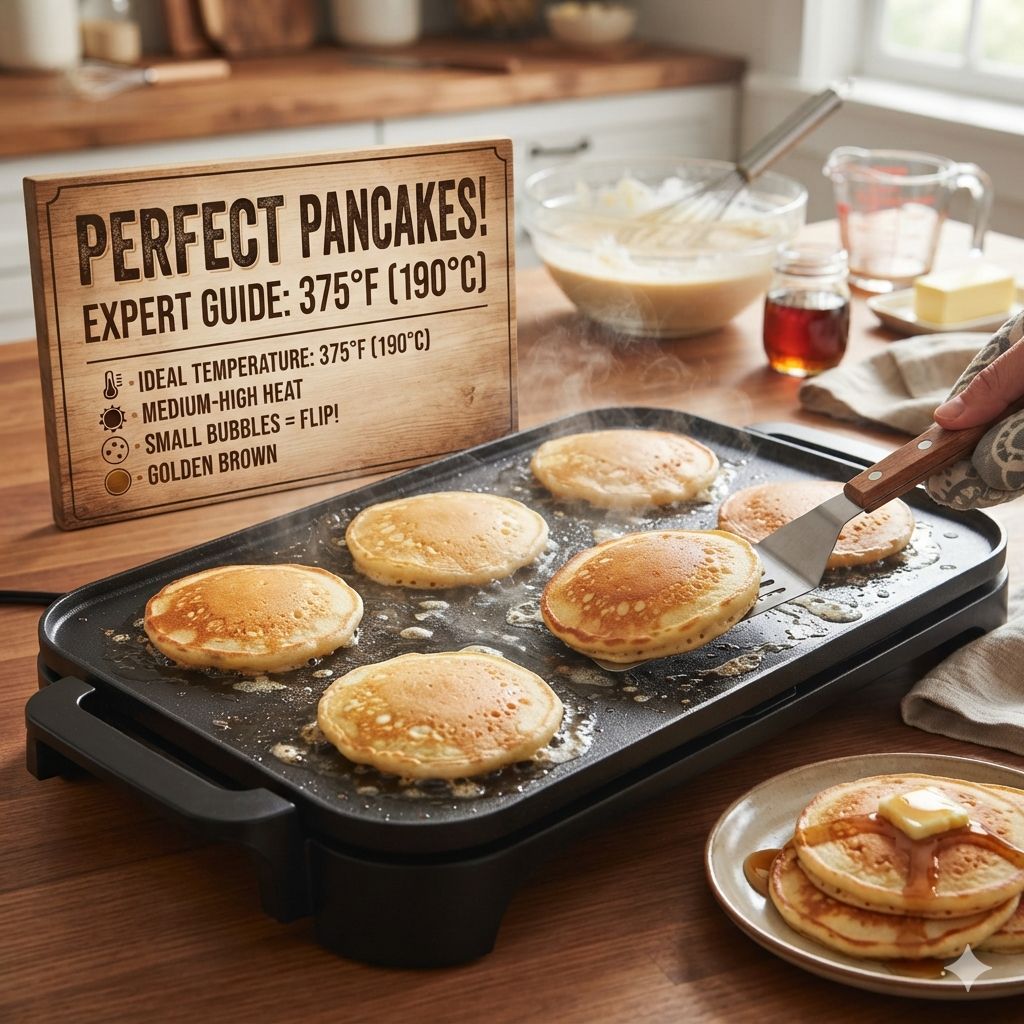
For perfectly golden-brown pancakes with a fluffy interior, aim for a griddle temperature between 350°F and 375°F (175°C to 190°C). Too low, and your pancakes will be pale and dense; too high, and they’ll burn before they cook through.
Key Takeaways
- The ideal griddle temperature for pancakes is between 350°F and 375°F (175°C to 190°C).
- Test your griddle’s heat using a water droplet test or by observing how quickly a small amount of batter cooks.
- Consistent temperature is key; adjust heat as needed to maintain the sweet spot.
- Different griddles and stove types may require slight adjustments to find your perfect pancake setting.
- Preheating your griddle thoroughly is crucial for even cooking and preventing sticking.
What Temperature for Pancakes on a Griddle is Ideal?
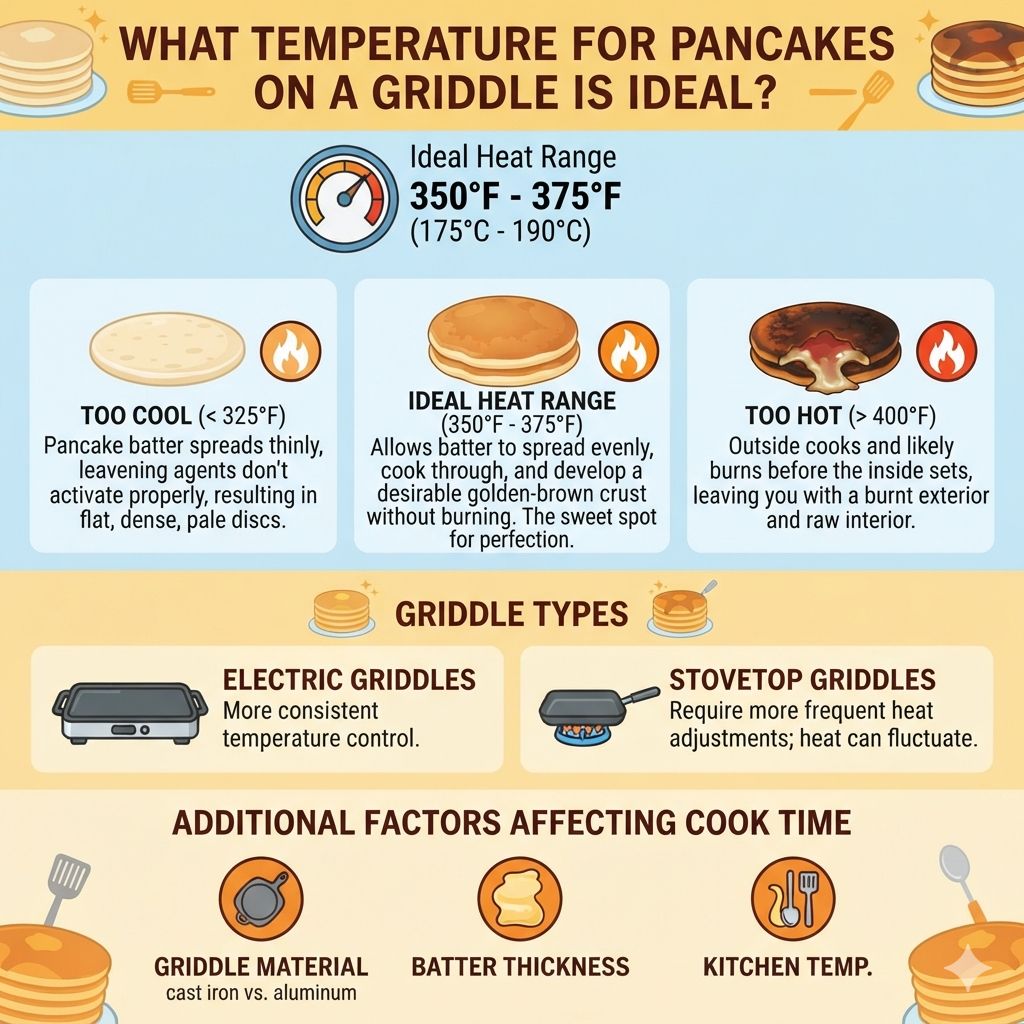
The consensus among chefs and home cooks alike points to a medium-high heat setting as the sweet spot for pancake perfection. Specifically, most recommend a griddle temperature ranging from 350°F to 375°F (175°C to 190°C). This range allows the batter to spread evenly, cook through to the center, and develop that desirable golden-brown crust without burning.
When your griddle is too cool, below 325°F (160°C), the pancake batter will spread too thinly, and the leavening agents won’t have enough heat to activate properly, resulting in flat, dense, and pale discs. On the flip side, if the griddle is excessively hot, exceeding 400°F (205°C), the outside of your pancake will cook and likely burn before the inside has a chance to set, leaving you with a burnt exterior and a raw, gooey center. Finding that perfect 350°F-375°F window is fundamental to achieving light, fluffy, and evenly cooked pancakes.
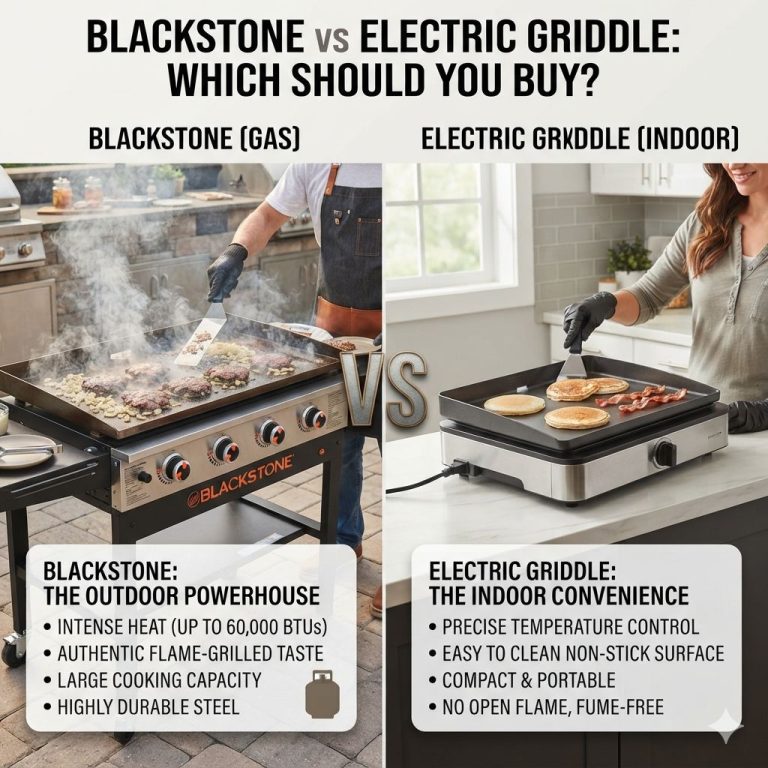
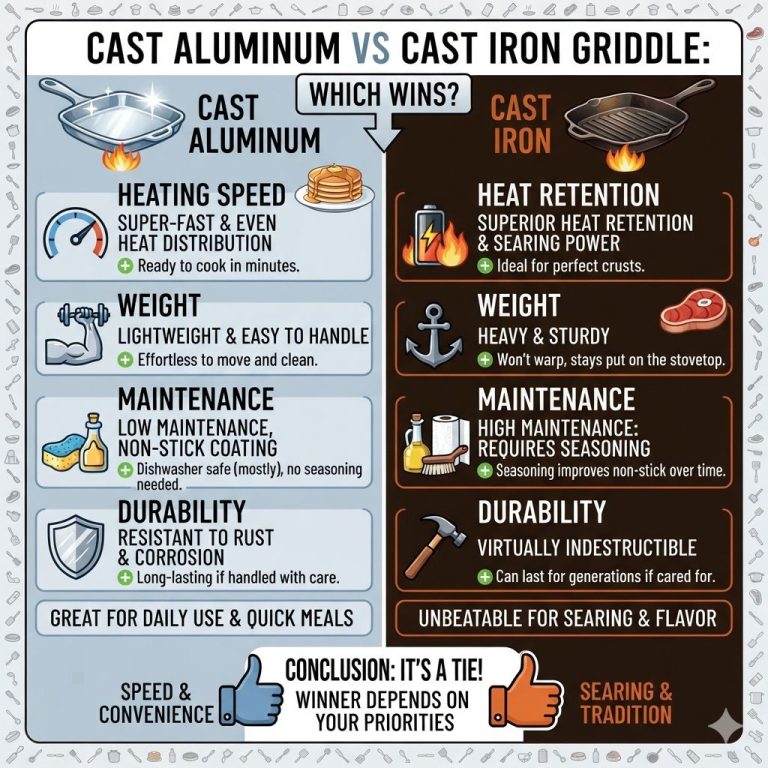
Remember that electric griddles often offer more precise temperature control than stovetop griddles. If you’re using a stovetop, the heat can fluctuate more, requiring constant monitoring and adjustment. Factors like the material of your griddle (cast iron holds heat better than aluminum), the thickness of the pancake batter, and even the ambient temperature of your kitchen can influence how your pancakes cook. Therefore, understanding these variables will help you fine-tune your griddle’s heat for the best results.
- Ideal Heat Range: 350°F – 375°F (175°C – 190°C)
- Too Cool (< 325°F): Pale, dense, flat pancakes.
- Too Hot (> 400°F): Burnt exterior, raw interior.
- Electric Griddles: Offer more consistent temperature control.
- Stovetop Griddles: Require more frequent heat adjustments.
- Factors Affecting Cook Time: Griddle material, batter thickness, kitchen temp.
How to Accurately Test Your Griddle Temperature
Determining the precise temperature of your griddle is crucial, especially if it doesn’t have a built-in thermostat. Fortunately, there are a couple of reliable methods you can employ without a thermometer. The most common and effective is the “water droplet test.”
To perform the water droplet test, preheat your griddle to what you estimate to be medium-high heat. Sprinkle a few drops of water onto the surface. If the water droplets sizzle and evaporate almost instantly, your griddle is likely too hot. If the droplets remain largely intact and just gently steam, the temperature is probably too low. The ideal scenario is when the water droplets dance and skitter across the surface, evaporating within a couple of seconds – this indicates you’re in the optimal range for cooking pancakes.
Another method, which involves using the batter itself, is highly practical. After thoroughly preheating your griddle, pour a small amount of pancake batter – about a tablespoon – onto the surface. Observe how it cooks. If it spreads too rapidly and turns brown very quickly, the griddle is too hot. If it sits there for a long time without developing any color, it’s too cool. A good indicator of the right temperature is when the edges of the small batter circle begin to set and bubble slightly within about 30-60 seconds, and the underside begins to turn a light golden color.
| Griddle Temperature Test | Indicator | Action Needed |
|---|---|---|
| Water Droplet Test | Evaporates instantly with loud sizzle | Reduce heat immediately. |
| Water Droplet Test | Sits and steams, evaporates slowly | Increase heat. |
| Water Droplet Test | Dances, skitters, evaporates in ~2 secs | Ideal temperature. Proceed. |
| Batter Test | Spreads too thin, browns too fast | Reduce heat. |
| Batter Test | Sits and cooks very slowly, pale | Increase heat. |
| Batter Test | Edges set, small bubbles appear in ~30-60 secs | Ideal temperature. Proceed. |
These simple tests are invaluable for ensuring your griddle is at the perfect temperature before you start pouring batter.
Why Preheating Your Griddle is Crucial for Pancakes
Preheating your griddle is not just a suggestion; it’s a critical step that directly impacts the outcome of your pancakes. A properly preheated surface ensures that the batter cooks evenly from the moment it hits the griddle. This even heat distribution is what allows the pancake to rise properly, creating that coveted fluffy texture.
Without adequate preheating, the griddle’s surface temperature will be inconsistent. As you pour batter onto a cooler spot, it will take longer to cook, and the leavening agents in your batter won’t activate as effectively. This leads to unevenly cooked pancakes that can be pale on one side and potentially burnt on another. For electric griddles, ensure the indicator light has gone off, signaling it has reached its set temperature. For stovetop models, allow at least 5-10 minutes of heating over medium-high heat.
Furthermore, a well-heated griddle helps create that beautiful, golden-brown exterior. The Maillard reaction, which is responsible for browning and developing flavor, occurs more efficiently at higher temperatures. A sufficiently hot surface sears the bottom of the pancake quickly, forming a delicate crust while the interior cooks through. This balance is essential for texture and taste.
Factors Affecting Preheating Time
- Griddle Material: Cast iron takes longer to heat up but retains heat better than aluminum.
- Stove Power: Gas stoves often heat faster than electric coil stoves.
- Ambient Temperature: Colder kitchens may require longer preheating.
- Griddle Thickness: Thicker griddles require more time to reach an even temperature.
- Grease Layer: A thin layer of cooking oil or butter can help distribute heat more evenly during preheating.
Common Pancake Cooking Mistakes and How to Avoid Them
Many aspiring pancake chefs fall into common traps that lead to less-than-perfect results. Understanding these pitfalls and how to sidestep them is as important as knowing the ideal griddle temperature. One of the most frequent errors is overcrowding the griddle.
When you place too many pancakes on the griddle at once, it lowers the overall temperature of the cooking surface. This leads to a longer cooking time for each pancake and can result in uneven browning. Give your pancakes enough space; typically, two to three pancakes at a time are sufficient for most standard griddles. This allows for better heat circulation and easier flipping.
Another common mistake is flipping the pancakes too early or too late. Waiting for the right signs is key. You want to flip when you see bubbles forming on the surface of the pancake, and those bubbles start to pop and stay open. The edges of the pancake should also look slightly set. Flipping too early can result in a batter explosion, while waiting too long can lead to a burnt bottom or an overcooked pancake.
Warning: Never press down on a pancake with your spatula after flipping. This action squeezes out the air bubbles, compressing the interior and leading to dense, heavy pancakes instead of light and fluffy ones.
Furthermore, not letting the griddle fully preheat is a major culprit for pale, sticky pancakes. As mentioned earlier, a cold griddle prevents proper setting and browning. Always allow ample time for your griddle to reach its optimal temperature before adding any batter.
Checklist for Avoiding Common Pancake Mistakes
- Overcrowding: Leave ample space between pancakes.
- Flipping Timing: Wait for bubbles to form and edges to set.
- Pressing Down: Avoid pressing pancakes after flipping.
- Inadequate Preheating: Ensure griddle is fully heated.
- Incorrect Heat Setting: Use the 350°F-375°F range.
- Greasing Issues: Lightly grease the griddle between batches if needed, but avoid excessive oil.
Different Griddle Types and Temperature Considerations
The type of griddle you use can significantly influence how you achieve and maintain the correct temperature for your pancakes. Electric griddles often have the advantage of a built-in thermostat that allows for precise temperature selection, usually in increments of 10 or 25 degrees. This makes it easier to dial in the perfect heat and maintain it consistently throughout the cooking process.
Stovetop griddles, whether flat cast iron, ridged grill pans, or reversible ones, rely on the heat source of your stove. This means you’re often working with burner knobs that offer general heat levels (low, medium, high). With these, the water droplet or batter test becomes even more indispensable. It’s crucial to learn how your specific stove and griddle interact; some burners on a stove might run hotter than others, requiring you to adjust your technique accordingly.
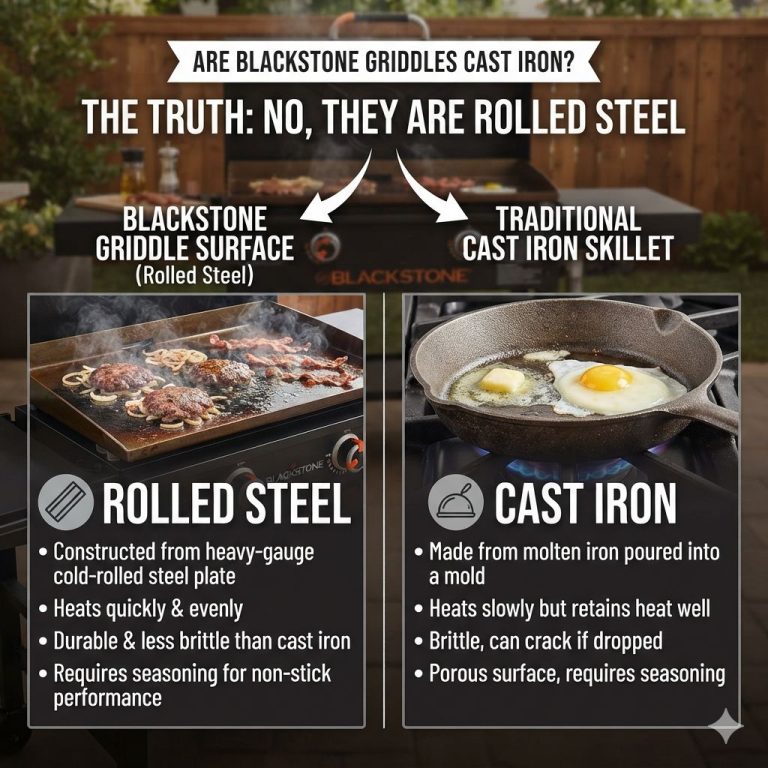
Gas stovetop griddles can be more responsive to heat adjustments than electric coil ones, but they can also create hot spots if the flame isn’t distributed evenly. Electric coil stovetops can take longer to heat up and cool down, making temperature management a bit more of a balancing act. Material also plays a role; a heavy cast-iron griddle will retain heat for longer periods, providing a more stable cooking temperature, whereas thinner aluminum griddles might experience more drastic temperature fluctuations when cold batter is added.
| Griddle Type | Temperature Control | Pros for Pancakes | Cons for Pancakes |
|---|---|---|---|
| Electric Griddle | Precise thermostat (e.g., 350°F) | Consistent temperature, easy to set. | Requires electricity, less portability. |
| Cast Iron Stovetop Griddle | Stove burner control; requires testing | Excellent heat retention, even cooking. | Slow to heat/cool, heavy, requires seasoning. |
| Aluminum Stovetop Griddle | Stove burner control; requires testing | Heats up quickly, lightweight. | Prone to hot spots, less heat retention. |
| Non-stick Griddle | Stove burner control; requires testing | Easy cleanup, minimal oil needed. | Non-stick coating can degrade over time; may not achieve the best sear. |
Understanding your griddle’s unique characteristics will help you adapt and achieve consistent results, regardless of its type.
Tips for Maintaining Consistent Griddle Temperature
Maintaining a stable griddle temperature is the key to consistently making perfect pancakes. Once you’ve found your sweet spot between 350°F and 375°F, your goal is to keep it there. This involves proactive adjustments and understanding how external factors can influence heat.
Periodically checking the temperature, especially when cooking a large batch, is advisable. Use the water droplet test every few pancakes if you notice changes in how quickly they’re browning. If you’re using a stovetop, be prepared to turn the burner up or down slightly as needed. For electric griddles, rely on the thermostat, but be aware that some models might still have slight hot or cool spots.
Allowing the griddle to recover its temperature between batches is also crucial. When you remove cooked pancakes, the griddle’s surface cools slightly. If you immediately add more batter, the temperature drop can affect the next batch. Give it a minute or two to reheat before pouring the next set of pancakes.
Important: If your griddle is significantly cooling down after each batch, consider cooking in smaller batches. This allows the griddle more time to stabilize its temperature between sets of pancakes.
Adding too much cold batter to a hot griddle can also cause a temperature drop. Pour your batter in a steady, controlled manner. Some cooks even let their batter sit at room temperature for 10-15 minutes before cooking, which helps it cook more evenly at the target temperature.
Strategies for Consistent Pancake Temperature
- Frequent Testing: Use water drops or batter to check heat every few pancakes.
- Proactive Adjustments: Make small, immediate adjustments to burner settings.
- Griddle Recovery Time: Allow griddle to reheat between batches.
- Cook in Smaller Batches: Avoid overcrowding and maintain heat.
- Room Temperature Batter: Helps batter cook more evenly.
- Minimal Oil/Butter: Use just enough to prevent sticking, as excess can burn and affect temperature.
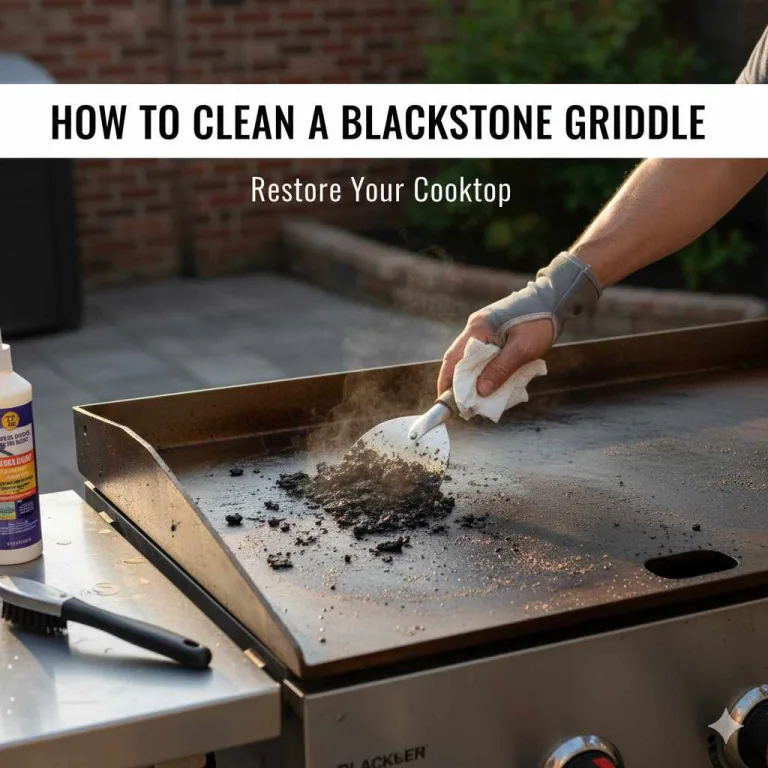
- Clean Griddle Surface: Food debris can create hot spots or uneven heating.
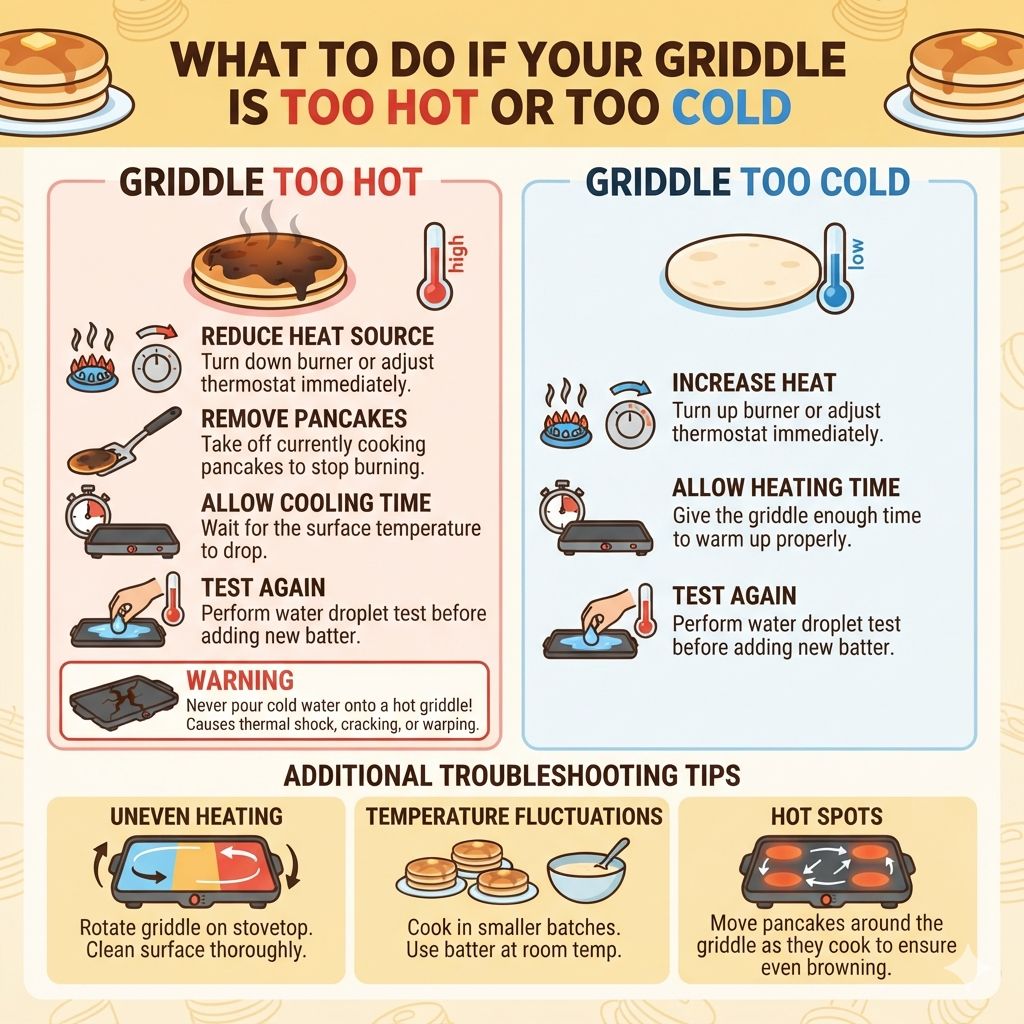
What to Do if Your Griddle is Too Hot or Too Cold
It’s a common scenario: you’ve started cooking, and your pancakes are either burning or looking sad and pale. Don’t panic! Knowing how to quickly correct your griddle temperature is a vital skill for pancake success.
If your griddle is too hot, the first step is to immediately reduce the heat source. For a stovetop, turn the burner down a notch or two. For an electric griddle, adjust the thermostat to a lower setting. While the griddle is cooling, remove any pancakes currently cooking to prevent them from burning further. You can also carefully lift the griddle off a gas burner for a few moments to let it cool down more rapidly.
Once the heat is reduced, test the temperature again with the water droplet test. You want to see those characteristic dancing droplets. If you’ve significantly overshot the mark, you might need to let the griddle cool for a few minutes before adding more batter. A quick sweep of the griddle surface with a damp, heat-resistant cloth (be very careful doing this) can also help cool it down faster, but this is a riskier maneuver and requires extreme caution.
If your griddle is too cold, the fix is simpler: increase the heat. Turn up the burner or adjust the electric griddle thermostat to a higher setting. Allow sufficient time for the griddle to heat up properly before adding more batter. You might need to be patient for a few minutes. While it’s heating, gently stir your pancake batter if it has been sitting for a while, as this can sometimes help redistribute any settled ingredients and ensure better consistency once the griddle is ready.
Warning: Never pour cold water directly onto a hot griddle to cool it down, especially if it’s cast iron. The rapid temperature change can cause thermal shock, leading to cracking or warping of the griddle.
It’s also helpful to have a designated pancake-making rhythm. Cook one or two pancakes, assess the heat, make adjustments, then pour the next batch. This constant feedback loop helps you stay ahead of temperature fluctuations and ensures your pancakes are always cooked to perfection.
Troubleshooting Griddle Temperature Issues
- Griddle Too Hot: Reduce heat, remove pancakes, allow cooling time, test again.
- Griddle Too Cold: Increase heat, allow heating time, test again.
- Uneven Heating: Rotate griddle on stovetop, clean surface thoroughly.
- Temperature Fluctuations: Cook in smaller batches, use batter at room temp.
- Hot Spots: Move pancakes around the griddle as they cook to ensure even browning.
Frequently Asked Questions
What is the best way to tell if my griddle is hot enough for pancakes?
The best way is the water droplet test: sprinkle a few drops of water on the griddle. If they dance and evaporate within about two seconds, the griddle is at the optimal temperature (350°F-375°F). If they evaporate instantly with a sizzle, it’s too hot; if they just sit there and steam, it’s too cold.
Can I use cooking spray instead of oil or butter on my griddle for pancakes?
Yes, cooking spray can be used, but use it sparingly. Too much cooking spray can leave a sticky residue. A light coating of oil or melted butter is often preferred by many for better flavor and browning control, applied with a paper towel or brush.
My pancakes always stick to the griddle. What am I doing wrong?
Sticking is usually due to inadequate preheating or insufficient greasing. Ensure your griddle is fully preheated to the correct temperature (350°F-375°F) before adding batter. Also, apply a very thin, even layer of oil or butter to the surface before cooking each batch.
How often should I re-grease my griddle when making pancakes?
Re-grease your griddle every 2-3 batches, or whenever you notice pancakes starting to stick. Use a paper towel to apply a very thin, even layer of oil or melted butter. Avoid letting excess oil pool, as this can lead to uneven cooking and burning.
Is it okay to use a very thick batter for pancakes on a medium-hot griddle?
A thick batter cooked on a medium-hot griddle (350°F-375°F) is ideal for fluffy pancakes. The heat allows the outside to set quickly while the thick batter ensures a good rise, preventing the pancake from spreading too thin. Ensure your griddle is hot enough to cook through the denser batter.
Final Thoughts
Mastering the correct griddle temperature is fundamental to achieving perfect pancakes every time. Aim for that sweet spot between 350°F and 375°F, and don’t hesitate to use simple tests like water droplets to confirm your heat. Consistent temperature management, proper preheating, and avoiding common mistakes like overcrowding will elevate your pancake game from good to absolutely delicious. Enjoy your perfectly cooked, fluffy pancakes!
Products related to this article
Sponsored / affiliate links. As an Amazon Associate I earn from qualifying purchases. I may earn additional commission from eligible campaigns.