How To Cook Chicken Breast In A Skillet: A Genius Trick
To cook the perfect chicken breast in a skillet, pound it to an even thickness of about 3/4-inch. Sear it in a hot, oiled skillet for 5-7 minutes on one side until golden. Then, flip the chicken, turn the heat to low, cover the pan, and cook for another 8-10 minutes. This genius trick locks in moisture, guaranteeing a juicy, tender result every time.

Tyson
Tyson Fully Cooked Crispy Chicken Strips, 25…
- One 1.56 lb bag of Tyson Frozen Crispy Chicken Breast Strips
- 13g of protein per serving
- Made with 100% all natural* chicken
As an Amazon Associate I earn from qualifying purchases.
For a related kitchen decision, Conventional Oven Vs Toaster Oven: Showdown adds another practical detail to check.
For a related kitchen decision, Crock Pot Casserole Cooking Times adds another practical detail to check.
If you’ve ever felt frustrated by a tough, dry chicken breast, you’re not alone. It’s a common problem, a lot like trying to figure out that weird rattling sound coming from under your car’s hood. You know something’s wrong, but the fix seems complicated. Many recipes promise a great result but leave you with a meal that’s more like shoe leather than dinner.
Why This Method is Your Go-To Diagnostic Tool for Dry Chicken
The biggest reason chicken breast turns out dry is uneven cooking. A typical chicken breast is shaped like a teardrop—thick on one end and thin on the other. When you put it in a hot pan, the thin part overcooks and dries out long before the thickest part is safe to eat.
Think of it like your car’s tires. If one is over-inflated and another is under-inflated, the car won’t drive smoothly. Your ride will be bumpy and inefficient. The same principle applies here. An uneven piece of chicken can’t cook properly.
Our genius trick fixes this at the source. By pounding the chicken to an even thickness, we create a perfectly uniform piece of meat. This ensures every single part of the breast cooks at the same rate. The result? No more dry, chewy sections. Just a perfectly cooked, tender, and juicy piece of chicken from end to end. It’s the ultimate alignment for your dinner.

Gathering Your Tools & Parts: Your Pre-Cook Checklist
Before you start any job on your car, you lay out your tools and parts. We’ll do the same thing here. Getting everything ready first makes the whole process smooth and stress-free. You won’t have to scramble for a tool mid-job.
Required Tools (Your Workshop Gear)
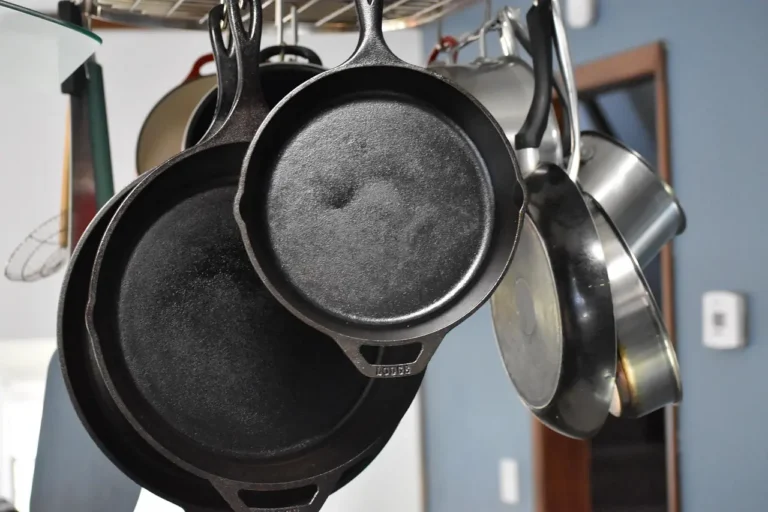
- A Heavy Skillet: A 10 or 12-inch cast iron or stainless steel skillet is perfect. Think of this as the chassis of your operation. A heavy base provides steady, even heat distribution, which is crucial for a great sear.
- Meat Mallet or Rolling Pin: This is your bodywork tool. You’ll use it to gently pound the chicken to an even thickness. A heavy pan or even a wine bottle can work in a pinch.
- Plastic Wrap or a Ziplock Bag: This protects the chicken during the pounding phase and keeps your workspace clean.
- Tongs: Your go-to for flipping the chicken without piercing the meat and letting those precious juices escape.
- Instant-Read Thermometer: This is the most important diagnostic tool in your kitchen. It’s the only way to know for sure that your chicken is cooked to a safe temperature without overcooking it.
Required Parts (Your Ingredients)
- Boneless, Skinless Chicken Breasts: Two medium-sized breasts (about 6-8 ounces each) are a great starting point.
- High-Smoke-Point Oil: About 1 tablespoon of canola, grapeseed, or avocado oil. This is like your high-performance motor oil—it can handle high heat without burning.
- Salt and Black Pepper: The essential building blocks for flavor. We’ll start with about 1 teaspoon of kosher salt and 1/2 teaspoon of black pepper.
The Step-by-Step Tune-Up: Cooking Chicken Breast in a Skillet
Alright, you’ve got your tools and parts lined up. Now it’s time to get under the hood and follow the steps. This process is simple and straightforward. Just follow the instructions, and you’ll get great results.
Step 1: The Body Work – Prepping Your ChickenFirst, we need to get the chicken’s shape right. Place one chicken breast inside a large ziplock bag or between two sheets of plastic wrap. Using the flat side of a meat mallet or a rolling pin, gently pound the thickest part of the breast. Work from the center outwards until the entire breast is an even thickness, about 3/4 of an inch. Don’t go crazy here; we’re not trying to flatten it into a pancake. We just want an even surface for an even cook. Repeat with the second breast. Once done, pat both sides of the chicken completely dry with a paper towel. A dry surface is key to getting that beautiful golden-brown crust.
Step 2: The Custom Paint Job – SeasoningNow it’s time for the finish. A good paint job protects the car and makes it look great. Seasoning does the same for your chicken. Sprinkle both sides of the chicken breasts generously with salt and pepper. Use your hands to press the seasoning into the meat gently. This ensures it sticks during cooking. For now, we’re keeping it simple, but you can always add more complex “decals” like garlic powder or paprika later.
Step 3: Firing Up the Engine – Heating the SkilletPlace your skillet over medium-high heat. You wouldn’t start a race with a cold engine, and you shouldn’t cook with a cold pan. Let the pan get hot for about 2-3 minutes. Then, add your oil. It should shimmer almost immediately. This tells you the engine is warmed up and ready to go. A hot pan is essential for a good sear, which locks in flavor.
Step 4: The Test Drive – Searing the ChickenCarefully place the seasoned chicken breasts in the hot skillet. You should hear a satisfying sizzle. This is the sound of success! Now, here’s a critical rule: don’t touch them. Let them cook undisturbed for 5-7 minutes. Resisting the urge to move them allows a beautiful, golden-brown crust to form. This crust is like a protective clear coat—it seals in the juices and adds incredible flavor.
Step 5: The Genius Trick – Cruising on Low HeatAfter 5-7 minutes, use your tongs to flip the chicken. The cooked side should be deeply golden brown. Now for the magic. Immediately turn the heat down to low and place a lid on the skillet. Set a timer for 8-10 minutes. This is the “cruise control” phase. The trapped heat and steam will gently cook the chicken the rest of the way through, keeping it incredibly moist and tender. It’s a fool-proof way to avoid dry chicken.
Step 6: The Final Inspection – Checking for DonenessOnce the timer goes off, it’s time for a quick diagnostic check. The best and safest way to do this is with an instant-read thermometer. Insert it into the thickest part of the chicken breast. According to the USDA, poultry is safe to eat when it reaches an internal temperature of 165°F (74°C). If it’s not quite there, put the lid back on and cook for another minute or two.
Step 7: Letting it Rest – The Cool-Down LapYou did it! But don’t cut into it just yet. Transfer the cooked chicken to a clean cutting board or plate. Let it rest for 5-10 minutes before slicing. This step is non-negotiable. It’s like letting your engine cool down after a long drive. The rest allows the juices to redistribute throughout the meat. If you slice it too soon, all that delicious moisture will run out onto the cutting board, and your hard work will be wasted.
Performance Tuning: Tips for the Juiciest Skillet Chicken
You’ve mastered the basics. Now let’s look at a few performance upgrades that will take your skillet chicken to the next level.
- Don’t Overcrowd the Pan: If you’re cooking more than two breasts, do it in batches. Overcrowding the pan is like a traffic jam—it lowers the temperature and causes the chicken to steam instead of sear. Give each piece plenty of room to breathe.
- Use the Right Fuel (Oil): Use an oil with a high smoke point, like avocado, canola, or grapeseed oil. These oils can handle the high heat needed for a good sear without burning and creating off-flavors. Olive oil is great for dressings but not for high-heat searing.
- Let it Warm Up: If you have time, let the chicken sit on the counter for 15-20 minutes before cooking. A less-chilled piece of meat will cook more evenly, just as a warm engine runs more efficiently than a cold one.
- Upgrade with a Pan Sauce: After you remove the chicken to rest, you’ll see browned bits stuck to the bottom of the pan. That’s pure flavor! Turn the heat up to medium, pour in a splash of chicken broth or white wine, and scrape up those bits with a wooden spoon. Let it simmer for a minute, and you have an instant, delicious sauce.

Troubleshooting Common Issues: Your Skillet Chicken Repair Manual
Even the best mechanics run into issues. If your skillet chicken doesn’t turn out perfectly the first time, don’t worry. Here’s a quick repair manual for the most common problems.
| The Problem | The Likely Cause | The Fix |
|---|---|---|
| My chicken is dry and tough. | It was overcooked. This can happen if the chicken was too thin, the heat was too high during the covered phase, or you skipped the resting step. | Always use a meat thermometer to pull the chicken at 165°F. Remember to pound to an even 3/4-inch thickness and always rest the meat. |
| The outside isn’t golden brown. | The pan wasn’t hot enough, the chicken wasn’t dry enough, or the pan was overcrowded. | Preheat your skillet until the oil shimmers. Pat the chicken completely dry. Cook in batches if necessary to give each piece space. |
| My chicken stuck to the pan. | The pan wasn’t hot enough when you added the chicken, or you tried to flip it too soon before a crust formed. | Ensure the pan is properly preheated. Once you place the chicken in the pan, leave it alone! It will release naturally once a good sear has formed. |
| It’s cooked outside but raw inside. | The heat was too high for the entire cooking time, or the chicken breast was not pounded to an even thickness. | This is why our two-stage cooking method is key. Sear on medium-high, then cover and reduce heat to low to let the inside cook through gently and evenly. |
Custom Modifications: Seasoning and Flavor Upgrades
A simple salt-and-pepper seasoning is like a classic factory paint job—it’s timeless and always looks good. But sometimes you want to add some custom flair. Here are a few simple seasoning blends to try. Think of them as different performance packages for your chicken.
| Flavor Package | The Parts List (Ingredients) | Best For |
|---|---|---|
| Italian Herb | 1 tsp salt, 1/2 tsp pepper, 1 tsp dried oregano, 1/2 tsp garlic powder, 1/4 tsp dried thyme. | Serving with pasta, salads, or in sandwiches. |
| Smoky Southwest | 1 tsp salt, 1/2 tsp pepper, 1 tsp smoked paprika, 1/2 tsp cumin, 1/4 tsp chili powder. | Tacos, fajitas, burrito bowls, or alongside rice and beans. |
| Lemon Herb | 1 tsp salt, 1/2 tsp pepper, 1/2 tsp garlic powder, 1/2 tsp dried parsley, zest of one lemon (add after cooking). | A bright, fresh flavor that pairs well with roasted vegetables or potatoes. |
Frequently Asked Questions (FAQ)
What kind of skillet is best for cooking chicken breast?
A heavy-bottomed skillet like cast iron or stainless steel is your best bet. Think of them as high-performance tires—they grip the heat well and distribute it evenly for a perfect sear. A thin, non-stick pan can work, but you may not get the same quality of crust.
Can I use this method with frozen chicken?
No, you should always thaw chicken completely before cooking. Cooking from frozen is like trying to start your car on a freezing day with a weak battery—it just won’t work well. The outside will overcook before the inside is safe to eat. Thaw it in the refrigerator overnight for the best results.
How do I know when the chicken is done without a thermometer?
While a thermometer is the most reliable tool, you can make an educated guess. The juices should run clear when you pierce the thickest part with a knife. However, this method involves piercing the meat, which lets juices escape. Investing in an inexpensive instant-read thermometer is the best upgrade you can make for your kitchen workshop.
Why did my chicken stick to the pan?
Sticking is usually caused by one of three things: the pan wasn’t hot enough, you didn’t use enough oil, or you tried to flip the chicken too early. The chicken will tell you when it’s ready to flip by releasing easily from the pan once a proper crust has formed.
How thin should I pound the chicken breast?
Aim for a uniform thickness of about 1/2 to 3/4 of an inch. This is the sweet spot. It’s thick enough to stay juicy but thin enough to cook quickly and evenly. Any thinner, and it risks drying out; any thicker, and it will take too long to cook through.
Can I use this recipe for chicken thighs?
Absolutely! This method works great for boneless, skinless chicken thighs. Since thighs have more fat and are more forgiving, they are a great “model” to practice on. You will likely need to increase the cooking time slightly, so rely on your trusty thermometer to check for that 165°F internal temperature.
How should I store leftover chicken?
Store leftover chicken in an airtight container in the refrigerator. Think of it like parking your car in a safe, sealed garage. It will stay fresh for 3-4 days. It’s perfect for slicing up for salads, sandwiches, or quick meals later in the week.
You’ve Got This in the Garage… and the Kitchen!
See? Cooking a perfect, juicy chicken breast in a skillet isn’t some mysterious, complicated job that only experts can handle. It’s a straightforward process, just like changing your own oil or replacing your windshield wipers. All you need are the right tools, a clear set of instructions, and a little bit of confidence.
The genius trick—pounding it even, searing it hot, and steaming it low—is your new go-to technique. It takes the guesswork out of the equation and gives you reliable, delicious results every single time. So next time you’re faced with a pack of chicken breasts, don’t feel intimidated. You have the skills and the know-how to turn it into something amazing. You’ve got this.
Related pick: Check today's price on Amazon
Products related to this article
Sponsored / affiliate links. As an Amazon Associate I earn from qualifying purchases. I may earn additional commission from eligible campaigns.