Best Grill Pans for Indoor Cooking: based on specs and reviews
For indoor cooking, a grill pan is often around 10 to 11 inches, with low ridges and a flat base, and many people prefer enameled cast iron for gas or hard-anodized aluminum for electric and apartment stoves. Pick the wrong pan and you get smoke alarms, warped pans, weak browning, and a cleanup job you will hate. This guide compares the best grill pans for smoke control, stove compatibility, weight, cleanup, and apartment practicality.
Quick picks
- Cast iron grill pan: best for strong searing and heat retention.
- Stainless steel grill pan: best for lighter handling and daily use.
- Non-stick grill pan: best for easier cleanup and lower-oil cooking.
According to Grill pans for your kitchen – IKEA Switzerland — IKEA sells grill pans in 28×28 cm size.
Quick comparison
| Product | Badge | Best for | Price | ||
|---|---|---|---|---|---|
 |
Northriver Casting 10.5 Inch Cast Iron Square Grill PanNorthriver Casting | Our pick | 10.5 in Cast Iron · 5.89 lbs · Lid | $34.19
Price as of 4 Oct 2026
|
View |
 |
Universal Carbon Steel Griddle for Gas Grill, Stove top &DcYourHome | Upgrade pick | Carbon Steel · Universal · Ceramic Coating | $49.99
Price as of 4 Oct 2026
|
View |
 |
Outset Grill Skillet With Removable Handle, Stainless SteelOutset | Also great | Stainless Steel · Removable Handle · Perforated | $29.99
Price as of 4 Oct 2026
|
View |
 |
Lodge Square Cast Iron Grill Pan, PFAS-Free, 10.5 InchesLodge | Budget pick | 10.5 in Cast Iron · PFAS-Free · Square | $24.90
Price as of 4 Oct 2026
|
View |
The fastest way to choose is by stove and cleanup tolerance, not by brand name. A pan that looks strong on paper can still be awkward on a glass-top hob, too heavy for nightly use, or irritating to wash in a small sink.
IKEA says grill pans create classic grill marks and work on induction, gas, or ceramic hobs, and that some are oven-safe. That is the right base check, but the details below matter more once you live with the pan.
How we chose
The comparison focuses on smoke output, stovetop compatibility, weight, cleanup friction, and oven use. Those are the parts that decide whether a grill pan gets used often or stays in a cabinet.
We also looked at ridge depth, pan depth, handle comfort, and shape, because those details affect splatter, draining, and how easy the pan is to store. A square 28×28 cm pan can suit some hobs but may be awkward on smaller burners.
Price and product notes were used only where the supplied data gave a concrete figure or claim. IKEA lists a grill pan price of CHF 19.95 and another at CHF 24.95, which gives a useful value ceiling for basic models.
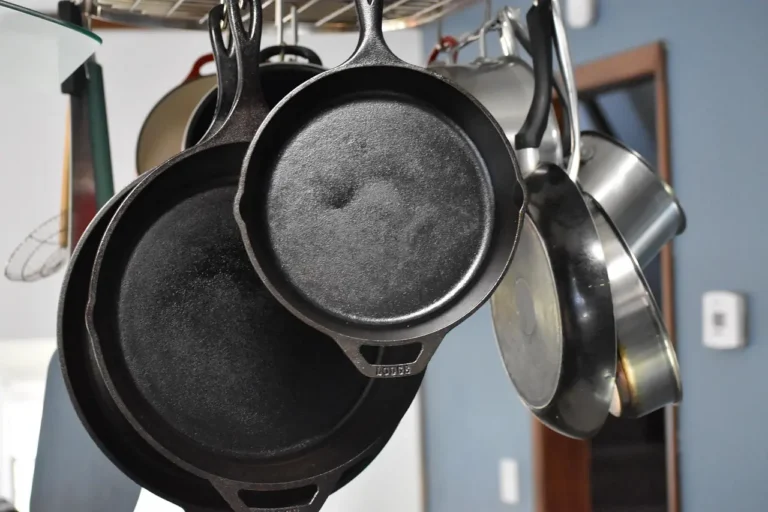
Lodge 10.5-inch cast iron grill pan: best for high-heat searing
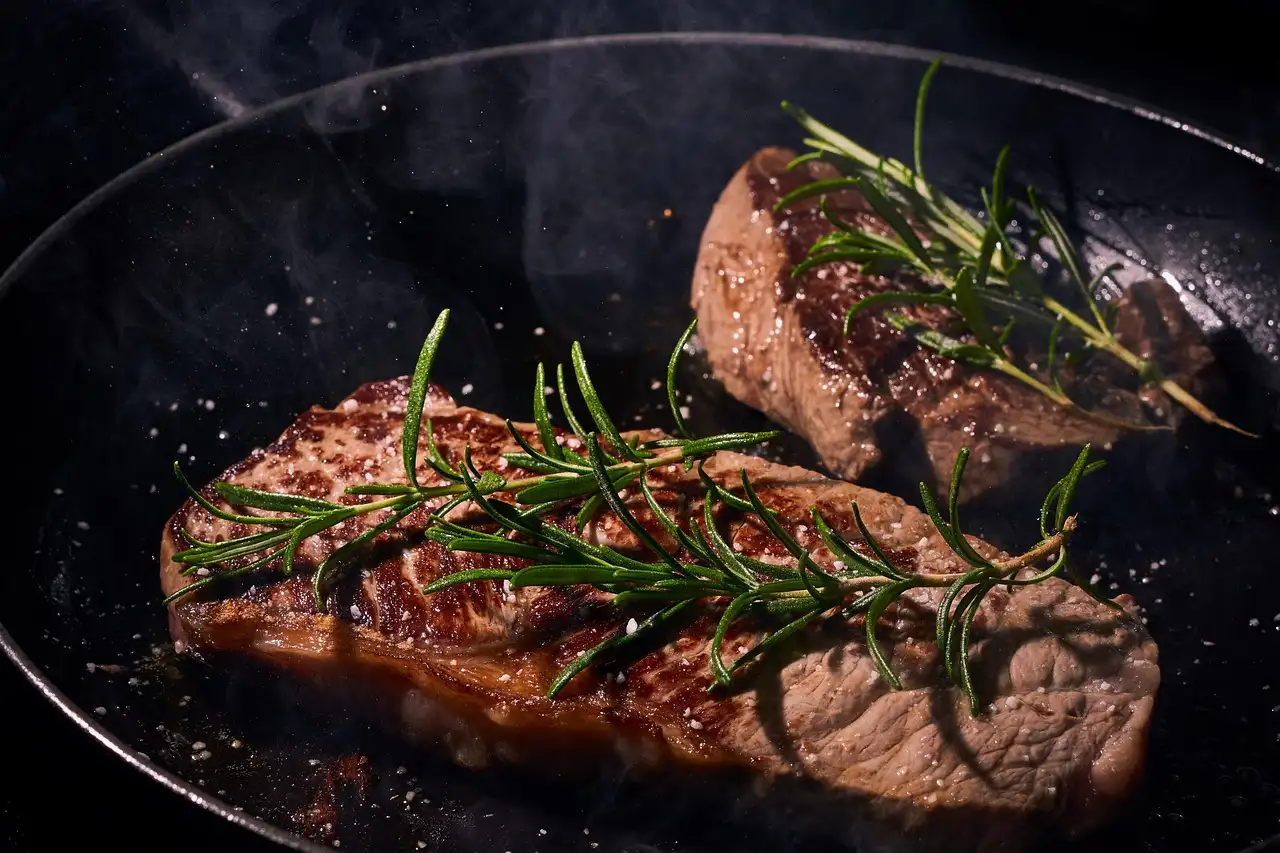

This is the pick for cooks who want the classic cast iron path: heavy heat retention, strong browning, and broad stove compatibility. Based on the spec sheet and owner feedback, it suits gas, electric, induction, and even campfire use, and the PFAS-free finish is a practical plus for buyers who want to avoid a coating layer.
The main strength is thermal mass. IKEA says cast iron holds heat well and browns evenly, and that matters when you add chilled steak, thick chops, or a batch of vegetables that would otherwise cool the pan and steam instead of mark.
The drawback is obvious: weight. A 10.5-inch square cast iron pan is not friendly to weak wrists, and it is less pleasant when you need to move it from burner to sink, especially if you cook often and wash by hand.
Use this when your stove is stable, your storage shelf is low enough to reach safely, and you are willing to trade easy handling for better heat stability. For indoor grilling, that is often the right trade.
Outset stainless steel grill skillet: best for everyday handling
This is the lighter, easier-lift choice for cooks who want grill marks without the bulk of cast iron. The removable handle is the useful detail here, because it makes storage easier and can help the pan fit in a tighter cabinet or a cramped stovetop setup.
Its perforated surface drains excess grease naturally, which helps when cooking bacon, burgers, or fatty cuts where runoff matters more than maximum heat soak. For everyday indoor use, that can mean less smoking and less mess around the burner.
The drawback is that stainless steel does not behave like cast iron. It can be less forgiving for searing if the base is thin, and it usually needs more attention to preheating and oiling to keep food from sticking or tearing on contact.
Choose it if you want lighter handling, simpler storage, and a pan that feels less punishing during weeknight cooking. It is a practical middle ground for frequent use.
DcYourHome carbon steel griddle: best for induction-friendly daily use
This is a strong option for indoor cooks who want a lighter pan than cast iron but still need good heat response. The listing says it is compatible with gas, stovetop, and induction cooktops, and the ceramic coating is meant to make cleanup easier after a normal dinner.
That mix matters in apartments and modern kitchens. Induction heats fast and precisely, but it only works with a magnetic base, so a pan can look suitable and still fail if the bottom is wrong. This model is built for that use case.
The drawback is the same one that applies to many coated pans: the finish can become the limiting factor if you push heat too hard too often. High heat can be fine for brief searing, but repeated abuse is where non-stick and ceramic surfaces tend to lose easy release.
Based on the spec sheet, owner feedback and range experience, this is the pick for cooks who care about induction compatibility and low-friction cleanup more than raw cast-iron mass.
Northriver Casting 10.5-inch cast iron grill pan: best for splatter control
This is the cast iron choice for cooks who want a lid and a more controlled indoor setup. The tempered glass lid helps contain splashing and can keep moisture in when you are cooking thicker cuts or reheating food on the stove.
The longer ergonomic handle is useful when you are moving the pan on and off a burner, and the square shape gives neat rows for vegetables. That shape is especially handy when you want to cook several pieces with some spacing instead of piling everything in the center.
The drawback is still cast iron weight. The pan is listed at just under 6 lbs, and that amount of mass can help with heat retention but make cleaning, storage, and moving it across a glass-top hob harder.
If your main frustration is splatter rather than sear quality, this is the more controlled cast iron route.
Which grill pan works on induction?
A grill pan works on induction only if the base is magnetic. Induction cooktops heat the pan through magnetic coupling, so a nonmagnetic aluminum pan will not work unless it has a compatible bonded base. That is why “induction ready” matters more than marketing language.
Cast iron is usually the easiest fit because it is magnetic by nature, and many carbon steel pans work as well. Stainless steel is variable, since only some grades and constructions respond properly, so the bottom layer matters more than the outer finish.
What apartment buyers should check first
Check three things before buying: magnetic compatibility, smoke control, and cleanup. In a small kitchen, a grill pan that smokes heavily or takes twenty minutes to scrub becomes a daily annoyance, even if it sears well.
Also look at base flatness. A warped pan can wobble on a glass-top or electric hob and brown unevenly, which is a common failure case that many product pages gloss over.
Decision matrix: which grill pan fits your kitchen?
Use this matrix to match stove type, household size, cleanup tolerance, and smoke sensitivity. The score is simple: 5 means the type fits that use case very well, 1 means it is a poor fit.
| Use case | Cast iron | Stainless steel | Non-stick / coated | Best match |
|---|---|---|---|---|
| Gas stove, 1-2 people, low cleanup tolerance, low smoke sensitivity | 5 | 3 | 4 | Non-stick / coated |
| Gas stove, 3-4 people, medium cleanup tolerance, moderate smoke sensitivity | 5 | 3 | 3 | Cast iron |
| Induction, 1-2 people, high cleanup tolerance, low smoke sensitivity | 5 | 4 | 4 | Cast iron or induction-ready coated pan |
| Induction, 1-2 people, low cleanup tolerance, high smoke sensitivity | 3 | 4 | 5 | Coated induction-ready pan |
| Electric or glass-top, 2-4 people, medium cleanup tolerance, moderate smoke sensitivity | 4 | 4 | 4 | Flat-bottom cast iron or carbon steel |
| Small apartment kitchen, 1-2 people, very low cleanup tolerance, high smoke sensitivity | 2 | 3 | 5 | Non-stick / coated |
The matrix is meant to stop overbuying. A heavy cast iron pan can be ideal for a larger household, while a lighter coated pan can be the better call for one person in a small flat where sink space and smoke are constant constraints.
How do you use an indoor grill pan?
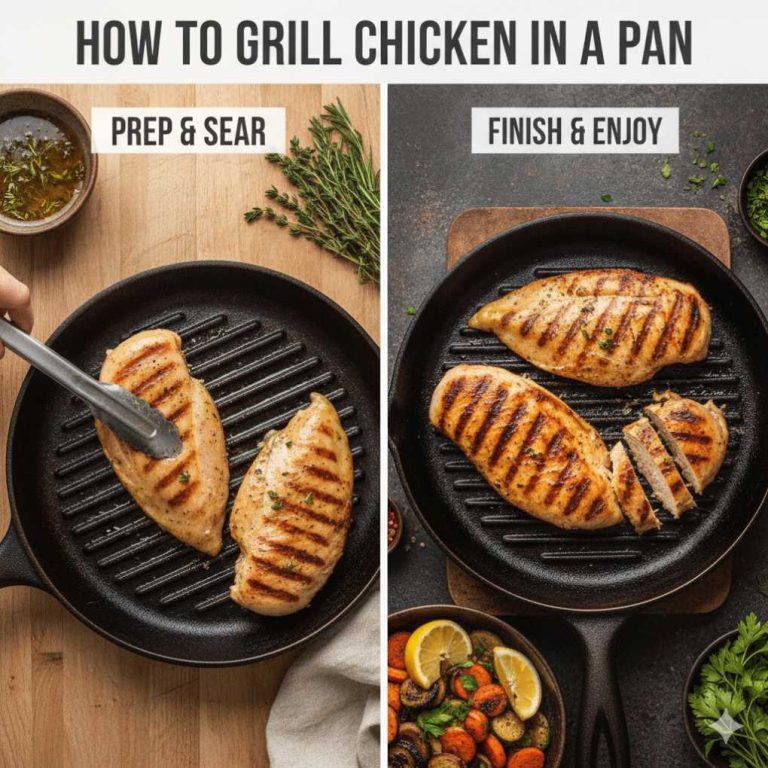
Preheat the pan fully, oil food lightly, and cook in batches so the ridges can do their work. That sequence gives you grill marks, less sticking, and less steam, which is what most indoor cooks actually want from a grill pan.
Start with dry food where possible. Pat meat, fish, vegetables, or plant-based alternatives dry, then place them across the ridges and leave them alone long enough to brown before turning.
Manage smoke and drippings
Smoke usually comes from three things: too much oil, a pan that is too hot for the food, or drippings burning on the base. A deeper pan, a lid, or a model with better grease management helps, but the biggest fix is still moderation.
The ridged surface lifts food above the fat, and that helps with searing. It also means drippings collect below the food, so a pan with some depth or pour spouts is easier to manage than a very shallow plate.
Is cast iron or nonstick better for a grill pan?
Cast iron is better when heat retention and browning matter more than cleanup speed. Non-stick is better when you want less oil, easier washing, and a lower-stress pan for weekday cooking. The right answer depends on whether your kitchen is built for heat or for convenience.
In an apartment, non-stick can be the smarter choice if smoke and scrubbing are the main complaints. For steak, chops, and thicker foods, cast iron usually wins because it resists temperature drop better when the food hits the pan.
When cast iron wins
Choose cast iron if you cook over gas, want strong grill marks, and can handle the weight. It also fits oven use better than many coated pans, which matters when you want to finish thicker cuts or keep food warm before serving.
When non-stick is the smarter choice
Choose non-stick if you want easier cleanup, lower oil use, and less day-to-day friction. IKEA says non-stick coating lets you use less oil, which is helpful for lean fish, vegetables, and fast meals, though dishwasher-safe claims should still be treated carefully because detergent and heat can shorten coating life.
What size grill pan is best for one or two people?
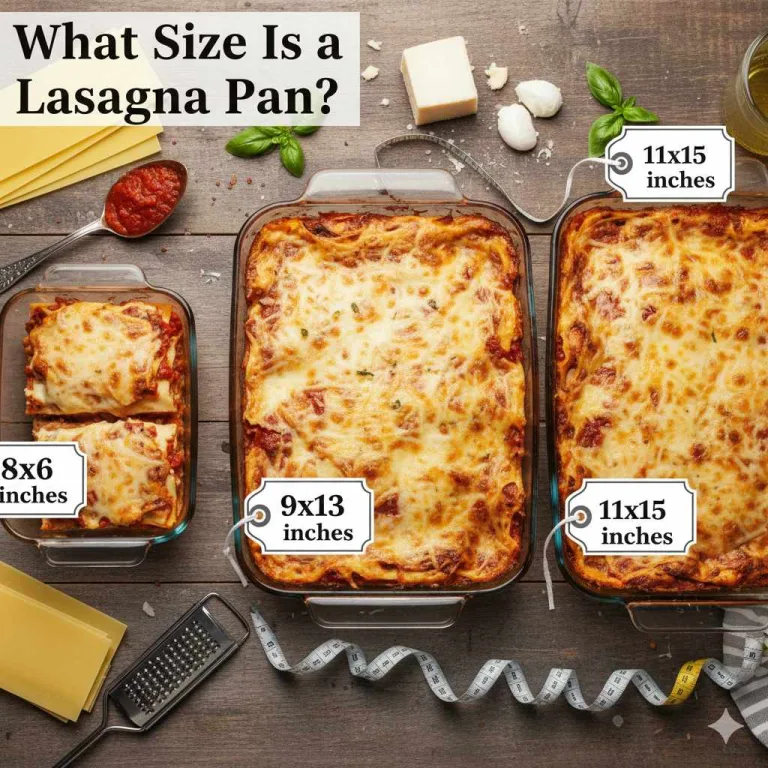
For one or two people, a 10- to 11-inch square grill pan is usually the sweet spot. It gives enough surface to cook a small steak, a couple of chicken breasts, or a batch of vegetables without taking over a small hob or becoming hard to store.
Size should follow both burner size and serving count. IKEA sells grill pans in 28×28 cm size, which is a useful square format for many kitchens, but a larger pan can feel cramped on a small burner and harder to lift when full.
How hob size changes the choice
A wide pan on a small hob often gives uneven heat near the edges. That can mean pale food at the corners, more sticking, and more smoke from the center, because the burner only heats part of the base effectively.
For a glass-top stove, flatness matters as much as size. A pan that wobbles or has a warped base can cook unevenly and is irritating to move when it is full.
Can I put a grill pan in the oven?
Many grill pans can go in the oven, but the rating changes by model. IKEA says some grill pans are oven-safe, and that matters when you want to finish thicker cuts, bring meat to temperature more gently, or keep food warm while you plate the rest.
Cast iron is usually the easiest type for oven use. Coated pans can be oven-safe too, but the coating and handle materials set the limit, so you should treat the listed rating as a hard ceiling rather than a casual suggestion.
Why oven-safe ratings matter for steak and chop cooking
When a steak needs more time after a hard sear, the oven helps prevent an overdone exterior. The same logic applies to thick chops and bone-in cuts, where direct stove heat alone can brown too quickly before the center catches up.
How do I clean a grill pan after cooking?
Clean the pan while it is still warm, not scorching hot. Wipe out drippings, wash with a soft tool and mild soap, and dry fully before storing so residue does not bake onto the ridges or leave rust on cast iron.
Cast iron usually wants hand washing and careful drying. Non-stick and coated pans are easier to rinse, but that does not mean every dishwasher-safe label is wise for long-term coating life.
Easy-clean features that matter
Look for a pan that drains well, has manageable ridge depth, and has enough depth to hold grease without splashing. Pour spouts help when you need to empty fat before washing, and a removable handle can make storage easier in small kitchens.
Dishwasher-safe claims should be read as “can survive the cycle” rather than “should be washed that way often.” For coated surfaces, hand washing is usually the safer habit.
What is the best grill pan for indoor cooking?
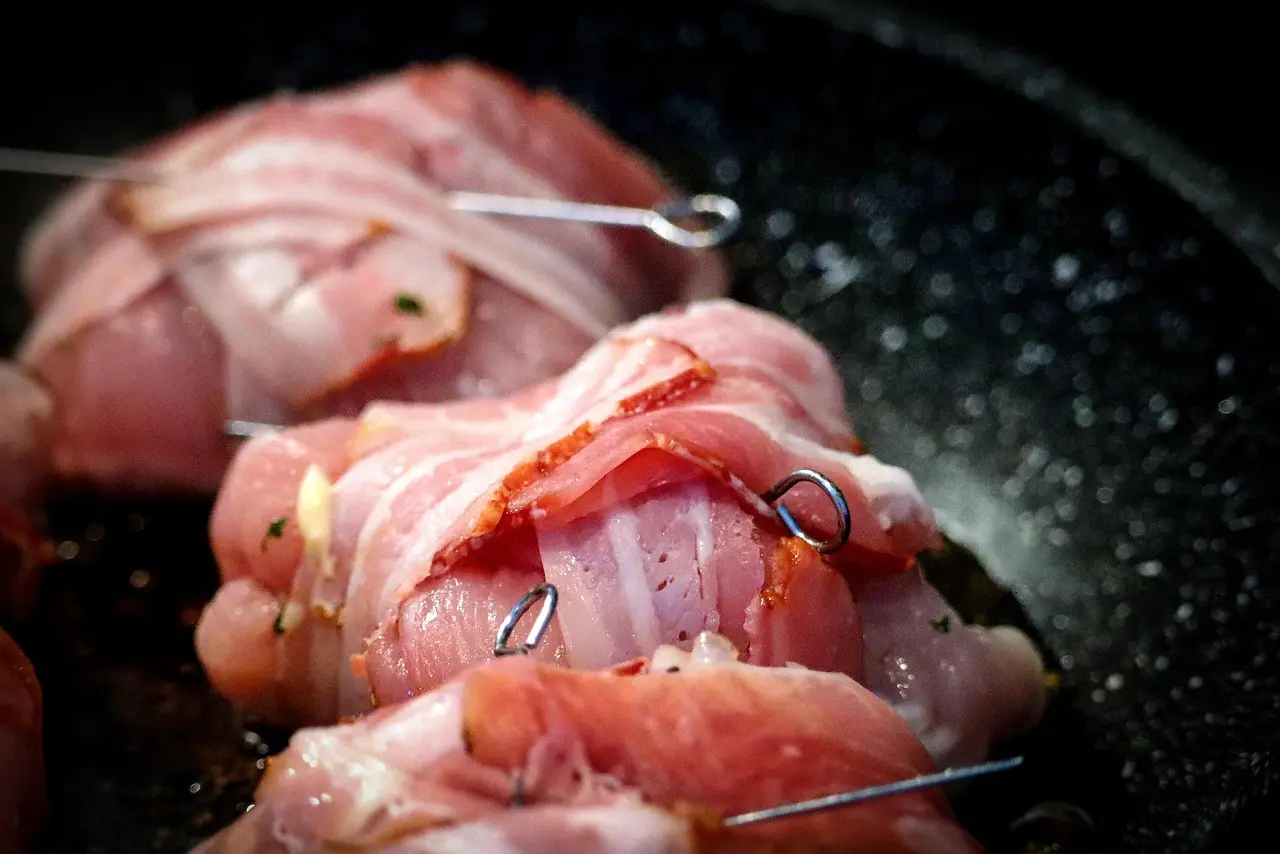
The best grill pan for indoor cooking is the one that fits your stove, your serving size, and your tolerance for cleanup. For most gas-stove cooks, cast iron is the safest searing bet; for apartment kitchens and induction, a compatible coated or carbon steel pan often makes more sense.
If you want a single practical pick, choose the Lodge 10.5-inch cast iron pan for searing and oven finishing, the Outset stainless steel skillet for lighter handling, or the DcYourHome carbon steel griddle if induction compatibility and easier cleanup matter more than raw heat mass.
Which one should you buy?
Choose cast iron if you want strong browning, do not mind the weight, and expect to cook steak, chops, fish, vegetables, and plant-based alternatives on a regular basis. Choose stainless steel if you want lighter handling and less strain when moving the pan.
Choose non-stick or a coated induction-ready pan if cleanup matters most and you are cooking in a small apartment. For induction cooktops, check magnetic compatibility first; for glass-top stoves, prioritize a flat base and sensible weight. A pan that fits your hob and your sink is usually the better buy.
Frequently asked questions
Are grill pans worth it?
Yes, if you cook indoors and want grill marks, better browning, and some control over drippings. They are less useful if you dislike scrubbing, have a tiny hob, or want a pan that behaves like a regular skillet for every task.
Products related to this article
Sponsored / affiliate links. As an Amazon Associate I earn from qualifying purchases. I may earn additional commission from eligible campaigns.