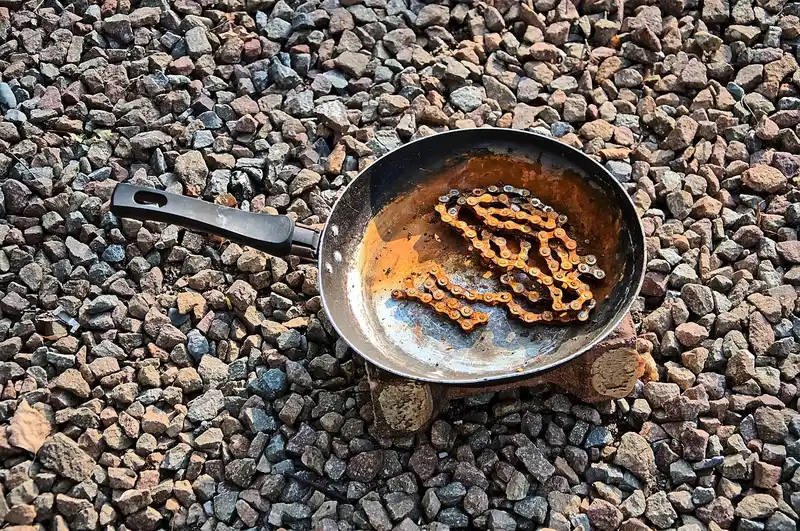
Roasting Pan Rust Problems: How to Fix Them
If rust is only on the surface of a roasting pan, remove it, dry the pan fully, and re-season bare cast iron; if the metal is pitted, flaking, or the coating is damaged, replace it. Rust can affect flavor, stain food, and allow corrosion to continue. This guide shows how to separate a pan you can save from one you should retire, and how to treat cast iron, stainless steel, and coated pans.
Moisture, acid, and physical damage trigger rust

Rust forms when moisture contacts iron or steel, then oxygen keeps the corrosion going. Cast iron can rust soon after washing, soaking, dishwasher use, or humid storage. Stainless steel generally resists rust better, but scratches, chloride exposure, and heat-tint damage can still leave it discolored or corroded.
What moisture does to cookware
Acidic drippings from gravy, tomato pan sauces, and reductions can strip weak spots in a protective layer. Dishwasher cycles and leftover rinse water are even harder on cast iron. Wirecutter says cast iron should not go in the dishwasher and should not sit in a sinkful of water overnight; it can rust if left wet.
What damage changes the fix
Surface rust can often be removed. Pitting, flaking coating, warped metal, or a damaged cooking surface changes the choice. A coated baking pan with a scratched finish may keep rusting from the exposed area. A removable roasting pan that no longer fits or heats correctly should not go back into service.
What you’ll need
- Mild dish soap
- Hot water
- Non-abrasive sponge
- Kosher salt
- Warm water
- Dry towel or lint-free cloth
- Food-safe oil for cast iron seasoning
- White vinegar
- Container large enough to submerge the rusty section, or the full pan if needed
- Oven mitts for removable roasting pans
Rust troubleshooting matrix

Use this table to match the pan material, rust severity, and likely cause to the safest first step. Start with the least aggressive fix that fits the surface you are trying to save. If the table points you to replacement, do not push harder just to avoid buying a new pan.
| Material | Symptom | Likely cause | Safe first-step fix | Escalation step | When to stop and replace |
|---|---|---|---|---|---|
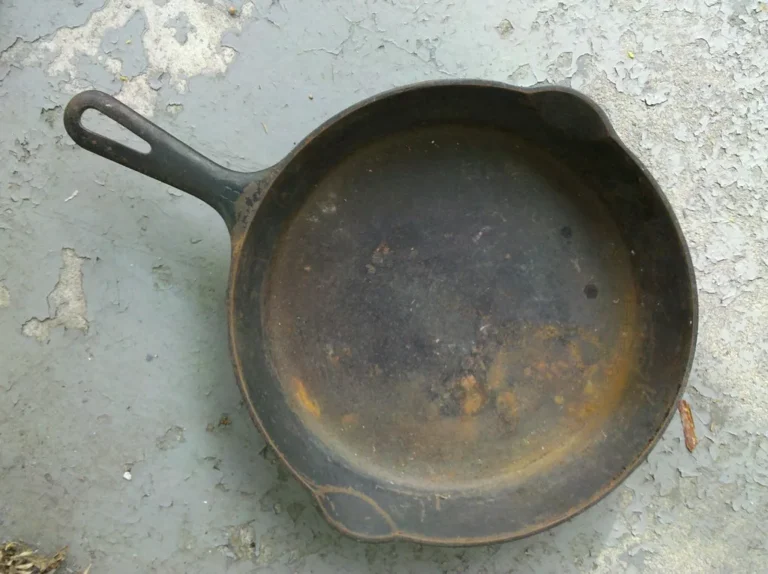
| Cast iron | Orange film or tiny rust spots | Wet storage, skipped drying, dishwasher exposure | Wash with mild dish soap and hot water using a non-abrasive sponge, then dry fully and apply a thin layer of oil | Use kosher salt with a few drops of warm water on a warm pan; rinse, dry, and season again | Replace if the surface is pitted, cracked, or warped |
| Cast iron | Thick rust or rough orange scale | Long moisture exposure or storage in a damp cabinet or basement | Dry clean first; then use distilled white vinegar in a container large enough to submerge the rusted area | Limit soak time closely, then dry and re-season the pan | Replace if pitting remains after cleaning or the cooking surface is no longer smooth enough to season |
| Stainless steel roasting pan | Brown discoloration, rust freckles, or dull patches | Damage to the finish, acidic drippings, dishwasher wear | Wash with hot water, mild dish soap, and a non-abrasive sponge | Use a non-scratch stainless cleaner if the stain remains; dry immediately | Replace if corrosion is deep, the metal is pitted through, or the pan has heat damage that affects cooking |
| Baking pan with coating | Rust at scratched edges or worn spots | Protective coating failure | Clean gently, dry completely, and store in a low-humidity cabinet | Spot-clean only if rust is minor and isolated | Replace if the coating is flaking, rust keeps returning, or the pan is exposed metal over a wide area |
| Removable roaster pan | Rust plus poor fit, warped base, or damaged handles | Wear, moisture, or malfunction in the roaster setup | Remove the pan with oven mitts and inspect it outside the unit | Clean only if the pan still fits correctly and the roaster checks out | Replace or stop using the unit if the pan or oven is damaged or malfunctioning |
Can you save a rusty pan?
Yes, if the rust is on the surface and the metal still holds together. Light rust on cast iron, stainless steel, or a lightly worn baking pan usually can be fixed. Deep pitting, coating failure, warped metal, or damage to the cooking surface is the point where replacement becomes the safer call.
Light surface rust
Clean first with hot water, mild dish soap, and a non-abrasive sponge. On cast iron, a light scrub with kosher salt and a few drops of warm water works well when the seasoning is mostly intact. Dry the pan fully right away, then oil bare cast iron in a thin layer.
Deep rust, pitting, or coating failure
Suppose a 16-inch roasting pan rack area shows orange rust after a humid basement season. That is usually a cleaning problem if the metal is still smooth. If you can feel pits, if rust returns after one cleaning, or if the coating is lifting, stop trying to polish it out.
When replacement is the safer call
A common first-timer mistake is treating flaking coating like ordinary grime. It is not. If the pan has exposed metal across large areas, a bent base, cracked cast iron, or corrosion that reaches the food-contact surface after cleaning, replacement is usually the better choice.
How to fix cast iron pan rust
Cast iron rusts when moisture sits on it, so the fix starts with drying and ends with renewed seasoning. Light rust usually comes off with soap, warm water, and a non-abrasive sponge. Severe rust can be treated with distilled white vinegar, but the soak must be watched closely to avoid over-etching.
- Wash away loose rust. Scrub the pan with hot water and mild dish soap, or use kosher salt and a few drops of warm water on a warm pan for stuck-on bits. Do not use a dishwasher.
- Dry the metal completely. Towel-dry every surface, including handles and the underside. Then warm the pan briefly on the stovetop or in a low oven until no moisture remains.
- Remove severe rust carefully. If rust is heavy, place the pan in a container large enough to submerge the rusted area and use distilled white vinegar. Check progress often; deep rust removal can take up to 24 hours, but prolonged soaking risks over-etching.
- Rinse and dry again. After the rust loosens, rinse the pan well, dry it fully, and inspect for pitting. If rough spots remain after cleaning, repeat only if the metal still looks sound.
- Re-season the surface. Apply a thin layer of oil to the entire pan after rust removal, then heat it to help rebuild seasoning. Seasoning is the protective oil layer that supports nonstick performance and must be renewed after rust removal.
The same source notes that cast iron should not sit in a sinkful of water overnight, and it can rust if left wet. That is why drying and light oiling after washing matter as much as the cleaning itself.
How to fix rust on stainless and coated pans
Stainless steel roasting pans resist rust better than cast iron, but they can still discolor or corrode if damaged. Baking pans with protective coatings rust when the coating is scratched or worn. A removable roasting pan from an electric roaster oven should be handled with oven mitts and inspected before the unit is used again.
Stainless steel roasting pans
Start with hot water, mild dish soap, and a non-abrasive sponge. Stainless roasters are often used for stovetop searing and gravy-making, so they can show heat tint, cooked-on fat, or brown staining before true rust appears. A tri-ply or 5-ply roaster can still stain if the finish is abused.
- Wash the surface gently. Use dish soap, hot water, and a non-abrasive sponge to remove grease and loose discoloration.
- Dry and inspect the finish. Look for pitting, lifted seams, or rust at scratches and rivets. If the stain is only cosmetic, stop after drying.
- Escalate only if needed. If rust remains, use a cleaner made for stainless steel and dry the pan immediately afterward. If corrosion is deep or the metal is pitted through, replace the pan.
Baking pans with worn coatings
Coated baking pans can rust when the protective finish is scratched or worn away. Complete drying before storage matters, and low-humidity storage helps slow repeat rust. If the coating is failing over a wide area, do not try to save the pan with more scrubbing.
- Clean and dry fully. Wash with mild soap, rinse, and dry every edge and corner before storage.
- Check the coating. If rust is limited to a scratch, clean it off and store the pan in a dry cabinet. If the coating is flaking, stop there.
- Replace on coating failure. Wide rust, peeling finish, or exposed metal over a broad section means the pan should be replaced.
Removable roasting pans for electric roaster ovens
The roaster oven manual says the pan is removable, and the appliance calls for a 120-volt AC outlet. That means the pan itself can be cleaned separately, but it should not go back into service if the roaster is damaged or malfunctioning. Insert the pan before preheating, and use oven mitts when removing it.
How do you keep pans from rusting?
Keep rust away by removing moisture fast, storing pans in dry air, and matching the storage plan to the material. Cast iron needs drying and a thin oil film after washing. Baking pans last longer in low-humidity cabinets. Seasonal cookware in basements or outer cabinets needs extra protection from damp air.
Drying and light oiling after washing
After washing cast iron, dry it completely and apply a thin layer of oil. That light coating helps protect bare metal and supports seasoning. For stainless steel and coated pans, complete drying matters more than oiling.
Low-humidity storage for cabinets, basements, and seasonal cookware
Store pans in the driest cabinet you have. If you keep holiday cookware in a basement or an upper cabinet that picks up condensation, add a moisture absorber or move the pan to a less humid spot. Basements and exterior walls are frequent trouble spots during seasonal changes.
How to store pans so rust does not return
- Dry every surface. Make sure handles, rims, and rack contact points are dry before putting the pan away.
- Separate damp metal. Do not stack a wet lid, rack, or insert on top of the pan.
- Check storage air. Move seasonal pans out of cabinets or basements that feel damp after rain or temperature swings.
Say your cast-iron roaster shows tiny rust spots after being stored in a basement cabinet all summer. The fix is not a harsher scrub first; it is soap, hot water, full drying, and a thin oil layer. If the same pan shows pitting after that, move to vinegar only if the metal still looks structurally sound.
Picture a coated baking pan with rust at one scratched corner after a dishwasher cycle. If the rust is local and the coating is mostly intact, dry it and store it in a low-humidity cabinet. If the coating keeps lifting around the edge, replacement is the safer outcome.
Common mistakes
- Soaking cast iron overnight. Water left on the surface speeds rust.
- Using vinegar too long. It can over-etch cast iron or weaken a finish if you ignore the clock.
- Scrubbing seasoned cast iron with a harsh pad. That can strip the seasoning you need to protect it.
- Storing pans while damp. Even a little trapped moisture can restart corrosion.
- Trying to save flaking coatings. Once coating failure is wide, replacement is usually the better fix.
- Ignoring a damaged removable roaster pan. If the pan or roaster is malfunctioning, do not keep using it.
Frequently asked questions
How to fix cast iron pan rust: wash with soap and hot
Wash with soap and hot water, dry completely, and scrub light rust with kosher salt and a few drops of warm water on a warm pan. For heavier rust, use distilled white vinegar with close timing, then dry and re-season the pan with a thin oil layer.
Products related to this article
Sponsored / affiliate links. As an Amazon Associate I earn from qualifying purchases. I may earn additional commission from eligible campaigns.