Saucier Pan Vs Saute Pan: Key Differences Explained
It’s easy to get cooking pans mixed up. Especially when names sound alike. You might be looking at your pans.
Bigwinyep
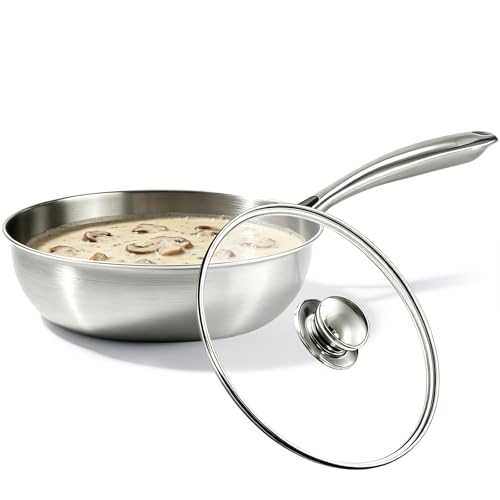
Bigwinyep Stainless Steel Saucier Pan with Lid,…
- MULTI-SIZE FOR EVERY HOUSEHOLD: Choose the 18cm:900ml/1quart,for 1-2 people,20cm:1200ml/1.3quart,for 2-3 people,22cm:1400ml/1.5qu…
- 3-PLY EVEN HEATING TECHNOLOGY: This Saucier Pan 3 Ply features a bonded base that distributes heat quickly and evenly.Whether yo…
- VERSATILE FOR DAILY COOKING & BAKING: Saucier pan excels at boiling milk, making oatmeal, reheating soups, and steaming veggies.…
As an Amazon Associate I earn from qualifying purchases.
One is tall. The other is wider. They both have handles.
But are they the same? Maybe not. Let’s clear this up.
We’ll look at the saucier pan and the saute pan. You’ll know exactly what each one is for. This will make cooking easier.
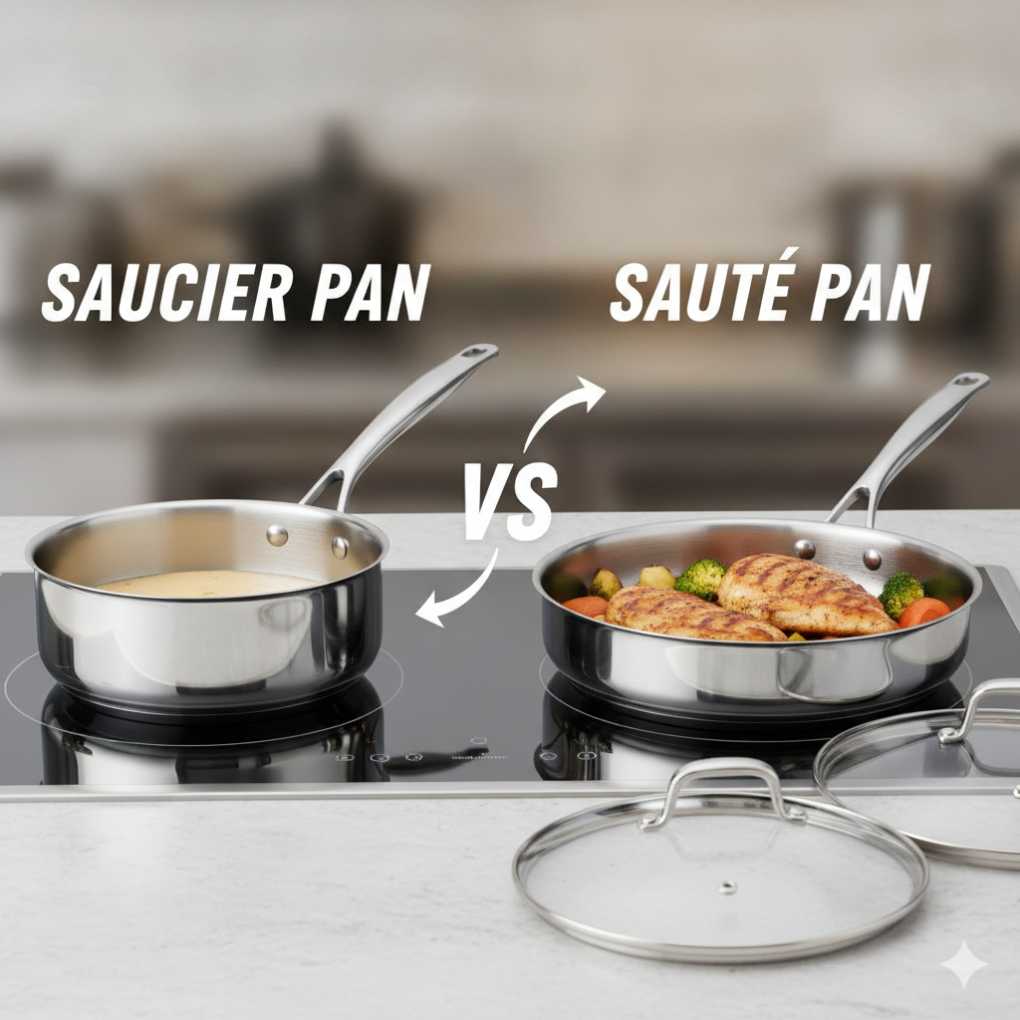
A saucier pan has curved sides that slope inward. It’s best for making sauces, gravies, and reductions. A saute pan has straight, tall sides and a larger surface area.
It is ideal for searing, sautéing, and frying foods.
Saucier Pan: The Sauce Master
Imagine a pan that makes sauces. That’s a saucier pan. Its shape is very special.
The sides are not straight up and down. They curve gently inward. Think of a bowl.
But it has a flat bottom and a handle.
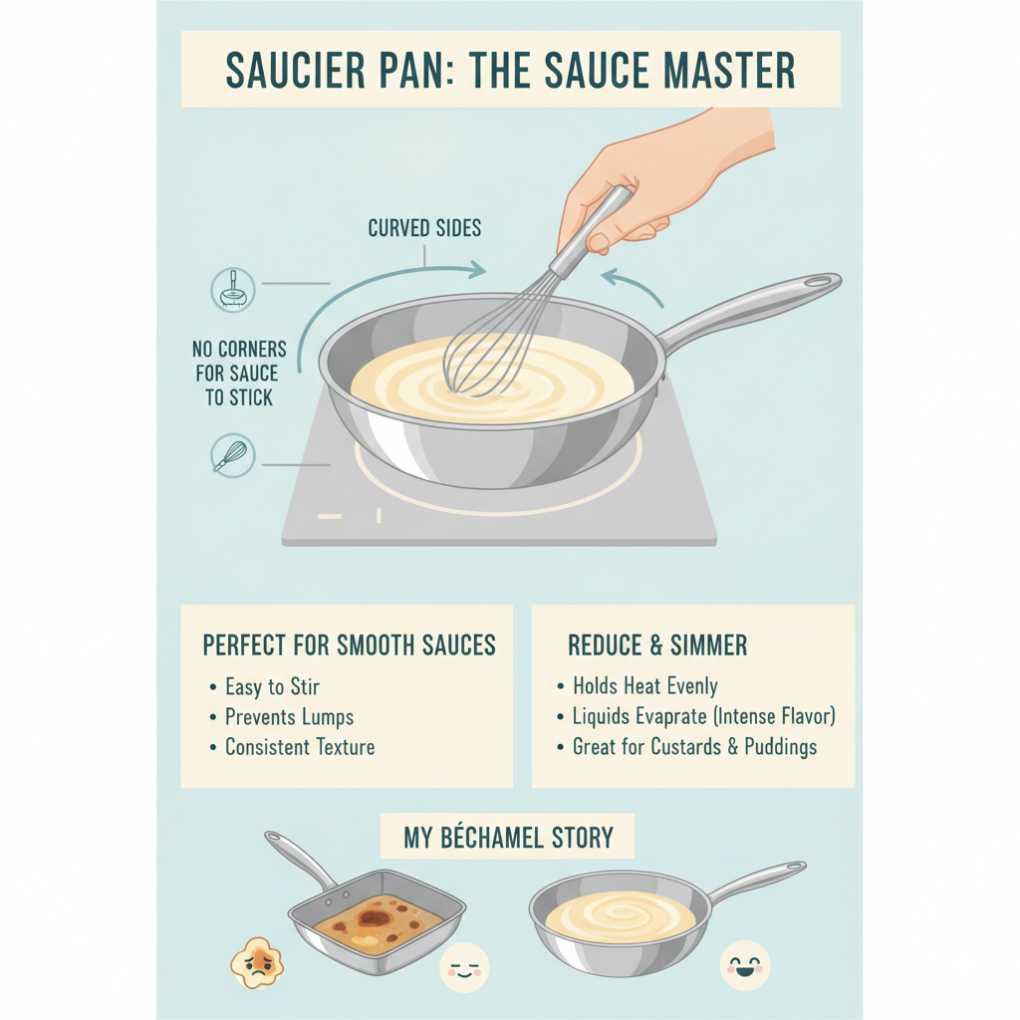
Why are these curved sides so good? They help you stir. You can get a whisk or spoon right into the corner.
There are no sharp angles. This means no sauce sticks and dries out. You can easily scrape the bottom and sides.
This is key for smooth sauces.
Sauces need gentle heat. They often simmer for a long time. The saucier pan is great for this.
It holds heat well. The sloped sides also help liquids reduce. This means the water evaporates.
The flavors get stronger. It’s perfect for making rich, deep flavors.
I remember my first time making a béchamel sauce. It was lumpy. I used a regular frying pan.
The corners were too sharp. The milk sauce stuck. It burned a little.
Then I got a saucier pan. Making that sauce again was a dream. The whisk just glided.
No lumps formed. The sauce was so smooth and creamy. It felt like magic.
That’s when I truly understood the saucier pan’s power.
It’s not just for thin sauces. Think about custards and puddings. These need constant stirring.
The curved sides prevent scorching. They also help blend ingredients. You can whip eggs in it easily.
What Makes a Saucier Pan Special?
Key Features of a Saucier Pan
- Curved Sides: Gentle slope from base to rim.
- Easy Stirring: No sharp corners to trap food.
- Smooth Blending: Perfect for whisking and mixing.
- Reduced Sticking: Less chance of burning or drying.
- Flavor Deepening: Aids in simmering and reduction.
The material of a saucier pan matters. Many are made of stainless steel. This is durable and non-reactive.
It heats evenly. Some have a copper core. This adds even better heat control.
Non-stick versions exist too. But for sauces, stainless steel is often preferred. It helps build fond, which is flavor.
Think about making gravy from pan drippings. You need to scrape up all those bits. A saucier pan lets you do that easily.
Those bits are pure flavor. They make your gravy amazing. It’s a small detail that makes a big difference.
The size of a saucier pan varies. A 2-quart size is good for small batches. A 3-quart is a common size for many homes.
Larger ones are for big families or batch cooking.
Saute Pan: The All-Rounder
Now, let’s talk about the saute pan. This pan is a kitchen workhorse. It has straight, high sides.
It also has a wide, flat bottom. This design makes it great for cooking many things at once.
The word “saute” means to jump. In cooking, it means to cook food quickly. You do this over high heat.
The saute pan is built for this. The straight sides keep food in the pan. They also prevent splattering.
Because the bottom is wide, you can fit a lot of food. You can sear multiple pieces of chicken. You can cook a whole batch of vegetables.
This is different from a skillet. Skillets have sloped sides. Food can slide out easily.
Saute pans keep everything contained.
This pan is perfect for searing meat. You get a beautiful brown crust. This adds tons of flavor.
It’s also great for sautéing vegetables. You can cook them quickly and keep them crisp. Think of stir-fries.
A saute pan is ideal.
I learned to cook using a saute pan. My mom had one she used for everything. She would sear steaks in it.
Then she’d add onions and peppers. It all cooked in the same pan. It was so efficient.
Later, she’d make a quick pan sauce. The straight sides weren’t as good for that as a saucier. But it still worked.
It showed me how versatile this pan could be.
Beyond searing and sautéing, it’s good for shallow frying. You can fry chicken pieces or fish fillets. The sides keep the oil from splashing out.
This is a safety plus. It also helps maintain a consistent oil temperature.
Many saute pans come with a lid. This is very useful. You can cover the pan to trap heat.
This is good for braising. You can cook tougher cuts of meat slowly. The lid locks in moisture.
It helps tenderize the meat. You can also finish cooking dishes in the oven.
The cooking area is large. This means food cooks evenly. You don’t crowd the pan.
Crowding steams food. You want searing or sautéing. This pan gives food space.
This is crucial for good texture and flavor.
What Makes a Saute Pan Special?
Key Features of a Saute Pan
- Straight, High Sides: Prevents splattering and holds food.
- Wide, Flat Bottom: Offers large cooking surface.
- Searing & Sautéing: Ideal for quick, high-heat cooking.
- Shallow Frying: Safer with contained oil.
- Braising: Often comes with a lid for slow cooking.
Like saucier pans, saute pans come in many materials. Stainless steel is common. It’s tough and heats well.
Cast iron saute pans are excellent for heat retention. They get very hot and stay hot. This is great for searing.
Non-stick saute pans are easy to clean. But they are not best for high-heat searing. They can also get scratched easily.
The size matters here too. A 10-inch saute pan is a good start. A 12-inch pan is great for families.
It gives you more room to cook.
Think about making a frittata. You start by cooking fillings on the stove. Then you finish it under the broiler or in the oven.
A saute pan is perfect for this. Its oven-safe design is a big plus.
The lid on a saute pan is important. It helps trap steam. This makes food tender.
It is good for cooking grains like rice or quinoa. It helps them cook evenly.
Saucier Pan vs. Saute Pan: The Core Differences
Let’s put them side-by-side. The biggest difference is the shape. This dictates their best uses.
Saucier Pan vs. Saute Pan: At a Glance
| Feature | Saucier Pan | Saute Pan |
|---|---|---|
| Side Shape | Curved, sloping inward | Straight, tall |
| Best For | Sauces, gravies, custards, reductions, whisking | Searing, sautéing, frying, braising, one-pan meals |
| Stirring Ease | Excellent, no corners | Good, but corners can trap bits |
| Splatter Control | Moderate | Good, due to tall sides |
| Surface Area | Moderate, focus on depth | Large, focus on width |
The saucier pan is about smooth movement. It’s about getting every bit of flavor. It’s for delicate, liquid-based cooking.
It’s about blending and emulsifying.
The saute pan is about efficiency and capacity. It’s about cooking food quickly and evenly. It’s for high-heat cooking and large batches.
It’s about browning and creating a crust.
Think about the last time you made a creamy tomato sauce. You needed to whisk in cream or butter. The saucier pan makes this easy.
You get a perfect emulsion. If you tried that in a saute pan, it would be harder.
Now, imagine searing a dozen scallops. You need space. You don’t want them to steam.
The saute pan is the clear winner here. Its wide base is perfect for getting a good sear on each one.
When to Use Which Pan
Choosing the right pan can really change your cooking. It’s not about having the most pans. It’s about having the right ones for the job.
Use a Saucier Pan For:
- Making smooth sauces like Alfredo, béchamel, or hollandaise.
- Creating reductions for flavor.
- Whisking eggs or making custards and puddings.
- Simmering delicate soups or broths.
- Preparing risottos.
- Melting chocolate without scorching.
I’ve found that when I’m making a delicate custard, the saucier is a lifesaver. The gentle curves mean I can stir constantly without worrying about burning the bottom. It’s a peace-of-mind pan.
It lets me focus on the flavors.
Use a Saute Pan For:
- Searing meats like chicken breasts, pork chops, or steaks.
- Sautéing large amounts of vegetables.
- Making stir-fries.
- Shallow frying fish or chicken.
- Braising tough cuts of meat.
- One-pan meals where you cook multiple ingredients.
- Cooking dishes that go from stovetop to oven.
My go-to move is searing chicken thighs in a saute pan. I get a lovely crispy skin. Then I add some garlic, onions, and maybe some broth.
I put the lid on and let it braise. It’s a simple meal, but the pan makes it taste complex.
You can technically do many things in either pan. But the results will be better with the right tool. Trying to make a smooth sauce in a saute pan can lead to lumps and sticking.
Trying to sear a lot of meat in a saucier pan might lead to crowding and steaming.
Saucier vs. Saute: Real-Life Scenarios
Scenario 1: Making a Creamy Mushroom Sauce
Ideal Pan: Saucier Pan.
Why: The curved sides make whisking in cream and thickening the sauce effortless. No lumps form in the corners.
Scenario 2: Searing Salmon Fillets
Ideal Pan: Saute Pan.
Why: The wide, flat bottom allows space for multiple fillets. This ensures a good sear without steaming, giving you crispy skin.
It’s about understanding how the pan’s shape helps your food cook. It’s a physics thing, really. The way heat transfers.
The way ingredients interact. The pan is a partner in the cooking process.
What About Other Pans?
You might be thinking, “What about my frying pan?” or “My stockpot?” It’s good to know how these fit in too.
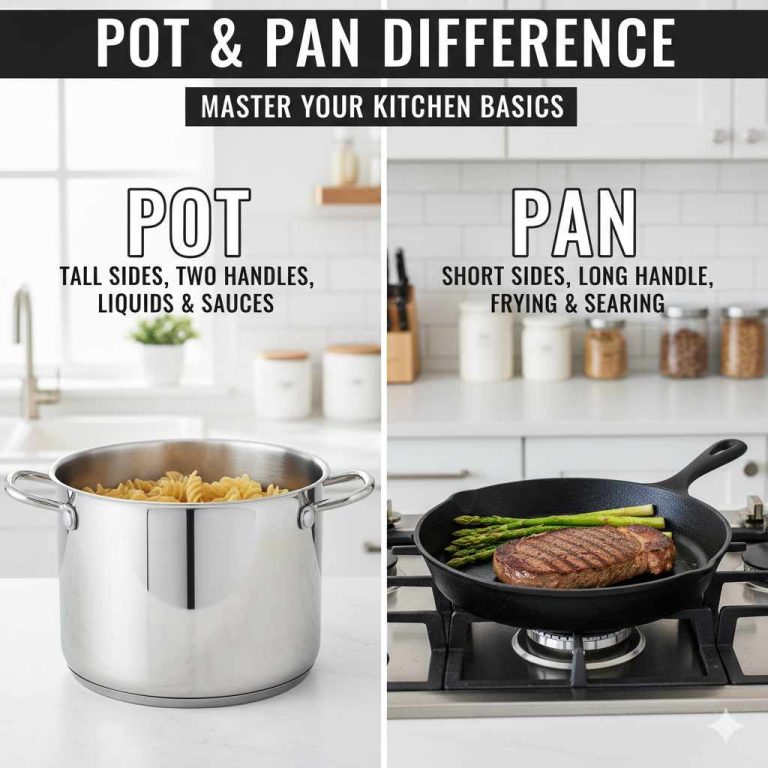
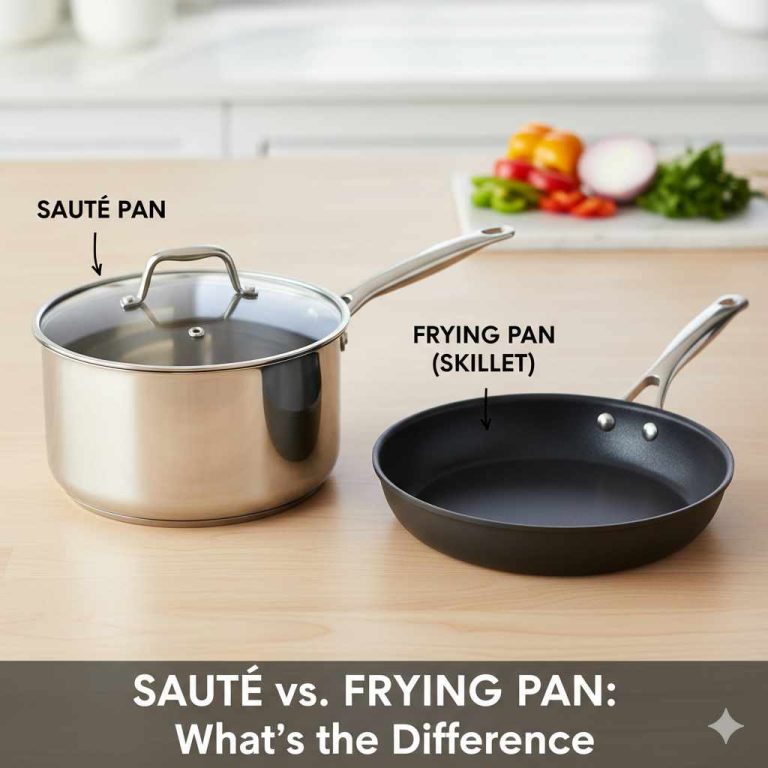
A frying pan (or skillet) has sloped sides. It’s best for frying eggs or pancakes. It’s good for quick flips.
Food can slide out easily. But it’s not great for holding liquids or deep frying. It also doesn’t hold as much food as a saute pan for searing.
A stockpot is tall and narrow. It’s for making large amounts of broth or stock. It’s also for boiling pasta or corn on the cob.
It’s designed to hold a lot of liquid. It’s not for sautéing or searing because the sides are too high and narrow.
A Dutch oven is a heavy pot with a lid. It’s usually cast iron. It’s fantastic for braising, stews, and soups.
It holds heat very well. It can go from stovetop to oven. It’s like a heavy-duty saute pan but deeper.
Understanding these differences helps you build a useful collection of cookware. You don’t need every single pan. But having a good saucier and a good saute pan will cover many cooking needs.
Materials and Maintenance
The material of your pan affects how it cooks and how you care for it.
Common Pan Materials
Stainless Steel
Pros: Durable, non-reactive, good heat distribution (especially with core). Easy to clean.
Cons: Can sometimes stick if not used properly. Not the best for even non-stick cooking.
Maintenance: Dishwasher safe (check manufacturer). Avoid harsh scrubbing on certain finishes.
Cast Iron
Pros: Excellent heat retention, develops a natural non-stick surface with seasoning. Great for searing.
Cons: Heavy, requires seasoning and care, can rust if not maintained.
Maintenance: Hand wash only. Oil after drying. Never use soap on seasoned pans.
Non-Stick (Aluminum or Steel Base)
Pros: Food releases easily, great for delicate items like eggs or fish. Easy cleanup.
Cons: Surface can scratch easily. Not ideal for high-heat searing or building fond. Coatings can wear out.
Maintenance: Hand wash gently. Use non-metal utensils. Avoid high heat.
For a saucier pan, stainless steel is a popular choice. It allows you to deglaze easily. This means adding liquid to the hot pan to loosen browned bits.
Those bits are flavor gold. You can’t do that well with a non-stick surface.
For a saute pan, any material can work. Cast iron is superb for searing. Stainless steel is a great all-rounder.
Non-stick is convenient but has limits.
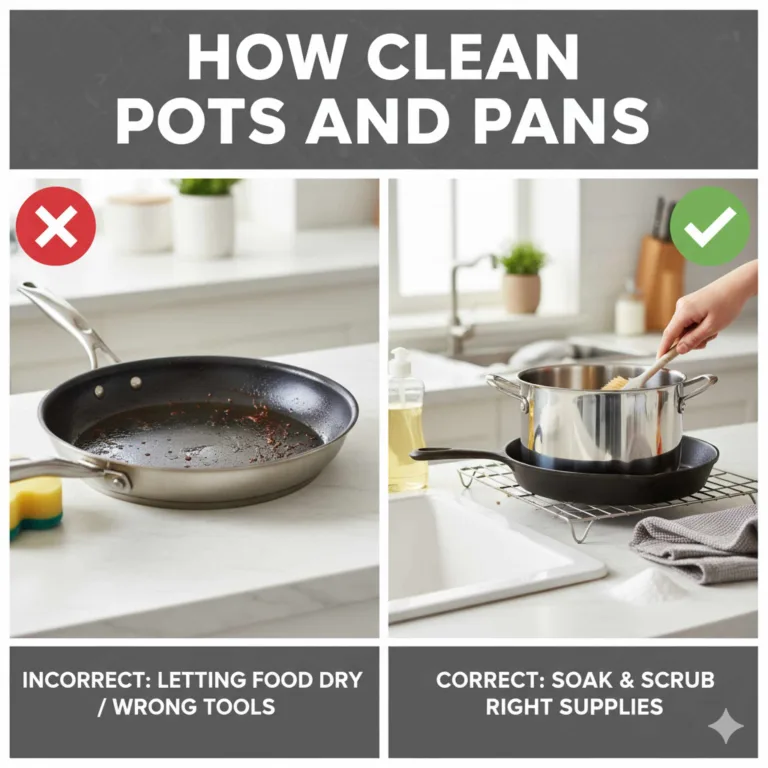
Cleaning is important for longevity. Always let your pans cool down before washing. Hot pans can warp if plunged into cold water.
Use a soft sponge. For stubborn bits, you can use a nylon scrubber or a paste of baking soda and water.
If you have a stainless steel saucier pan, don’t be afraid of a little bit of browning on the bottom. That’s called fond. It’s where all the delicious flavor lives.
You can deglaze it with wine or broth to make a sauce. It’s a sign of good cooking.
When It’s Normal vs When to Worry
Sometimes, a pan might seem to be acting strange. Let’s look at what’s normal and what might signal a problem.
Pan Behavior: Normal vs. Concerning
Normal Behavior
- Saucier: Slight sticking if you don’t stir well, but usually releases with a good deglaze.
- Saute: Food might stick a little during searing, especially leaner meats.
- Even heating: Pan gets hot all over.
- Slight discoloration: Stainless steel can get heat tints (rainbow colors).
Concerning Behavior
- Food sticks badly: Even with preheating and oil.
- Hot spots: Pan heats unevenly, burning food in one area.
- Warping: Bottom of the pan is no longer flat.
- Peeling coating: Non-stick surface is chipping off.
- Rust: Especially on cast iron if not cared for.
If your pan is warping, it’s a problem. A warped pan won’t sit flat on your stove. This means uneven heating.
It can also be a safety hazard. For non-stick pans, if the coating is coming off, it’s time to replace it. Those tiny bits aren’t good to eat.
With stainless steel, sometimes you get burnt-on food. This is normal. It doesn’t mean the pan is bad.
It just means you need to clean it properly. A little elbow grease or a good soak can usually fix it. It’s a sign you’re using your pans!
If your cast iron pan looks dull or has rust spots, it needs re-seasoning. It’s not ruined, just needs some TLC. Think of it as bringing it back to life.
Quick Tips for Pan Success
Here are some simple things to remember for great results with both pans.
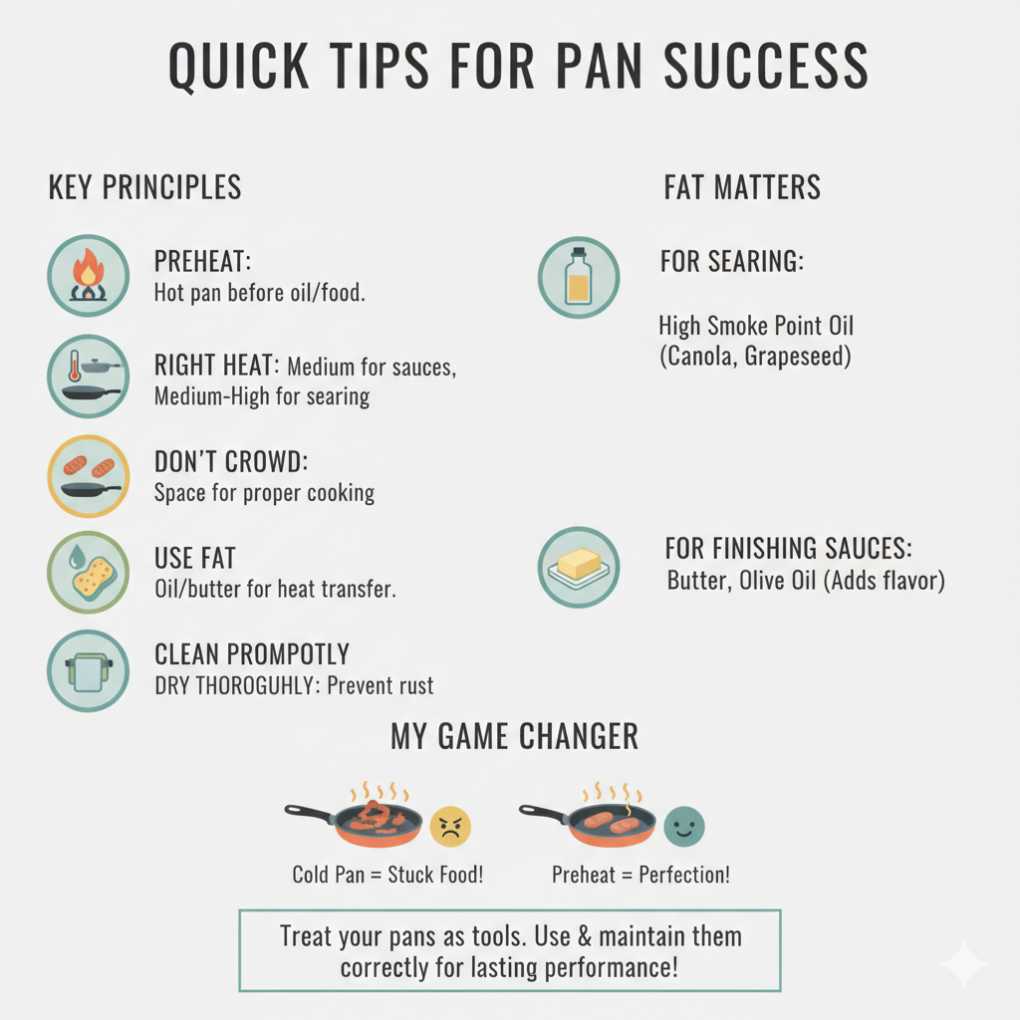
- Preheat: Always preheat your pan before adding oil or food. This is key for searing and preventing sticking.
- Right Heat: Use medium heat for most sauces in a saucier. Use medium-high to high heat for searing in a saute pan.
- Don’t Crowd: Give food space to cook properly. This is especially important in a saute pan.
- Use Fat: Oil or butter helps transfer heat and prevents sticking.
- Clean Promptly: Wash pans after they cool.
- Dry Thoroughly: Especially cast iron, to prevent rust.
I used to rush through cooking. I’d throw food into a cold pan. Then I’d wonder why it stuck.
Learning to preheat properly was a game-changer. It made everything easier. And the food tasted better.
The right fat is also key. For searing, a high smoke point oil like canola or grapeseed is good. For finishing sauces, butter or olive oil can add flavor.
Match the fat to the cooking method.
Think of your pans as tools. You need to use them correctly. And you need to maintain them.
This will make them last for years. And they’ll perform better.
Frequently Asked Questions
Saucier Pan vs. Saute Pan: What’s the Main Difference?
Click to see answer
The main difference is the shape of the sides. A saucier pan has curved, sloping sides. This is great for whisking and making smooth sauces.
A saute pan has straight, tall sides. This is good for searing and sautéing large amounts of food.
Can I make sauces in a saute pan?
Click to see answer
Yes, you can make sauces in a saute pan. However, the straight sides make it harder to whisk and can lead to food sticking in the corners. A saucier pan is designed specifically for this task and makes it much easier to get smooth results.
Can I sear meat in a saucier pan?
Click to see answer
You can sear meat in a saucier pan, but it’s not ideal for large quantities. The curved sides mean less direct contact with the pan bottom for each piece. A saute pan with its wide, flat bottom provides better searing surface area, preventing food from steaming.
Which pan is better for one-pan meals?
Click to see answer
A saute pan is generally better for one-pan meals. Its straight, tall sides and wide base allow you to cook multiple ingredients at once without overcrowding. You can sear proteins, sauté vegetables, and even braise or simmer a sauce in the same pan.
Do I need both a saucier and a saute pan?
Click to see answer
It depends on your cooking style. If you make a lot of sauces, gravies, or custards, a saucier pan is highly recommended. If you focus on searing, sautéing, and one-pan dinners, a saute pan is essential.
Many cooks find both very useful in their kitchen.
What material is best for a saucier pan?
Click to see answer
Stainless steel is a very popular choice for saucier pans. It’s durable, non-reactive, and heats evenly, especially if it has an aluminum or copper core. This material also allows for deglazing, which is important for building flavor in sauces.
What size saucier or saute pan should I get?
Click to see answer
For a saucier pan, a 2-quart or 3-quart size is common for households. For a saute pan, a 10-inch or 12-inch diameter is a good versatile size. Consider how many people you usually cook for.
Conclusion
So, there you have it. The saucier pan is your best friend for sauces. The saute pan is your reliable partner for searing and more.
Understanding their shapes and strengths helps you cook better. You’ll make tastier food. And you’ll enjoy the process more.
Related pick: Check today's price on Amazon
Products related to this article
Sponsored / affiliate links. As an Amazon Associate I earn from qualifying purchases. I may earn additional commission from eligible campaigns.