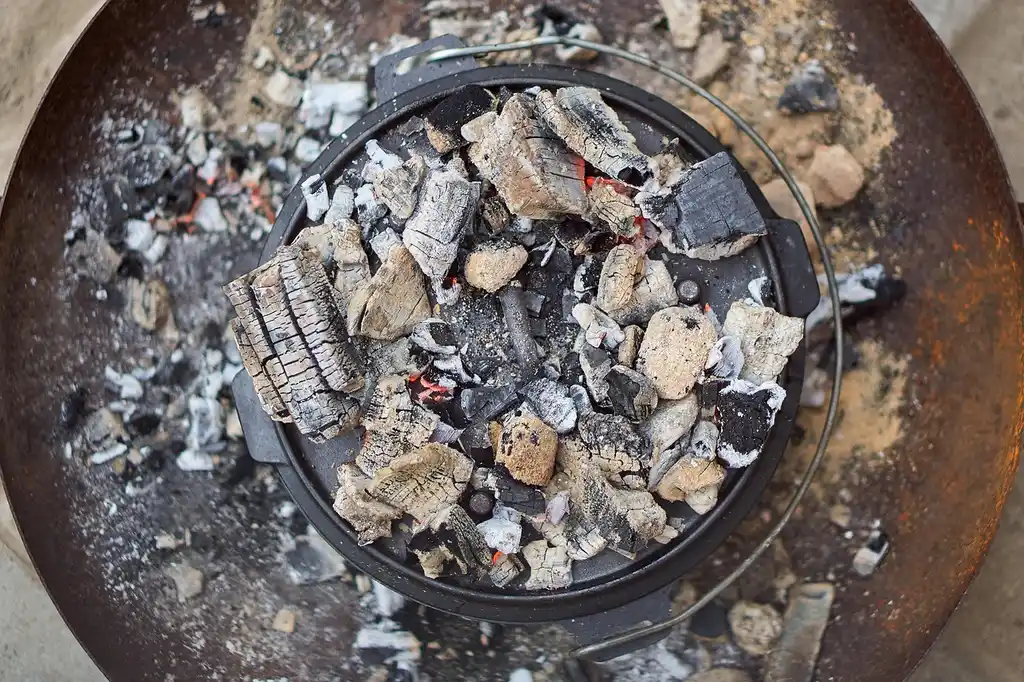
Dutch Oven Cost / Price / How Much
A usable Dutch oven often costs roughly $40 to $120. Below $40, you often see thinner walls and rougher lids; above $120, cast-iron enameled models usually bring better finish, tighter fit, and longer life. Pay too little and you may get chipping enamel, warped lids, and uneven heat that costs more to replace. This guide separates price tiers by durability, lid fit, size, and everyday cooking use.
Dutch oven cost at a glance


Typical price ranges by material
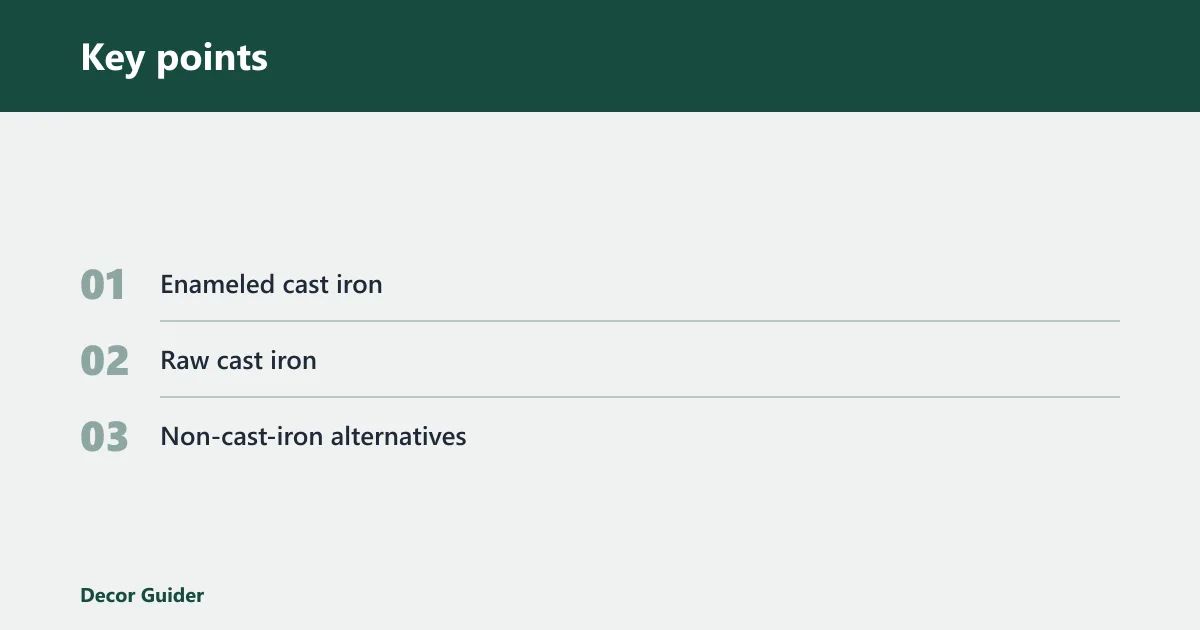
A good Dutch oven can cost between $60 and $450, but that number matters less until you separate material first. Enameled cast iron usually costs more than raw cast iron, while aluminum, ceramic, copper, stainless steel, and hard-anodized aluminum tend to fall into different price bands and use cases.
- Enameled cast iron: often $70 to $450+ depending on brand, size, and enamel quality.
- Raw cast iron: often lower, with Lodge models around $40 to $80 and some 5-quart to 7-quart pots as low as $30 to $60.
- Non-cast-iron alternatives: usually priced by material and build, not by Dutch oven tradition alone.
What a 5.5-quart price usually signals
The 5.5-quart round size is a common reference point, and it lets you compare brands on even footing. A 5.5-quart Le Creuset Dutch oven typically costs $380 to $450 retail, while a smaller Le Creuset Dutch oven or braiser costs $200 to $330 retail. That gap usually reflects finish quality, lid fit, and brand tier more than size alone.
What makes one Dutch oven cost more?
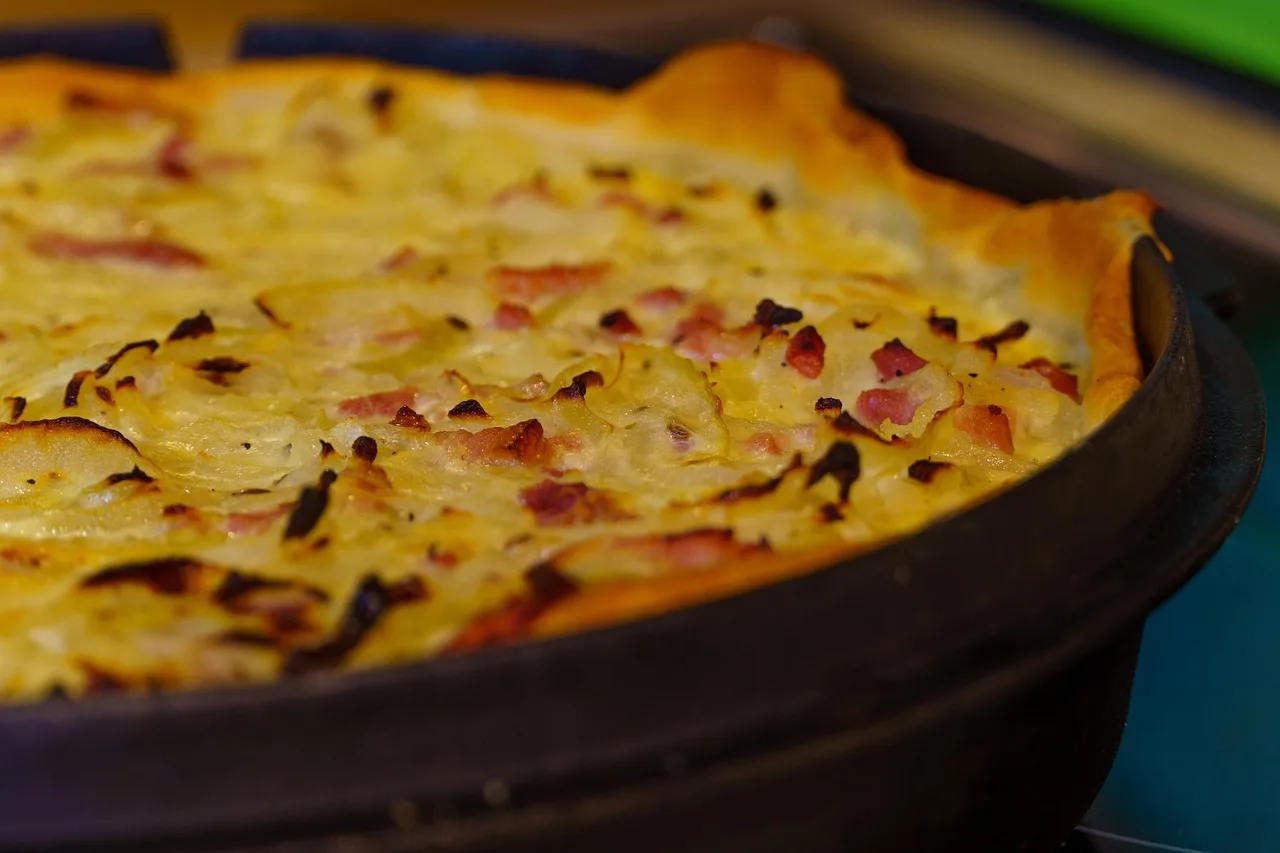
Price rises when the pot has thicker enamel, tighter lid fit, heavier walls, cleaner finish work, and stricter brand control. Size matters too, because larger capacities use more material and often cost more. In enameled cast iron, the finish is a major part of the price, not a cosmetic extra.
Enamel quality and number of layers
Thicker enamel costs more because it is harder to apply well and less likely to chip, craze, or wear unevenly. More layers usually mean better durability, but only when the finish stays consistent across the pot and lid. Thin enamel can show staining faster and is more vulnerable at the rim and lid edge.
Lid fit, weight, and wall thickness
Lid fit matters for braises and bread. A tight-fitting lid holds steam better, which helps keep moisture inside during long cooking; a looser lid lets more steam escape. Heavier, thicker walls often indicate better heat retention, though they also make the pot harder to lift and store.
Say your 5-quart pot bakes no-knead bread and braises short ribs on weekends. A tighter lid helps the loaf spring and keeps a braise from drying out at the edges. In that case, paying more for fit can matter more than chasing the biggest capacity.
Brand tier and finish control
Brand reputation adds to price because premium makers tend to control casting, glazing, lid fit, and surface finish more tightly. Le Creuset and Staub are the premium benchmark, while Lodge, Tramontina, and Cuisinart are common budget or mid-range references. That premium is not only for the name; it often reflects more consistent finish and lid alignment.
Size and capacity
The most common Dutch oven size is 5-quart to 6-quart enamel Dutch oven. A 7-quart pot generally costs more than a 5-quart model because it uses more material and takes up more storage space. Size changes handling too; a larger pot is harder to move when full of stew or dough.
Dutch oven value matrix
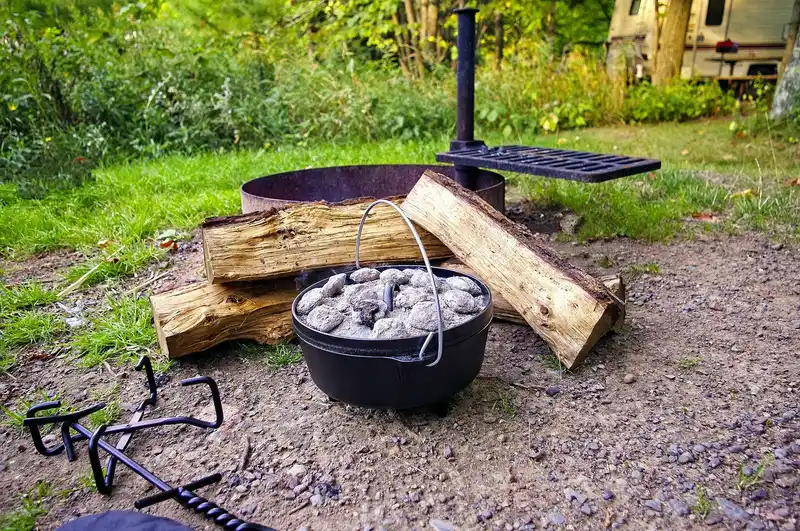
This matrix turns price into plain expectations. It separates material, lid fit, durability, and use case so you can pay for the features you will use, not the ones you will never notice.
| Price tier | Typical size | Material | Expected durability | Lid fit quality | Common failure risks | Best-use cases |
|---|---|---|---|---|---|---|
| Budget | 5 to 6 quarts | Thin enameled cast iron or raw cast iron | Good for lighter use; finish may wear sooner | Often acceptable, sometimes loose | Chipping enamel, rough lid seal, staining, uneven heating | Weeknight stew, soup, basic braising, starter bread baking |
| Mid-range | 5-quart to 7-quart | Better enameled cast iron | Often the best balance of cost and life span | Usually better aligned and more moisture-retentive | Minor staining, chipped rim if handled roughly | Braising, bread, batch cooking, family stews |
| Premium | 5.5-quart and larger | Heavier enameled cast iron with refined finish | High, especially with careful use | Very tight and consistent | High replacement cost, chipped enamel if dropped, knob wear | Frequent braising, sourdough, showpiece cookware, long-term ownership |
Budget tier: what you get
Budget Dutch ovens are priced at $60 to $100, with budget enameled Dutch ovens sometimes found for $40 to $70. In this range, Lodge, Tramontina, and Cuisinart are common names to compare. These pots can cook well, but fit and finish are usually less refined than on pricier models.
Mid-range tier: where value often lands
Mid-range Dutch ovens are priced from $100 to $250, and a 5-quart to 7-quart mid-range Dutch oven generally falls between $70 and $150. For daily cooking, that range often gives you the best mix of price and performance. Most home cooks can find an excellent Dutch oven in the $70 to $180 range.
Premium tier: what the price buys
Premium 5.5-quart Dutch ovens from Le Creuset and Staub typically cost $380 to $460. At this tier, buyers usually pay for finish control, fit, and brand reputation as much as for the metal itself.
Best uses by price tier
For weeknight stew, a budget or lower mid-range pot often works fine. For bread and braising, a mid-range pot with a better lid is the safer buy. Premium makes the most sense if you cook with it often, want a very consistent lid seal, or want a pot that will stay in rotation for years.
Is a Dutch oven worth it?
Yes, if you braise, bake bread, simmer soup, or want one pot that handles stovetop-to-oven cooking. No, if you only make small sauce batches or rarely cook foods that benefit from heavy walls and a tight lid. The value comes from heat retention, moisture control, and versatility, not from brand prestige alone.
When a cheap pot is enough
A cheaper Dutch oven is enough if you mostly cook stews, rice dishes, or simple braises and do not mind a little more staining or a less polished lid fit. If the pot will be used a few times a month, a sturdy budget model can meet the need without pushing the budget into premium territory.
When spending more pays off
Spending more pays off when the pot gets frequent use, especially for bread and long braises where lid fit and enamel quality matter. A better-finished pot also tends to hold up better around the rim, where chips often start. That can reduce replacement risk over time.
Suppose you make 2 loaves of bread a week and braise chicken thighs on Sundays. A mid-range 5.5-quart pot is usually the smarter buy than a bargain model, because lid fit and enamel quality affect both the bread crust and the braise’s moisture level.
Which cooks benefit most from cast iron heat retention?
Cast iron heat retention helps cooks who want steady simmering, oven roasting after searing, and bread baking with strong thermal mass. It is less important for cooks who mainly boil pasta or warm leftovers. If you cook dense foods that benefit from even heat, the material is worth paying for.
How much should you spend on a good Dutch oven?
For most home cooks, the best price band is $70 to $180. That range usually buys a solid 5-quart to 6-quart pot with better lid fit and enough enamel quality to last through regular use. If you cook less often, a lower budget can still be reasonable.
Best price band for most home cooks
The middle range is the best value for most buyers because it avoids the common tradeoff at the bottom end: low price but rough lid fit or thinner enamel. It also avoids the premium markup that many cooks will never fully use. Mid-range often gives the best value.
Best size for a family
For a family, a 5-quart to 6-quart pot is a common default, and a 5.5-quart model is a practical reference point when comparing prices. A 7-quart pot makes sense for bigger batches, but it costs more and is heavier when full. Size influences both handling and storage.
When to choose 5, 5.5, or 7 quarts
- Choose 5 quarts if you cook for one to three people or want a lighter pot.
- Choose 5.5 quarts if you want the most common all-purpose size.
- Choose 7 quarts if you batch-cook, bake large loaves, or regularly cook for a bigger family.
Enameled cast iron vs raw cast iron
Enameled cast iron usually costs more because of the coating, finish work, and lid alignment, while raw cast iron usually costs less and requires seasoning. Raw cast iron is often suitable for campfire use, but it asks for more care. Enameled cast iron is easier to keep clean, but chips and crazing are real failure risks.
Price differences and care needs
Raw cast iron Dutch ovens from Lodge typically cost $40 to $80, and a 5-quart to 7-quart raw cast iron Dutch oven can cost as little as $30 to $60. Enameled models often cost more because the coating adds material and labor. The higher price often buys easier cleanup and a more refined interior surface.
Seasoning, campfire use, and rust risk
Raw cast iron must be seasoned, and it can rust if left wet or washed carelessly. That extra maintenance is why it can be cheaper. It is also why many cooks choose raw cast iron for campfire cooking, where enamel can be stressed by direct flame, ash, and rough handling.
Common failure risks for each type
On enameled cast iron, the usual risks are chipping, staining, craze lines, and loose or uneven lids. On raw cast iron, the main risk is rust if the seasoning fails or the pot is stored damp. Replacement knobs can also add hidden cost when heat degrades plastic parts or the original knob is not oven-safe enough for your use.
Where to find Dutch oven deals
Good deals show up in outlets, seasonal sales, and open-box listings, but only if the size and lid fit are right. A markdown is worth taking when the discount is on a model you already planned to buy. It is not a bargain if the finish is poor or the pot is the wrong capacity.
Outlets, seasonal sales, and open-box buys
Outlets are useful for premium brands, especially if you want Le Creuset or Staub without paying full retail. Seasonal sales can also bring mid-range models into a more useful price band. Open-box buys make sense only when the lid, rim, and enamel are intact and the return policy is clear.
When a markdown is worth taking
Buy now if the pot is the right size, the lid sits evenly, and the discounted price moves it into your target tier. Wait if the pot is still overpriced relative to its size or if the discount is only on a finish you would not choose. A bad fit at a low price is still a bad fit.
What to inspect before buying on sale
- Check the lid for rocking or visible gaps.
- Look for chips on the rim and lid edge.
- Inspect enamel for thin spots, pinholes, or heavy crazing.
- Confirm the knob material is oven-safe for your cooking temperature.
- Make sure the size matches the meals you actually cook.
Frequently asked questions
How much is a Dutch oven?
Budget models start lower, while premium 5.5-quart versions from Le Creuset and Staub sit near the top of the range.
Why are Dutch ovens so expensive?
They cost more when the pot has thicker walls, better enamel, tighter lid fit, and stronger brand reputation. Enameled cast iron is also more expensive to make than raw cast iron. That is why two pots of the same size can differ sharply in price.
What size Dutch oven should I buy?
A 5-quart to 6-quart Dutch oven is a common all-purpose size, and a 5.5-quart pot is a practical reference point when comparing options. Choose 5 quarts for smaller households, 5.5 quarts for general use, and 7 quarts when you cook for more people or want extra batch capacity.
What makes one Dutch oven cost more than another?
Enamel quality, lid fit, wall thickness, brand tier, and size all move the price. More layers and cleaner finishing cost more. A 7-quart pot also costs more than a 5-quart pot because it uses more material and is harder to make well.
Products related to this article
Sponsored / affiliate links. As an Amazon Associate I earn from qualifying purchases. I may earn additional commission from eligible campaigns.