What Is A Shallow Roasting Pan? Complete Guide
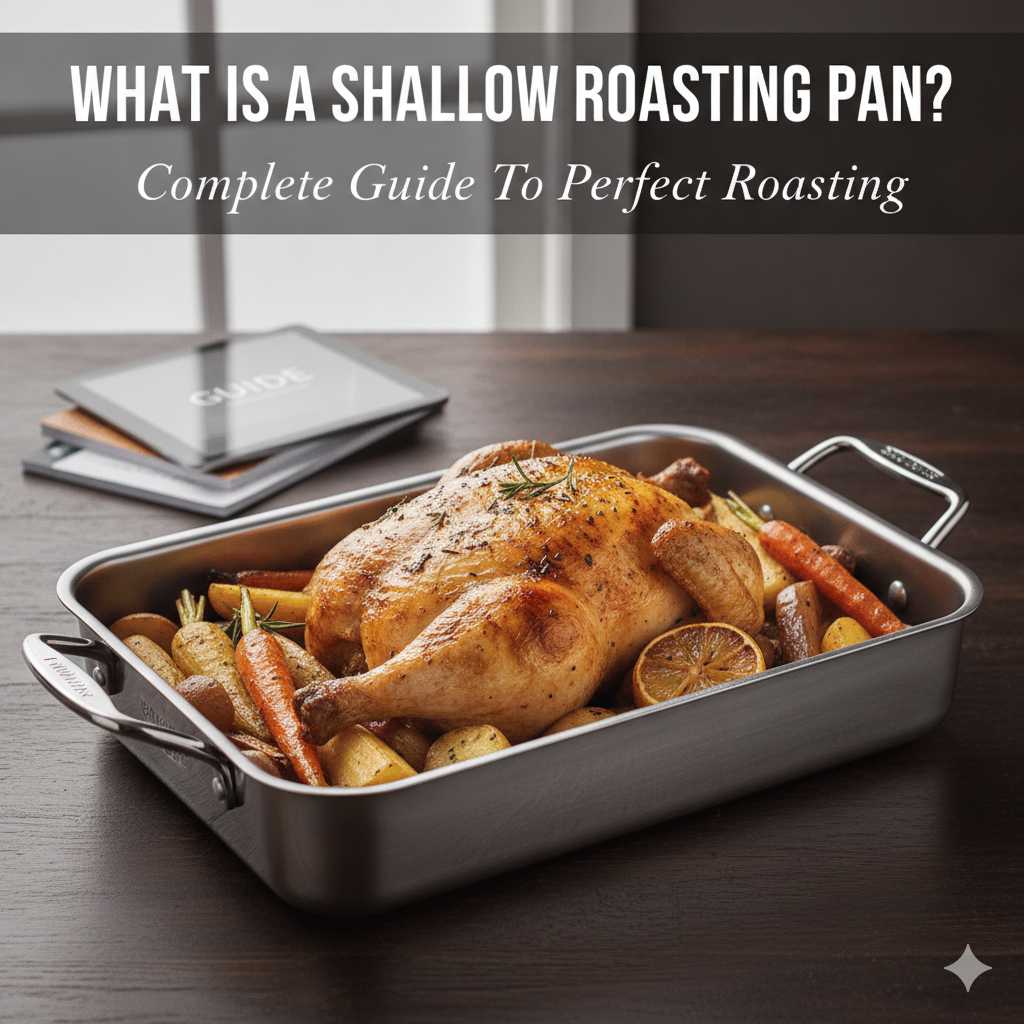
A shallow roasting pan is a wide, shallow baking dish. It has low sides, usually around 2 to 3 inches deep. This design is key for cooking foods that need even heat and a nice crisp surface. It’s different from a deep roasting pan which is made for holding more liquid or larger items.

Chicago Metallic
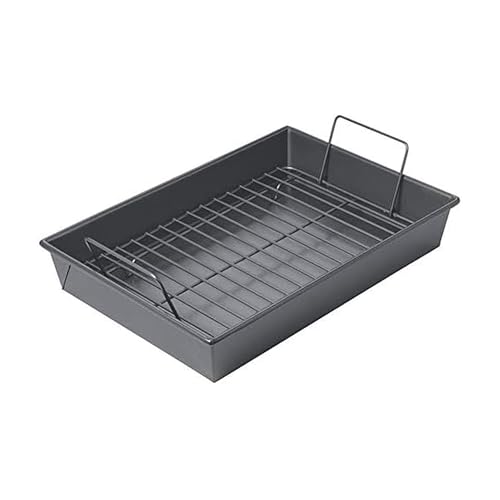
Chicago Metallic Roasting Pan with Rack -…
- SMALL ROASTING PAN WITH RACK INCLUDED: This 13.5 x 9.5 inch carbon steel roasting pan comes with a flat fold-out handle rack, givi…
- NONSTICK COATING INSIDE AND OUT: Xynflon 9650-15137 nonstick coating covers the interior, exterior, and rack for quick food releas…
- DURABLE CARBON STEEL CONSTRUCTION: Built from carbon steel with a 0.4 mm vessel gauge, this rectangular roaster delivers even heat…
As an Amazon Associate I earn from qualifying purchases.
What Makes a Shallow Roasting Pan Different?
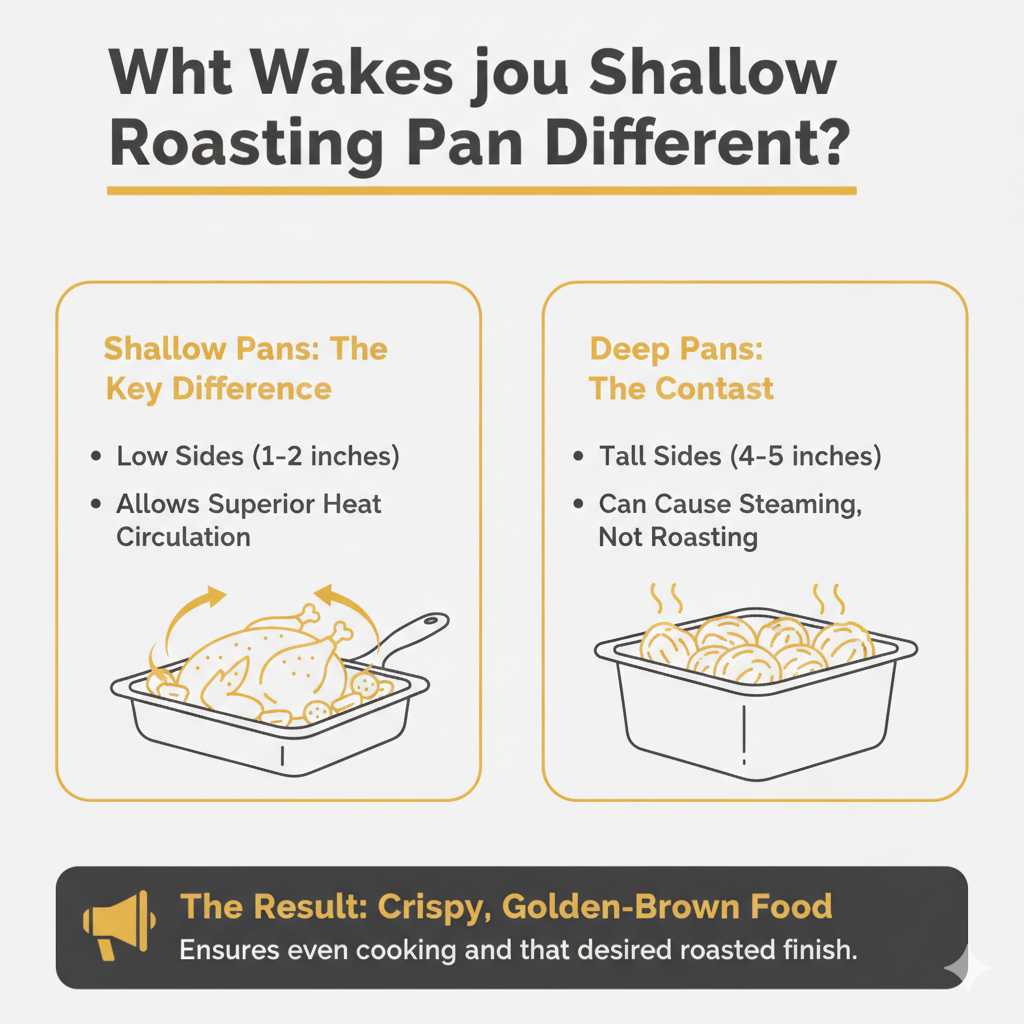
The main thing that sets a shallow roasting pan apart is its height. Think about the sides. Deep pans have tall sides, maybe 4 or 5 inches high.
These are great for holding a lot of liquid. This could be for a big turkey with lots of drippings or a stew that simmers for hours. A shallow pan, however, has much shorter sides.
They are usually just a couple of inches high. This low profile is not an accident. It’s designed for a specific cooking purpose.
It lets heat circulate freely around the food. This is super important for getting a golden brown crust.
If they are piled high in a deep pan, the ones at the bottom might steam instead of roast. They won’t get that lovely crispy edge. A shallow pan prevents this.
It ensures all your veggies, or your chicken pieces, get that beautiful roasted finish.
The material can also be a factor. Many shallow roasting pans are made from metal. This is because metal conducts heat very well.
So, to sum it up, a shallow roasting pan is defined by its low sides. This leads to better heat circulation. It also helps food cook in a single layer.
My Own Experience with Shallow Roasting Pans
I remember one Thanksgiving. I was in charge of the roasted Brussels sprouts. My deep roasting pan was already occupied by the turkey.
I looked at my other pans. I found an old, wide, flat baking sheet. It had low sides, maybe an inch high.
I hesitated. Would it work? I decided to give it a shot.
I tossed the sprouts with olive oil, salt, and pepper. Then I spread them out in a single layer on that sheet pan. I popped it in the hot oven.
What happened next was magic. The sprouts came out perfectly browned. They were tender on the inside but delightfully crispy on the outside.
No soggy bits. No steaming. Every single sprout had that delicious roasted flavor.
I had always used a deeper pan before. I thought that was the only way. But that experience opened my eyes.
That simple, flat pan acted just like a shallow roasting pan. It showed me how important the pan’s shape is. It’s not just about size.
It’s about how the pan helps the food cook. I learned that sometimes, simple is best. And I’ve been reaching for my shallow pans ever since for vegetables and smaller cuts of meat.
Shallow Pan vs. Deep Pan: Quick Look
Shallow Pan:
- Low sides (2-3 inches)
- Great for browning and crisping
- Best for single layers of food
- Ideal for vegetables, fish, chicken pieces
Deep Pan:
- High sides (4-5 inches)
- Good for holding liquids
- Suitable for large roasts, stews, casseroles
- Prevents splattering
What Foods Shine in a Shallow Roasting Pan?
A shallow roasting pan is a true workhorse for certain types of cooking. Its design is all about maximizing surface area and heat exposure. This makes it perfect for dishes where you want beautiful browning and a slightly crispy exterior.
Let’s talk about some of the best candidates.
Vegetables are a prime example. Think about roasting broccoli, cauliflower, or asparagus. When you spread these out in a single layer in a shallow pan, each piece gets direct heat.
This leads to those lovely caramelized edges and tender interiors. Root vegetables like potatoes and carrots also benefit. They get soft inside and beautifully browned outside.
It’s hard to beat the flavor of roasted vegetables cooked this way. Piling them high in a deep pan often results in steamed, pale vegetables, which just isn’t the same. A shallow pan ensures they roast, not steam.
Chicken pieces like thighs, drumsticks, or wings are another winner. They cook relatively quickly. You want them to get a nice crispy skin all around.
A shallow pan allows the hot air to circulate freely. This helps the skin crisp up perfectly. If you’re making a sheet pan dinner with chicken and vegetables, a shallow pan is your best friend.
It ensures everything cooks evenly and gets that desirable roasted look.
Fish, especially fillets, also do wonderfully. Delicate fish can cook through quickly. You want to avoid overcooking them.
A shallow pan allows for even heat distribution. It helps the fish cook through without drying out. Some people even like to roast fish with a topping, like breadcrumbs or herbs.
The shallow sides keep the topping from falling off, and the direct heat ensures it gets toasted nicely.
Small cuts of pork or beef, like pork chops or sirloin steaks, can also be roasted in a shallow pan. Again, the key is getting that lovely sear and even cooking. You’re not typically cooking a huge roast in a shallow pan.
It’s more for items that cook relatively fast and benefit from direct heat exposure on most surfaces.
Even certain desserts can use a shallow pan. Think of baked fruit or a simple fruit crisp. Spreading the fruit out allows it to cook down and caramelize nicely.
The low sides let the topping get delightfully crunchy. It’s a versatile pan that excels when you’re aiming for a well-browned, flavorful result without a lot of liquid.
Foods That Love a Shallow Pan:
- Vegetables: Broccoli, cauliflower, asparagus, Brussels sprouts, potatoes, carrots, bell peppers.
- Poultry: Chicken pieces (thighs, drumsticks, wings), Cornish hens.
- Fish: Salmon fillets, cod, tilapia, shrimp.
- Smaller Meats: Pork chops, lamb chops, steak cuts.
- Desserts: Baked apples, fruit crumbles, cobblers.
Why Even Heat Matters for Roasting
When we talk about roasting food, we’re talking about cooking with dry heat. This usually happens in an oven. The goal is to create delicious textures and flavors.
This includes browning, crisping, and caramelization. For this to happen well, the heat needs to reach the food evenly. This is where the design of a shallow roasting pan really plays a role.
Imagine your oven is like a giant hair dryer. The hot air circulates all around. If you put food in a deep pan, the food at the bottom might not get as much direct hot air.
The food on top might get a lot. The sides of the pan can also block heat from reaching the food. This leads to uneven cooking.
Some parts might be perfectly roasted, while others are pale and undercooked.
A shallow pan changes this. Its low sides mean the hot air can get to almost all sides of the food. If you spread your food out in a single layer, each piece is exposed to the heat.
This allows for what we call radiant heat and convection. Radiant heat comes directly from the oven elements. Convection is the circulation of hot air.
The shallow pan lets both of these work their magic efficiently.
This even heat is what gives you that desirable golden-brown color. It’s also what creates crisp surfaces. Think of roasted potatoes.
You want them fluffy inside and crispy outside. Even heat distribution from a shallow pan helps achieve this. Without it, you might end up with potatoes that are brown on one side and pale on the other.
Or they might just get soft and oily.
The materials of the pan also help with even heat. Metal pans, especially aluminum or stainless steel, conduct heat well. This means the pan itself gets hot and transfers that heat to the food.
A shallow design amplies this effect. The heat from the oven heats the pan’s surface. This hot surface then cooks the food that’s touching it or very close to it.
It’s a double hit of heat: from the air and from the pan itself.
So, when you’re looking for that perfect roast, remember that even heat is key. A shallow roasting pan is designed specifically to help you achieve this. It’s a simple design choice that leads to significantly better results when you want your food to be beautifully browned and deliciously crisp.
Understanding Heat Transfer:
Conduction: Heat moves directly from the hot pan surface to the food touching it. A shallow pan with good metal helps this.
Convection: Hot air circulates around the food in the oven. Low sides allow better air flow to all parts of the food.
Radiation: Heat beams directly from the oven’s heating elements. The food in a shallow pan is more exposed to this direct heat.
Common Mistakes When Using a Shallow Roasting Pan
Even with a great tool like a shallow roasting pan, it’s possible to make mistakes. These can lead to less-than-perfect results. Sometimes, it’s just a small tweak that makes a big difference.
Let’s look at a few common pitfalls and how to avoid them.
One big mistake is overcrowding the pan. This is especially true with shallow pans. The whole point of a shallow pan is to give food space.
You want food in a single layer. When you pile food too high, it’s like putting it back into a deep pan. The pieces on top won’t get enough direct heat.
They might steam instead of roast. They won’t get that nice crispy edge. Always give your food room to breathe in the pan.
If you have too much food for one pan, use two! It’s better to have slightly less food cooked perfectly than a lot of food cooked poorly.
Another common error is not preheating the pan or the oven. While some recipes might call for starting in a cold oven, many roasted items benefit from starting with a hot pan. A hot pan can help create a better sear or crust right from the start.
Make sure your oven is fully preheated before you put the pan in. This ensures the cooking environment is stable and hot enough to begin the roasting process immediately.
Forgetting to turn or stir the food can also be a problem. While a shallow pan helps with even cooking, it doesn’t guarantee perfection without a little help. For vegetables or smaller pieces of meat, you’ll want to flip them halfway through cooking.
This ensures all sides get nicely browned. For items like roasted potatoes, give them a good shake or stir. This helps prevent one side from getting too brown while the other stays pale.
Using the wrong type of oil or not enough oil can also hinder good roasting. Oil helps transfer heat and prevents food from sticking. It also contributes to browning and crispiness.
Make sure you use an oil with a high smoke point, like vegetable oil, canola oil, or avocado oil. And don’t be shy with it! Coat your food well.
For vegetables, a good coating ensures they roast rather than dry out. For meats, it helps create that delicious crust.
Finally, not understanding the heat of your own oven is a common issue. Ovens can vary in temperature. What a recipe calls for might be slightly different in your kitchen.
Using an oven thermometer can help you know the true temperature. Pay attention to how your food is cooking. If things are browning too quickly, you might need to lower the temperature slightly or cover them loosely with foil.
If they aren’t browning enough, you might need to increase the heat or cook them a bit longer.
Avoiding these common mistakes will help you get the most out of your shallow roasting pan. It’s all about giving your food the best chance to develop those wonderful roasted flavors and textures.
Quick Tip Checklist for Shallow Pans:
- Don’t overcrowd: Give food space in a single layer.
- Preheat: Ensure oven and sometimes the pan are hot.
- Turn/Stir: Help food brown evenly on all sides.
- Use enough oil: Coat food well with high-smoke-point oil.
- Know your oven: Use a thermometer if needed.
Choosing the Right Shallow Roasting Pan
When you’re looking to add a shallow roasting pan to your kitchen collection, there are a few things to consider. It’s not just about picking the first one you see. Thinking about these factors can help you find a pan that you’ll love and use for years to come.
We want something that works well and lasts.
Material is a big one. Most shallow roasting pans are made from metal. This is because metal heats up quickly and evenly.
It’s great for browning.
- Stainless steel is very durable and doesn’t react with acidic foods. It can be a bit slower to heat up than other metals but holds heat well.
Look for ones with a heavier gauge for better performance.
- Aluminum heats up very fast and evenly. It’s usually lighter and more affordable. However, aluminum can react with acidic foods, potentially changing their color and flavor.
Non-stick aluminum pans are also common.
- Carbon steel is fantastic for searing and browning. It gets very hot and distributes heat well. It requires seasoning, much like cast iron, to prevent rust and sticking.
These pans can last a lifetime if cared for properly.
- Enameled cast iron offers great heat retention and even cooking. It’s heavy and durable, and the enamel coating makes it non-reactive. It heats up more slowly than other metals but provides very consistent results.
Size and Shape are also important. Think about what you’ll be cooking most often.
- A common size is around 13×9 inches, which is good for many everyday tasks.
- If you cook for a larger family or entertain often, you might want a larger pan, perhaps 15×10 inches or even bigger.
- Consider the dimensions of your oven.
Make sure the pan will fit comfortably with room to spare for air circulation.
- Some pans are rectangular, while others might be square or even round. Rectangular pans are often best for spreading out food in a single layer, which is key for shallow roasting.
Handles can make a big difference in usability.
- Look for sturdy handles that are comfortable to grip.
- Handles that are riveted or welded securely are more durable.
- Some pans have built-in handles, while others have separate loop handles. Consider which type is easier for you to maneuver, especially when the pan is full and hot.
- Oven-safe handles are a must.
Depth, as we’ve discussed, is key for a shallow pan. Aim for sides that are around 2 to 3 inches high. Any deeper, and you start losing the benefits of a shallow pan.
Any shallower, and you might find food falling out when you move it.
Non-stick coating can be a plus for easier cleanup. However, be aware that non-stick coatings can degrade over time, especially with high heat or metal utensils. If you go for non-stick, be sure to use appropriate cooking tools and follow care instructions.
Some people prefer pans without non-stick coatings so they can get a better sear and sear the pan itself after use.
Finally, consider your budget and how often you’ll use it. If you’re just starting out or don’t roast often, a more affordable aluminum or stainless steel option might be perfect. If you roast frequently, investing in a high-quality carbon steel or enameled cast iron pan could be a worthwhile long-term choice.
Pan Material Quick Guide:
| Material | Pros | Cons |
|---|---|---|
| Stainless Steel | Durable, non-reactive, good heat retention | Slower to heat, can be more expensive |
| Aluminum | Heats fast and evenly, affordable | Can react with acidic foods, may warp if thin |
| Carbon Steel | Excellent searing, durable, great browning | Requires seasoning, can rust if not cared for |
| Enameled Cast Iron | Even heating, excellent heat retention, non-reactive | Heavy, heats slowly, can be very expensive |
When is a Shallow Roasting Pan Not the Best Choice?
While a shallow roasting pan is fantastic for many things, it’s not the right tool for every job. Understanding its limitations helps you choose the best pan for what you’re cooking. This saves you frustration and ensures your food turns out just right.
The most obvious limitation is when you need to cook with a lot of liquid. Think about making a traditional Thanksgiving turkey with gravy, or a hearty beef stew. These dishes often require a significant amount of liquid to cook the meat, create a sauce, or prevent drying out.
A shallow pan simply doesn’t have the high sides to hold all that liquid. It would spill over in the oven, creating a mess and potentially ruining your dish. For these situations, a deep roasting pan or a Dutch oven is a much better choice.
Similarly, if you are cooking something that will release a lot of grease or fat, a deep pan is usually preferred. While you can place a rack in a shallow pan to lift food above some of the drippings, a deeper pan offers more containment. This is especially true for larger cuts of meat that render a lot of fat.
The high sides prevent the hot grease from splattering out of the pan and onto your oven walls. This makes cleanup much easier and reduces the risk of grease fires.
When you are making a dish that involves a lot of stirring or requires a significant depth, a shallow pan isn’t ideal. For example, if you’re making a large batch of risotto in the oven, or a layered casserole that needs to be submerged in sauce, you need a pan with enough height. A shallow pan might not be deep enough to accommodate all the ingredients without them overflowing.
Sometimes, speed of cooking isn’t the only factor. If you are cooking a very large, dense piece of meat that needs to cook for many hours, a deeper pan might offer more consistent moisture around the roast. While a shallow pan excels at browning, a longer braise or roast might benefit from the more enclosed, moist environment that a deeper pan can provide, especially if you are adding liquids.
And finally, if you are planning to use a rack for roasting, like when you roast a whole chicken or a prime rib, you might find that a deep pan is more suitable. While you can use a rack in a shallow pan, the higher sides of a deep pan can sometimes help keep the food elevated more securely and prevent it from accidentally falling into the drippings.
So, while the shallow roasting pan is a champion for crisping and browning, remember its limits. If your recipe involves lots of liquid, significant drippings, or requires a deep container, reach for a different pan. Choosing the right pan ensures your cooking process is smoother and your results are consistently delicious.
When to Reach for a Different Pan:
- Recipes with large amounts of liquid (soups, stews, gravies).
- Roasts that yield a lot of fat and grease that could splatter.
- Layered dishes or casseroles that need significant depth.
- Long, slow braises where moisture retention is paramount.
- When using a very tall rack for roasting whole birds or large cuts.
Caring for Your Shallow Roasting Pan
Taking good care of your shallow roasting pan will ensure it lasts for a long time and continues to perform well. The best way to care for it depends on what material it’s made from. But there are some general rules that apply to most types.
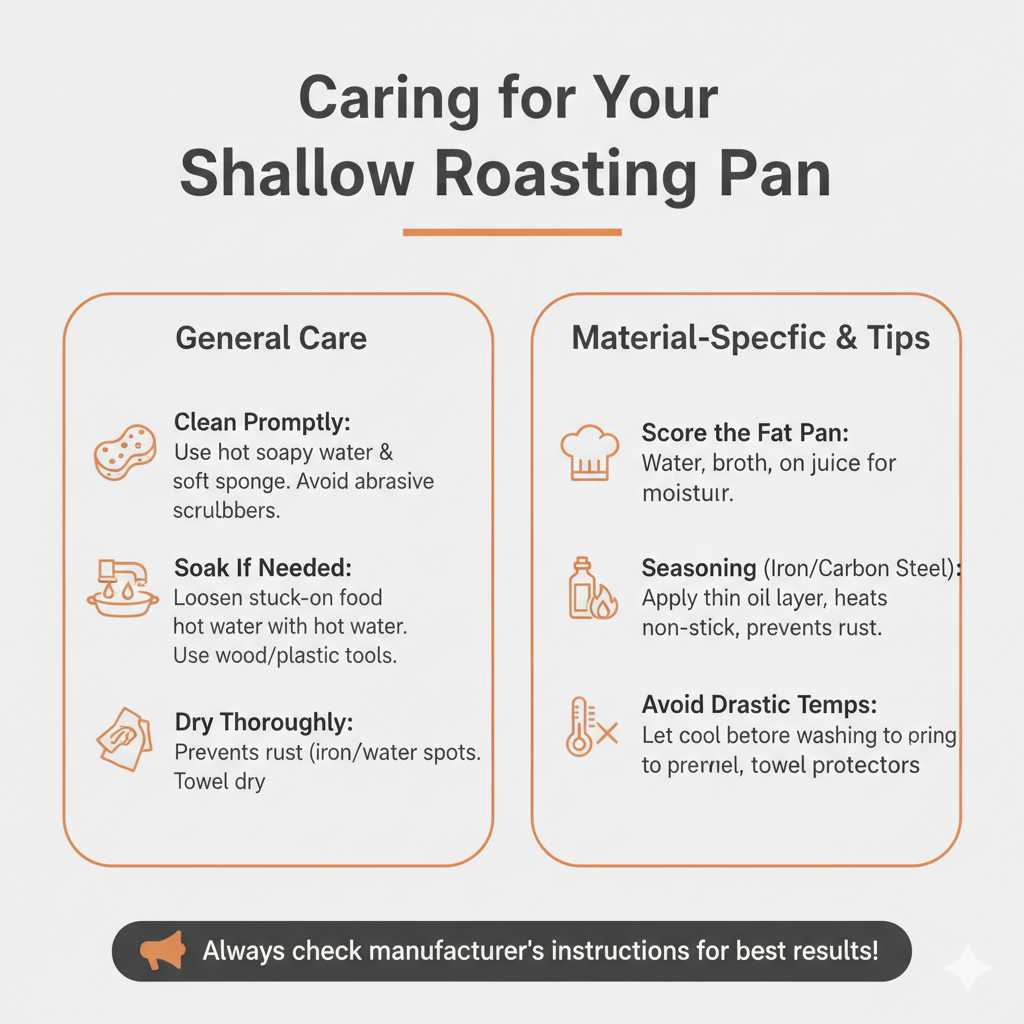
Cleaning is key. After each use, it’s best to clean your pan. For most metal pans, hot, soapy water and a soft sponge or cloth are enough. Avoid abrasive scrubbers, steel wool, or harsh detergents, especially if your pan has a non-stick coating or a special finish.
These can scratch the surface and damage its performance.
If food has stuck on, don’t despair. For most pans, soaking in hot, soapy water for a while can loosen up stubborn bits. You can also try gently scraping with a wooden spoon or a plastic spatula.
For more persistent stuck-on food on stainless steel or carbon steel, a paste of baking soda and water can be a gentle abrasive. Let it sit for a bit, then scrub gently.
Drying is very important. After washing, always dry your pan thoroughly. This is especially true for carbon steel or iron pans, which can rust if left wet. Even stainless steel can develop water spots if not dried properly.
Use a clean, soft towel and make sure to get into all the nooks and crannies.
Seasoning for Carbon Steel and Cast Iron. If you have a carbon steel or cast iron shallow roasting pan, it will need to be seasoned. This involves applying a thin layer of cooking oil and heating the pan to high temperatures. This creates a natural non-stick surface and protects it from rust.
You’ll need to re-season it periodically, especially if you notice the non-stick quality decreasing or see any signs of rust.
Avoid drastic temperature changes. Don’t plunge a hot pan into cold water. This sudden change in temperature can cause metal pans to warp, especially thinner ones. Let the pan cool down a bit before washing it.
Storage matters. When you store your pans, try not to stack heavy items on top of them, which can cause them to warp or scratch. If you stack pans, place a towel or paper towel between them to protect the surfaces, especially non-stick coatings. Store them in a dry place.
Check manufacturer instructions. Always check the specific care instructions that come with your pan. Different manufacturers use different materials and finishes. Following their advice is the best way to ensure your pan stays in good condition.
By following these simple care tips, your shallow roasting pan will remain a reliable and effective tool in your kitchen for many years. It’s a small effort that pays off in great cooking results.
Pan Care Summary:
- Clean Gently: Use mild soap and soft sponges.
- Dry Thoroughly: Prevent rust and water spots.
- Season Properly: For carbon steel/cast iron.
- Avoid Shocks: Let pans cool before washing.
- Store Carefully: Protect surfaces from damage.
Frequently Asked Questions About Shallow Roasting Pans
What is the main difference between a shallow and deep roasting pan?
The main difference is the height of the sides. A shallow roasting pan has low sides, usually 2-3 inches high. A deep roasting pan has higher sides, typically 4-5 inches or more. This difference affects how well the pan holds liquid and how evenly heat circulates around food.
Can I use a shallow roasting pan for a whole chicken?
Yes, you can, especially if you want the skin to be extra crispy. A shallow pan allows hot air to circulate well around the chicken. However, if you plan to collect a lot of drippings for gravy, a deeper pan might be better to prevent overflow.
What kind of foods are best for a shallow roasting pan?
Shallow roasting pans are ideal for foods that need good browning and crisping. This includes vegetables like broccoli and potatoes, chicken pieces (thighs, wings), fish fillets, and smaller cuts of meat like pork chops. They work best when food is in a single layer.
How do I prevent food from sticking in a shallow roasting pan?
Make sure the pan is well-oiled before adding food. Using an oil with a high smoke point is important. For non-stick pans, be sure to use non-metal utensils. If using a stainless steel or carbon steel pan, proper preheating and enough oil can significantly reduce sticking.
Is a shallow roasting pan dishwasher safe?
It depends on the material. Stainless steel and anodized aluminum pans are often dishwasher safe. However, non-stick coatings, enamel finishes, and carbon steel pans can be damaged by the harsh detergents and high heat of a dishwasher. It’s always best to check the manufacturer’s instructions. Handwashing is generally recommended for longevity.
Can I use a baking sheet as a shallow roasting pan?
Yes, a sturdy baking sheet with low sides (like a rimmed cookie sheet) can often be used as a shallow roasting pan. The key is that it should have sides to contain the food and drippings, and it should be made of a material that can withstand oven temperatures. Ensure it’s not too flimsy.
The Takeaway on Shallow Roasting Pans
So, now you know that a shallow roasting pan is more than just a baking dish. It’s a specialized tool designed for specific cooking goals. Its low sides are the key.
They allow heat to circulate freely. This gives your food that lovely browned and crispy texture we all love. Whether you’re roasting bright vegetables or preparing chicken pieces, this pan helps you achieve delicious results without much fuss.
Remember that it’s best for single layers of food. Overcrowding is the enemy of good roasting. Think about the materials and sizes available.
Choose one that fits your cooking style and your oven. And take good care of it! Simple cleaning and proper storage will make your shallow roasting pan a reliable kitchen helper for years to come.
Happy roasting!
Related pick: Check today's price on Amazon
Products related to this article
Sponsored / affiliate links. As an Amazon Associate I earn from qualifying purchases. I may earn additional commission from eligible campaigns.