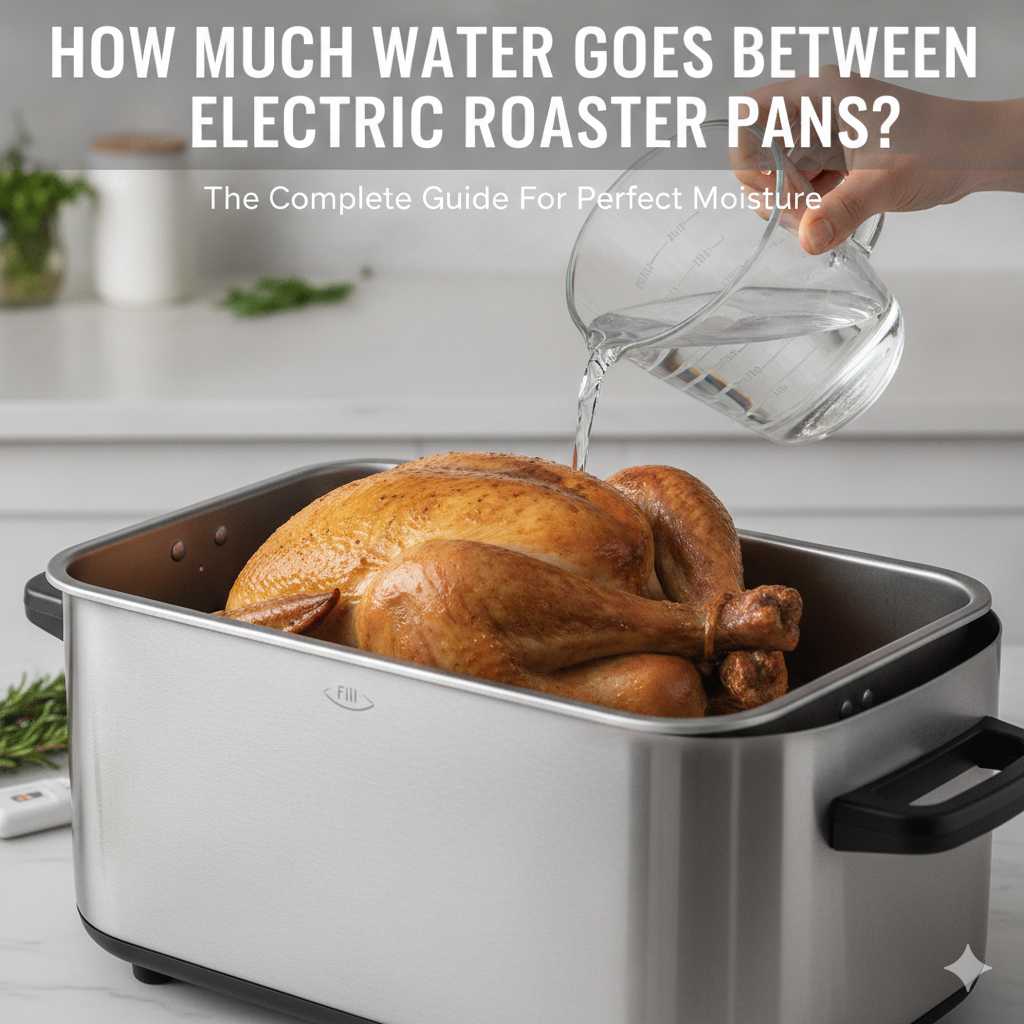
How Much Water Goes Between Electric Roaster Pans?
An electric roaster pan is a fantastic kitchen tool. It helps you cook large meals. It also keeps food warm for parties.

iSpring
iSpring T32M Pressurized Water Storage Tank with…
- Metal pressurized tank with up to 3.2 gallon holding capacity
- Made from food grade butyl diaphragm with post-cure procedures provides a tasteless and odorless water chamber. Tested by independ…
- Stainless steel 1/4" NPT valve thread, 1/4-inch tank valve Included
As an Amazon Associate I earn from qualifying purchases.
Sometimes, you’ll notice liquid. This can be water or other cooking juices. It might be on the bottom or even on the sides.
Most of the time, a little bit of moisture is perfectly fine. It’s actually a sign that your roaster is working as it should. However, understanding where this water comes from and what it signifies can bring you peace of mind.
It also helps you cook better.
A small amount of water or condensation in your electric roaster pan is usually normal. It often comes from the food itself releasing moisture as it cooks. This moisture helps keep your food tender and prevents drying out.
It’s a sign of effective cooking, not a problem, unless it becomes excessive.
Why Does Water Appear in My Electric Roaster Pan?
Let’s break down the common reasons you see water. It’s not usually a sign of a leak or a broken appliance. Instead, it’s part of the cooking process.
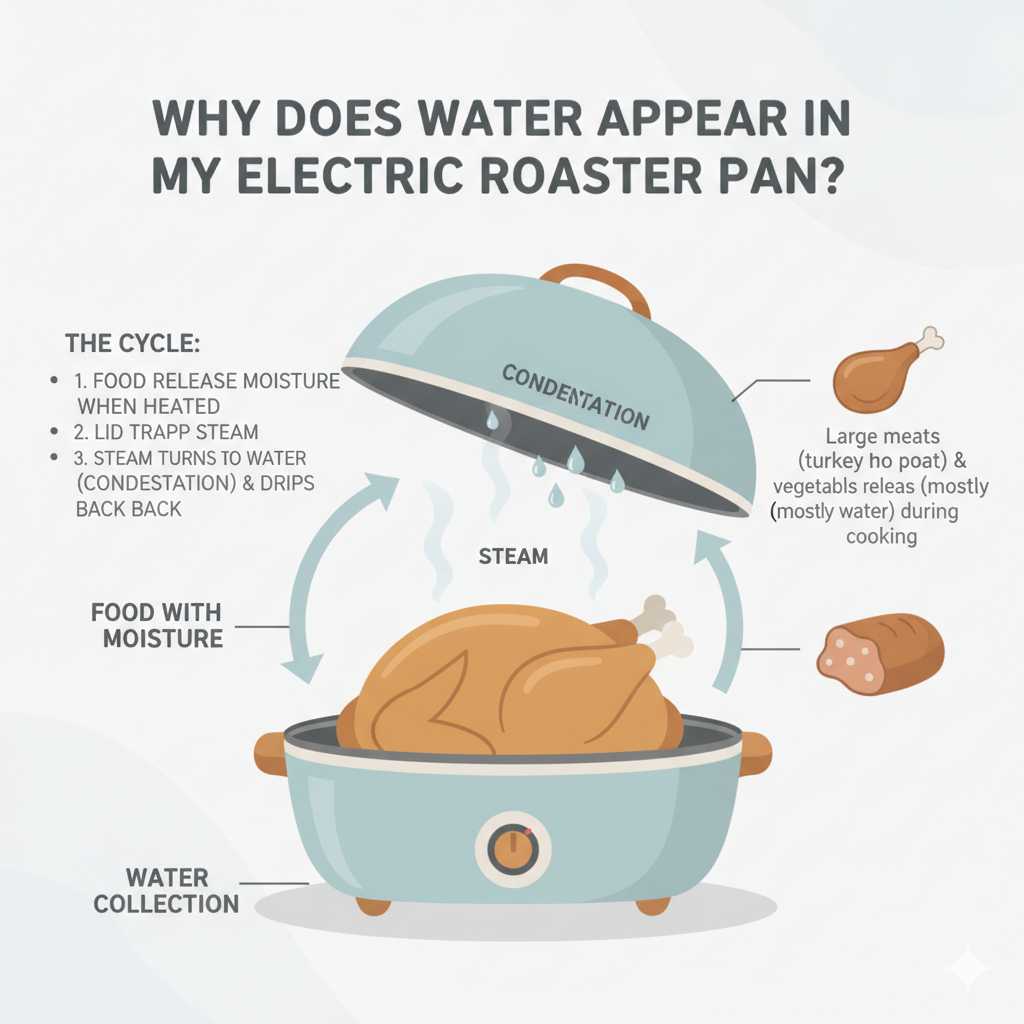
Think about the food you put inside. It has natural moisture. This moisture needs to go somewhere when heated.
The electric roaster lid often traps this moisture. This creates steam. This steam then turns back into water.
This happens on the inside of the lid. It then drips back down. This is why you might see water collecting.
It’s a cycle of steaming and condensation.
Different foods release different amounts of water. For example, a large turkey or a pot roast will release more juices. These juices are mostly water.
Vegetables also contain water. They release it when they cook and soften. So, the type of food matters a lot.
The Science Behind Roaster Pan Moisture
Cooking involves heat and water. Most foods contain a good amount of water. When you heat food, this water turns into steam.
Steam is water in its gas form. Your electric roaster pan is designed to cook food evenly. It also keeps moisture in.
The lid of the roaster plays a big role. It fits snugly. This traps the steam inside.
It creates a moist cooking environment. This is great for keeping meats tender. It also helps vegetables cook without drying out.
But where does the steam go?
As the steam rises and hits the cooler lid, it cools down. When steam cools, it turns back into liquid water. This is called condensation.
This condensation then gathers on the underside of the lid. Eventually, it drips back into the pan. This is a natural process.
Some roaster pans have a “self-basting” lid. These lids are designed to encourage this dripping. They help keep the food moist.
They do this by constantly returning the juices to the food. So, seeing water drip from the lid is often a good sign.
It’s important to distinguish between cooking juices and actual water. If you add water to the pan to create steam, that’s different. But if the water appears on its own, it’s likely from the food.
This is a key point for understanding your roaster.
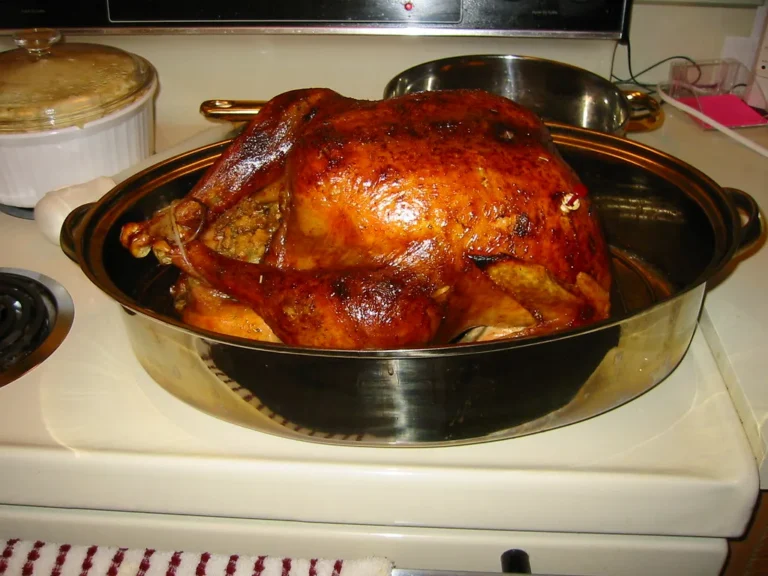
My Roaster Pan Story: The Thanksgiving Turkey Panic
I remember one Thanksgiving. I was using my electric roaster for the first time for a huge turkey. Everything seemed to be going well.
The house smelled amazing. Then, about an hour before serving, I lifted the lid to check on it. I saw a pool of clear liquid.
It wasn’t gravy. It was just…water. My heart sank.
My first thought was, “Oh no! Is the roaster broken?” I pictured a leaky seal or some internal damage. Thanksgiving dinner was at stake!
I started to panic a little. I had visions of dry turkey and disappointed guests. It felt like a disaster was brewing.
I quickly put the lid back on, feeling confused and worried. I’d never used this roaster before, so I had no frame of reference. Was this a defect?
Was I ruining the turkey? It was a moment of pure kitchen dread. I felt completely unsure of what to do next.
Decoding the Drips: What the Moisture Really Means
That pool of water I saw was, in fact, condensation. The turkey itself releases a lot of natural moisture as it cooks. This moisture turns into steam.
The lid traps this steam. The steam cools on the lid and turns back into liquid. This liquid then drips down.
It’s a clever, built-in basting system. This condensation helps keep the turkey skin moist. It also helps the meat stay tender.
It’s a natural part of cooking foods with high water content in a closed environment. So, instead of a problem, it was actually helping my turkey!
The amount of water can vary. It depends on the size of the food. It also depends on how fatty it is.
And it depends on the cooking time and temperature. A larger bird will produce more steam. A longer cooking time will allow more condensation to form.
Moisture Source Breakdown
From the Food: Most of the liquid comes from the natural water content in meats and vegetables. As they heat up, this water turns to steam. This is the primary source.
From Added Liquids: If you add broth, water, or wine to the pan, this will obviously increase the liquid. This is intentional basting liquid.
From Fat Rendering: Fats in meats melt and can mix with water content, sometimes appearing as cloudy liquid.
How Much Water is “Normal”?
Defining “normal” can be tricky. It’s not a specific measurement. Instead, it’s about observation.
A small amount of liquid on the bottom of the pan is usually normal. This could be a few tablespoons to perhaps half a cup, depending on the size of the roast and cooking time.
If you lift the lid and see a layer of liquid that seems to cover the bottom of the pan, that’s also often okay. This liquid is usually a mix of rendered fat and natural juices. It helps keep the food moist and prevents sticking.
Think of it this way: the food is cooking. It’s releasing its own moisture. This moisture is being contained.
It’s then returning to the food. If you’re cooking a large, juicy piece of meat for several hours, you expect to see some liquid.
What might seem “a lot” of water to one person might be perfectly normal for another. It really depends on what you’re cooking. For instance, a whole chicken will release less liquid than a pork shoulder.
A large beef roast will create more drippings than a few vegetables.
Visual Cues for Normal Moisture
Normal: A thin film of liquid, a few tablespoons of collected drippings, or a clear condensation layer on the lid.
Potentially Concerning: Large amounts of actively bubbling liquid that seem unrelated to cooking juices, or liquid that smells burnt or off.
When to Be Concerned About Water in Your Roaster
While a bit of moisture is normal, there are times when you should pay closer attention. These situations might indicate something beyond normal cooking condensation.
Excessive Water Release: If you’re cooking something that shouldn’t release a huge amount of water, and you see a flood, investigate. This could happen if a food item is underripe or unusually watery. It’s rare but possible.
Strange Smells: If the liquid has a foul odor, or a smell that doesn’t match the food you’re cooking, it’s a red flag. This could mean something has gone wrong with the food or the roaster itself.
Unusual Color: While juices can be colored, a strange, unnatural color to the liquid might be concerning. This is especially true if it doesn’t seem to come from the food.
Leakage: If you notice water or liquid dripping from the outside of the roaster, or from places it shouldn’t be, that’s a problem. This suggests a crack or a damaged seal.
No Moisture at All: The opposite can also be a sign of trouble. If you’re cooking something very moist, like a pot roast, and you see absolutely no liquid at the bottom after hours, that’s odd. It could mean the lid isn’t sealing properly, and all the moisture is escaping.
Electrical Issues: Any time water interacts with electrical components, there’s a risk. If you see water near the power cord or heating element, unplug the unit immediately. Do not use it until it has been checked by a professional.
Red Flags Checklist
- Unusual smells (burnt, sour, chemical)
- Strange, unnatural colors
- Liquid appearing outside the roaster
- No liquid when a moist dish is expected
- Water near electrical parts
Types of Liquids You Might Find
It’s not always pure water. The liquid in your roaster can be a mix. Understanding this mix helps you know what you’re seeing.
Natural Juices: This is the most common. Meats release proteins and water. These juices form the base of gravies.
They add flavor and moisture.
Rendered Fat: Fatty cuts of meat will melt. This fat separates from the juices. It often floats on top.
It can look oily or greasy.
Added Liquids: If you’ve added broth, wine, water, or marinade, this is also part of the liquid. This is intentional to add flavor or create steam.
Condensation: As mentioned, steam turning back into water. This is usually clear and pure. It mixes with the other liquids.
The combination of these liquids is what makes the drippings so flavorful. This is the basis for delicious gravies and sauces. So, seeing this liquid is usually a good thing for your meal.
How to Manage Moisture in Your Roaster Pan
If you find the amount of liquid a bit much, or you want to control it, there are ways. These tips help manage the moisture for better cooking results.
Controlling Condensation
For most roasters, controlling condensation is about the lid. Ensure the lid fits well. If it’s loose, steam can escape.
This means less condensation. But this can also lead to drier food.
Some lids are designed with little bumps or channels. These guide condensation back into the pan. If your lid doesn’t have this, it’s still fine.
The natural dripping will happen.
Managing Drippings and Juices
If you want to use the drippings for gravy, you’ll need to manage them. After cooking, you can carefully pour off the excess liquid. You can do this into a heatproof bowl or a fat separator.
If there’s too much fat, a fat separator works best. It allows the fat to rise to the top. Then you can pour off the defatted juices.
This gives you a cleaner base for your gravy.
Adding Liquid (Intentional Basting)
Sometimes, you might want to add liquid yourself. This is for extra moisture or flavor. You can add broth, water, or wine to the bottom of the pan.
This helps create steam. It also adds flavor to the food. Follow your recipe for amounts.
The amount of added liquid will affect the total liquid. It will also affect the flavor of the drippings. Use this technique wisely.
It can enhance your dish.
Quick Moisture Management Tips
Check the Lid Fit: Ensure it’s snug for effective steaming.
Pour Off Excess: Carefully remove extra liquid after cooking if needed.
Use a Fat Separator: Get pure drippings for gravy.
Add Liquid Strategically: Use broth or water for extra moisture.
Real-World Scenarios and Roaster Pan Moisture
Let’s look at how different cooking situations affect the amount of liquid.
Roasting a Turkey
A large turkey is very dense. It contains a lot of water and fat. As it cooks, it releases a significant amount of juices.
You will likely see a good pool of liquid at the bottom. This is normal and desirable for basting. Expect several cups of liquid.
Cooking a Pot Roast
A pot roast often cooks in liquid. This is part of the braising process. You’ll add broth or water to the pan.
So, the liquid level will be high intentionally. The meat also releases its own juices. You’ll end up with a rich, flavorful broth.
Roasting Vegetables
Vegetables like potatoes, carrots, and onions have water. They will release some moisture. However, it’s usually less than a large piece of meat.
You might see some condensation. You might also see a little bit of moisture from the vegetables themselves.
If you add oil to vegetables, it will mix. This creates a different kind of coating. You might not see much “water” in this case.
It’s more like seasoned oil.
Baking a Casserole
Casseroles can vary. Some, like lasagna, have moist sauces. Others, like a baked pasta dish, might have less liquid.
The moisture comes from the ingredients themselves. And from any sauces you add. You’ll see liquid, but it’s usually integrated into the dish.
Scenario Moisture Expectation
Scenario: Large Turkey Roast
Expected Moisture: High (several cups of juices, fat, and condensation)
Scenario: Beef Pot Roast
Expected Moisture: Very High (due to added liquid and meat juices)
Scenario: Roasted Root Vegetables
Expected Moisture: Low to Moderate (condensation and vegetable moisture)
Scenario: Lasagna Casserole
Expected Moisture: Moderate (from sauces and ingredients)
What This Means for Your Cooking
The presence of liquid in your roaster pan is not just about moisture. It’s about flavor, texture, and a successful meal.
Flavor Base: The drippings are packed with flavor. They are the foundation for gravies, sauces, and pan juices. Don’t discard them carelessly!
Tenderizing: The steam created by the moisture helps to tenderize the food. It cooks through gently. This is especially important for tougher cuts of meat.
It breaks down connective tissues.
Preventing Dryness: In a dry oven, food can easily dry out. The moist environment created by the roaster pan prevents this. It keeps the surface of the food from becoming tough.
This is crucial for large items like turkeys.
Even Cooking: The steam can help distribute heat more evenly. This leads to more consistent cooking results. It ensures your food is cooked through without burning.
Simple Checks for Roaster Pan Moisture Issues
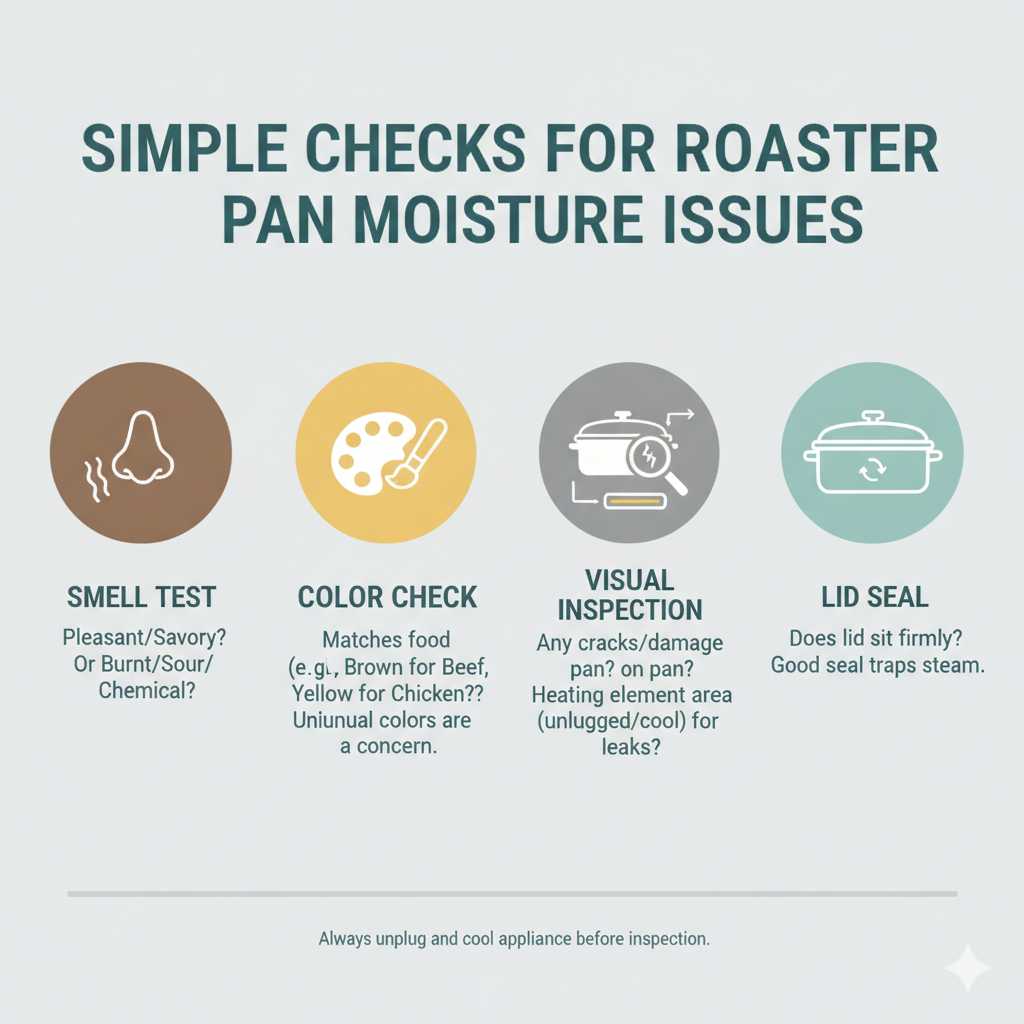
If you’re unsure about the moisture in your roaster, do these simple checks:
Smell Test: Does the liquid smell like your food? Is it pleasant and savory? Or does it smell burnt, sour, or chemical?
Color Check: Is the color consistent with the food being cooked? Brown for beef, clear to slightly yellow for chicken, etc.? Unusual colors are a concern.
Visual Inspection of the Roaster: Look for any cracks or damage on the pan itself. Check the heating element area (when unplugged and cool) for any signs of leakage.
Lid Seal: Does the lid sit firmly on the pan? A good seal is key for trapping steam.
Quick Moisture Check Guide
Is it normal? If it smells like food and looks like cooking juices/condensation, likely yes.
When to worry? Strange smells, colors, or liquid outside the pan.
Easy action: Always check the smell and appearance before using drippings.
Frequently Asked Questions About Roaster Pan Water
Is it normal for condensation to form on the inside of my electric roaster lid?
Yes, it is very normal. As food cooks and releases steam, that steam rises. When it hits the cooler lid, it condenses back into water.
This is a natural part of the moist cooking environment that electric roasters create.
How much liquid is too much water in my electric roaster pan?
It depends on what you are cooking. For a large roast or turkey, a few cups of liquid (juices, fat, condensation) is normal. If you are cooking something that shouldn’t produce much moisture, and you see a lot of liquid, it might be worth investigating.
Can the water in my roaster pan make my food soggy?
Usually, no. The moisture helps keep food tender and prevents it from drying out. If you are concerned about a specific dish becoming soggy, you can sometimes remove the lid for the last 20-30 minutes of cooking.
This allows some moisture to escape and the food to crisp up.
What is the clear liquid I sometimes see at the bottom of my roaster?
This is typically a combination of natural juices released from the food, rendered fat, and condensation. For meats, it forms the base for delicious pan gravies and sauces. It’s a sign of moist cooking.
Should I always add water to my electric roaster pan?
Not necessarily. Many recipes call for adding water or broth to help create steam and flavor. However, if you are cooking a very moist item like a turkey, the food itself will release enough moisture.
Always follow your recipe’s instructions for adding liquid.
My roaster pan is leaking water from the outside. What should I do?
If you see water leaking from the outside of your roaster pan, unplug it immediately. Do not use it. This indicates a crack or damage to the roaster.
Contact the manufacturer or a repair service. Do not attempt to use it until it is fixed or replaced.
Can I use the liquid from my roaster pan for gravy if it looks greasy?
Yes, you can. The best way is to use a fat separator. Pour the drippings into the separator.
Let the fat rise to the top, then pour off the defatted juices. This gives you a cleaner liquid for your gravy. Or, you can simply skim the fat off the top of the liquid.
Final Thoughts on Roaster Pan Moisture
Seeing water in your electric roaster pan is often a sign of success. It means your roaster is creating a moist, flavorful cooking environment. It’s a part of the natural cooking process.
Pay attention to unusual smells or leaks. Otherwise, enjoy the delicious results!
Related pick: Check today's price on Amazon
Products related to this article
Sponsored / affiliate links. As an Amazon Associate I earn from qualifying purchases. I may earn additional commission from eligible campaigns.